Created by the Kawaii Vibe editorial team. Our named style desks are editorial personas. Product details and availability can change.
Wearing a vintage-cut dress without looking like you stepped out of a themed costume party comes down to how you balance your layers, shoes, and accents. Seventies dress shapes carry strong design cues, including long sweeping hems, fitted bodices, wide pointed collars, and expressive earth-toned prints. When you throw on a statement dress by itself, it can feel overwhelming for everyday wear. By breaking up the silhouetteThe overall shape an outfit creates, from fitted to loose and layered. with modern textures and grounded footwear, you anchor the garment into your current daily rotation.
This guide walks through practical ways to wear these dresses across changing temperatures and settings. Whether you are dealing with a tiered maxi, a breezy button-front shirt dress, or an A-line mini, the goal is finding balance. You will learn how to pair outerwear lengths against different hemlines, which shoes stop long skirts from dragging or looking dated, and how to mix small accessories without cluttering the neckline.
Every styling recommendation here focuses on wearable proportions. We will compare fitted versus loose layeringWearing pieces over or under one another to add depth, warmth or contrast. tactics, map out specific footwear matches for different climates, and look at how to introduce complementary separates when you want to extend your wardrobe across cool mornings and warm afternoons.
Balancing Hemlines With Outerwear Lengths
Getting the outer layer right is the first step to making a retro dress look intentional. A common issue with long dresses is wearing a coat that cuts you off at an awkward middle point, like mid-calf, which hides your waist and clumps the fabric. When you wear a full-length piece from our 70s dresses line, pair it with an outer layer that either stops squarely above your hips or drops entirely past the dress hem. A cropped jacket defines your natural waistline, letting the skirt flow freely without bunching up underneath heavy fabric.
If you are wearing an A-line mini dress instead, the rules flip in your favor. A mid-thigh dress looks structured when paired with a duster coat or an open trench that falls several inches lower than the dress hem. This contrast in lengths creates a vertical line down your torso, keeping the silhouetteThe overall shape an outfit creates, from fitted to loose and layered. neat and relaxed. For cool evenings, opting for structured denim, faux shearling, or corduroy gives the fluid skirt fabric something sturdy to lean against.
- Cropped jackets ending at the natural waist highlight shape with maxi lengths.
- Long dusters and overcoats work best when they fall slightly past a mini dress hem.
- Avoid coats that stop directly at your widest calf point to prevent an awkward, bulky break.
Layering Knits Over and Under Bodices
Knitwear gives you two distinct ways to wear the same dress throughout the year. You can wear a thin, fitted layer beneath a sleeveless or pinafore dress, or pull a heavier knit over the top of a flared dress to make it function like an everyday skirt. For light layeringWearing pieces over or under one another to add depth, warmth or contrast. under deep V-neck dresses, a ribbed turtleneck in cream, chocolate, or moss green provides coverage while keeping the sharp neckline crisp. This works particularly well on breezy days when bare arms feel impractical.
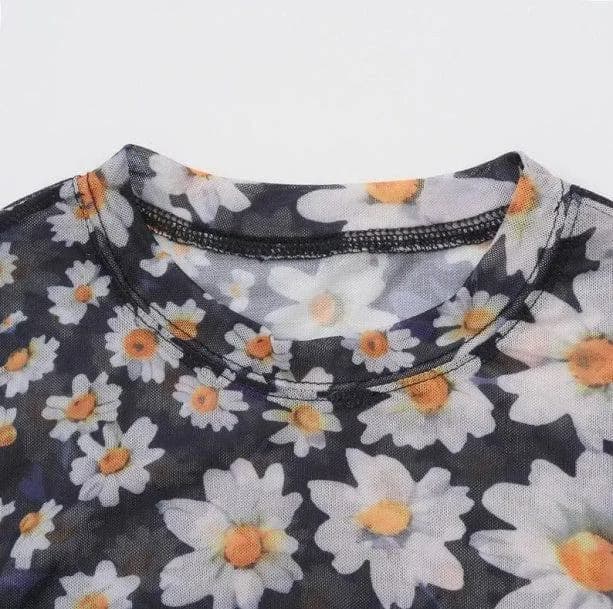
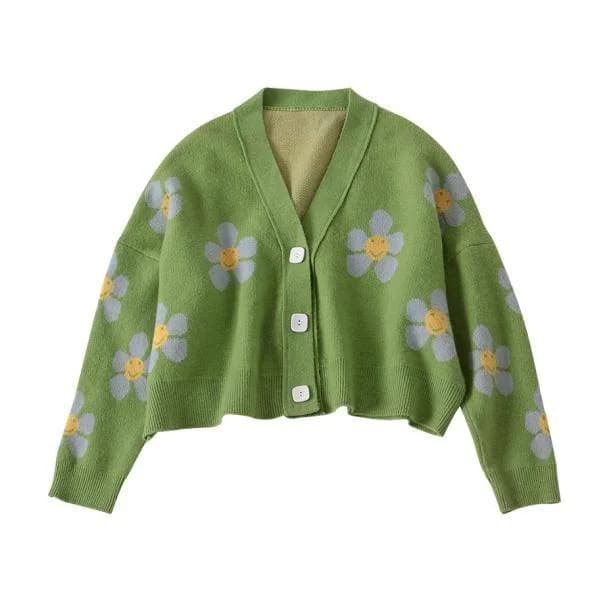
When putting a sweater over a dress, weight and cut matter. Heavy, boxy knits can overwhelm soft rayon or chiffon skirts. Instead, choose a piece like the Vintage Style Floral Sweater, listed in polyester, spandex, and cotton across green, black, dark blue, and light blue. Because it comes in one size with a classic floral pattern, you can drape it over your shoulders or wear it loosely over a solid dress, knotting the front hem lightly to keep your waistline clear.
For broader inspiration on knit patterns and cuts, browsing 70s sweaters helps you find silhouetteThe overall shape an outfit creates, from fitted to loose and layered.s that sit comfortably over fuller skirts without bunching.
- Use fine-gauge turtlenecks underneath pinafores or open-front dresses for warmth.
- Layer floral or crewneck knits over solid dresses to turn one garment into a top-and-skirt outfit.
- Secure loose sweater hems with a small tuck or belt to maintain your waist position.
Vests and Sleeveless Layers for Mid-Season Outfits
Mid-season weather calls for intermediate layers that keep your core warm without hiding dramatic sleeves. Bell sleeves, bishop sleeves, and exaggerated cuffs are signature features on many retro dresses, and stuffing them into tight jacket arms is uncomfortable and ruins their shape. A sleeveless knit or vest solves this issue instantly. It adds color and texture across the chest while leaving the dress sleeves free to show off their volume.
A piece like the Vintage Flower Sleeveless Sweater, available in black, red, and apricot in one size, serves as a great slip-on piece over a crisp collared dress. The sleeveless cut allows full arm movement and frames the collar and sleeves cleanly. If you prefer lightweight, cropped textures, the Cottagecore Knitted Crop Top in white or apricot offers a shorter sleeveless option that sits higher on the ribcage. LayeringWearing pieces over or under one another to add depth, warmth or contrast. a cropped knit vest over a loose, flowing shirt dress pulls in extra volume around the torso without requiring a stiff belt.
For a shirt dress with generous sleeves, try a plain sleeveless vest over the torso and leave the cuffs uncovered. If you want more surface detail, Dolly Kei clothes bring vintage-inspired patterns, embroidery, and rich textures for layeringWearing pieces over or under one another to add depth, warmth or contrast.; choose a quieter dress print so the two patterns do not compete.
- Sleeveless knits protect delicate bishop sleeves from being squashed by coat sleeves.
- Short knit vests naturally highlight the high waist seam common in seventies silhouetteThe overall shape an outfit creates, from fitted to loose and layered.s.
- Contrasting a solid vest over a patterned dress softens busy prints.


Choosing Shoes by Dress Length and Shape
Footwear completely changes the attitude of a vintage cut. If you pair a floor-length floral dress with flimsy running shoes, the bottom hem tends to drag and catch underfoot. Pairing it with delicate stiletto heels, on the other hand, can feel overly formal for grocery runs or casual coffee meets. The middle ground lies in substantial footwear with solid soles: platform boots, wooden clog mules, low block heels, and clean low-profile leather trainers.
For ankle-length maxis, a low block heel or platform sole provides just enough lift to let the skirt hang straight without sweeping the ground. When wearing knee-length or mini cuts, a flat lace-up shoe or a knee-high boot balances the shorter hem. If you want to compare how these dress cuts differ in overall volume, reviewing our wider 70s aesthetic edit shows how relaxed cuts interact with grounded, heavy shoes to create functional daywear that feels balanced.
- Platform soles keep long hems off damp sidewalks while offering stable footing.
- Block heels between one and two inches provide lift without sacrificing walking comfort.
- Knee-high leather boots balance the negative spaceAn uncluttered area that gives the rest of a design room to stand out. created by mini-length dresses.
Styling Boots for Colder and Transitional Days
Boots are the most versatile shoe choice for seventies styling. When pairing boots with dresses, pay attention to the space between the top of the boot shaft and the bottom hem of your skirt. A midi dress that cuts off right where an ankle boot begins can chop up your leg line. To fix this, wear tall boots whose tops hide neatly beneath the midi hem, creating a seamless, unbroken vertical line that keeps you warmer on windy days.
With shorter dresses, both ankle boots and knee-high boots work, but they deliver different vibes. A structured brown or tan knee-high boot gives an A-line mini a structured, put-together feel. In contrast, an ankle boot with a rounded or squared toe delivers a more relaxed, casual finish. Stick to smooth leather, faux leather, or brushed suede textures in earth tones like cognac, tan, and dark chocolate to match the warm color paletteA small group of colors you repeat to make an outfit feel connected.s typical of the era.
- Ensure tall boot shafts disappear under midi hems for a smooth line.
- Choose squared or rounded toes over sharp points to maintain a relaxed everyday feel.
- Brushed faux suede and cognac leather complement warm-toned dresses.
Casual Footwear: Sneakers, Sandals, and Mules
You do not need to wear heeled boots every day to make a vintage dress work. Low-top canvas sneakers, retro running shoes in neutral tones, and simple slip-on mules fit comfortably into daily routines. When styling sneakers with a dress, choose low-profile shapes rather than oversized athletic sneakers. A slim canvas sneaker in off-white or washed black grounds a busy floral print without competing for attention.
In warmer weather, clogs and leather slide mules offer an easy, laid-back alternative. A leather slide keeps the outfit airy while giving you the slightly weighted sole that vintage proportions demand. Thin, strappy sandals can sometimes look too delicate under heavy corduroy or brushed cotton dresses, so look for sandals with wider straps, brass buckles, or natural cork soles to maintain visual weight.
- Pick low-profile canvas sneakers to keep floral prints relaxed and sporty.
- Wide-strap sandals and wooden slides support heavier skirt fabrics visually.
- Avoid overly technical athletic trainers that clash with vintage silhouetteThe overall shape an outfit creates, from fitted to loose and layered.s.

Belts: Placement, Width, and Buckle Details
Many seventies dresses feature relaxed, floating waists or smocked backs that look completely transformed with the addition of a belt. The placement of your belt depends heavily on where the garment naturally gathers. If the dress has an empire waist, sitting directly under the bust, adding a thick waist belt will look awkward and push the fabric out of place. Empire silhouetteThe overall shape an outfit creates, from fitted to loose and layered.s are best left unbelted or defined only with a thin ribbon tie.
For shirt dresses and drop-waist cuts, a medium-to-wide belt cinched at your natural waist creates an hourglass shape. Look for belts made from textured leather or braided webbing featuring brass, tortoiseshell, or circular wooden buckles. Fastening the belt over an open cardigan or light jacket can also pull together multiple loose layers, turning a casual daytime look into a structured outfit for work or dining out.
- Match belt width to the garment: thin belts for high waists, wide belts for drop waists.
- Warm metal hardware like brushed brass pairs naturally with seventies earth tones.
- Cinch belts over unbuttoned knit cardigans to secure loose outer layers.
Jewelry and Eyewear That Complement the Decade
Accessorizing a vintage dress requires a light touch, because the garments themselves often carry strong patterns and colors. LayeringWearing pieces over or under one another to add depth, warmth or contrast. too many loud statement pieces at once can leave your outfit looking chaotic. Instead, stick to one or two focal points. If your dress has a wide, open collar, a trio of fine gold chains at varying lengths fills the space nicely without drawing focus away from the garment.
If you are wearing a high turtleneck layer underneath your dress, skip the short necklaces entirely and choose a longer pendant necklace that drops toward the ribcage. For eyewear, oversized wire frames or rounded acetate sunglasses in amber, olive, or tortoiseshell immediately reinforce the aesthetic. Keeping your jewelry in warm metallics like gold or brass complements the mustard, rust, and terracotta shades found throughout the era's patterns.
- Layer two or three fine gold chains inside open-collar shirt dresses.
- Opt for long drop pendants when layeringWearing pieces over or under one another to add depth, warmth or contrast. over high-neck or turtleneck sweaters.
- Select amber or tortoiseshell frames to harmonize with warm garment tones.
Bags and Carried Accessories for Everyday Balance
Your choice of bag should reflect the casual, textured nature of retro dressing. Structured, glossy evening bags often look disconnected from the relaxed drape of a maxi or midi dress. Instead, reach for shoulder bags made from natural materials, soft suede, woven straw, or pebbled saddle leather. A rounded saddle bag worn cross-body keeps your hands free and adds a practical, utilitarian finish to a delicate dress.
Tote bags made from canvas or macramé netting are another solid option for daily errands, school, or work. The relaxed slouch of a tote bag complements tiered skirts and loose sleeves. When carrying a heavily patterned dress, choose a plain, unadorned bag in caramel, forest green, or tan to let the dress print stand out. If your dress is a solid neutral, a bag with contrast stitching or brass hardware provides a subtle focal accent.
- Cross-body saddle bags add structure without looking overly formal.
- Canvas and macramé totes balance the drape of voluminous tiered skirts.
- Select unadorned leather bags to prevent visual clutter against printed dresses.
Adapting Outfits for Warm and Cold Climates
A great wardrobe piece works across seasons with a few practical tweaks. In warmer climates or summer months, focus on keeping your styling lightweight and breathable. Wear your dress unbuttoned a few inches at the collar, slide into open-toe mules, and carry a lightweight canvas tote. If you like the look of tops over dresses, swap heavy sweaters for a lightweight option like the Floral Crop Top, available in sizes S, M, and L. Wearing an airy crop top over a maxi dress creates the illusion of a two-piece matching set while keeping the outfit cool.
When cold weather hits, layeringWearing pieces over or under one another to add depth, warmth or contrast. tights and thermals under long skirts is an easy way to retain warmth without altering your visible outfit. Choose matte tights in dark brown, plum, or black rather than shiny sheer varieties. Layer a fitted long-sleeve tee underneath, add a thick cardigan, and finish with a heavy wool trench coat. Because long skirts block the wind, a winterized 70s dress often keeps you warmer than thin denim pants.
- In heat, swap knits for breathable cropped tees layered over long skirts.
- Wear matte thermal tights underneath maxi skirts to block cold winter winds.
- Layer fitted baselayers underneath open bodices for seamless insulation.


Integrating Tops and Bottoms With Layering Pieces
While styling dresses is largely about outward layers, you can also draw inspiration from how tops and separates fit together. For instance, pairing dynamic retro tops under overalls, jumpsuits, or pinafore dresses follows the exact same logic as layeringWearing pieces over or under one another to add depth, warmth or contrast. knits. Browsing our collection of 70s tops gives you an idea of the wide collar points, smocked panels, and tie fronts that slide smoothly under sleeveless dresses.
If your wardrobe leans heavily toward separates, you can even achieve the look of a vintage dress by pairing coordinating tops and skirts together. A fitted piece like the Rainbow Zipper Up Top, offered in sizes S, M, and L, can be tucked into the Aesthetic Corduroy Skirt (available in S, M, L, and XL) to mimic the structured lines of a two-tone A-line mini dress. Mixing versatile separates like this lets you experiment with seventies proportions even when you want the freedom of two distinct garments.
- Layer retro zip-ups or collared shirts under pinafore dresses for a modular look.
- Combine a corduroy mini skirt with a fitted knit to create a faux-dress silhouetteThe overall shape an outfit creates, from fitted to loose and layered..
- Tuck form-fitting tops securely into high-waisted bottoms to keep lines clean.
Alternative Styling: Pants Under Dresses and Tunics
Wearing pants under dresses is a classic mid-seventies styling method that has made a practical comeback. This technique works best with tunic dresses, button-front shirt dresses, or dresses with high side slits. Instead of wearing the dress fully buttoned as a standalone piece, unbutton it from the waist down and wear it over trousers. This transforms the dress into a flowing, longline duster that moves comfortably as you walk.
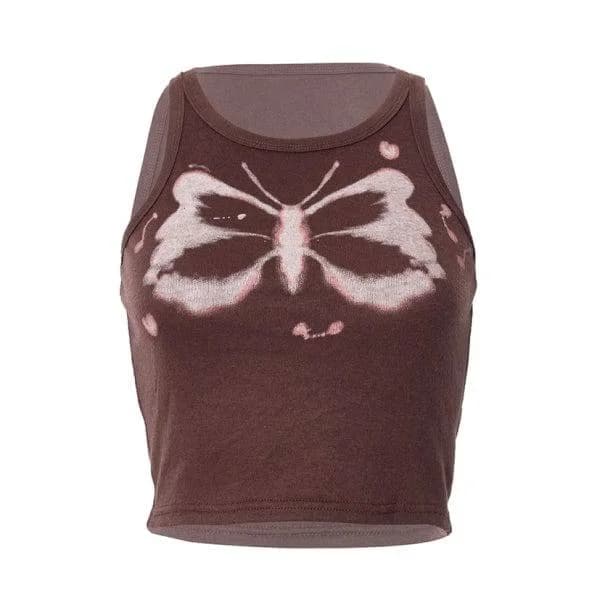
To get the proportions right, look for bottoms with a flared cut. Pairing an open button-front midi dress over the 70s Aesthetic Flare Pants, available in sizes S, M, and L, creates an elongated vertical silhouetteThe overall shape an outfit creates, from fitted to loose and layered. that feels intentional and tailored. For a breezy, festival-inspired look, layer an airy sleeveless top like the Indie Butterfly Sleeveless Top (sizes S, M, and L) underneath the open shirt dress. This layered tunic approach is ideal for transitional spring and fall days when weather shifts quickly.
- Unbutton shirt dresses from the waist down to use them as light dusters over pants.
- Pair open tunics with flared trousers to maintain balanced lower-body proportions.
- Keep the base top fitted to avoid bulking under the chest and waist.

Common Styling Pitfalls and How to Avoid Them
The quickest way an outfit tips from stylish to costumey is wearing too many literal period accessories at the same time. If you pair a psychedelic print maxi dress with a wide-brim floppy hat, round tinted glasses, platform boots, and a macramé fringed bag, the individual pieces get lost in a caricature of the decade. The solution is simple: keep at least half of your styling elements distinctly neutral and contemporary.
Another common error is ignoring the dress's fabric weight when choosing outerwear. Throwing a heavy, stiff winter parka over a delicate chiffon dress creates a jarring textural mismatch and crushes the fabric. Conversely, wearing a flimsy knit cardigan over a heavy corduroy dress will make the cardigan stretch out of shape. Match the structural integrity of your coat to the weight of your dress skirt to ensure the layers sit naturally together.
- Limit vintage statement accessories to one or two pieces per outfit.
- Avoid pairing heavy, technical parkas with airy chiffon or light silk skirts.
- Ensure outerwear fabric weight matches or exceeds the dress fabric weight.
Practical Styling Checklist for Daily Wear
Before stepping out the door in your styled dress, running through a quick mental checklist ensures your outfit is comfortable, functional, and balanced. Seventies cuts are known for their expressive silhouetteThe overall shape an outfit creates, from fitted to loose and layered.s, but everyday wear demands practical mobility. You should be able to sit, walk, and handle changing temperatures without constantly adjusting bunching fabrics or dragging hems.
Use the quick checklist below to evaluate your outfit proportions, shoe pairings, and accessory balance. If an outfit feels slightly off, it is usually because two layers are competing for the same space or your footwear is too delicate for the skirt's volume. Adjusting one element—like swapping an ankle boot for a taller shaft or taking off an extra necklace—will usually bring the whole look into alignment.
- Hem clearance: Is the dress hem sitting at least one inch above the ground with your chosen shoes?
- Layer interaction: Do your jacket sleeves allow comfortable arm movement over dress sleeves?
- Waist balance: Is your waistline defined either by the garment cut, a belt, or a cropped layer?
- Print harmony: If the dress is patterned, are your coat, shoes, and bag kept mostly solid?
- Temperature readiness: Have you layered a fitted knit, tights, or a vest that can be added or removed easily?