

Nautical
Nautical Clothes
Kawaii Vibe: Nautical Aesthetic brings together a vest sweater, a sweater and a crop top for anyone who likes a sea-inspired look in everyday outfits. Each piece is polyester, with sizes listed on its page, so you can compare measurements with something you already wear. Mix them with your own basics and build outfits that feel easy and personal.
25 pieces to exploreFree standard shipping on every order

25 pieces








Your guide to Nautical Clothes
What is in the Nautical Aesthetic collection
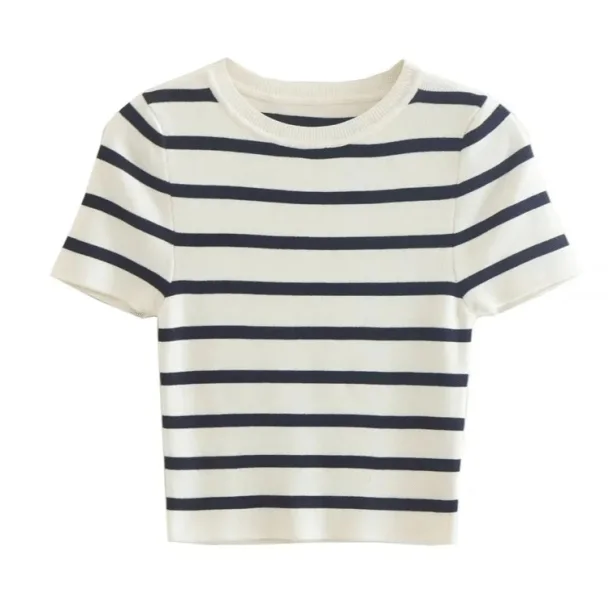
This collection is small and easy to understand: three pieces, all made of polyester. There is the Nautical Vest Sweater, the Nautical Sweater and the Nautical Crop Top. Between them you get a sleeveless layer, a full sweater and a shorter top, which covers a lot of everyday outfit situations without needing a big wardrobe overhaul.
Think of the three as building blocks rather than a set you have to wear together. The sweater is the one you reach for when you want a single statement top. The vest is the piece you add over something else. The crop top is the one that works best when you already have high-waisted bottoms you like.
Sizes differ a little by product. The vest and the crop top are listed in S, M and L. The sweater is listed in S, M, L, XL and 2XL. If you are between sizes or want a roomier fit, the sweater has the widest range of options in this collection.
A nautical look can be as light or as full-on as you like. Some people wear one piece with plain jeans and call it done. Others lean into the theme with matching accessories. Both approaches work, and the sections below give you specific outfit ideas, plus ways to check fit before you order.
Five outfit combinations to start with
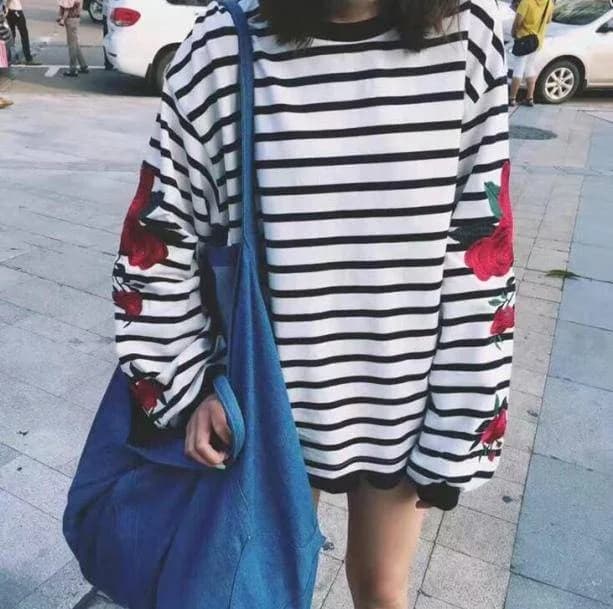
Outfit one: the nautical sweater with straight-leg jeans and flat shoes. This is the simplest way in. Let the sweater be the only interesting thing and keep the rest in colours you already own and trust. It suits errands, class, a casual work day or meeting friends for lunch.
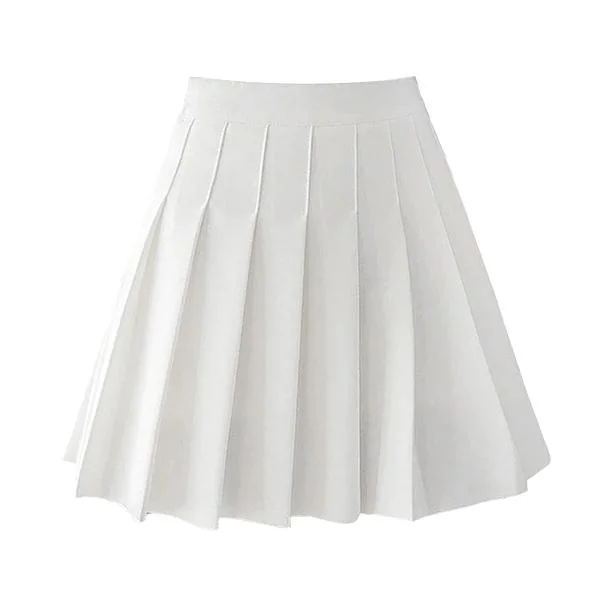
Outfit two: the nautical sweater with a pleated or A-line skirt. If you want something a little softer, a skirt balances the bulk of a knit top. Add tights or socks depending on the weather, and keep the shoes simple so the top stays the focus.
Outfit three: the vest sweater over a plain long-sleeve tee or a button-up shirt. The vest sits on top of what you already have, so it is a good low-effort way to try the theme. A collared shirt underneath gives a tidy, school-inspired feel. A basic tee underneath is more relaxed.
Outfit four: the crop top with high-waisted trousers or a high-waisted skirt. The point here is proportion. When the top is short, the bottom should sit at or near your natural waist so the outfit looks planned rather than accidental.
Outfit five: the crop top under an open shirt or lightweight jacket. This is a good option if you like a bit of coverage but still want the crop shape showing. Leave the outer layer unbuttoned and let the top be seen in the gap.
If you want more ideas to pair with these, the wider Aesthetic Clothing collection has bottoms and extra layers that can sit alongside the nautical pieces.
Choosing between the sweater, the vest and the crop top
Start with how you actually dress day to day. If you mostly wear one top and bottoms, the full Nautical Sweater is the most direct choice. It does the job on its own, and you do not have to think about what goes underneath beyond the usual.
If you tend to layer, the Nautical Vest Sweater makes more sense. A vest lets you keep your own sleeves, which means you can change the look just by swapping the shirt underneath. It is also useful if you run warm and do not want full sleeves, or if you want to add interest to a shirt you already wear a lot.
If you like shorter tops and have bottoms that sit high, the Nautical Crop Top is the one to look at. It is the most specific of the three, so ask yourself honestly whether you have two or three bottoms it would work with. If you do, it will get worn. If you do not, you may want to start with one of the other pieces.
A practical way to decide: picture the last five outfits you wore and which of these pieces would have fit into them. The one that slots into the most is the best first buy. You can always add a second piece later and mix them.
How to check size against a garment you own
Size letters mean different things from shop to shop, so the most reliable method is to compare numbers. Take a sweater, top or vest you already own and like the fit of, and lay it flat on a bed or table. Smooth it out without stretching it.
Measure the length from the highest point of the shoulder down to the hem. Then measure across the chest, from one underarm seam to the other. If the garment has sleeves, measure from the shoulder seam to the cuff too. Write the numbers down in centimetres or inches, whichever the product page uses.
Now open the product page and look for the size information. Availability of a full chart can vary, so check what is actually shown for the item you want. For example, the Nautical Sweater listing includes a length for size S of 54 cm, so you can set that against your own garment straight away. Where a page gives only some measurements, compare those and use the others as a rough guide only.
Do not convert between size systems by guesswork. A UK, US, Australian or Canadian label on your clothes does not map neatly onto the letters here. Your own measured garment is a better reference than any label.
If your numbers land between two sizes, think about how you want to wear the piece. Choose the larger for layeringWearing pieces over or under one another to add depth, warmth or contrast. over other things or a looser look, and the smaller if you want it close. If you are unsure and cannot find the detail you need, contact the shop before ordering.
Getting the shape right
Shape matters more than people expect with knit-style tops. The same item can look neat or shapeless depending on what you pair with it, so it helps to think in terms of balance. If the top has volume, keep the bottom closer to the body. If the top is short or fitted, you have more freedom with wider trousers or fuller skirts.
With the sweater, try tucking just the front hem into your waistband. This gives you a defined waist without committing to a full tuck, and it works with jeans, trousers and skirts. If you prefer a longer, relaxed line, leave it out and choose slimmer bottoms.
With the vest, think about what happens at the sleeves. A fitted long sleeve underneath looks sleek. A looser sleeve makes the whole outfit feel softer and a little more casual. Try both with shirts you already own before deciding which direction you prefer.
With the crop top, the gap between the hem and your waistband is the detail to watch. Some people like a small gap, others prefer to meet the waistband exactly. Stand in front of a mirror, move around, and raise your arms to see where the hem lands. If you will be reaching, bending or commuting in it, make sure you are comfortable with that movement.
None of this is a rule. It is simply a way to get from a nice piece on a screen to an outfit you will actually feel good wearing.
Layering through colder and milder weather
Because these pieces are polyester, think about them as part of a layeringWearing pieces over or under one another to add depth, warmth or contrast. system rather than assuming how warm any one of them will be. Product pages do not promise a specific warmth level, so judge by how you normally feel in similar tops and adjust with what goes underneath and on top.
For cooler days, wear the sweater over a thin base layer such as a fitted tee, and add a coat on top. Check that the coat sleeves fit comfortably over the sweater sleeves, because a bulky top under a snug coat gets uncomfortable fast. Scarves, tights and boots can finish the outfit without much extra planning.
For in-between weather, the vest is the easiest tool. Wear it over a shirt, and carry or leave a jacket depending on the day. If the temperature drops, add the jacket. If it rises, you still look put together without it.
For warmer days, the crop top can work on its own with light bottoms, or under an open shirt for sun cover. Choose bottoms that feel comfortable for walking, and consider whether you want a layer in case indoor air conditioning is strong.
For rain, keep the outer layer waterproof or at least water-resistant, and avoid leaving a knit-style top exposed for a long walk. Having an umbrella or a hooded jacket in your bag is a simple habit that protects any piece you care about.
Accessories that suit a nautical look
Accessories can take a plain outfit and make it feel intentional. You do not need many. One or two well-chosen items usually do more than a full set, and they let the clothing stay at the centre.
Earrings are a good place to start because they sit near the neckline of a sweater or vest and catch the eye. Browse the Aesthetic Earrings collection for small studs or something with more presence, depending on whether your top is already busy. If you wear your hair up, earrings show more, so consider that when choosing.
For bags, hair clips, bracelets and other extras, the Aesthetic Accessories collection is the place to look. A simple rule is to repeat one colour from your top in one accessory, so the outfit feels connected. If you are not sure of the exact colours, check the product photos and pick something that clearly matches rather than nearly matches.
Footwear can stay simple. Plain trainers, flat shoes or boots all work with these pieces, and the right choice often depends on weather and how much walking you will do.
If you are curious about how to wear a themed look without it feeling like dressing up, the guide on how to wear a themed aesthetic without looking costumey has useful thinking you can apply here too. The core idea is to pick one theme element per outfit and let everything else stay ordinary.
Mixing nautical pieces with the rest of your wardrobe
A small collection like this is easiest to enjoy when it mixes with what you already own. Before ordering, open your wardrobe and pick out three bottoms and two outer layers you wear often. If the new piece would work with most of those, it is a sensible purchase.
If your style leans retro, the 90s style clothing collection may give you ideas for bottoms and extras that go well with a sweater or vest. Think wide-leg or straight-cut denim, simple skirts and relaxed shapes that let the top stand out.
If you like to browse by category, the Aesthetic Clothing page and the broader clothing collection show more options for bottoms and layers. Use them to fill specific gaps rather than to buy everything at once.
It also helps to keep a short list of the items that let one piece go many ways: a pair of dark jeans, a plain tee in a neutral colour, a simple jacket, and comfortable shoes. With those four things, any of the three nautical pieces can become several different outfits.
If you are building a whole room or lifestyle around a theme, the guide to 7 ways to live an aesthetic kawaii lifestyle is a friendly read, and you can take from it only what suits you.
Ordering, shipping and looking after your pieces
Before you order, go back through the checklist: choose the piece that fits your usual outfits, compare the listed measurements with a garment you own, and decide which size gives you the fit you want. Take a minute to read the product page fully, since details such as size information are listed there.
Standard shipping is free on every order. Priority shipping is available at checkout. Checkout shows your shipping options and total before payment.
For care, always follow the label on the item you receive. Because these pieces are polyester, the label is the best guide to washing and drying, and it is worth reading before the first wash. As a general habit, wash similar colours together and store knit-style tops folded rather than hung, since hanging can stretch shoulders over time.
If you plan to wear a piece often, rotate it with others so it is not washed more than needed. Small steps like this help any clothing last longer.
Finally, give yourself a chance to try the outfit at home with things you already own. Wear it around for a while, sit down, reach up and walk about. If it feels good in daily movement, you have likely chosen well.