Created by the Kawaii Vibe editorial team. Our named style desks are editorial personas. Product details and availability can change.
Balancing 70s pants outfits comes down to managing volume, rise, and fabric weight. When trousers flare out dramatically at the knee or drop straight down in wide folds from the hip, the rest of your clothing needs deliberate boundaries. If your top extends past your hips without definition or your hem pools under your shoes, the entire look quickly loses its shape.
To make flared cuts, wide trousers, and retro denim work in a casual wardrobe, you need to understand where eye-lines rest. A high rise naturally lengthens your legs, while a wide leg hem broadens your lower half. The goal is not to copy stage costumes or exact historical snapshots, but to anchor dramatic shapes using clean, counterbalancing pieces.
This guide breaks down the mechanics of pairing wide bottoms with varied hems, cropped layers, knit vests, and structured shoes. We examine the functional geometry of each outfit, pointing out where excess fabric causes friction and how to construct balanced looks throughout changing seasons.
The Core Ratios: Countering Hem Width with Upper Volume
The fundamental challenge with retro trousers is managing bottom-heavy silhouetteThe overall shape an outfit creates, from fitted to loose and layered.s. Bell bottoms and wide-leg designs distribute noticeable visual weight toward your feet. If you wear an equally broad, untucked sweater or a longline boxy tunic, you create a column shape that wipes out waist definition and shortens your vertical line.
To keep the outfit grounded, lean into the rule of thirds. A high-waisted cut that claims two-thirds of your vertical profile pairs most naturally with tops that end right at your waistband or sit higher. By contrasting a broad lower hem with a fitted or neatly cropped top, you create a balanced hourglass or inverted-triangle frame that keeps the wide fabric intentional.
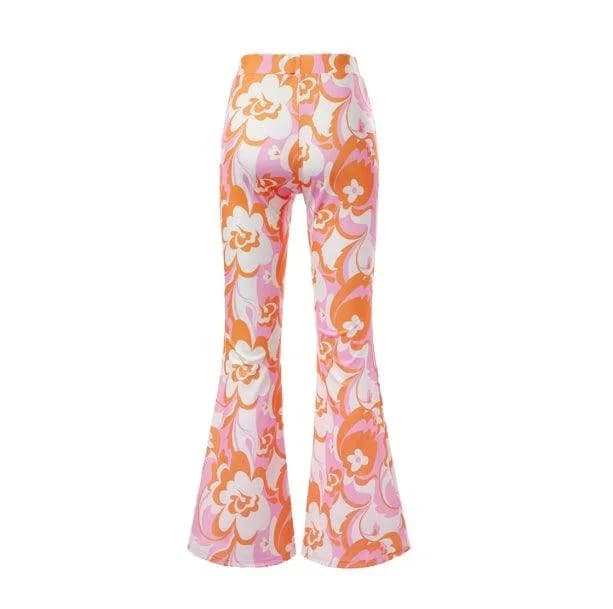
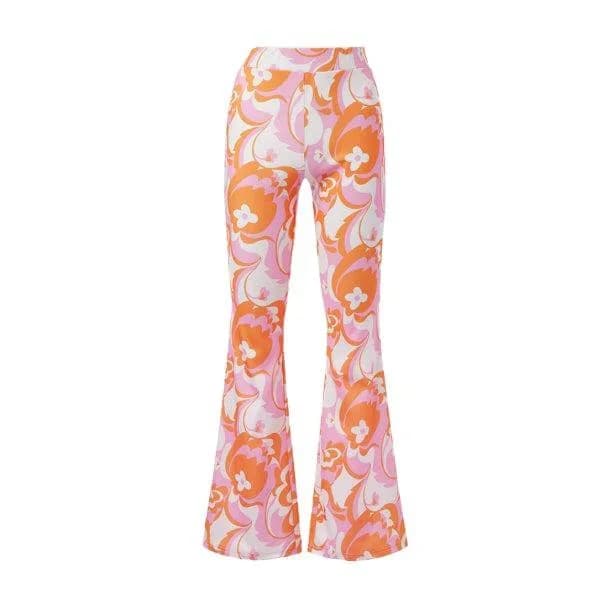
When styling dramatic cuts like the 70s Aesthetic Flare Pants, keep upper layers close to the torso. Tucking in thin knits, opting for fitted crewnecks, or picking structured tops establishes a focal point around the ribcage. This counters the bell flare below the knee without requiring complex tailoring.
- Keep upper layers fitted or cropped when trouser legs feature dramatic bells.
- Pair medium flares with gentle boxy cuts that end directly at the beltline.
- Avoid longline untucked garments that cover the hips and distort the trouser rise.
High-Waisted Rises and Where Tops Should Terminate
The rise of your pants dictates where the viewer registers the start of your legs. In most retro styles, waistlines rise well above the navel. If your top falls below that natural waistband, it breaks the upward sweep of the trousers and adds bulk around the pelvis.
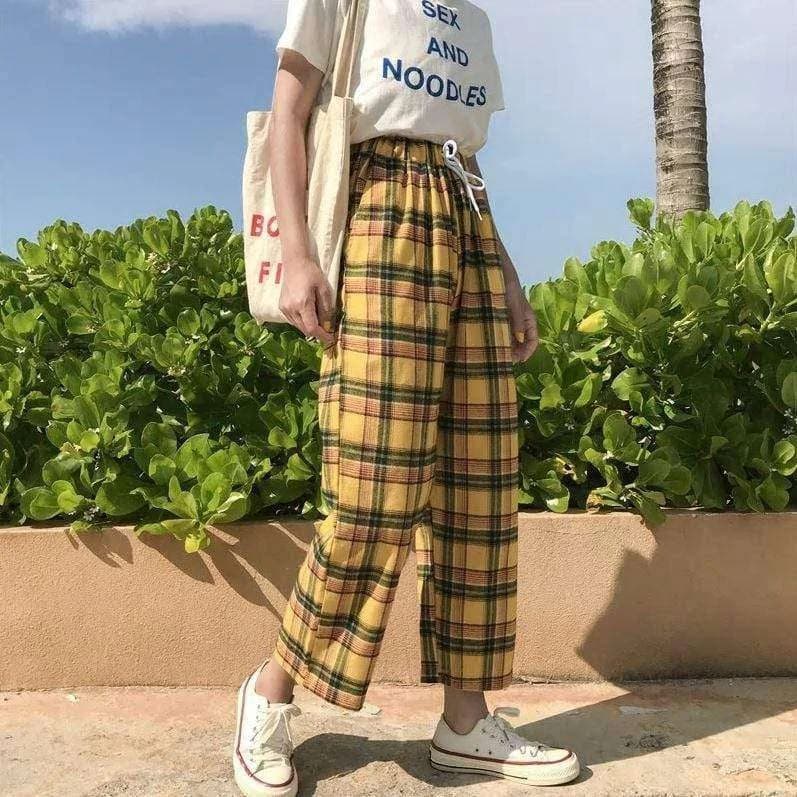
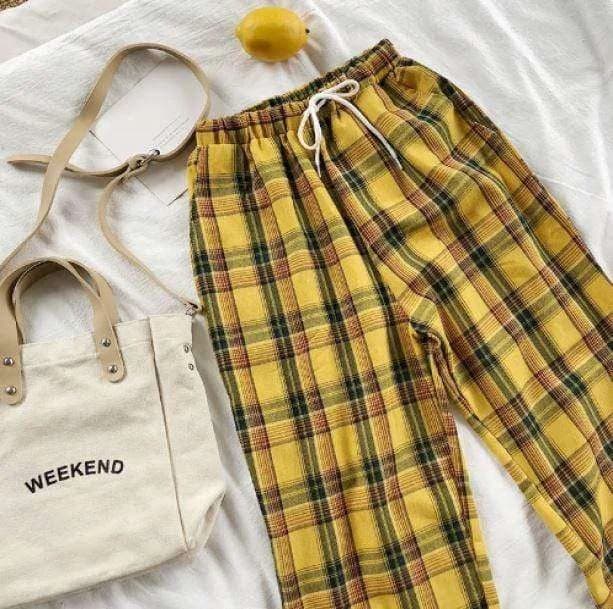
For true high-rise options like the High Waist Yellow Pants, which feature a blend of cotton, microfiber, and spandex, tops should terminate cleanly within the top two inches of the waistband. Tucking in a lightweight garment works well, or you can opt for tops with elasticated or ribbed waistbands that rest directly against the top of the fly.
If you dislike full tucks, half-tucks can work, but only if the fabric is soft enough to avoid bunching. Bulky flannels or heavyweight fleece will push the waistband outward, ruining the sleek silhouetteThe overall shape an outfit creates, from fitted to loose and layered. of a fitted high rise. Take time to match the fabric thickness of your top to the rigidity of the waistband.
Choosing Between Flares, Bells, and Wide-Leg Cuts
Not all retro pants handle width in the same way, and recognizing the distinction between cuts prevents styling mistakes. A standard wide-leg cut falls straight from the widest point of your hips down to the floor, creating a continuous rectangular silhouetteThe overall shape an outfit creates, from fitted to loose and layered.. In contrast, bell bottoms fit snugly through the hips and thighs before kicking outward from the knee.
Understanding this distinction makes it easier to select the right pieces from broader retro collections. Exploring 70s Pants reveals how wide flares demand more vertical clearance than subtle bootcuts. Wide legs allow for slightly longer tops because the silhouetteThe overall shape an outfit creates, from fitted to loose and layered. remains linear, whereas bell flares demand fitted thighs and visible waistlines to preserve the leg shape.
When styling something like the Aesthetic Bell Pants, made from cotton and polyester, the snug fit across the upper leg requires clean seams beneath it. Avoid bulky undergarments or long undershirts that gather under the thigh fabric, as bell bottoms highlight the natural contour of the leg from hip to knee.

Crop Tops and Midriff Placement
Cropped cuts are the most direct counterweight to wide trousers because they leave the waistband completely unobstructed. The visual break between a high waistband and a cropped hem draws the eye upward, ensuring the leg length appears continuous from hem to ribs.
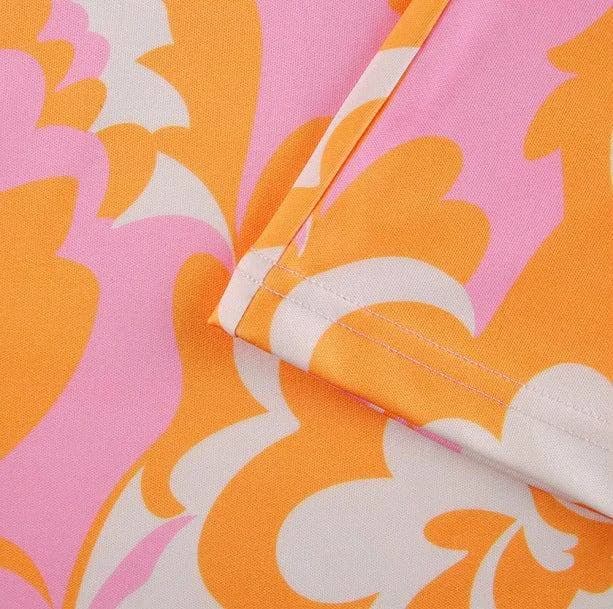
Pieces from the 70s Crop Tops range offer a natural pairing for exaggerated flares. For warm-weather layeringWearing pieces over or under one another to add depth, warmth or contrast., pairing bell trousers with the Floral Crop Top creates a breezy look that showcases the high rise of your pants without needing any tucking or pinning.
Placement is everything here: ideally, your crop top should end just an inch above the waistband or directly brush against it. A gap that is too wide splits the body into three equal blocks, which minimizes the leg-lengthening effect of high-waisted retro bottoms. A subtle break keeps the outfit cohesive.
- Target top lengths that brush the waistband or leave no more than one to two inches of skin.
- Select structured or ribbed cotton crops to balance soft, flowing trouser fabrics.
- Steer clear of crops with wide, stiff hems that flare away from the torso.

Layering Knits: Vests, Cardigans, and Cropped Sweaters
LayeringWearing pieces over or under one another to add depth, warmth or contrast. over wide pants requires keeping outer garments from dragging down your vertical line. Heavy duster coats or hip-length cardigans swallow the fitted hip shape that makes 70s trousers distinct. Instead, lean into sleeveless knitwear and cropped cardigans that frame the torso without extending past the pelvic bone.
A piece like the Vintage Flower Sleeveless Sweater works smoothly as a standalone piece in warm weather or layered over a fitted collared shirt when temperatures drop. Because it sits higher on the body, it keeps the focus centered on your chest and waist, leaving the legs free to carry the outward flare below.
If you prefer lightweight long sleeves, a style like the Cottagecore Knitted Crop Top acts as a functional top layer over a high-rise trouser. The cropped knit adds surface texture while keeping your torso visually compact, which helps prevent wide bell bottoms from overwhelming smaller body frames.
With wide-leg trousers, choose a short vest over a fitted top so the waist stays visible and the trousers carry the volume. For a more detailed layered outfit, Dolly Kei clothes bring vintage-inspired patterns, embroidery, and rich textures; keep the other layers plain to avoid crowding the silhouetteThe overall shape an outfit creates, from fitted to loose and layered..
Denim Rules: Rigid Fabrics vs. Stretch Flares
Fabric rigidity completely alters how a flare moves and settles. Rigid, non-stretch cotton denim holds a crisp, architectural shape that pushes outward aggressively below the knee. Stretch blends, on the other hand, hug the thighs closely and drop softly, pooling more easily if the inseam is too long.
Browsing 70s Jeans shows a wide spectrum of denim weights, each calling for different footwear and styling choices. Rigid denim demands tops that can stand up to its heavy, workwear texture. Crisp poplin button-downs, medium-weight knits, and thick jersey tees balance sturdy denim without looking flimsy.
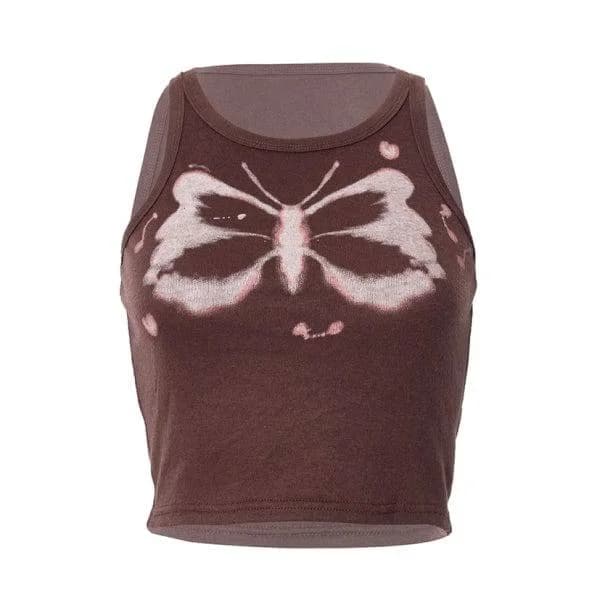
Stretch denim pairs comfortably with softer, breezy garments. For a relaxed summer look, the Indie Butterfly Sleeveless Top balances the soft drape of stretch bells. The light fabric keeps the upper torso airy, while the denim retains enough structure to define the lower half without feeling restrictive.
The Hem-to-Shoe Clearance Equation
Getting the hem-to-shoe ratio wrong is the most common issue when wearing flared trousers. If bell bottoms or wide-leg pants are hemmed too short, floating awkwardly above the ankle, the flare loses its dramatic sweep and appears stunted. Conversely, if they drag on the pavement, the hems fray, collect dirt, and disrupt your stride.
The ideal clearance for retro trousers is between a quarter-inch and a half-inch above the sole of your shoe. This allows the fabric to drape cleanly over your footwear without breaking across the instep or gathering into messy folds. If you plan to wear chunky platform boots, thick clogs, or flat sneakers, you need to commit your hem length to that specific sole height.
Platform shoes are historically linked to 70s styles precisely because they provide the vertical lift needed to clear wide, dramatic hem sweeps. When measuring your inseam or selecting a size, measure with the shoes you intend to wear most often to ensure the pants hang without dragging or riding up.
- Aim for a hem break that sits a quarter to half an inch above the ground with shoes on.
- Reserve platforms and thick-soled boots for pants with longer inseams to prevent fabric dragging.
- Avoid cuffing flared trousers; roll-ups crush the bell shape and add clumsy bulk at the ankle.
Color Blocking and Print Distribution
Seventies styling is famous for warm, earthy palettes and bold graphic prints, but combining bright colors across both top and bottom can quickly look chaotic. The safest way to handle statement pants is to anchor one half of the outfit with a solid neutral or a grounding tone.
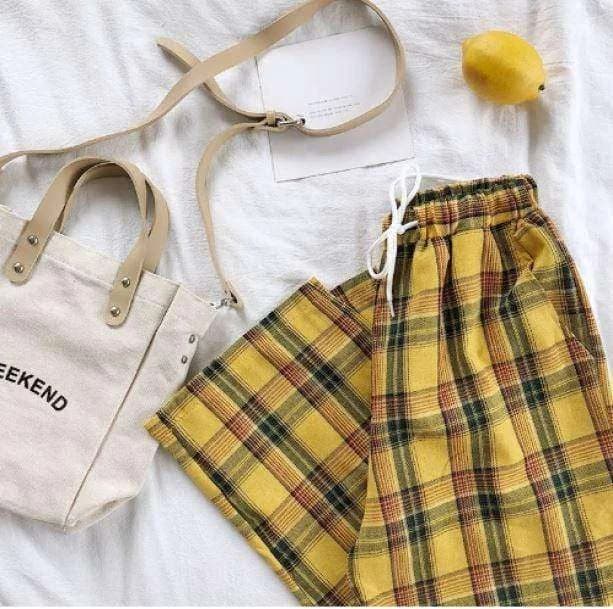
If you are wearing vibrant bottoms like the High Waist Yellow Pants, temper the bold hue by selecting tops in cream, chocolate brown, forest green, or washed black. This keeps the trousers as the hero piece while giving the overall palette a grounded, intentional feel rather than looking costume-like.
When moving toward pattern-heavy tops, invert the equation. Wear printed shirts with plain indigo flares or solid corduroy. Mixing two contrasting retro prints requires matching their scale—such as pairing a micro-floral top with a broad, subtle stripe—and keeping accessories simple to avoid visual fatigue.
Warm-Weather Styling: Halters, Tanks, and Floaty Cuts
Balancing wide trousers in warm weather comes down to minimizing fabric bulk on top to keep cool and maintain proportion. Bell bottoms and wide flares can trap heat if they are made from heavy denim, so pairing them with minimal upper layers is essential for comfort.
Check out 70s Tops for halter silhouetteThe overall shape an outfit creates, from fitted to loose and layered.s, ribbed tank tops, and lightweight button-ups. A slim halter top balances wide-leg linen or lightweight cotton pants by exposing the shoulders and neck, keeping your upper profile neat while your lower half stays relaxed and flowy.
If you prefer sleeved tops in the heat, look for lightweight, sheer fabrics or billowy peasant blouses. When wearing a billowy top with wide pants, always tuck it in firmly around the waist. Leaving a peasant blouse loose over bell bottoms produces a shapeless outfit that hides your natural frame.
Cold-Weather Adaptations: Outerwear and Under-Layers
Styling wide-leg trousers in cold or wet conditions requires smart jacket selection. Wearing an overcoat that hits mid-thigh over wide-leg pants breaks up your silhouetteThe overall shape an outfit creates, from fitted to loose and layered. in an awkward spot, creating a wide rectangle from your waist to the floor.
Your best outerwear options are either distinctly cropped jackets—such as shearling-lined coats, leather aviator jackets, or cropped bombers that sit right at the belt—or full-length maxi coats that fall past your calves. A maxi coat creates an uninterrupted, long vertical line, allowing the wide hems of your trousers to emerge cleanly at the bottom.
Cold weather also brings damp streets, which are bad news for wide hems. In wet conditions, choose trousers with slightly higher clearances and pair them with waterproof, block-heeled boots. You can layer thermal tights beneath flared cotton trousers without altering the cut of the leg, keeping you warm without adding visible bulk.
Evaluating Retro Aesthetics: 70s vs. Surrounding Decades
To style 70s pants outfits effectively, it helps to understand how they differ from nearby retro eras like the 60s and 90s. While late-60s styles introduced slight bootcuts, the classic 70s silhouetteThe overall shape an outfit creates, from fitted to loose and layered. centers on exaggerated waist-to-hem flares and mid-rise to high-rise waists that emphasize an elongated leg line.
Exploring 70s Aesthetic Clothes highlights this focus on long vertical proportions, distinct from the mod mini skirts of the 60s or the low-slung, baggier cuts of late-90s skate jeans. Pieces like the Aesthetic Corduroy Skirt lean into the 70s A-line geometry, showing how the era used flares and triangular cuts to build clean, structured shapes across different garments.
Nineties wide-leg jeans, by contrast, sit low on the hips and puddle heavily over sneakers, creating a relaxed, horizontal shape. Seventies trousers maintain vertical elegance by fitting snug through the waist and thighs before sweeping outward. Keeping the waistband high and the thigh trim ensures your outfit reflects genuine 70s proportions rather than modern grunge.
- 70s cuts prioritize a high rise and snug thighs, flaring dramatically from the knee down.
- 90s wide legs sit lower on the waist, creating a casual, straight, and oversized profile.
- 60s mod cuts focus on short, boxy hemlines rather than sweeping lower flares.
Balancing Texture: Corduroy, Velvet, and Ribbed Finishes
Fabric texture plays a major role in how wide trousers hang and catch the light. Heavy wale corduroy and plush velvet add visual density to your lower half, making the pants look even wider than a pair made from standard flat cotton.
When styling textured trousers, balance them with contrasting materials up top. If you are wearing wide corduroy pants, avoid pairing them with a heavy cable-knit sweater, which can look thick and clumsy. Instead, contrast the deep texture of corduroy with smooth jersey, fine-gauge cotton, or sleek satin tops.
Similarly, lightweight trousers made from microfiber or thin cotton blends benefit from tops with subtle surface interest, such as ribbed knits or delicate crochet work. Mixing textures while balancing fabric weights keeps the outfit engaging without adding unnecessary bulk.
Common Proportion Pitfalls and How to Correct Them
The quickest way to ruin a 70s pants outfit is misjudging where hemlines meet. A common mistake is pairing wide bells with flat running shoes or sneakers that have low, flat soles. When the hem drags along the floor, it ruins the garment's clean flare and disrupts your walking stride.
Another frequent misstep is wearing long, untucked cardigans or boyfriend blazers that end right across the mid-thigh flare. This cut chops the leg line in half, turning a wide bell bottom into an awkward stump. The simple fix: swap the mid-length coat for a cropped jacket or tuck the inner top smoothly into your waistband.
Finally, watch out for fabric bunching around the crotch and fly. High-waisted trousers need to fit comfortably across the pelvis. If pants are too tight across the hips, the front pockets pull open and the flare pulls inward, throwing off the natural drape of the garment. Always choose sizes that sit smoothly across your hips.
- Avoid low-profile flat shoes that let flared hems scrape against pavement.
- Skip mid-thigh outerwear that covers the upper portion of the knee flare.
- Ensure the hip fit is smooth so pockets lie flat and preserve the pants' clean vertical drape.
Outfit Formula Checklist for 70s Pants
Before heading out in a 70s-inspired outfit, run through a quick mental checklist to confirm your proportions are working together. Verifying waist placement, hem clearance, and layer lengths takes only a second and ensures your look feels intentional and balanced all day.
First, check your waist-to-hip ratio: your waistband should be clearly visible or defined by a cropped hem. Second, check your hem clearance: the bottom of your trousers should float cleanly over your footwear without dragging on the ground or floating mid-calf. Third, confirm your upper layers sit either above your hips or fall past the calves in a long, unbroken duster coat.
Review this straightforward setup to keep your vintage styling simple: choose your base trousers, select shoes that give the hem appropriate ground clearance, add a fitted or cropped top, and finish with a short, structured outer layer. This approach ensures your wide-leg silhouetteThe overall shape an outfit creates, from fitted to loose and layered.s always look sharp, comfortable, and well-proportioned.