Created by the Kawaii Vibe editorial team. Our named style desks are editorial personas. Product details and availability can change.
Building balanced 70s skirt outfits comes down to understanding how waistlines, hemlines, and shoe weights interact. A seventies look often balances wide shapes with fitted cuts, but when you misjudge where a hem falls or choose footwear that is too light, the silhouetteThe overall shape an outfit creates, from fitted to loose and layered. can look awkward or feel like a costume. Getting the aesthetic right means focusing on structured lines, deliberate proportions, and practical fabric textures rather than piling on every retro element at once.
Whether you prefer a structured A-line mini, an earthy corduroy piece, or a longer midi, the secret lies in balancing volume. If your skirt is tailored and slim, you can introduce volume through your knitwear or sleeve shapes. When your skirt has flare or length, keeping your upper half clean and your shoes substantial anchors the entire outfit. This guide walks through specific garment pairings, footwear choices, and proportion adjustments to help you assemble cohesive looks effortlessly.
The Baseline Proportions of Seventies Skirt Outfits
Seventies silhouetteThe overall shape an outfit creates, from fitted to loose and layered.s generally rely on an unambiguous high waist paired with geometric balance. Unlike dropped-waist eras or relaxed mid-rise cuts, the decade emphasized the natural waist as the central anchor of the outfit. When you assemble a look around pieces from the 70s skirts collection, the goal is to make sure your top and bottom meet neatly at this point rather than competing for visual space.
If you choose an A-line cut that widens toward the knee, your upper body layer should counterbalance that outward slope. Fitted ribbed tees, button-down shirts tucked all the way in, or neat vests keep your torso defined. Footwear also plays an architectural role: thin-soled canvas flats often disappear underneath flared cuts, whereas chunky soles, block heels, or structured boots offer the visual weight needed to support the flare of the skirt.
- Define the waist clearly using full tucks, high rises, or neat cropped hems.
- Pair widening hem contours with fitted, close-to-body upper garments.
- Ground flared skirts with boots, platform loafers, or substantial soles.
Mastering High-Rise Waistlines and Hemline Geometry
A high-rise cut works best when you keep the waistband flat and visible. Bulky untucked tops break the intended continuous line from waist to hem, cutting the body into disjointed horizontal blocks. When styling tailored minis or midis, look for pieces with structured waists that sit right at your ribcage boundary, ensuring the skirt sets the foundation for your posture and movement.
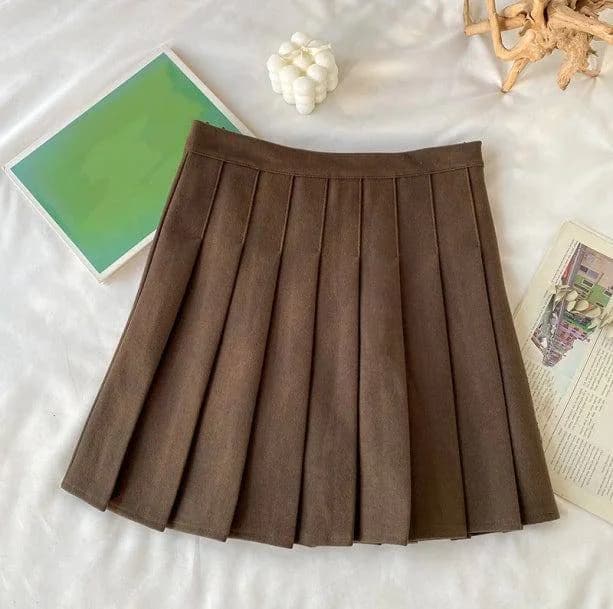
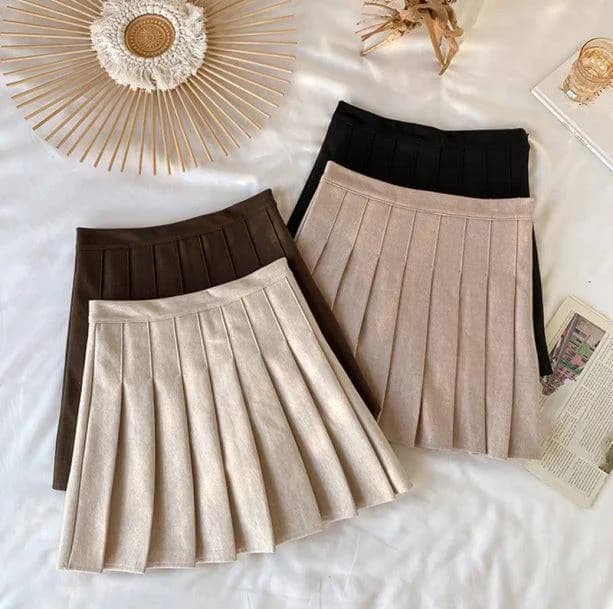
The Brown College Skirt, offered in Brown and Beige options with Cotton and Polyester fabric, demonstrates this tailored baseline. Because it has a crisp waist and pleated structure, it pairs naturally with slim knit camis or neat blouses tucked firmly into the band. Maintaining this clean transition prevents bunching and keeps the silhouetteThe overall shape an outfit creates, from fitted to loose and layered. neat whether you are sitting at a desk or walking outside.

Cropped Tops and High-Rise Skirts
Cropped cuts are one of the simplest ways to highlight a high-rise skirt without worrying about fabric bunching around your midsection. The key to making cropped tops feel authentic to the seventies is managing the negative spaceAn uncluttered area that gives the rest of a design room to stand out.. The top should end right where the waistband begins, showing minimal skin or just meeting the fabric edge cleanly to avoid the distinct look of nineties or athletic styles.
A structured or printed option like the Floral Crop Top pairs naturally with high-waisted bottoms because its cut stops right at the waistline. By exploring styles across 70s crop tops, you can find pieces that feature subtle collar accents, cap sleeves, or ditsy prints. These tops balance wider skirts by keeping the upper torso uncluttered, allowing patterned or structured skirts to take center stage.

Styling Fitted Knitwear and Layered Vests
Knitwear was a central layeringWearing pieces over or under one another to add depth, warmth or contrast. element in seventies daily dressing, particularly in the form of sleeveless sweaters, ribbed cardigans, and knit tanks. A fitted knit worn over a pointed-collar shirt or directly against the skin provides textural contrast to smooth cotton or polyester skirts. Knits bring warmth and tactile interest while maintaining a clean, close-to-body silhouetteThe overall shape an outfit creates, from fitted to loose and layered..
You can add visual depth to an outfit with the Vintage Flower Sleeveless Sweater, available in Black, Red, and Apricot. LayeringWearing pieces over or under one another to add depth, warmth or contrast. a sleeveless knit over a collared blouse creates a scholarly, vintage feel that pairs well with structured skirts. Alternatively, wearing it solo over an A-line mini keeps the arms bare for warmer weather while preserving that distinct textural aesthetic.
To keep an A-line skirt’s waistline defined, tuck a collared blouse into it before adding a sleeveless knit. For a more ornate layered finish, Dolly Kei clothes bring vintage-inspired patterns, embroidery, and rich textures; keep the skirt shape visible and limit the outfit to one detailed layer.

Corduroy Textures: Balancing Weight and Stiff Fabrics
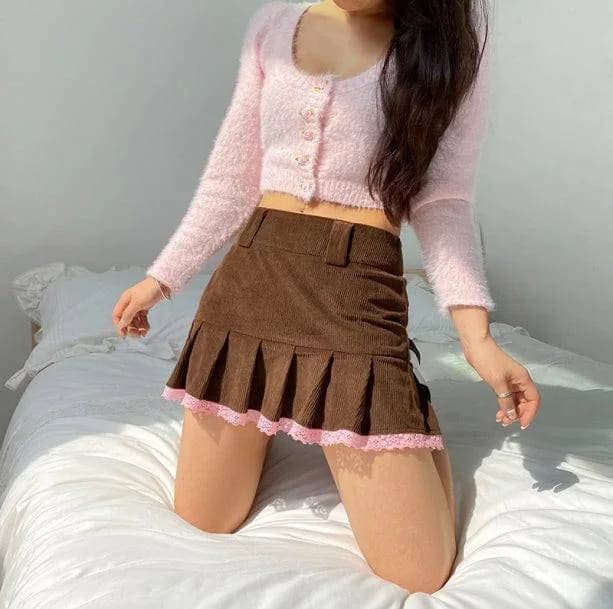
Corduroy has an unmistakably grounded texture that naturally commands attention in an outfit. Because corduroy is inherently thicker and stiffer than standard woven blends, it requires thoughtful pairing on top. Softening the stiffness of heavy ribs with a smooth, lightweight cotton top or a sleek jersey knit prevents the look from becoming rigid or overly bulky.
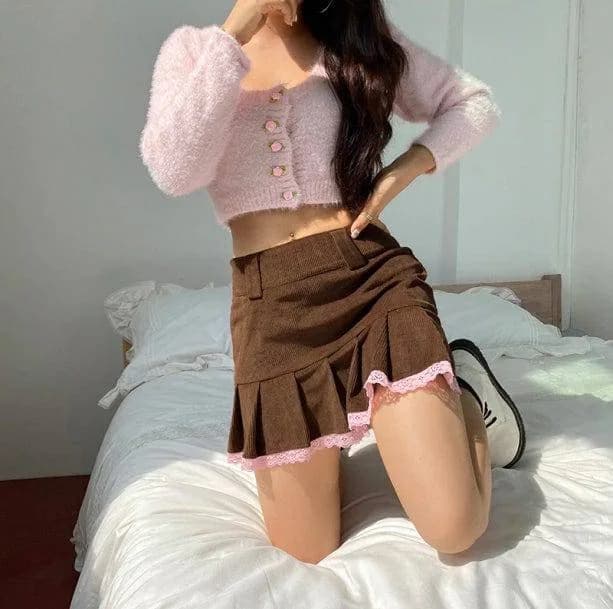
The Aesthetic Corduroy Skirt serves as a classic foundation for autumnal or transitional dressing. To keep the silhouetteThe overall shape an outfit creates, from fitted to loose and layered. fluid, avoid thick, chunky-knit turtlenecks that compete with the skirt's surface texture. Instead, pair structured corduroy with lightweight long-sleeve tops, thin turtlenecks, or smooth ribbed tees, finishing with leather or faux-leather boots to complement the matte finish of the fabric.

Pencil and Midi Cuts: Creating Lean Proportions
Midi and pencil skirts introduce vertical lines that demand a different approach to proportion than flared minis. A longer skirt covers more of the legs, meaning your shoe choice and waist definition are doubly important to avoid looking swamped. Selecting tops that emphasize the shoulders, such as pieces with small flutter sleeves or wider collars, creates a flattering inverted-triangle balance against a slim skirt.
For a streamlined midi silhouetteThe overall shape an outfit creates, from fitted to loose and layered., the Light Academia Midi Pencil Skirt, crafted in Cotton and Polyester, offers a straight, tailored drop. Balance this cut by tucking in a softly draped blouse or pairing it with a tailored sleeveless shell. For footwear, mid-calf boots that disappear smoothly beneath the hemline create an uninterrupted, lengthening line down the body.
Plaid and Geometric Patterns: Keeping Prints Cohesive
Geometric shapes, tartans, and grid plaids are staple design motifs within seventies-inspired fashion. When your skirt carries a multi-tonal print, selecting a top that pulls directly from one of the secondary shades in the pattern creates an intentional, pulled-together outfit. If you wear an entirely unrelated pattern on top, the outfit can quickly feel cluttered and unfocused.
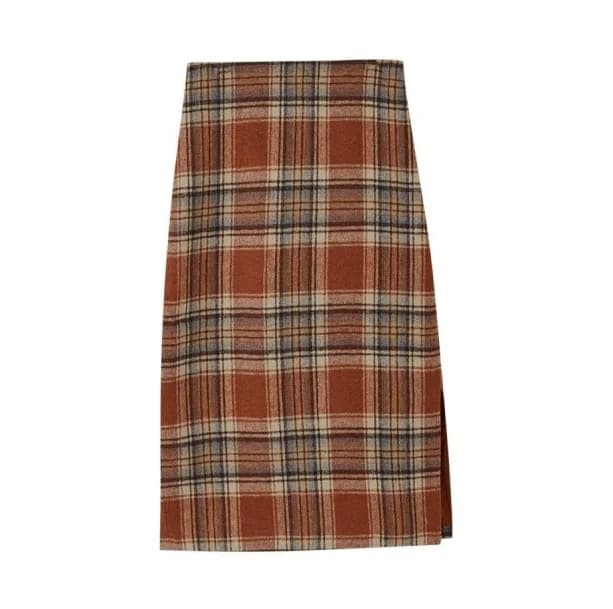
The Aesthetic Plaid Skirt, made from Polyester and available in A, B, and C pattern options, serves as an easy centerpiece for patterned styling. Pairing this type of print with a monochrome knit selected from 70s sweaters allows the skirt's geometry to stand out. Keeping your accessories and footwear in neutral tones ensures the plaid remains the visual focal point of the outfit.
- Isolate one accent shade from the plaid to determine your top or knit color.
- Avoid competing graphic elements by choosing solid-colored base layers.
- Anchor patterned skirts with neutral leather or faux-leather accessories.
Novelty Prints and Playful Vintage Details
While tailored neutrals capture the scholarly side of retro dressing, playful prints and character designs reflect the whimsical, casual youth culture of the era. The trick to wearing novelty skirts without looking childish is anchoring them with mature, structured separates. A structured jacket, classic loafers, or a minimalist top keeps the final outfit refined.
The Vintage Cat Skirt, made with a blend of Polyester and Spandex, brings humor and character to an outfit. Balance its whimsical print with a minimalist top, such as a plain dark mock-neck or a tailored button-down. Choosing structured outer layers, such as a neat trench or denim jacket, frames the print nicely while maintaining an adult, intentional balance.
Sleeveless Tops and Lightweight Summer Styling
During warmer months, building a balanced retro outfit requires staying cool while retaining authentic vintage design cues. Instead of reaching for a generic modern tank, look for tops with distinct vintage necklines, such as square cuts, halter strings, or delicate butterfly motifs. These shapes echo classic summer styles while keeping the overall outfit airy and light.
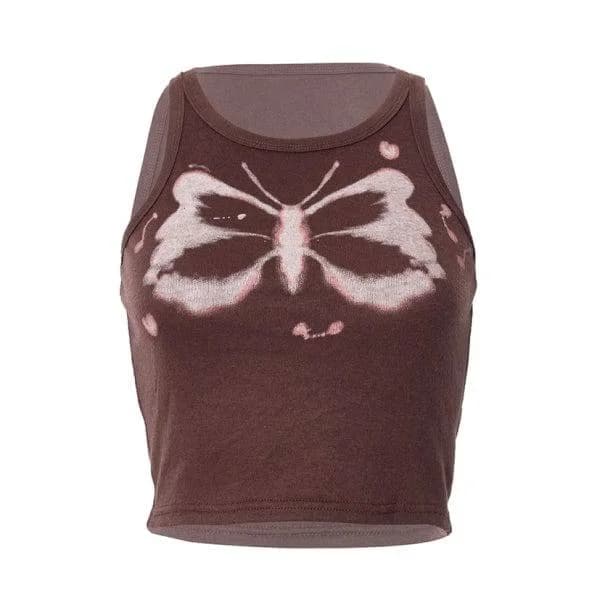
The Indie Butterfly Sleeveless Top works wonderfully for warm-weather outfits when tucked into a high-waisted mini or flared skirt. Pairing delicate tops from 70s tops with structured skirts prevents summer outfits from feeling flimsy. Complete the look with woven sandals, clogs, or platform espadrilles that maintain substantial visual weight at the feet.
Footwear Pairings: From Platform Loafers to Knee-High Boots
Shoes make or break retro silhouetteThe overall shape an outfit creates, from fitted to loose and layered.s. Delicate running sneakers, flimsy ballet flats, or sharp stiletto heels can clash with the organic, grounded proportions of seventies skirts. Instead, lean into footwear with visible sole depth, squared toes, or block heels, which naturally mirror the strong lines of retro tailoring.
Knee-high boots are an ideal match for both minis and midis, creating clean lines that elongate the lower half. Chunky platform loafers worn with crew socks offer an easy daytime alternative that pairs naturally with pleated minis. When dressing for casual outings, retro low-top tennis shoes with gum soles deliver a relaxed, athletic charm without flattening the silhouetteThe overall shape an outfit creates, from fitted to loose and layered..
- Choose block heels and platform soles to balance out wide A-line hems.
- Pair knee-high leather boots with minis or hide tops under midi lengths.
- Add crew or ribbed socks to loafers to soften the transition between skirt and shoe.
Layering Outerwear Without Losing Waist Definition
Outerwear can easily overwhelm high-waisted skirts if you select the wrong cut. Long, shapeless coats obscure the waistline entirely, while ultra-baggy utility jackets can make flared skirts look bottom-heavy. To preserve your proportions, select outerwear that either ends right at the high waist or extends well past the skirt hem.
Cropped trucker jackets, tailored blazers, and belted trench coats are reliable layeringWearing pieces over or under one another to add depth, warmth or contrast. options. When wearing a longer trench, leaving it open creates two vertical framing panels that showcase your tucked top and waistband underneath. Alternatively, a cropped jacket creates a clean horizontal break at your natural waist, perfectly mirroring the skirt's rise.
Adapting 70s Skirts Across Different Climates
Because seventies aesthetics rely heavily on rich textures like wool, corduroy, denim, and cotton twill, adapting your outfit to shifting weather simply requires smart layeringWearing pieces over or under one another to add depth, warmth or contrast. adjustments. In cold climates, opaque tights in forest green, burgundy, or chocolate brown maintain the earthy vintage palette while providing essential warmth under short hemlines.
In warmer weather, swap heavy knit layers for loose cotton shirting tied at the waist or open-weave tops over bralettes. Light canvas skirts or breathable polyester blends keep air flowing without losing their shape. Pay close attention to footwear ventilation: replace heavy leather boots with open-toe wooden clogs, slingback platforms, or breathable canvas sneakers as temperatures rise.
- Layer textured or colored tights under mini skirts during colder months.
- Tie lightweight cotton blouses at the waist for breezy summer outfits.
- Transition from knee-high leather boots to wooden clogs or platform sandals in heat.
Common Proportion Pitfalls and How to Fix Them
The most frequent styling mistake with seventies skirts is letting an untucked top fall midway down the hips. This cuts your vertical line in half, hiding the waist and making legs appear shorter. If your top is too long to tuck smoothly, tie it neatly at the navel or swap it for a dedicated cropped cut to restore balance.
Another common misstep is pairing flared skirts with shoes that lack sufficient visual weight. Thin, flat soles often make the flare look disproportionately heavy and bell-shaped. Swapping thin flats for footwear with a raised sole, chunky heel, or textured platform instantly anchors the flare. Lastly, avoid combining three or four distinct patterns across your top, skirt, and tights; keep prints limited to one hero piece per outfit.
Curating a Cohesive Retro Wardrobe: The Selection Checklist
When expanding your personal collection through the broader 70s Aesthetic Clothes range, prioritize versatility and tactile cohesion. A functional retro-inspired wardrobe does not require dozens of separate outfits; it simply needs well-chosen foundational skirts, balanced tops, and grounding footwear that can be mixed and matched across seasons.
Before buying a new piece, evaluate how it will integrate with the rest of your closet. Make sure any skirt you choose has a clear waist placement that matches your preferred tops, and verify that the fabric weight complements your seasonal footwear. Building your style around deliberate proportions ensures every outfit feels intentional, balanced, and completely your own.
- Ensure the skirt waistband sits securely at your natural waistline.
- Check that you have at least two tops that tuck in smoothly without bulk.
- Confirm your footwear has adequate sole thickness to balance skirt flares.
- Limit bold prints to a single garment to avoid visual clutter.
Choosing Between Pleats, A-Lines, and Pencil Silhouettes for Daily Movement
Selecting the right skirt cut often comes down to your practical mobility needs throughout the day. While all three cuts feature the signature high waist of the era, they behave differently when walking, sitting, or commuting. Understanding how each silhouetteThe overall shape an outfit creates, from fitted to loose and layered. drapes and flexes prevents you from feeling restricted or constantly adjusting your hemline during daily activities.
Pleated skirts offer the greatest freedom of movement because the folded fabric expands naturally with your stride. An option like the Brown College Skirt provides ease when sitting or walking up stairs without pulling across the hips. A-line shapes fall in the middle, offering a reliable, gentle flare that keeps fabric away from the knees without excessive volume.
Straight midis and pencil shapes create a sleeker, continuous profile but naturally reduce your stride length. If your routine involves extended desk sitting or brisk walking, look for straight skirts with small back vents or flexible fabric blends. For elevated office days or dinner plans, styling an A-line or pencil piece from the 70s skirts collection gives you crisp structure, provided you pair it with footwear that matches your walking pace.