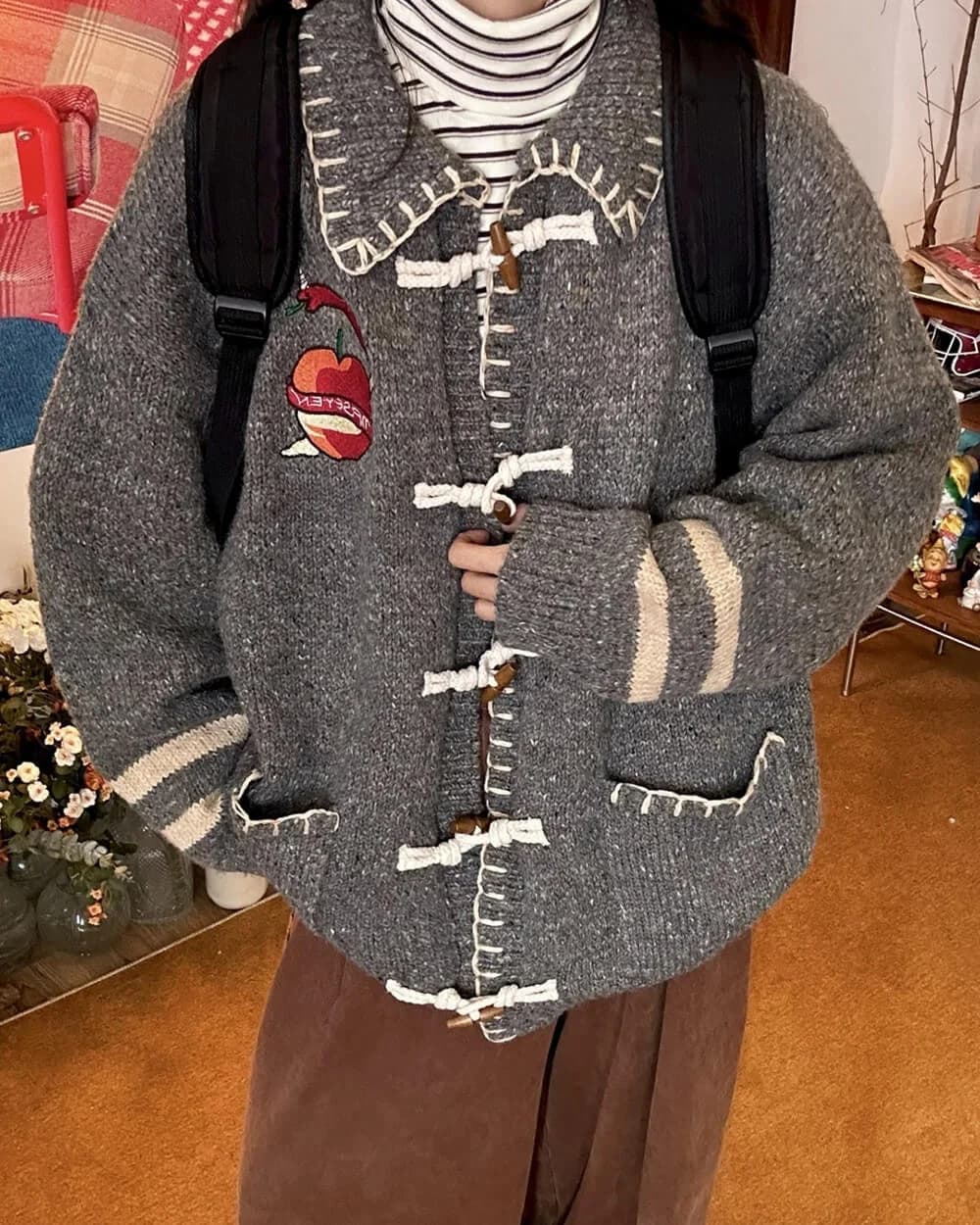
Created by the Kawaii Vibe editorial team. Our named style desks are editorial personas. Product details and availability can change.
LayeringWearing pieces over or under one another to add depth, warmth or contrast. 70s sweaters is about balancing vintage textures, collar heights, and hemline lengths without feeling restricted. Whether you lean toward ribbed zip pullovers, open knit vests, or chunky crochet tops, retro styling relies heavily on how garments interact at the neckline and waist. The right layers let you keep warm or stay cool while keeping the distinct charm of seventies street style intact.
When planning an outfit around retro knitwear, your foundation piece dictates how the rest of your pieces settle. A bulky knit over a stiff, oversized collar will bunch up at the shoulders, while an airy sleeveless sweater allows room for crisp button-downs and fitted underlayers. Understanding how to contrast tight and relaxed fits ensures you stay comfortable from morning through the evening.
This guide breaks down practical ways to style retro knits across different climates, personal silhouetteThe overall shape an outfit creates, from fitted to loose and layered.s, and wardrobe foundations. Instead of guessing how pieces stack together, you can follow simple layout rules that make your daily dressing routine straightforward and reliable.
Setting the Base: High Necklines and Underlayers
Every dependable sweater outfit starts at the collar. In retro styling, layeringWearing pieces over or under one another to add depth, warmth or contrast. usually highlights contrasting necklines, such as a sharp pointed collar peaking above a crewneck or a slim mock neck sitting smoothly under a deep V-neck knit vest. When your underlayer fits close to the torso, your outer sweater can drape naturally without twisting or pulling across your back.
A lightweight, form-fitting shirt creates a frictionless foundation for textured knits. For instance, pairing a fitted long-sleeve tee beneath an open-weave or sleeveless piece keeps the knit texture centered while providing coverage. Exploring our range of 70s Tops gives you plenty of low-profile base options that slip easily into armholes without bunching.
If your knit has a busy pattern, keep the base neutral in tone and simple in cut. A solid ivory, black, or soft tan base ensures that the sweater's motifs stand out cleanly. When you pay attention to the collar spread and sleeve length of your initial shirt, you prevent the constant tugging and adjusting that ruins an otherwise comfortable outfit.
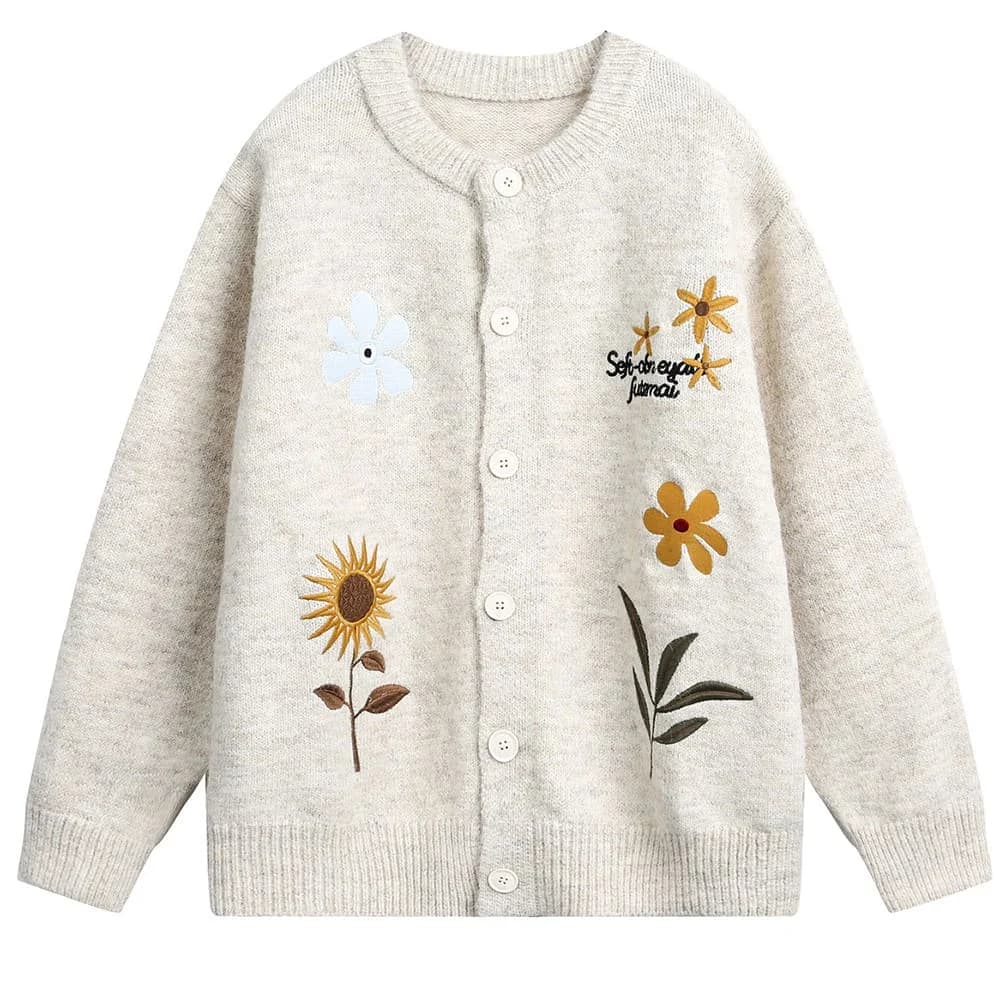
A pointed-collar shirt beneath a dark crewneck vest gives the neckline contrast described here; keep the collar points flat and visible. For a more intricately layered outfit, Dolly Kei clothes bring vintage-inspired patterns, embroidery, and rich textures. Choose a simple base layer so those details remain distinct.
- Smooth seams keep knit arms moving freely.
- Tuck your bottom layer in before pulling over knits.
- Ensure inner cuffs extend just past outer knit cuffs.
Sleeveless Knits and Vests for Transitional Days
Sleeveless sweaters are among the most versatile retro staples because they adapt across shifting seasons. During moderate spring or autumn days, a knit vest provides core warmth while letting your arms breathe. This makes it an ideal choice for fluctuating indoor and outdoor temperatures where a full sweater might feel too heavy.
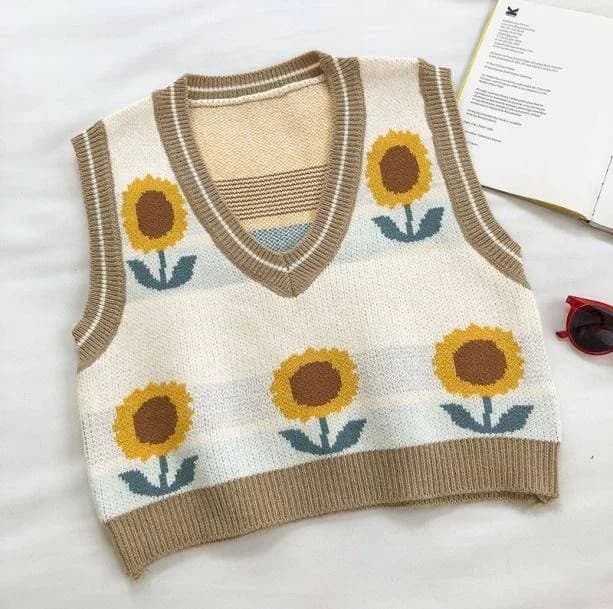
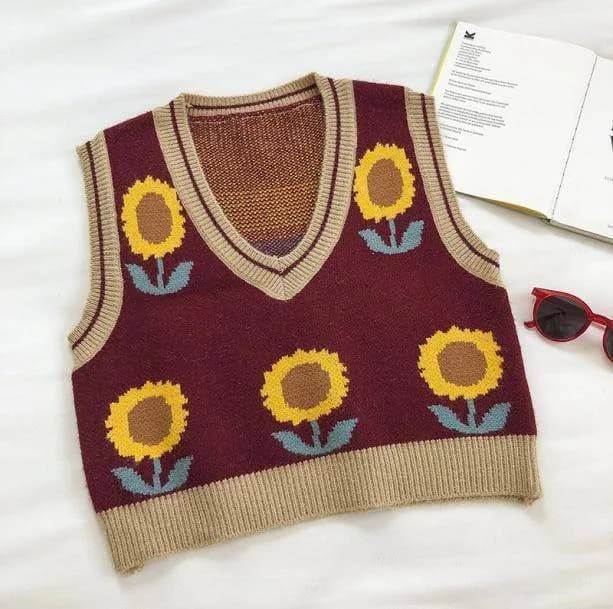
A floral knit vest offers a graphic focal point that balances well against plain woven fabrics. The Vintage Flower Sleeveless Sweater, available in One size and shades like Black, Red, and Apricot, serves as a great outer shell over a crisp collared button-down. Its sleeveless cut prevents your shoulders from looking overly wide, allowing the sleeves of your base shirt to shape the silhouetteThe overall shape an outfit creates, from fitted to loose and layered..
When choosing a sleeveless knit, check the armhole drop. A deeper armhole works best over billowy poet blouses or flared sleeves, while a closer armhole sits best over fitted basic tees. Keeping these proportions in check helps you avoid unnecessary friction around the armpits throughout the day.

Balancing Cropped Sweaters with Mid and High Waists
Cropped sweaters cut off right above the natural waist or right at the belly button, which can sometimes feel tricky to layer. The goal is to avoid an abrupt break that splits your body into disjointed blocks. Pairing shorter knits with high-rise bottoms creates a continuous, lengthened visual line from waist to hem.
If you enjoy compact silhouetteThe overall shape an outfit creates, from fitted to loose and layered.s, browsing through 70s Crop Tops will help you find ideas that hit right above the waistband. LayeringWearing pieces over or under one another to add depth, warmth or contrast. a cropped knit over a tucked-in shirt or a simple camisole lets you play with tiers of fabric, adding depth to your midsection without bulk. The knit remains the top architectural frame while the bottom layer anchors the waistline.
When styling an open-stitch cropped piece like the Cottagecore Knitted Crop Top, available in White and Apricot in One size, you can slip a fitted tank underneath for everyday ease. This approach gives you coverage while preserving the lightweight, breezy appeal of the knit's open pattern.

Styling Fitted Ribbed Sweaters for Petite Frames
Petite frames can easily be overwhelmed by the hefty yarn and boxy shoulders typical of vintage garments. To counter this, look for ribbed, fine-gauge pullovers that hug the torso and define your upper body. Ribbed knits naturally flex with movement while preserving a slim, tailored profile that does not drown smaller dimensions.
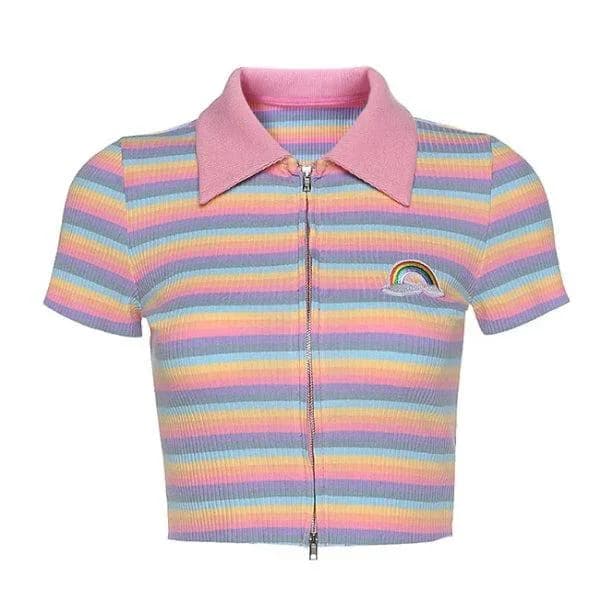
A fitted zip-front sweater, such as the Rainbow Zipper Up Top in sizes S through L, offers clean vertical lines that draw the eye up and down rather than across. Because it fits snugly, you can layer a light camisole underneath or slip a structured denim coat over it without creating bulk along the sleeves or underarms.
For bottoms, pairing close-fitting knits with streamlined skirts keeps your overall frame well-proportioned. A straight-cut mini or a neat A-line design creates a steady balance against the fitted ribbed top, preventing any single half of your outfit from looking excessively heavy.
Managing Chunky Knits on Broader or Curvier Figures
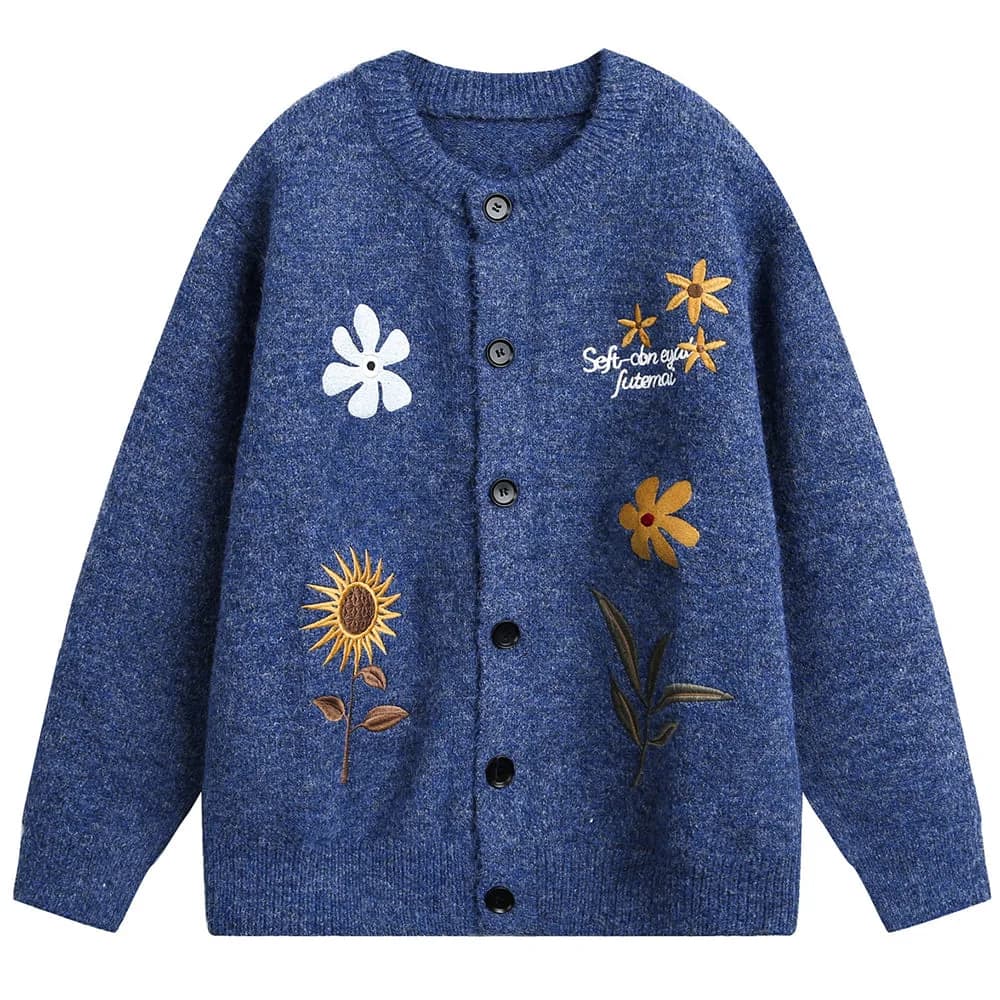
Chunky knits bring rich visual texture, but their sheer weight can bunch up around the bust and waist if layered carelessly. The practical solution is selecting pullovers or cardigans with dropped shoulder seams or relaxed armholes, which allow the fabric to fall straight down rather than pulling taut across the chest.
Instead of layeringWearing pieces over or under one another to add depth, warmth or contrast. thick fabrics over other bulky garments, stick strictly to silky, ultra-thin undergarments beneath heavy sweaters. This prevents the fabric from catching and hiking up as you walk. If you want to sample wider vintage styling principles across your wardrobe, review our broader 70s Aesthetic Clothes to see how flowing cuts offset sturdy, textured yarn.
Cardigans worn open create two vertical panels that naturally elongate your front torso. If your knit is a pullover, opting for a wider crew or gentle V-neckline exposes the collarbones, breaking up the heavy block of fabric and giving your neck room to breathe.
Pairing Retro Sweaters with Flared Bottoms
The seventies were famous for flares, and pairing a structured flare with a cozy sweater is one of the most balanced retro looks you can assemble. The bell shape at the calf offsets the volume of a loose sweater up top, producing a steady hourglass effect that grounds your overall outfit.
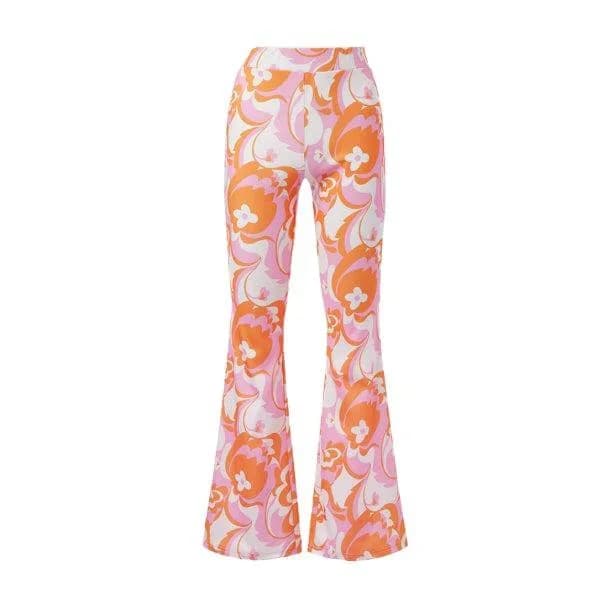
When wearing bell-bottom trousers like the 70s Aesthetic Flare Pants, offered in sizes S, M, and L, consider tucking just the front center of your sweater into the waistband. A gentle front-tuck reveals your belt buckle and marks your natural waist without pulling the back of the sweater out of its relaxed drape.
If your sweater is on the longer side, avoid thick cable knits that might bulge around the hips when tucked. Instead, choose a lighter knit or let the sweater hang freely over the hips, provided the flare on the trousers begins cleanly around the knee to keep your leg line defined.
Contrasting Textured Knits with Corduroy Skirts
Mixing contrasting textures is a core component of authentic seventies casual style. Knitted yarns paired with the raised ridges of corduroy produce a tactile, rich outfit that feels inherently autumnal and grounded. The matte look of corduroy balances both brushed and smooth yarn finishes effortlessly.
An earthy base like the Aesthetic Corduroy Skirt, which comes in sizes S to XL, pairs naturally with patterned vests, fitted turtlenecks, or tucked-in pullovers. You can examine our full range of 70s Skirts to find cuts that complement your preferred sweater lengths, from mini hems to sweeping midi lengths.
When matching textures, keep the scale in mind. If you are wearing a wide-wale corduroy skirt with thick ridges, choose a fine-gauge or flat-stitch sweater to avoid competing rib patterns. Conversely, if your skirt has a micro-corduroy texture, you can comfortably introduce a thick, heavily textured cable-knit top.
Adapting Sweaters for Cool and Cold Weather
When temperatures drop, smart layeringWearing pieces over or under one another to add depth, warmth or contrast. involves building a barrier against the chill without piling on so many layers that you cannot bend your elbows. Start with a thermal or cotton base, add your knit as the insulating mid-layer, and finish with a wind-resistant coat or jacket.
Your knit sweater functions best as an insulator when it retains a little trapped air between itself and your base layer. A piece with comfortable ease from our 70s Sweaters collection gives you that functional buffer, trapping heat efficiently while ensuring comfortable movement throughout chilly days.
Pay close attention to cuff construction when dressing for the cold. Ribbed wrists on your sweater keep drafts from riding up your arms and make it much easier to slide your hands cleanly through the sleeves of an overcoat without the sweater bunching up at your elbows.
Warm-Weather Retro Layering and Breathable Options
Wearing knitwear in warm conditions might sound counterintuitive, but open stitches and sleeveless cuts make it entirely practical. The secret lies in choosing loose, airy weaves that allow continuous airflow while still offering the distinctive visual depth of yarn work.
LayeringWearing pieces over or under one another to add depth, warmth or contrast. during warm months often means using a knit piece as the top accent over something minimal. A breathable piece like the Floral Crop Top, available in sizes S through L, serves as an easy summer foundation that can sit beneath an unbuttoned lightweight knit vest or light cardigan when the sun dips.
Stick to lighter colors such as cream, apricot, and soft pastels, which reflect sunlight rather than absorbing heat. If you plan to spend time outdoors, prioritize open crochet designs that act more like mesh, keeping you cool while delivering unmistakable vintage character.
Neckline Layering: Collars, Halters, and V-Necks
The interaction between your inner collar and your outer sweater neckline determines the personality of your look. A pointed shirt collar spread over a crewneck feels scholarly and structured, whereas a low scoop neck over a retro halter top creates an energetic, casual weekend mood.
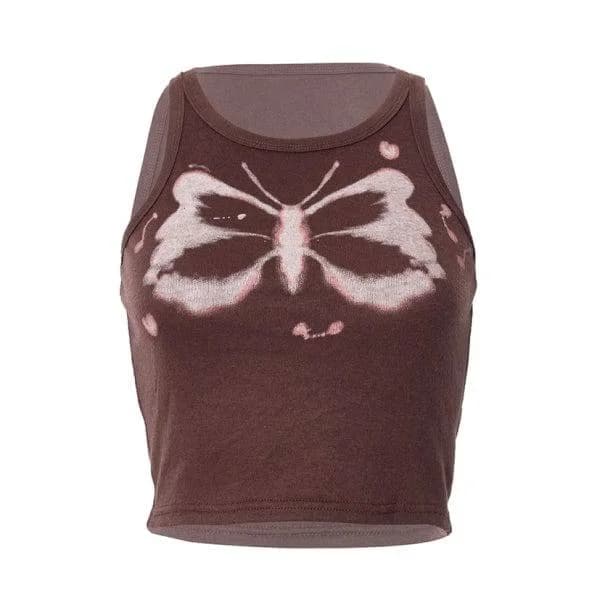
For a playful summer-to-autumn transition, try layeringWearing pieces over or under one another to add depth, warmth or contrast. a sleeveless print such as the Indie Butterfly Sleeveless Top in sizes S to L beneath an open, deep V-neck knit. The print peeks out cleanly through the sweater’s chest opening, giving you a custom layered look without adding heavy fabric sleeves.
Keep collar proportions in balance. Broad seventies dagger collars require wide, open sweater necks so the collar points lie flat across the knit rather than curling up awkwardly around your jaw. If your sweater has a snug crewneck, stick to smaller, rounded collars or collarless underlayers.
Color Matching: Earth Tones, Pastels, and Bold Accents
Seventies color paletteA small group of colors you repeat to make an outfit feel connected.s are famous for their rich earthiness, relying on rust, mustard, moss green, and chocolate brown. Styling multiple layers within this palette works best when you combine varying tones rather than trying to match one single shade perfectly across every item.
To create a balanced look, anchor your outfit with a neutral piece and layer a bold graphic knit over it. For example, wearing the 70s Vibes Top, available in sizes S to L, alongside a tan or olive cardigan lets the graphic center pop while the outer knit ties the color story together comfortably.
If you prefer a lighter palette, retro pastels like dusty sage, pale buttercup, and muted apricot work together harmoniously. Mix one warm pastel with one cool neutral to keep your layeringWearing pieces over or under one another to add depth, warmth or contrast. feeling intentional and modern, rather than faded or washed out.
Common Layering Mistakes to Avoid
One of the most frequent layeringWearing pieces over or under one another to add depth, warmth or contrast. pitfalls is combining too many heavy fabrics at once. Wearing a thick flannel shirt beneath a chunky cable sweater creates tight armholes, restricts shoulder movement, and makes you overheat the moment you step indoors. Always alternate your fabric weights.
Another common misstep is disregarding hem lengths. When your base layer hangs several inches lower than your sweater in an uneven, untucked drape, it can look accidental rather than stylized. If you want visible hem layeringWearing pieces over or under one another to add depth, warmth or contrast., make sure the inner shirt hem is deliberately neat, or simply tuck it securely into your trousers.
Finally, watch out for collar clashes. Pushing a stiff, high collar underneath a tight mock-neck sweater distorts the knit neckline, leaving lumps around your throat. Take a quick look in the mirror to confirm that your inner neckline lays completely flat before heading out the door.
- Never force heavy flannels under slim-fit knits.
- Ensure inner hems are either cleanly tucked or intentionally shown.
- Check that collar tips lay smooth against sweater fabric.
- Avoid wearing matching high collars that fight for neck space.
Quick Outfit Formulas for Everyday Dressing
When you need an outfit quickly, following tested styling formulas removes the morning guesswork. These three combinations rely on contrasting shapes and balanced fabric weights, making them dependable across a range of daily activities.
The first formula is the Campus Retro: tuck a crisp white collared shirt into an A-line skirt, pull a graphic knit vest over the shirt, and finish with sturdy loafers or boots. This formula controls volume around your waist while showcasing your knit’s pattern front and center.
The second formula is the Weekend Flare: pair a fitted ribbed zip sweater with high-rise bell-bottoms. Because the top is form-fitting, the wide flares balance the lower body effortlessly. The third formula is the Breezy Crop: wear a lightweight knit crop top over a high-waisted corduroy bottom, offering comfortable coverage and playful vintage texture without feeling overdressed.
- Campus Retro: Crisp white shirt + graphic knit vest + A-line skirt.
- Weekend Flare: Fitted ribbed zip sweater + high-rise flare pants.
- Breezy Crop: Cropped knit pullover + high-waist corduroy skirt.

Fit and Care Checklist for 70s Sweaters
Keeping your knitwear in prime condition ensures that your layered outfits always look crisp and intentional. Knits need mindful handling during washing and storage to prevent them from stretching out or losing their original structural shape.
Before assembling your next retro outfit, run through a quick practical checklist. Ensuring proper fit through the shoulders, verifying hemline alignment, and confirming that inner seams sit flat will keep you comfortable and confident throughout the entire day.
Store folded on a shelf; hanging knits stretches shoulder seams.
Check armhole clearance when layeringWearing pieces over or under one another to add depth, warmth or contrast. over woven shirts.
Confirm that base layers do not cling awkwardly to knit interiors.
Hand wash or use gentle cold cycles to preserve knit elasticity.
Air dry completely flat on a towel to avoid fabric distortion.
Follow these basic guidelines to evaluate your pieces and maintain their quality over time: