Created by the Kawaii Vibe editorial team. Our named style desks are editorial personas. Product details and availability can change.
Building a cohesive outfit around vintage-inspired silhouetteThe overall shape an outfit creates, from fitted to loose and layered.s starts with the cut of the upper half. In seventies fashion, the shape of your collar, strap placement, and hemline dictated the balance of the entire look. If you wear an exaggerated collar with the wrong pant rise, or mix a boxy cropped cut with a shape that fights for attention, the outfit quickly feels off-balance rather than intentional. Getting the styling right means letting the upper silhouetteThe overall shape an outfit creates, from fitted to loose and layered. guide your trousers, skirts, and layeringWearing pieces over or under one another to add depth, warmth or contrast. pieces.
When you start styling 70s tops, treating the neckline as an architectural anchor simplifies your choices. Low scoop collars demand different chain lengths and jacket lapels than high zipped funnels, while fitted sleeveless knits balance flared hemlines differently than relaxed crew tees. Instead of guessing how pieces fit together, focusing on how cuts and waistlines interact gives you an easy, reliable blueprint for everyday outfits.
This guide breaks down every core cut found across seventies casualwear. You will see exactly how to pair high necklines, low scoops, open collars, and cropped hems with specific trousers and skirts, along with layeringWearing pieces over or under one another to add depth, warmth or contrast. tricks, fabric weight checks, and proportions that work reliably across changing climates.
The Core Rule: Neckline Volume Versus Bottom Proportions
Every vintage-influenced outfit relies on opposing weights to feel balanced. In the nineteen-seventies, volume was rarely distributed evenly across an entire outfit; instead, visual weight moved deliberately between the shoulders and the ankles. A clingy, form-fitting upper half opened up space for bell-bottoms, wide-leg trousers, or stiff A-line skirts. Conversely, a broad pointed collar or a blouson sleeve sat atop leaner hips and straighter leg lines to keep the torso from looking swallowed up.
To build an outfit successfully, look at whether your top pulls visual focus inward or outward. Narrow, vertical cuts like deep scoop necks or thin halter straps leave your collarbones bare, which visually reduces the bulk of your torso. When the top half feels compact and light, pairing it with heavy denim, corduroy, or sweeping flared cuffs grounds the look without crowding your frame. If your top instead features horizontal volume—such as wide lapels, cap sleeves, or horizontal chest stripes—you will want bottoms that maintain a clean, unbroken line through the hip.
- Narrow, vertical necklines pair naturally with sweeping wide-leg pants or flares.
- Horizontal stripes or wide collars need clean hip lines and minimal pocket bulk.
- High-contrast collars frame the face best when lower layers stay simple.
Crew Neck and Ringer Cuts: Everyday Relaxed Balance
The graphic ringer and high-cut crew neck define casual retro daywear. Unlike modern oversized streetwear tees, classic casual styles from the era sat higher on the collarbone, featuring contrasting ribbing along the neck and armholes. This snug neckline creates a neat, rounded border at the base of the throat, drawing attention upward toward your face while keeping the shoulders looking defined and squarely set.
Because a rounded crew creates a solid block of color right up to your chin, it looks best with bottoms that offer structured geometric lines. If you tuck one of our vintage-inspired 70s t-shirts into a high-waisted skirt or rigid raw denim, the defined waistband creates a sharp break that prevents the high collar from shortening your neck. Adding a jacket with notched lapels cuts diagonally across the round neck, introducing pleasing angular lines that break up the upper chest block.
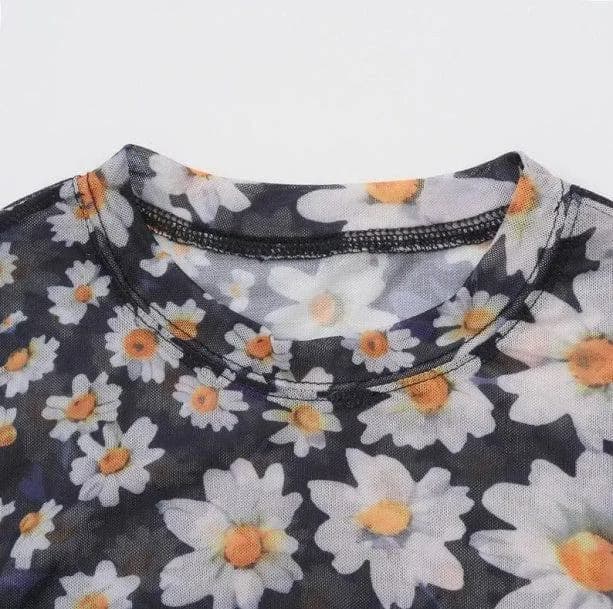
A fitted casual piece like the 70s Vibes Top offers a practical option for this look, available in sizes S through L. Pair this top with high-rise jeans or under a suede-finish overshirt. Leaving the overshirt unbuttoned establishes twin vertical columns running from shoulder to hem, which immediately balances the rounded chest profile.
Scoop and U-Neck Tops: Lengthening the Upper Torso
Scoop and U-neck tops open up the chest, offering an elongated neckline that naturally softens broader shoulders. By dropping down past the collarbones, this cut introduces a generous expanse of skin or base fabric that creates an airy, vertical line down the front of your torso. It is one of the easiest cuts to style because it rarely clashes with heavy winter outerwear or thick jackets.
When styling a deep scoop, pay close attention to your choice of pants. Because the neckline reveals open space at the chest, wearing very low-slung bottoms can make your torso appear disproportionately long. To keep your natural silhouetteThe overall shape an outfit creates, from fitted to loose and layered. harmonious, counter the low scoop with high-rise trousers that define the narrowest part of your waist. This tuck-in technique anchors the midsection, ensuring the open neckline reads as an intentional frame rather than an ill-fitting cut.
For accessories, scoop collars welcome pendant necklaces that rest cleanly in the center of the bare skin above the cloth. Avoid bulky chokers that cut across the throat, as they fight the lengthening effect the scoop cut naturally provides. If you need a layer for cooler days, choose an open-front knit cardigan that mimics the curved line of the collar.
- Pair scoop cuts with high rises to keep your torso proportions balanced.
- Use mid-length pendants rather than tight chokers to maintain vertical lines.
- Layer under open cardigans to maintain the soft curvature of the neckline.
Halter Necks and Bare Shoulders: Emphasizing the Collarbone
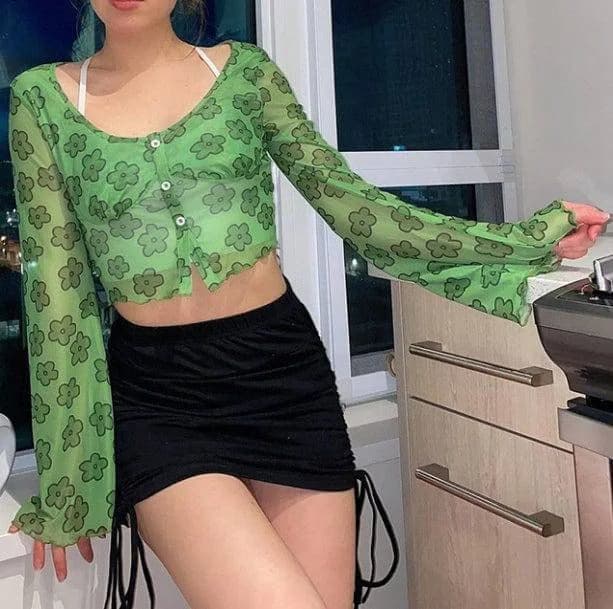
Halter necklines create a dramatic diagonal line that sweeps from the collarbone toward the back of the neck, drawing the eye inward and emphasizing your shoulders. In seventies design, this cut brought an effortless, sun-soaked feeling to warm-weather dressing. Because halter tops leave the arms, shoulders, and upper back exposed, they reduce the visual footprint of your upper half to a light, geometric triangle.
Balancing this triangular top requires bottoms with presence. Pairing a bare-shoulder halter with thin, clingy leggings or limp shorts often looks incomplete because there is not enough substance below the waist to support the outfit. Instead, ground the look with substantial textures. Heavy cotton duck canvas, textured denim, or the structured silhouetteThe overall shape an outfit creates, from fitted to loose and layered. of the Aesthetic Corduroy Skirt balance the open shoulders. The skirt is available in sizes S to XL and adds rich corduroy texture that anchors the lightness of the top.
When the temperature drops, halters can be tricky to layer without bunching around the neck ties. The cleanest solution is a low-back jacket or a relaxed blazer worn draped over the shoulders. This preserves the sharp diagonal visual line across your chest while giving you functional coverage for transitional evenings.
- Ground bare shoulders with heavy fabrics like denim, canvas, or corduroy.
- Avoid high-friction jackets that catch or tug against halter neck ties.
- Keep hair swept up or pinned back to showcase the diagonal cut of the straps.

Pointed Dagger Collars and Button-Downs: Framing the Face
The exaggerated pointed collar is perhaps the most recognizable shirt silhouetteThe overall shape an outfit creates, from fitted to loose and layered. of the nineteen-seventies. These long, tapered lapels extend outward toward the edges of the shoulders, creating sharp directional points that frame your chin and jawline. Buttoned down partially to create an open V-shape, a pointed shirt instantly brings crisp definition to casual and tailored looks alike.
Styling a pointed dagger collar requires strict attention to collar placement relative to your outerwear. When wearing a blazer, trench, or knit vest, always bring the long shirt points out so they rest over the top of the outer lapels. Tucking them inside flattens the collar and ruins the architectural lines of the cut. Pair this distinct top with straight-leg trousers or pleated high-waist slacks to echo the sharp, tailored geometry established at the neckline.
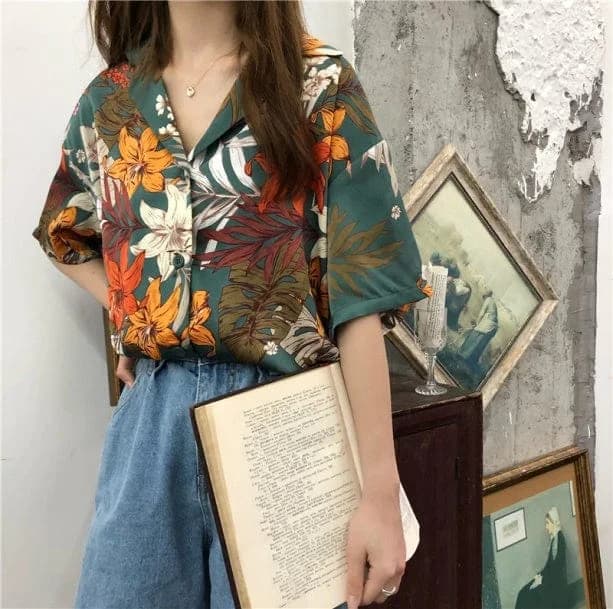
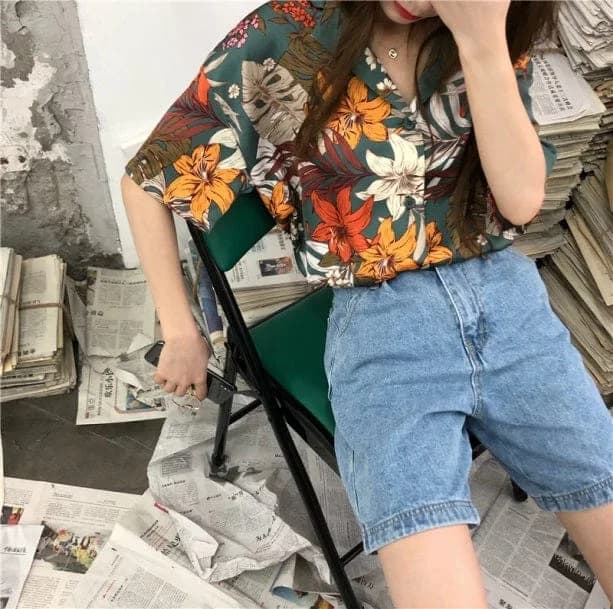
If your button-down shirt is patterned with wide florals or abstract swirls, keep the bottoms neutral and solid. The collar already draws significant visual attention to your face; adding plaid or competing prints below the waist will make the overall outfit feel cluttered. A pair of pressed dark-wash denim jeans creates a reliable backdrop that lets the distinctive shape of the shirt remain the focal point.
Sleeveless Sweaters and Sweater Vests: Textures and Arm Openings
Sleeveless knits provide a unique balance of cozy texture and minimal sleeve bulk, making them central to vintage transitional wardrobes. Because a knit vest sits slightly wider on the shoulder seam than a standard tank, it adds subtle horizontal presence to your upper frame without covering your arms. The armholes also reveal whatever base layer you place beneath, allowing for easy textural contrasts.
When wearing a piece like the Vintage Flower Sleeveless Sweater, which comes in One Size and color options of Black, Red, and Apricot, you can approach the outfit in two distinct ways. Worn alone against bare arms, the floral knit texture takes center stage; pairing it with crisp tailored slacks or a sturdy skirt balances the cozy softness of the knit. Worn over a plain white collared shirt, the vest becomes an insulating mid-layer, framing the collar and cuffs neatly.
Mind the depth of the arm openings when choosing your bottom layers. Deeply cut armholes look best with high-waisted bottoms, as they prevent gaps at the lower ribs from disrupting the line of your waist. If you want to experiment with different sleeveless silhouetteThe overall shape an outfit creates, from fitted to loose and layered.s, you can explore our curated range of 70s tank tops to compare lighter cotton styles against heavier yarn knits.
- Wear solo against the skin in moderate weather to showcase the knit pattern.
- Layer over a fitted collared shirt to add crisp contrast at the neck and cuffs.
- Pair with high rises to keep deep arm openings looking tidy at the waist.

Square Necklines: Creating Geometric Structure
Square necklines offer an angular cut that cuts straight across the chest before turning upward at ninety degrees toward the shoulders. This cut balances softer, rounded facial features and provides an open, horizontal framing across the clavicles. The width of a square neck creates the illusion of broader, more poised shoulders, making it exceptionally useful for balancing wider hips or pleated skirts.
Because the neckline is so distinctly geometric, your accessories and collars should respect the straight line. Circular scarves or loop chains often look disjointed when resting across the right angles of a square top. Instead, let the collar sit unobstructed against bare skin, or choose small, stationary pendants that rest high above the fabric line. For bottoms, the crisp structure of wide-leg trousers mirrors the clean, intentional tailoring of the top.
In our broader collection of 70s aesthetic clothes, you will find that square necklines often feature in cottage-leaning and bohemian silhouetteThe overall shape an outfit creates, from fitted to loose and layered.s alike. The angular cut keeps romantic detailing, such as puffed cap sleeves or smocked bodices, from looking unstructured. Grounding the sweetness of a square-cut blouse with rugged denim creates a grounded, wearable day look.
- Leave the geometric neckline uncrowded by avoiding round, looping scarves.
- Use the widening shoulder line to balance flared bottoms or fuller A-line skirts.
- Choose high-set pendants that sit safely above the horizontal edge of the fabric.
Zip-Up Collars and Funnel Necks: Retro Sportswear Lines
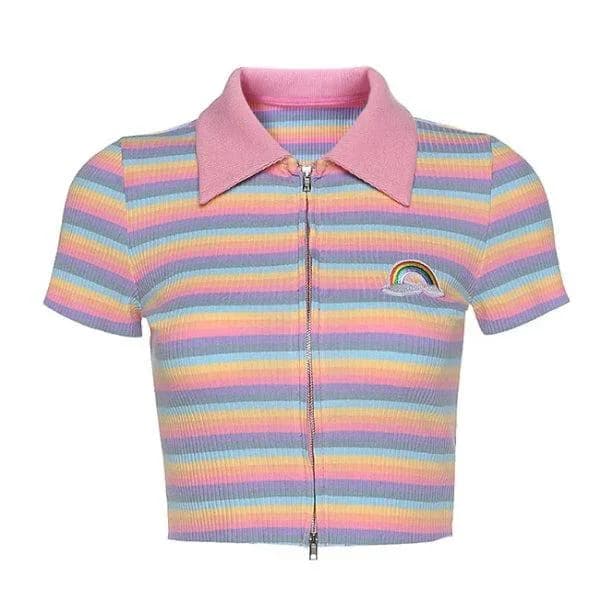
Sportswear made significant inroads into everyday seventies fashion, introducing functional hardware like metal ring pulls and nylon track zippers. A zip collar gives you complete control over your neckline throughout the day. Fully zipped, it forms a snug, protective funnel neck that creates a sleek vertical column up to the jawline. Unzipped partway, the collar folds open into crisp wings resembling a casual camp collar.
To make the most of this adaptable piece, consider how the neckline changes the mood of your outfit. A fully zipped collar feels sporty, streamlined, and utilitarian, calling for slim-straight pants, retro court sneakers, or workwear-inspired carpenter trousers. If you pull the zipper down to chest level, the open collar instantly relaxes the vibe, inviting a delicate base layer underneath or pairing naturally with bell-bottoms.
The Rainbow Zipper Up Top illustrates this functional sportswear style, featuring an adjustable zipper front in sizes S, M, and L. When wearing a bright, high-energy piece like this, let the zipper hardware remain the primary detail. Ground the top with understated neutral trousers so the graphic contrast of the zipper and colors remains clear, striking, and functional.
- Zip fully for an athletic, wind-resistant funnel collar that elongates the neck.
- Zip halfway to create an open wing collar that softens your chest line.
- Balance colorful track styling with simple, non-distressed utility pants.
Cropped Cuts: Dialing in Midriff Proportions and Hem Heights
Cropped hemlines from this era differ substantially from modern micro-cuts. A vintage-style cropped hem generally hovers just at the base of the ribcage or rests lightly across the top band of high-waist denim, revealing only a subtle glimpse of midriff when moving. This placement preserves the integrity of your silhouetteThe overall shape an outfit creates, from fitted to loose and layered., making the legs appear longer by positioning the visual waistline higher up the body.
When styling dedicated 70s crop tops, matching the hem height to your bottom layer is critical. If your jeans sit too low on the hips, the gap between the shirt hem and the waistband becomes excessively wide, pulling the entire outfit out of vintage proportion. The goal is a subtle meeting point: the hem of the crop should either brush against the waistband or sit within one to two inches above it.
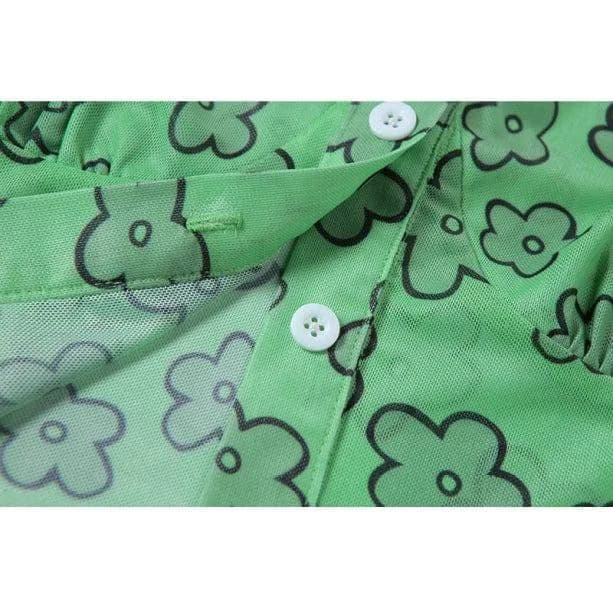
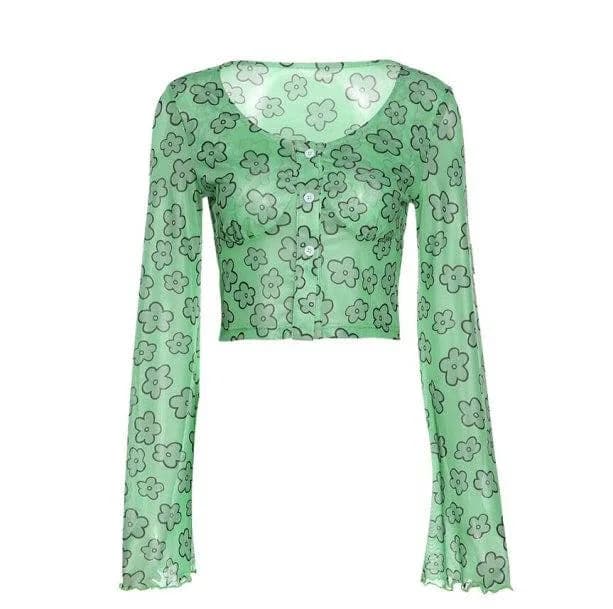
A versatile option for warm, sunny afternoons is the Floral Crop Top, available in sizes S through L. Pair this cropped cut with rigid, full-rise denim or high-sitting trousers. The high rise anchors the midriff, allowing the cropped length to flatter the torso while keeping the overall look easy to wear all day without feeling overexposed.
- Aim for the top hem to lightly skim or sit just above your high-rise waistband.
- Avoid ultra-low rises to preserve the natural high-waisted balance of the era.
- Use fitted crops to balance loose, voluminous trousers and maxi skirts.
The Classic Match: 70s Tops Paired with Flare Pants
Flared pants are the definitive lower-half counterpart to seventies tops, but pairing them correctly requires an understanding of volume and line. Because flares widen dramatically below the knee, wearing an oversized, tunic-length top above them adds too much bulk across both halves of the body. To create a streamlined, flattering outfit, your top must remain fitted and anchored at the natural waist.
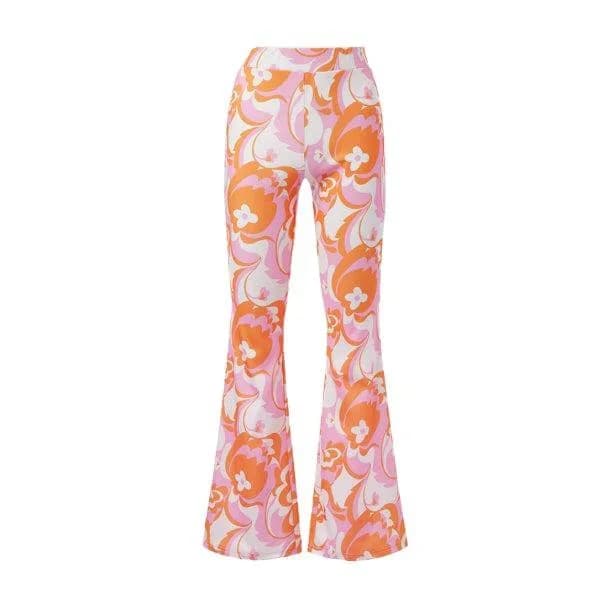
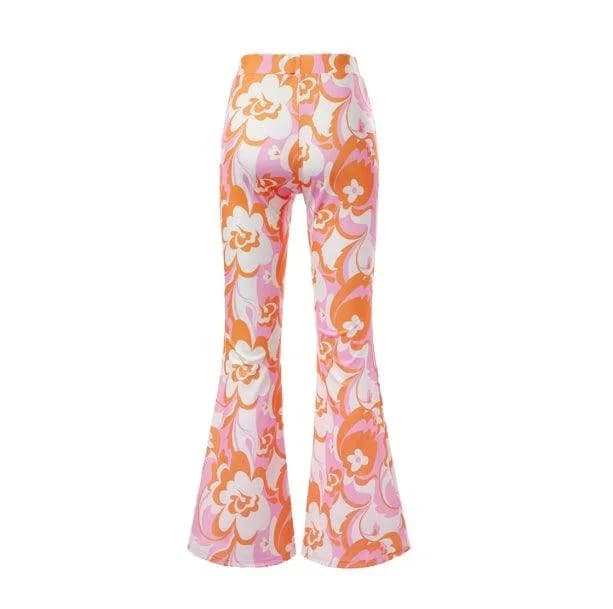
A fitted tank, ribbed tee, or snug knit acts as the narrow stem of an hourglass silhouetteThe overall shape an outfit creates, from fitted to loose and layered., allowing the lower bells of the trousers to sweep outward without competing for space. You can see this pairing in action with our 70s Aesthetic Flare Pants, available in sizes S to L. The structured flare demands a tucked-in or cropped upper layer that clearly defines where the hips begin, creating long, continuous visual lines from hip to floor.
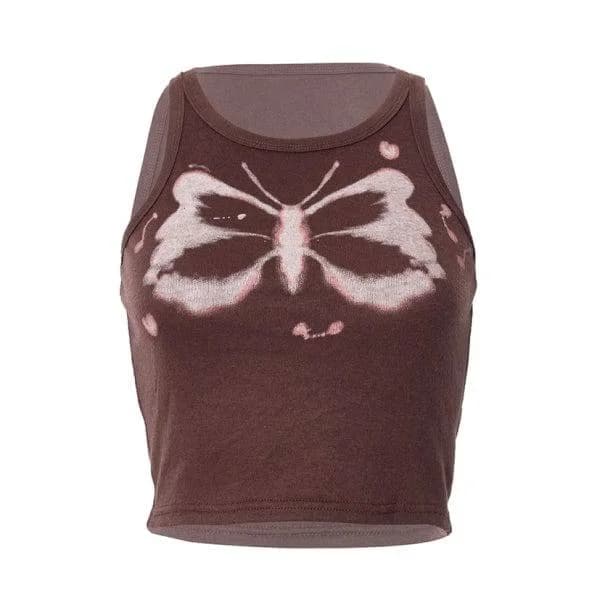
The Indie Butterfly Sleeveless Top, offered in sizes S, M, and L, matches these flared lines naturally. Its slim, sleeveless profile keeps the upper torso compact, counteracting the flare of the bell bottoms. Complete this combination with block heels or platform sandals to lift the trouser hems cleanly off the ground, ensuring your silhouetteThe overall shape an outfit creates, from fitted to loose and layered. remains elongated.
- Keep upper layers closely fitted or tucked to balance the width of the bells.
- Lift trouser hems with platforms or boots to maintain smooth vertical lines.
- Avoid boxy, longline jackets that cut across the widest part of your hips.
Knit Textures and Open Weaves: Balancing Visual Weight
Knitted tops and open-weave crochet bring tactile depth to seventies outfits, but they also introduce distinct visual density. Even a lightweight knit carries more presence than flat cotton jersey. Styling these tops successfully comes down to balancing the softness and texture of the yarn against the smoother, crisper surfaces of your skirts and trousers.
When working with open-weave or crochet designs, the surface texture naturally becomes the main focal point of your look. The Cottagecore Knitted Crop Top demonstrates this principle, available in One Size and offered in White and Apricot. Because the knitted stitches create subtle shadow and dimensional detail, pairing it with smooth cotton twill, pressed linen, or denim creates a clean, intentional texture contrast that keeps the outfit feeling modern and wearable.
Be conscious of your undergarments when choosing open-knit tops. Seamless, neutral underlayers match open stitches seamlessly, ensuring the focus remains on the knit design itself. To maintain the structural shape of your knitwear over time, fold these pieces flat in your wardrobe rather than hanging them, which prevents the neckline and shoulder seams from stretching out under their own weight.
- Contrast dense yarn knits with smooth fabrics like flat denim or crisp linen.
- Select skin-tone seamless underlayers to let open stitches show cleanly.
- Store knit tops folded rather than hung to prevent shoulder and collar distortion.
Layering Strategies: Jackets, Lapels, and Neckline Clashes
When transitional weather sets in, the interaction between your top's neckline and your outerwear lapels becomes paramount. A common styling mistake is wearing a wide, stiff jacket collar over an equally stiff, wide shirt collar without arranging them carefully. When collar points cross and fight for space, the neck area looks uncomfortably bunched and untidy.
To avoid lapel friction, match open necklines with open jackets, and structured collars with complementary outer layers. Scoop necks, crew collars, and square cuts rest flat against the chest, meaning they layer effortlessly beneath chore jackets, blazers, and cardigans without any resistance. When you do wear an exaggerated shirt collar, take the time to deliberately smooth the shirt points over the outer lapel so they frame each other smoothly.
For cold-weather days, fitted sleeveless tops and tank styles slip easily underneath heavy coats without bunching at the shoulders. Conversely, thick sweater vests sit best over lightweight poplin shirts rather than heavy flannels. Keeping inner layers smooth and low in bulk ensures you stay warm without restricting arm mobility or distorting your silhouetteThe overall shape an outfit creates, from fitted to loose and layered..
To keep an open neckline clear, try a square-neck top beneath a short, open cardigan, with no extra collar competing at the chest. If you want more surface detail, Dolly Kei clothes bring vintage-inspired patterns, embroidery, and rich textures to layered outfits; let one detailed layer sit over a simpler top.
- Always smooth wide shirt lapels over your jacket collars to avoid bunching.
- Rely on flat scoop and crew necklines under structured blazers and denim jackets.
- Keep base layers slim-fitting when wearing heavy coats to preserve mobility.
Common Styling Mistakes to Avoid with 70s Cuts
One of the most frequent styling mistakes with retro tops is pairing a loose, untucked boxy cut with wide-leg bottoms. While both pieces might be vintage-accurate on their own, wearing them together without a defined waist creates a shapeless block that hides your natural frame. If you prefer relaxed cuts, simply tuck the hem cleanly into your waistband to immediately re-establish proportion.
Another common misstep involves ignoring how neckline depth interacts with necklace lengths. Wearing a necklace that terminates directly at the fabric hem of your shirt creates visual clutter. A pendant should either rest securely on bare skin well above the neckline, or hang significantly lower over the top of solid fabric. Never let an accessory sit half-on, half-off your collar border.
Finally, avoid pairing delicate, fine-gauge retro tops with ultra-heavy workwear footwear without an intermediate layer to balance them. A fine-knit tank paired with chunky utility boots can look bottom-heavy and disconnected. Adding a structured leather belt or a sturdy jacket bridges the gap, tying the rugged weight of the boots to the delicate texture of the top for a cohesive finish.
- Avoid wearing untucked loose tops over wide trousers without a defined waist.
- Do not let jewelry pendants overlap the hem or border of your neckline.
- Bridge the visual gap between delicate tops and heavy boots using sturdy belts.
Quick Outfit Checklist: Evaluating Your Top Before Leaving
Before walking out the door, running through a quick mental checklist ensures that the cut of your top and the balance of your outfit work together as intended. A great vintage-inspired outfit should feel comfortable, secure, and balanced from every angle, without requiring constant adjusting, pulling, or tucking throughout the day.
First, inspect the neckline alignment in a mirror. Check that your collar points lay flat, your zipper stays at your desired height without sliding, and your bra straps remain completely hidden under your top's shoulder lines. If you are wearing a cropped piece, raise your arms to verify that the hem returns to a comfortable resting position above your trousers without needing awkward readjustment.
Finally, take a step back to assess your overall silhouetteThe overall shape an outfit creates, from fitted to loose and layered.. Look at the balance between shoulder width and ankle flare, and ensure the fabric textures offer pleasing contrast rather than fighting for attention. When your neckline frames your face cleanly and your trousers anchor your proportions, your outfit will look effortless and authentic wherever you go.
- Collar points are smoothed out and resting properly over jacket lapels.
- Undergarments remain hidden beneath straps and open neckline cuts.
- Top hem sits cleanly against or just above high-waist bottoms.
- Fabric textures contrast pleasingly without overwhelming the silhouetteThe overall shape an outfit creates, from fitted to loose and layered..