Created by the Kawaii Vibe editorial team. Our named style desks are editorial personas. Product details and availability can change.
Deciding how to wear eighties accessories usually comes down to one basic challenge: avoiding visual competition. The era is famous for oversized drop earrings, chunky metallic belts, neon accents, and bold geometric shapes. If you try to wear every loud accent simultaneously, your outfit quickly turns into costume territory instead of a thoughtful, wearable look. The secret to styling retro accents today is picking exactly one strong focal point and letting the rest of your pieces provide quiet support.
When you build around a single anchor item, you create clear visual direction. Whether you fall in love with a pair of massive door-knocker earrings, an eye-catching carryall, or an electric graphic phone cover, your anchor dictates the mood, proportions, and color paletteA small group of colors you repeat to make an outfit feel connected. of everything else you put on. This guide walks you through selecting that central piece, balancing it with modern staples, and editing your outfit so each accent gets room to breathe.
1. The Single Anchor Principle: Why Less Competition Works
The fastest way to ruin retro styling is piling on too many competing ideas at once. In eighties fashion, volume, texture, and color were dialled up to maximum. If your neckline features layered neon chains while your ears showcase oversized acrylic triangles and your waist is cinched with high-gloss patent leather, your viewer's eye has nowhere to rest. Modern retro dressing relies on contrast, which requires restraint in adjacent zones.
Instead of scattering attention across your entire silhouetteThe overall shape an outfit creates, from fitted to loose and layered., assign one zone as your hero accent. This could be your neckline, your ears, your waist, or the accessories you carry in hand. Once you choose that focal point, every other accessory in your rotation steps down into a supporting role. Supporting pieces should be understated, monochromatic, or neutral so they frame your hero piece rather than fight it for attention.
By adopting this anchor method, you preserve the energetic charm of vintage design while keeping your day-to-day outfits crisp and intentional. It also makes getting dressed far less stressful because you only have to make one daring decision each morning.
- Pick your anchor zone first: face, waist, hand, or footwear.
- Keep adjacent body zones clean or unadorned.
- Use neutral textures to buffer bright metallic or neon details.
2. Choosing Between Face-Framing Jewelry and Waist Statements
When you begin browsing 80s Jewelry, decide whether you want the primary visual focus around your face or across your torso. Face-framing options like chunky multi-strand chains, bold collar necklaces, or dramatic doorknocker earrings draw attention directly to your eyes and jawline. If you select a dramatic necklace, keep your earrings minimal—perhaps tiny studs or plain huggies—and leave your hair relatively soft to avoid overcrowding your neckline.
Conversely, if you opt for a dramatic waist accent—such as a broad leather cinch belt or metallic chain detail—your upper half should stay deliberately quiet. A heavy belt visually cuts your silhouetteThe overall shape an outfit creates, from fitted to loose and layered. in half and pulls the eye straight to your midsection. Pairing that with massive earrings creates two competing magnets on your vertical line, which can make your proportions feel compressed and busy.
Before dressing, consider where you will be spending your time. If you are sitting at a desk, at dinner, or on video calls, a face-framing jewelry piece does all the heavy lifting. If you are walking around an event or moving through a city, midsection and lower-body anchors have more continuous visual impact.
3. Grounding Loud Handbags Against Muted Separates
Handheld and shoulder bags from the eighties often feature high-contrast color blocking, slouchy silhouetteThe overall shape an outfit creates, from fitted to loose and layered.s, or metallic vinyl finishes. When you explore 80s Bags, treat the bag as your primary statement piece rather than just a functional container. A vibrant bag requires a calm background canvas so its shape and hardware can stand out cleanly.
A dependable outfit formula is pairing a slouchy retro carryall with relaxed, understated knits and structured pants. For instance, wearing the Aesthetic Khaki Sweater over neutral trousers creates a comfortable, textured earth-tone base. The muted khaki tone softens bold primary colors or patent shine on your bag, ensuring your look feels balanced for daytime wear.
Avoid the outdated impulse to match your bag precisely to your shoes or your belt. In contemporary styling, matching hot-pink bags with hot-pink heels feels dated. Instead, let your bag carry the bold hue on its own, allowing your footwear to blend into the hemline of your pants or skirt.

4. Tech Accents as Your Daily Pop of Nostalgia
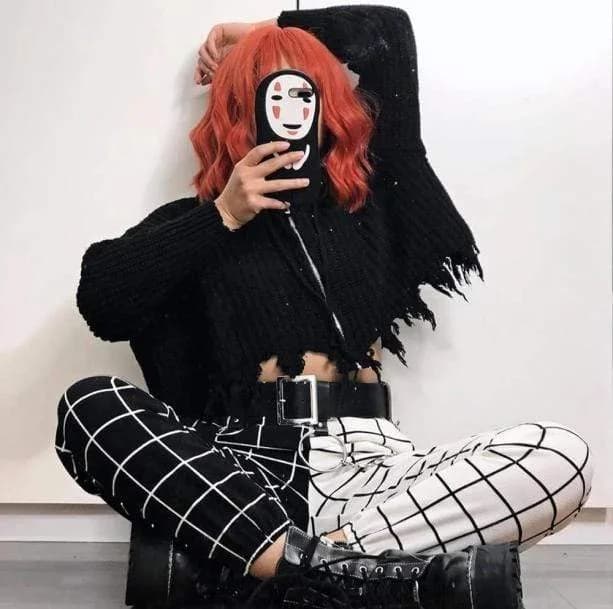
Not every accessory needs to be strapped to your body or worn around your neck. The objects you carry in your hand all day can serve as your single retro focal point. Browsing 80s Phone Cases gives you access to vivid vaporwave grids, cassette tape motifs, and high-contrast Memphis design patterns that act as functional miniature artworks.
When your phone case features loud graphics and energetic color pops, it frequently enters your visual frame—especially in casual social settings, coffee runs, or mirror selfies. Because your phone is already drawing the eye, your wristwear and rings should remain understated. Simple silver or gold bands work best, preventing your hands from looking cluttered when holding your device.
Using a tech accent as your focal piece is especially smart if your workplace requires business casual clothing. You can wear a straightforward blazer, crisp denim, and modest flats while letting your retro phone case supply a subtle dose of playful eighties style without violating any dress code.
5. Balancing Statement Denim with Minimalist Retro Accents
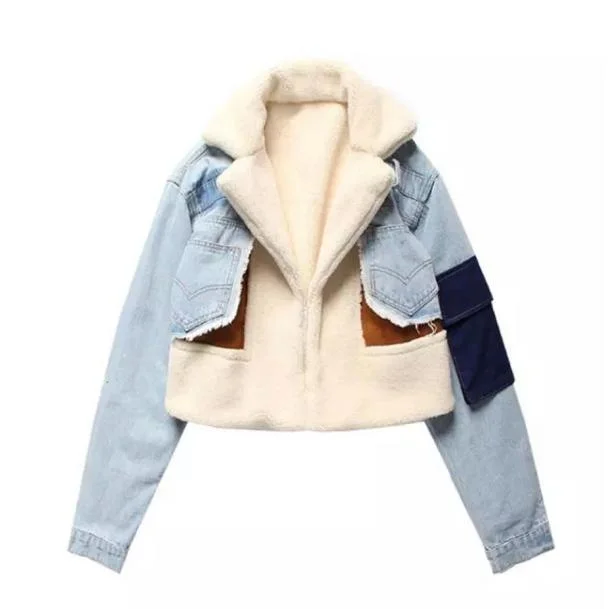
Outerwear often blurs the line between clothing and accessory, particularly when dealing with vintage silhouetteThe overall shape an outfit creates, from fitted to loose and layered.s. The Vintage Cut Denim Jacket offers dropped shoulders, broad upper proportions, and classic retro hardware. Because this jacket already occupies significant visual space, any additional accents you incorporate need careful placement.
If your jacket is the structural centerpiece, your accessories should be chosen to refine its rugged texture. Avoid heavy collar necklaces that get tangled in a stiff denim collar. Instead, choose smooth hoop earrings or a clean cross-body strap that cuts across the jacket diagonally, breaking up the wide boxy cut without adding clashing embellishments.
Underneath your jacket, keep layers flat and clean. Simple fitted tees or scoop-neck tops provide comfortable ease without competing with the jacket's heavy seams. When layeringWearing pieces over or under one another to add depth, warmth or contrast. over structured denim, limit your jewelry count to two quiet pieces total to keep the silhouetteThe overall shape an outfit creates, from fitted to loose and layered. sharp and modern.
- Select smooth hardware to prevent snagging on denim seams.
- Use diagonal cross-body straps to introduce shape to boxy cuts.
- Avoid heavy neckwear under stiff turned-down collars.
6. Styling Loud Trousers with Restrained Accents
Sometimes the boldest accent piece is built right into your bottom layer. The Red Pants With Chains combine vibrant scarlet fabric with built-in metal hardware, meaning the trousers function as both clothing and a major metallic accessory. Adding more chunky chains or loud belts on top of this design results in visual overload.
When working with garments that feature built-in hardware, let those metal accents dictate the finish of your other accessories. If your pants feature silver chains, stick to subtle silver studs or a plain silver watch. This simple coordination unifies the outfit without introducing new colors or competing themes.
To keep the overall look grounded, pair dramatic statement trousers with simple tops and footwear. A plain fitted black tee or a sleek mock-neck keeps the attention focused strictly around the waist hardware and the vibrant color of the legs, resulting in a cohesive, purposeful street-style outfit.

7. Soft Pastel Palettes vs Neon Retro Accents
Eighties aesthetics were not exclusively about neon pink and electric green; soft pastels and resort-inspired hues played an equally vital role throughout the decade. When styling pieces like the Aesthetic Lavender Pants, your accessory strategy must shift from aggressive punk or glam metal toward soft, airy balance.
Lavender and soft lilac can look washed out if paired with dark, heavy leather accessories. Instead, choose accessories rendered in clean white, cream, or light clear resin. Translucent acrylic earrings, a minimalist ivory shoulder bag, or tortoiseshell hair clips complement lavender beautifully without the harsh visual break that heavy black leather creates.
If you do want to inject a traditional eighties contrast into pastel pants, choose one controlled pop of warm color rather than dark neutrals. A small melon-colored coin purse or soft coral scarf worn at the wrist gives a subtle nod to classic eighties color blocking while maintaining an approachable, fresh overall mood.

8. Navigating Pattern Collisions and Reptile Prints
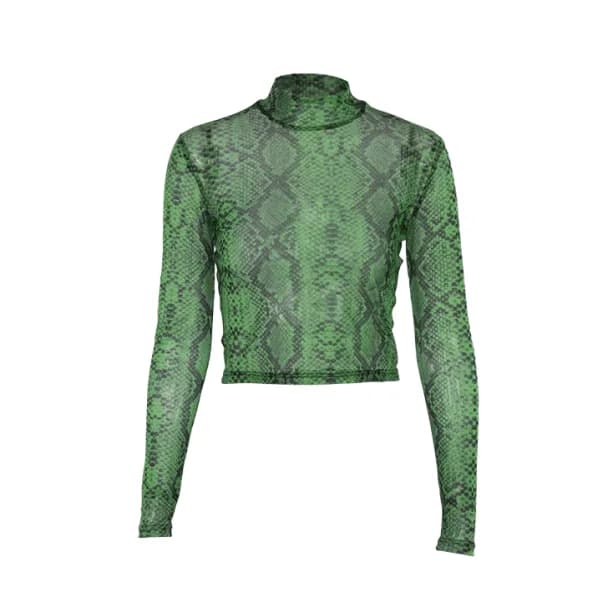
Animal prints were everywhere in the eighties, but incorporating them into modern wardrobes demands disciplined restraint. The Snake Skin Top, available in green or brown options, provides an intense, continuous all-over texture. When your main layer features an intricate animal pattern, accessories must act as solid resting points.
Never pair an active reptile print with printed bags or patterned scarves. If you are wearing the green color option of the snake skin top, pick matte black or solid dark olive accessories that mirror the deep undertones of the print. If you choose the brown colorway, brushed bronze or warm saddle leather accessories help ground the pattern naturally.
Keep jewelry smooth and geometric rather than organic or textured. Flat metal cuffs, thick tubular hoops, or simple architectural rings contrast cleanly against the organic scales of the top, giving the outfit structured polish rather than looking cluttered.
- Choose solid accessories to balance intricate reptile skins.
- Match accessory tones to the darkest shadow color inside the print.
- Opt for polished, smooth metal surfaces over textured jewelry.
9. Pattern Pairing: Graphic Checkers and Two-Tone Styling
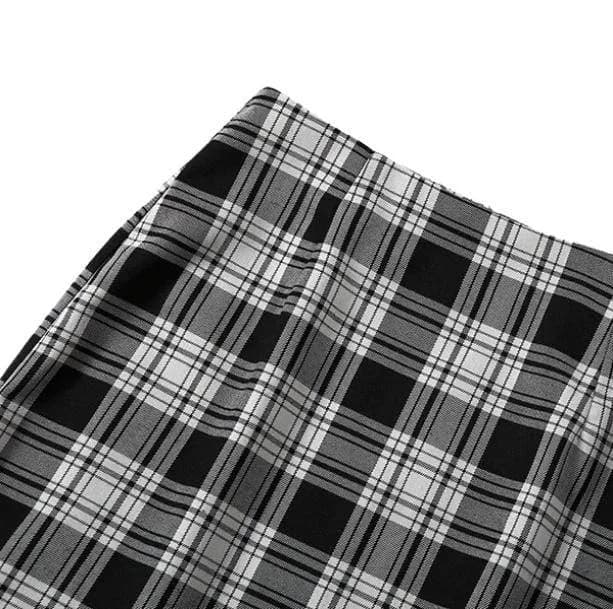
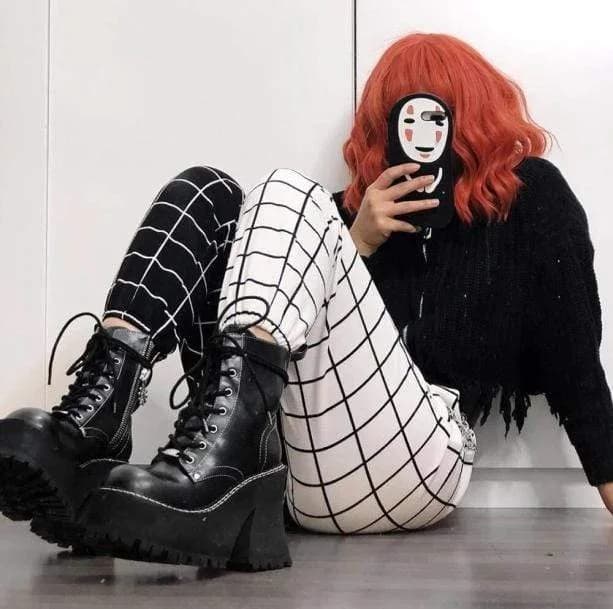
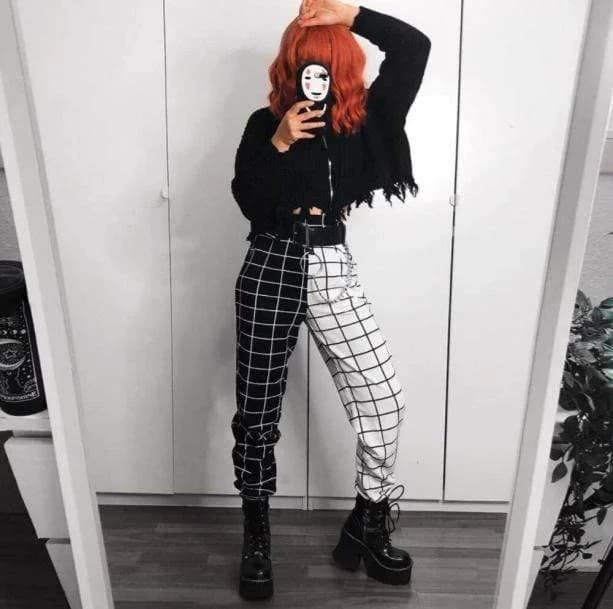
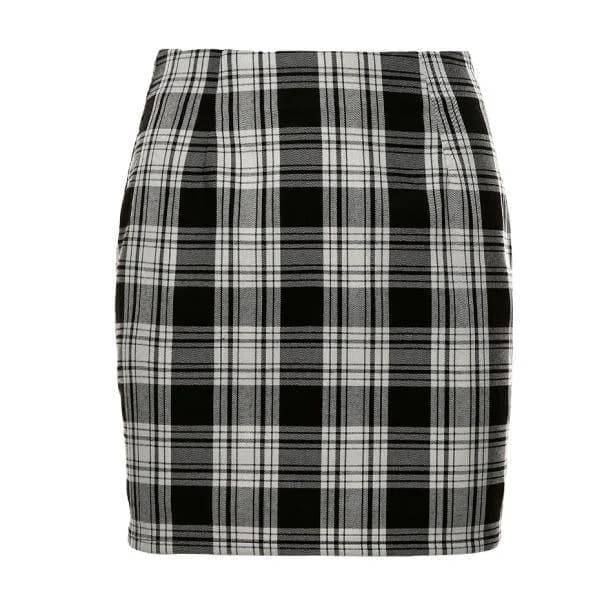
High-contrast monochromatic patterns—like checkerboards, bold stripes, and split-leg designs—are classic hallmarks of eighties new wave and ska-influenced fashion. The Black and White Pants showcase this stark dynamic perfectly, demanding a deliberate accessory game plan that avoids visual noise.
When wearing bold black-and-white split or patterned bottoms, you have two clear accessory directions. The first option is total monochromatic discipline: keep your bag, belt, and jewelry strictly within glossy black, crisp white, or polished silver. This creates an architectural, modern look that honors retro graphic art without drifting into costume territory.
The second approach is the deliberate solo color pop. Choose exactly one vivid accessory—such as a single bright red shoulder bag or cobalt blue phone cover—while keeping everything else black and white. Because the backdrop is neutral, that lone colorful accessory pops with incredible energy, embodying eighties graphic design principles without feeling messy.

10. Asymmetric Cuts and Diagonal Proportions
Eighties fashion frequently broke traditional symmetry using one-shoulder tops, diagonal color blocks, and off-center waistbands. The Irregular Front High Waist Jeans introduce an off-center closure that naturally directs the eye across the midsection. Styling accessories around asymmetrical clothing requires paying close attention to diagonal sightlines.
When your waistband is asymmetrical, standard centered belt buckles often look awkward and crooked. Skip traditional belts entirely and balance the diagonal waist with asymmetrical upper accessories. For example, wearing a single statement earring on the side opposite the crossover button balances your vertical line effortlessly.
Bag placement also matters when your denim features unique waist construction. A crossbody bag resting against your hip can cover up the unique asymmetrical fly design. Choose a shorter shoulder bag that tucks neatly under your arm instead, leaving the front waistband completely clear and visible.
- Avoid wide symmetrical belt buckles over offset waistlines.
- Counterbalance off-center hems with a single statement earring.
- Select short-strap bags to keep unique waist details exposed.
11. Vintage Florals and Nostalgic Sweetness
The late eighties also saw an explosion of cottage-inspired sweetness, romantic ditsy prints, and prairie influences. The Sweet Cherry Dress fits right into this nostalgic, feminine lane. When your central garment carries an expressive fruit or floral print, your retro accessories should complement the mood rather than fight it with aggressive spikes or heavy industrial hardware.
Look to natural textures and whimsical accessories to frame a retro printed dress. Woven wicker totes, soft velvet scrunchies, or enameled cherry earrings accentuate the playful charm of the dress. The key is keeping each piece light in physical weight and visual density so the garment's print remains the undeniable star of the ensemble.
If you want to transition a sweet printed dress into cooler weather, lean on classic eighties layeringWearing pieces over or under one another to add depth, warmth or contrast. tricks. Add an oversized knit or a denim jacket over the dress, letting the printed hem peek out below, and finish with simple ankle socks and retro low-top sneakers or loafers.

12. Curating Broader Retro Ensembles Across Categories
When building a modular vintage-inspired wardrobe, it helps to understand how broad categories work together. While accessories are the final polish, they must sit comfortably on your foundation layers. Exploring 80s Aesthetic Clothes gives you access to the oversized tees, structured blazers, acid-wash denim, and stirrup silhouetteThe overall shape an outfit creates, from fitted to loose and layered.s that defined the decade.
The most common styling error is pulling the loudest garment from a clothing collection and pairing it with the loudest item from 80s Accessories. Instead, aim for balance: if you choose a garment with dramatic proportions—like balloon sleeves or exaggerated shoulder pads—your accessory choices should be sleek and streamlined.
Conversely, if you choose a very basic outfit—like a tucked-in crewneck t-shirt and straight-leg jeans—you have full creative freedom to introduce massive retro accessories. That quiet backdrop is the ideal canvas for thick curb-chain chokers, oversized round acetate sunglasses, and neon waist packs worn crossbody.
- Combine voluminous garments with sleek, understated accessories.
- Use simple t-shirt and jeans bases when you want to highlight massive jewelry.
- Ensure hardware finishes stay consistent across clothes and add-ons.
13. Common Styling Pitfalls to Avoid
One of the easiest traps to fall into when experimenting with eighties accessories is letting nostalgia override proportion. Just because an accessory is authentically retro does not mean it automatically flatters your daily outfit. Heavy clip-on earrings, for example, can stretch or weigh down your earlobes uncomfortably, pulling your posture down if you are not accustomed to their heft.
Another frequent misstep is ignoring the material sheen. The eighties made extensive use of high-gloss vinyl, metallic foil, and bright plastics. If you wear shiny vinyl boots, a high-gloss patent belt, and shiny metallic jewelry all together, the combined light reflection can look chaotic and cheap. Always mix high-gloss accents with matte fabrics like brushed cotton, denim, or wool.
Finally, watch out for thematic overkill. Pairing eighties neon earrings with eighties teased hair, blue eyeshadow, and leg warmers moves past everyday styling into a retro dress-up party. Select retro accessories that speak to modern cuts, blending vintage flair seamlessly with contemporary street style.
- Never mix more than two high-gloss or metallic finishes in one outfit.
- Test the weight of vintage-style jewelry before committing to full-day wear.
- Avoid pairing multiple novelty accessories in the same outfit.
14. The 80s Accessory Edit Checklist
Before stepping out the door, take ten seconds in front of a full-length mirror to run through a quick styling checklist. The goal of this final evaluation is simple: ensure your chosen focal point stands out clearly without being sabotaged by secondary items. It is always better to remove one superfluous accessory than to leave the house looking over-accessorized.
Start by identifying your hero item immediately. If a friend looked at your outfit, what is the single piece they would notice first? If you cannot instantly answer whether it is your bag, your necklace, your shoes, or your pants, your outfit has too many competing elements. Step back, remove one secondary accessory, and look again.
Next, check for comfort and mobility. Eighties accessories were made for movement, dancing, and active city life. Ensure your bag does not dig into your shoulder, your earrings do not pinch your ears, and your waist accessories do not restrict your breathing when you sit down. True style always looks effortless, never strained.
- Can you instantly name your single focal point?
- Are your metal hardware tones complementary rather than clashing?
- Did you balance bold prints with solid neutral resting zones?
- Can you sit, walk, and move comfortably without snagging?