Created by the Kawaii Vibe editorial team. Our named style desks are editorial personas. Product details and availability can change.
Styling an 80s cardigan comes down to how you handle volume and closure. True eighties knitwear leans into bold shoulders, dropped seams, slouchy arms, and tactile textures, which means throwing one over a basic outfit without considering shape can leave the overall look feeling bottom-heavy or unintentionally messy. The secret to making these pieces work today is controlling where your waistline sits and knowing exactly which buttons to fasten.
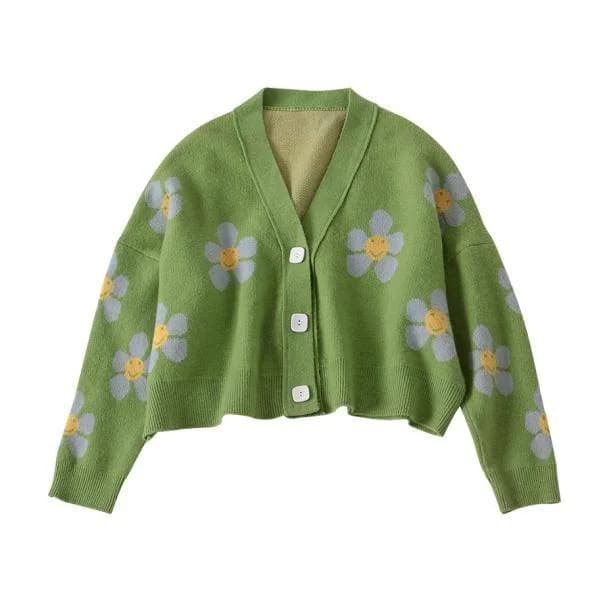
Whether you are styling a slouchy cable knit or a boxy graphic piece, small adjustments change everything. Fastening only the middle buttons creates an immediate hourglass taper, while wearing a heavy knit open over fitted foundational pieces balances the garment's natural bulk. Rather than treating an eighties cardigan as just an afterthought extra layer, you can make it the structural center of your outfit.
In this guide, we break down functional ways to button, layer, and balance vintage-inspired knitwear for daily wear. You will find clear styling blueprints, proportion fixes, and smart piece pairings drawn from our 80s Cardigans collection so you can build balanced looks with confidence.
1. The Core Geometry of 80s Knitwear
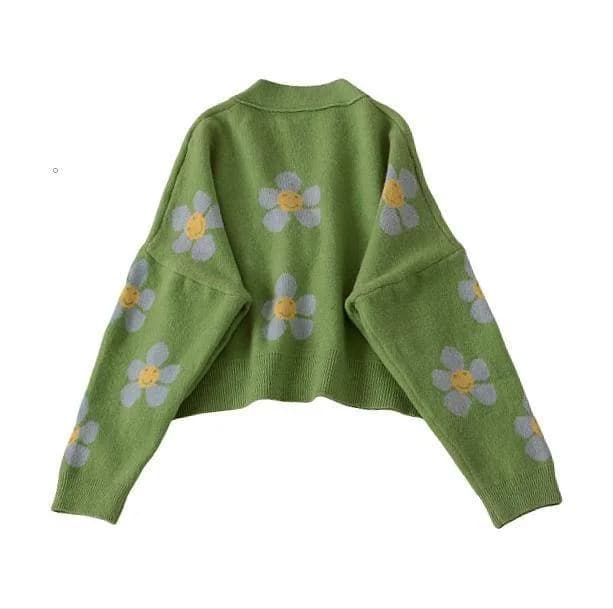
Understanding why an 80s cardigan behaves differently from contemporary knitwear starts with pattern construction. Most modern sweaters are built with narrow shoulders and high armholes designed to sit close to the torso. In contrast, knitwear influenced by the 1980s features deeply dropped armholes, batwing tapers, and generous chest measurements paired with tightly ribbed bottom bands. This builds an inverted triangle or an exaggerated rectangle that holds space around your ribs and upper back.
When you understand this geometry, you can use the volume intentionally instead of fighting it. Because the sweater pushes outward at the shoulders and chest, leaving the hem hanging straight down over loose pants can erase your natural silhouetteThe overall shape an outfit creates, from fitted to loose and layered.. To make the volume look deliberate, you need to anchor the knit at your natural waist or hip. The gathered ribbing at the bottom is designed to grip your hips, allowing the extra fabric above to gently drape over the waistband without looking sloppy.
If you are browsing broad retro staples across our 80s Aesthetic Clothes selection, remember that the visual weight comes from the upper body drape. Recognizing this balance will help you choose bottom layers that support the shape rather than compete with it.
- Dropped shoulders create width across the chest that requires a grounded bottom layer.
- Tight lower ribbing allows you to blouson the knit higher on your waistline.
- Modern cuts sit close to the ribs, whereas eighties cuts expand outward before tapering.
2. Button Placement Strategies That Change Your Shape
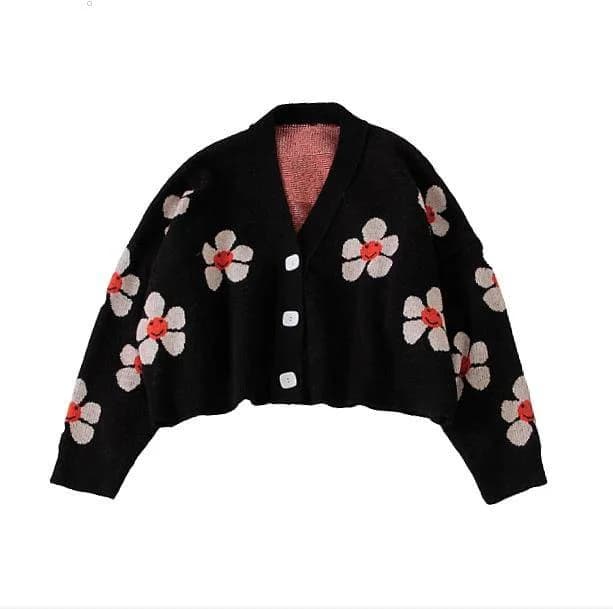
The way you button an 80s cardigan completely dictates how fabric drapes across your torso. Fastening every single button from collar to hem produces a stiff, flat front panel that can flatten your chest and bunch up around your lap when seated. Instead, working with specific button combinations allows you to sculpt shapes that flatter your frame and work with your trousers.
The most versatile approach is the two-button mid-point closure. Fasten only the two buttons directly over your natural waistline, leaving the top buttons open to form a deep V-neck and the bottom buttons undone to create an inverted split. This technique accomplishes two structural goals: the upper opening frames your inner layer or neckline, while the lower split gives your hips and pocket lines room to breathe without pulling the knit tight.
Another effective option for heavier knits is the single top-button fasten. Securing just the top button allows the rest of the cardigan to drape open in an A-line shape. This showcases high-rise waistbands, belts, or patterned pants while keeping the shoulders firmly anchored so the knit does not slip backward off your collarbones.
- Middle two buttons: creates an optical taper that defines your natural waist.
- Single top button: secures the collar while letting the torso swing open into an easy A-line.
- Lowest button undone: prevents the bottom band from riding up or pulling tightly across your hips.
3. Balancing Slouchy Knits with High-Waisted Denim
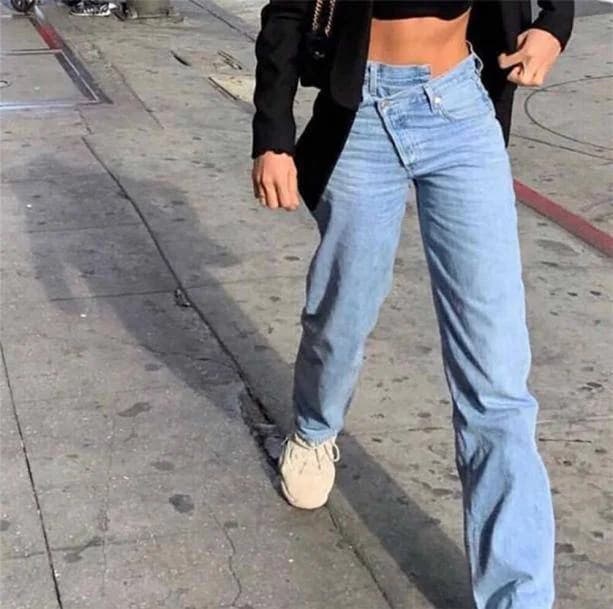
One of the cleanest ways to wear a voluminous vintage cardigan is contrasting it with structured high-waisted denim. Because eighties cardigans tend to balloon slightly at the midsection, pairing them with rigid, non-stretch jeans creates a sharp visual boundary. The firm denim keeps the lower half streamlined, allowing the soft drape of the sweater to stand out without overwhelming your frame.
For a secure, balanced look, wear a cardigan tucked into the Irregular Front High Waist Jeans. Available in sizes S through 2XL, these jeans feature an asymmetric crossover waistband that adds an angular detail right where a partially unbuttoned cardigan opens. Fasten the middle buttons of your knit, then tuck just the front corner of the hem into the waistband, letting the back drape loosely over your back pockets.
This tuck-and-drape method prevents the cardigan from overwhelming your legs. If your knit is too thick for a front tuck, you can simply push the bottom ribbing up to sit on the denim waistband and fold the excess fabric slightly outward. The tension of the knit ribbing against the rigid denim keeps the sweater in place without adding bulk inside your pants.
- Asymmetric waistbands add sharp angles beneath soft, loose-draping knits.
- A gentle front tuck prevents long knit hems from cutting your leg line in half.
- Rigid denim anchors the relaxed silhouetteThe overall shape an outfit creates, from fitted to loose and layered. of drop-shoulder cardigans.
4. Pairing Cardigans with 80s Tops and T-Shirts
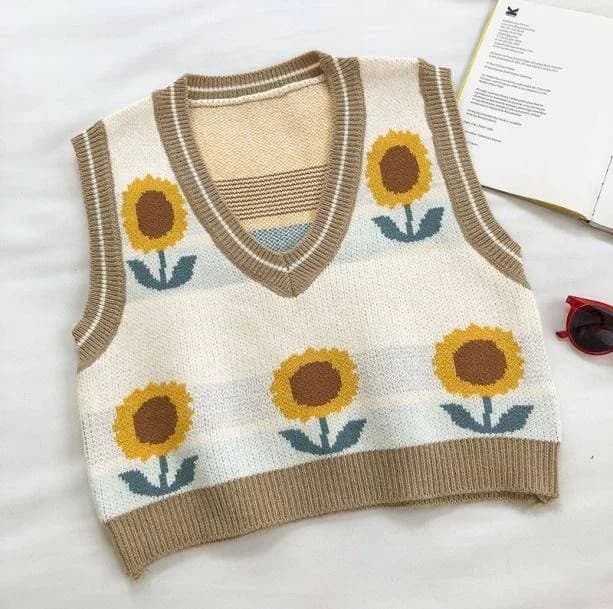
The layer you choose under an open cardigan sets the tone for your whole outfit. Because eighties cardigans feature substantial volume, your base layer needs to fit cleanly against your skin to avoid bunching under the armpits. Selecting the right crew neck or graphic base from our 80s T-Shirts range creates clean, flat lines that contrast nicely with chunky knit textures.
When styling a graphic tee, leave the cardigan entirely unbuttoned so the central print stays visible from collar to hem. To keep the look intentional, tuck the t-shirt securely into your pants or skirt. This breaks up the outfit into clear vertical thirds, where the graphic center draws the eye downward while the cardigan acts as a framing layer on both sides.
If your cardigan features a busy jacquard pattern or bold color blocking, choose a solid, neutral base layer to keep the outfit grounded. For smooth layeringWearing pieces over or under one another to add depth, warmth or contrast. that does not twist or bunch around your shoulders, look through our wider assortment of 80s Tops for form-fitting long sleeves, ribbed tanks, and soft turtlenecks that lay flat beneath drop-shoulder seams.
- Fitted base layers prevent uncomfortable fabric bunching inside loose cardigan sleeves.
- Leaving the cardigan open over a tucked graphic tee creates an elongating vertical line.
- Solid-color undershirts balance out brightly patterned or geometric knitwear.

5. Styling Cropped Base Layers with Oversized Cardigans
Combining cropped foundations with oversized knitwear is an easy way to play with contrasting proportions. When you wear a loose, heavy cardigan over a piece from our 80s Crop Tops lineup, you create a dynamic mix of cozy coverage and light structure. The exposed strip of waist breaks up the visual weight of the heavy knit, keeping the outfit feeling fresh and intentional.
This layeringWearing pieces over or under one another to add depth, warmth or contrast. trick works particularly well with high-rise bottoms. The cropped top establishes where your natural torso ends, so you can wear an oversized cardigan fully open without losing your frame in excess fabric. When you walk, the cardigan floats around your silhouetteThe overall shape an outfit creates, from fitted to loose and layered. while the cropped base keeps your waistline clearly defined.
You can also fasten only the bottom button of your cardigan over a cropped base layer. This creates a diamond-shaped opening across your chest and stomach, highlighting the neckline of the crop top while letting the outer knit drape softly across your shoulders. It is a practical, stylish way to wear vintage knits in milder weather without overheating.
- Cropped tops clearly define your waistline beneath loose, heavy sweaters.
- High-rise trousers paired with cropped tops ensure flattering, balanced proportions.
- Buttoning only the bottom closure frames the cropped base while keeping the knit stable.
6. Color Contrast: Styling with Aesthetic Lavender Pants
Eighties knitwear frequently embraces pastel washes, muted creams, or saturated primary tones. Pairing a neutral cardigan with colorful bottoms is a simple, effective way to build a vintage-inspired outfit without relying on full monochrome. A cream, gray, or oatmeal knit pairs beautifully with soft pastel tones, softening the look while maintaining an authentic retro feel.
To try this balance, style an open knit with the Aesthetic Lavender Pants, which come in sizes S, M, and L as pictured. The soft lavender shade brings an airy, playful element to your outfit that balances out the heavy texture of a chunky knit sweater. Keep your base top simple in white or heather gray so the trousers remain the focal point.
When working with colorful trousers, consider cardigan length carefully. A knit that hits right at the hip bone allows the lavender color to dominate your lower silhouetteThe overall shape an outfit creates, from fitted to loose and layered., lengthening your legs. If you opt for a longer duster cardigan, make sure the front remains open so the pastel color runs uninterrupted from waist to hem.
- Soft lavender tones complement neutral cream, gray, and oatmeal cardigans.
- Keeping the base layer neutral prevents color clashes with pastel pants.
- Hip-length knits let colorful trousers lengthen your lower body silhouetteThe overall shape an outfit creates, from fitted to loose and layered..

7. Edgy Styling: Pairing Knits with Red Pants With Chains
While cardigans are often associated with soft, relaxed aesthetics, 1980s street style regularly juxtaposed cozy knitwear with punk and alternative hardware. Pairing a cozy oversized cardigan with bold statement trousers brings an unexpected edge to your outfit, keeping the knit from feeling too traditional or quiet.
A great way to execute this style is by wearing a dark or distressed cardigan over the Red Pants With Chains, available in sizes S, M, and L as pictured. The bright red fabric and metallic chain accents bring an immediate industrial punch that cuts through the softness of the wool or acrylic knit. Choose a black, charcoal, or deep navy cardigan to anchor the intense red below.
To make this combination work, leave the cardigan unbuttoned and push the sleeves up toward your elbows. Pushing up the sleeves creates horizontal folds that mirror the utilitarian texture of the chains and pocket hardware. Finish the look with a simple black tank tucked securely into the waistband so the metallic accents remain clearly visible.
- Dark knitwear grounds high-intensity colors and metallic trouser hardware.
- Pushing cardigan sleeves to the elbows adds a relaxed, casual attitude.
- Tucking in your inner layer ensures trouser chains and waist details remain visible.

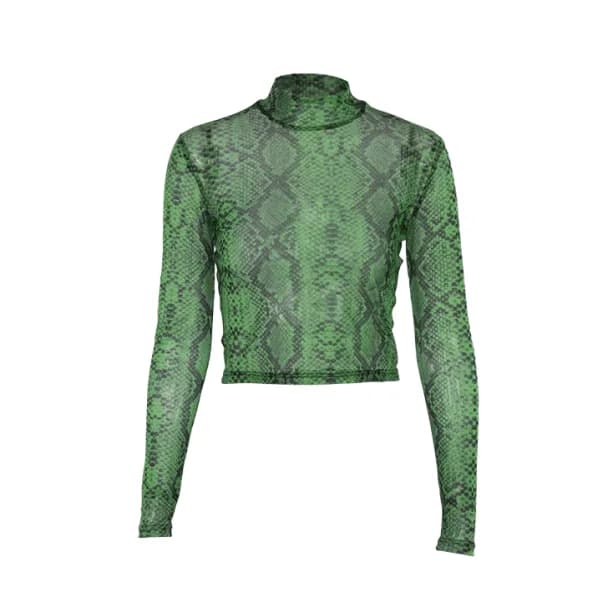
8. Pattern Play: Layering Over the Snake Skin Top
Mixing contrasting textures is a hallmark of authentic eighties styling. LayeringWearing pieces over or under one another to add depth, warmth or contrast. a solid, chunky knit cardigan over a sleek animal print top creates a stylish contrast between matte wool texture and glossy, patterned fabric. This combination feels thoughtful and deliberate while remaining comfortable for everyday wear.
For a balanced pattern pairing, layer an open cable-knit or shaker-rib cardigan over the Snake Skin Top. Offered in Green and Brown options across sizes S, M, and L, this top adds an intricate print right at your chest and collar. Opt for a cardigan in an earth tone that matches the base shade—a warm tan for the Brown colorway, or a deep forest green or charcoal for the Green variant.
Because the snake skin pattern is visually detailed, keep the cardigan unbuttoned or button only the bottom-most closure. This frames the print within a solid border, preventing the animal pattern from overwhelming your upper body while letting the textured knit add warmth and depth to the overall look.
- Matte cable knits balance the smooth, printed finish of animal patterns.
- Matching your cardigan tone to the top's base color creates a cohesive look.
- Framing a bold print inside an open cardigan prevents visual clutter.
9. Monochrome Balance: Styling with Black and White Pants
Monochrome outfits are simple to put together, but they require contrasting textures to avoid looking flat. A two-tone graphic approach allows you to experiment with exaggerated proportions while keeping your overall color paletteA small group of colors you repeat to make an outfit feel connected. clean, sharp, and easy to wear.
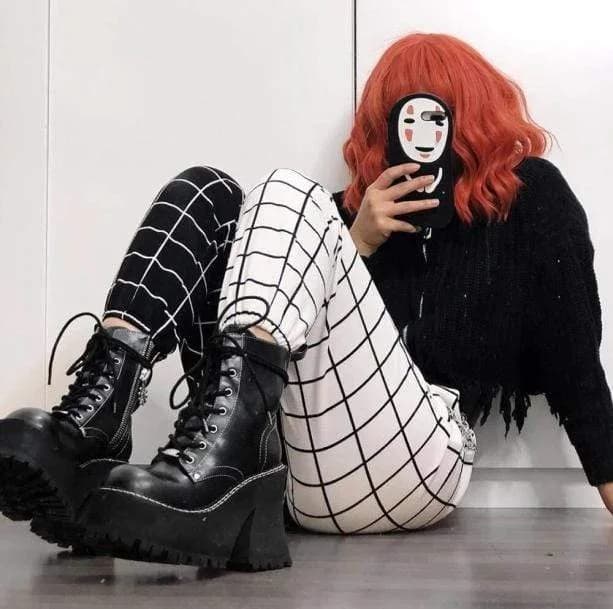
You can anchor an oversized cardigan with the Black and White Pants, which come in sizes S through XL as pictured. The high-contrast color split on the trousers demands visual space, so pair them with a solid black, crisp white, or bright primary-color cardigan. Fastening just the middle button keeps the sweater in place while showcasing the two-tone split of the trousers below.
When balancing high-contrast pants, avoid cardigans with busy all-over patterns that fight against the split trousers. Instead, look for knits with clean edges, ribbed cuffs, or bold single-stripe accents along the collar. This grounds the outfit while letting the striking design of the pants take center stage.
- Solid-colored knits let high-contrast split trousers stand out cleanly.
- Middle-button fastening keeps the upper body neat while highlighting split trousers.
- Clean structural textures work better with graphic pants than busy all-over prints.
10. Cardigans Over Dresses: Styling the Sweet Cherry Dress
Wearing a chunky, slouchy cardigan over a lightweight summer dress is a timeless styling trick that transitions warm-weather staples into cooler seasons. The contrast between airy woven fabrics and thick knitwear adds effortless charm, creating an outfit that feels casual, comfortable, and well put together.
To achieve this look, drape a cozy, oversized cardigan over the Sweet Cherry Dress, available in sizes S, M, and L as pictured. The playful cherry print and feminine lines of the dress pair naturally with the relaxed, easygoing drape of an eighties-inspired cardigan. Choose a knit in soft cream, cherry red, or forest green to pick up on the dress's print details.
To maintain good proportions over a dress, wear the cardigan completely unbuttoned and let it sit slightly off one shoulder, or belt it around your natural waist. Cinching the cardigan with a slim belt pulls the knit in at the narrowest point of your torso, preserving the flattering fit-and-flare silhouetteThe overall shape an outfit creates, from fitted to loose and layered. of the dress underneath.
- Thick vintage knits transition lightweight printed dresses into cooler weather.
- Matching your cardigan color to accent details in the print ties the look together.
- Cinching the cardigan with a waist belt preserves your shape over flared dresses.

11. Double-Knit Layering: Cardigans with Sweaters
LayeringWearing pieces over or under one another to add depth, warmth or contrast. knitwear on top of knitwear was a common styling practice in eighties cold-weather dressing. The key to pulling off this technique without feeling restricted or overly bulky is combining two distinctly different knit gauges and necklines. A fine, smooth knit must sit underneath, while the outer cardigan needs a looser weave and wider armholes.
A smart, practical combination pairs an open cardigan with the Aesthetic Khaki Sweater, available in sizes S, M, and L as pictured. The crew-neck khaki knit provides an understated, insulating base, allowing a roomier, contrasting cardigan to layer comfortably over it. Ensure the cardigan features dropped shoulders so the sleeve seams of the inner sweater do not dig into your underarms.
When double-layeringWearing pieces over or under one another to add depth, warmth or contrast. knits, leave the cardigan completely unbuttoned. Fastening an outer knit over a thick inner sweater creates awkward tension lines across the chest and can pull the buttons open. Leaving the outer layer open creates neat vertical lines that show off the tonal contrast between the khaki base and outer sweater.
- Pair fine-gauge base knits under looser, chunkier cardigans for easy movement.
- Dropped shoulders on the outer knit prevent tightness around the armpits.
- Keep the outer cardigan fully unbuttoned to avoid awkward bunching over sweaters.
12. Structural Outerwear: Under the Vintage Cut Denim Jacket
Cardigans can easily transition from outer layers to insulating mid-layers when temperatures drop. To wear an eighties cardigan underneath a coat or jacket, the outer layer must feature generous armholes and a broad chest cut to fit the sweater's slouchy sleeves without uncomfortably bunching up inside.
The Vintage Cut Denim Jacket, available in sizes S through 2XL as pictured, offers the boxy fit needed to accommodate a chunky knit layer. Because vintage-cut denim features wider upper sleeves, you can slip it over a medium-weight cardigan without feeling constricted. Fasten the middle buttons of your cardigan and let the knit collar peek out over the denim jacket collar for a cozy textured look.
When using a cardigan as a mid-layer, avoid long duster lengths that hang awkwardly below the denim jacket hem. A cardigan that matches the waistband length of your jacket creates a tidy, layered appearance that keeps you warm without disrupting your silhouetteThe overall shape an outfit creates, from fitted to loose and layered..
- Wider denim jacket sleeves easily accommodate slouchy, drop-shoulder knits.
- Fastening middle buttons keeps your mid-layer stable under rigid jackets.
- Match cardigan and jacket lengths to avoid awkward, messy hemlines.
13. Common Styling Pitfalls to Avoid
The most frequent misstep when styling eighties cardigans is ignoring balance. Because these sweaters are intentionally boxy and broad, pairing them with loose, shapeless bottoms and an untucked top can swallow your frame. Always balance out the voluminous top half with defined waistlines, structured fabrics, or streamlined footwear.
Another common mistake is buttoning the cardigan all the way down to the bottom ribbing. The elasticated bottom band of an 80s cardigan is designed to grip your hips; fastening the lowest button pulls the fabric tight, causing the sweater to ride up and bunch awkwardly above your waist as you move. Leaving the bottom one or two buttons open lets the garment hang cleanly and naturally.
Lastly, watch out for collar clashes. If your cardigan has an exaggerated V-neck, pairing it with wide, floppy shirt collars can create a messy look around your neck. Stick to neat crew necks, sleek turtlenecks, or button-downs with structured collars that tuck neatly inside the cardigan's neckline.
- Avoid pairing oversized cardigans with completely unstructured bottoms.
- Never fasten the lowest button; leave it undone so the hem drapes naturally.
- Keep base-layer necklines neat to prevent messy bunching around your collar.
14. The Practical 80s Cardigan Outfit Checklist
Before walking out the door in your 80s cardigan outfit, run through a quick styling checklist to make sure your proportions, closure points, and layers look deliberate. Taking a few seconds to adjust button placement and sleeve folds makes all the difference between an outfit that feels costume-like and one that looks stylish and intentional.
First, check your waistline definition. Whether through a high-waisted pant, a structured belt, a cropped base top, or a partial front tuck, ensure your natural proportions are clearly readable beneath the knit's volume. Second, inspect the closure: if the sweater is buttoned, make sure the bottom button remains unfastened so the ribbing does not pull tightly across your hips.
Finally, check how your sleeves sit. Eighties cardigans feature generous arm lengths that can overwhelm your hands if left loose. Push the ribbed cuffs up toward your mid-forearms to create natural fabric folds that show off bracelets, watches, or inner-sleeve cuffs. This easy adjustment adds immediate effortless texture to your entire look.
- Waistline defined through high rises, partial tucks, or cropped base tops.
- Bottom button left open to allow natural movement and prevent pulling.
- Sleeves pushed up to mid-forearm to balance arm volume and show off wrist accessories.
- Collar line sits flat against inner layers without awkward bunching.