Created by the Kawaii Vibe editorial team. Our named style desks are editorial personas. Product details and availability can change.
Wearing statement 80s jewelry in everyday outfits comes down to managing visual weight and open space. The decade is famous for heavy rope chains, oversized button studs, geometric drop charms, and high-shine finishes, but throwing everything on at once quickly turns chaotic. The real secret to making these pieces work right now is treating each piece of jewelry as an architectural element that responds directly to your collar, neckline, and color paletteA small group of colors you repeat to make an outfit feel connected..
Instead of drowning in layers, you want clear anchor points. A bold collar chain needs bare skin or a flat fabric surface to rest on, while dramatic drop pieces need a neckline that gives them room to swing without catching on seams. Whether you lean into high-voltage yellow gold, cool silver, or colorful baked enamel, balancing your metals and silhouetteThe overall shape an outfit creates, from fitted to loose and layered.s keeps the look sharp, intentional, and comfortable for daily wear.
The Core Principle of Visual Spacing
The biggest hurdle when wearing bold vintage pieces is avoiding visual friction. When you pair an ornate chain with a busy collar or oversized lapels, the metal fights the garment for attention. To make statement pieces work, you need to designate one primary zone for maximal detail and let the surrounding areas stay clean. If your neck features multi-strand chains, your ears should feature simple studs or sit bare entirely.
Think of your chest and neck as a canvas framed by your clothes. High-contrast shapes need flat ground to read clearly. When you wear sculptural metal links against textured knits, the jewelry often sinks into the fabric or catches on loops. By planning where each element sits, you create intentional street-style contrast rather than looking like you threw on every accessory you own at random.
- Choose one dominant zone: either high-impact neck layeringWearing pieces over or under one another to add depth, warmth or contrast. or oversized ear statements.
- Ensure chains hang completely on skin or completely on flat fabric, never half-on, half-off a collar edge.
- Leave at least two inches of breathing room between the bottom of your earrings and the top of your necklace.
Crew Necks and Heavy Collar Chains
Crew necks offer a continuous, unbroken backdrop that is ideal for structured collar necklaces and chunky rope chains. Because the fabric sits high and tight across the collarbone, short chains tend to slip under the collar band if they are too loose. The fix is to choose a piece that hugs the base of the throat or hangs deliberately two inches below the ribbed rim, resting flat against the chest.
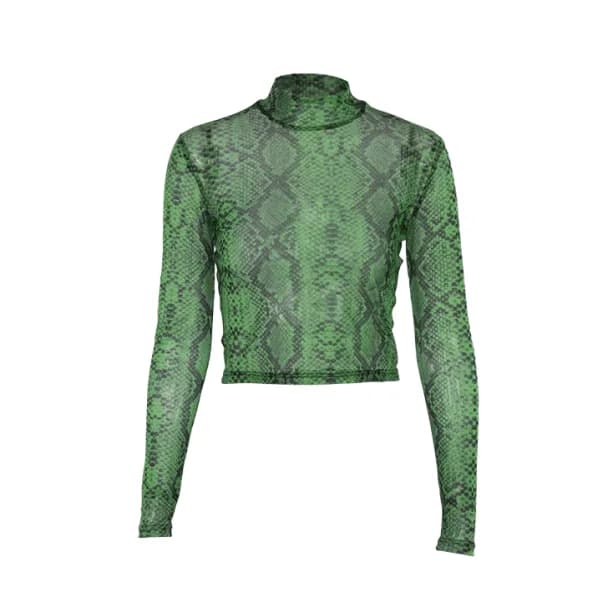
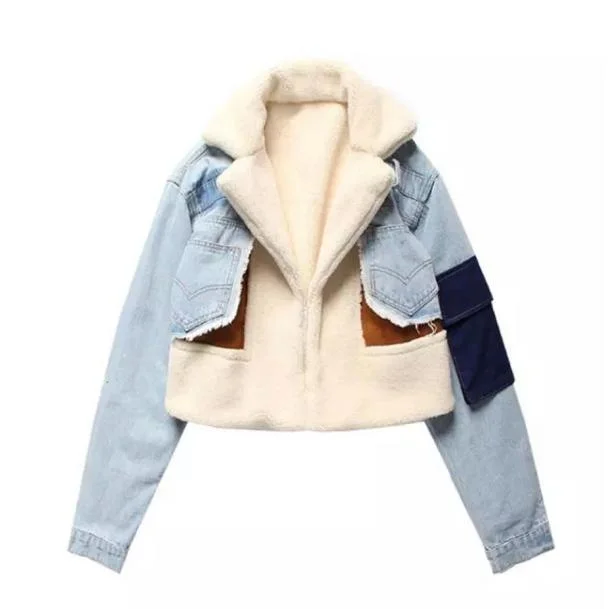
A great way to style this is layeringWearing pieces over or under one another to add depth, warmth or contrast. a thick chain over a minimal top like the Snake Skin Top, available in Green and Brown. The sleek cut gives the chain a stable base, letting the metal catch the light without bunching up around the neckband. If you want a casual weekend approach, you can throw a loose layer like the Vintage Cut Denim Jacket over the top, letting the denim lapels frame the central chain cleanly.
When styling crew cuts, avoid thin, delicate chains that get lost against the fabric. Heavy gauge links, flat herringbone ribbons, and chunky twisted metals hold their shape against the tension of a rounded neckline and keep your proportions balanced.
Deep V-Necks and Cascading Pendant Placement
Deep V-necklines create a natural downward arrow, making them the easiest canvas for cascading necklaces. The mistake many make is wearing a rounded choker that clashes directly with the sharp angle of the V. Instead, match the geometry of the cut by staggering your chains in graduated lengths that taper down into the negative spaceAn uncluttered area that gives the rest of a design room to stand out..
Start with a short, slim chain resting near the collarbone, followed by a mid-length link, and finish with a longer pendant that sits right above where the fabric meets. This mirrors the silhouetteThe overall shape an outfit creates, from fitted to loose and layered. of your top and keeps the jewelry from sliding underneath the fabric edge. You can explore curated pieces in the 80s Necklaces collection to find varied chain thicknesses and lengths designed for this exact stacked approach.
If you are wearing a plunging cut with relaxed bottoms like the Aesthetic Lavender Pants, the structured drop of a V-necklace pulls the outfit together. It brings the eye back up toward your face, balancing out the relaxed volume of the lower half without introducing unnecessary bulk.

High Turtlenecks and Chunky Statement Chains
Turtlenecks completely change the rules of jewelry because they eliminate bare skin from the equation. A delicate chain will vanish against the knit, while lightweight chokers can feel constricting over the high collar. This is the moment to bring out heavy curb links, bold pendant medallions, and oversized torque collars that sit firmly outside the fabric.
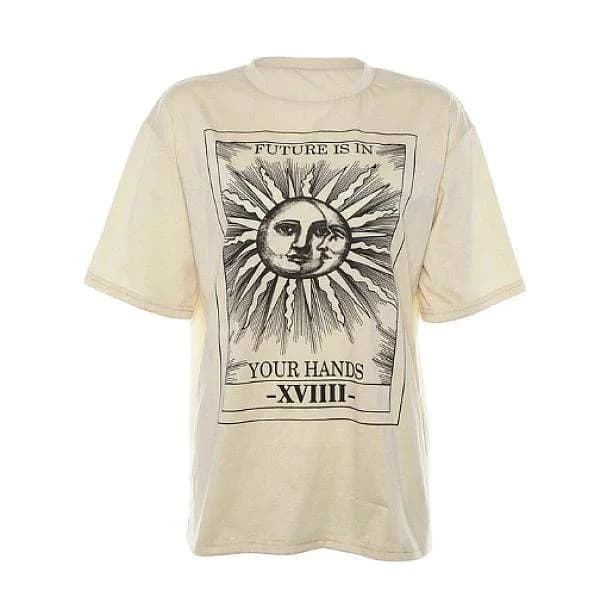
An oversized knit like the Aesthetic Khaki Sweater works brilliantly with long, weighty metal pieces. Because the sweater has volume and soft texture, a dense gold or bright silver chain provides a sharp, metallic contrast that breaks up the expanse of solid fabric. The key is to make sure your necklace has enough heft to hang straight down rather than riding up when you move your arms.
Keep your earrings minimal when wearing necklaces over a turtleneck. Since the fabric already covers the neck, large drop earrings can crowd the collar and create visual clutter around your jawline. Stick to flat geometric studs or medium domes to let the chest chain lead the outfit.

Sweetheart and Square Cuts with Structured Chokers
Square and sweetheart necklines expose a wide, horizontal shelf of collarbone and chest. If you drop a long pendant into this space, it cuts the geometric shape of the neckline awkwardly in half. The most flattering companion for wide, angular cuts is a short, structured choker or a thick torque necklace that follows the curve of your throat, leaving the lower chest open.
A retro piece like the Sweet Cherry Dress naturally calls for this kind of framing. A smooth, rigid collar necklace or a snug string of bright beads accentuates the romantic neckline without interfering with the bodice details. By keeping the accessory high, you maintain the clean, architectural frame of the dress itself.
When choosing pieces from our dedicated 80s Jewelry line for square necklines, look for items that sit above the clavicle. This ensures the jewelry acts as a crisp choker rather than drooping down and competing with the straight horizontal edge of the fabric.
Warm Yellow Gold vs. Cool Silver: The Modern Mix
The classic 1980s look leaned hard into high-polish yellow gold, but today's street style thrives on intentional metal mixing. The trick to pairing gold and silver without it looking accidental is deliberate repetition. If you wear three gold necklaces and one silver ring, the silver looks like an oversight. If you weave both metals through your chain stack and wristwear, the combination looks curated.
Start with a primary base metal that matches your clothes' undertones, then introduce the second metal in a 70/30 ratio. For instance, pair two warm brass or gold chains with one bright rhodium or silver link in between. The alternating color creates rhythm and highlights the intricate link patterns of each piece.
You can anchor mixed metals across your entire outfit by echoing the hardware in your clothing. If you are wearing the Red Pants With Chains, the cool silver tone of the chain accent can be mirrored in your rings and earrings, while your neck stack carries both gold and silver links to tie the whole look together.
- Stick to a 70/30 split between your dominant metal and your accent metal.
- Choose pieces with similar surface finishes—pair polished gold with polished silver, or matte brass with brushed steel.
- Distribute mixed metals across at least two body zones, such as neck and hands, to make the contrast deliberate.
Handling Enamel and Neon Without Aesthetic Chaos
Bright baked enamel, neon resin, and vivid acrylic were everywhere in the eighties, but styling them today requires restraint. When you wear high-saturation jewelry, the color becomes the focal point, meaning the silhouetteThe overall shape an outfit creates, from fitted to loose and layered. needs to remain relatively clean. Pairing rainbow enamel with clashing busy prints can easily tip into costume territory.
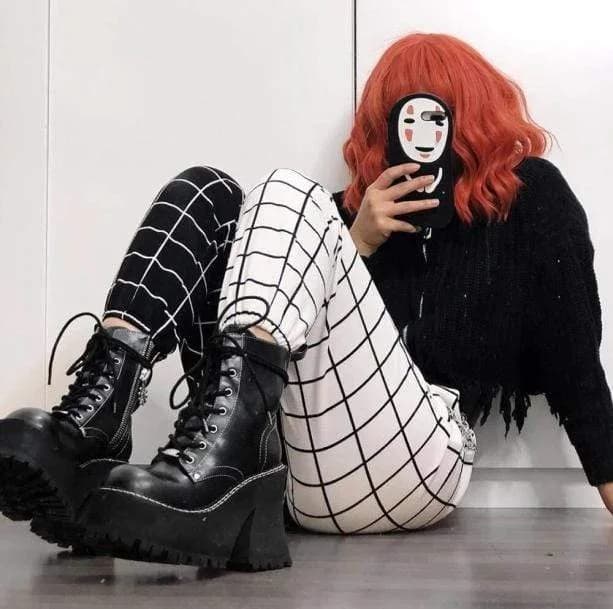
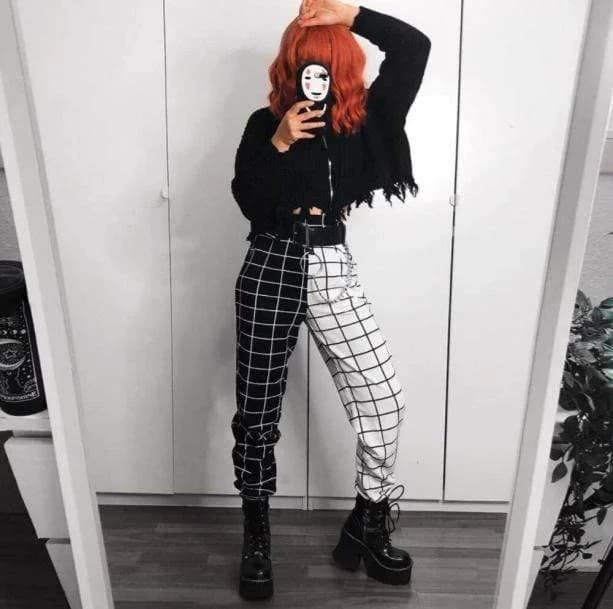
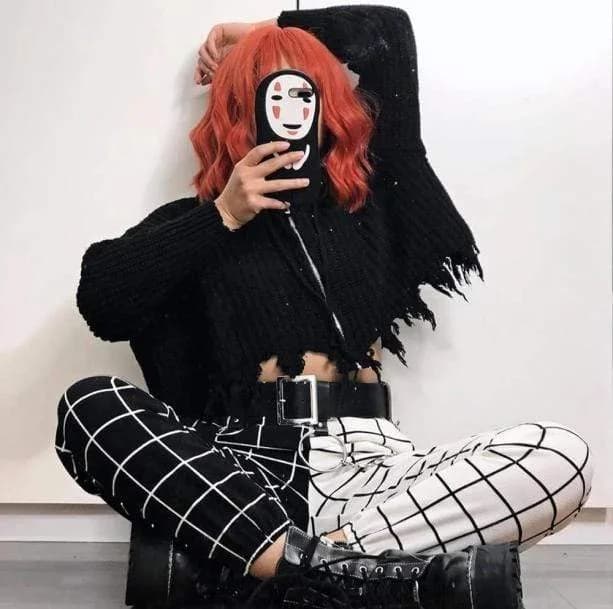
If you are wearing vibrant plastic or enamel accessories, ground them with monochrome or neutral streetwear. The graphic Black and White Pants provide an ideal backdrop for vivid primary colors, letting a bright red or electric blue geometric piece stand out without competing against complex patterns. Keep the rest of your metalwork quiet so the color pop holds the spotlight.
Check the broader 80s Accessories collection for inspiration on balancing non-metal items like belts and hair clips with your jewelry. Matching your earrings to a secondary color accent in your shoes or belt creates cohesion across your entire outfit.
- Pair high-saturation enamel with neutral, black, white, or denim bases.
- Limit vibrant jewelry to one or two accent shades rather than a full spectrum.
- Avoid mixing neon acrylics with delicate fine metals; keep the surrounding pieces graphic and bold.
Earring Scale and Jawline Proportions
Eighties earrings are legendary for their scale, ranging from sculptural door knockers to dramatic tiered triangles. To style them successfully, you have to consider how they interact with your jawline and your hair. Large, wide earrings add horizontal visual width to the face, while elongated drop earrings draw the gaze downward.
If you are wearing oversized studs or heavy hoops from our 80s Earrings collection, consider pulling your hair back into a sleek bun or half-up style. This gives the earrings breathing room and keeps them from tangling in your strands. If you prefer to wear your hair down, choose high-polish finishes that reflect light through the hair rather than dark, textured metals that disappear into it.
Remember the golden rule of statement earrings: when the ears are carrying serious weight, leave the neckline completely bare. A pair of substantial door knockers paired with a bare collarbone and a clean jacket looks confident, striking, and thoroughly modern.
- Door knockers and button studs look best with swept-back hair and open necklines.
- Long, slender geometric drops help elongate the neck when paired with high collars.
- Skip necklaces entirely when your earrings exceed two inches in width or drop below the jawline.
The Three-Piece Stacking Formula for Necklaces
LayeringWearing pieces over or under one another to add depth, warmth or contrast. multiple chains without ending up with a tangled mess requires following a clear formula based on gauge, length, and texture. If all your chains are the same weight, they bunch together into one heavy knot. To keep each layer distinct, combine three distinct tiers: a base, a body, and a focal point.
Tier one is your base choker or collar chain, measuring 14 to 16 inches, which hugs the neck closely and sets the top boundary. Tier two is your mid-length chain, usually 18 to 20 inches, featuring a distinct link pattern like a rope, figaro, or box link to create textural contrast. Tier three is a 22 to 24-inch chain carrying a small pendant or medallion that weighs the stack down and pulls it into a clean taper.
This formula works effortlessly over everyday basics. You can layer this trio over a basic tee paired with the Irregular Front High Waist Jeans for an effortless street-style look. The varied chain weights keep the jewelry organized and visually engaging throughout the day.
- Tier 1 (14–16 inches): Short choker or smooth snake chain to establish the top line.
- Tier 2 (18–20 inches): Medium textured link (rope, curb, or figaro) to build visual weight.
- Tier 3 (22–24 inches): Longer drop chain with a pendant to pull the stack downward into an anchor point.

Integrating Jewelry with Broader 80s Streetwear
Jewelry should never exist in a vacuum; it has to speak to the rest of your outfit. If you are wearing oversized vintage streetwear silhouetteThe overall shape an outfit creates, from fitted to loose and layered.s, delicate, tiny jewelry gets swallowed up instantly. The volume of your clothes must match the scale of your accessories to maintain balanced visual proportions.
When browsing full outfits in our 80s Aesthetic Clothes hub, look at how shoulders and waistlines are structured. Padded shoulders, wide-leg denim, and oversized outerwear provide the visual support needed for heavy brass cuffs and chunky chains. If your outfit features relaxed, slouchy fits, a substantial piece of metal grounds the entire look and gives it structure.
Conversely, if your garment features heavy built-in hardware like grommets, studs, or exposed zippers, choose jewelry that complements rather than clashes with those elements. Match the overall vibe: industrial hardware calls for clean, heavy curb chains rather than ornate, filigree-heavy vintage pieces.
- Match the scale of your jewelry to the volume of your clothing silhouetteThe overall shape an outfit creates, from fitted to loose and layered..
- Use bold metals to give structure and polish to oversized or slouchy garments.
- Ensure your jewelry metal complements any prominent metal zippers or eyelets on your clothes.
Balancing Texture: Smooth Metals vs. Chunky Textures
A common mistake when assembling vintage-inspired outfits is combining heavily textured jewelry with deeply textured fabrics. A twisted nugget chain worn over a cable-knit sweater or a bouclé fabric creates visual static, making it impossible to appreciate the craftsmanship of either piece. The secret to styling textured jewelry is pairing it with smooth, sleek surfaces.
If you love the hammered, ribbed, or rope textures typical of the era, wear them against smooth cotton, silk, or flat jersey. This allows the intricate light-play of the metalwork to stand out sharply. On the flip side, if your outfit features rich textures like corduroy or shearling, stick to high-polish, mirror-finish metals like flat herringbone chains or smooth domed earrings.
This balance between rough and smooth creates depth in your outfit without needing excessive color. By alternating the tactile qualities of your clothes and accessories, you achieve an editorial finish that looks thoughtfully assembled.
- Pair hammered or nugget-textured jewelry with smooth, untextured fabrics.
- Wear high-polish, mirror-finish metals against heavy knits, corduroy, or rough denim.
- Avoid stacking multiple heavily textured chains right next to each other; separate them with a flat link.

Weather, Movement, and Daily Practicality
Statement jewelry must be practical enough to wear without constant fussing. In warm weather, heavy metal chokers can trap heat against the skin and feel restrictive, making lightweight hollow links or breathable drop earrings a much smarter choice. In cold weather, long drop earrings and textured chains can snag on wool scarves and knit beanies, causing frustration and damaged clothing.
When bundling up for winter, prioritize jewelry that stays flat against your body. Smooth button studs, wide cuffs worn over knit sleeves, and flat collar necklaces that sit beneath coats without catching are your best options. Save the dangling chandelier earrings and delicate multi-strand stacks for mild temperatures where they can move freely without catching on outerwear.
Movement also dictates how you layer. If you are going to be active or walking through a windy city, ensure your layered necklaces are spaced at least two inches apart and have distinct weights. Unequal weights prevent the chains from wrapping around each other as you move, keeping your stack looking neat all day.
- Opt for hollow-form links and lightweight metals during hot weather to stay comfortable.
- Avoid dangling earrings and pronged settings when wearing chunky scarves or knitwear.
- Layer chains with different weights to stop them from tangling together as you walk.
How to Spot Quality in Retro Statement Pieces
When shopping for retro pieces, you want items that offer durability and good weight without being uncomfortably heavy on your lobes or collarbones. Look closely at the construction details, especially the clasps and hinges. Authentic eighties styling often features sturdy fold-over clasps, barrel locks, or heavy-duty lobster claws that can support substantial metal links.
Weight distribution is especially critical for earrings. Quality statement earrings will often feature wider clutch backs or comfort discs to distribute the earring's weight across the earlobe, preventing uncomfortable sagging. For necklaces, inspect the links to ensure they lie flat naturally without twisting awkwardly when picked up by the clasp.
Pay attention to the plating finish as well. High-grade vintage-inspired pieces should have an even, rich color that does not look overly brassy or thin. Well-executed pieces hold their luster over time and resist tarnishing, letting you wear them on heavy rotation across different seasons and outfits.
Your Quick-Reference Styling Checklist
Before heading out the door, run through a quick mental inventory to ensure your jewelry is working in harmony with your outfit. Check your neck-to-ear balance first. If both your necklace and your earrings are demanding center stage, choose your favorite piece and swap the other for a simpler alternative. Your outfit should always have one clear visual anchor.
Next, check the neckline alignment. Make sure your chains are either completely within the open space of your skin or resting cleanly flat over your clothing fabric. If a pendant is constantly dipping beneath your shirt collar, swap the chain for a length that is either one inch shorter or two inches longer to eliminate awkward catching.
Finally, check your metal distribution. If you are mixing metals, verify that both tones appear more than once throughout your outfit to ensure the combination looks purposeful. With your proportions balanced, your metals coordinated, and your neckline clear, your vintage statement jewelry will look effortless, modern, and completely your own.
- Identify the primary focal point: neck, ears, or wrists?
- Verify that necklace lengths sit fully on skin or fully on flat fabric.
- Check that mixed metals appear in at least two places across the outfit.
- Ensure earrings do not snag or crowd against your collar or scarf.