Created by the Kawaii Vibe editorial team. Our named style desks are editorial personas. Product details and availability can change.
Styling genuine or retro-inspired knitwear comes down to managing volume. Authentic eighties silhouetteThe overall shape an outfit creates, from fitted to loose and layered.s are famous for wide dropped shoulders, deep armholes, batwing cuts, and roomy chest panels. While these shapes offer unmatched character, wearing them in everyday streetwear can feel overwhelming if the rest of your outfit lacks structure. Knowing where to tuck, when to expose base layers, and how to counter chunky textures keeps your look intentional instead of accidental.
Whether you want to build an outfit for brisk mornings, adapt a thick knit for transitional humidity, or balance broad shoulder seams across different heights, layeringWearing pieces over or under one another to add depth, warmth or contrast. gives you complete control over your proportions. Instead of hiding behind bulky fabric, you can use contrasting collar heights, cropped hems, and purposeful bottoms to establish clean lines.
This guide walks through practical formulas for layeringWearing pieces over or under one another to add depth, warmth or contrast. knitwear across varying climates and body shapes. We will look at structural adjustments, base garment pairings, outer shell options, and tailored bottom halves, making sure you feel comfortable navigating both casual and high-contrast retro styles.
Understanding the Eighties Knit Silhouette
The distinct shape of vintage-cut knitwear relies on exaggerated proportions that differ completely from modern slim-fit apparel. During the 1980s, knit design moved away from close-fitting ribs toward slouched dropped shoulders, batwing sleeves, and wider torso panels. These cuts were meant to create an athletic, top-heavy visual line, often tapering in sharply at the natural waist or hips with a snug ribbed band. When building an outfit today, recognizing this built-in architecture helps you decide whether to anchor the sweater or let it drape freely.
Because the volume is clustered around the upper back and chest, pairing these sweaters requires paying attention to seam lines. A dropped shoulder seam sits inches below your actual collarbone joint, which naturally elongates the upper body. If your sweater has a tighter hip band, letting it sit flat across wide trousers can create an uninterrupted horizontal line. Alternatively, hiking that ribbed band up toward your natural waist breaks the visual block and displays your waistline.
When evaluating vintage or inspired designs, check the sleeve construction first. Sweaters with dolman or batwing cuts require wider armholes in your jackets, whereas standard dropped shoulders can slide into relaxed coats. Recognizing these small pattern differences prevents bunching beneath outer layers and ensures your arms have room to move throughout the day.
- Dropped shoulders push sleeve joints down toward the bicep to create extra width.
- Batwing and dolman armholes connect lower on the torso, requiring roomy outer coats.
- Tapered lower ribs offer built-in anchor points for blousing or French tucks.
Base Layers: Collar Heights and Neckline Stacking
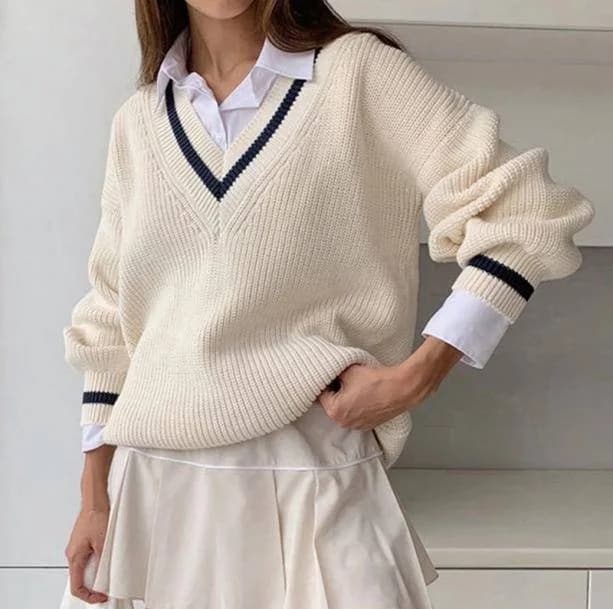
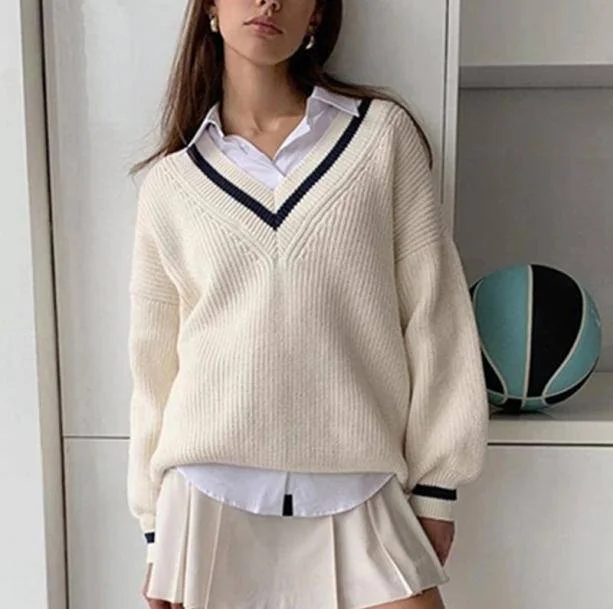
Stacking collars is one of the fastest ways to give a loose crewneck deliberate visual depth. A plain crewneck sweater paired directly with denim can sometimes look flat. By slipping a crisp, collared base layer underneath, you draw the eye upward toward your jawline and frame your face. Contrast matters here: pairing a dark or saturated knit with a sharp white collar establishes a bright, retro-prep contrast that feels polished and organized.
If traditional button-downs feel too stiff, soft ribbed mock-neck tops or stretch turtlenecks offer an excellent cold-weather solution. Pushing a high neck collar an inch or two above a scoop-neck or V-neck knit blocks chilly drafts while adding color complexity. You can find lightweight foundations within our broader selection of 80s tops, which give you slim foundations that sit smoothly under heavy wool or acrylic without bunching.
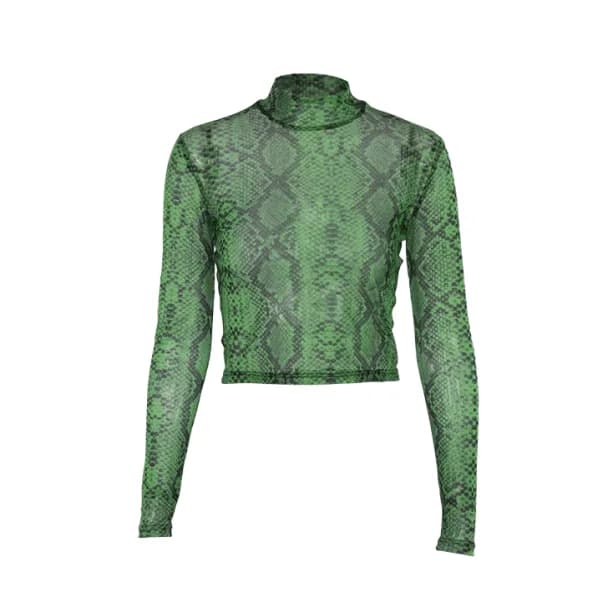
Another practical base option involves printed skins or fine mesh. If you want a dynamic edge under a boatneck or wide-collar knit, try sliding a fitted patterned piece like the Snake Skin Top underneath. The high-contrast print peeking out at your neck and wrists adds visual texture against plain knit stitches, transforming a simple sweater into an intentional, textured street look.
- Pointed woven collars lend sharp structure to casual, slouchy crewnecks.
- Fitted mock necks create clean vertical lines that break up wide necklines.
- Patterned stretch base layers introduce subtle contrast at wrists and collars.
Balancing Volume on Petite and Shorter Frames
When styling heavy tops on shorter body frames, the biggest challenge is avoiding a swallowed silhouetteThe overall shape an outfit creates, from fitted to loose and layered.. Because vintage patterns feature generous width and extended body lengths, leaving a thick sweater untucked can visually shorten your legs. To counteract this effect, the primary objective is establishing an unambiguous waistline so your vertical proportions remain balanced and defined.
The half-tuck or French tuck is your most reliable everyday tool. Gathering just a two-inch section of the sweater hem at the front and loosely tucking it behind the button of high-rise trousers instantly exposes your waistband. The remainder of the sweater can cascade naturally over your hips, maintaining the retro slouched vibe while clearly displaying where your lower half begins. High-waisted pants do the heavy lifting here, extending the visual line of your legs upwards.
For an even more tailored approach on shorter frames, consider wearing sweaters featuring shorter overall hems or styling full-length knits folded inward over an elastic waist strap. Cropped styles pull the visual focus up and keep hem fabric from piling around the thighs, making chunky knits feel lightweight and nimble.
- French tucking prevents oversized hems from bisecting the thighs horizontally.
- High-rise trousers lengthen the visible leg line beneath wide tops.
- Folding hem ribs inward creates a custom cropped effect without cutting fabric.
Managing Width on Broad-Shouldered and Tall Silhouettes
Taller frames and individuals with naturally broad shoulders can carry oversized silhouetteThe overall shape an outfit creates, from fitted to loose and layered.s with ease, but over-accentuating the horizontal plane can still feel unbalanced. Deep dropped shoulder seams and thick horizontal jacquard patterns pull the eye outward. To direct the visual flow downward instead of sideways, you can introduce strong vertical lines down the center of your torso using long accessories, scarves, or open jackets.
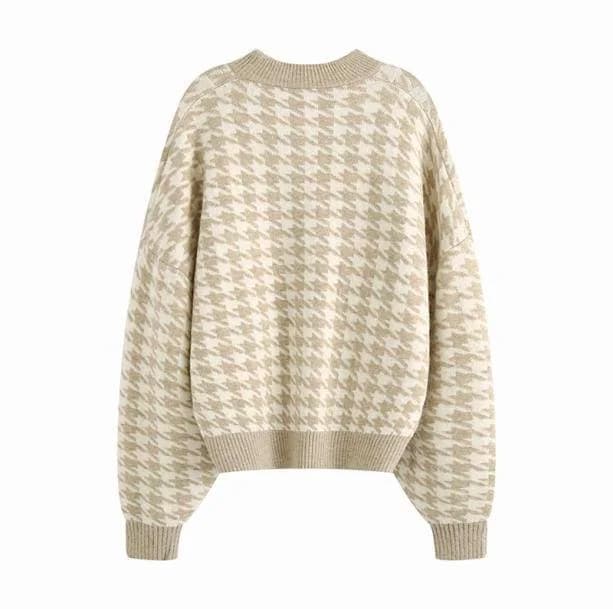
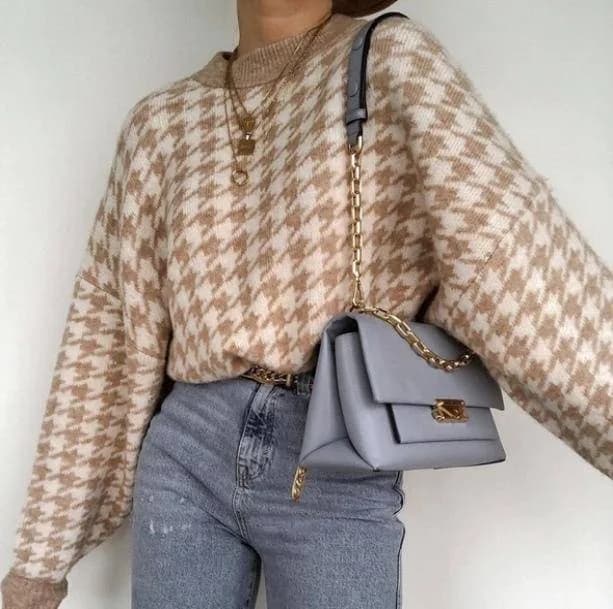
Another approach is choosing knit designs that feature diagonal or vertical knit channels instead of horizontal chest bands. Solid, textured pieces like the Aesthetic Khaki Sweater provide plenty of cozy volume without overwhelming the chest with loud horizontal graphics. The muted earthy tone functions as a neutral canvas, allowing tall frames to wear broad proportions while keeping the overall aesthetic grounded and understated.
Pairing broad-shouldered tops with full-length, wide-legged bottoms also creates an appealing columnar effect. Rather than tapering drastically at the ankle, letting your trousers drop straight to the floor balances the width of your upper half. This approach celebrates relaxed eighties casualwear without looking disproportionate.
- Vertical ribbing and center seams draw the eye up and down rather than across.
- Muted, monochromatic knits soften the visual impact of wide dropped shoulders.
- Straight and wide-leg bottoms counterbalance heavy volume on the upper torso.

Layering Sweaters Over Dresses and Tunics
LayeringWearing pieces over or under one another to add depth, warmth or contrast. a relaxed sweater over a dress gives your wardrobe immediate flexibility across varying temperatures. A chunky knit pulled over a lightweight summer dress instantly transforms the dress into a casual skirt, insulating your core while letting the hem move freely. The key to pulling this off is managing the transition where the sweater hem meets the fabric of the dress.
To prevent your waist from getting lost beneath two layers of drape, you can secure the sweater at your natural waist using a slim belt hidden underneath the knit, tucking the hem up into the band. LayeringWearing pieces over or under one another to add depth, warmth or contrast. a solid, cozy knit over something playful like the Sweet Cherry Dress creates an appealing blend of cozy texture and feminine pattern. The subtle print peeking out beneath a solid sweater breaks up dense wool and adds movement around the knees.
This pairing works particularly well for outdoor events where the temperature fluctuates. As the afternoon warms up, you can slip the sweater off and drape it over your shoulders, keeping your hands free while letting the print of the dress stand out completely on its own.
- Hidden waist belts allow you to crop long knits over dress bodies cleanly.
- Contrasting a solid knit against a patterned skirt hem adds depth to the outfit.
- Draping a removed sweater over your shoulders retains retro style while venting heat.


Pairing with High-Waisted Denim and Asymmetrical Cuts
High-waisted denim remains the classic companion for eighties knitwear. The rugged, rigid texture of traditional cotton twill provides an ideal structural contrast to soft yarns, anchoring the visual weight of the top. When both garments share a vintage aesthetic, the outfit looks unified and effortlessly casual.
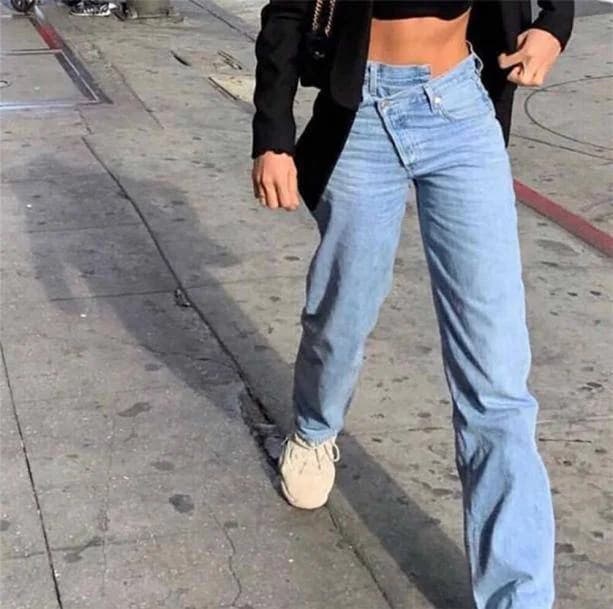
Standard straight-leg jeans work well, but asymmetrical or unconventional waistlines add modern street style interest to retro tops. Opting for distinctive hardware or uneven waist tabs, such as the design on the Irregular Front High Waist Jeans, offers an engaging focal point for a front-tuck. Tucking the sweater hem slightly to one side highlights the overlapping denim front, demonstrating that the oversized top was styled with deliberate purpose.
When selecting denim to pair with thick knits, pay attention to the denim weight. Lightweight, stretchy jeans can sometimes buckle or pinch under the pressure of a thick, tucked sweater hem. Mid-to-heavyweight cotton denim holds its shape comfortably against thick knitwear, creating smooth, clean lines from waist to hem.
- Rigid cotton denim grounds the softness of acrylic and wool blends.
- Asymmetrical waistbands create an eye-catching anchor point for half-tucks.
- Heavier denim prevents the tucked hem from creating lumpy outlines beneath the fly.
Outerwear Strategies: Denim Jackets and Boxy Coats
Throwing an outer jacket over a thick vintage sweater requires thoughtful sleeve and shoulder sizing. Standard fitted coats will pinch uncomfortably around the armpits and restrict arm movement if your knit features dropped seams or batwing sleeves. Instead, you need outerwear that mirrors the boxy cut of the sweater underneath.
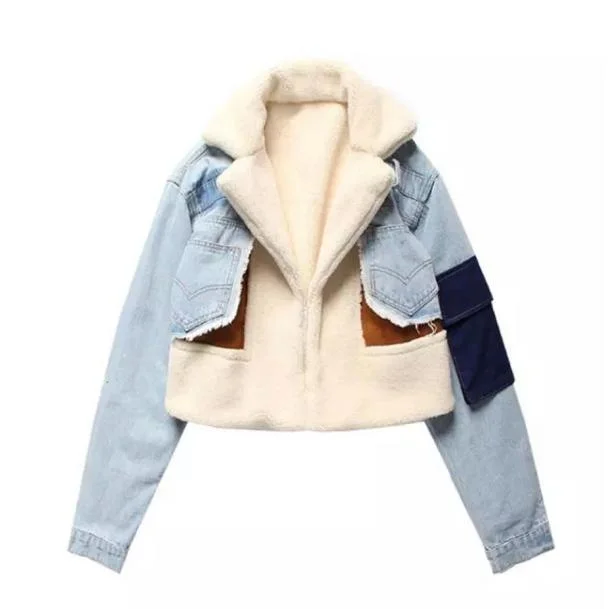
A roomy option like the Vintage Cut Denim Jacket solves this challenge directly. Designed with generous armscyes and a wide back panel, it slides easily over mid-weight knits without crushing the fabric or trapping tension across your shoulders. Leaving the jacket unbuttoned creates two clean vertical lines down your chest, which visually breaks up the wide horizontal field of the sweater.
For freezing weather, look toward oversized wool overcoats or boxy parkas that stop mid-thigh. Ensure the coat lining is made from a smooth material like polyester, nylon, or satin. Slipping knit sleeves through a smooth lining prevents friction, keeping the sweater from bunching up your arms every time you put your jacket on.
- Boxy jacket cuts accommodate dropped shoulder seams without restricting motion.
- Unbuttoned jackets create vertical lines that slim down bulky front panels.
- Smooth sleeve linings allow thick knits to slide on and off without drag.
Spring and Autumn Transitional Layering
During transitional seasons, temperatures can swing dramatically between morning chills and afternoon sun. LayeringWearing pieces over or under one another to add depth, warmth or contrast. an eighties sweater during these months requires choosing knits with looser weaves or open necklines, paired with breathable foundation pieces that look great when worn solo.
Wearing a graphic tee underneath your knit gives you the freedom to peel layers off as the day heats up. You can explore curated graphic options in our collection of 80s t-shirts, which serve as colorful base layers beneath unbuttoned cardigans or wide crewnecks. If you get warm, tie the sweater diagonally across your torso or wrap the sleeves loosely around your neck for an effortless retro look.
Transitional weather is also great for cropped knits and open knits. Pairing a lightweight sweater with breathable cotton pants ensures your core stays warm against wind gusts without trapping excessive heat during long walks or commutes.
- Graphic tees provide a self-sufficient outfit layer when the sweater comes off.
- Tying a removed sweater crossbody keeps your hands free and looks stylish.
- Looser knit gauges allow comfortable airflow during warm afternoons.
Warm-Weather Styling: Cropped Knits and Lightweight Bases
While heavy sweaters are winter staples, lightweight open-knit and cropped sweater styles are fantastic for cool summer evenings and breezy beach days. Eighties activewear heavily featured cropped pullovers layered over leotards, tank tops, and athletic shorts, offering a breathable take on vintage comfort.
To build this style without overheating, pair a short-hemmed sweater over fitted tops from our 80s crop tops lineup. LayeringWearing pieces over or under one another to add depth, warmth or contrast. a loose, boxy short knit over a form-fitting under-layer gives you visual depth while allowing air to circulate around your ribs. It is an ideal formula for music festivals, evening skate sessions, or late summer bonfires.
Pair this combination with breezy cotton shorts, pull-on sweatpants, or lightweight canvas bottoms. Keeping the lower half light and casual ensures the entire ensemble feels appropriate for warm weather, highlighting retro athletic leisure at its best.
- Cropped knits let air circulate around the midriff to prevent overheating.
- Fitted crop tops provide secure coverage underneath wide, loose sweater hems.
- Breezy shorts maintain comfortable temperature balance during warmer months.
Deep-Winter Insulation Without Unwanted Bulk
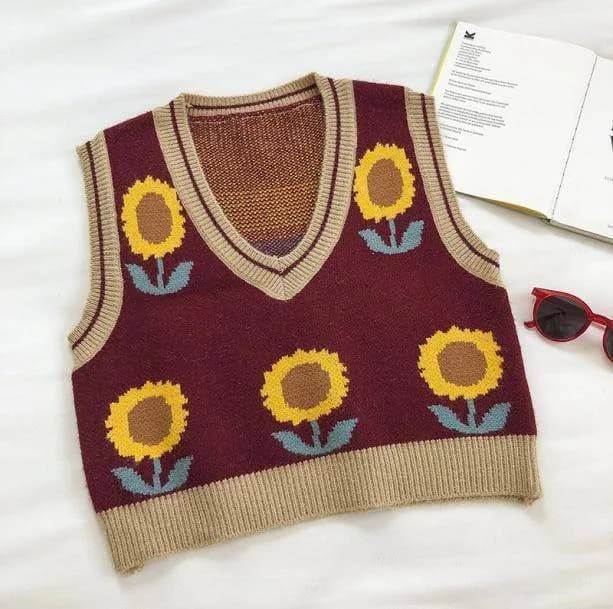
Sub-zero temperatures demand maximum thermal retention, but piling heavy clothes on top of a thick sweater can make you feel stiff and immobilized. The secret to winter layeringWearing pieces over or under one another to add depth, warmth or contrast. lies in ultra-thin, high-performance thermal under-layers placed directly against your skin, rather than piling on multiple bulky outer garments.
Start with a form-fitting merino wool or synthetic thermal top. Because these layers are razor-thin, they fit invisibly beneath your favorite picks from our dedicated 80s sweaters collection without altering how the knit drapes. The sweater traps the warm air generated by your body, while the thermal base wicks away moisture to keep you dry and comfortable.
On the bottom, trade thin denim for lined trousers or wear thermal tights beneath your pants. If your top half features considerable volume, maintaining a clean line through your legs keeps snow boots and heavy winter coats from looking chaotic. Adding a plush beanie and a compact scarf tucked inside the sweater neck seals the collar against wind without adding external clutter.
- Fitted thermal base layers add insulation without widening the sweater profile.
- Tucking scarves inside sweater collars seals warmth without external bulk.
- Thermal under-tights allow you to wear your favorite vintage pants year-round.
High-Contrast Streetwear: Graphic Knits and Edgy Pants
The late eighties saw sweater fashion intersect with emerging alternative, punk, and hip-hop subcultures. Bold color blocking, neon graphics, and geometric intarsia designs were paired with unconventional fabrics like faux leather, vinyl, and utility hardware to create striking contrast. You can easily replicate this dynamic energy by pairing relaxed vintage knitwear with edgy, statement bottoms.
For an eye-catching downtown vibe, pair a solid or color-blocked sweater with the Red Pants With Chains. The vibrant crimson fabric and metallic chain accents inject rebellious energy that cuts through the cozy softness of the knitwear. This intentional tension between soft yarn and sharp metal detailing makes the outfit feel modern, confident, and distinct.
When styling such vivid trousers, let your sweater play a supporting role. Choosing a black, cream, or neutral-toned knit prevents color clashes and keeps the visual focus centered on the hardware. Complete the look with chunky combat boots or clean skate sneakers to anchor the bold bottom half.
- Metallic hardware and vibrant pants provide a sharp counterpoint to soft knits.
- Neutral sweaters prevent busy graphics from competing with bold trousers.
- Chunky footwear grounds the visual weight of statement utility bottoms.

Monochrome and Pastel Soft-Layering
If high-contrast streetwear feels too intense, leaning into dreamy pastel tones offers a softer way to wear eighties aesthetics. Retro resort wear and early pastel fashion relied heavily on mints, lavenders, soft peaches, and pale sky blues layered harmoniously for an effortless, relaxed appearance.
Creating this look relies on subtle tonal shifts rather than sharp contrasts. Try pairing an oversized cream, lilac, or soft pink knit with the Aesthetic Lavender Pants. The delicate purple hue of the bottoms flows naturally from a light-toned top, creating an elongated, cohesive vertical line. Tucking the sweater gently into the front waistband keeps the pastel tones from blending into a shapeless column.
To round out a soft-layered outfit, keep your footwear and accessories within the same color family. Off-white canvas sneakers, pale bucket hats, and light canvas tote bags sustain the gentle color story without introducing dark blocks that interrupt the flow.
- Tonal pastel combinations create an elongated, unbroken silhouetteThe overall shape an outfit creates, from fitted to loose and layered..
- Gentle hues soften the oversized volume of chunky vintage knitwear.
- Off-white and neutral accessories preserve a clean, breezy aesthetic.
Graphic Pattern Clashing and Geometric Color Blocking
Eighties knitwear is celebrated for bold visual patterns, including Memphis design zigzags, abstract geometry, and contrasting stripes. While pairing a patterned sweater with plain jeans is always reliable, combining patterns intentionally creates a creative, expressive outfit that reflects vintage streetwear styling.
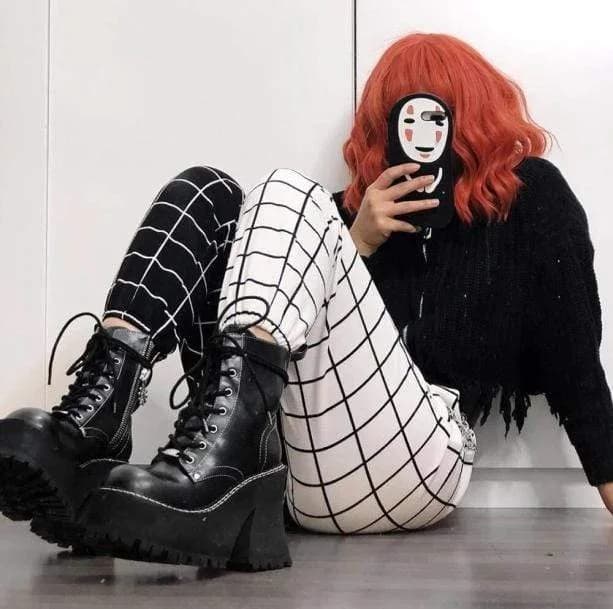
The secret to pairing patterns successfully is varying the scale of the prints. If your sweater features large, bold geometric shapes, pair it with subtle, fine patterns on your lower half, such as narrow pinstripes, micro-checks, or the two-tone paneling on the Black and White Pants. The sharp monochrome split on these trousers provides geometric structure that complements an energetic knit without visually fighting it.
Stick to a shared color anchor between your pieces. If your sweater features black trim or accents, choosing bottoms that include black ties the entire ensemble together. This shared color thread makes the pattern combination feel thoughtful and cohesive rather than chaotic.
- Varying pattern scales prevents competing prints from overwhelming the eye.
- Shared anchor colors connect contrasting prints into a unified outfit.
- Two-tone color-blocked pants offer graphic balance for lively sweater motifs.
Complete Outfit Formulas and Layering Checklist
To make morning styling effortless, having reliable outfit formulas ready saves time and ensures balanced proportions every time. The most dependable formula for casual days is an oversized crewneck sweater, half-tucked into high-waisted denim, finished with low-profile retro sneakers. For colder mornings, slide a crisp collared shirt underneath and throw a boxy denim jacket over your shoulders.
If you prefer a playful, textured look, drape a thick sweater over a lightweight patterned dress and secure the hem with a belt at your waist. For bold street style, combine an understated neutral knit with hardware-rich utility pants to create an engaging textural contrast. As you explore new combinations within our full range of 80s aesthetic clothes, always keep silhouetteThe overall shape an outfit creates, from fitted to loose and layered. balance at the forefront of your decisions.
Before heading out the door, run through a quick practical checklist. Checking collar heights, waistline visibility, sleeve mobility, and temperature adaptation ensures you stay comfortable, confident, and effortlessly styled all day long.
- Check collar stacking: ensure under-layers sit smoothly without collar bunching.
- Confirm waistline definition: verify that tucking or cropped lines balance your legs.
- Test armhole mobility: make sure your coat sleeves do not pinch the sweater fabric.
- Review climate readiness: make sure base layers look great if you remove the knit.