Created by the Kawaii Vibe editorial team. Our named style desks are editorial personas. Product details and availability can change.
Building an outfit around vintage silhouetteThe overall shape an outfit creates, from fitted to loose and layered.s starts with understanding where the eye travels first. The distinctive appeal of eighties fashion rests largely on bold structural shapes: broad shoulders, boat necks, dramatic turtlenecks, and boxy torso cuts. When you pick up a piece from our 80s tops selection, you cannot treat it like a basic modern tee. The garment dictates the proportions of everything else you put on, from the waistband rise of your trousers to the volume of your shoes.
The secret to styling these pieces for daily life lies in tension and counterweight. If an upper layer widens your frame with batwing sleeves or padded shoulders, pairing it with loose, shapeless bottoms can drown your frame. Conversely, wearing tight bottoms with every cut can leave an outfit feeling flat or historically inaccurate. By analyzing the collar height, shoulder drop, and hemline length, you can assemble clean, comfortable outfits for coffee runs, nights out, or relaxed studio settings.
This guide breaks down each signature neckline and cut step by step. We will cover the specific mechanics of balancing high collars, deep cuts, boxy drops, and cropped hemlines against real wardrobe staples, alongside practical layeringWearing pieces over or under one another to add depth, warmth or contrast. formulas and fit considerations that work year-round.
The High Collar and Turtleneck: Grounding Upper Volume
A high collar instantly shifts visual weight upward, drawing attention toward your jawline and framing your face. In vintage-inspired designs, mock necks and roll turtlenecks often feature slightly dropped shoulders or thicker ribbing than contemporary minimalist layers. If you leave the bottom of the outfit loose or unstructured, you risk creating a top-heavy, boxy column that feels stiff rather than intentional.
To balance this cut, select trousers with a structured waist and crisp vertical lines. High-waisted denim or pleated trousers tuck cleanly under a high collar, creating a neat break at the midsection. For an outfit with strong color contrast, you can tuck a neutral high-neck knit into our Red Pants With Chains, which are available in sizes S through L. The structured lower leg and hardware balance the covered-up modesty of the collar.
When planning for cooler or transitional weather, keep your neck area uncrowded. Avoid bulky scarves or short chunky statement necklaces that clash with the fabric fold. Instead, let the collar stand on its own and introduce length using longer trench coats or straight, open-front jackets.

The Dramatic Boat Neck and Off-the-Shoulder Line
Boat necks and wide horizontal collar cuts highlight the collarbones while creating an illusion of broader shoulders. This cut was central to dancewear-inspired looks throughout the decade. Because the horizontal opening stretches visual width across the top of your torso, the key is preventing the lower half of your body from looking pinched or disproportionate.
Pair wide-neck pieces with relaxed, fluid leg shapes rather than skin-tight leggings. Flared trousers, wide-leg utility trousers, or A-line midi skirts extend outward at the bottom, creating a harmonious hourglass or balanced column. If you wear an off-the-shoulder piece with tight bottoms without sufficient shoe weight, the entire outfit can feel visually suspended and top-heavy.
Undergarments require advance thought with this neckline. Bra straps will inevitably peek through or sit right on the edge of the shoulder slope. Rather than fighting thin straps, opt for clean strapless foundations or deliberately layer a contrast-colored tank top underneath for an athletic, relaxed edge.
Boxy Shoulder Drops: Creating Clean Angles Below
Dropped shoulders and built-in shoulder pads create a crisp, trapezoidal silhouetteThe overall shape an outfit creates, from fitted to loose and layered. that defined business and casual aesthetics alike. You will encounter this architecture across many classic 80s blouses, which utilize stiffer fabrics like poplin or jacquard to hold their structure rather than clinging to the natural shoulder slope.
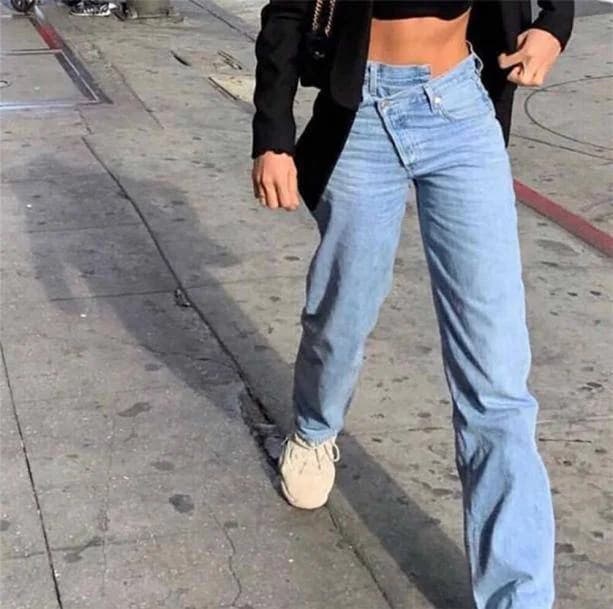
When your top features built-in architectural shoulders, you must decide whether to lean into an angular frame or soften it below the waist. A sharp tailored look pairs an angular shoulder with straight-leg denim that features unique construction, such as our Irregular Front High Waist Jeans. These jeans, offered in sizes S through 2XL, add asymmetric interest at the waistline that mirrors the bold geometry above.
A common pitfall with boxy tops is choosing an outerwear layer that pinches the armpits. If your blouse or knit has broad shoulders, an ordinary slim-cut coat will bunch up awkwardly at your biceps. Choose raglan-sleeved coats or oversized outer garments with generous armscyes to maintain clean posture and comfortable movement.
The Deep V-Neck and Wrap Front: Elongating the Torso
Deep V-necks and wrap cuts offer the opposite effect of high collars: they expose the sternum, elongate the neck, and create downward diagonal lines that guide the eye toward the center of your waist. These cuts were frequently seen in disco-to-street transitions, often paired with bold lapels or gathered waist details.
Because a plunging neckline draws attention inward and downward, it pairs exceptionally well with bottoms that emphasize a clean waistline. Tailored high-rise shorts, belted slacks, or pencil skirts hold the fabric secure and prevent the wrap front from gapping as you walk. If you are styling an open collar for evening settings, matching it with textured bottoms gives the overall look a grounded presence.
Placement is everything when dealing with crossover cuts. If a wrap top sits too loosely across the bust, safety pins placed behind the fabric facing can secure the plunge at your preferred height. Ensure your footwear balances the vertical drop of the neckline by choosing shoes with substantial soles, such as platform loafers or boots with moderate block heels.
Cropped Hemlines: Managing Midriff Spacing and Proportions
Short hemlines in this aesthetic generally lean athletic or rock-inspired, ending either right below the bust or grazing the natural waistline. Exploring 80s crop tops reveals square silhouetteThe overall shape an outfit creates, from fitted to loose and layered.s, boxy hems, and bold graphic prints designed to be worn with distinct waist boundaries rather than low-slung bottoms.
The golden rule for pairing short tops from this period is matching them with a rise that meets or nearly meets the hem. Exposing inches of midriff with low-rise pants moves the look into late-nineties territory. To stay true to the eighties shape, pair an athletic short hem with trousers that sit firmly above your navel, such as high-rise track pants or relaxed mom jeans.
Consider temperature shifts when wearing cropped pieces. In windy or transitional weather, layer a long, unbuttoned chore coat or an open utility shirt over the cropped layer. This traps warmth along your sides while preserving the clean horizontal break of the crop top from the front.
Oversized Graphic Tees: Tucking and Cinching Techniques
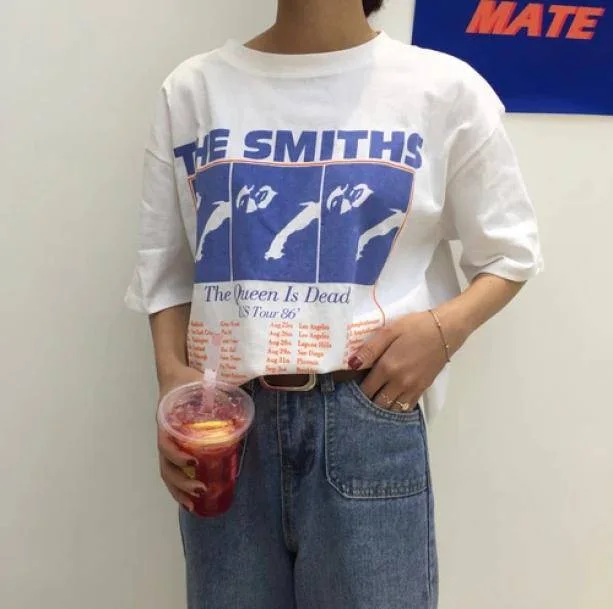
Loose cotton tops represent the most casual end of the decade, featuring bright band art, surf culture emblems, and saturated neon accents. Our selection of 80s t-shirts showcases these roomy cuts, which typically have longer sleeves that hit close to the elbow and wide crewneck ribbing.
Leaving an oversized tee untucked over relaxed bottoms can easily wash out your frame. To make the piece look deliberate, use the French tuck—inserting just the front center hem into your waistband while letting the sides drape naturally. Alternatively, gather excess fabric at your side and tie a neat knot right against the hip, which transforms a boxy shape into a tapered, gathered waistline.
If you prefer to wear the shirt completely loose, balance the silhouetteThe overall shape an outfit creates, from fitted to loose and layered. using tailored taper on the bottom. Slim cigarette pants, bicycle shorts, or straight-leg denim keep the volume concentrated in the torso. You can also roll the sleeves twice upward toward the shoulder seam to expose your arms and add immediate structure.
The Cowl Neck and Gathered Drape: Styling Soft Folds
Cowl collars and ruched necklines bring fluidity to what is otherwise a decade defined by hard, geometric lines. These cuts drape fabric across the collarbones in folds that catch shadows and light, often crafted in rayon, fine knits, or silk-like blends that cascade naturally over the bust.
Because gathered fabric adds physical dimension to the chest, your bottom layer should feature smooth, unpleated textures to avoid overwhelming the eye. A flat-front skirt or smooth twill trousers allow the draped folds of the top to serve as the singular focal point. Avoid heavy multi-strand chains, as they will snag or fight against the fabric folds.
For daytime wear, pair a cowl neck with clean denim and minimalist sneakers to bring the formal undertones of the drape into casual territory. In evening settings, swap the denim for a sleek skirt, adding subtle stud earrings or hair clips rather than neckwear to keep the chest line clean and fluid.
Pattern Clashing and Printed Tops: Grounding the Visual Noise
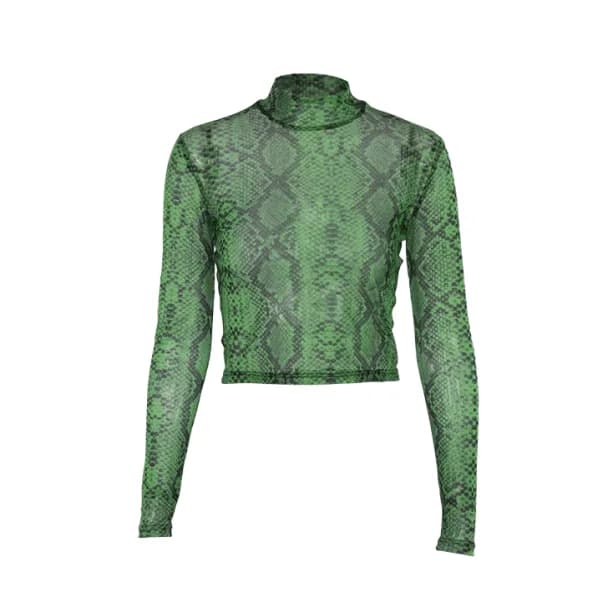
Prints from this era are rarely subtle; they lean heavily on Memphis design squiggles, airbrush gradients, loud florals, and animal patterns. Styling an item like our Snake Skin Top—which comes in Green and Brown options in sizes S through L—requires deliberate color management so the outfit feels cohesive rather than chaotic.
The most effective way to anchor an assertive print is to draw one secondary undertone from the pattern and match it to your bottoms. If your animal print top features tan and olive tones, choosing neutral cargo pants or deep khaki trousers gives the eye a resting place. Alternatively, high-contrast monochrome pants can make an energetic pattern look sharp and modern.
If you want to experiment with print-on-print combinations, pay close attention to scale. Pair a dense, fine pattern like reptile scales or mini polka dots with a broad, spaced-out pattern like wide vertical stripes or block panels. When two busy prints of the exact same scale compete next to each other, the outfit quickly loses coherence.
Knitwear Textures: Managing Bulk Across Sweaters and Vests
Sweaters from this period frequently incorporate shaker ribs, cables, or fuzzy textures with broad neck openings. Pieces like our Aesthetic Khaki Sweater, available in sizes S through L, bring tactile warmth and physical bulk that needs thoughtful distribution across your total silhouetteThe overall shape an outfit creates, from fitted to loose and layered..
Heavy knits require bottoms that can visually hold their own against dense yarns. Pairing a thick sweater with thin, flimsy leggings can make your legs appear spindly under a heavy torso. Instead, opt for rigid fabrics like heavyweight cotton drill, corduroy, or substantial denim. You can balance the earthy tone of khaki knits with soft color play using our Aesthetic Lavender Pants, which come in sizes S, M, and L.
If your sweater has a wide crew or crew-boat neckline, layeringWearing pieces over or under one another to add depth, warmth or contrast. a collared shirt underneath is a classic styling route. Ensure the shirt collar is stiff enough to stand outside the knit's neckline without collapsing. Keep the bottom hem of the knit loosely hitched at your hip bones rather than pulling it down flat across your seat.

Layering Over Dresses: Repurposing Tops as Outer Layers
You do not have to limit your tops to pairings with separate pants or skirts. An oversized sweatshirt, boxy button-down, or cropped knit can completely change the silhouetteThe overall shape an outfit creates, from fitted to loose and layered. of a one-piece dress, essentially turning it into a customized two-piece outfit.
For instance, our Sweet Cherry Dress, available in sizes S through L, features a playful all-over print that layers wonderfully under cropped garments. LayeringWearing pieces over or under one another to add depth, warmth or contrast. an open, boxy top or a cropped sweatshirt over the dress highlights the waistline while allowing the patterned skirt to flow freely underneath.
When layeringWearing pieces over or under one another to add depth, warmth or contrast. tops over dresses, watch where the hems intersect. If the top ends at the widest part of the dress's skirt, it can interrupt the natural flare of the garment. Aim for tops that hit either right at the dress's seam line or stay cropped close to the ribs to let the skirt move naturally beneath.
Choosing Outerwear by Neckline Compatibility
A well-planned outfit can fall apart the moment you pull on a jacket that fights with the cut of your top. Wide lapels, tight collar stands, and shoulder seams all interact directly with whatever neckline you are wearing beneath, making outer layer selection an essential step.
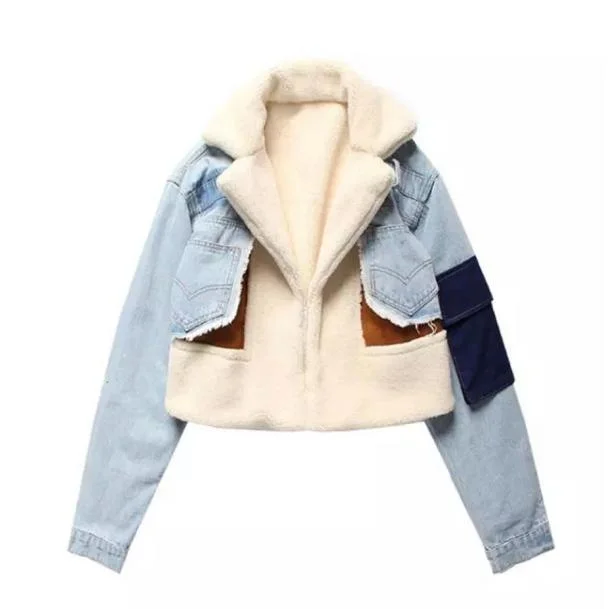
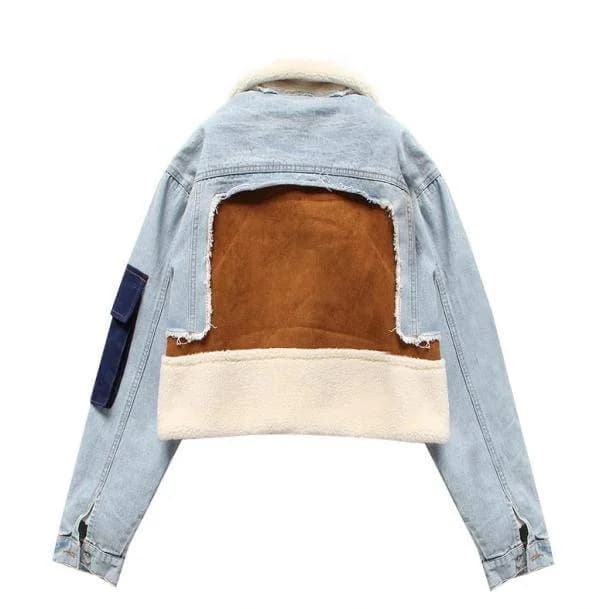
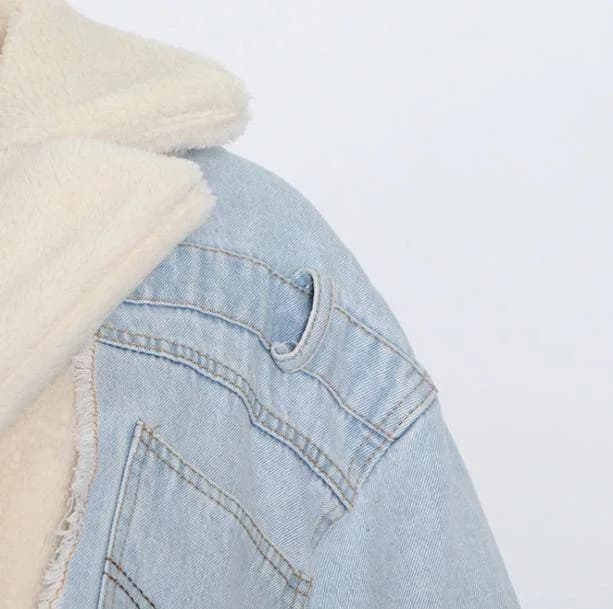
Denim outerwear provides an adaptable middle ground for almost every collar shape. A piece like our Vintage Cut Denim Jacket, offered in sizes S through 2XL, features an open fold-over collar and relaxed shoulder seams that sit smoothly over high turtlenecks, scoop necks, or cropped tees. The structured cotton weave frames the inner top without crushing its shape.
When wearing dramatic lapels or high-standing collars on your inner top, keep your jacket unbuttoned. Fastening an outer jacket over a voluminous blouse collar bunches the fabric uncomfortably against your throat. Let the jacket frame the neckline from the sides, creating vertical depth.
Monochrome and Color Blocking Foundations
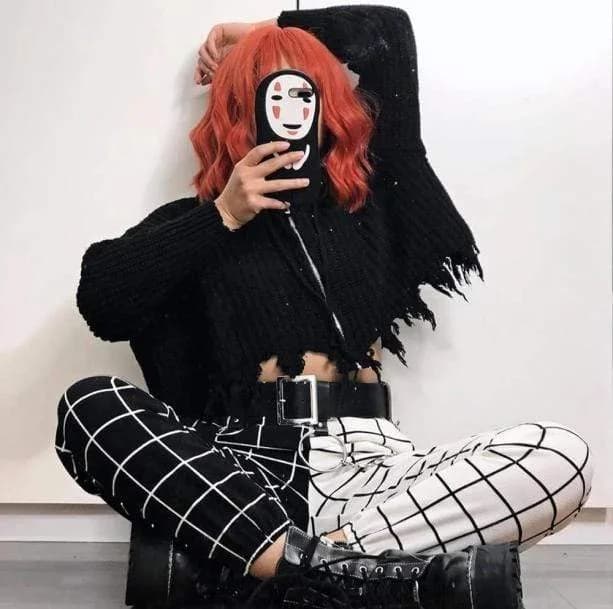
Color blocking—placing distinct solid blocks of color directly adjacent to each other—was one of the defining visual strategies of the era. Rather than blending tones with gentle gradients, outfits frequently paired sharp black, stark white, and electric accents in clean, distinct sections.
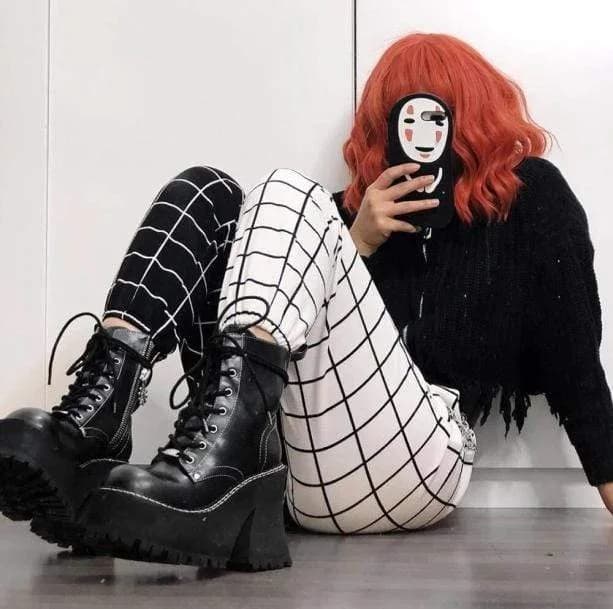
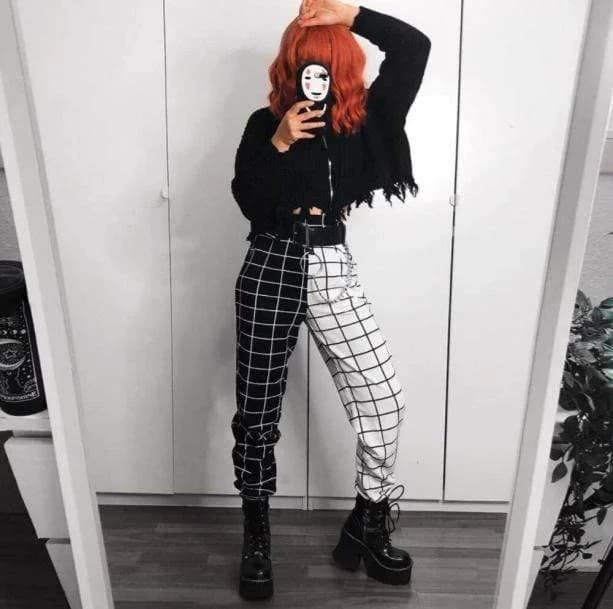
To build a high-contrast outfit, start with split-tone trousers like our Black and White Pants, available in sizes S through XL. A monochrome graphic tee or a solid boat-neck top tucked into two-tone trousers creates immediate geometric clarity. The eye processes the clear division of tones as a deliberate styling statement.
When color blocking with brights, limit your palette to two primary colors and one neutral base. For example, pairing a bright cobalt boat neck with crimson trousers works best when your belt, footwear, and outer layer remain solid black or crisp white. Introducing four or five competing saturated tones without a neutral base dilutes the punchy graphic look.
Comparing 80s Top Silhouettes Against Adjacent Decades
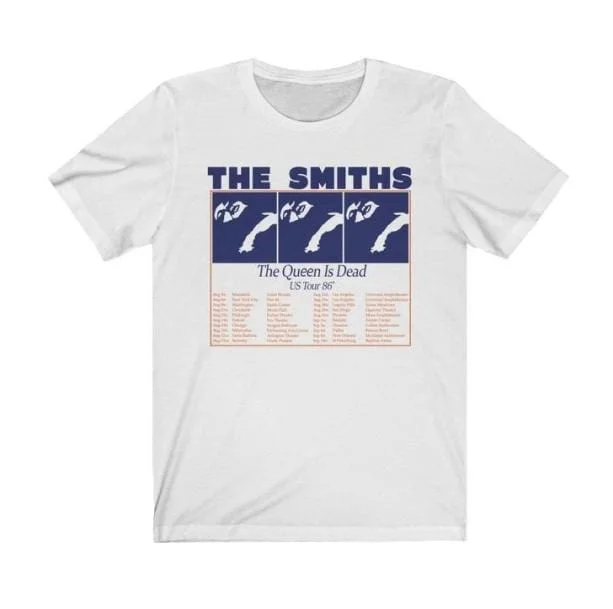
Understanding how eighties tops differ from seventies and nineties pieces helps you avoid accidental stylistic drift when assembling your wardrobe. While seventies tops leaned heavily into clingy ribbing, elongated dagger collars, and natural shoulder lines, eighties garments pivoted hard toward artificial volume, geometric shoulders, and horizontal necklines.
By contrast, nineties minimalism stripped away that shoulder padding and boxiness in favor of slim, spaghetti-strap camisoles, tubular baby tees, and muted earthy tones. While browsing broader 80s aesthetic clothes, look specifically for wide sleeve openings, high ribbing, and stiff fabrics that maintain their own shape away from the body.
Use this structural awareness when shopping vintage or modern retro cuts. If a top has a scoop neck with very narrow shoulders and clingy stretch fabric, it leans late nineties; if it has a wide crewneck with a boxy torso and dropped seams, it sits firmly in eighties territory. Choosing the right cut ensures your outfit communicates the exact silhouetteThe overall shape an outfit creates, from fitted to loose and layered. you intended.
Daily Styling Checklist and Proportional Pitfalls
Before stepping out the door, take five seconds to evaluate your outfit in a full-length mirror. The most frequent styling mistake is stacking volume on volume without creating a point of visual anchor. If your top has broad, puffy shoulders, ensure your waist is defined or your ankles are exposed to prevent looking enveloped by fabric.
Another common pitfall is ignoring footwear weight. Eighties-inspired tops require shoes with substance—chunky sneakers, lug-sole boots, or substantial flatforms. Pairing a boxy shoulder-padded blouse with ultra-thin, delicate ballet flats can make your feet look disproportionately small compared to the wide frame above.
Run through a mental checklist to confirm your outfit flows comfortably throughout the day. Check your proportions, test your arm mobility in your chosen jacket, and ensure your tuck holds securely when you sit down.
- Anchor high collars with structured, high-waisted bottoms to keep visual balance centered.
- Pair wide boat necks with flared or relaxed-leg trousers rather than ultra-thin leggings.
- Check that your jacket armholes accommodate boxy or dropped shoulder seams without bunching.
- Keep cropped hemlines close to your trouser waistband to maintain authentic proportions.
- Choose footwear with sufficient visual weight to anchor broad-shouldered silhouetteThe overall shape an outfit creates, from fitted to loose and layered.s.