Created by the Kawaii Vibe editorial team. Our named style desks are editorial personas. Product details and availability can change.
Putting together an expressive look does not mean wearing every creative piece you own all at once. The secret to styling art hoe accessories is choosing a single hero item to anchor the visual weight, then letting the rest of your outfit support it with complementary textures, grounded neutrals, or subdued secondary accents. Whether you are holding a colorful graphic tote or wearing an eye-catching pendant, giving that piece room to breathe keeps your ensemble feeling intentional rather than chaotic.
When your wardrobe features painterly palettes, archival prints, and classic thrift-inspired shapes, accessory overload happens quickly. If your bag, hair clips, rings, socks, and phone cover all compete for the exact same level of attention, the artistic charm gets lost in visual noise. Isolating one lead element lets its design, color story, and mood stand out clearly while keeping the overall styling functional for daily life.
In this guide, we walk through how to choose that focal point across different product categories, how to balance proportions and colors, and how to rotate pieces depending on your day. You will learn straightforward outfit formulas that pair structured staples with creative flourishes, helping you build outfits that feel curated, comfortable, and distinctly yours.
The One-Hero Rule for Creative Dressing
The easiest way to assemble a cohesive look is to establish a clear hierarchy before you get dressed. The one-hero rule means you select exactly one accessory that carries the primary visual theme of your outfit. This lead piece dictates the color temperature, shape language, or narrative of what you wear that day. When you decide upfront that your bag or a statement necklace is the main event, choosing your shirt, trousers, and secondary touches becomes remarkably quick and simple.
Secondary accessories should never match the focal piece stroke for stroke. Instead, they should echo subtle undertones or supply quiet, utilitarian contrast. For example, if your focal point is a vibrant painterly bag, your jewelry should remain modest and your hair accessories understated. This contrast gives your key piece a clean frame, preventing your clothes from looking like an unedited costume rack.
- Choose your hero piece first based on what you need to carry or showcase.
- Select two to three quiet supporting items that share at least one muted tone.
- Leave bare space on your hands, neck, or lapels so the focal piece stays crisp.

Spotlight on the Shoulder: Bags as the Main Anchor
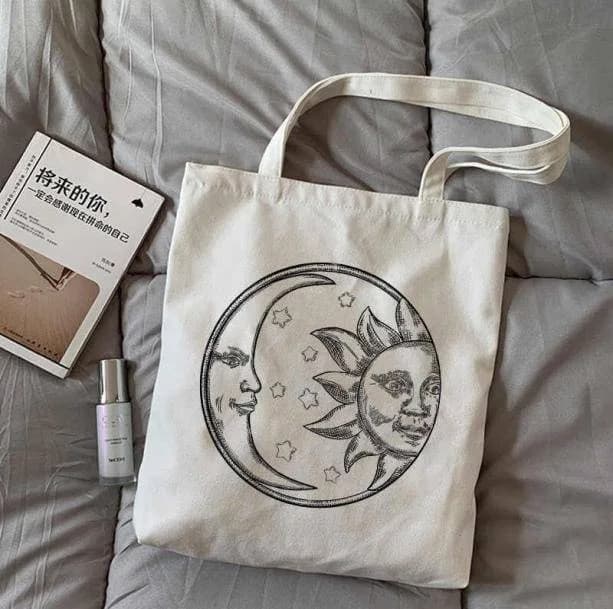
When you want your carryall to be the focal anchor, look for expressive silhouetteThe overall shape an outfit creates, from fitted to loose and layered.s and graphic textiles from our art hoe bags selection. A tote bag with classical imagery or bold screenprints automatically commands visual attention because it rests right against your hip or ribcage. Since bags are both functional and physically large, choosing one as your centerpiece allows you to keep your garments clean, structured, and easygoing.
To let a statement tote shine, pair it with simple, relaxed bases. You might wear an unadorned knit like the Artistic Soul Sweater in One size over relaxed denim or neutral corduroys. Because the sweater offers a relaxed fit and cozy texture without competing graphic noise, your printed tote remains the distinct visual highlight of your commute, study session, or gallery visit.
Avoid carrying heavily patched backpacks or multiple patterned pouches at the same time as a graphic carryall. Let the bag occupy its own spatial plane against solid or softly textured garments to keep your silhouetteThe overall shape an outfit creates, from fitted to loose and layered. clear.
- Best paired with: neutral cardigans, monochrome workwear trousers, simple boots.
- Avoid pairing with: all-over printed outerwear or oversized novelty keychains that crowd the bag straps.

Earrings, Rings, and Necklaces: Setting the Tone Close In
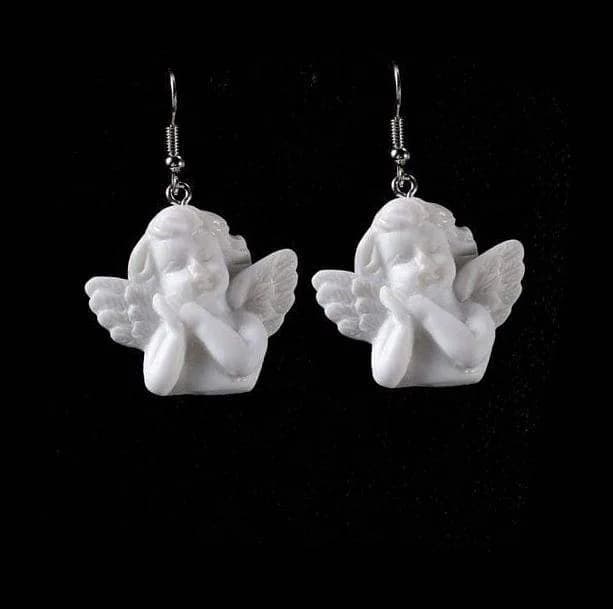
Selecting small-scale metalwork or ceramics as your main accent shifts the visual interest up toward your face and neckline. Exploring art hoe jewelry gives you options ranging from mismatched paint-palette studs and sunflower drop earrings to chunky signet rings and beaded chains. When jewelry takes the lead, the neckline and collar structure of your top become your most important framing tools.
If you pick an ornate pendant or layered beaded necklace as your star item, pair it with an open, frame-like collar. The Floral Crop Top, available in sizes S to L, gives an open neck area where delicate or medium-scale chains can rest without tangling into bulky folds. Alternatively, if you pick dramatic drop earrings, pull your hair back into a loose clip and keep your chest area completely free of pins or neck chains.
Restraint is the deciding factor with jewelry. If you wear multiple rings on every finger, a bold pair of earrings, and layered chains simultaneously, the eye does not know where to land. Pick one focal zone—ears, neck, or hands—and let that specific zone own the shine.
- Necklace focus: pair with square necks, scoop necks, or unbuttoned collared shirts.
- Earring focus: sweep hair away from the jawline and skip heavy scarves or necklaces.
- Ring focus: keep sleeves slightly cropped or rolled up to wrist level.

The Handheld Statement: Phone Cases as Practical Focus
We carry our phones everywhere, making them an active part of daily personal style. Choosing expressive art hoe phone cases allows you to use your tech as the primary pop of personality, especially when traveling light. Whether printed with impressionist textures, botanical sketches, or collage art, a phone case provides a deliberate splash of color whenever you hold it, check the time, or set it on a cafe table.
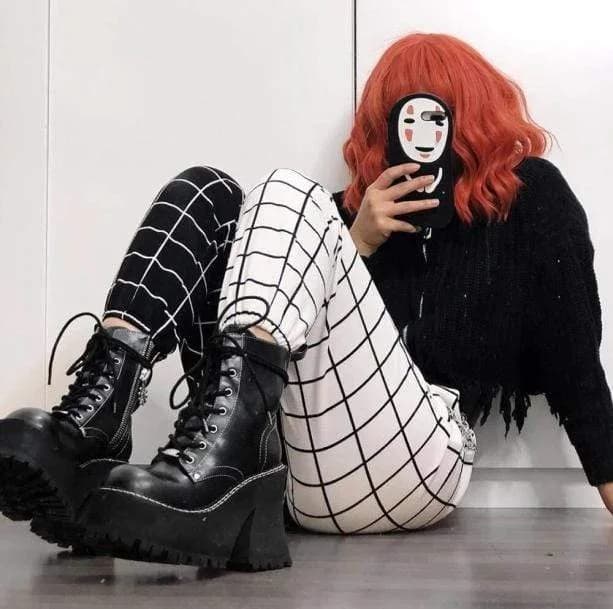
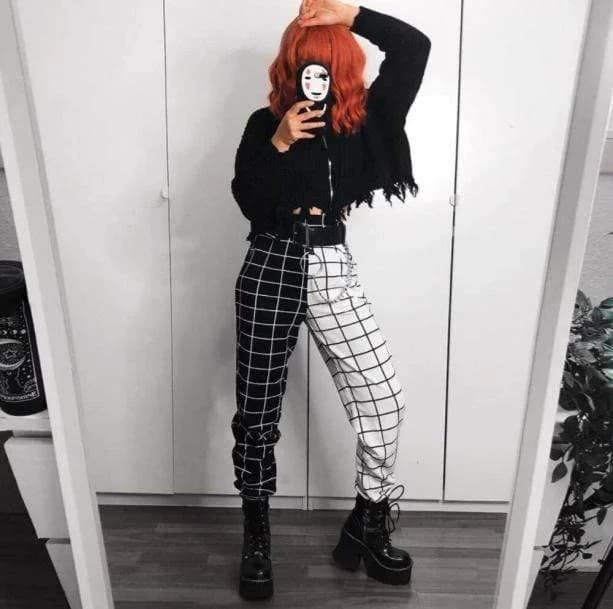
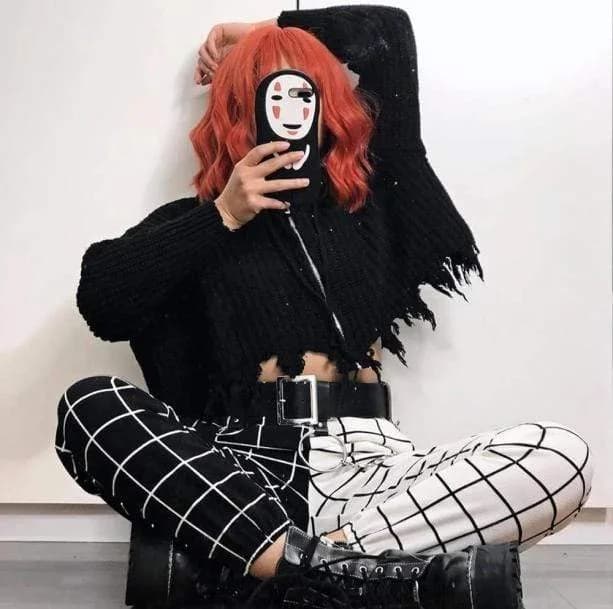
Because a phone case is compact and repeatedly brought into view, it pairs brilliantly with minimalist, structured garments. If your case features rich, painterly tones, you can wear simple dark trousers like the Black and White Pants in sizes S through XL. The high-contrast lower half creates a sharp, clean backdrop against which your handheld art piece clearly registers whenever you walk with your phone in hand.
When your phone case acts as the focal piece, keep your wallet, keychain, and wrist accessories simple. Neutral leather straps or plain cord lanyards keep the phone's artwork legible instead of visually tangled.
- Works best for: light travel days, library study sessions, casual coffee runs.
- Key companion pieces: clean-cut trousers, solid long-sleeve tees, plain canvas totes.
Building Outfits From the Canvas Up: Tops and Layers
Accessories do not exist in a vacuum; they interact directly with the shirts, knitwear, and vests you wear every morning. When surveying our broader art hoe clothes assortment, pay close attention to garment collars, chest graphics, and fabric drape before choosing an accent piece. A top with heavy visual details needs quiet accessories, while a tonal or solid top invites an adventurous focal piece.
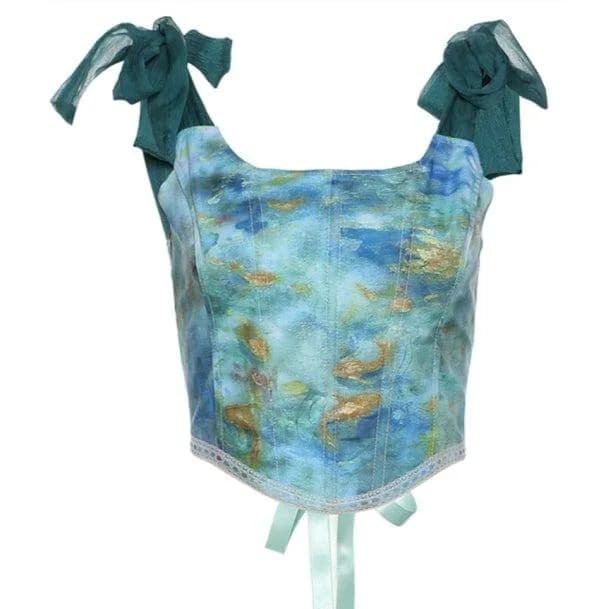
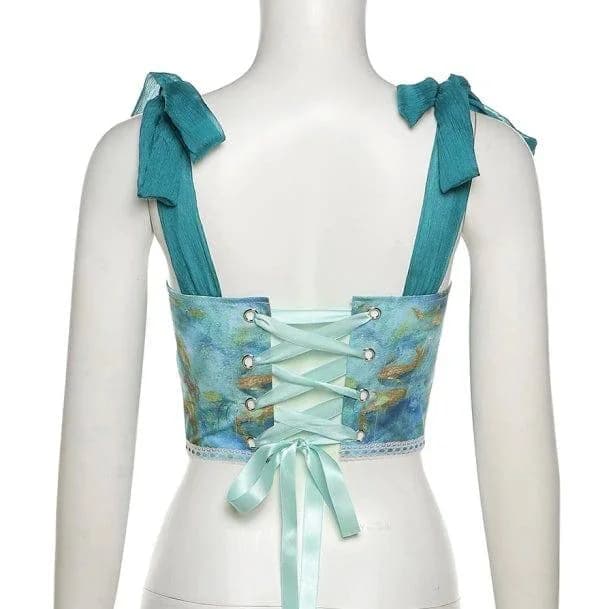
For instance, if you decide your focal item is a wide-brimmed corduroy hat or an art-inspired messenger bag, you can set an expressive yet balanced base with the Do You Think Of Me Top. Offered in options A and B in sizes S to L, its graphic typography introduces character while still providing a straightforward silhouetteThe overall shape an outfit creates, from fitted to loose and layered. that plays well with structured shoulder accessories. Alternatively, the Art Hoe Corset Top, which comes in Blue, Green, Yellow, and Black across sizes S to L, creates a sculpted shape that frames bold drop earrings or stacked wrist cuffs beautifully without competing for space.
Balancing layers also means balancing necklines. Avoid layeringWearing pieces over or under one another to add depth, warmth or contrast. busy collared shirts beneath thick crewneck sweaters if you intend to wear a focal necklace, as the competing collars and bands will swallow the jewelry entirely.
- High-graphic tops: pair with plain canvas bags, smooth rings, and minimal hair clips.
- Monochrome or solid tops: serve as an open canvas for bold pendants and painterly totes.
- Structured corsets: balance naturally with statement wristwear or sculptural earrings.


Lower-Half Foundations: Trousers, Skirts, and Proportion
The bottom half of your outfit provides physical and visual ballast. If your lower half is overly busy while your top half is crowded with accessories, your entire silhouetteThe overall shape an outfit creates, from fitted to loose and layered. feels top-heavy or cluttered. Wide-leg denim, straight-cut painter pants, and neutral utility trousers create a grounded foundation that allows your focal accessory to stand out naturally.
If you want your bottoms to bring energy without eclipsing your accessories, consider the Anime Girl Pants, available in sizes XS through XXXL. Because the trousers feature distinct illustrative details down the legs, they pair best when your accessories stay firmly disciplined. In this scenario, choose a very small, utilitarian focal point—such as a single brass signet ring or a monochrome phone case—to prevent your accessories from clashing with the lower-half illustrations.
Proportion also dictates where your accessories physically land. If you wear voluminous wide-leg pants, a tiny handbag can look lost, whereas a relaxed tote balances the wide hemline. Match the visual weight of your carryall to the scale of your trousers.
- Wide-leg bottoms: pair with medium-to-large tote bags and sturdy rings.
- Slim or cropped trousers: pair naturally with crossbody bags and delicate ankle or wrist accents.
- Graphic trousers: keep all jewelry and bags minimal to maintain balance.
Seasonal Temperature and Weather Adaptations
Weather conditions change how accessories function and interact with your outer layers. In warmer weather, when you wear lightweight pieces like the Indie Butterfly Sleeveless Top in sizes S through L, you have exposed arms and necklines that readily welcome focal jewelry, wrist cuffs, or a lightweight patterned tote bag. Because there are fewer fabric folds to compete with, a single creative piece immediately sets the mood.
In cooler temperatures or damp climates, outerwear covers most of your outfit, making hats, scarves, and bags your primary visible styling tools. Throwing on the Girls From The 90s Jumper, available in sizes S to L, gives you thick, vintage-inspired knitwear that holds up against chilly breezes. When wearing heavy knits, fine-chain necklaces can snag or vanish beneath collars, so pivot your focal point to a bold beret, sturdy rings over your cuffs, or a heavyweight canvas bag.
Rainy weather demands practical choices. If you are carrying an umbrella, a handheld phone case or handheld mini-bag will make your commute awkward. Pivot your focal point to secure stud earrings or a hands-free crossbody bag instead.
- Warm conditions: highlight bare collarbones and arms with statement pendants or layered bracelets.
- Cool conditions: use structured bags and distinct knit headwear that stand up to heavy wools.
- Wet conditions: favor hands-free crossbodies so your hands stay free for umbrellas.
Color Wheel Strategy: Harmonizing vs. Contrasting Accents
Choosing a focal accessory requires a deliberate color strategy. You do not need an art degree to make your pieces sing, but understanding basic color harmony prevents your accessories from looking accidental. You generally have two paths: an analogous approach, where your accessory shares the same color family as your top, or a complementary approach, where your accessory cuts across your outfit in a contrasting shade.
If you are wearing an earthy palette of olive green, mustard yellow, and warm cream, an analogous focal point might be an amber resin ring or a sunflower-printed tote. This creates a soft, cohesive mood that feels vintage and organic. Conversely, if you want your accessory to command instant attention, drop a vibrant cobalt blue phone case or ultramarine bag against those same mustard and cream garments. The complementary contrast makes the hero item pop immediately.
The only common misstep is introducing three or four competing primary colors across different tiny accessories. Keep the contrast focused in your hero piece, and let your secondary pieces pull from the base neutral tones of your clothing.
- Analogous styling: accessories stay within one to two steps on the color wheel from your clothes.
- Complementary styling: the hero accessory provides high-contrast contrast against a neutral base.
- Avoid: spreading bright red, blue, and green evenly across separate small items.
Balancing Texture: Canvas, Metal, Knit, and Leather
Texture adds dimension to creative outfits without requiring additional colors or prints. When putting together your look, evaluate the materials of your garments alongside the materials of your accessories. Combining too many rough, tactile items at once makes an ensemble feel heavy, while combining only flat, synthetic surfaces can make it look uninspired.
If you are wearing a soft knit like the Girls From The 90s Jumper, you already have significant woven texture on your chest and arms. Pairing it with a smooth, glossy phone case or polished metal jewelry creates an appealing interplay between soft wool and sleek, reflective surfaces. On the other hand, if your base outfit consists of smooth cotton tees and denim, introducing a heavy canvas bag or pebbled leather satchel adds welcome tactile depth.
Be mindful of material friction. Chunky, claw-set rings can easily catch and pull the threads of loose-knit sweaters. If your clothing features open weaves, choose smooth bezel-set stones or sleek bands for your focal jewelry.
- Soft knitwear: pair with polished brass, silver, or smooth protective phone covers.
- Flat cotton and denim: balance with textured canvas, corduroy bags, or raw-edge accessories.
- Delicate fabrics: keep jewelry surfaces smooth to prevent catching and snags.
Common Focal Point Mistakes and How to Fix Them
The most frequent error in creative accessorizing is the 'more is more' trap. When someone loves botanical prints, vintage paintings, and retro color paletteA small group of colors you repeat to make an outfit feel connected.s, it is tempting to wear a floral beret, artistic drop earrings, a painterly tote, and patterned socks all in a single afternoon. The result is visual fatigue; each unique item cancels out the next, leaving onlookers unsure of what to appreciate.
The fix is simple: subtract one or two items before heading out the door. If you realize your tote bag and your earrings are both clamoring for the lead role, switch the earrings to subtle metallic studs or swap the tote for a plain canvas bag. Your overall outfit will immediately look sharper and more curated.
Another recurring mistake is ignoring functionality. Choosing a tiny novelty bag as your focal point when you need to carry a sketchbook, water bottle, and laptop leads to awkwardness, forcing you to carry a second utilitarian bag that undermines your look. Always ensure your focal piece actually supports the practical realities of your day.
- Mistake: wearing multiple loud prints across jewelry, bags, and hats simultaneously.
- Fix: pick one print item and make every other accessory a solid neutral.
- Mistake: choosing a focal accessory that is uncomfortable or impractical for your plans.
- Fix: align your hero item with your daily tasks, using practical bags for busy workdays.
Occasion-Based Accessory Edits
Your focal accessory strategy should shift depending on where you are spending your day. An afternoon wandering through local museums calls for different priorities than an eight-hour shift at a desk, a university lecture, or an evening social gathering. By tuning your hero piece to your setting, you ensure both comfort and style.
For a casual day at school or the library, an artistic phone case or a spacious graphic tote bag from our art hoe bags collection serves as the perfect functional hero. It sits on the desk or slung over a chair, offering creative personality without getting in the way of writing or typing. Keep jewelry minimal so your wrists can rest comfortably against laptop keyboards or notebooks.
For evening meetups or weekend coffee dates, pivot your focal point to jewelry. Because you will be seated across from friends, delicate drop earrings or a curated necklace layered over the Art Hoe Corset Top naturally captures attention in conversation, while your day bag can be left resting out of sight.
- Study/Work: make a practical tote or phone case your focal piece; keep wristwear bare.
- Museums/Galleries: carry a comfortable crossbody and wear supportive, stylish walking layers.
- Evenings out: elevate the look with focal jewelry, neat collars, and compact carryalls.
How to Curate and Store Your Accessory Rotation
Keeping your accessories organized makes it significantly easier to pick a focal piece each morning. When jewelry is tangled in a dish and bags are piled in the back of a closet, you instinctively reach for whatever is on top, leading to repetitive or mismatched outfits. Curating a small, visible rotation lets you see your options clearly.
Store your art hoe jewelry on open trays or wall-mounted hooks where drop earrings and chains remain untangled and visible at eye level. Group your rings by metal tone or stone color so you can quickly assemble a supportive set once you have chosen your hero item. Hang your everyday bags on sturdy coat hooks rather than squishing them into drawers, which keeps their shapes intact and prints fresh.
Periodically inspect your collection and rotate items based on the current season. Rotating a few fresh pieces into your front row every month keeps your outfits feeling new without requiring an overflowing wardrobe.
- Display jewelry openly on dishes, ring cones, or hanging organizers to prevent tangles.
- Keep your two favorite bags hung on accessible hooks for quick morning edits.
- Store off-season or fragile accessories in breathable cotton pouches to protect prints.
Step-by-Step Styling Checklist
Before stepping out the door, take thirty seconds in front of a mirror to run through a quick styling checklist. This intentional pause helps you confirm that your focal point is doing its job and that your supporting pieces are playing their roles quietly. It takes the guesswork out of getting dressed and ensures your creative choices look deliberate.
Begin by identifying your hero piece. Ask yourself: 'What is the first thing someone notices about this outfit?' If the answer is clear—whether it is your painterly tote, your sculpted earrings, or your illustrative phone case—your foundation is solid. If you find your eyes darting between three competing accents, strip one away until the visual balance returns.
Next, check for comfort and mobility. Ensure your bag strap does not pinch your shoulder, your rings do not dig into your fingers, and your necklace sits flat against your top. Creative style should support your day, not hinder it.
- Identify the hero: Can you name your single focal accessory instantly?
- Check the supporting cast: Are your other accessories quiet, solid, or subtly tonal?
- Check fabric harmony: Does the texture of your bag and jewelry complement your clothing layers?
- Confirm comfort: Are you comfortable walking, sitting, and working with these pieces on?
Expanding Your Accessory Wardrobe Thoughtfully
As you refine your approach to choosing a focal anchor, you can slowly expand your collection with versatile, expressive pieces. Focus on acquiring items that offer distinct personalities rather than buying multiple variations of the exact same accessory. A well-rounded collection includes one dependable graphic tote, one pair of sculptural earrings, a reliable artistic phone cover, and a handful of neutral supporting items.
Browse through the full art hoe accessories range to identify gaps in your current rotation. If you already own plenty of necklaces but find yourself carrying plain, worn-out bags, prioritize an art-inspired shoulder bag to unlock new outfit formulas. If you primarily wear neutral knitwear, look for jewelry featuring organic shapes and warm metal tones that integrate easily into your daily outfits.
Thoughtful curation means buying pieces that work across multiple existing garments in your closet. When you purchase accessories with versatile colors and timeless artistic motifs, building balanced, expressive looks becomes second nature every single day.
- Audit your current rotation: identify whether you are heavy on jewelry, bags, or tech cases.
- Fill practical gaps: add pieces that serve functional needs while delivering creative style.
- Prioritize versatility: choose items that pair naturally with at least three outfits you already wear.