Created by the Kawaii Vibe editorial team. Our named style desks are editorial personas. Product details and availability can change.
Choosing the right bag to wear with an art hoe outfit usually comes down to solving a tug-of-war between practicality and silhouetteThe overall shape an outfit creates, from fitted to loose and layered.. When your look already combines textured knits, wide-leg bottoms, layered tees, and vintage-tinted tones, throwing any random bag over your shoulder can instantly throw off the line of your outfit. A bag that sits too high can bunch up an oversized sleeve, while a thin bag crammed with an e-reader, sketchbook, and water bottle creates awkward bumps that ruin an otherwise relaxed drape.
The key is knowing whether your clothes need a structured counterweight or a soft, slouchy companion. By matching your bag shape directly to the volume of your tops, skirts, and trousers, you can carry your daily supplies without turning your outfit into a heavy cluster of conflicting straps and bulky corners. This guide walks through exact silhouetteThe overall shape an outfit creates, from fitted to loose and layered.s, capacity benchmarks, and layeringWearing pieces over or under one another to add depth, warmth or contrast. adjustments to help you choose the best match for whatever your day demands.
1. Matching Bag Silhouette to Heavy Knits and Slouchy Layers
Bulky, textured knitwear forms a core piece of artistic casual styling, but heavy knits present immediate friction points for bags. When you wear a wide, boxy pullover like the Artistic Soul Sweater (available in One size), pairing it with a rigid, narrow-strapped shoulder bag often causes the strap to slip off the knit material or dig painfully into your shoulder seam. Knit folds want freedom of movement; dragging a tight bag across them creates bunching around your armpit and pulls the hem of your sweater crooked.
Instead, balance wide knits with either an elongated tote bag that drops well below the ribcage or an open-top carryall with wide webbing straps. The longer drop allows the boxy shape of the sweater to drape flat across your torso without fighting the strap. If you prefer to wear the bag cross-body, select one with an adjustable wide canvas strap, extending it so the bag body rests against your upper thigh rather than pinning the knit against your hip.
When building out your wardrobe from the wider Art Hoe Clothes category, check the sleeve construction before committing to a daily bag. Dropped shoulders and batwing cuts demand bags that do not rely on tight armholes. A low-slung, unstructured bag balances the top-heavy softness of a knit without flattening the garment's texture.
- Choose webbing straps over 3cm wide to prevent slippage on brushed knits.
- Ensure a minimum strap drop of 28cm for shoulder carry over thick sleeves.
- Position cross-body bags at the low hip to leave your ribcage unobstructed.


2. Structured Square Bags vs. Fluid Canvas Totes
When browsing Art Hoe Bags, you will notice an ongoing choice between boxy, firm-sided carriers and soft, unlined canvas shoppers. Each serves a very different visual role against your clothes. A structured square or rectangular bag provides a clean architectural edge, which cuts through loose, fluid layers. If you are wearing flowing trousers or an unbuttoned thrifted overshirt, a crisp rectangular bag acts as an anchor that prevents the entire outfit from looking messy.
Fluid canvas bags, on the other hand, soften rigid garments. When you wear sharp denim, structured utility coats, or tailored button-downs, a plain fabric tote collapses slightly against your side and adds an easygoing, lived-in touch. The trade-off is organizational: structured bags keep notebooks, pens, and glasses upright, while open totes let everything gather together at the base.
Before deciding, think about the dominant shapes in your outfit. If your top and bottom are both loose, a soft bag leans into the carefree, bohemian edge of street style, but might feel shapeless. Adding a structured messenger or a stiff mini-briefcase can restore balance, giving your overall line a clear, deliberate direction.
3. Balancing Wide-Leg Pants with Bag Length
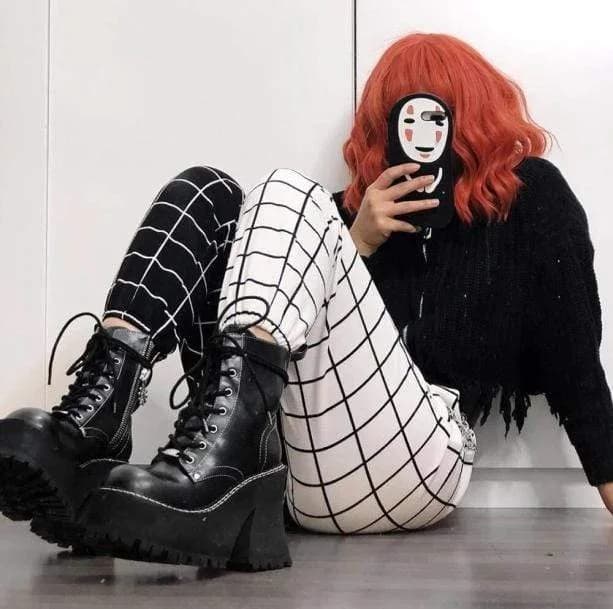
Pants with generous leg room create a strong horizontal sweep through the lower half of your body. If you wear wide garments like the Black and White Pants (offered in S to XL) or relaxed Anime Girl Pants (spanning sizes XS to XXXL), the bottom of your bag should not cut directly across the widest point of your trousers. A bag that hits straight at mid-thigh right where the trouser flares can make you look visually bottom-heavy.
To solve this proportion dilemma, shorten your bag straps so the carryall lands neatly at your natural waist, or lengthen them so it falls past the hip. A shorter strap keeps the eye focused on your upper torso, allowing the drape of the trousers to move freely beneath it. This works exceptionally well when you tuck in a fitted t-shirt or camisole, creating a clean vertical line down through the legs.
Alternatively, you can test a handheld bag or a short-strap shopper held at your side. Holding your bag down by your knuckles keeps your waistline totally clear, giving the graphic patterns and sweeping cuts of printed bottoms plenty of visual space without strap lines breaking up the pattern.
- Keep the bag base above the hip bone when pairing with extreme wide-leg trousers.
- Avoid mid-thigh crossbody bags that bump against sweeping fabric folds.
- Use handheld tote loops to keep the trouser silhouetteThe overall shape an outfit creates, from fitted to loose and layered. unbroken.

4. The Backpack Strategy for Hands-Free Days
For busy days packed with transit, campus walking, or trips to supply stores, a practical backpack is hard to beat. Within the collection of Art Hoe Backpacks, shapes typically range from vintage rucksack styles to modular utility packs. The challenge with backpacks in art hoe styling is preventing your outfit from looking like standard gym gear or basic utility wear. You want the pack to feel like an intentional part of the color paletteA small group of colors you repeat to make an outfit feel connected..
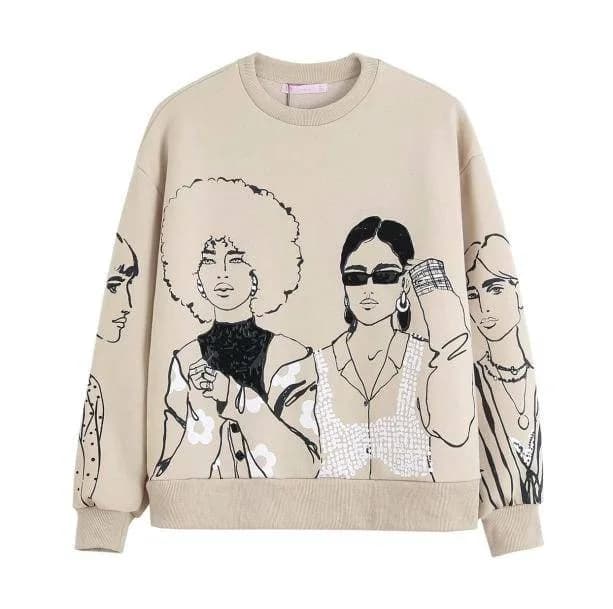
Backpacks look best paired with casual mid-layers, such as chore jackets, work shirts, or the relaxed Girls From The 90s Jumper (available in S, M, and L). Because a backpack draws two vertical lines over your chest, it helps break up wide-print tops and grounds high-contrast designs. Position the straps so the pack sits squarely between your shoulder blades rather than sagging down past your lower back, which protects your posture and keeps long sweater hems smooth.
Pay attention to material contrast when choosing a backpack. If your outfit features soft cotton jerseys or woollen pieces, a matte canvas or treated nylon pack adds a neat, utilitarian contrast. For warm climates, choose a backpack with a breathable back panel to protect lighter tops from sweat marks during long walks.
5. Micro Bags and Compact Carry Options for Fitted Tops
While large bags handle full-day errands, micro bags and mini pouches give structured, form-fitting tops room to shine. When you wear a sharp silhouetteThe overall shape an outfit creates, from fitted to loose and layered. like the Art Hoe Corset Top (available in Blue, Green, Yellow, and Black across sizes S, M, and L), a gigantic canvas tote can completely cover up the cut and lacing details of the garment. A compact shoulder bag tucked right under the arm keeps your torso visible and accentuates the waistline.
Mini bags challenge you to carry only the bare essentials: phone, cards, house keys, and a lip balm. By cutting back on carried weight, you avoid pulling tight tops to one side. The small footprint of a mini bag also works neatly with cropped styling, resting right in the gap between your ribcage and the waistband of high-rise denim.
If you like the tiny aesthetic but still need to carry creative tools, use a micro bag for your valuables and keep a lightweight, folded tote rolled up inside it. That way, if you pick up a book or art supplies during the day, you can deploy the second bag without compromising your initial streamlined look.
- Select under-arm shoulder bags with drops between 18cm and 22cm for fitted tops.
- Use slim chain or narrow leatherette straps to avoid obscuring bodice stitching.
- Carry a foldable spare pouch for unexpected shopping loads.

6. Finding the Ideal Tote Bag Drop and Capacity
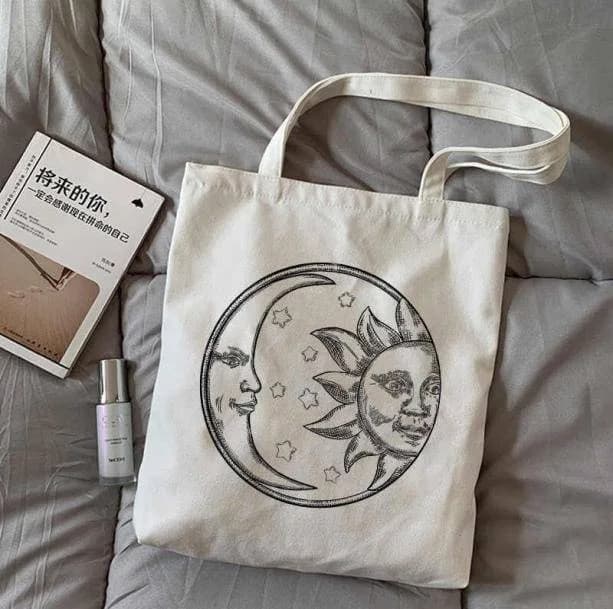
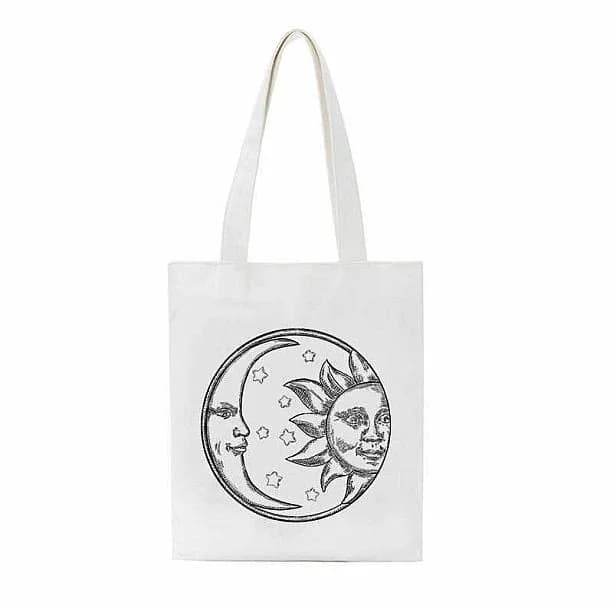
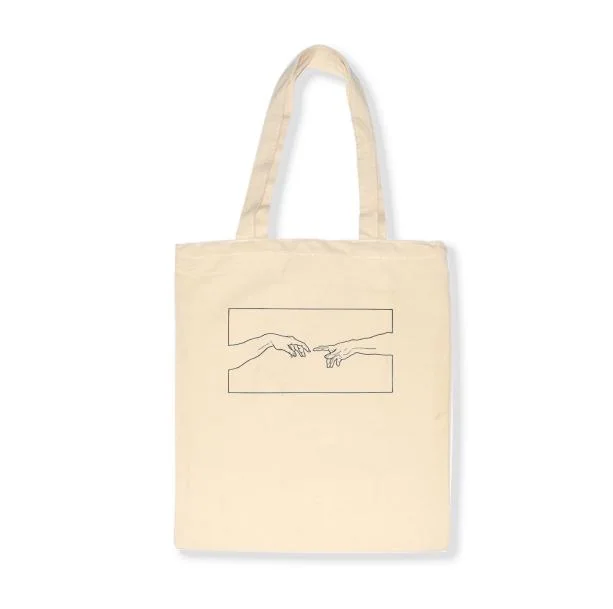
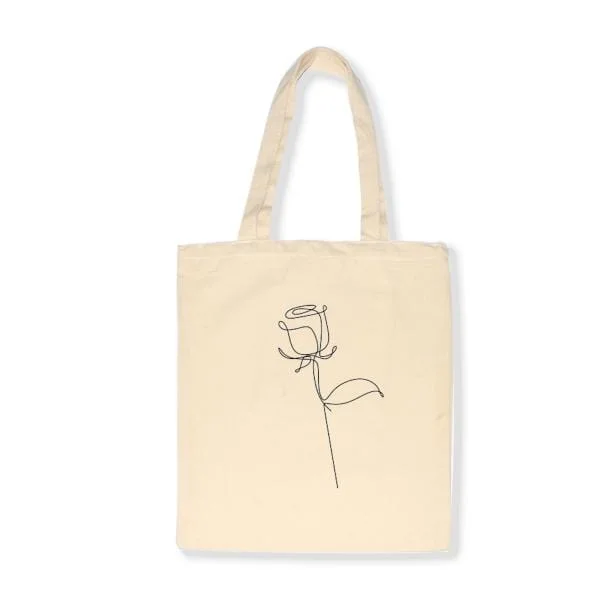
The classic fabric shopper remains the most popular companion for art-focused everyday looks, but not every canvas carryall functions comfortably. You can see the full range of options in Art Hoe Tote Bags, where capacity and handle drop vary significantly. A common mistake is buying a tote with handles that are too short to comfortably clear your shoulder when wearing an autumn coat or chunky layer.
To check handle suitability, measure the strap drop from the peak of the handles down to the bag opening. A drop of 25cm works fine for light summer tees, but you will need at least 30cm if you plan to wear it over cardigans, denim jackets, or trench coats. Anything shorter forces you to carry the bag exclusively in the crook of your elbow, which ties up your arm and limits mobility.
In terms of internal capacity, look for designs that offer a flat rectangular base panel rather than simple envelope construction. A flat bottom allows square objects like sketchbooks, planners, and watercolor tins to lay flat without tipping into each other, preserving both your tools and the clean external drape of the bag.
- Opt for a minimum 30cm strap drop for year-round outer-layer compatibility.
- Prioritize gusseted bases over flat two-panel seams for book storage.
- Reinforced cross-stitching at handle joins is essential for carrying heavy media.
7. Styling Cropped and Sleeveless Tops with Crossbody Straps
Warm weather brings breezy tops into the mix, but bare shoulders change how cross-body bags interact with your skin and clothing. Pairing the Floral Crop Top (in sizes S, M, and L) or the Indie Butterfly Sleeveless Top (S, M, L) with a heavy, textured strap can cause chafing against the collarbone during long walks. A harsh strap can also pull delicate spaghetti straps down or shift a cropped neckline out of place.
When styling sleeveless or cropped items, pick bags with smooth, rounded straps or softer cotton tape. Alternatively, adjust your crossbody strap so the bag rests comfortably in front of your hip rather than swinging behind you, which reduces friction against your bare shoulder as you walk. If you love a rugged strap, wear a light, unbuttoned linen or poplin shirt over your top to serve as a barrier.
Cropped silhouetteThe overall shape an outfit creates, from fitted to loose and layered.s also mean your waist is a primary focal point. A crossbody bag that sits directly across the crop line can feel crowded. Let the strap drop slightly lower so the main body of the bag rests on your hip, leaving the midriff area clear and maintaining the breezy proportions of the top.
- Choose soft, edge-finished straps when wearing sleeveless tops to prevent chafing.
- Layer an unbuttoned overshirt to act as a buffer against heavy canvas straps.
- Let the bag settle at the upper thigh to keep the cropped hemline visible.
8. Accessorizing and Personalizing Your Bag
In street style, your bag is rarely meant to look pristine or fresh out of a boutique box. A big part of the creative aesthetic involves customizing your bag with unique, personal touches that mirror your wardrobe. Within Art Hoe Accessories, you can find enamel pins, fabric badges, keychains, and playful trinkets that transform a simple tote or backpack into an evolving collage of your interests.
When pinning badges to a canvas tote or daypack, spread them deliberately rather than clumping them all in one spot. Place heavier metal pins near the sturdier base seams or across flat front pockets where the fabric is doubled up. This prevents the weight of the metal from pulling and tearing single-layer fabric. If you attach metal key rings or plush charms, clip them to the base of the strap handle where movement won't knock them repeatedly against your hip.
Beyond pins, tying a patterned bandanna or vintage cotton scarf around the base of a bag handle adds texture and introduces complementary colors. If your outfit is primarily neutral denim and earth tones, a colorful scarf knotted to your tote handle ties the palette together instantly.
- Distribute pins across reinforced seams to avoid warping thin canvas.
- Clip dangling charms to strap anchors to minimize noise and body bounce.
- Tie cotton bandannas to handles to introduce complementary color accents.
9. Organizing Art Supplies, Tech, and Notebooks
An art hoe bag needs to do real daily work, which usually means holding a combination of electronics, writing instruments, and creative notebooks. Throwing loose pens and paint markers into an unlined tote bag is an easy way to ruin both your bag and whatever clothes it rubs against. Ink bleed through thin canvas is common and almost impossible to wash out completely.
Keep a structured pencil wrap or zippered tin inside your main compartment to protect your materials. If you regularly carry an iPad or laptop alongside an A5 or A4 sketchbook, pick a bag that features an internal slip sleeve. Keeping tech separated from paper prevents spiral bindings from scratching your screen and stops water bottles from condensing directly onto your sketchbook pages.
Organizing your bag into modular pouches also makes switching between bags fast and easy. If your tools, chargers, and cosmetics are already grouped into three distinct pouches, you can move from a slouchy canvas tote to a small weekend pack in thirty seconds without leaving vital gear behind.
- Store drawing supplies in lined pouches to avoid canvas ink stains.
- Use an internal separator to keep spiral-bound books away from screens.
- Pack a dedicated water-resistant pouch for drinks to protect paper journals.

10. Color Balancing: Earth Tones vs. Primary Brights
Color coordination is an expressive pillar of artistic dressing, often balancing rich vintage hues against vibrant primary accents. If your outfit already features expressive, colorful pieces like the Do You Think Of Me Top (options A and B, sizes S to L), you have two distinct color routes for your bag: you can echo one of the tones in your shirt or choose an earthy, grounding shade like olive, tan, or washed mustard.
A neutral bag in unbleached ecru, khaki, or faded black acts as a visual reset button, allowing high-contrast patterns on your top or trousers to stand out without distraction. This is especially helpful if your outfit incorporates multiple prints, such as checks combined with floral embroidery.
If your clothing leans heavily into monochromatic basics—like a plain black tee and faded blue jeans—your bag can step up as the primary focal point. A bright sunflower yellow canvas tote, a cobalt blue messenger, or a multi-panel pastel rucksack instantly injects personality into an otherwise understated base layer without requiring you to change your wardrobe pieces.
11. Weather Proofing and Material Realities
While traditional cotton canvas and soft corduroy are staple textures in artistic styling, they react poorly to sudden rain. A standard unlined canvas tote absorbs water quickly, putting delicate sketchbook paper, books, and electronics at risk. When bad weather is on the forecast, you need to adjust your bag material without losing the relaxed spirit of your look.
Look for bags made from treated water-resistant canvas, heavy-gauge ripstop nylon, or lined faux leather. These materials repel light showers while preserving the casual, utilitarian drape you want. If you are deeply attached to an unlined cotton tote, consider using a fabric-protecting wax or water-repellent spray, testing it on an unobtrusive corner first to make sure it does not darken or stiffen the fabric.
Sweat and humidity are another factor in warmer climates. Carrying a heavy vinyl or faux-leather crossbody directly against a light cotton t-shirt on a hot day traps moisture and leads to sweat stains. Swap to breathable cotton or linen canvas carriers during humid months, saving your non-porous and heavier structured bags for cooler days.
12. Evaluating Scale: Petite vs. Oversized Frames
The scale of your bag in relation to your personal frame directly affects the overall balance of your outfit. A truly gigantic, oversized studio tote might look delightfully effortless in a flat-lay photo, but if you have a petite frame, it can easily overwhelm your torso and make you look weighed down. Conversely, a tiny pouch can look lost against tall, broad shoulders paired with an oversized coat.
When testing scale, step back and look at your entire silhouetteThe overall shape an outfit creates, from fitted to loose and layered. in a full-length mirror. A standard day tote should ideally not extend wider than your hips when viewed from the front. If the edges of the bag flare out several inches beyond your body, it creates a wide horizontal block that disrupts your outfit's natural flow.
For larger frames, generous boxy totes and multi-pocket utility messengers create a proportionate, balanced shape. For smaller frames, medium-capacity bags that measure roughly 30cm by 35cm deliver plenty of room for books and daily essentials without engulfing your clothes or dragging along your knees when carried by the handles.
- Ensure tote width does not exceed your hip width when viewed front-on.
- Tuck medium-sized bags close to the torso on petite frames to keep lines clear.
- Scale up bag hardware and strap width to match broad-shouldered coats.
13. Common Styling Mistakes to Avoid
One common mistake when styling bags for art-inspired outfits is letting strap lengths pull garments off-center. When a heavy bag is worn diagonally across an open cardigan, chore jacket, or button-up shirt, it routinely pins one lapel flat while the other flaps loosely. To avoid this, either button your outer layer securely or slip the bag underneath the open coat directly over your base shirt.
Another regular pitfall is strap clash. If you are already layeringWearing pieces over or under one another to add depth, warmth or contrast. multiple necklaces, a lanyard, or a patterned camera strap, adding a bag with an ornate, multi-colored strap creates a messy tangle across your chest. When your jewelry and accessories are complex, choose a bag with a plain, unadorned strap to let your other details stand out clearly.
Finally, avoid the temptation to overstuff soft fabric totes until they bulge into hard, lumpy balls. When an unstructured canvas tote is packed past capacity, it loses its clean drape, strains the handle stitching, and rubs uncomfortably against your hips as you walk. If your daily load is heavy, switch to a supportive daypack rather than pushing a tote beyond its limits.
- Never strap a cross-body bag over an open coat without securing the lapels.
- Keep bag straps minimal if wearing layered necklaces or lanyards.
- Switch to structured backpacks when your carry load starts distorting tote shapes.
14. The Daily Selection Checklist
To make choosing a bag completely effortless every morning, use a quick mental checklist before stepping out the door. Start with what you are carrying: if you need a laptop, heavy art journals, or a water bottle, eliminate micro bags and thin-handled totes immediately. Choosing an undersized bag for a heavy load leads to sore shoulders and rumpled clothes within an hour.
Next, check your silhouetteThe overall shape an outfit creates, from fitted to loose and layered. and sleeve volume. If you are wearing wide sleeves, dropped shoulders, or a thick piece like the Artistic Soul Sweater, grab a bag with an extended strap drop or a backpack that will not pinch your sleeves. If your outfit is fitted and streamlined, like the Art Hoe Corset Top, pair it with a compact shoulder carryall to keep your lines clean.
Lastly, glance at your color balance and the weather outside. Make sure your bag either grounds your brights with an earthy neutral or supplies an intentional splash of color to a simple base. If rain threatens, swap raw canvas for water-resistant finishes. Taking thirty seconds to match your bag to your clothes and your day ensures your look stays comfortable, functional, and visually balanced all day long.
- Weight check: Are your items safely supported without stretching the bag fabric?
- Sleeve check: Does the strap drop clear your knitwear or jacket without pinching?
- Proportion check: Does the bag sit at a natural break in your clothing silhouetteThe overall shape an outfit creates, from fitted to loose and layered.?