Created by the Kawaii Vibe editorial team. Our named style desks are editorial personas. Product details and availability can change.
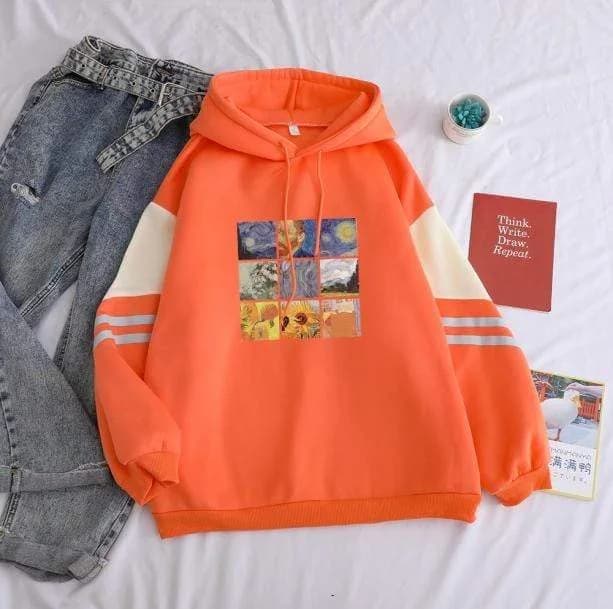
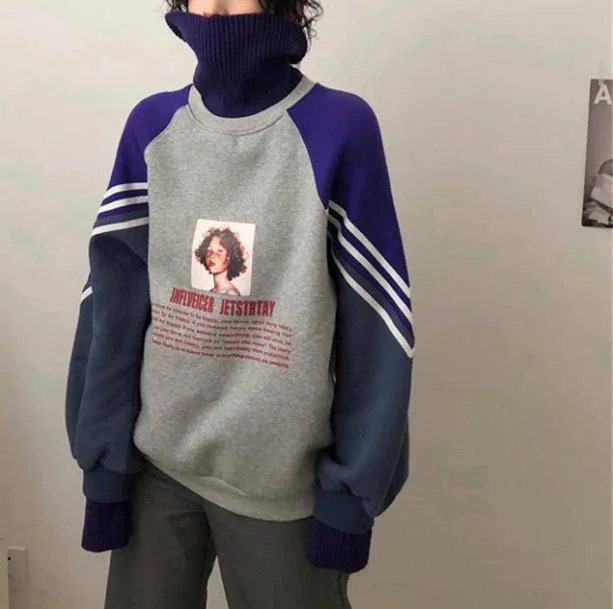
Balancing an art hoe hoodie comes down to handling weight, volume, and visual texture so your silhouetteThe overall shape an outfit creates, from fitted to loose and layered. feels intentional rather than overwhelmed. Because these fleeces typically feature dropped shoulders, boxy midsections, and thick ribbed cuffs, pairing them haphazardly with loose bottoms can collapse the frame. The goal is to carve out distinct lines across your torso and legs without flattening the relaxed personality of the piece.
Getting the look right means looking closely at where hems hit, how collar lines stack up, and what textures sit underneath or around your fleece. Whether you are pairing an oversized pullover with straight corduroys or draping a front-zip version over lighter separates, fine-tuning your outfit balance helps the classic graphic or botanical motifs stand out naturally.
In this guide, we break down structural layeringWearing pieces over or under one another to add depth, warmth or contrast., hemline management, bottom-half counterweights, and texture mixes. You will find practical ways to work with different lengths, contrast dense fabrics with soft bases, and build outfits that hold their shape through daily wear.
The Core Ratio: Managing Dropped Shoulders and Torso Volume
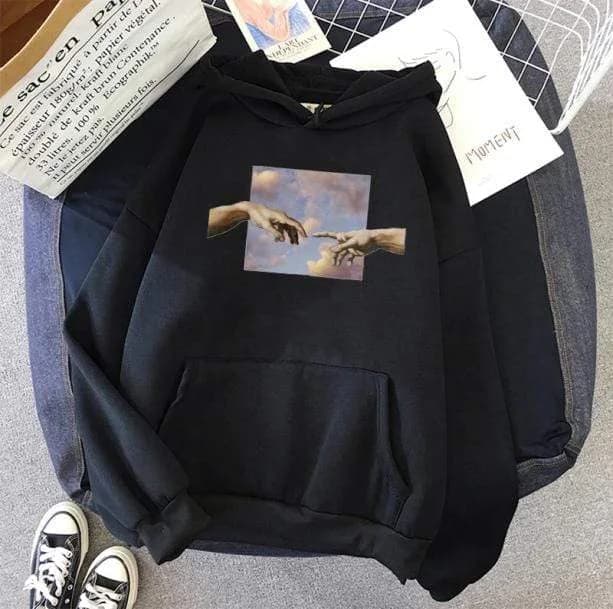
Art hoe styling leans heavily into slouchy, dropped-shoulder hoodies that add considerable bulk across the upper arms and chest. When an upper garment carries this much physical presence, the primary challenge is establishing where your natural torso ends so you do not appear swallowed by fabric. Leaving an oversized hoodie to hang completely flat creates a continuous rectangular block that shortens the apparent length of the legs.
To stabilize this volume, focus on the tension between your waistband and the hoodie ribbing. Tucking the lower elastic hem up and under against your waist creates an inward fold that instantly breaks up torso length. Alternatively, letting the hoodie fall naturally works best when contrasted against trousers that sit high on the hips, preserving a grounded center of gravity without requiring tight garments.
You can also temper wide sleeves by anchoring the wrists. Pushing the ribbed cuffs toward your forearms exposes the narrowest part of your arm, which visually offsets wide cut-and-sewn panels. This small adjustment keeps deep-armhole silhouetteThe overall shape an outfit creates, from fitted to loose and layered.s looking casual and purposeful rather than ill-fitting.
- Fold the bottom hem ribbing inward to artificially shorten a long torso cut.
- Expose wrist lines to balance out loose, batwing or dropped sleeves.
- Pair wide upper chests with mid-to-high waist pants to keep vertical proportions intact.

Base Layers and Collars: What Sits Beneath the Fleece
A hoodie rarely exists in isolation within an art-focused wardrobe; what peeks out at the neckline and lower edge defines the outfit's character. LayeringWearing pieces over or under one another to add depth, warmth or contrast. an open, unbuttoned or wide-hooded fleece over structured necklines creates depth. A classic cotton collared shirt worn underneath introduces sharp lines that cut through the rounded, pillowy structure of brushed fleece.
Lightweight knits and baby tees also provide functional contrast. If your outer layer is a roomy pullover, sliding a fitted base like the Do You Think Of Me Top underneath gives you a comfortable, slim foundation against the skin. Choosing between Option A or Option B allows you to tweak subtle graphic notes, and having that fitted layer ensures you stay comfortable if you warm up and take the hoodie off.
When layeringWearing pieces over or under one another to add depth, warmth or contrast. beneath pullovers, avoid bulky waffle knits or heavy jerseys that bunch up at the armpits. Smooth jersey cottons and silky micro-ribbed tees slide easily under fleece linings, preventing the outer sleeves from twisting awkwardly throughout the day.

Controlling Hem Heights with Skirts and Pinafores
Pairing hoodies with skirts requires precise attention to hemline drop. An oversized hoodie that falls past the mid-thigh can easily swallow an A-line mini skirt, creating an unbalanced look where the skirt barely peeks out like an afterthought. To make this pairing work, your skirt hem should extend at least four to six inches below the lower edge of the fleece.
Pleated tennis skirts, corduroy button-fronts, and pinafores offer crisp, geometric lines that contrast well with soft fleece curves. If you are layeringWearing pieces over or under one another to add depth, warmth or contrast. under a loose pinafore dress, select a medium-weight fleece that will not overstretch the pinafore straps or bunch up around the side seams. The goal is to let the skirt supply structure while the hoodie provides easy volume up top.
For midi and maxi lengths, balance shifts toward waist placement. A boxy, slightly cropped hoodie prevents long skirts from dragging your silhouetteThe overall shape an outfit creates, from fitted to loose and layered. down. If your hoodie is standard hip length, use a structural fold or pin at the back hem to bring the visual break closer to your natural waistline, allowing the skirt to flare freely.
- Maintain at least 4 to 6 inches of skirt visibility below the hoodie hem.
- Use boxier, shorter cuts when pairing with long midi or maxi skirts.
- Opt for stiffer cotton twill or corduroy skirts to anchor spongy fleece fabrics.
Balancing Wide-Leg Pants and Cargo Trousers
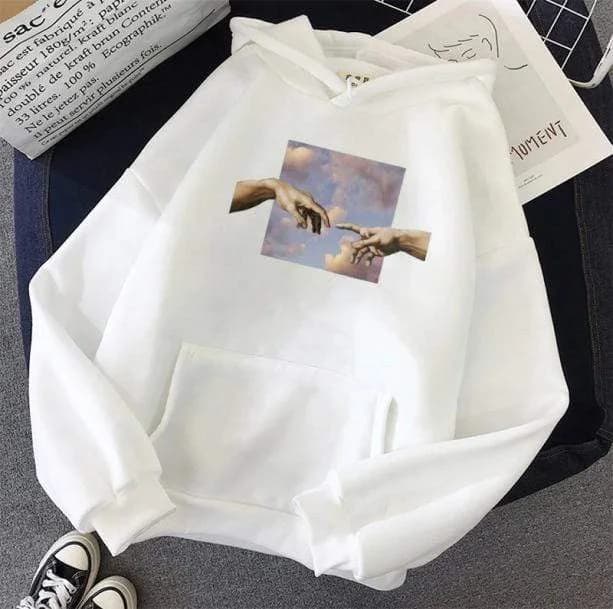
Wearing wide trousers with a wide fleece is a signature art hoe combination, but it requires deliberate vertical structure so the pieces do not merge into a shapeless column. The key to wearing generous bottoms lies in crisp waist definition or distinct texture differentiation. Clean twill, structured denim, or patterned canvas provide the necessary backbone beneath soft fleece.
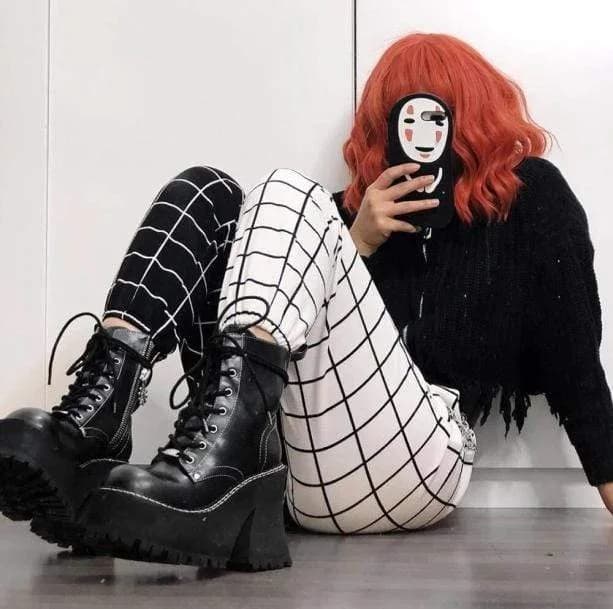
For an expressive graphic foundation, pairing an understated earthy fleece with the Black and White Pants introduces clean, contrasting geometry that cuts straight through casual upper-body volume. The stark visual layout of the pants prevents the outfit from looking like standard loungewear, giving clear direction to the lower half.
Ensure that long trousers break cleanly over your shoes rather than pooling into excessive folds at the ankles. When both your top and bottom garments are cut loose, a tidy shoe break—where the trouser cuff hits the top of your footwear with a single fold—restores intentional polish to the overall drape.
Textural Contrast: Corduroy, Velvet, and Brushed Fleece
A monochrome or earth-toned outfit can quickly look dull if every piece shares the same matte, smooth surface. LayeringWearing pieces over or under one another to add depth, warmth or contrast. an art hoe hoodie effectively means playing opposing textures against one another. The matte softness of cotton fleece acts as a neutral backdrop that highlights ribbed, plush, or textured companion pieces.
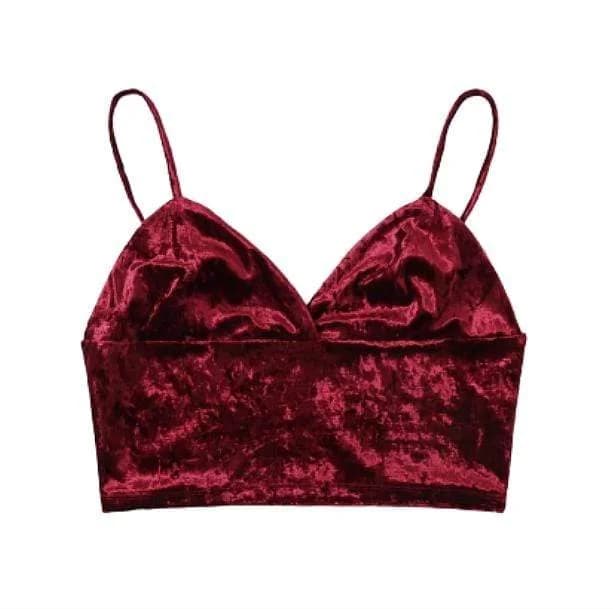
Introducing richer surfaces elevates a basic hoodie look. You might wear an unzipped fleece jacket over the Vintage Style Velvet Top, which features a distinctive velvet and polyester blend available in sizes S through XL. The lustrous, light-catching sheen of the velvet top provides a striking counterpoint to the flat, utilitarian texture of standard sweatshirt cotton.
Similarly, chunky wide-wale corduroys, canvas tote bags, and ribbed beanies introduce micro-textures that build visual interest. When assembling your outfit, aim for at least three distinct fabric textures: a soft fleece mid-layer, a structured woven bottom, and a contrasting inner top or tactile accessory.
- Offset flat sweatshirt cotton with reflective or plush textures like velvet.
- Use wide-wale corduroy trousers to add tactile weight beneath smooth fleeces.
- Avoid pairing identical flat-knit fabrics from head to toe to prevent a pajama-like feel.
Cropped Cuts vs. Tucked Hems: Where Your Hoodie Should Hit
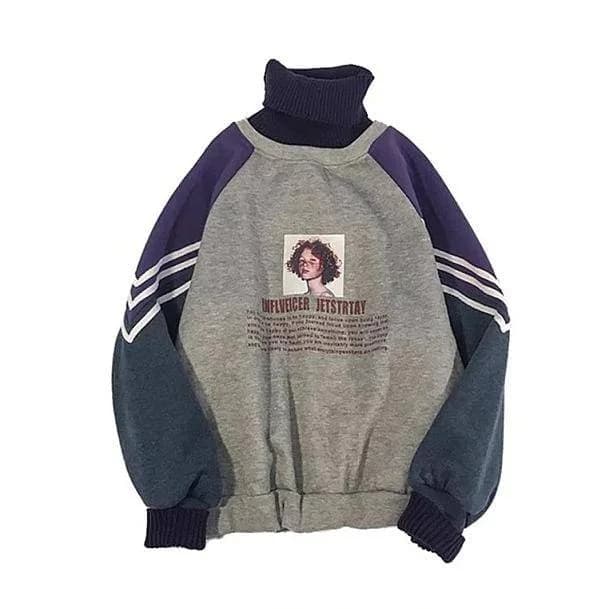
Understanding the difference between a factory-cropped hoodie and a manually folded hem changes how your trousers sit. A cut-off or factory-cropped fleece naturally finishes at the high hip or natural waist, completely exposing the belt line and pockets. This cut works smoothly with relaxed utility trousers and carpenter pants because it leaves the utilitarian hardware on full display.
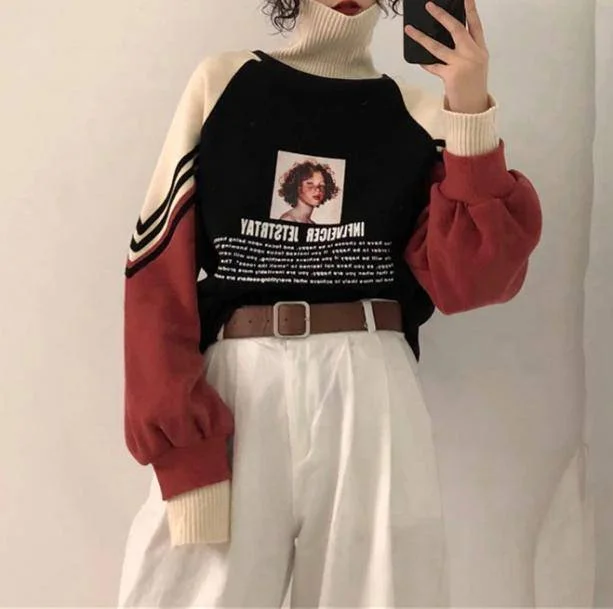
Standard pullovers, by contrast, feature wide elastic waistbands designed to grip the hips. If you want a shorter look without cutting the garment, folding the elastic band under itself holds the hem at the waistline, though it increases bulk around the midsection. This technique works best with sturdier heavyweight fleeces that hold their shape against friction without sliding down every few minutes.
When styling extended, tunic-length hoodies, commit to the length completely rather than fighting it. Treat extra-long cuts almost like casual tunic dresses, pairing them over slim-straight denim or bicycle shorts, while avoiding half-measures that awkwardly bisect the widest part of your hips.
Pattern Clashing and Placement: Graphics, Checks, and Florals
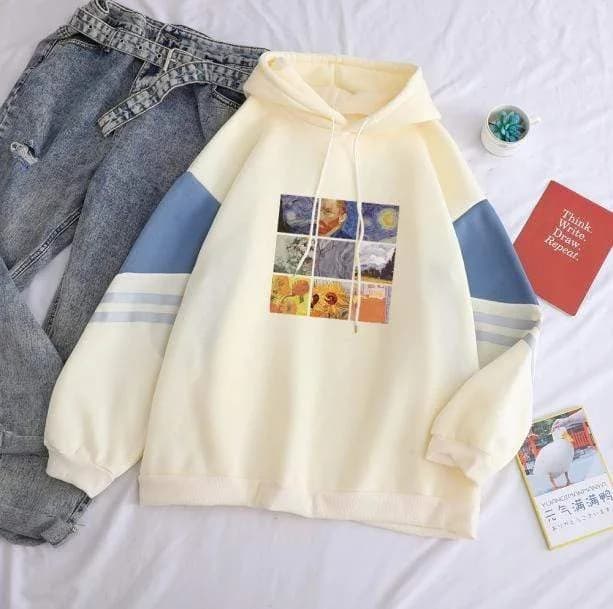
Many hoodies in this aesthetic showcase painterly fine art prints, botanical sketches, or subtle literary quotes across the chest or back. Integrating these designs requires monitoring the other patterns in your outfit so prints do not compete for attention. If your hoodie features an elaborate back graphic, keep front layers understated so the artwork remains the focal point.
Plaids and checks pair naturally with art hoe fleeces, provided the grid sizes balance out. A micro-gingham collared shirt poking through the neckline of a graphic hoodie adds vintage charm without clashing. However, wide buffalo plaids or bold animal prints will fight with fine-line botanical art, making the upper half feel visually chaotic.
For outfits featuring illustrated pants, like the Anime Girl Pants, pair them with a solid, minimally branded fleece. Letting the detailed graphic print on the pants carry the lower half while the hoodie provides quiet, grounded color above ensures the pieces complement each other rather than clashing.
- Pair busy illustrative prints with solid or micro-patterned companions.
- Check whether graphic placement is chest-focused or back-focused before picking jackets.
- Balance detailed pant graphics with quiet, solid-toned hoodies up top.

Outer Layering: Overcoats, Work Jackets, and Trench Coats
When dropping temperatures require more than a fleece, fitting a hoodie under an outer coat demands careful sleeve and collar management. Thick fleece arms can easily bunch up uncomfortably inside tailored sleeves, restricting your elbow movement and pulling the shoulders out of alignment. Choosing outer layers with relaxed armholes is essential for comfortable layeringWearing pieces over or under one another to add depth, warmth or contrast..
Classic workwear jackets, oversized denim trucker jackets, and loose chore coats sit cleanly over mid-weight hoodies. When styling these together, ensure the hoodie hood rests entirely outside the coat collar, pulled back flat against the upper back. Leaving the hood bunched halfway inside an overcoat collar looks messy and creates uncomfortable pressure on your neck.
Long wool overcoats or trench coats offer an appealing high-low contrast against casual fleece. The structured lapels frame the front of the hoodie, while the long hemline extends well below the sweatshirt, introducing vertical lines that elongate your body even when wearing thick winter pieces.
Choosing Between Hoodies and Alternative Tops
While hoodies offer reliable warmth and effortless drape, they are not always the right choice for every outfit concept. Understanding when to reach for an alternative top helps you maintain proportions across different settings and temperatures. A thick hood adds visual bulk around the neck and traps heat, which can feel restrictive on milder days or under heavy scarves.
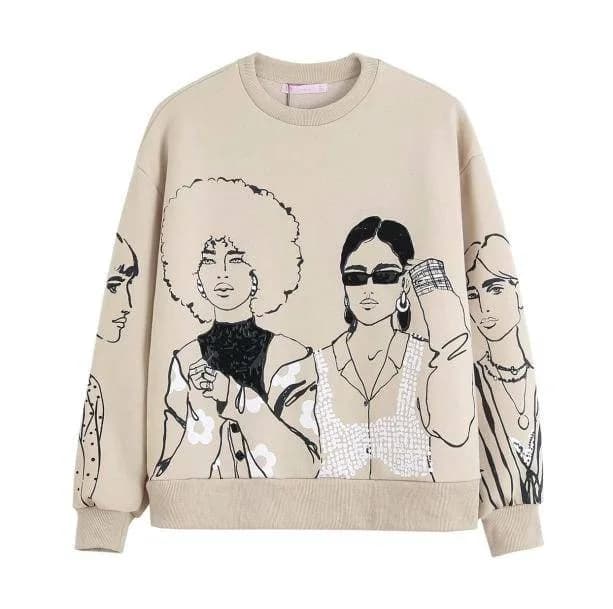
When an outfit needs relaxed softness without the sporty bulk of a fleece hood, browsing art hoe sweaters offers a great way to soften your neckline. A piece like the Artistic Soul Sweater, which comes in a relaxed One Size cut, gives you immediate artistic texture and roominess while leaving your neck open for delicate necklaces, turtlenecks, or wide collars.
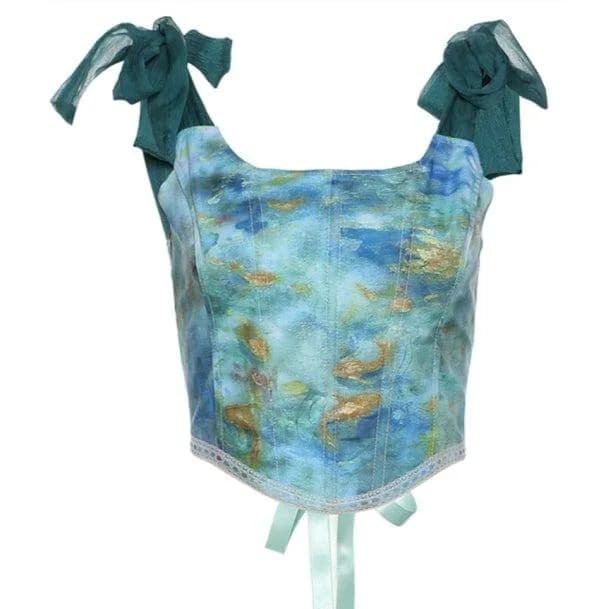
For structured retro layeringWearing pieces over or under one another to add depth, warmth or contrast. that skips knitwear altogether, exploring art hoe tops helps you solve mild-weather styling. Pieces like the Art Hoe Corset Top, offered in Blue, Green, Yellow, and Black across sizes S to L, provide crisp tailoring and waist definition that contrast completely with slouchy fleece cuts. Rotating between structured tops, knit jumpers, and cotton fleeces keeps your aesthetic varied and practical.
Lightweight Summer and Warm-Weather Adaptations
Warm weather does not require retiring the aesthetic entirely; it simply calls for strategic swaps and breathable fabrics. In rising temperatures, dense brushed fleece becomes uncomfortable, making light cotton-terry hoodies or short-sleeved alternative bases far more sensible. You can also drape a thin fleece over your shoulders as an accent layer for air-conditioned spaces.
On warm afternoons, explore the lighter end of the spectrum with art hoe t-shirts. Swapping out a heavy sweatshirt for a printed vintage tee keeps the painterly theme intact while allowing your skin to breathe. You still get the relaxed, boxy torso cut typical of the aesthetic without trapping body heat under thick fleece linings.
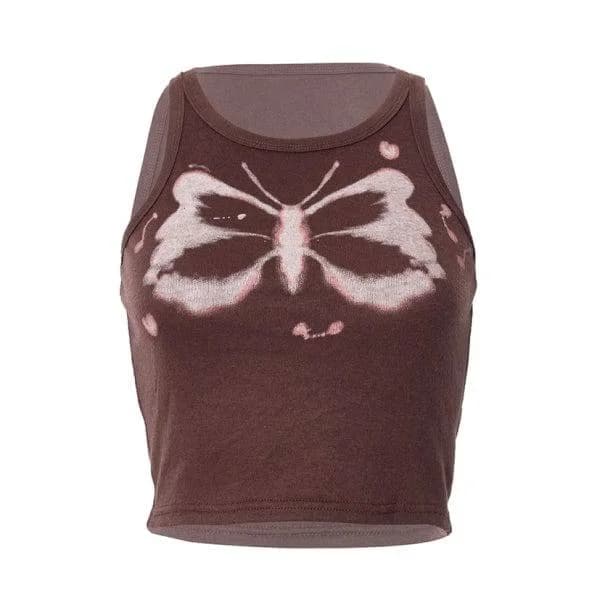
Another breathable styling trick involves pairing sleeveless statement pieces under open, zip-up light hoodies. The Indie Butterfly Sleeveless Top in sizes S through L acts as a light base that sits smoothly under an unzipped hoodie. This setup lets you vent heat easily while keeping graphic interest visible down the center front of your outfit.
- Choose unbrushed cotton-terry rather than thick fleece during transitional warm weeks.
- Drape lightweight hoodies diagonally across the torso or tie them loosely around the shoulders.
- Rely on sleeveless tops and graphic tees as breathable inner layers.
Footwear Foundations: Grounding Slouchy Upper Halves
Footwear choices establish how an oversized top half connects with the ground. Because art hoe hoodies add soft volume around the shoulders and waist, lightweight, narrow shoes like running trainers or thin canvas slip-ons can look visually overwhelmed, making the outfit appear top-heavy.
Sturdy footwear provides the physical weight needed to anchor slouchy silhouetteThe overall shape an outfit creates, from fitted to loose and layered.s. Classic canvas high-tops, platform oxfords, chunky loafers, and durable leather work boots counterbalance broad shoulders. When wearing wide-leg trousers over sturdy boots, the solid sole creates a firm base that keeps the loose pant legs from looking sloppy.
Socks also play a key styling role when wearing skirts, shorts, or cropped trousers with hoodies. Thick ribbed crew socks pulled up to the lower calf bridge the gap between heavy footwear and exposed legs. Choosing cream, mustard, or forest green socks adds a warm accent that ties back to the earth-toned palette common in art hoe fleeces.
Color Palettes: Harmonizing Earthy Tones and Graphic Accents
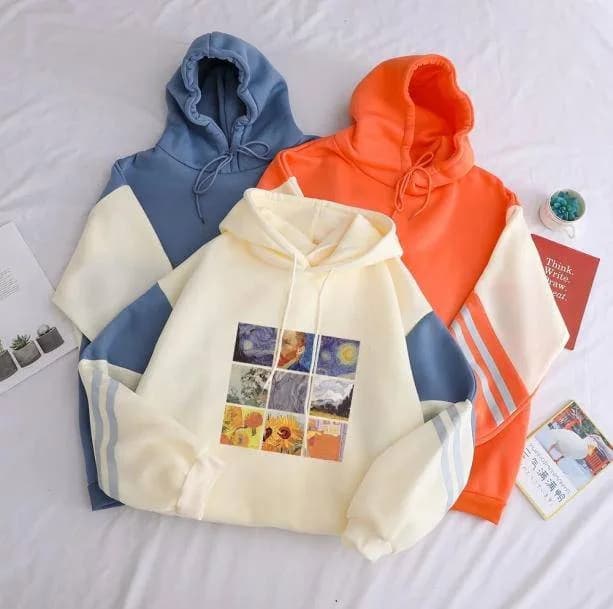
The art hoe color paletteA small group of colors you repeat to make an outfit feel connected. is grounded in warm, organic neutrals—ochre, mustard, sage green, terracotta, and soft oatmeal—punctuated by deliberate bright accents. When styling a hoodie in one of these core tones, the rest of your outfit should complement rather than drown the primary shade. Pairing muted olive with washed denim creates an easy, timeless base.
If your hoodie is a vibrant primary color, like sunflower yellow or cobalt blue, ground the lower half in steady neutrals. Dark chocolate cords, washed charcoal denim, or khaki work pants give the bright upper half a secure foundation. Avoid matching your pants too closely to a bright hoodie, as monochromatic vibrant sets can resemble athletic team uniforms rather than an artful outfit.
When your wardrobe calls for nostalgic knitwear that balances retro primary hues with classic drape, the Girls From The 90s Jumper (available in sizes S through L) serves as an instructive reference for how bold, multi-tone color-blocking can coexist with comfortable cuts. Use those same principles when styling colorful fleeces: let one bold tone lead, and settle the surrounding pieces into quieter supporting roles.
Common Styling Pitfalls and Practical Fixes
One common misstep when styling art hoe hoodies is letting all outfit elements drift into complete slouchiness at the same time. While every individual piece might be comfortable, combining an oversized hoodie, baggy sweatpants, and unlaced sneakers loses all structural tension. The solution is simple: ensure at least one piece in the outfit offers tailored structure, like rigid denim, a leather belt, or a structured collar.
Another pitfall is ignoring the condition of the fleece cuffs and neckline. Stretched-out, fraying wrist cuffs can drag down an otherwise thoughtful outfit, making intentional oversized styling look like neglected sizing. If cuffs have lost their elasticity, fold them back once cleanly or push them up over a structured underlayer to restore neat edges.
Finally, watch out for graphic competition between hoodies and accessories. Carrying a boldly printed canvas tote against an equally complex front-print hoodie creates a messy collision of illustrations. When your fleece carries a detailed fine-art front piece, choose a plain canvas or solid leather bag to keep the focal points clean and balanced.
- Do not combine bagginess across every layer; maintain one structured element.
- Tidy up stretched cuffs by folding them inward or pushing them up the forearms.
- Keep tote bags plain when your hoodie already features a complex front print.
Building Your Everyday Silhouette: A Decision Checklist
When putting together an outfit around an art hoe fleece, running through a quick mental checklist ensures your proportions remain intentional. Start by assessing the garment's specific thickness and hem shape. A stiff, heavyweight pullover requires different pairing choices than a drapey, lightweight zip-up, especially regarding what trousers or skirts will support its weight.
Next, look at the overall aesthetic context of your wardrobe. Reviewing a wide assortment of art hoe clothes helps clarify how different textures, from corduroy bottoms to painterly tees, interact across the entire style umbrella. Once you understand the aesthetic range, you can hone in on specific silhouetteThe overall shape an outfit creates, from fitted to loose and layered.s within dedicated art hoe hoodies collections to select the exact fleece cut that balances your personal day-to-day basics.
Use the quick checklist below before heading out the door. Taking a moment to check your necklines, wrist exposure, and hemline drop guarantees that your comfortable, oversized pieces hold a sharp, artful balance wherever you go.
- Check the hem drop: Is the lower band folded, cropped, or falling cleanly over structured hips?
- Balance the volume: Does the outfit include at least one firm texture or clean edge to anchor the soft fleece?
- Inspect collar layeringWearing pieces over or under one another to add depth, warmth or contrast.: Are inner shirt collars or undershirt necklines sitting flat without bunching under the hood?
- Verify shoe proportion: Does the footwear provide enough visual weight to support the volume of your upper half?