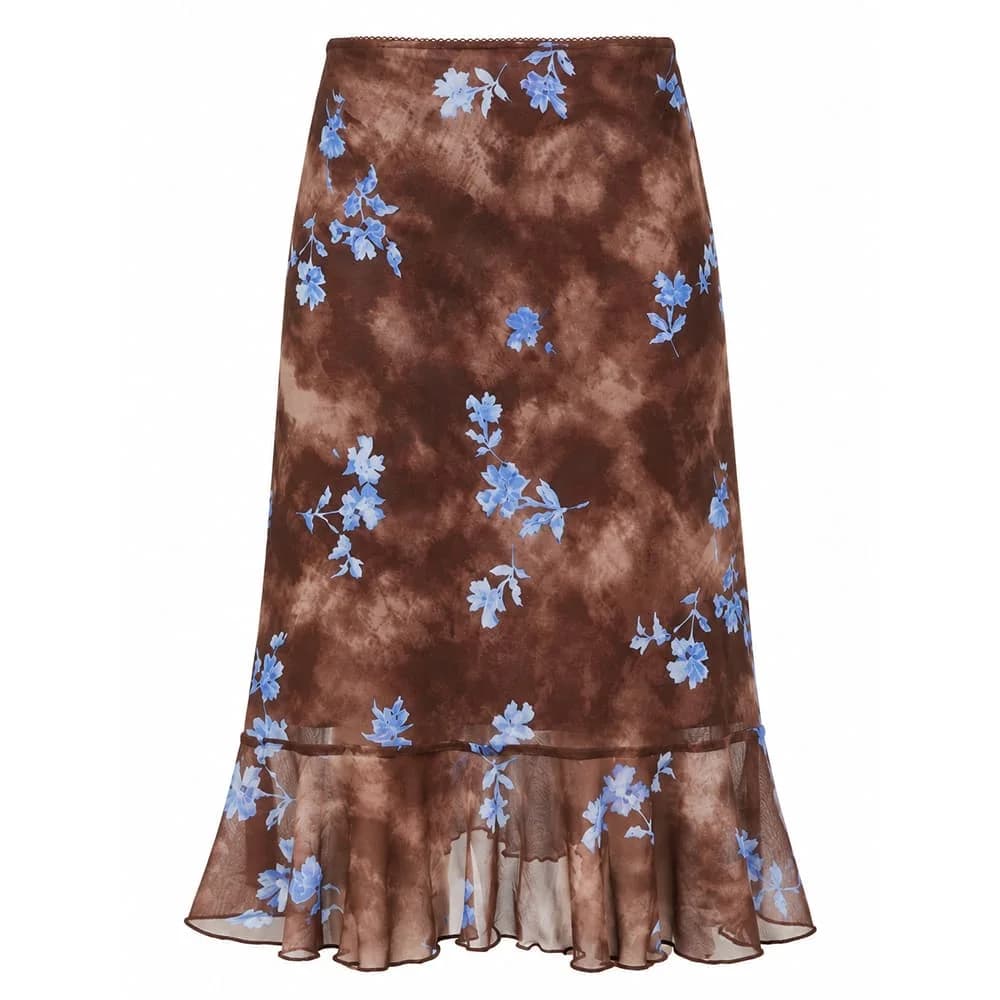
Created by the Kawaii Vibe editorial team. Our named style desks are editorial personas. Product details and availability can change.
Balletcore jewelry is defined by subtle proportions, soft textures, and restrained shine. When you build an outfit inspired by classic studio wear, heavy hardware can easily compete with sheer fabrics, ruching, and satin trims. The key to pulling this look together lies in understanding how necklace lengths interact with specific open collar cuts and how to avoid layeringWearing pieces over or under one another to add depth, warmth or contrast. too many competing trinkets around your collarbone.
Getting the styling right comes down to matching chains to the space your clothing leaves bare, deciding between cool silver or warm rose tones against your palette, and knowing when to let an earring or hair accent carry the look instead of piling on charms. This guide walks you through neckline geometry, metal finishes, and intentional layeringWearing pieces over or under one another to add depth, warmth or contrast. formulas to keep your dancewear-inspired looks clean and effortless.
The Core Visual Rules of Balletcore Jewelry
The studio aesthetic relies heavily on clean body lines, elongated necks, and lightweight silhouetteThe overall shape an outfit creates, from fitted to loose and layered.s. Because the clothing often features delicate textiles like chiffon, fine rib knits, and mesh, heavy jewelry can pull down the look. The visual goal is to frame the collarbone and face rather than create a dense focal point that interrupts the fluidity of your outfit.
To maintain this lightness, jewelry selections should lean toward fine wire, airy cable chains, seed beads, small pearls, and understated charms. When you look in the mirror, the pieces should read as soft highlights rather than chunky statements. Choosing pieces with minimal weight prevents garments from catching on sharp prongs while keeping the overall impression graceful and airy.
- Keep chain gauges between 1mm and 1.5mm to maintain a fine, whisper-light scale.
- Limit pendant sizes to under two centimeters so they rest flat against skin or sheer knitwear.
- Select flush settings or smooth bezels that will not snag delicate open-weave tops.
Matching Chains to Open Boat Necks and Bateau Cuts
A classic boat neck runs wide across the collarbone, cutting horizontally toward the tips of the shoulders. This line creates an expansive horizontal plane that can be easily ruined by short, bulky necklaces. A tight choker against a boat neck often feels cramped, cutting across the natural line created by the fabric.
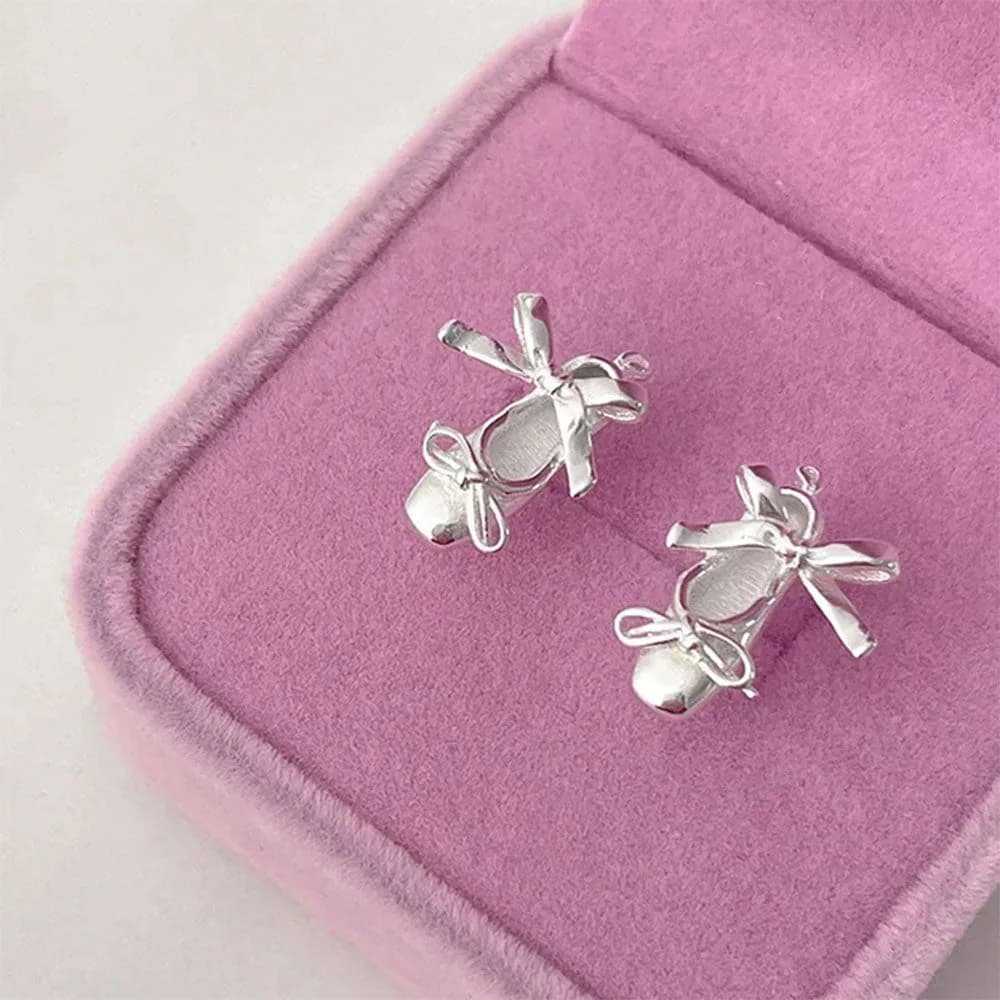
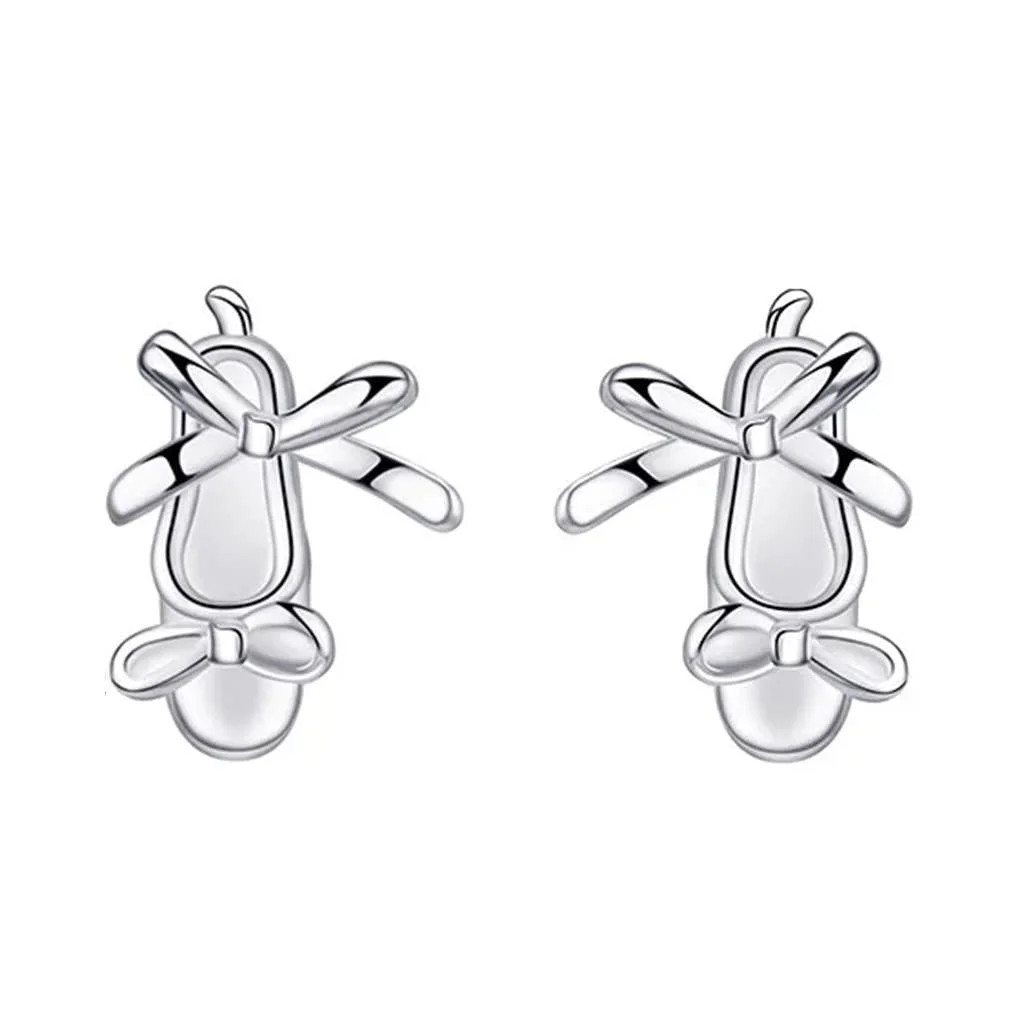
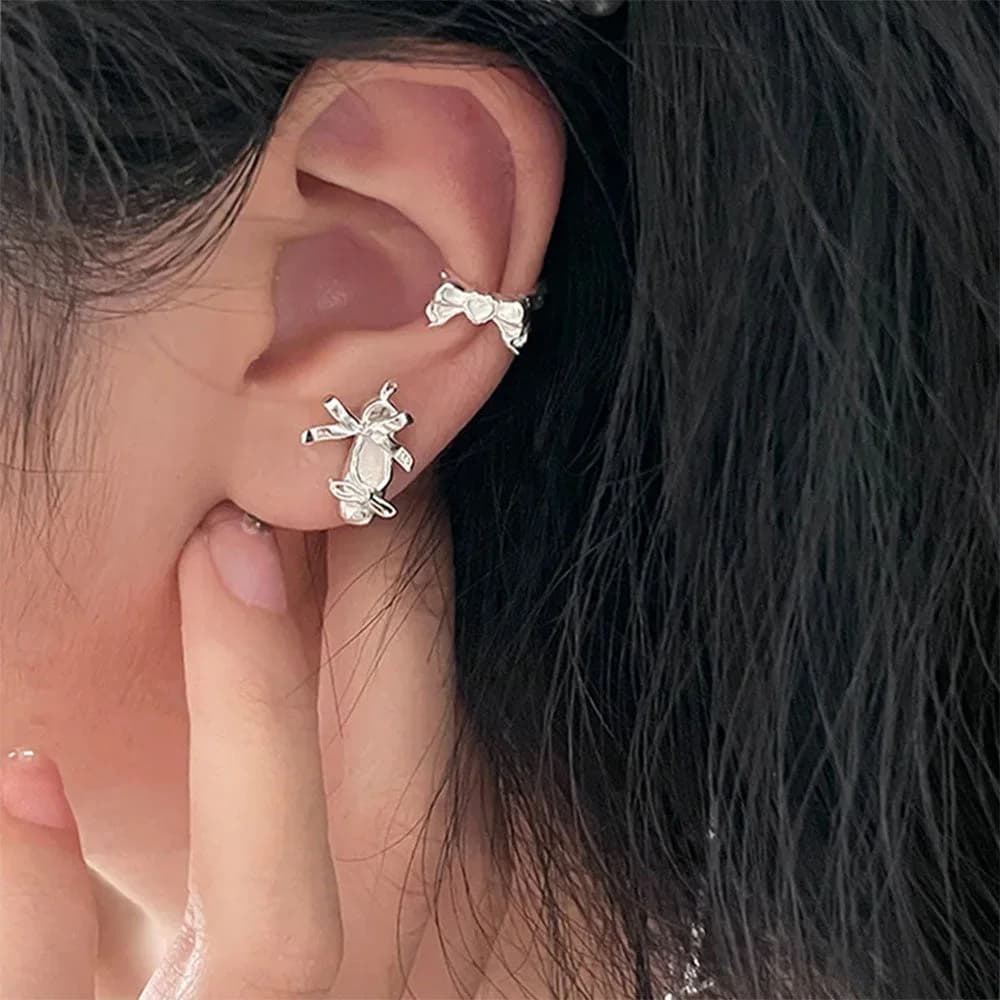
Instead, choose a drop pendant on a mid-length chain measuring around 45 to 50 centimeters. This drops the focal point down toward the sternum, drawing an elongated vertical line that complements the wide shoulder cut. Alternatively, skipping the necklace entirely lets the broad fabric cut do the work. In that case, shift attention to delicate ear accents like the Balletcore Aesthetic Stud Earrings, which provide soft silver detail at the lobe without tangling with a wide neckline.
- Opt for a 45cm to 50cm slim cable chain to establish a slimming vertical angle.
- Avoid wide flat collars or thick fabric chokers that collide with the horizontal hem.
- Pair high-cut boat tops with neat post earrings to keep the throat completely clear.
Styling Sweetheart and Ballerina Scoop Necklines
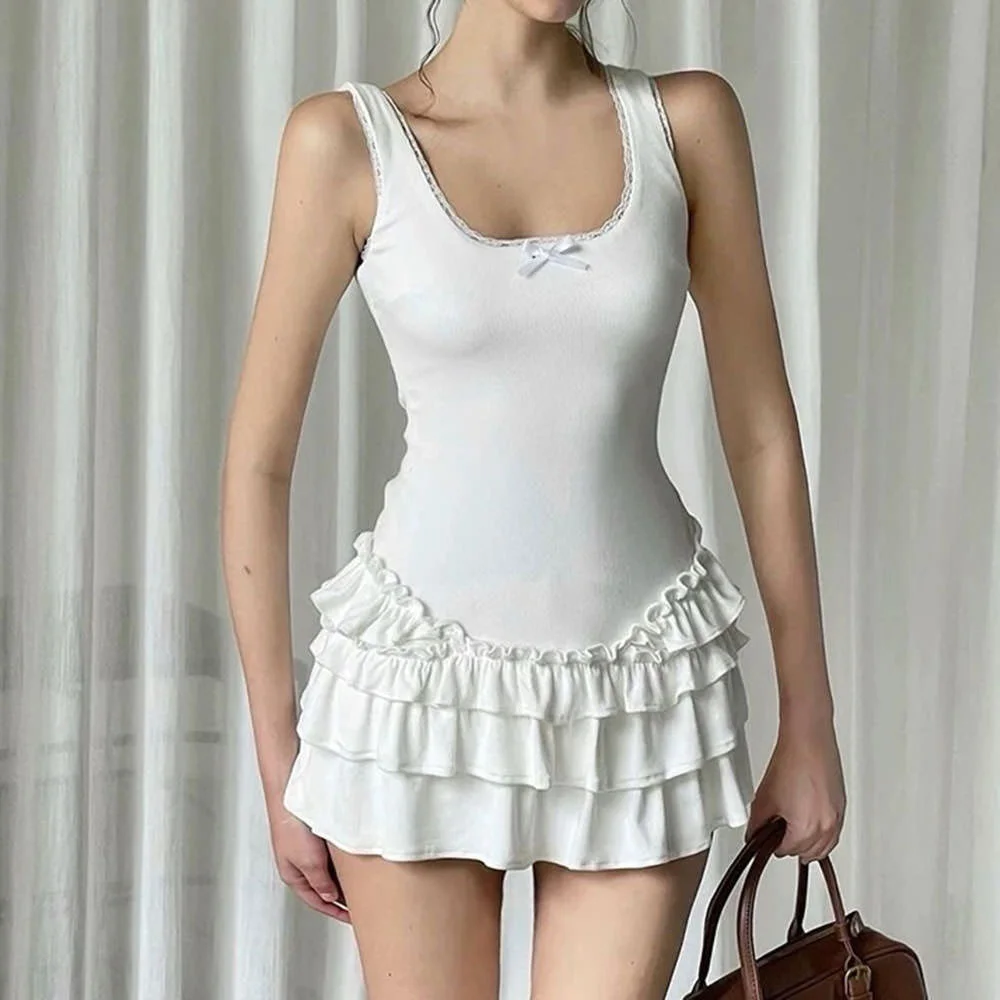
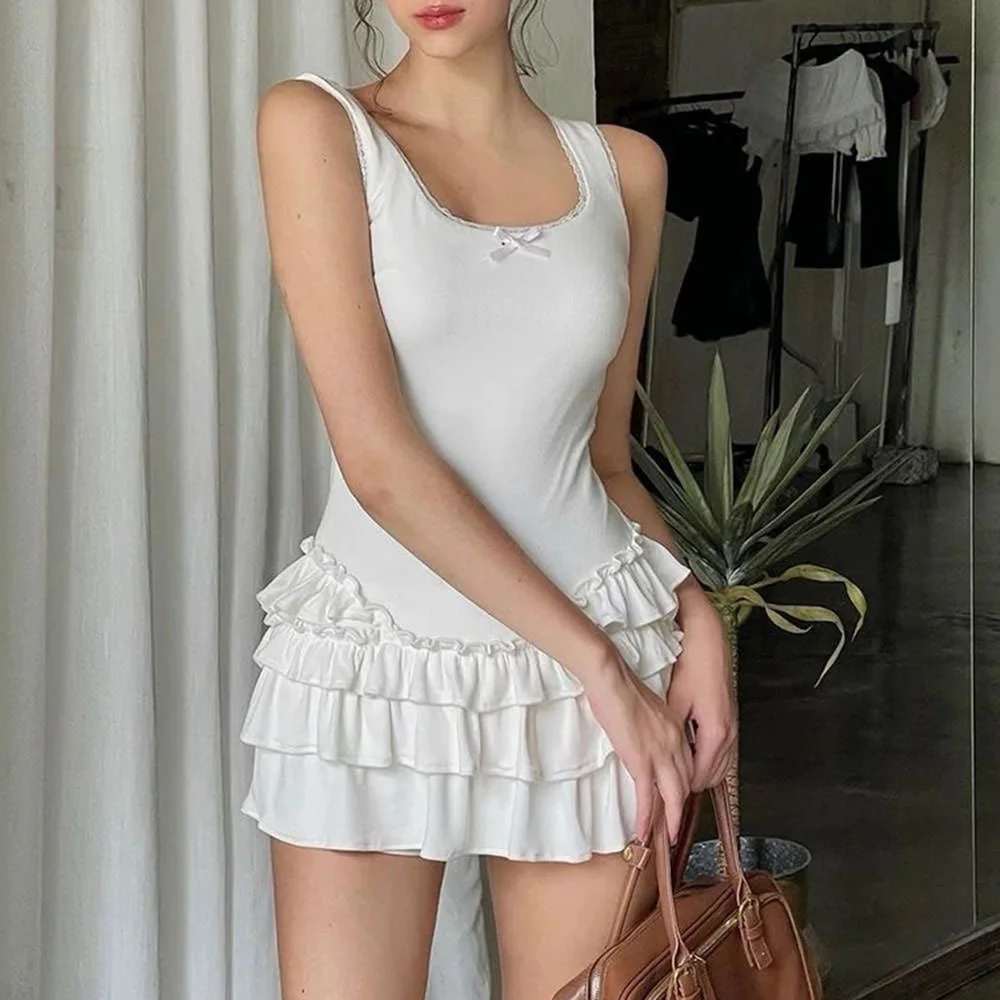
Deep scoop and sweetheart necklines are foundational to dance-inspired apparel. They reveal a broad frame of bare skin across the chest, which offers the most versatility for delicate chain arrangements. The mistake many shoppers make here is overcompensating for the open space with thick stacks that crowd the center of the chest.
When working with wide scoops, short lengths between 38 and 42 centimeters work best because they follow the rounded curve of your collarbone without dipping below the top edge of the garment. If your top features structured ruching, keeping the pendant small ensures the jewelry stays grounded on your skin rather than bobbing against folded fabric. You can explore curated pieces in the balletcore necklaces collection to find short, whisper-thin chains that sit comfortably in this zone.
With a sweetheart neckline, keep the necklace fine and short enough to sit above the bodice, especially if the fabric is gathered. Let a small floral print or a single bow elsewhere in the outfit provide the extra detail, and skip a large pendant so the neckline remains clear. For an everyday direction featuring soft florals, bows, and light layers, see the Himekaji Clothes collection.
- Position the main charm at least two inches above the fabric edge to avoid awkward friction.
- Follow the contour of the garment by choosing rounded chains rather than sharp, geometric pendants.
- Keep pendants flat so they do not tip forward when moving or bending over.
Navigating Ruffles, Frills, and High-Volume Collars
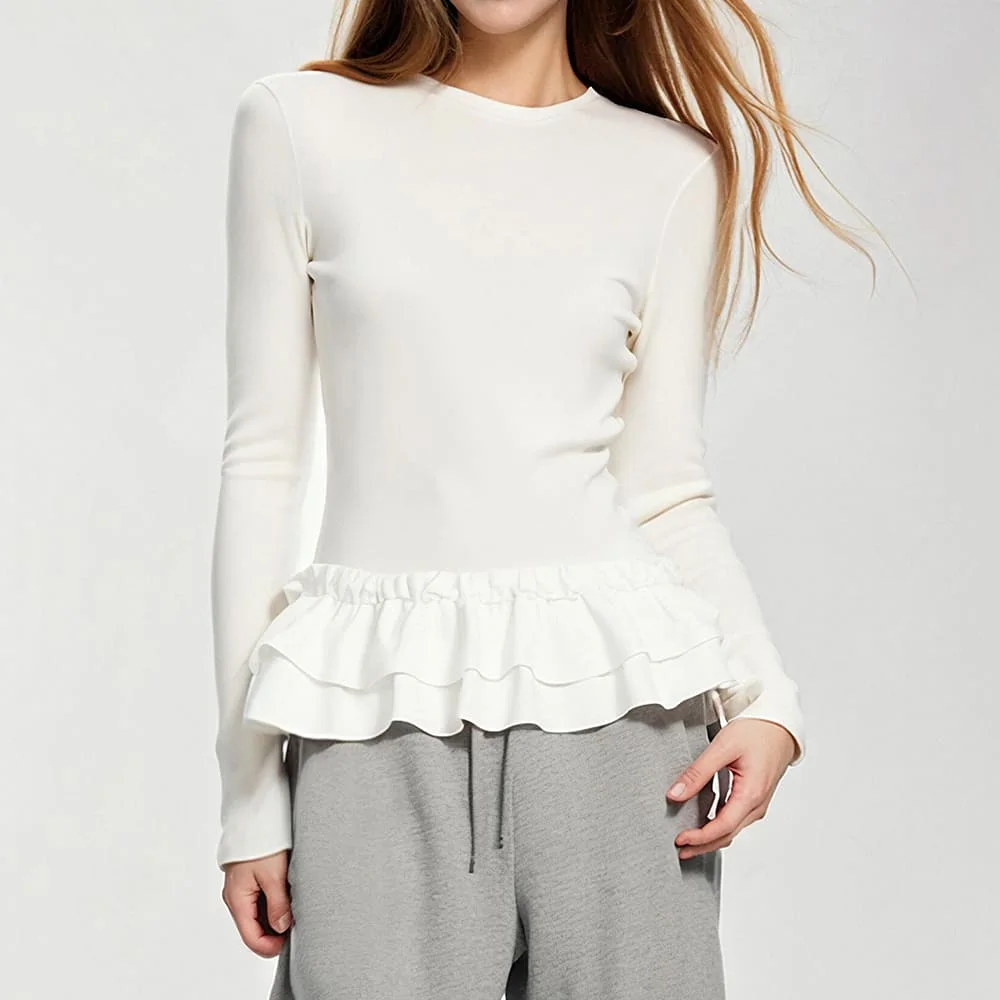
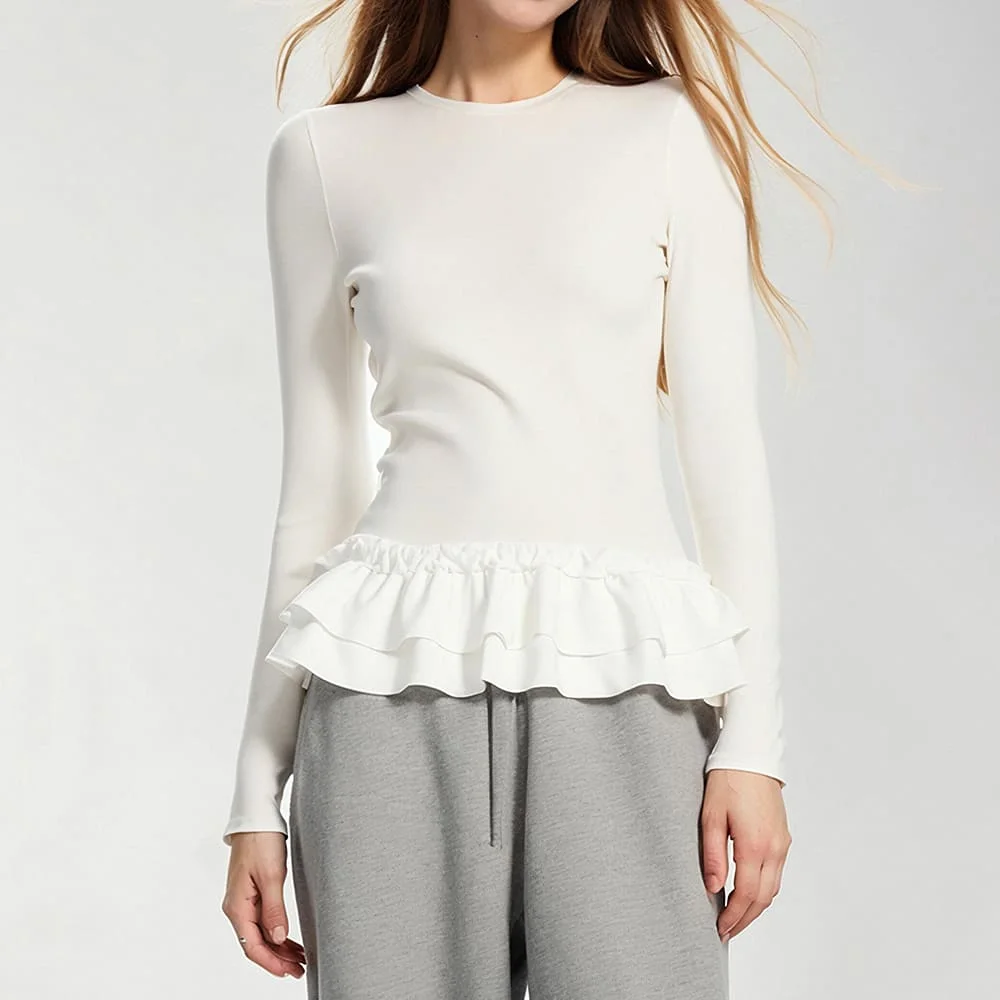
Tops with textured collars demand a completely different jewelry strategy. An item like the Balletcore Ruffle Long Sleeve Top already provides substantial visual interest around the chest and collarbones with its cotton-polyester construction and soft ruffles. Dropping a chain necklace over dense fabric gathers usually leads to hidden pendants, tangling, and a crowded silhouetteThe overall shape an outfit creates, from fitted to loose and layered..
When high-texture collars are at play, bypass the neck entirely and let your jewelry work elsewhere. Fine chain bracelets, slim bands on your fingers, or tidy drops from the balletcore earrings selection will balance the volume of the ruffles without creating clutter. Keeping the neck bare allows the garment's organic folds to remain the focal point, ensuring your look stays tidy and intentional.
- Leave the neckline chain-free whenever fabric frills extend more than an inch past the seam.
- Shift shine down to the wrists with narrow wire bangles or single-strand pearl strands.
- Choose drop earrings under two inches long to frame the jawline above the frills.
Square Necks and Camisoles: Geometry and Spacing
Square necklines offer crisp, angular lines that frame the throat like a canvas. Because of their sharp corners, pairing them with the wrong necklace can create conflicting geometry. Long, swinging pendants often fall awkwardly over the straight neckline edge, sliding under the fabric as you move throughout the day.
The most harmonious approach is a short 36cm to 40cm collar chain or a neat single strand of tiny faux pearls that sits high on the throat. This provides a soft contrast to the sharp horizontal cut of the bodice without breaking its boundary. When pairing jewelry with pieces from the wider balletcore clothes range, aligning your chain length precisely to skin level keeps the structural silhouetteThe overall shape an outfit creates, from fitted to loose and layered. intact.
- Choose lengths that stay strictly above the collarbone to respect the top's geometry.
- Incorporate rounded pearls or curved lockets to soften the sharp, square angles.
- Avoid dangling pendants that dip past the straight top edge of the fabric.
Choosing Between Silver, Rose Gold, and Soft Gold
Selecting metal finishes in balletcore is not just about matching your skin undertone; it is also about how the metal interacts with classic studio colors like pale blush, ivory, heather gray, and black. Silver offers a cool, crisp finish that reads clean and contemporary against stark whites and charcoal knits. It mirrors the icy aesthetic of winter studio sessions and satin ribbons.
On the other hand, soft rose gold and muted yellow gold introduce warmth that flatters creamy tones and soft pink wraps. Avoid ultra-bright, brassy yellows, which can feel too harsh and contrast sharply with gentle pastel garments. Explore balanced tones across the broader balletcore jewelry collection to discover which metallic finish fits your wardrobe's dominant color paletteA small group of colors you repeat to make an outfit feel connected..
- Cool silver: Ideal for stark white, black, light blue, and charcoal gray ensembles.
- Rose gold: Complements muted blush, mauve, warm taupe, and cream tones naturally.
- Soft yellow gold: Works best with antique ivory, warm beige, and ballet pink.
Layering Chains Without Snags and Clutter
LayeringWearing pieces over or under one another to add depth, warmth or contrast. delicate chains is a great way to add personal flair, but fine chains are notorious for wrapping around each other and knotting into a single mess. The primary rule of uncluttered layeringWearing pieces over or under one another to add depth, warmth or contrast. is staggering both chain lengths and chain textures. Combining two identical cable chains of similar length almost guarantees they will knot within an hour.
To layer successfully, start with a 38cm micro-chain that sits high on the neck, then add a 45cm chain featuring a small, weighted pendant to hold the bottom loop in place. Mixing a smooth snake chain with a tiny link chain also reduces the chance of friction. If you want more inspiration for coordinating delicate hardware with your daily look, check the main balletcore accessories hub for complementary hair pieces and functional extras.
- Maintain at least a two-inch gap between each chain tier to prevent tangling.
- Combine different chain styles, such as an airy link chain paired with a sleek serpentine wire.
- Limit your stack to a maximum of two or three chains to keep the look clean and airy.
Pairing Jewelry with Statement Dresses
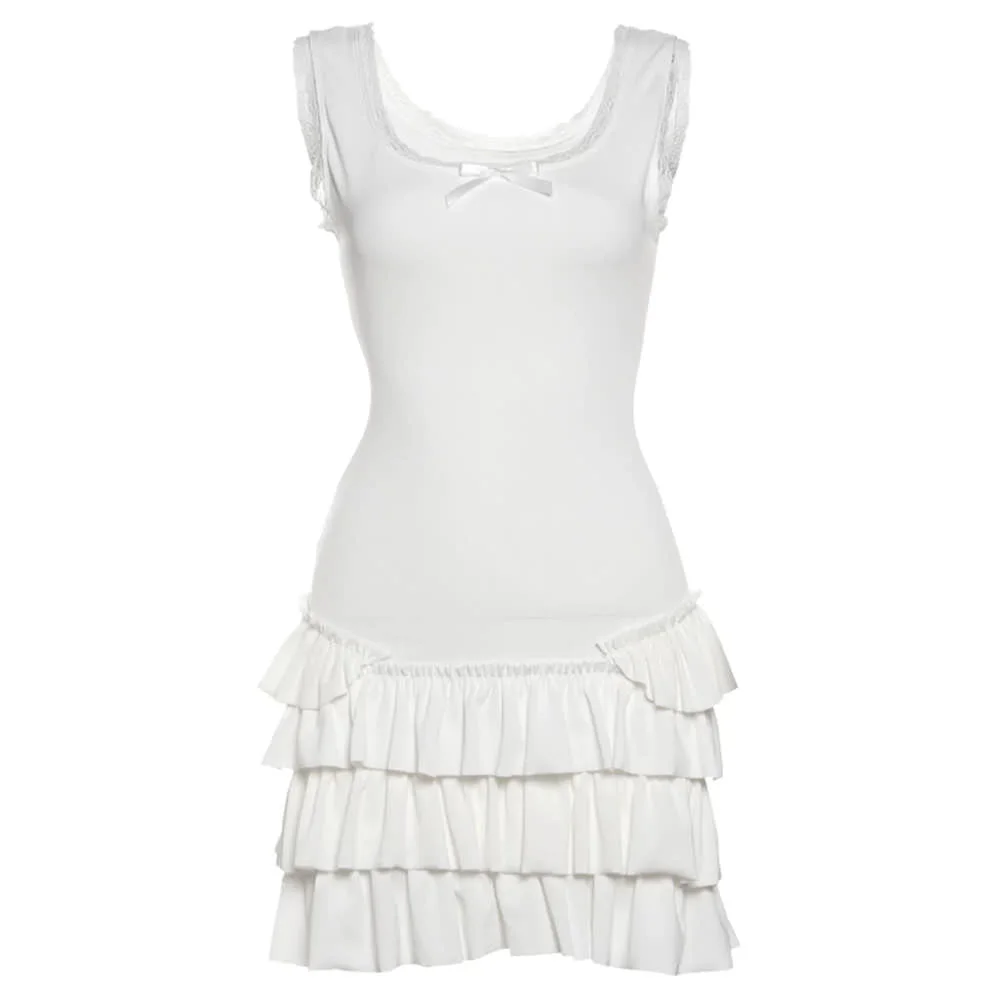
When styling a complete one-piece outfit like the Swan Balletcore Mini Dress, the silhouetteThe overall shape an outfit creates, from fitted to loose and layered. already carries substantial drama through its cut and flared polyester skirt. Dresses that create a distinctive statement need minimal competition from your accessories to preserve their classic studio appeal.
For a piece like this, a single focal piece of jewelry is far more effective than multiple stacked items. A solitary pendant with a clear gem, an understated locket, or minimal silver studs will complete the dress without pulling focus from its clean lines. When the dress does the talking, your jewelry should act as a subtle finishing touch rather than a distraction.
- Pick one single zone for jewelry—either the neckline or the ears, but rarely both at full volume.
- Select clear, luminous stones or soft opals over heavily colored gems to protect the monochrome theme.
- Ensure necklace clasps are secure and flat so they do not catch on fine dress trims.
Balancing Sheer Fabrics, Mesh Tops, and Hardware
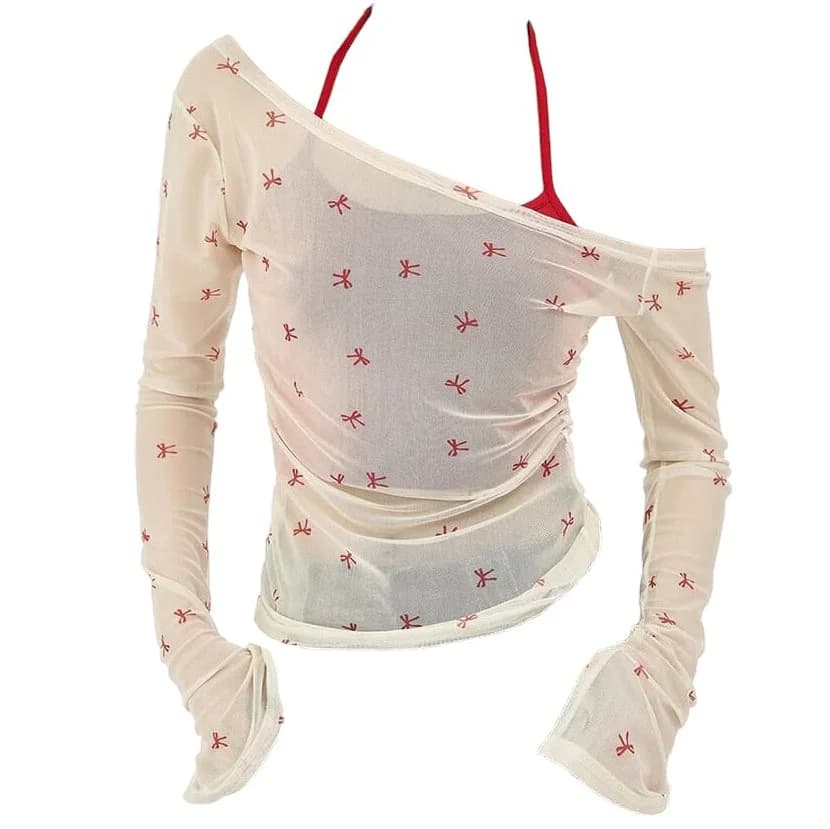
Sheer textiles like fine tulle and delicate mesh are delicate by nature. An item such as the Balletcore Aesthetic Bow Mesh Top pairs sheer layeringWearing pieces over or under one another to add depth, warmth or contrast. with bow accents, which creates a rich surface texture. Heavy hardware or open prong-set stones can easily catch in the weave of the mesh, snagging threads and pulling the garment out of shape.
To avoid damage, inspect the underside of your jewelry before pairing it with sheer tops. Smooth cabochon settings, flush-set stones, and polished metal bezels are far safer choices than claw-prong crystal pendants. Furthermore, keeping jewelry sitting directly on exposed skin above the mesh collar prevents any friction altogether, preserving both the fabric and your accessories.
- Inspect charms for rough casting lines or sharp prongs that could catch fine mesh.
- Opt for bezel-set crystals or smooth tumbled stones against delicate polyester knits.
- Wear chains shorter than the top's neck opening so the metal never rubs over the fabric.
Earrings and Hair Styling: Updos, Ribbons, and Studs
Ballet-inspired hair styling often involves high buns, slicked chignons, and tied ribbons that expose your neck, jawline, and ears. This makes your choice of earrings and hair pieces especially important. When your hair is swept up and held with a Balletcore Satin Scrunchie, the exposed space naturally invites eye-level accents.
If your hair accessories feature flowing ribbons or voluminous satin, keep your earrings compact to avoid visual competition. Zinc alloy studs, miniature hoops, or micro-pearl drops add a touch of polish without colliding with hair wraps. Conversely, if you wear your hair down in loose waves, slightly longer drops can peek through the strands without getting lost.
- Match the metal tone of your hair pins or ribbon barrettes to your earring metals.
- Pair wide satin scrunchies with low-profile studs to keep your upper silhouetteThe overall shape an outfit creates, from fitted to loose and layered. balanced.
- Avoid overly long dangling earrings that catch on hair ribbons or sweater collars.
Extending the Look Downward: Bracelets and Rings
While the neckline often gets the most styling attention, ballet-inspired outfits naturally showcase the hands, wrists, and ankles during movement. When styling separate skirts like the Balletcore Wrap Skirt or the Balletcore Asymmetrical Mid Skirt, your entire posture becomes part of the outfit. Adding subtle jewelry to your extremities creates a well-rounded, cohesive appearance.
On the wrists, thin bangles or delicate chain bracelets that move gently with your hands evoke the look of rehearsal wear. On the fingers, choose narrow bands, simple twisted wires, or small signet rings worn on the midi or pinky finger. This restrained approach ensures that as your hands move, they catch the light without the loud clatter of oversized bangles.
- Choose bracelets with secure lobster clasps and short extenders to prevent catching on skirts.
- Stack no more than two ultra-thin rings per hand to keep fingers looking long and slender.
- Ensure chain bracelets sit snug enough that they don't slide forward over your palms.
Weather Adaptations: Sweaters, Leg Warmers, and Cold Climates
When temperatures drop, balletcore outfits often incorporate knit shrugs, wrap cardigans, and cozy leg wear like the Balletcore Tie Up Knee High Socks. Heavy knitwear introduces fuzzy yarn textures that do not play well with fine, delicate chains. A thin necklace can easily get buried beneath a ribbed crossover sweater.
In cooler conditions, switch your necklace strategy entirely. Shift to a slightly thicker snake chain or a solid torque choker that holds its shape against knit collars. Alternatively, you can rely exclusively on stud earrings and hair accessories, letting your cozy layers do the heavy lifting visually. This keeps your fine jewelry safe from catching on loose knit loops while keeping your cold-weather ensemble sleek.
- Swap micro-cable chains for snag-free herringbone or round snake chains over knits.
- Tuck chains beneath base layers if wearing fuzzy mohair or angora shrugs.
- Rely on wrist cuffs and post earrings when thick scarves and collars crowd your neck.
Common Styling Pitfalls to Avoid
The quickest way to dilute a balletcore look is to introduce accessories that clash with the gentle, activewear-inspired aesthetic. Heavy statement necklaces from past decades, oversized geometric bibs, and dark industrial chains break the delicate visual narrative. Another common mistake is over-accessorizing: wearing a headband, hair bow, large earrings, stacked necklaces, and multiple bracelets simultaneously creates visual fatigue.
To keep your outfit grounded, pick two accessory focal points at most. For example, if you are wearing an intricate hair arrangement and earrings, leave your neck completely bare. If you are layeringWearing pieces over or under one another to add depth, warmth or contrast. two delicate necklaces, keep your ear styling down to simple studs. Giving each piece breathing room makes your overall styling look intentional rather than haphazard.
- Never mix heavy industrial chains with lightweight mesh or chiffon clothing.
- Resist wearing more than two accessory zones at once to avoid sensory overload.
- Do not let pendants rest directly on top of busy garment gathers or high-contrast prints.
The Balanced Balletcore Jewelry Checklist
Before heading out the door, take a moment to evaluate your jewelry styling in a full-length mirror. A cohesive look should feel lightweight, fluid, and uncluttered. Checking small functional details—like whether a clasp is centered or if a pendant is flipping—ensures that your look remains polished from morning to evening.
Use this practical checklist to review your final choices. It ensures that every chain length, metal finish, and accessory placement works in harmony with your outfit's neckline and fabric textures, giving you an authentic dance-inspired aesthetic with zero fuss.
- Is the chain length clearly separated from the fabric line of your top or dress?
- Are all visible metal tones either coordinated or deliberately balanced in soft shades?
- Have you checked charms and prongs to make sure they won't snag delicate mesh or knit fabrics?
- Is your layeringWearing pieces over or under one another to add depth, warmth or contrast. limited to two or three distinct, tangle-free lengths?
- Does the jewelry leave your collarbones and neck feeling open and graceful?