Created by the Kawaii Vibe editorial team. Our named style desks are editorial personas. Product details and availability can change.
Matching dance-inspired footwear to day-to-day clothing comes down to managing the distance between your hemline and your ankle. When an outfit feels awkward, the issue is almost never the shoe itself; it is usually an unintended clash between the visual weight of your sole and where your fabric breaks. Lightweight satin slippers, soft leather flats, hybrid trainers, and structured boots each pull the eye differently, changing how long your legs look and how gracefully your hem moves.
Getting the look right means paying attention to proportions rather than copying uniform outfits off your feed. A voluminous tulle midi requires a very different shoe profile than micro shorts or puddle-hem trousers. Understanding how fabric volume, toe shapes, and strap placements interact allows you to build balanced outfits using pieces already in your wardrobe, alongside focused staples suited to your local climate.
This guide outlines direct pairing rules for specific hemlines, compares delicate profiles against grounded street silhouetteThe overall shape an outfit creates, from fitted to loose and layered.s, and details practical outfit builds so you can step out with confidence every day.
1. The Core Golden Rule: Calibrating Ankle Exposure and Visual Weight
The primary guideline when styling dance-inspired footwear is balancing fabric volume with visible ankle skin. Traditional dancewear is form-fitting and leaves the leg line clean, but everyday street clothes introduce ruffles, denim, pleats, and heavier drapes. If you wear an expansive skirt with a paper-thin flat, your lower half can look cut off or top-heavy unless you intentionally balance the break with bare skin or snug hosiery.
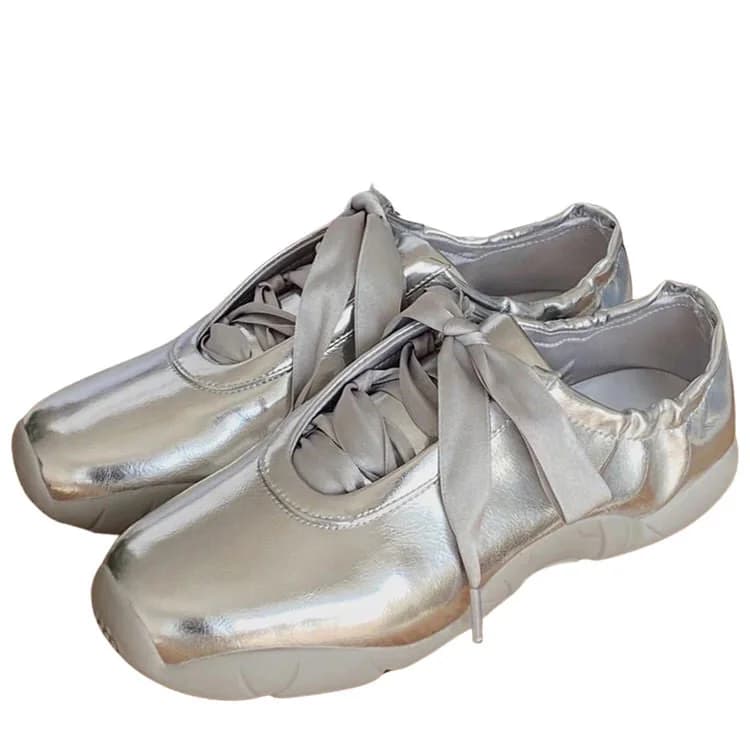
Think of your shoe as an anchor point. Slim, rounded, or square-toed flats with low vamps expose the top of the foot, which visually extends your leg line. In contrast, footwear featuring wrap ties, ribbon laces, or chunky athletic outsoles adds horizontal lines that cut across the lower leg. When your hem falls below the widest part of your calf, low-profile shoes run the risk of vanishing under your garments. Pairing them properly requires aligning the thickness of the shoe's sole with the density of your textiles.
- Low-vamp flats pair best with hemlines that stop above the knee or right at the ankle bone.
- Horizontal ribbon wraps require at least three to four inches of clear leg space below the hem to avoid looking cluttered.
- Heavy twill or structured wool coats require footwear with a defined welt, sole, or boot shaft to ground the silhouetteThe overall shape an outfit creates, from fitted to loose and layered..
2. Mini Skirts and Micro Hemlines: Balancing Leg Lines
Short hemlines give you the most freedom to play with high-wrapping ribbons, chunky soles, and layered legwear without risking crowded proportions. When your thighs and calves are largely visible, you can use footwear to set the overall tone of the outfit, steering it toward delicate studio aesthetics or practical city walking.
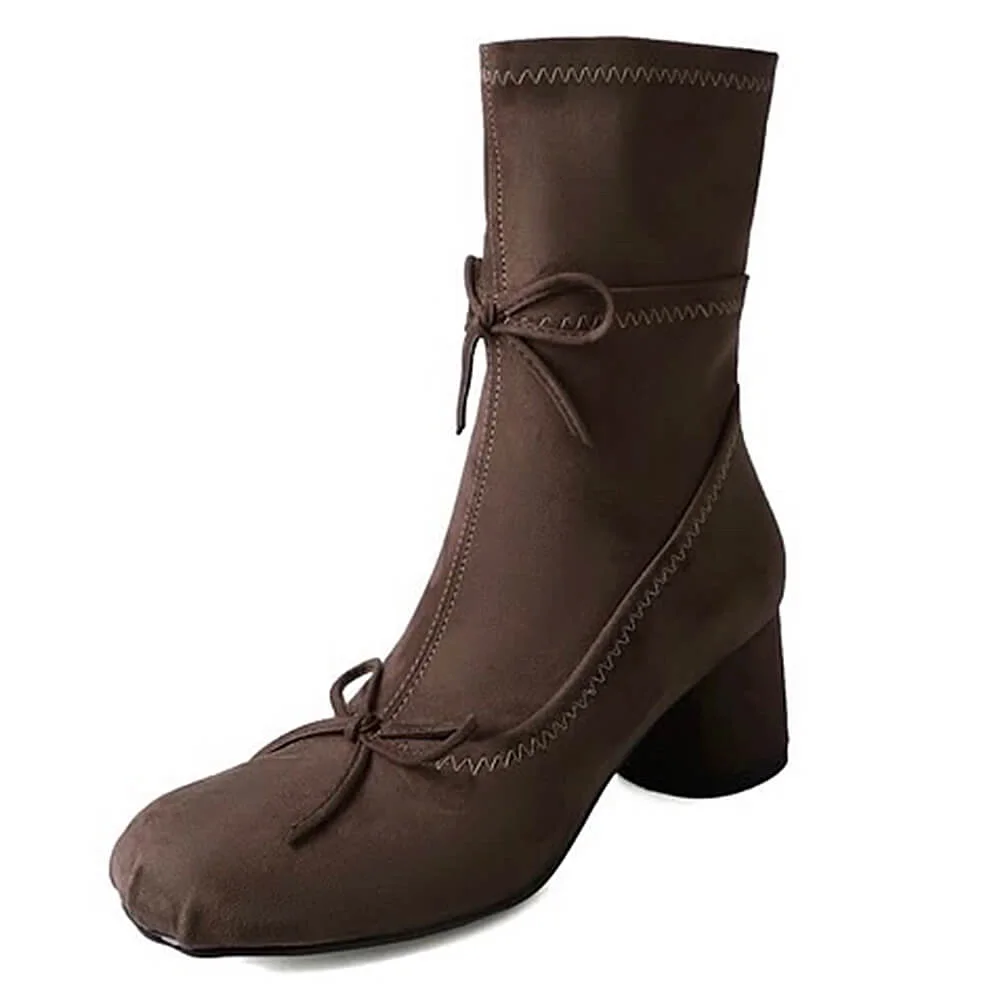
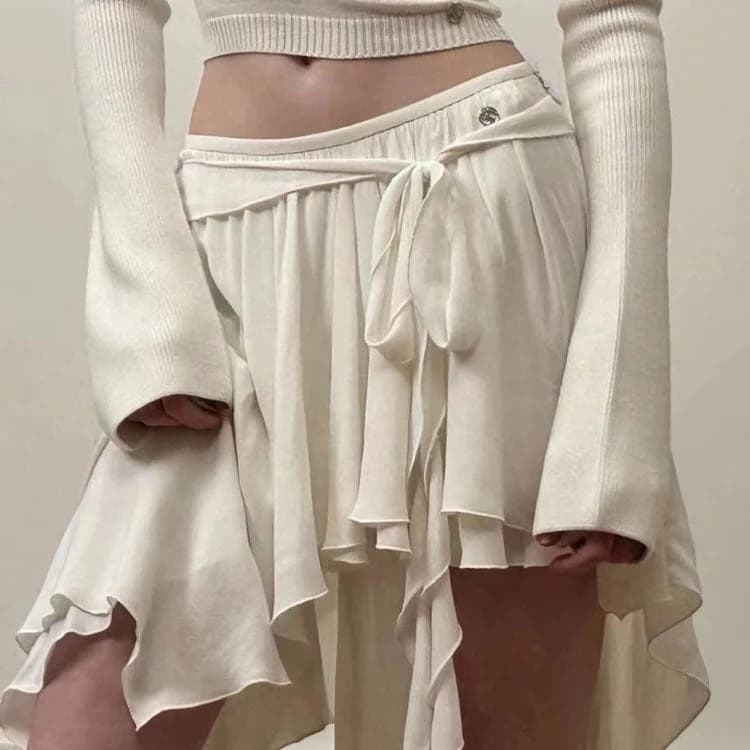
A micro silhouetteThe overall shape an outfit creates, from fitted to loose and layered. such as a flared wrap piece works seamlessly with lightweight flats or sporty hybrids. For an airy daytime outfit, combine the Balletcore Wrap Skirt—offered in a fluid polyester fabric—with low-profile lace-up trainers. The athletic sole adds stability on concrete sidewalks, while the short wrap cut prevents the combination from feeling bottom-heavy. If the weather is breezy, layer ribbed crew socks pushed down slightly toward your ankle bones.
When wearing structured mini cuts, avoid shoes with very heavy block platforms unless you add a tight-fitting long-sleeve layer on top to restore balance. A slim silhouetteThe overall shape an outfit creates, from fitted to loose and layered. on your upper body harmonizes the open leg space with the footwear.
- Micro hems leave ample room for calf-height ribbon laces without shortening the leg line.
- A fitted top balances the breezy movement of a flared mini skirt.
- Ribbed ankle socks provide a subtle barrier that prevents stiff shoes from chafing bare skin.
3. Midi Hemlines: Avoiding the Mid-Calf Visual Cut
The midi length can be tricky to style because a hem falling right across the middle of your calf naturally creates a horizontal break at the widest part of your lower leg. If you add ankle straps or dark lace-up ties right below that line, you segment the leg twice in rapid succession, which can make you appear shorter than you are.
To make a mid-length silhouetteThe overall shape an outfit creates, from fitted to loose and layered. work, your footwear should either expose the entire instep to draw the eye downward, or disappear seamlessly underneath the hem. An asymmetrical cut offers an effective solution by staggering the visual line. Styling the Balletcore Asymmetrical Mid Skirt, crafted from a cotton and polyester blend, creates a diagonal drape that keeps the leg line moving. Pairing this cut with low-cut footwear lets the hemline flow naturally without competing for visual space.
For standard straight-cut midis, choose footwear in tones that blend with your natural skin tone or match your hosiery closely. Creating this continuity lets the texture of your skirt remain the focal point.
- Keep at least two inches of clear skin between the bottom of a midi hem and any shoe strap.
- Asymmetrical hems break up horizontal lines, making flat footwear easier to wear.
- Matching your tights directly to your shoe shade prevents awkward leg segmentation.
4. Maxi Drapes and Floor-Sweeping Hems: Managing Hem Clearance
Maxi lengths create long, uninterrupted vertical lines, but pairing them with soft footwear introduces practical challenges. A skirt that brushes the floor will quickly pick up dirt and dampness if you wear paper-thin slippers outdoors, and lightweight fabric can catch under your heel as you walk.
When working with floor-length cuts, look for footwear with structured soles that provide slight ground clearance. If you are browsing comprehensive Balletcore Clothes, consider how your hems fall when standing versus walking. A sweeping maxi works best when the hem finishes about one inch above the pavement, allowing the toe box of your shoe to peek out cleanly with every step.
Square-toe silhouetteThe overall shape an outfit creates, from fitted to loose and layered.s are particularly helpful here. The sharp front edge defines where your foot emerges from the flowing textile, giving structure to an otherwise soft, cascading outfit. If your hemline is completely straight, choose a shoe with a clean toe line rather than rounded styles that can get lost beneath the fabric.
- Ensure floor-length hems stop approximately one inch above the ground when wearing flat soles.
- Square toe boxes give structure that prevents long skirts from looking sloppy.
- Stiffer fabrics stay clear of your footwear better than clingy jersey knits.
5. Structured Boots with Soft Silhouettes: The Contrast Method
Contrasting ultra-soft fabrics with firm, weather-ready footwear creates practical outfits that hold up outside studio environments. While satin slippers look classic, city walking and colder seasons demand durable materials, closed shafts, and supportive soles. Introducing boots to dance-inspired garments grounds the look and keeps it functional.
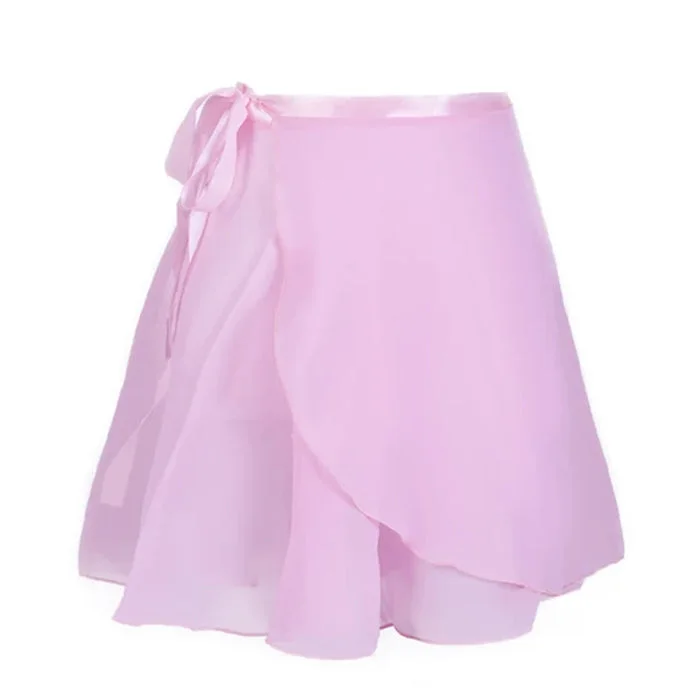
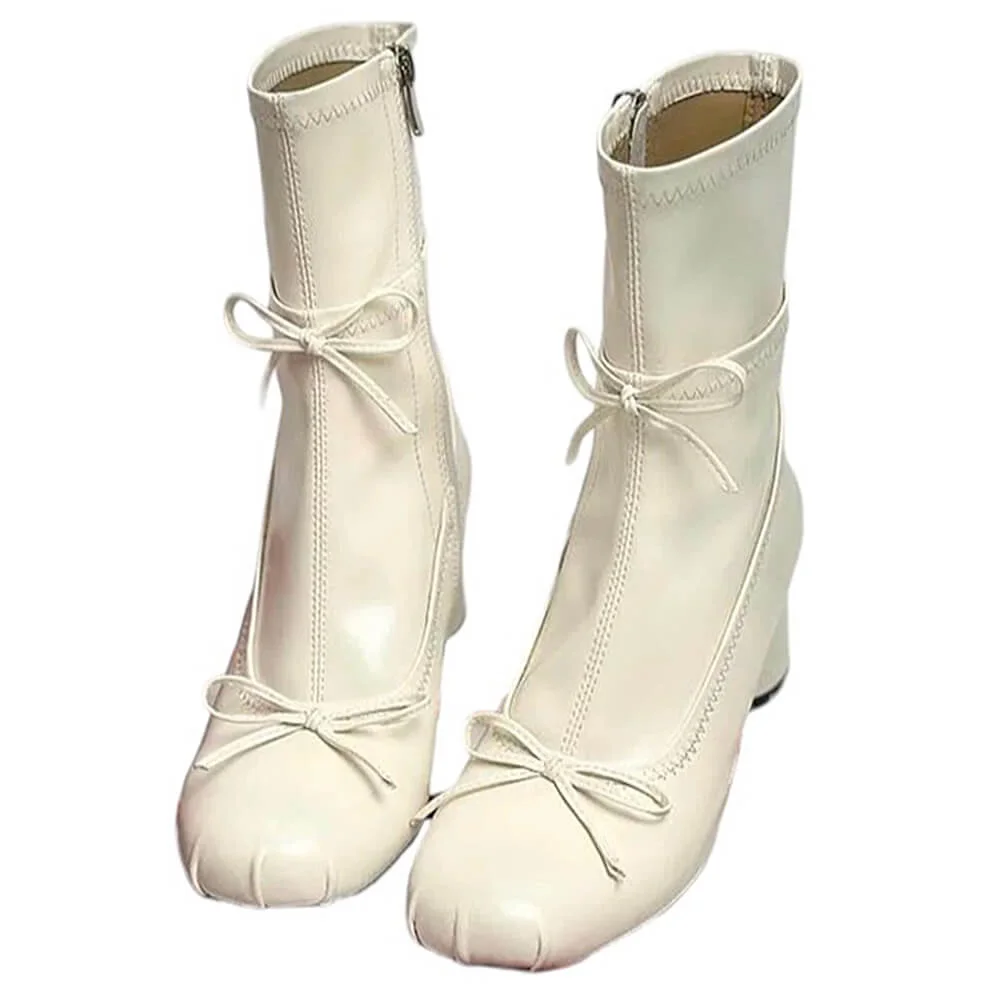
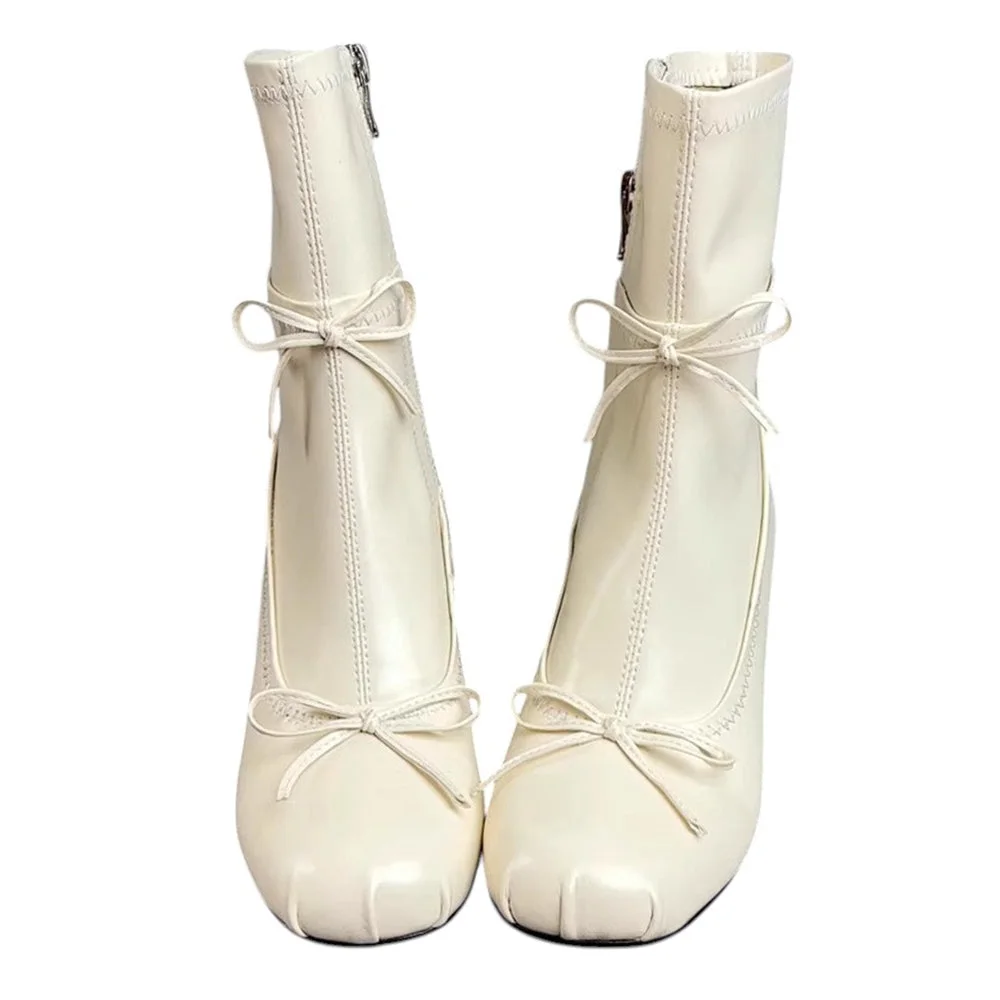
You can achieve this balance by pairing soft dresses with structured footwear from the Balletcore Boots range. For example, wearing the Balletcore Square-Toe Ankle Boots—made from faux suede with a tailored square front—underneath a floaty dress provides an intentional contrast. Keep in mind that these boots run small, so reviewing the sizing information before ordering helps secure a comfortable fit for walking.
The boxy toe box of a boot nods subtly to pointe shoes while delivering the durability needed for asphalt and damp sidewalks. To keep the look cohesive, echo the boot’s structured feel with a tailored wool cardigan or a structured shoulder bag.
- Pair faux suede or leather boots with sheer mesh or ruffles to balance textures.
- A square-toe boot mirrors dance lines while offering everyday foot protection.
- Always check sizing notes for boots to accommodate thicker autumn socks.

6. Casual Sneakers: Adapting the Style for Daily Walking
If your everyday schedule involves commuting or running errands, soft flats rarely provide enough arch support or impact absorption. Fortunately, athletic street style blends seamlessly with soft ribbons, pastel tones, and flowing ruffles, creating an approachable everyday look.
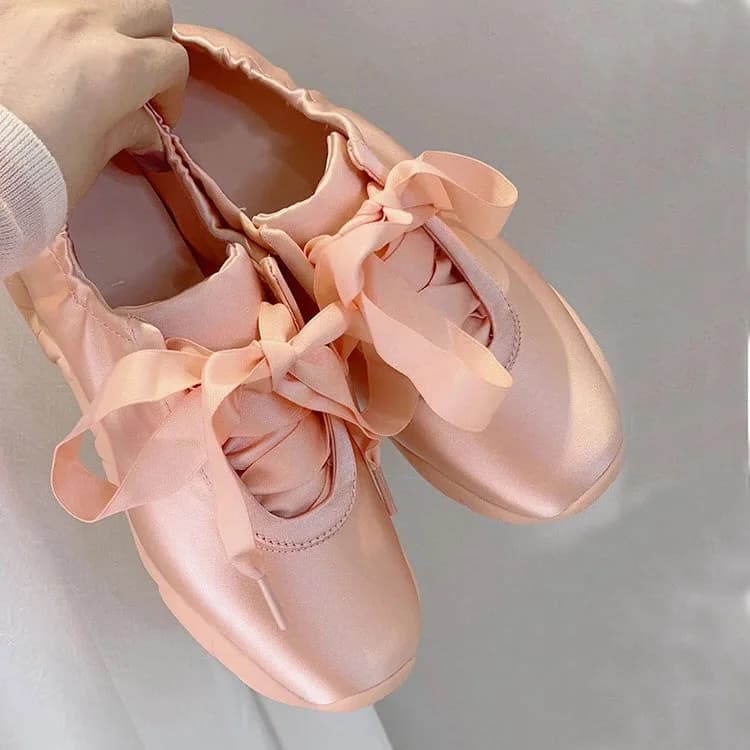
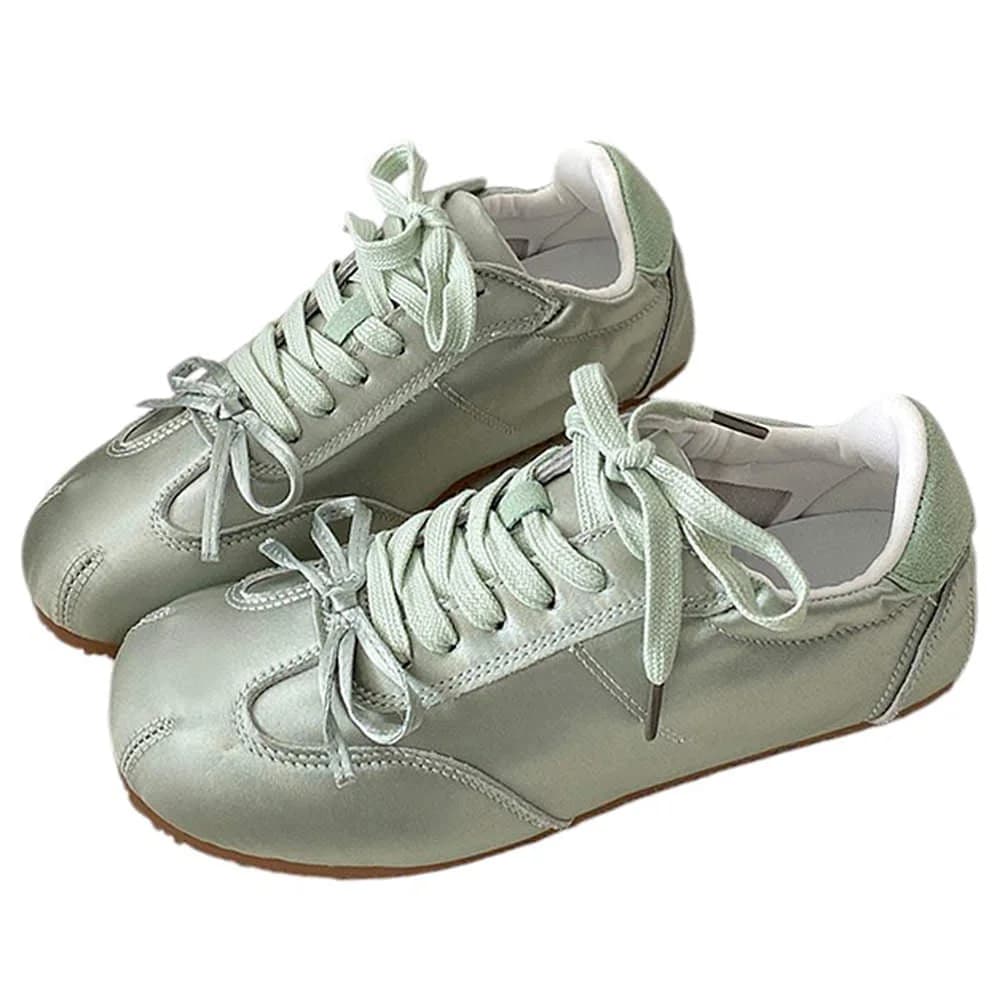
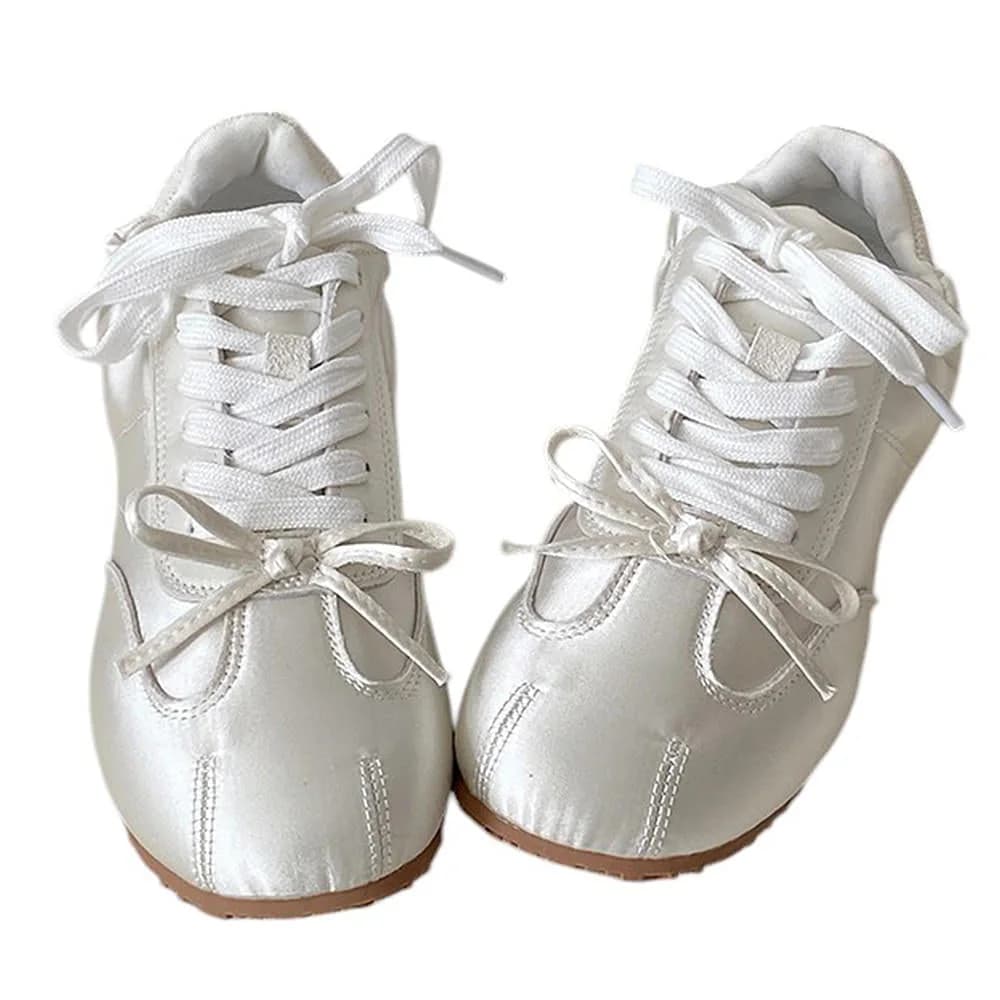
Explore the Balletcore Sneakers category for footwear designed with walking in mind. The Balletcore Aesthetic Bow Sneakers feature a durable vegan leather upper accented with decorative bows. Note that they run small, so checking the size chart is recommended. For a more sheen-forward finish, the Balletcore Aesthetic Satin Bow Sneakers pair smooth vegan leather with silky ribbon ties, giving you the feel of classic pointe ribbons alongside a cushioned sole.
Style these sneakers alongside casual pieces like wide-leg sweatpants, soft denim, or short skirts. The contrast between casual athletic outsoles and delicate ribbon details creates a relaxed outfit that feels intentional without looking precious.
- Choose sneakers when walking longer distances on city sidewalks.
- Vegan leather uppers are simple to wipe clean after daily wear.
- Swap standard athletic laces for satin ribbon cords to soften standard training shoes.
7. Trousers, Denims, and Tailoring: How to Avoid Bunching
Integrating dance-inspired footwear into tailored or denim-heavy wardrobes comes down to how your pant leg breaks over the shoe. Trousers with wide legs or split hems can pool awkwardly over flat, low-profile shoes, causing the fabric to drag under your heel or crease across the top of your foot.
For wide-leg trousers, look for designs that feature an inner ankle slit or a cropped length that hovers just above your ankle bone. This allows flat shoes to remain visible and prevents the back hem from gathering dirt. If you prefer puddle-length denim, combine it with a sneaker featuring a slightly elevated platform sole to keep your hem elevated above wet ground.
Cigarette pants and tailored capris provide an easy alternative. Ending just above the ankle joint, these slimmer cuts leave the entire foot exposed, making them natural partners for delicate flats and crossover ankle straps.
- Cropped trousers that clear the ankle bone display low-profile flats cleanly.
- Wide-leg pants require split hems to drape smoothly over flat footwear without pooling.
- Avoid wide bell-bottoms that drag on the ground when paired with thin-soled shoes.
8. Upper-Body Proportions: Echoing Details From Toe to Neckline
A well-composed outfit carries complementary design lines from head to toe. If your shoes feature delicate ribbons, tiny bows, or subtle ruching, carrying those textures into your top creates a harmonious look that feels unified rather than accidental.
Start by exploring Balletcore Tops for pieces that reflect classic studio cuts. The Balletcore Ruffle Long Sleeve Top, constructed from a cotton and polyester blend, features subtle ruffled accents that echo the romantic lines of satin footwear. Similarly, pairing open-strap flats with the Balletcore Aesthetic Bow Mesh Top ties the outfit together through repeating bow details across the chest and feet.
Balancing fabric densities is equally important. A sheer, lightweight mesh top works best with lower-profile shoes, whereas a heavy knit sweater demands footwear with a firmer sole to keep the outfit from feeling visually unbalanced.
- Repeat specific details like bows or ruffles in both your top and your footwear.
- Match lightweight fabrics on your upper body with slim shoe profiles.
- Layer ribbed shrugs or wrap cardigans to balance the visual weight of chunky trainers.
9. One-Piece Dressing: Styling Footwear with Dresses
Dresses remove the work of pairing separates, but they place even greater emphasis on choosing the right footwear. Because a dress establishes a single continuous color or pattern down your body, your shoes dictate whether the overall outfit leans formal, casual, or street-ready.
Consider pairing a structured piece like the Swan Balletcore Mini Dress—a clean white polyester mini—with different shoe profiles depending on the setting. Worn with classic flats from the Balletcore Shoes collection, the look stays delicate and airy. Swap those out for square-toe faux suede boots, and the outfit instantly shifts into a street-ready daytime look with a sharper edge.
For longer slip dresses or tiered sundresses, ensure the shoe’s vamp matches the dress's neckline. An open, scoop-neck dress looks natural with low-cut footwear that displays the instep, maintaining an open, breezy feel throughout the silhouetteThe overall shape an outfit creates, from fitted to loose and layered..
- Mini dresses give you the versatility to wear flats, boots, or sneakers with equal ease.
- A square-toe boot introduces sharp contrast against a pristine white dress.
- Match the openness of your shoe’s vamp to the cut of your dress neckline for continuity.
10. Socks, Tights, and Legwarmers: Essential Layering Tools
Hosiery and leg warmers serve both as functional weather layers and as visual bridges between your hems and your footwear. When temperatures drop, bare ankles can look out of place, but heavy opaque tights can overpower thin satin flats if not styled carefully.
Knit leg warmers are a signature styling piece that also solves practical proportion challenges. Pushed down over the ankle, a ribbed leg warmer creates a smooth visual transition from a slim flat to a bare leg or sheer tights. This added texture also hides minor gaps where an ankle strap might otherwise dig into the skin, preventing friction during longer walks.
Sheer tights in 15 to 30 denier offer a lighter alternative that flatters delicate shoes. For added visual interest, consider subtle patterns like mini polka dots or seam lines, ensuring the texture does not clash with any ribbon ties on your footwear.
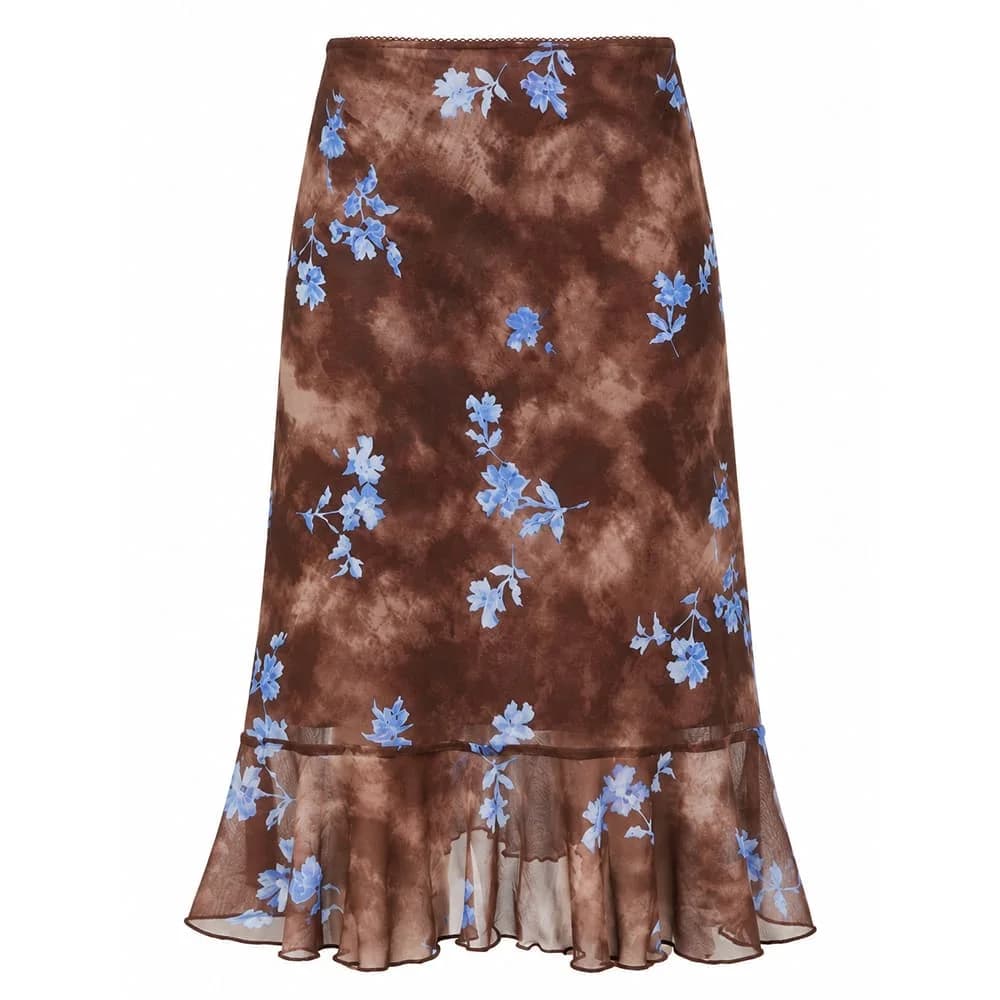
With a floral skirt and light cardigan, ankle socks can bridge the hem and a simple flat without the added bulk of leg warmers. If the print is prominent, choose socks close in color to the shoes so the lower half has fewer competing details. For an everyday direction featuring soft florals, bows, and light layers, browse the Himekaji Clothes collection.
- Scrunch ribbed leg warmers down over your ankles to soften the break between shoe and skin.
- Sheer 20-denier tights preserve the delicate feel of low-profile flats in cool weather.
- Ensure hosiery seams sit smoothly beneath your toes to avoid friction inside snug flats.
11. Seasonal Weather Adaptations: Rain, Heat, and Cold
Ballet-inspired footwear requires thoughtful adjustments across changing climates. Delicate satin and soft canvas absorb moisture quickly, making them impractical choices for rainy days or winter slush. Dressing for your local forecast keeps your footwear in good shape and your outfits practical.
In warm, dry weather, choose breathable unlined leather, cotton canvas, or open-instep flats paired with light cotton dresses to stay cool. When facing damp pavements or seasonal rain, pivot immediately to vegan leather sneakers or faux suede boots with raised rubber soles to keep your feet dry. The Balletcore Aesthetic Bow Sneakers provide an effective option here, offering water-resistant vegan leather uppers paired with supportive soles that keep moisture away from your feet.
During colder months, swap thin flat soles for thermal-lined boots, wearing your leg warmers over fleece-backed tights. This keeps your legs warm while maintaining the soft, layered look that defines the aesthetic.
- Reserve satin and untreated canvas footwear exclusively for dry days.
- Rely on wipe-clean vegan leather uppers when navigating wet city streets.
- Pair fleece-lined tights with ankle boots to handle colder temperatures comfortably.

12. Color Matching vs. Monochromatic Tonal Styling
Working with soft pinks, creams, whites, and pale neutrals requires thoughtful color distribution across your outfit. Wearing one continuous shade from neck to toe can look washed out or overly costumey, while introducing harsh dark tones can break up the soft palette too abruptly.
A reliable styling technique is tone-on-tone layeringWearing pieces over or under one another to add depth, warmth or contrast.. Combine ivory tops with blush pink skirts and beige footwear, or wear soft grey knitwear over off-white layers. This tonal approach introduces subtle depth while keeping the palette gentle. If you prefer black footwear, balance the contrast by incorporating black ribbons, hair bows, or dark belts on your upper half so the dark shoe feels integrated.
Consider selecting two dominant neutral shades for your garments, using your footwear either to echo one of those core colors or to provide a deliberate, grounding contrast.
- Mix soft shades like cream, dusty rose, and off-white rather than matching exact tones.
- If wearing black flats, introduce black accessories up top to anchor the contrast.
- Reserve bright primary accents for small details to maintain a cohesive palette.
13. Common Styling Mistakes to Avoid
One frequent styling misstep is wearing delicate, paper-thin shoes alongside oversized, heavyweight outwear without intermediate layers. A heavy winter puffer worn over bare ankles and soft flats makes the outfit look visually unbalanced, as if you changed coats without finishing your footwear selection.
Another common pitfall is lacing ribbon ties too tightly around the calf. Besides restricting circulation during walks, overtightened ribbons pull the skin unnaturally and disrupt your leg line. Ribbon laces should rest gently against your skin, tied off with enough ease to let your muscles move naturally as you take a stride.
Lastly, avoid letting long trousers drag beneath low-profile shoes. Treading on your pant hems quickly frays the fabric and soils your garments. Always tailor trouser lengths to match the specific sole height of the shoes you wear most often.
- Avoid pairing heavy winter outerwear directly with bare ankles and thin flats.
- Keep ribbon ties comfortable against your leg rather than wrapping them tightly.
- Tailor pant hems to hover just clear of the ground when wearing flat soles.
14. The Practical Footwear Matching Checklist
Before walking out the door, take a moment to evaluate your outfit from head to toe using this quick structural review. Checking your proportions, fabric balance, and comfort upfront ensures your look holds up through a full day of movement.
Start by looking at the line where your hem meets your footwear. Does the distance between the two look intentional, or does the hem cut awkwardly across your shoe's straps? Next, consider the sole: does it offer enough cushioning and traction for the surfaces you will be walking on today?
Finally, assess your layeringWearing pieces over or under one another to add depth, warmth or contrast.. If your outfit feels bottom-heavy, add a textured shrug or top-half accessory to restore harmony. If your footwear feels too delicate for your clothing, introduce a ribbed sock or swap in a sturdy sneaker to anchor the overall look.
- Check that your hemline stops at least one to two inches away from horizontal ankle straps.
- Confirm your sole choice matches your planned walking distance and outdoor conditions.
- Ensure upper-body details like bows or textures complement your footwear accents.
- Review your sizing notes, remembering that certain boots and sneakers run small.