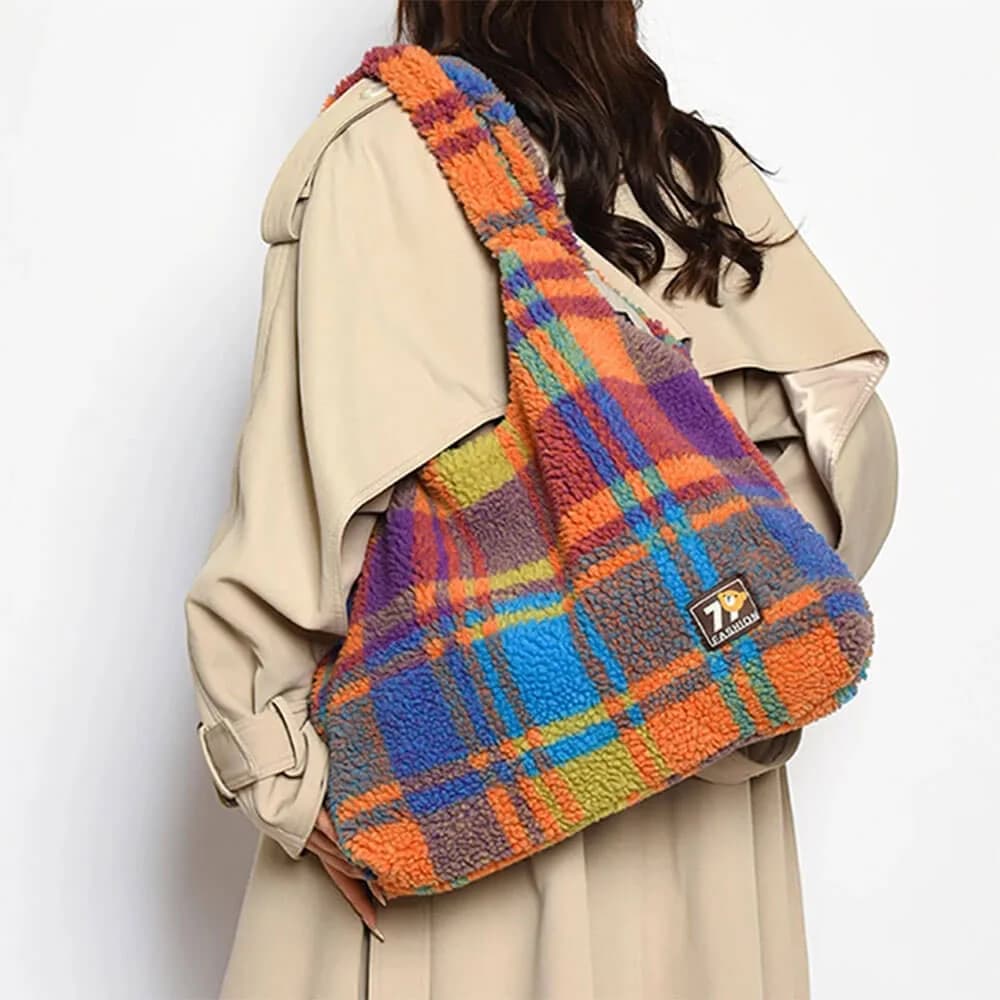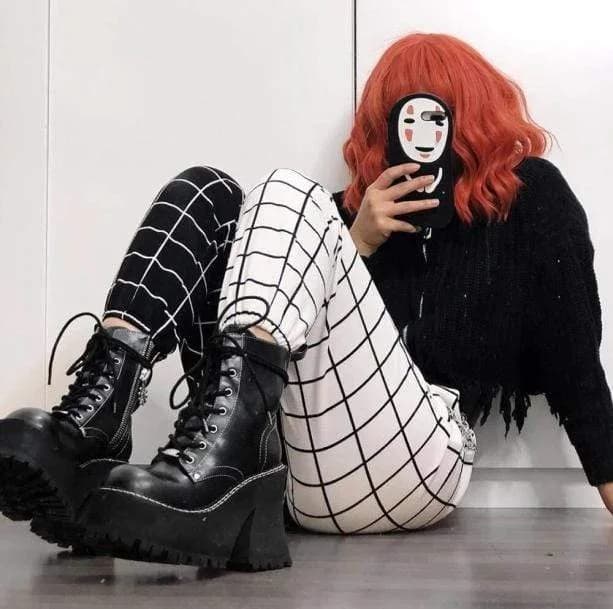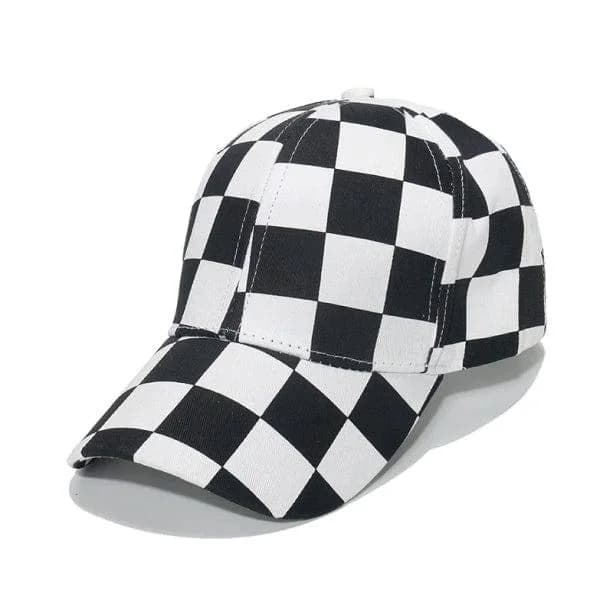

Created by the Kawaii Vibe editorial team. Our named style desks are editorial personas. Product details and availability can change.
Pairing a bag with a checkered outfit comes down to managing repeating geometry. Because checks already introduce strong vertical and horizontal lines across your body, bringing in an accessory requires a clear plan for shape, strap placement, and visual density. If your bag shares the exact same grid scale or clashes in angle, the combination can easily look crowded rather than intentional.
The most straightforward approach is to let either the clothing or the bag anchor the look, while the other provides contrast or clean structure. You can achieve this by varying the size of the checks, leaning into solid bag textures, or using rounded and architectural silhouetteThe overall shape an outfit creates, from fitted to loose and layered.s to break up straight lines. In this guide, we break down how to choose bag shapes, evaluate everyday carrying capacity, and build outfits that feel balanced throughout the day.
1. The Core Geometry: Matching Angles and Curves to Grids
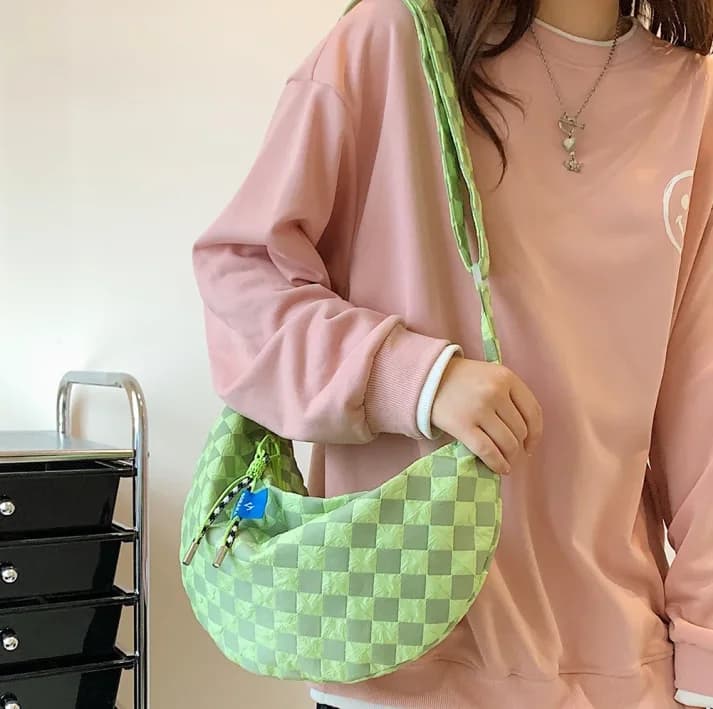
Checkered prints are composed of straight intersections, sharp ninety-degree angles, and repetitive color blocks. When you select a handbag or shoulder bag, its physical outline immediately interacts with those printed lines. Carrying an extremely boxy, rigid rectangular satchel directly over a tight checkerboard pattern repeats the same sharp angles, which can create a stiff and overly uniform look. Conversely, rounded bag shapes—such as half-moons, circle crossbodies, slouchy baguettes, and soft hobo sacks—introduce organic curves that soften the rigid grid underneath.
This does not mean structured, angular bags are off-limits. If you prefer boxy camera bags, structured micro-totes, or architectural messenger designs, the key is to ensure their edges do not directly fight the grid alignment of your garment. You can achieve this by choosing smooth materials or carrying the bag away from the main cluster of the print. If your top features an energetic graphic alongside the checks, such as the acrylic Checkered Flames Sweater, pairing it with an oval shoulder pouch or a clean cylindrical bucket bag balances the sharp flames and squares without competing for visual dominance.
- Soft curves, crescent silhouetteThe overall shape an outfit creates, from fitted to loose and layered.s, and teardrop shapes soften sharp gridlines.
- Rigid cubes, architectural boxes, and mini trunks intensify linear patterns.
- Cylinders, bucket bags, and barrel shapes blend structural volume with smooth, rounded perimeters.

2. Grid Scale vs. Bag Scale: Micro, Standard, and Macro
Scale is the relationship between the physical size of the squares on your clothes and the overall size of the bag resting against them. As a general styling rule, matching the exact square dimensions between your bag and your clothes creates visual vibration, making it difficult for the eye to settle on either piece. If your outfit features a micro-gingham or tiny two-centimeter checkerboard, a medium or large bag with a wide, unbroken surface helps ground the outfit and provides breathing room.
When wearing macro checks—large panels spanning several inches across—your accessory options shift. A macro pattern can swallow a tiny bag if the bag mimics the same scale, but a compact, solid-toned micro-bag will read as a deliberate focal point. If you want to experiment with pattern-on-pattern mixing, you can explore the range of Checkered Bags to find pieces with contrasting scale. Pairing a tight grid bag against a broad, oversized checkerboard print separates the planes of your outfit clearly, making both items stand out independently rather than blurring together.
- Micro checks pair best with medium to large bags that offer broad visual rest.
- Macro checks easily accommodate compact, structured micro-purses that stand out like hardware.
- If mixing two checkered items, ensure one grid is at least double the scale of the other.
3. Structured Tops and Bag Pairings: Crop Tops to Knitwear
Tops set the visual baseline for where bag straps sit across your chest, shoulders, and collarbones. A slim-fitting item like the cotton–polyester Checkered Crop Top exposes the midriff and fits closely to the torso. With this silhouetteThe overall shape an outfit creates, from fitted to loose and layered., a high-riding shoulder bag or a short-strap baguette creates a tidy nineties profile without pulling or distorting the fabric. Because the crop top sits flush against your skin, crossbodies with flat webbing straps also sit securely without bunching up extra material.
Heavier knitwear requires a different approach to straps and volume. A roomier piece like the Green Checkered Top, which comes in one size, or a thicker wool-blend knit introduces folds, dropped shoulders, and loose draping. A thin, delicate chain strap can dig into loose knitwear, pulling the neckline awkwardly to one side and snagging the yarn. Instead, browse our full selection of Checkered Tops and pair them with bags featuring wide shoulder straps, soft canvas webbing, or top-handle carry options that keep weight distributed evenly.
- Form-fitting crop tops sit comfortably beneath tight shoulder bags and flat nylon crossbody straps.
- Relaxed, one-size woven tops benefit from medium shoulder bags with wide straps to prevent fabric pulling.
- Chunky knits pair best with handheld totes or top-handle satchels that avoid friction against knitted yarns.


4. High-Waisted Skirts: Managing Strap Drop and Hip Placement
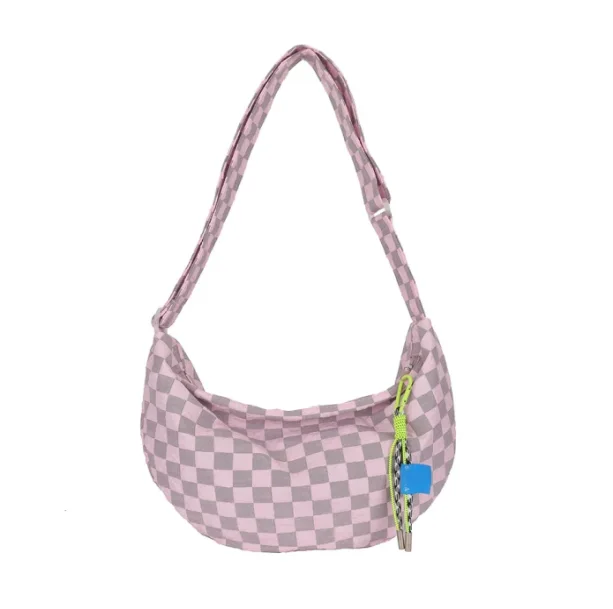
When you wear high-waisted bottoms, your natural waistline is visually raised, which alters where a bag should fall along your torso and hips. If you wear a crossbody bag with a standard long drop, the bag often hits right at the widest part of your thigh or rubs continuously against your hemline. This can cause the skirt to ride up or twist as you walk, particularly with lightweight fabrics.
For instance, the polyester High Waist Checkered Skirt creates a structured A-line profile that looks best when the hip area remains uncluttered. A bag that ends directly at the waistband—such as a short crossbody adjusted to sit ribs-high, or a compact clutch tucked under the arm—preserves the skirt's neat silhouetteThe overall shape an outfit creates, from fitted to loose and layered.. If you prefer to wear the cotton Yellow Checkered Skirt, which offers a brighter, graphic look, keeping the bag positioned slightly above the hip ensures the pattern remains clear and unobstructed as you move throughout your day.
- Set crossbody strap lengths so the bag base rests at your natural waist or upper hip bone.
- Under-arm baguette bags keep the hip and skirt hem free from friction and bunching.
- Top-handle bags carried at arm's length allow pleated or flared skirts to swish naturally.
5. Outerwear and Layering: Plush Textures vs. Heavy Packs
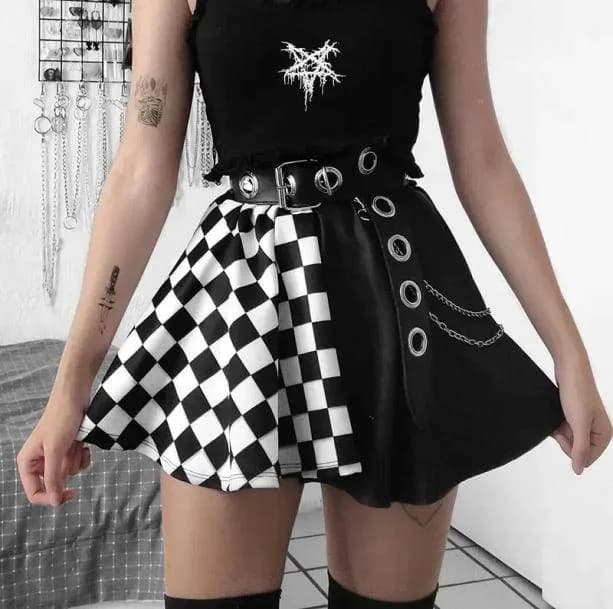
Outerwear adds bulk and shifts how bags sit on your shoulders. Puffer coats, sherpa jackets, and fleece layers compress under tight bag straps, leaving indentations across the chest and restricting your arm movement. When styling a statement piece like the polyester Plush Checkered Jacket, you are working with both a high-contrast pattern and significant fabric volume. A small, tight shoulder bag will slip right off the rounded plush sleeve, making handheld or crook-of-the-arm carry far more practical.
Similarly, a relaxed knit like the polyester and acrylic Oversized Checkered Sweater has a dropped shoulder line that works poorly with rigid, thin backpack straps. If you need to carry heavier daily items while wearing substantial layers, choose bags with generous strap drops, adjustable buckles, or padded slings. Look across our broader Checkered Clothes catalog to compare whether your chosen outerwear has smooth woven finishes or high-pile textures, as smooth surfaces accommodate crossbodies much more easily than fleece or knitwear.
- High-pile jackets pair best with structured handheld totes to prevent strap slipping.
- Oversized sweaters need bags with generous drop lengths so arms slide in easily over thick sleeves.
- Smooth windbreakers and wool coats allow crossbodies to glide without catching the fabric.

6. What Actually Fits: Capacity Planning for Daily Essentials
A bag can look exceptional with your checkered outfit, but if it cannot carry your daily essentials, you will end up juggling loose items or carrying an extra shopping tote that clashes with your aesthetic. Before settling on a bag profile, categorize what you genuinely need to carry each day. Micro bags that measure under six inches might fit a lip balm, a key fob, and folded cards, but they rarely accommodate modern smartphones or portable chargers.
If your daily checklist includes a standard phone, a cardholder, wired earphones, hand cream, and mints, a mini baguette or a small camera bag is usually the baseline requirement. For those carrying a 500ml water bottle, sunglasses case, and umbrella, you will need a medium tote or a structured bucket bag with at least three to four liters of internal volume. Matching your carrying requirements to the bag's dimensions ensures that the bag maintains its crisp, intended shape instead of bulging awkwardly against your outfit's gridlines.
- Micro tier (under 0.5L): Fits house keys, cardholder, and lip balm; purely decorative.
- Compact daily tier (1L to 2.5L): Accommodates large smartphones, keys, small compact, and charging cord.
- Full daily tier (4L to 8L): Carries a water bottle, book, sunglasses case, small makeup pouch, and compact umbrella.
7. Hands-Free Utility: Sizing and Positioning Checkered Backpacks
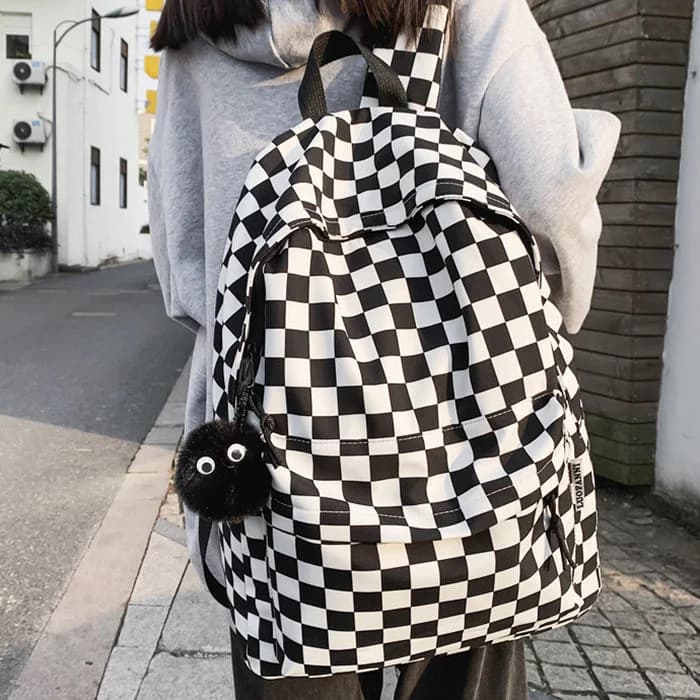
Backpacks are unmatched for carrying weight evenly, but their dual straps run directly across the chest and shoulders, interacting heavily with any print worn on top. If you are styling items from our Checkered Backpacks collection, pay close attention to back-panel placement. A mini backpack that rests between the shoulder blades acts like a compact accessory patch, leaving your lower back free and keeping the lines of your skirt or trousers visible.
Full-sized daypacks that rest against the lumbar region cover a substantial portion of your outfit. When carrying a larger pack against patterned tops, opt for plain shoulder straps to avoid creating a busy visual sandwich across your chest. If your top is already busy, positioning the backpack slightly lower on the back can create a more relaxed street-style drape. However, for heavier loads like tablets and notebooks, keep the straps adjusted snugly against your back to prevent back strain and avoid constant friction against your lower hem.
- Mini backpacks preserve the waistline and add a playful accent between the shoulder blades.
- Full-size daypacks provide utility for commutes but cover substantial pattern surface area.
- Solid-colored shoulder straps help break up busy patterns across the collarbone and chest.
8. Color Coordination: Monochromes, Clashing Brights, and Neutrals
Checkered patterns often rely on high-contrast pairings, with classic black-and-white grids being the most common. A monochrome checkered base gives you total freedom with bag colors: you can either mirror the black and white for a clean, graphic look, or introduce a bright primary accent such as cherry red, cobalt blue, or forest green. A solid red shoulder bag set against a crisp black-and-white grid produces a sharp, classic pop that draws the eye directly to your accessory.
When working with colorful garments, such as the cotton Yellow Checkered Skirt or the polyester and spandex Red Checkered Skirt, color choices require a little more care. You can use an analogous color scheme—pairing a warm orange or blush bag with yellow checks—or anchor the look with solid black, cream, or luggage tan. Using a neutral bag grounds vibrant checks, whereas introducing a third competing primary color can make the outfit feel disconnected. Look for matching tones within our Checkered Accessories to tie the bag back to your socks, hairclips, or jewelry.
- Black-and-white checkerboard provides a blank canvas for primary-colored bags like red, blue, or green.
- Warm yellow checks pair naturally with cream, warm tan, olive green, or soft terracotta bags.
- Vibrant red checks look cohesive against deep burgundy, clean white, jet black, or denim textures.
9. Strap Hardware, Chains, and Texture Interplay
The details of your bag—zippers, buckles, strap chains, and material finish—play a major role in how the bag interacts with checkered fabrics. High-shine silver or gold chain straps add a reflective, metallic element that cuts cleanly across matte cotton or knit checks. However, chunky metal chains can easily catch on loose knit stitches, making them better suited for smooth woven cottons, twill skirts, or dense polyester tops.
Texture contrast also adds depth to an outfit. A smooth faux-leather or patent bag creates a sleek, reflective contrast against matte fabrics like the cotton–polyester Checkered Crop Top. Conversely, canvas totes and corduroy bags offer a softer, utilitarian finish that works well for casual daytime wear. If your outfit already features heavy texture, such as the fluffy fleece of the Plush Checkered Jacket, stick to a smooth, matte bag to avoid competing textures that look messy together.
- Polished chain straps add clean hardware contrast across flat, tightly woven fabrics.
- Smooth faux leather and patent finishes provide a sleek counterpoint to matte cotton grids.
- Canvas, nylon, and corduroy bags keep casual checkered skirts and tops feeling grounded and practical.
10. Occasion Styling: Casual Daily Errands vs. Evening Outings
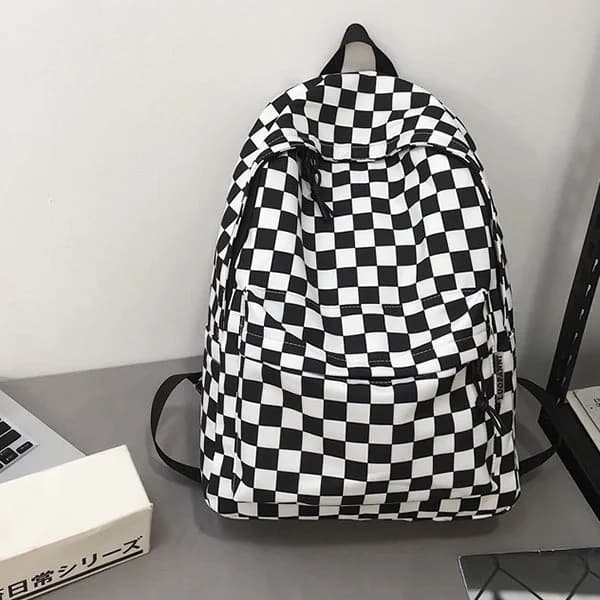
Where you are going dictates both the functional capacity you need and how bold your bag choice can be against your checks. For daytime errands, college classes, or casual weekend walks, practicality comes first. A roomy nylon crossbody, a canvas shopper, or a mini backpack provides quick access to transit cards, water, and sunglasses. Pair these utility-focused bags with relaxed pieces like the Oversized Checkered Sweater and flat sneakers for an easy, unfussy look.
For dinner, live shows, or evening outings, streamlining your silhouetteThe overall shape an outfit creates, from fitted to loose and layered. creates a sharper profile. Switch out your larger utility bag for a slim clutch, a structured micro-tote, or a small patent shoulder bag. When wearing evening-friendly items like the polyester and spandex Red Checkered Skirt, a sleek black shoulder bag with clean lines keeps the focus on the skirt's fit and pattern. Tucking the bag snugly under your arm keeps your hands free while maintaining an uncluttered, night-out silhouetteThe overall shape an outfit creates, from fitted to loose and layered..
- Daytime settings call for nylon crossbodies, canvas totes, or utility backpacks with plenty of room.
- Evening outings suit slim clutches, structured micro-purses, and compact patent baguettes.
- Streamlined bags keep fitted skirts and tops looking intentional and ready for social events.
11. Weather-Smart Adaptations for Rainy, Hot, and Cold Climates
Weather conditions influence which bag materials and carrying styles work best alongside your checkered pieces. In rainy or humid conditions, canvas bags absorb water and rub wet dye onto your clothing. For wet weather, pair waterproof nylon or water-resistant PU bags with durable outerwear. If you are wearing a breezy piece like the Green Checkered Top in warm summer climates, lightweight woven straw bags, breathable cotton totes, or small mesh pouches prevent sweaty contact patches from forming against your back and shoulders.
During cold winters, thick gloves and layered coats make small bag clasps and short shoulder straps frustrating to manage. A crossbody with a long, adjustable strap easily clears thick down coats and heavy wool layers, keeping your essentials accessible without requiring you to take off your gloves. Choose bags with chunky zipper pulls or magnetic flap closures, which are easy to operate in chilly weather, ensuring practical convenience throughout the season.
- Wet weather: Choose water-resistant nylon or slick PU to protect items and prevent dye transfer.
- Hot climates: Opt for handheld totes or loose canvas to avoid sweaty contact patches on your back.
- Cold weather: Select bags with extended adjustable straps and easy-open magnetic flaps or large zipper pulls.
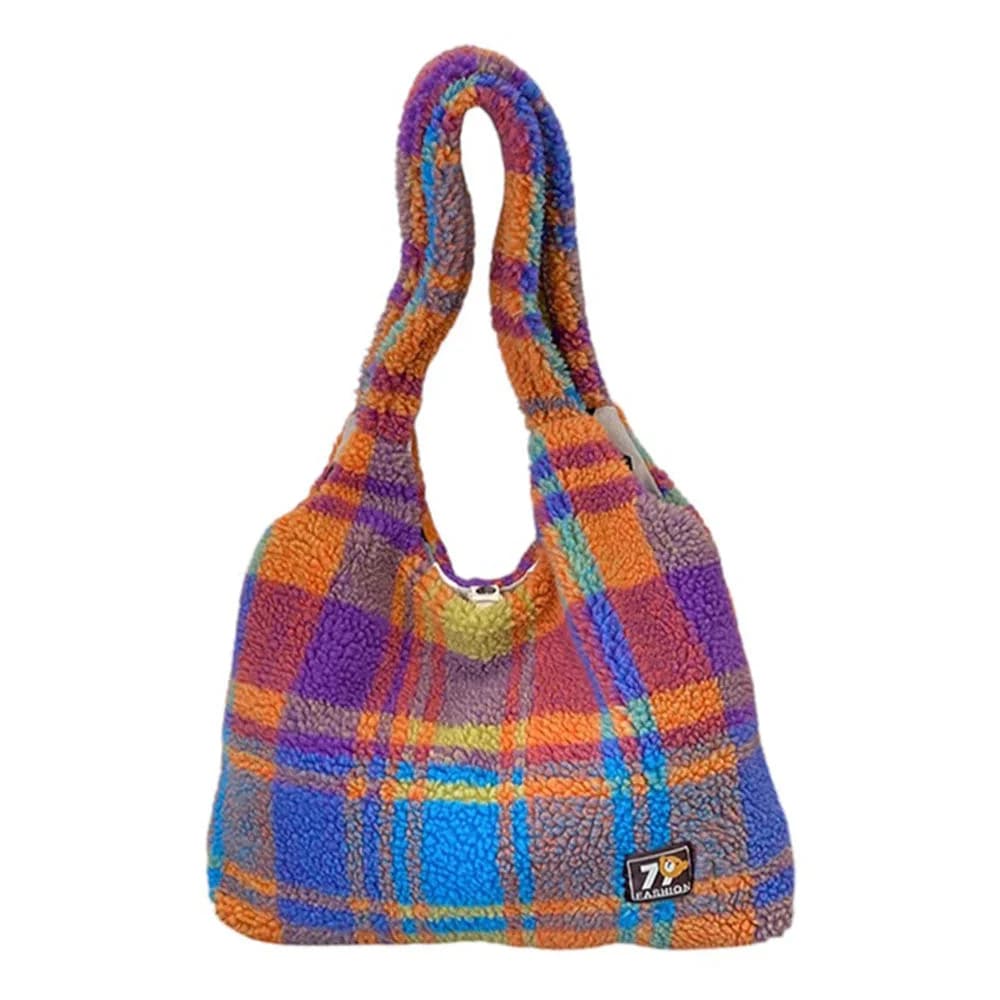
12. Common Styling Pitfalls and How to Correct Them
One common mistake when styling checkered clothing is introducing too many competing geometric prints at the same time. Carrying a houndstooth bag, a polka-dot tote, or a pinstriped pouch alongside a checkered top and skirt creates visual confusion where no single piece can shine. If you want to mix prints, stick to one checkered garment and one contrasting accessory pattern, keeping the rest of the outfit solid and grounded.
Another frequent issue is ignoring strap friction. Wearing a heavy, rough-textured canvas backpack directly over a soft knit like the acrylic Checkered Flames Sweater causes continuous rubbing that leads to fabric pilling along the shoulders and lower back. To avoid this, choose bags with smooth webbing or carry your items in a handheld tote when wearing delicate or fuzzy knits. Lastly, avoid letting an overloaded, sagging bag rest right over the hem of an A-line skirt, as the weight ruins the silhouetteThe overall shape an outfit creates, from fitted to loose and layered.'s clean lines.
- Pitfall: Mixing three or more conflicting patterns. Fix: Pair one checked piece with solid neutrals.
- Pitfall: Strap friction pilling knitwear. Fix: Use smooth straps or switch to handheld styles.
- Pitfall: Sagging crossbodies distorting skirt shapes. Fix: Shorten the strap so the bag rests at the waist.
13. Comparison Framework: Evaluating Your Next Bag Purchase
Before buying a new bag to wear with your checkered wardrobe, evaluate the piece across four practical criteria: scale compatibility, strap versatility, silhouetteThe overall shape an outfit creates, from fitted to loose and layered. contrast, and actual usable volume. Scale compatibility means checking whether the bag's dimensions and pattern (if printed) complement your favorite checkered garments rather than fighting them. Strap versatility assesses whether you can easily adjust the strap length to suit high-waisted bottoms, cropped shirts, and bulky winter coats alike.
SilhouetteThe overall shape an outfit creates, from fitted to loose and layered. contrast refers to how the bag's shape balances out your clothing. If most of your checkered clothes feature sharp tailoring, boxy cuts, and geometric hems, a bag with curved contours will offer the most versatile everyday styling. Finally, usable volume ensures the bag carries your actual daily items without bulging out of shape. Weighing these four factors helps you invest in an accessory that integrates smoothly into your current rotation instead of sitting unworn in your closet.
- Scale compatibility: Does the bag provide visual balance against your typical check sizes?
- Strap versatility: Can the strap adjust from ribcage height down to the lower hip?
- SilhouetteThe overall shape an outfit creates, from fitted to loose and layered. contrast: Does the bag's shape soften or thoughtfully complement square patterns?
- Usable volume: Will your phone, wallet, keys, and extras fit comfortably without stretching the seams?

14. The Checkered Styling Checklist
Before walking out the door with your checkered outfit, run through a quick styling checklist to confirm your look feels cohesive, comfortable, and well-balanced. Start by checking your silhouetteThe overall shape an outfit creates, from fitted to loose and layered. in a full-length mirror from the side as well as the front. Make sure your bag does not push skirts awkwardly out of shape, ride up on loose knitwear, or distort the clean lines of your clothes. Adjust strap lengths until the bag rests naturally at your waist, ribs, or upper hip.
Next, verify that your color paletteA small group of colors you repeat to make an outfit feel connected. feels intentional. If your outfit features bright patterns like the High Waist Checkered Skirt or the Yellow Checkered Skirt, ensure your bag either complements those shades or provides a clean, neutral anchor. Finally, check that your bag's hardware matches your jewelry and hair accessories, and confirm your essentials fit inside without forcing the zippers. Once everything looks balanced and feels comfortable, you are ready to head out.
- Check pattern balance: Ensure prints complement each other rather than clashing.
- Check strap drop: Position the bag so it clears skirts and sits comfortably along your torso.
- Check fabric compatibility: Make sure coarse straps won't cause friction against delicate knits.
- Check essential capacity: Confirm daily items fit neatly inside without bulging the seams.