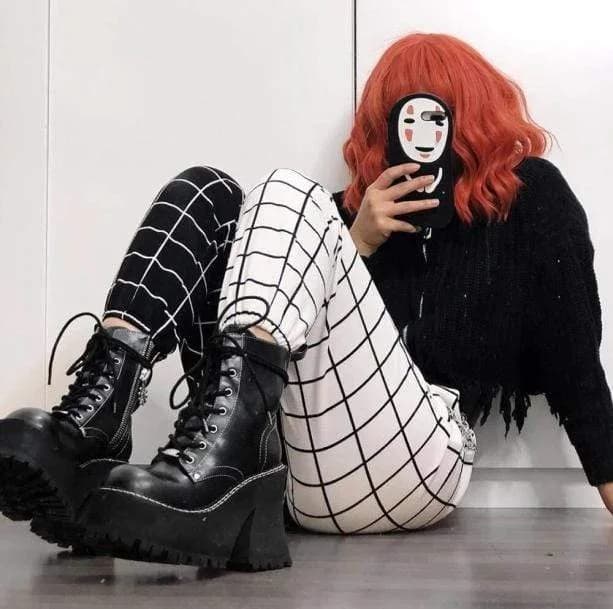
Created by the Kawaii Vibe editorial team. Our named style desks are editorial personas. Product details and availability can change.
A checkered knit introduces immediate visual structure to any wardrobe, but making it look effortless comes down to handling scale, buttoning habits, and silhouetteThe overall shape an outfit creates, from fitted to loose and layered. balance. Because the geometric print naturally commands attention, deciding whether to fasten every button, leave the front completely open, or style a selective half-button changes the entire feel of your outfit. Small adjustments to your inner layers and hemlines keep the grid pattern feeling fresh rather than overwhelming.
Whether you prefer oversized relaxed knits or neat cropped cuts, knowing how to balance boxy shoulders against fitted bottoms creates an intentional frame. We have broken down the core mechanics of wearing patterned cardigans so you can build grounded everyday outfits across changing temperatures without getting lost in excess volume.
The Fastening Spectrum: Full Button, Open, and Half-Tuck
The way you fasten a checkered knit determines how your eye travels across the pattern. Fastening every button turns your knit into a standalone top, presenting an uninterrupted grid across your torso. This method works especially well with mid-gauge pieces that feature smaller check scales, as the continuous lines give a tailored appearance. When fully buttoned, pair the knit with clean, unpatterned bottoms to avoid sensory overload, ensuring the collar lies flat against your collarbone or a neat crew neckline underneath.
Leaving the cardigan unbuttoned creates vertical lines down your torso that cut through horizontal print blocks. This approach breaks up broader checks, softening the boxy look that wide checks can create. It also gives you space to display contrasting base layers, such as monochrome tees or fitted ribbed tanks. Leaving the knit open allows the fabric to move freely around your hips, making it one of the most forgiving configurations for everyday errands or layered indoor warmth.
The middle ground involves fastening only the middle or top two buttons while leaving the bottom open. This styling technique produces an inverted V-shape opening at the waistline, which visually elongates your legs and lets high-waisted bottoms show through. It prevents chunky knits from pooling or bunching over your waistband, giving you structure without forcing you to tuck thick, heavy wool blends into tight denim.
- Full buttoning treats the cardigan as a statement jumper, best paired with minimal accessories.
- Unbuttoned styling visually splits the geometric pattern and adds vertical flow.
- Fastening only the top buttons creates a flattering triangular cutaway at the hip line.

Base Layer Foundations Under Geometric Knits
Your base layer dictates how comfortably a checkered cardigan sits on your shoulders and across your arms. A fitted cotton crewneck t-shirt serves as an ideal neutral backdrop, absorbing body moisture while providing a barrier between your skin and textured yarns. When working with graphic patterns, selecting solid neutral undershirts in off-white, slate gray, or washed black keeps the overall balance clean. Crisp plain tees let bold knit prints stand out without color clashing.
For a sharper look, smooth woven collared shirts tucked underneath a buttoned cardigan offer academic structure. Letting a white pointed collar peek over a V-neck opening provides a sharp contrast against soft, looped yarn. If your cardigan has an open neckline, high-neck mock tops or fine-rib turtlenecks offer great wind protection while creating a layered profile around your throat. This technique frames your face while keeping the attention centered on your outer grid pattern.
When building lightweight indoor looks, swapping standard tees for cropped bases reduces fabric bulk inside your waistband. Pairing a patterned knit over a dedicated base like the Checkered Crop Top (cut from a cotton–polyester blend) lets you play with micro-patterns underneath or use it as a standalone piece when peeling off warmer layers. Keeping your under-layer fitted prevents bunching under the armpits, ensuring your knitwear drapes smoothly down your back.
- Smooth fine-gauge basics reduce friction and fabric bunching along the sleeves.
- Pointed collars layered under V-neck button-downs add sharp geometric definition.
- Cropped base layers eliminate bulky fabric clusters at your waistline.

Selecting Proportions: Cropped Versus Oversized Cuts
Balancing top and bottom volumes is the main challenge when styling checkered outerwear. Cropped checkered cardigans end right around your natural waist, making them great partners for wide-leg trousers, barrel-leg jeans, and gathered skirts. Because the crop sets a higher visual waistline, it counteracts the widening effect of horizontal checks. This cut keeps your torso compact and gives loose, flowy pants room to move without losing your natural frame.
Conversely, oversized checkered cardigans create a relaxed, drop-shoulder silhouetteThe overall shape an outfit creates, from fitted to loose and layered. that wraps easily around your hips. The extra width and longer hemline invite pairings with slimmer profiles down below, such as straight-leg raw denim, tailored cigarette pants, or cycle shorts. If you love roomier knits, exploring the broader Checkered Clothes range helps you see how oversized blocks interact with different lengths and casual garments.
When shopping for oversized pieces, check that the shoulder seam drops naturally off your acromion bone without causing excessive bunching at your wrists. If the sleeve length runs too long, rolling the cuffs backward twice anchors the knit cleanly at your wrist bone, showing off watches or bracelets while maintaining comfortable hand movement throughout the day.
- Cropped knits shorten the torso profile, pairing naturally with voluminous wide-leg pants.
- Oversized longline pieces look best anchored by structured, slimmer bottoms.
- Rolling deep cuffs exposes wrist bones, lightening the weight of bulky drop-shoulder cuts.
Pairing Cardigans with Pleated and High-Waist Skirts
Skirts provide a timeless bottom half for structured knitwear, but getting the proportions right requires attention to hemlines and waistbands. When styling a boxy cardigan with a flared bottom, tucking just the front hem or keeping the knit cropped avoids overwhelming your frame with fabric. High-waisted A-line cuts balance out broad-patterned knits by anchoring the look directly at your narrowest point, letting the hem flare naturally over your legs.
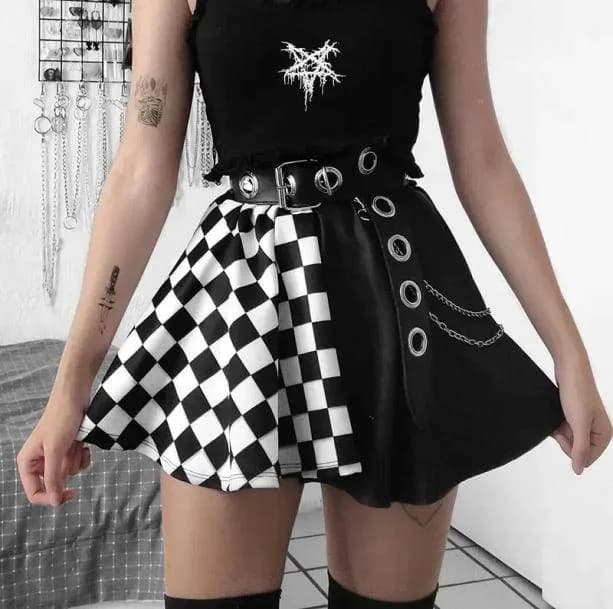
For a balanced campus-inspired look, pairing a soft knit with the structured High Waist Checkered Skirt, made from crisp polyester, lets you test scale contrast directly. The trick to pairing checks with checks is varying their sizes: wearing a wide-windowpane cardigan over a smaller, dense micro-check skirt keeps the patterns from competing with each other. Ground the pairing with sheer stockings or ankle boots to frame your legs neatly.
If you prefer a brighter palette, incorporating the Yellow Checkered Skirt (made of breathable cotton) brings warmth to muted cream or charcoal cardigans. Make sure the waistband sits flat against your ribs beneath the cardigan hem to prevent odd lumps under the knitwear. This pairing keeps the look structured, separating soft woolen textures from clean skirt fabrics.
- A-line mini skirts create a balanced contrast against heavy, wide-knit shoulders.
- Mixing patterns works best when combining a large top grid with a compact bottom check.
- Flat waistbands ensure smooth transitions when wearing open or semi-buttoned cardigans.

Balancing Bold Color Blocks with Neutral Bottoms
Vibrant checkered cardigans can sometimes feel tricky to style if you are unsure how to handle their dominant colors. The simplest way to keep the look cohesive is to identify the secondary, quieter shade in the knit's weave—like beige, cream, navy, or slate—and match your trousers directly to it. This harmonizes the entire outfit, making bright feature panels look intentional and grounded rather than loud.
Classic denim is a dependable anchor for loud knits. Light-wash denim softens saturated pastel cardigans, while dark indigo or rigid raw denim balances moody, bold tones. For example, pairing deep jewel tones or rich forest greens alongside dark straight-leg denim and matte leather loafers creates a practical, put-together outfit suitable for casual work environments or weekend outings.
If your wardrobe leans toward energetic statement pieces, exploring our Checkered Tops collection will give you fresh ideas for balancing patterned pieces with simple black jeans, straight chinos, or neutral corduroys. Keeping the bottom half unadorned gives your eyes a place to rest, letting the cardigan remain the focal point of your outfit.
- Pull your bottom-half color directly from the knit's secondary background thread.
- Mid-wash and dark denim provide reliable, low-contrast anchors for vibrant designs.
- Neutral trousers ground experimental color paletteA small group of colors you repeat to make an outfit feel connected.s for practical day-to-day settings.

Integrating Alternative Knit Silhouettes into Your Rotation
While standard cardigans offer button-down versatility, swapping in alternative knit silhouetteThe overall shape an outfit creates, from fitted to loose and layered.s can shake up your styling routine. Crewneck pullovers and brushed jumpers distribute geometric patterns evenly across your chest without button gaps or placket puckering. This makes them ideal for throwing under heavy winter parkas, trench coats, or denim jackets where button rows might create uncomfortable friction.
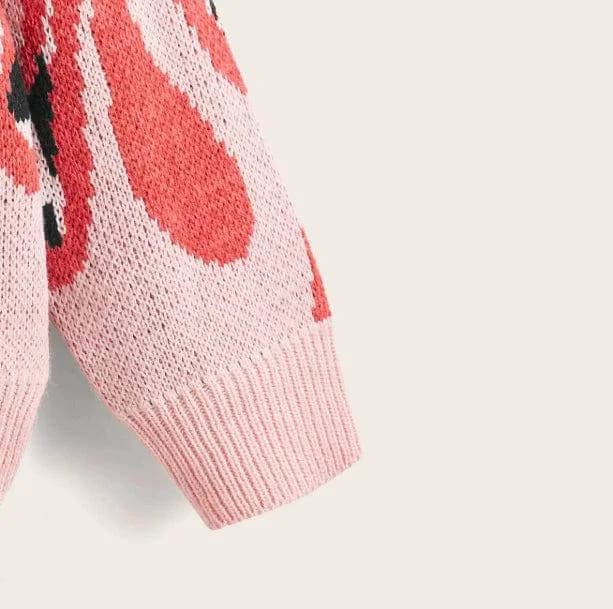
For a bolder, street-ready option, consider the Checkered Flames Sweater, which is knit from acrylic yarn and features a distinct graphic hybrid design. Pieces like this provide the thermal benefits of thick sweater knits while delivering high visual impact. They pair naturally with loose skate pants, cargo trousers, and lug-sole boots, showing how geometric knitwear easily adapts to relaxed streetwear.
To find more pieces with distinct necklines, drop shoulders, and woven patterns, explore the curated Checkered Sweaters lineup. Comparing pullovers with buttoned styles helps you pinpoint what your closet needs: the functional layeringWearing pieces over or under one another to add depth, warmth or contrast. of a button placket, or the easy warmth of a throw-on jumper.
- Pullovers provide smooth base layers under heavy coats without button friction.
- Hybrid graphic patterns bridge the gap between traditional knitwear and modern streetwear.
- Crewneck cuts distribute patterns evenly across the chest, eliminating front gaps.

Navigating Knit Weights, Blends, and Outer Layers
Cardigans come in many different yarn weights, and understanding fabric characteristics helps you layer effectively without overheating. Acrylic knits offer bright, fade-resistant colors and lightweight insulation that dries quickly, making them easy everyday staples. Meanwhile, cotton blends provide better breathability for transitional weather, and wool-blend pieces deliver serious warmth for cold outdoor settings.
When cold winds kick up, thin cardigans can easily sit underneath bulky coats, but thick chunkier knits often require heavier outerwear. The Plush Checkered Jacket, tailored from polyester fleece, works well as a dedicated top layer when standard knits aren't warm enough. Its plush texture handles brisk winds easily, serving as a cozy statement shell over lightweight tops or thermal underwear.
Always check the fit through the armholes before layeringWearing pieces over or under one another to add depth, warmth or contrast. a cardigan under a tailored winter coat. If your cardigan has dropped shoulders or wide batwing sleeves, wearing it under a slim-fitting coat can restrict your arm movement and bunch uncomfortably around your biceps. For chunky-gauge cardigans, pair them with raglan-sleeve coats, roomy cocoon jackets, or oversized denim shells to give the sleeves room to breathe.
- Acrylic blends provide vibrant color retention and easy, lightweight daily warmth.
- Fleece jackets deliver cozy outer protection when fine knits fall short.
- Raglan-sleeve coats fit comfortably over dropped cardigan armholes without binding.
Pattern Mixing: Checks Alongside Plaids, Houndstooth, and Stripes
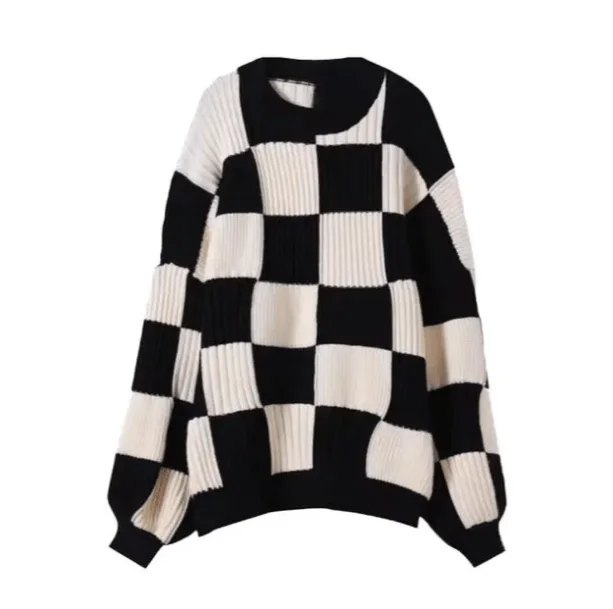
Combining checks with other geometric patterns is an easy way to elevate your personal style, provided you handle scales carefully. The cardinal rule of pattern mixing is to vary pattern sizes significantly. A broad four-inch checkerboard cardigan clashes uncomfortably with a four-inch buffalo plaid skirt, creating visual noise. However, pairing that same broad cardigan with a micro-houndstooth trouser or pinstriped collared shirt looks balanced and intentional.
Color coordination is the secret to successful pattern pairing. Keep at least one core neutral shared across all patterned items in your outfit. If your cardigan features charcoal and cream, make sure your striped base layer or patterned bottoms include that exact same charcoal or cream. This common thread ties the different shapes together, giving your outfit an intentional, well-styled feel rather than looking mismatched.
For a rich, multidimensional outfit, combine your cardigan with the Red Checkered Skirt, which is crafted from a flexible polyester-spandex blend. Pairing a neutral monochrome cardigan with a bright, dynamic red check skirt lets each piece stand out on its own. Ground the mixed patterns with simple footwear, such as matte leather boots or understated canvas sneakers, to keep your outfit looking neat.
- Combine patterns with contrasting scales—pair large squares with narrow checks or stripes.
- Ensure at least one matching neutral color runs through both patterned pieces.
- Keep footwear and accessories minimal to prevent your outfit from feeling cluttered.

Warm-Weather Transitions and Open-Knit Breathability
Checkered cardigans are not just for the cold winter months; they also work well as light layers during breezy spring days and cool summer evenings. For warmer weather, choose open-gauge knitwear, looser weaves, or cropped designs that let air circulate freely. Draping a lightweight knit over your shoulders with the arms tied loosely across your chest offers preppy charm while keeping your hands free during the heat of the day.
During seasonal transitions, pair a light knit with warm-weather staples like high-waisted linen shorts, denim cut-offs, or tennis skirts. If you want a playful pop of color for sunny park walks, the Green Checkered Top (available in a simple one-size cut) can be worn on its own or layered under an unbuttoned lightweight cardigan. This gives you flexible options when moving between warm afternoon sun and cool evening shade.
Footwear also helps shift knitwear into warmer seasons. Swapping heavy leather combat boots for low-top canvas sneakers, woven huaraches, or Mary Janes instantly brightens up your outfit. Rolling your cardigan sleeves up to your elbows exposes your forearms, helping you stay comfortable while keeping the cozy knit texture in your rotation year-round.
- Shoulder-draping gives you convenient extra warmth for breezy summer nights.
- Lighter cotton knits pair naturally with denim shorts, tennis skirts, and canvas shoes.
- Exposing wrists and forearms balances chunky knits for warm-weather styling.
Choosing Proportions for Layering Over Dresses
Wearing a checkered cardigan over a dress is an easy way to transform a one-piece outfit, though hemlines need thoughtful styling. Long maxi slip dresses made of silk, satin, or rayon look striking beneath slightly unbuttoned chunky knits. The contrast between delicate, fluid dress fabric and cozy, structured knitwear creates an interesting textural mix that suits both daytime coffee dates and casual dinners.
When layeringWearing pieces over or under one another to add depth, warmth or contrast. over fit-and-flare or skater dresses, choose a cropped cardigan that ends right at the dress's narrowest waist seam. A long cardigan that falls over a flared skirt can squash the skirt's volume, making you look boxy around the hips. Cropped knits preserve the dress's intended silhouetteThe overall shape an outfit creates, from fitted to loose and layered., framing the skirt's flare while adding upper-body warmth and geometric contrast.
Shirt dresses also work wonderfully under open cardigans. Make sure the shirt dress collar sits comfortably outside the cardigan neckline, and pull the dress cuffs through the sweater sleeves so they show at your wrists. This smart layeringWearing pieces over or under one another to add depth, warmth or contrast. detail makes the pieces feel integrated into a unified outfit rather than just piled on top of each other.
- Pair fluid satin slip dresses with chunky knits for an interesting mix of textures.
- Cropped cuts preserve the waist seam and flare of skater-style dresses.
- Pull dress collars and cuffs past the knitwear edges for an intentional layered finish.
Everyday Styling: Work, Study, and Weekend Casual
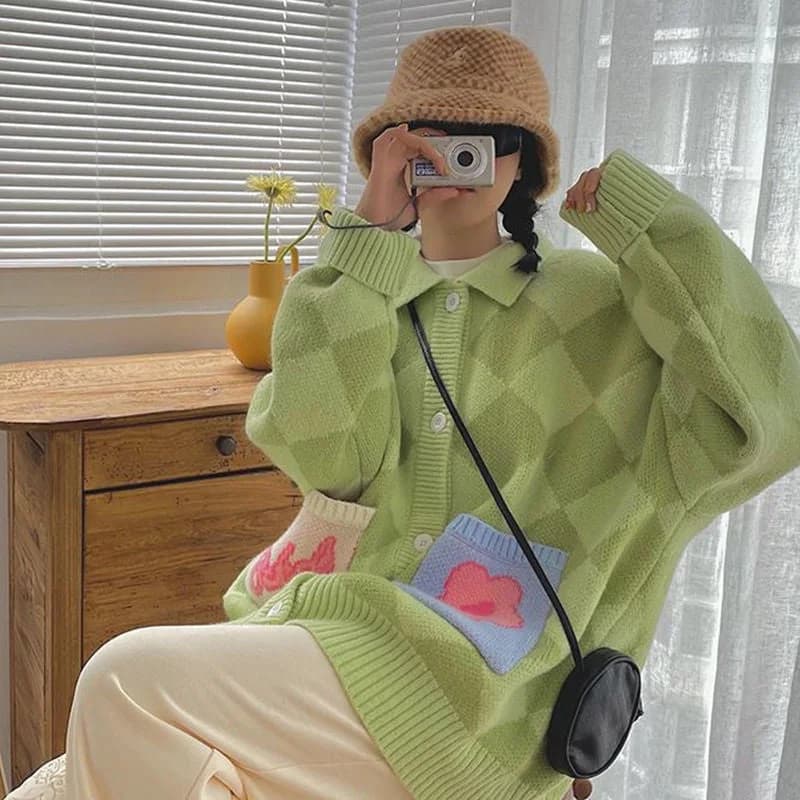
Checkered cardigans adapt easily to different daily routines with just a few styling tweaks. For casual work environments or university lectures, style a fine-gauge black-and-white check knit buttoned halfway over a white collared shirt, paired with tailored straight-leg trousers and clean leather loafers. This balances relaxed creative style with a tidy, professional edge suitable for study halls and informal offices alike.
On laid-back weekends, lean into effortless comfort. Layer a loose, open-front knit over a comfortable graphic tee, washed boyfriend jeans, and classic athletic trainers. To browse more functional day-to-day styles, explore the Checkered Cardigans collection to discover versatile colorways and cuts that fit seamlessly into busy weekend schedules.
For weekend brunch dates, balance out your knit with a playful skirt. You can choose from our curated selection of Checkered Skirts to find designs that complement the scale of your favorite knitwear. Complete the look with an unstructured canvas tote, simple earrings, and low platform shoes for a comfortable, balanced outfit.
- Tuck fine-gauge knits into tailored work trousers for a professional appearance.
- Wear open knits over casual tees and relaxed denim for easy weekend comfort.
- Pair structured knits with simple everyday footwear like clean white trainers or loafers.
Navigating Oversized Knits and Volume Control
Oversized cardigans provide unmatched cozy comfort, but handling their volume is key to avoiding looking lost in your clothes. If a knit drops low around your thighs and features wide balloon sleeves, balancing your lower half keeps your shape well defined. Wearing straight-leg jeans, stirrup leggings, or tailored cycle shorts helps maintain clean proportions beneath the generous knitwear.
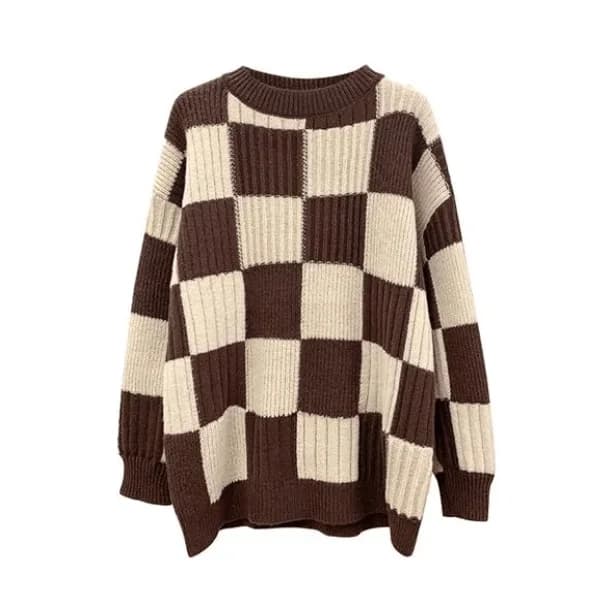
A reliable option for relaxed days is the Oversized Checkered Sweater, offered in versatile brown and black colorways in a soft polyester-acrylic blend. To keep your shape visible beneath its roomy cut, try tucking just the front hem loosely into your waistband. This small adjustment shows off your belt and high waistline, giving the relaxed drape structure without sacrificing any comfort.
You can also use shoulder placement to manage extra volume. Letting a roomy cardigan slip slightly back off your shoulders naturally shortens the front hemline and opens up your chest. This simple styling trick breaks up the bulk of heavy fabrics, keeping relaxed knits feeling breezy and effortless throughout the day.
- Balance voluminous drop-shoulder knits with clean, tailored bottoms.
- A quick front-tuck reveals your waistband and prevents bulky fabrics from draping flat.
- Letting your cardigan drop slightly behind the neck reduces front fabric bulk.
Common Styling Pitfalls and Practical Fixes
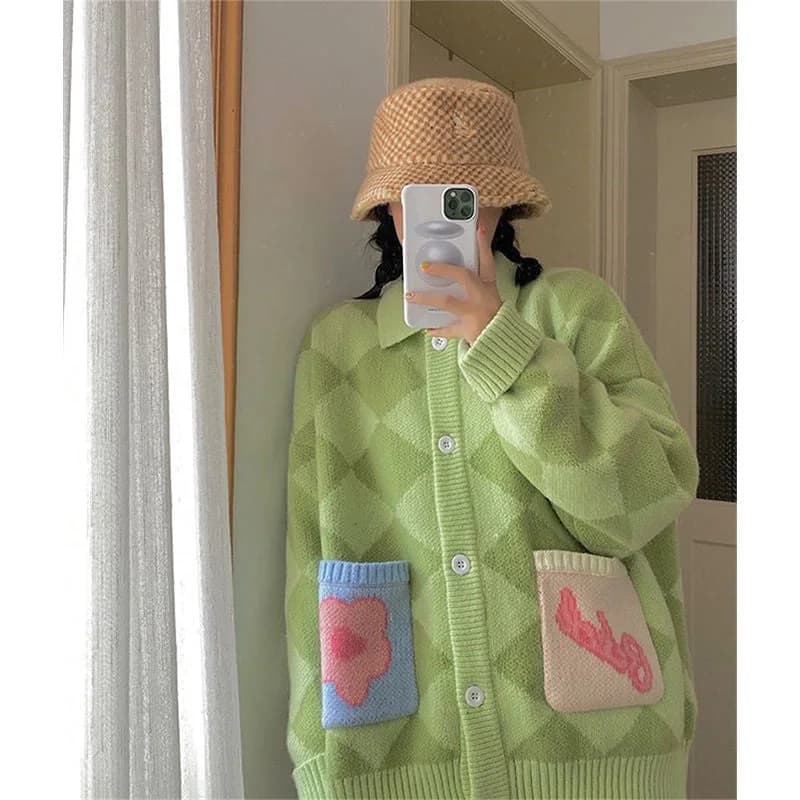
One common mistake when styling checkered cardigans is ignoring fabric friction. LayeringWearing pieces over or under one another to add depth, warmth or contrast. a loose acrylic or wool cardigan over an equally fuzzy brushed-cotton or wool undershirt can cause the fabrics to catch and bunch up as you walk. This friction pulls at your seams and can cause fabric pilling. To keep your arms moving freely, always pick slick, smooth inner layers like modal, silky viscose, or combed cotton.
Another regular pitfall is mismatching your neckline depths. Wearing a wide scoop-neck t-shirt beneath a deep V-neck cardigan can expose awkward slithers of undershirt that look accidental. Instead, match your necklines deliberately: either wear a high crewneck that shows clearly above the knit, or choose a plunging camisole that hides completely out of sight. Making this line crisp and intentional keeps your collarbone area tidy.
Finally, avoid choosing bottoms that fight with the scale of your cardigan's check. If your knit features bold three-inch blocks, pairing it with pants covered in busy geometric prints can feel chaotic. When in doubt, switch to reliable solid neutrals. Let the cardigan serve as the main focal point of your outfit, and keep the rest of your pieces simple and understated.
- Choose smooth, low-friction base fabrics to prevent static cling and fabric pilling.
- Align your necklines intentionally—either hide the under-layer or frame it cleanly.
- Anchor busy, wide patterns with solid neutral pants to maintain a balanced look.
Cardigan Selection and Outfit Assembly Checklist
Before finalizing your outfit, run through a quick styling checklist to make sure your pieces work harmoniously together. First, check your shoulder seams and arm mobility: you should be able to lift both arms comfortably without the front buttons pulling open or gaping across your chest. If the fabric pulls tight against your buttons, consider wearing the cardigan unbuttoned or sizing up for a more relaxed drape.
Next, take a look at your overall pattern balance in a full-length mirror. Make sure your checks are supported by matching colors in your undershirt, trousers, or shoes. If you are mixing multiple prints, ensure the pattern scales are noticeably different so they don't fight for attention. Finally, check your hemline transitions to confirm your top and bottom halves meet neatly without awkward bunching at your hips.
Taking a moment to evaluate your fabric textures, layeringWearing pieces over or under one another to add depth, warmth or contrast. choices, and overall proportions ensures that your outfit feels comfortable all day long. A thoughtful checkered cardigan ensemble should move naturally with you, keeping you stylish and cozy wherever your plans take you.
- Ensure buttons sit smoothly flat across your chest without gaping or pulling open.
- Confirm that secondary pattern colors match your bottoms or base layers.
- Check that your knit hemline transitions smoothly into your waistband.