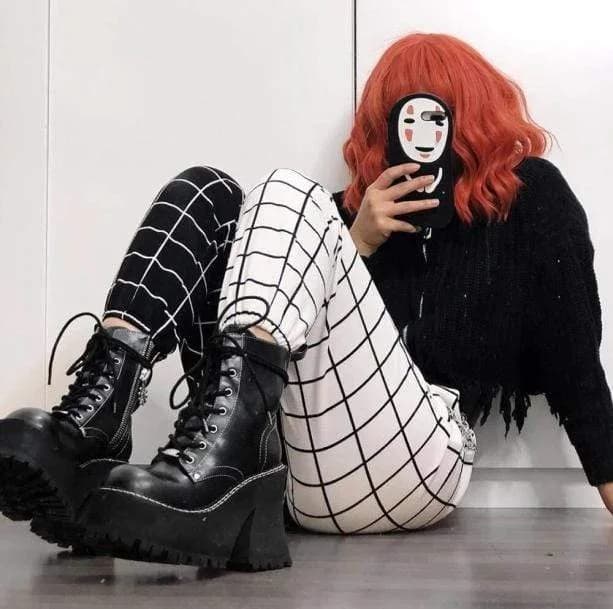
Created by the Kawaii Vibe editorial team. Our named style desks are editorial personas. Product details and availability can change.
Wearing a bold patterned outer layer comes down to managing visual weight and hemline geometry. When a jacket carries a grid print, it instantly pulls the eye across your torso, altering how your overall height and silhouetteThe overall shape an outfit creates, from fitted to loose and layered. appear. If the surrounding garments compete in pattern size or sit at awkward breaks on your frame, the whole look can feel cluttered rather than intentional.
Finding balance does not mean sticking entirely to plain basics or abandoning playful shapes. It means understanding where visual breaks occur, how thick textures interact with structured lines, and when to pair complementary patterns. By looking at hem lengths, sleeve volumes, and inner layers systematically, you can make patterned outerwear feel natural and effortless.
This guide explores straightforward methods to style grid-based outerwear across varied climates and settings. Whether you want a boxy statement piece or a softer plush texture, these formulas help you build clean proportions without second-guessing your outfit before leaving the house.
The Golden Rule of Silhouette Proportions
A patterned jacket acts as an optical anchor. Because grids create horizontal and vertical lines, they add apparent width to whatever section of your body they cover. Balancing that volume requires intentional contrast in your base layers. If your jacket is cut short and boxy, grounding it with a longer, straight-leg trouser or a relaxed skirt keeps your frame elongated instead of cutting you abruptly in half.
Conversely, if you choose an oversized, hip-length outer layer, slim or cleanly tailored bottom halves help avoid a swallowed-up look. A simple pairing like straight denim or a neat A-line skirt creates an inverted triangle or clean column underneath, letting the jacket sit comfortably as the widest element. Keeping your inner top relatively smooth prevents excess bunching beneath the armholes.
When browsing our wider selection of checkered clothes, take note of where items are designed to hit the body. A sharp crop creates a completely different proportion than a relaxed drop-shoulder piece. Setting your baseline silhouetteThe overall shape an outfit creates, from fitted to loose and layered. before picking your color paletteA small group of colors you repeat to make an outfit feel connected. ensures the outfit holds its structure throughout the day.
Scale and Grid Size: Micro Checks vs. Macro Blocks
The size of the checkered pattern heavily influences how much presence an outer layer has in your outfit. Micro checks—grids measuring an inch or smaller—function almost like textured solid tones from a distance. They are forgiving to layer over slightly busier basics because their detail blends into a subtle background rhythm. They work smoothly for understated daytime looks or smart-casual settings.
Macro blocks, on the other hand, feature large squares spanning several inches across. These prints deliver high graphic contrast and demand breathing room. When wearing large-scale checks, you want nearby pieces to offer smooth, uncluttered surface areas so the graphic punch remains crisp. Wearing equally large competing patterns right beside them creates optical static that fights for attention.
To test what scale suits your wardrobe, check your existing closet for dominant patterns. If most of your inner shirts are plain or ribbed, macro block outerwear makes a fun focal point. If your style relies heavily on graphic tees or printed knitwear, smaller micro-check outerwear offers substantially more versatility.
Managing Texture and Fabric Bulk
Pattern isn't the only element that changes an outfit's visual heft; fabric thickness plays an equal role. A dense fleece, sherpa, or wool-blend exterior adds physical volume to your shoulders and chest. Pairing a heavy outer texture with equally thick, chunky knits underneath often creates stiff, awkward arm movement and an overstuffed upper half.
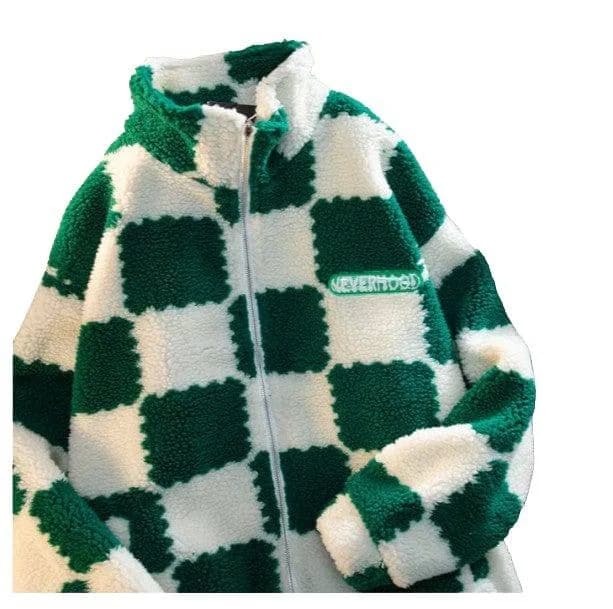
For bulkier pieces like the Plush Checkered Jacket, which comes in polyester with sizes M through 2XL, pairing it with streamlined bases is the easiest styling route. Because the plush exterior already provides ample tactile softness and physical dimension, wearing a thin cotton layer or a smooth fitted jersey underneath keeps your silhouetteThe overall shape an outfit creates, from fitted to loose and layered. clean and comfortable.
Lighter twill or cotton shells give you the opposite freedom. Because they collapse softly against the body, you have room to slip substantial sweaters underneath without feeling restricted. Assessing both the hand-feel and thickness of your outer layer prevents unintended bulk before you start layeringWearing pieces over or under one another to add depth, warmth or contrast. up for cooler days.


Hemline Architecture: Where Outerwear Meets Bottoms
Where your jacket ends dictates where observers perceive your waist and hips. A cropped jacket ending just at or above the natural waist creates a lengthening effect on the legs. To maximize this, pair cropped cuts with high-rise bottoms. The visual line travels directly from the jacket hem down through the long expanse of the pants or skirt.
Mid-length jackets that hit across the widest part of the hip need a bit more styling care. If an unbuttoned hem cuts straight across mid-hip, it can widen your silhouetteThe overall shape an outfit creates, from fitted to loose and layered. horizontally. You can easily counteract this by keeping your inner layer tucked into high-waisted bottoms, creating a clear vertical stripe down your center torso when the jacket hangs open.
Thigh-length and longline coats benefit from movement. Wearing them open while walking displays the clean, unbroken color of your inner outfit, turning the jacket into two vertical framing panels. This framing technique prevents even heavy patterns from overwhelming petite frames or feeling too boxy.
The Fitted Base Strategy: Balance Boxy Cuts
When an outer layer has a loose, drop-shoulder cut, building a fitted inner core is the most reliable trick in styling. A close-to-body base layer gives definition to your frame while allowing the jacket to drape freely around you. This contrast highlights the intended oversized silhouetteThe overall shape an outfit creates, from fitted to loose and layered. of the outer garment rather than looking like an improper fit.
A practical pairing for this approach is the Checkered Crop Top, cut from a cotton–polyester blend in sizes S to L. Wearing this beneath a roomy, open outer layer establishes a visible waistline. Because it fits close to the torso, you avoid fabric bunching around your midriff, which keeps your front profile tidy.
To finish this balance, bring in simple bottoms like wide-leg trousers or relaxed cargo pants. The combination of a fitted top and wide bottoms creates an hourglass or balanced column structure, allowing your patterned jacket to rest over your shoulders as an effortless framing layer.

Pattern on Pattern: Mixing Grids Without Clashing
Wearing checks on both your upper and lower body sounds intimidating, but it follows simple design rules. The key is avoiding identical grid dimensions. If both items share the exact same square size and line thickness, the outfit can look like an accidental mismatch rather than a deliberate styling choice.
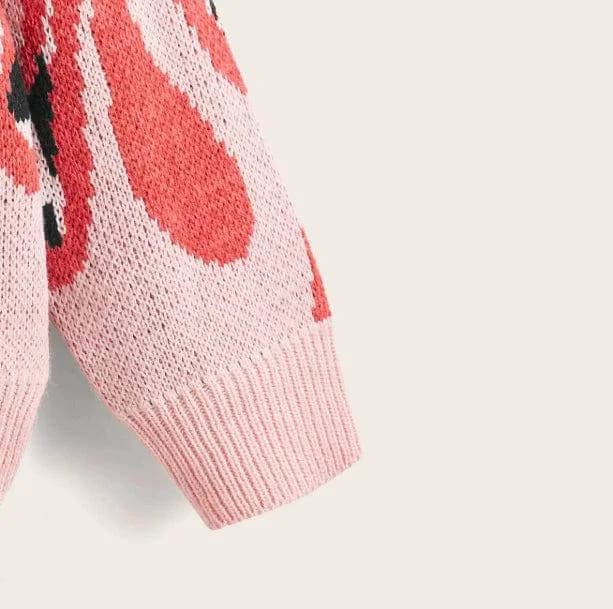
Instead, combine high-contrast macro squares with tight micro checks, or offset your grid with an energetic graphic piece. For instance, pairing a subtle outer jacket with the Checkered Flames Sweater, made of acrylic in sizes S to XL, injects directional art into the look. The flame motif breaks up pure geometric repetition, giving your midsection dynamic interest.
Color cohesion also makes mixed patterns work. Ensure both patterned garments share at least one grounding neutral, such as black, cream, or charcoal. That shared tone connects the pieces visually, allowing their distinct patterns to complement each other rather than fighting for dominance.

Layering Over Knitwear: Sweaters and Cardigans
During transitional weather, layeringWearing pieces over or under one another to add depth, warmth or contrast. outerwear over knitwear is a standard choice. However, jackets need adequate sleeve and shoulder room to accommodate knit stitches comfortably. Trying to squeeze a heavy cable knit into a slim-cut sleeve leads to uncomfortable bunching and pulls at the outer seams.
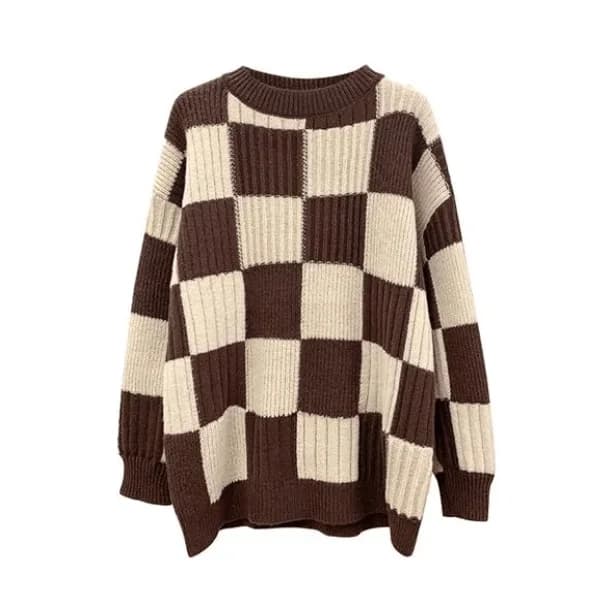
If you want to wear a roomy knit like the Oversized Checkered Sweater, available in polyester and acrylic blends across brown and black options from sizes S to 2XL, your outer jacket must feature dropped shoulders or a wide batwing cut. Alternatively, this piece often works best worn as the outermost top layer itself on milder days.
You can explore our curated range of checkered sweaters to compare sleeve styles and fabric drape. When choosing pieces to go under jackets, medium-gauge knits with smooth ribbing or flat weaves consistently sit flatter beneath outer coats than heavily textured bouclé or chunky cable constructions.
Skirt Shapes: A-Line, Pleated, and High-Waisted Pairings
Skirts offer fantastic versatility when styling patterned outerwear because their hemlines alter your lower proportions completely. A structured A-line skirt creates a gentle flare that balances out broad, squared shoulders on a jacket, building a classic silhouetteThe overall shape an outfit creates, from fitted to loose and layered. that feels grounded and playful.
If you love coordinated grid styling, consider the High Waist Checkered Skirt, crafted in polyester in sizes S to L. Because it sits high on the natural waist, pairing it with a cropped jacket reveals the fitted waistband. This setup creates a distinct break point between your upper and lower halves, preventing two patterned zones from blurring together.
For longer skirts, like midis or maxis, keep outer layers relatively short or deliberately long. A jacket ending right around mid-calf can make an outfit feel bottom-heavy. Aim either for an outer layer that stops at the hip or opt for a full longline duster that skims near the hem of your skirt.
Trousers and Denim: Leg Line Ratios
Trousers anchor your overall proportions by establishing how straight or wide your lower half appears. Wide-leg denim provides a sturdy visual base that supports heavy, boxy checkered outerwear. When your pants have substance and volume, a structured jacket doesn't look top-heavy; instead, the whole outfit reads as relaxed and architectural.
Straight-leg jeans and tailored chinos deliver a more classic line. They work exceptionally well with hip-length checkered jackets because they do not add lateral width below the jacket hem. This keeps the visual line moving smoothly downward toward your footwear, which helps maintain an elongated look.
If you prefer slim or tapered trousers, balance them by keeping the jacket unbuttoned with a slightly looser top underneath. Squeezing into tight bottoms beneath an oversized, buttoned-up jacket can create an exaggerated carrot shape. Allowing the jacket front to hang open softens the transition between a loose top and slim legs.
Color Coordination and Contrast Control
Monochrome checkered outerwear in black and white offers extreme styling flexibility, acting essentially as a neutral graphic canvas. You can pair it with vibrant jewel tones, soft pastels, or earthy neutrals without worrying about clashing undertones. The strong black-and-white contrast naturally organizes the surrounding colors.
For colorful outerwear—like pastel pink, mint, or forest green checks—you want your base garments to support that palette. Picking one secondary color from the jacket's pattern and echoing it in your socks, scarf, or undershirt creates a cohesive through-line. Keeping the rest of the outfit in muted tones allows the colored grid to shine.
If you prefer bright separates underneath your outerwear, browse our dedicated checkered tops collection for inner layer inspiration. Using a solid outer jacket over a bright checkered inner top is a smart reversal of the statement jacket look, offering a pop of pattern framed by solid lapels.
Accessories and Footwear: Grounding the Silhouette
Footwear plays an understated role in proportion management. A patterned jacket draws significant focus up toward your shoulders and chest. If you finish your outfit with extremely minimal, delicate canvas flats, the bottom of your look can feel visually weightless compared to your patterned upper half.
Substantial footwear—such as chunky loafers, platform sneakers, or lug-sole boots—restores balance. The extra sole thickness provides a grounding weight at floor level that anchors the bold pattern up top. This gives your outfit a solid frame from head to toe, creating deliberate symmetry.
Keep bags and headwear relatively clean. A plain structured crossbody bag or a simple canvas tote sits nicely across a checkered pattern without fighting its lines. If you enjoy carrying playful decorative items or decorating your living space with matching motifs, exploring checkered plushies offers fun inspiration for how grids accent personal aesthetics.

Adapting Proportions for Varied Weather
LayeringWearing pieces over or under one another to add depth, warmth or contrast. demands different tactics depending on your local climate. In warm, breezy weather, you can drape a lightweight checkered outer layer casually over bare shoulders or wear it unbuttoned over a light camisole. This lets cool air circulate freely while the light fabric creates gentle, fluttering movement around your body.
In cold, crisp conditions, the goal is adding warmth without losing shape. Thermal base layers worn close to the skin provide insulation without adding bulk to your arms and torso. This leaves your jacket lining free to slide smoothly over your clothes without tugging or creating awkward bunching along the sleeves.
For rainy or transitional days, pay attention to hemline clearances. Wearing cropped jackets with puddling floor-length hems risks wet fabric edges. Instead, opt for cropped pants or tucked boots that keep your hems neat while the jacket provides upper-body coverage against brisk breezes.
Common Outfit Proportions Pitfalls to Avoid
One frequent styling mistake is stacking too many bulky layers of the exact same length. If your inner sweater, your outer jacket, and your untucked shirt all hit at identical spots on your hip, you create a thick horizontal band around your midsection. Staggering hemlines creates depth and visual relief.
Another pitfall is pairing high-contrast horizontal grids with bottoms that cut across mid-calf. This double division truncates vertical height dramatically. When wearing high-contrast outerwear, choose bottoms that either hit clean at the ankle or end above the knee to preserve a clean vertical proportion.
Lastly, avoid overcrowding your neckline. A jacket with a wide lapel or structured collar already frames your neck. LayeringWearing pieces over or under one another to add depth, warmth or contrast. high, stiff collars and dense, fluffy scarves underneath can overwhelm your collarbones. Giving your neck and chest area breathing room keeps the overall silhouetteThe overall shape an outfit creates, from fitted to loose and layered. relaxed and open.
Your Proportions Checklist Before Heading Out
Before stepping out the door, take a moment to do a quick visual scan in a full-length mirror. Checking your lines from front and side angles helps confirm that your layers sit comfortably and hang the way you intended throughout the day.
When you are ready to expand your outerwear wardrobe with dedicated pieces, review our full line of checkered jackets to discover cuts ranging from cropped fleeces to relaxed tailored shapes. Use this checklist as a quick everyday reminder:
Does your footwear have enough visual weight to anchor your patterned upper half?
Can you move your arms and shoulders comfortably without inner sleeves binding?
Does your waistline have a clear reference point through high-rise bottoms or tucked layers?
Is there a dominant visual focus rather than two large patterns competing for attention?
Are your hemlines staggered or cleanly aligned rather than awkwardly stacked?
- Hemline check: Ensure base and outer hems don't create bulky, overlapping ridges.
- Movement test: Lift and swing arms to confirm inner knits glide freely inside outer sleeves.
- Scale harmony: Verify that adjacent prints feature noticeably different grid dimensions.
- Base balance: Pair wide or boxy jackets with grounded footwear or structured pants.