Created by the Kawaii Vibe editorial team. Our named style desks are editorial personas. Product details and availability can change.
Start with your stuff, not the bag. Lay out what you carry on a normal day, then pick the smallest bag that holds it without bulging. That one habit fixes most bad bag purchases, because cute shapes are easy to fall for and hard to live with if the phone doesn't fit.
This guide walks through size, strap, closure, weight, pockets and styling, with three example loadouts for commuting, class and weekends. You can browse as you read, starting with the Kawaii Bags collection or the wider Bags & Purses range.
One honest note up front: we're a retailer, not the maker, and the product pages list only a few details such as colours and one-size options. Where a measurement or material isn't listed, check the product page and don't assume. The advice below is about how to judge any bag, so you can apply it to whatever catches your eye.
Start With a Pocket Audit, Not a Shopping Cart
Empty your current bag onto a table and sort it into three piles: every single day, most days, and just in case. The first pile decides your bag. The third pile is usually the reason your bag is heavy, and most of it can stay home or live in a tote.
Be honest about the awkward items. A phone with a thick case, a long wallet, a water bottle and a pair of glasses in a hard case are the usual troublemakers. A cute little bag that swallows a card holder and lip balm but rejects your phone will end up in a drawer within a month.
Take a photo of your daily pile with a coin or your hand beside it for scale. When you look at a product page, you can compare that photo against the listed dimensions or the product photos. If dimensions aren't given, look at how the bag sits against a model's body and treat the size as unconfirmed until you can check it.
- Pile 1: phone, keys, card or small wallet, earbuds
- Pile 2: lip balm, tissues, hand cream, hair tie
- Pile 3: charger, snacks, umbrella, spare everything

Pick the Size by Your Longest Item
Your longest or bulkiest daily item sets the minimum size. For most people that's the phone, or a long zip wallet. Measure it, add a little room for the bag's lining and zip, and you have your floor. Anything under that floor is a decoration, not a bag.
Then think about depth. A flat, wide bag holds a phone and cards but squashes a bottle or a plush charm. A boxier, deeper bag takes more but sticks out from your side and bumps on doorframes. If you carry a small pouch of extras, depth matters more than width.
A useful comparison trick: stack your daily pile in the shape of the bag you're considering. If the pile is taller than it is wide, look for an upright shape. If it's flat, a wide, slim shape sits closer to the body. Many kawaii bags are shaped like animals, fruits or clouds, so the real usable space can be smaller than the outline suggests. Look at photos with the bag open when they're available.
Strap Types and What They Do All Day
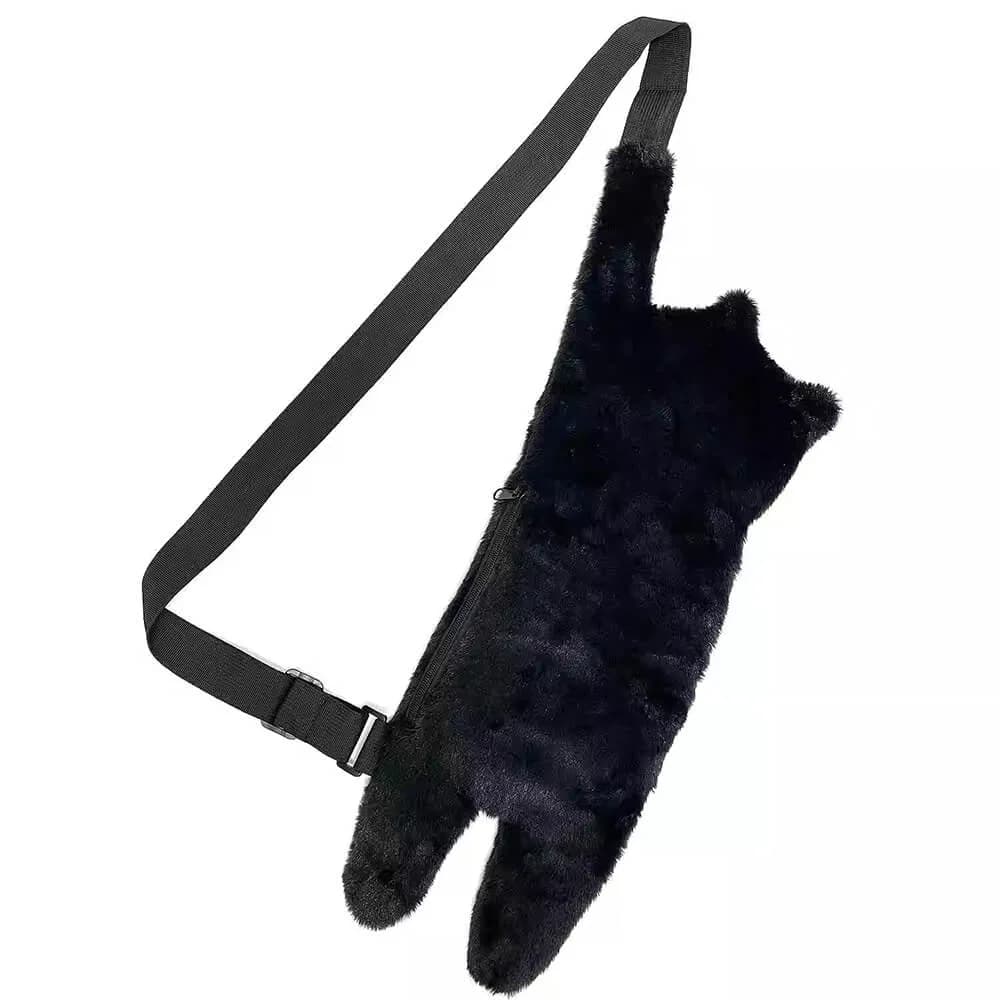
A crossbody strap is only as good as its comfort over several hours. Thin straps look neat but can dig in when the bag is loaded. Wider straps spread weight and stay put on a coat or a knit. If a listing doesn't say the strap is adjustable, don't assume it is; check the photos and description.
Think about where the bag lands. A bag at hip level is easy to reach and stays out of the way when you sit. A bag up at the waist or ribs looks cuter and more styled, but it presses on you when seated and can swing into a table. Most people prefer a bag that falls somewhere between hip and waist, then fine tune with the strap length if it adjusts.
Also consider chain versus fabric versus webbing in terms of feel, not just looks. Chains can snag hair and catch on knitwear. Soft straps can twist. Whatever the strap, wear the bag across your body on the opposite shoulder from where you'd naturally lean it, and check that it doesn't slide when you reach for something.
- Wide strap: better for heavier loads and coats
- Thin strap: lighter look, check comfort when loaded
- Adjustable: lets you move the bag between hip and waist
- Fixed: check where it lands on your body before committing
Closures: Zip, Buckle, Flap or Snap
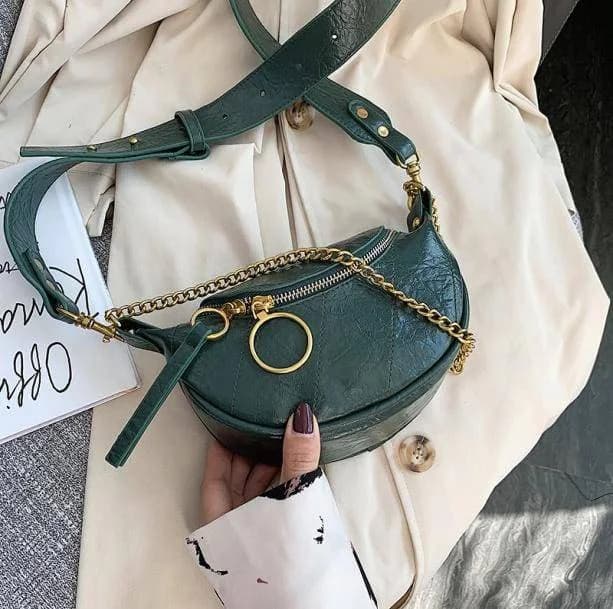
The closure decides how safe your stuff feels and how fast you can get to it. A zip is the most secure for a busy commute. A buckle or flap looks sweet and can be fun to use, but it's slower with one hand, and flaps can gape if the bag is overstuffed.
Think about the moments you open the bag most. If you tap a card at a gate or pay at a counter ten times a day, you want a quick, quiet closure and an easy-reach pocket. If you open it only a few times, a buckle or button is fine and adds a lot of charm.
One pitfall is the closure that looks lovely but fights you. Tiny clasps are fiddly in the cold or with long nails. Magnetic or snap closures are fast but may hold less well under load, and we can't promise anything about a closure that isn't described on the product page. Look for a clear photo of the opening, and match it to how patient you actually are at 8am.
Commute Loadout: Quick Reach and a Secure Fit
A commute bag needs to be fast and steady. Think phone, transit card or keys, earbuds, small wallet, lip balm and tissues. Choose a closure you can use one-handed, and wear the bag on the front or side of your body when it's crowded so you can feel it.
For the look, a soft pastel bag against a neutral work-ish outfit lets the bag be the one cute thing. Try a plain knit, straight trousers and clean trainers, then add a pink or lavender bag as the accent. In a darker palette, a black or brown bag keeps things calm while the shape does the playful work.
If your commute includes a laptop or a lunch, the crossbody becomes a second bag, not your only one. Put the laptop in a larger tote or pack and keep the crossbody for the things you grab quickly. For a small structured option to compare against, the Classy Kawaii Mini Backpack comes in Black, Red, Gray, Pink and Brown, and could be the neat, work-friendly piece that sits in your outfit as the single pop of cute.


Class Loadout: Light on the Body, Smart on Space
For class, your bag usually partners with notebooks or a laptop. That means the crossbody isn't there to carry everything. Its job is the little stuff you need within reach between lectures: phone, ID or student card, earbuds, pens, and a lip balm. Keep your books in a pack and your essentials on your front.
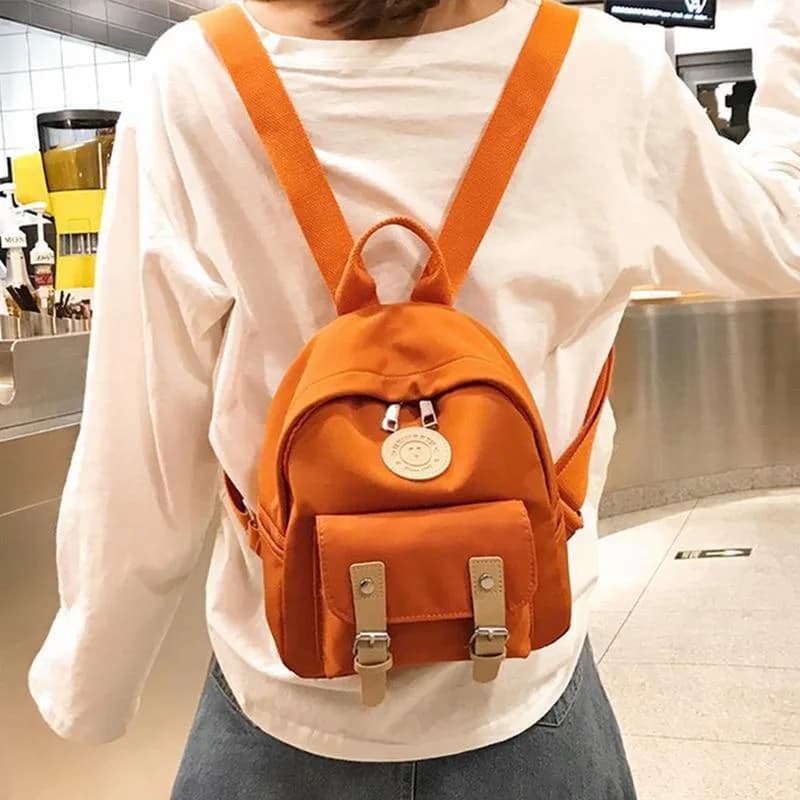
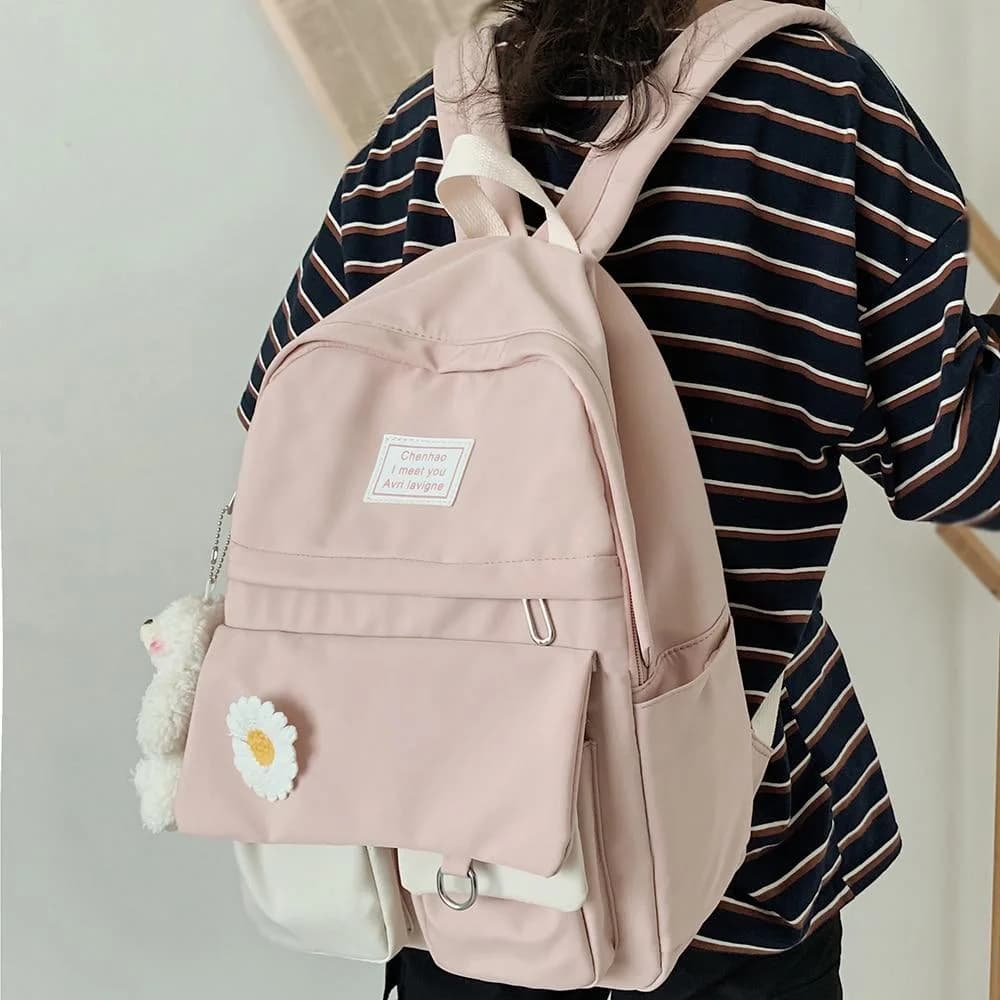
If you prefer to carry one bag only, a mini backpack can be the answer instead of a crossbody. The Kawaii Buckle Mini Backpack comes in Pink, Black, Orange and Yellow, and the Kawaii Daisy Backpack is offered in black, blue, green and pink. Both are listed as one size, so check the product page photos and details to decide whether they'd hold a notebook or only the small stuff.
For outfits, think relaxed and layered. A hoodie or cardigan, a skirt or loose jeans, and sneakers keep you comfortable through long days. Let the bag colour echo one other item, like socks or a hair clip, so it reads as a considered look rather than random cuteness. Pitfall: a heavy bag on a thin strap under a backpack strap gets uncomfortable fast, so avoid wearing two straps on the same shoulder.
Weekend Loadout: Small, Cute and Hands-Free
Weekends are where the smallest, silliest bags shine. You probably need phone, card, keys, lip balm and maybe a mask or tissues. That's a tiny pile, so you can go with shape and character over capacity.
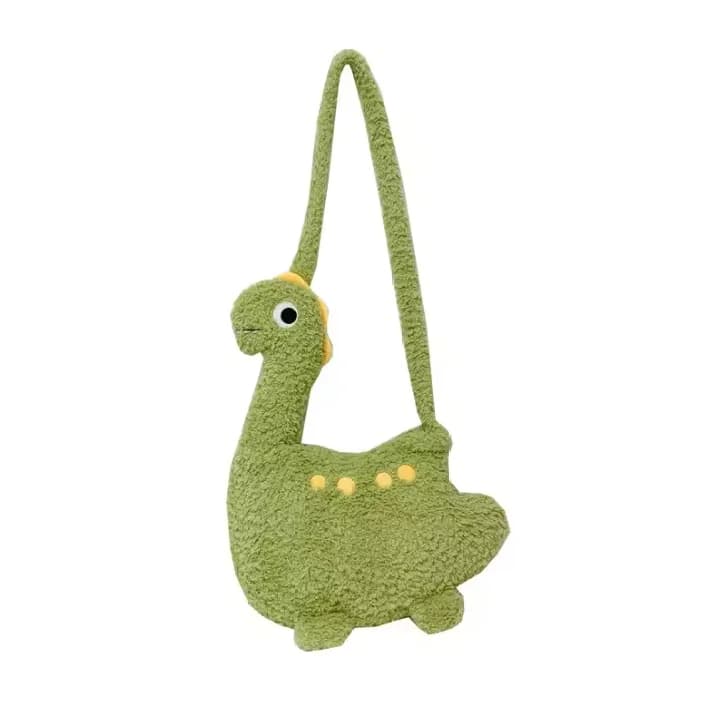
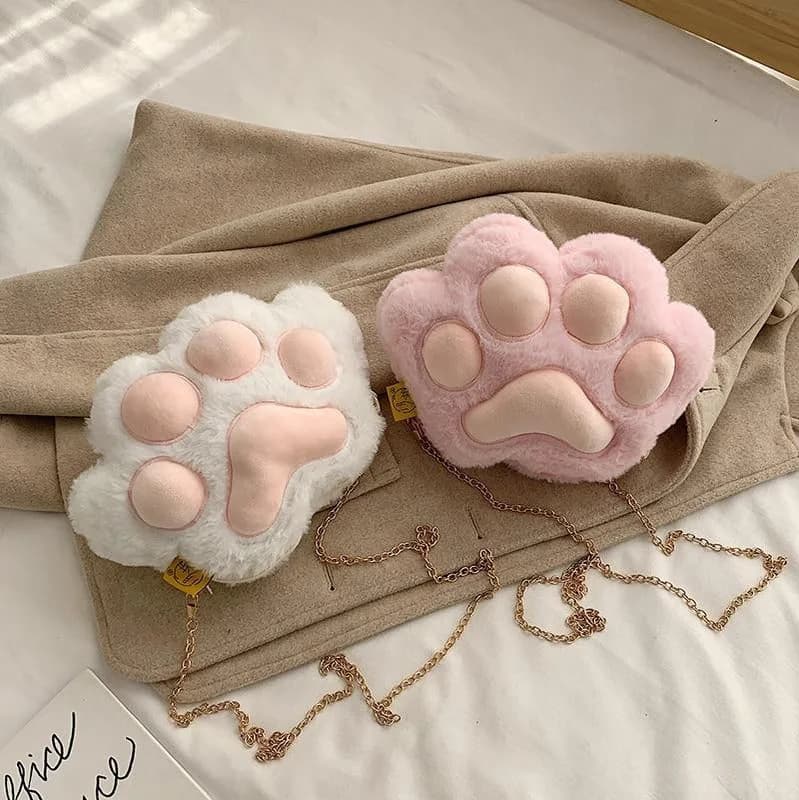
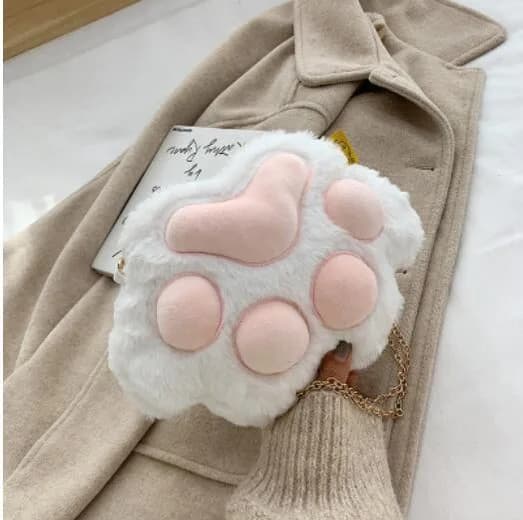
This is a good moment for a plush-style bag. Browse the Plush Bags collection for soft, toy-like shapes that work as a fun outfit centrepiece. Pair one with a simple tee and denim, or a dress and chunky shoes, so the bag has room to be the star. If you add keychains or charms, keep it to one or two so the bag doesn't sag or jingle.
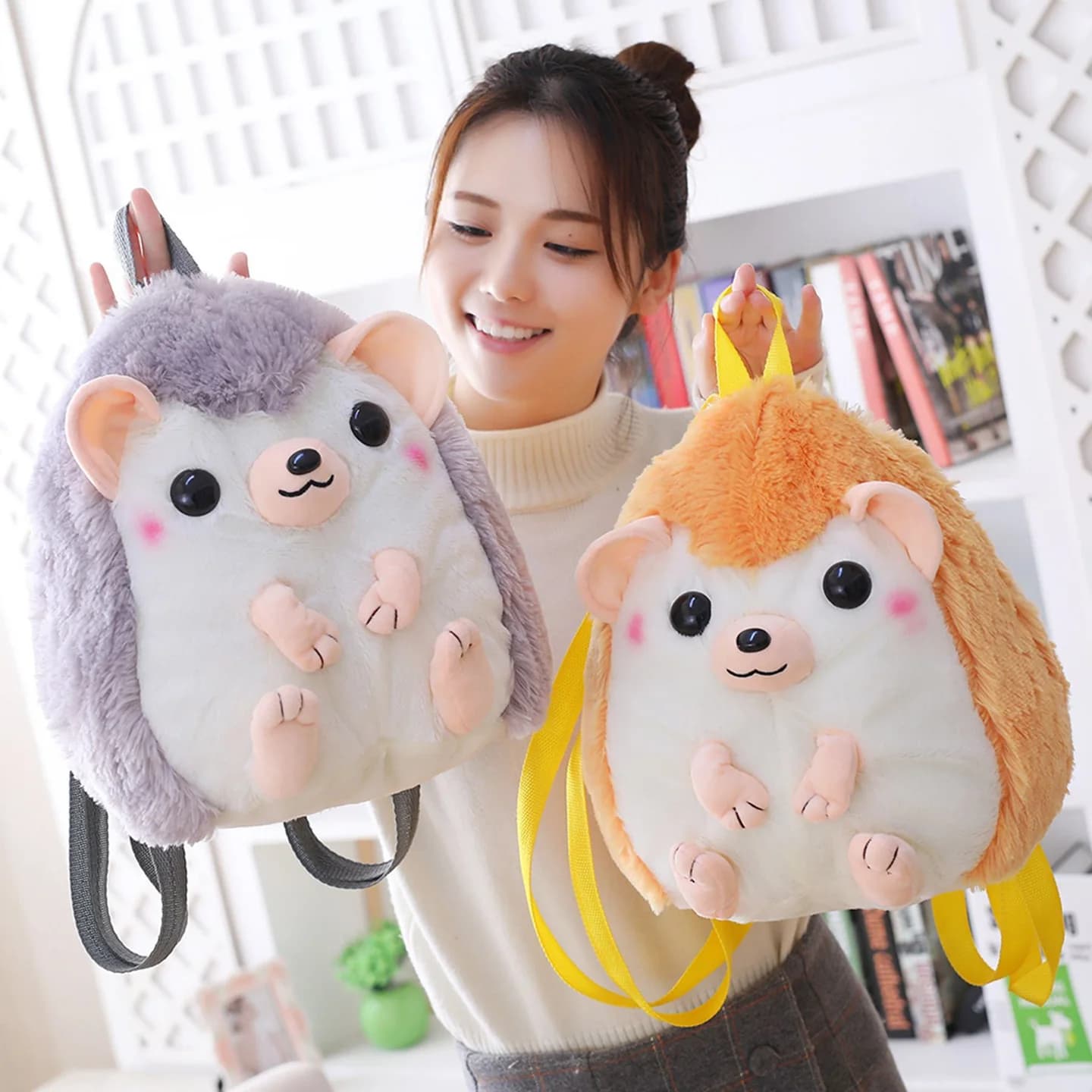
For a café, market or day out, think about hands. A crossbody frees them for coffee, bags of shopping and your phone. Pick a bag you can reach without taking it off, and don't overload it. If you want something that doubles as a mini pack on lazy days, the Kawaii Hedgehog Backpack in Brown, Lavender or Peach could serve as a cute character piece to wear with a plain outfit.
Weight, Padding and Shape Retention
A bag can be tiny and still feel heavy if you load it with dense things like a power bank, keys and a metal bottle. Weigh your daily pile on a kitchen scale if you have one. If it's heavy, favour a wider strap and a bag that sits close to the body, or move the dense items into a different bag.
Shape matters too. Soft, plush-style bags squish and flop, which is cute but means they won't protect fragile items. Structured bags hold their outline and protect a phone better but add bulk. If you carry glasses or a screen you care about, put them in a small pouch inside whichever style you choose.
We don't list materials for these bags on the shop pages, so don't assume padding, waterproofing or lining. If something matters to you, like wipe-clean fabric, check the product description, and if it isn't stated, treat it as unknown. A simple way to protect soft bags is to avoid putting open pens, loose keys or leaking bottles directly against the fabric.
Weather and Climate Considerations
Weather changes how you carry, and it does so differently depending on where you live. In rain, a bag worn under your coat stays drier and is harder to snatch, but you lose quick access. In heat, a bag against your side can feel warm and sticky, so a lighter, smaller bag with a longer strap can be more comfortable.
In cold, think gloves. Zips with small pulls and tiny clasps are miserable with gloves on, while larger buckles and chunkier pulls are easier. If you wear thick coats, make sure the strap length goes over the layers, because a strap that fits over a tee can be too short over a puffer.
Don't assume waterproofing. If a product page doesn't say a bag is water resistant, treat it as not. Keep a tiny zip pouch or even a small plastic bag inside for your phone and cards on wet days, and give soft or light-coloured bags a quick check for damp when you get home so they don't stay wet in a heap.
Colour and Outfit Pairing
Pick a colour that works with at least three things you already own. Look in your wardrobe and note your most-worn tones. If you wear lots of black and denim, almost any pastel pops. If you wear a lot of colour, a neutral bag like black, beige or brown can calm the look.
Try the one-echo rule. Match the bag to one small item, such as a hair clip, socks or a ring, so it feels deliberate. A pink bag with pink laces, or a yellow bag with a yellow sticker on your phone case, ties the whole thing together without becoming a theme costume.
For vintage-leaning outfits, the Kawaii Vintage Buckle Backpack in beige, yellow, black or red could suit a cardigan, pleated skirt and loafers look. For a bolder, more playful style, the Kawaii Strawberry Milk Backpack has options named Lolipop, Doughnut, Strawberry, Banana and Chocolate, and works as a statement with a simple base outfit.
Proportions: How the Bag Sits on Your Frame
A bag should look right against your body, not just in a product photo. If you're petite, a very large bag can overpower you, while a micro bag on a taller frame can look like a keychain. Aim for the bag to be roughly the width of your hand to a bit wider for a small bag, and stay within your torso width for a larger one.
Placement is the other lever. A bag riding at your hip makes a long line and suits longer tops and dresses. A bag at your waist suits cropped or fitted tops and shortens the visual line. Move the strap and see how your outfit changes in a mirror before deciding it's the wrong bag.
LayeringWearing pieces over or under one another to add depth, warmth or contrast. matters. A crossbody strap across a bulky coat can bunch and pull. Consider wearing it over thinner layers or under a jacket if you want it hidden, and adjust the strap to avoid the bag sticking out like a lump. Stand side-on in the mirror, since the profile view tells you far more than the front.

Pockets, Organisation and Small Add-Ons
Even a tiny bag benefits from a little organisation. A small zip pouch inside keeps cards, coins and lip balm from migrating to the bottom. A short clip or lanyard for keys saves a lot of rummaging. Without those, you'll spend more time digging than enjoying the cute shape.
Check whether the listing mentions inside pockets. If it doesn't, assume it's one open space and plan accordingly. A slim card holder can slide in front of the phone, and a flat pouch can hold the stuff you want to keep together. This is also why shape matters: a deep, narrow bag buries small things.
Add-ons are fun but should earn their weight. A charm or small plush on the zip pull is lovely, but a heavy cluster pulls the bag off balance and can wear on the fabric. Keep to one main charm and swap it with the season of your mood. If you carry a bag with an odd shape, a thin insert or pouch can help keep it from collapsing.
How to Compare Options Side by Side
When you're stuck between two or three bags, put them into a quick table in your notes. Score each from 1 to 5 on size for your pile, strap comfort, closure ease, outfit fit and cuteness. The bag with the best total for daily life usually wins, and if it's a tie, choose the one with the better closure.
Use the shop's own pages to narrow things down. The Bags collection shows the broader range, which is useful when you aren't sure if you want a crossbody or a small pack. If a shape you love is only available as a backpack, think about whether it can work as a mini pack for the small-pile days.
Watch for common traps: choosing by photo styling rather than your own pile, assuming a strap is adjustable, ignoring closure, and buying for the one special day instead of the usual ones. Also check the options list for colours, since some bags come in many tones and others in only a few, and one-size listings mean no size choice, so your decision is about the shape alone.
- Size: does my longest item fit with room to spare?
- Strap: comfortable, and does it land where I want?
- Closure: can I use it one-handed?
- Outfit: does it work with three things I own?
- Weight: is my loaded pile light enough for hours?
Final Checklist Before You Buy
Run through a short checklist before you add to cart. First, does your daily pile fit, with your phone case on? Second, do you know how the bag closes and can you do it quickly? Third, can you picture the strap length on your body, over your thickest coat as well as your thinnest top?
Then check what isn't stated. If the product page doesn't give material, waterproofing, internal pockets or exact measurements, treat each as unknown and decide whether you're comfortable with that. If something is essential for you, ask before buying rather than hoping.
Last, think about the wear count. A bag you'll use three times a week beats a gorgeous one that suits only one outfit. If you want to keep browsing, the Kawaii Bags collection, the Bags & Purses range and the Plush Bags selection are good starting points, and the Kawaii Cloud Backpack Set in Black, Gray, Green and pink and the Kawaii Patch Backpack are worth a look if you decide a mini pack suits you better than a crossbody.
- Phone fits with its case on
- Closure works one-handed
- Strap length suits your coats
- Colour works with three outfits
- Unlisted details treated as unknown
- You'll use it at least weekly