Created by the Kawaii Vibe editorial team. Our named style desks are editorial personas. Product details and availability can change.
The quick answer to how to clean a plushie: look at the care label before you touch water. If the label says surface wash only, or there is no label at all, spot clean. If it says machine washable, you can wash it, gently, in a protective bag. Everything else in this guide is about making that decision with confidence.
Plushies get dusty on shelves, grubby on beds and grimy in bags. They also come in a huge range of builds: tiny stuffed animals, jumbo floppy ones, pillow-style loungers. Each reacts differently to water, heat and scrubbing, so one method will not suit them all.
Below you will find how to read labels, what to do when there is no label, a spot-cleaning routine, a washing routine, drying, storage, and a checklist. We are a retailer, not the manufacturer, so for any plushie we sell, the tag and any included instructions are your best source. Where our product pages do not list a material or wash method, we have not made one up here.
Start With the Care Label
Find the tag first. It is usually sewn into a side seam, under an arm, or at the base of the body. Flip the plushie over and feel along the seams. The label tells you more than any general rule can, because it reflects how that exact toy was made.
Look for the washing symbol, which is a little tub. A tub with a hand means hand wash. A plain tub usually means machine washable, with a number or dots showing temperature. A tub with a cross through it means do not wash. Words like surface wash only mean you should clean the outside with a damp cloth and leave the inside dry.
If the tag is cut off, faded, or in a language you cannot read, treat the plushie as spot clean only. That is the safe default, and it costs you nothing but a little patience.
Also look for drying symbols and any note about tumble drying. A crossed-out square with a circle means no tumble dryer. Plush fur can mat or warp with heat, so even if washing is allowed, drying may have limits.
- Tub with hand: hand wash
- Plain tub: machine wash, check temperature
- Crossed tub: do not wash, spot clean only
- Crossed dryer: air dry
Spot Clean or Wash: How to Decide
Choose spot cleaning when the plushie is only lightly marked, when the label says surface wash, when there is no label, or when the toy is large and hard to dry. Choose a full wash only when the label allows it and the plushie is properly dirty, smelly or covered in a lot of small marks.
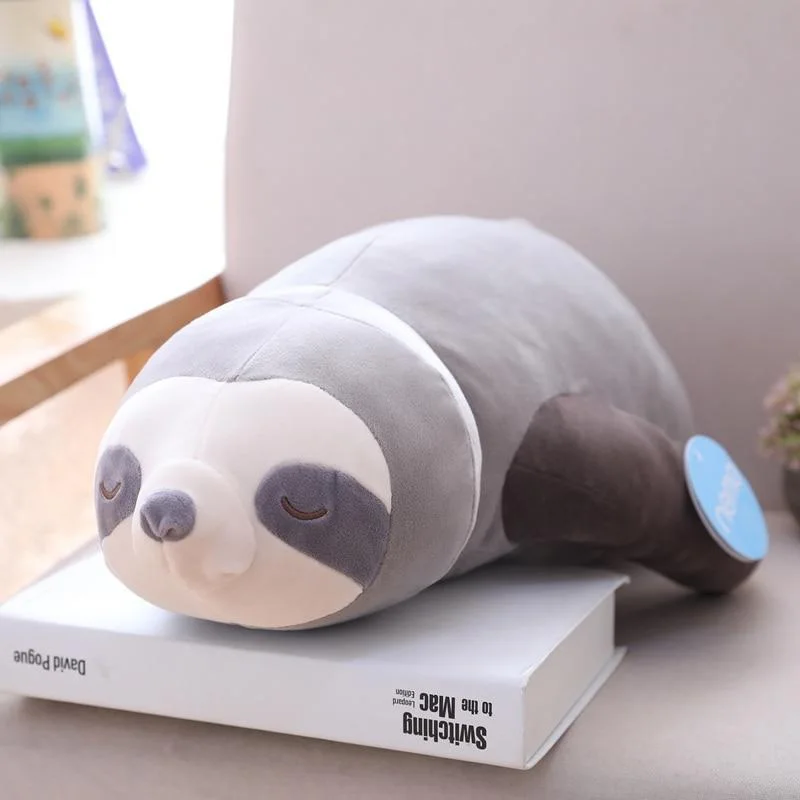
Size matters a lot. A small plushie dries quickly. A big floppy one holds water in the stuffing for a long time, and damp filling can end up smelling musty. If you own something jumbo, like the Kawaii Sloth Plushie, which is listed in 65cm, 80cm and 100cm, think hard before soaking. Our listing does not state a wash method, so check the tag that comes with yours and lean towards spot cleaning.
Also think about extras. Hard plastic eyes, glued details, music boxes, battery packs or stiff inner shapes can all be damaged by water. If you can feel anything hard or hear anything rattle inside, stick to the surface.
A simple rule: when in doubt, spot clean first. You can always wash later, but you cannot undo water damage.
What You Need Before You Start
You do not need special products. A gentle, mild detergent or baby-style laundry liquid, a few clean white or light cloths, a soft toothbrush, a small bowl, and a towel cover most jobs. White cloths let you see how much dirt is lifting and avoid dye transfer onto pale fur.
For machine washing, add a pillowcase or a zip-up mesh laundry bag. This protects the plushie from snagging and keeps loose threads or limbs from catching on the drum. A knotted pillowcase works fine if you do not have a bag.
For drying, grab a clean towel, a soft brush or wide-tooth comb, and a spot with good air flow. Having these ready matters because you do not want to leave a wet plushie sitting while you hunt for supplies.
Skip strong bleach, harsh stain removers and anything scented heavily. They can fade colours, stiffen fur and leave residue that is hard to rinse out. Always test any product on a hidden patch, like under an arm or on the back seam, and wait for it to dry before going further.
- Mild detergent
- Soft cloths, preferably light-coloured
- Soft toothbrush
- Mesh bag or pillowcase
- Dry towel and soft brush
Step-by-Step Spot Cleaning
Start by removing loose dust. Use a soft brush, a lint roller, or the brush attachment of a vacuum on a low setting. This stops dust turning into mud once you add water.
Mix a few drops of mild detergent into a bowl of cool water. Dip a cloth in, wring it until it is just damp, and dab the dirty spot. Dab, do not scrub. Rubbing pushes dirt deeper and roughens the fur. Work from the outside of the mark inward so it does not spread.
Then take a second cloth dampened with plain water and dab again to lift soap. Press a dry towel on the area to soak up moisture. For stubborn marks, a soft toothbrush with very little soap can loosen dirt, brushing in the direction of the fur.
Finish by fluffing the pile with a dry brush while it is still slightly damp, then let it air dry fully. Keep the damp patch away from direct heat. If a mark remains once dry, repeat gently rather than pressing harder. Two light passes beat one aggressive one.
- Dust first
- Dab with soapy damp cloth
- Rinse by dabbing with plain water
- Blot, brush, air dry
Step-by-Step Machine or Hand Washing
Only wash if the label allows it. For machine washing, put the plushie in a mesh bag or knotted pillowcase, choose a gentle or delicate cycle with cool water, and use a small amount of mild detergent. Add a couple of towels to balance the load so the drum does not thump. Skip fabric softener, which can leave residue in plush fibres.
For hand washing, fill a clean basin or sink with cool water and a little detergent. Submerge the plushie, then squeeze the suds through it gently with your hands. Do not twist or wring, because that can lump the stuffing. Drain, refill with clean water, and squeeze until the water runs clear of soap.
Remove extra water by pressing the plushie between towels. Rolling it up in a towel and pressing works well. Avoid hanging it by an ear or limb while soaking wet, because the weight can stretch seams.
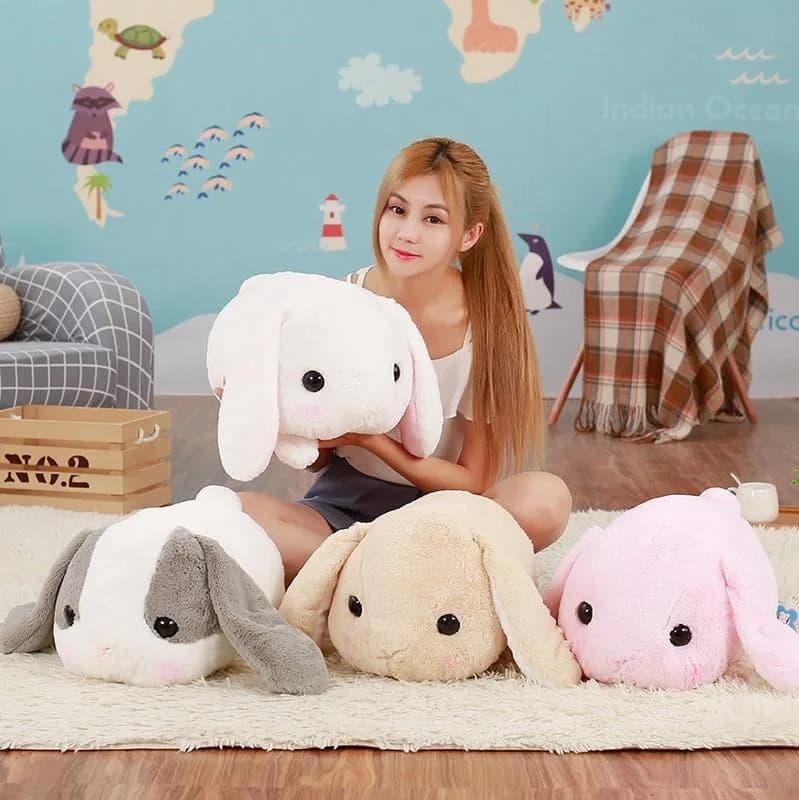
If the plushie has a pale colour, wash it separately. Dark or bright toys can bleed, especially the first time. A pink or white plushie such as the Kawaii Floppy Bunny Plushie, which comes in grey, tan, white and pink, is best washed alone if the label permits washing at all.
Drying Without Flattening the Fluff
Drying is where plushies most often get ruined. Heat can melt glue, warp plastic parts, and leave fur crunchy. Unless the label clearly allows a tumble dryer, air dry. If it does allow one, choose the lowest heat or an air-only setting and check often.
Lay the plushie flat on a dry towel in a spot with good air flow, away from radiators, heaters and strong sun, which can fade colour. Turn it over every few hours so both sides dry. A fan nearby speeds things up without any heat.
While it dries, reshape it. Squeeze the stuffing back into position, pat out lumps, and brush the fur with a soft brush or wide-tooth comb once it is nearly dry. Brushing too early can pull wet fibres, so wait until it is just slightly damp.
Make sure the inside is fully dry before putting it back on a bed or shelf. Press a hand deep into the body. If it feels cool or damp, keep drying. Trapped moisture is what causes that stale smell, so be patient. Larger plushies can take a day or more.
Different Plushies, Different Handling
Not every plushie is built the same. Short, smooth plush is the easiest to spot clean. Long, fluffy fur tangles and hides dirt, so use a brush more than water. Floppy, slouchy bodies with loose stuffing tend to clump when soaked.
Pillow-style pieces behave like cushions. If you own something from the Kawaii Pillows range, check for a cover or tag, because some cushions have inner fillings that should stay dry. Spot cleaning is the safest first move unless the label says otherwise.
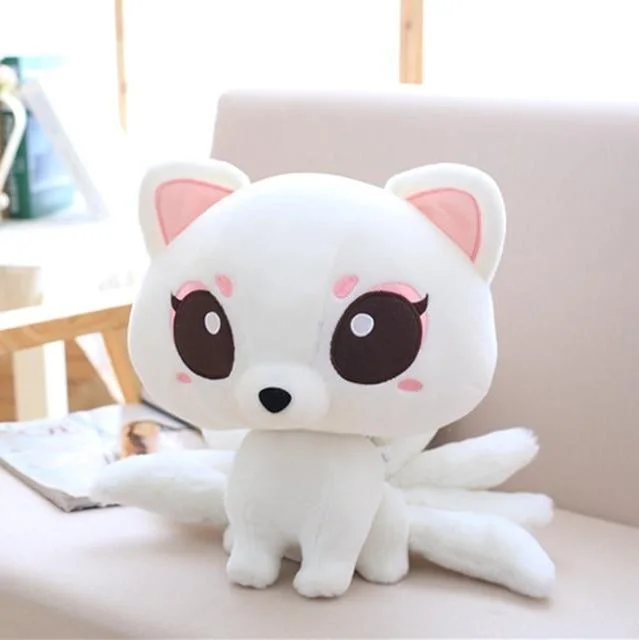
Think about details too. A plushie with embroidered eyes handles cleaning better than one with glued-on parts. Characters with several tails or lots of small pieces, like the Kawaii Nine-Tailed Fox Plushie, have more seams and edges that can catch, so go gently and dab around them.
Our product pages for most plushies do not list a fabric or wash method, so we cannot tell you what a specific one is made from. Use the tag you receive, and if there is none, treat it as surface clean only.
Dealing With Smells, Dust and Common Marks
Not every problem needs water. For a stale smell, air the plushie out in a shaded, breezy spot for several hours. Fresh air does more than most people expect. Sprinkling baking soda over the plushie, leaving it a few hours, then vacuuming or brushing it off can help absorb odours. Test on a hidden spot first, as powder can show on dark fur.
For dust, a lint roller, a soft brush or a low-suction vacuum with a brush attachment works. Do this regularly, maybe monthly for shelf plushies, and you will rarely need a deeper clean.
For food or drink marks, blot right away with a clean damp cloth, no rubbing. For sticky residue, a cloth with a touch of mild soap usually does it. For ink, makeup or dye, be cautious: aggressive treatments can spread or set marks. If it is a keepsake, accept a faint mark rather than risk damage.
Be honest about limits. If a plushie is very old, fragile, or has loose seams, heavy cleaning can do more harm than the dirt. A light brush and some fresh air may be the kindest option.
- Smell: air out, then baking soda test
- Dust: lint roller or soft brush
- Fresh spills: blot, do not rub
- Old marks: gentle repeat, not force
Cleaning Plushies Used as Decor or Bed Pieces
How a plushie is used changes how often it needs cleaning. Bed and sofa plushies collect skin oils, crumbs and dust, so give them a quick refresh every few weeks. Shelf plushies mostly gather dust, so a brush now and then is plenty.
If you display plushies as part of a room look, browse Kawaii Decorations alongside them and keep your cleaning routine in mind when arranging. Keep display plushies away from windows with strong sun, cooking areas and radiators, since sun can fade colour and kitchen air carries grease.
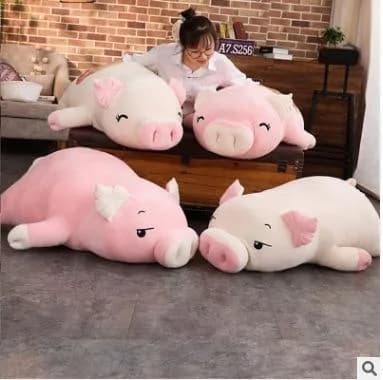
A larger cuddle piece like the Lazy Pig Plushie, offered in white or pink with eyes open or closed, makes a good example. White versions show marks faster, so keep a damp cloth handy and clean small spills straight away. We do not list a wash method for it, so use its tag and lean towards spot cleaning.
A throw blanket or small cover under a plushie on a bed also helps. It catches the worst of the dirt and is far easier to wash than the toy itself.

Small Plushies, Travel Buddies and Kids' Toys
Small plushies travel in bags, pockets and cars, so they get dirtier quicker. They are also the easiest to wash if the label allows it, since they dry fast. A small mesh bag in a gentle cycle, or a quick hand wash, usually does the job.
If a plushie will be near young children, check the toy's own tag and instructions for age guidance and safety information. We have not listed any safety standards for our plushies here, so do not assume. Before and after cleaning, check that seams are sound, eyes and noses are firmly attached, and no stuffing is poking out.
Browse Kawaii Toys if you want other small companions that are easy to wipe down. For compact plushies such as the Kawaii Cuddle Hamster Plushie, listed in small and large sizes with grey or brown options, a damp cloth and a brush often cover everyday upkeep.
Keep a spare zip pouch or cloth bag for carrying plushies around. It keeps them clean between trips and cuts down on how often you need to wash.
Storing Plushies So They Stay Fresh
Good storage means less cleaning. Make sure a plushie is completely dry before you store it. Even slight dampness inside can turn musty in a closed space.
Use breathable storage: a cotton bag, a fabric bin or an open shelf. Sealed plastic traps moisture and can cause odours, so skip it for long-term storage unless the plushie is bone dry and the space is dry too. Avoid cramming plushies into tight spots where they get squashed, because ears, tails and floppy limbs can get bent out of shape.
For a collection, rotate which ones sit in the sun or on the bed. A group of animals on a shelf, perhaps a Kawaii Dinosaur Plushie in 30cm, 40cm or 50cm beside a Kawaii Pink Piggy Plushie, looks sweet and is easy to dust. Leave a little gap between them for air.
Wipe shelves before you put plushies back. A clean surface stops dust and grime transferring straight onto fur.

Mistakes That Ruin Plushies
The most common mistake is washing without reading the label. Next is using too much heat, in water or in the dryer. Heat can warp plastic parts, stiffen fur and weaken glue.
Another is scrubbing hard. It feels productive, but it roughens the pile and can leave a bald or fuzzy patch. Dab and repeat instead. Overusing detergent is a quiet problem too. Extra soap does not clean better, it just leaves residue that is hard to rinse and can make fur feel stiff.
Skipping the drying check causes trouble as well. A plushie that feels dry on the surface may still be damp inside. Give it extra time before you cuddle it or put it away.
Finally, do not mix a bright plushie with pale laundry. Dye can transfer, especially on a first wash. Wash separately and use cool water. If something does go wrong, stop, rinse gently, and let it dry before trying again.
- Washing without checking the tag
- High heat in water or dryer
- Hard scrubbing
- Too much detergent
- Storing while still damp
Quick Checklist and When to Replace
Here is a short routine to keep handy. Read the label. Decide spot clean or wash. Gather your supplies. Test on a hidden patch. Clean gently. Rinse out soap. Dry fully, away from heat. Brush the fur. Store somewhere breathable. Go through it in order and you will avoid nearly all the usual problems.
Sometimes cleaning is not enough. If a plushie has split seams, exposed stuffing, loose eyes, a persistent smell after drying, or fur that has come away in patches, it may be time to retire it or repair it carefully. Do not keep a damaged toy in a child's reach.
If you are refreshing your collection, check the Kawaii Plushies page. A Kawaii Sleepy Cat Plushie, available in purple, cream, blue and dark purple, is one example of a cuddly piece you might add. Look for a care tag when yours arrives and keep it.
With a little routine care, most plushies stay soft, fresh and ready for cuddles for a long time.
- Read the label
- Spot clean by default
- Mild soap, cool water
- Air dry completely
- Brush and store breathably