Created by the Kawaii Vibe editorial team. Our named style desks are editorial personas. Product details and availability can change.
If you want cottagecore outfits male and masc friendly, start with workwear. Think a loose shirt, sturdy trousers, a knit and a hat. Add one soft or sweet detail, like embroidery or a floral print, and stop there. That single rule is what separates a lived-in pastoral look from a costume.
This guide builds outfits from the ground up: shirts, trousers, suspenders, knits, hats, layers and small extras. You will find full combinations, ways to adapt them, notes on proportion and weather, and a checklist for before you check out. Weather advice is by temperature, not by month, so it works wherever you live.
Some pieces from the shop are mentioned as optional ideas. Browse the wider cottagecore collection if you want to see everything in one place, and take only what suits your own wardrobe.
The Quick Answer: A Formula That Works
Here is the simplest formula. One relaxed top, one straight or wide trouser, one texture layer, one pastoral accent. For example: an off-white linen-style shirt, mid-tone trousers, a chunky knit over the shoulders or on top, and a straw hat. That is four ideas, and each does a different job.
The reason it works is restraint. Costume looks usually stack every cliché at once: waistcoat, suspenders, floppy hat, basket, flower crown. Real outfits pick two or three pastoral cues and let the rest be plain. If the shirt is romantic, keep the trousers practical. If the hat is the statement, keep the shirt quiet.
Colour helps too. Stick to a palette of cream, oat, sage, faded blue and brown, with one muted accent. Avoid pure white head to toe and avoid anything shiny. Matte, slightly textured fabrics read as country; glossy ones read as party shop.
If you are unsure, build the outfit around the trousers first. They set the tone, and the shirt and knit can be swapped around them.
Start With the Shirt: Linen Looks and Soft Prints
The shirt is the centre of most cottagecore outfits male wearers put together. A linen or linen-look button-up in cream, stone or pale green is the classic. Wear it loose, with the hem past the belt line but not past the crotch, and roll the sleeves to the forearm. The creases are part of the charm, so do not iron it flat.
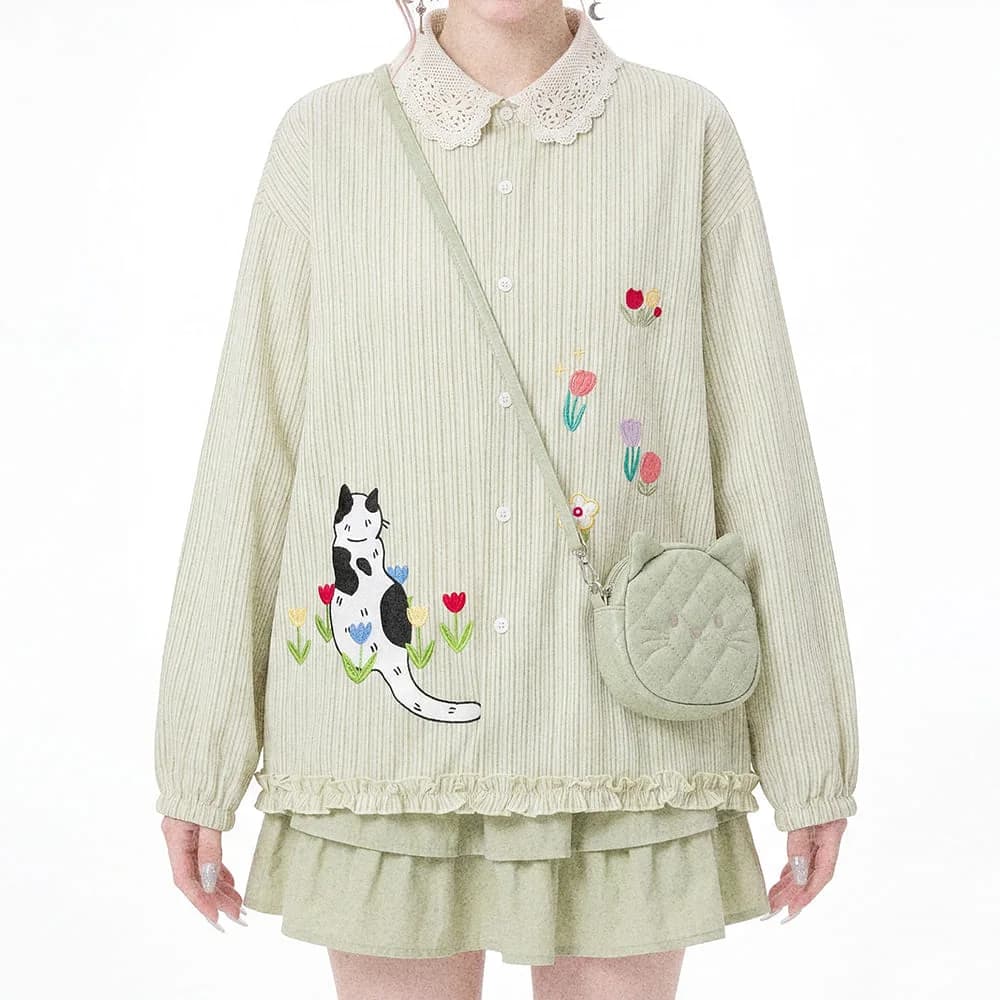
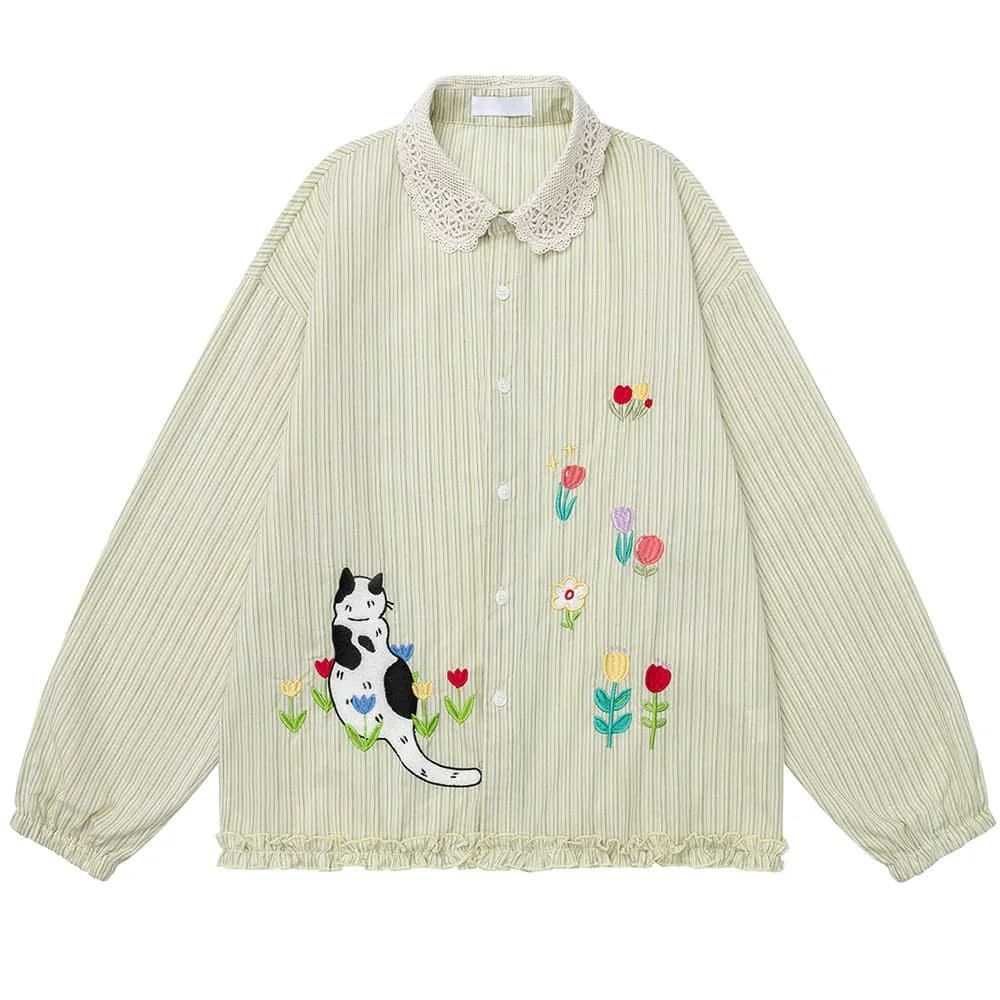
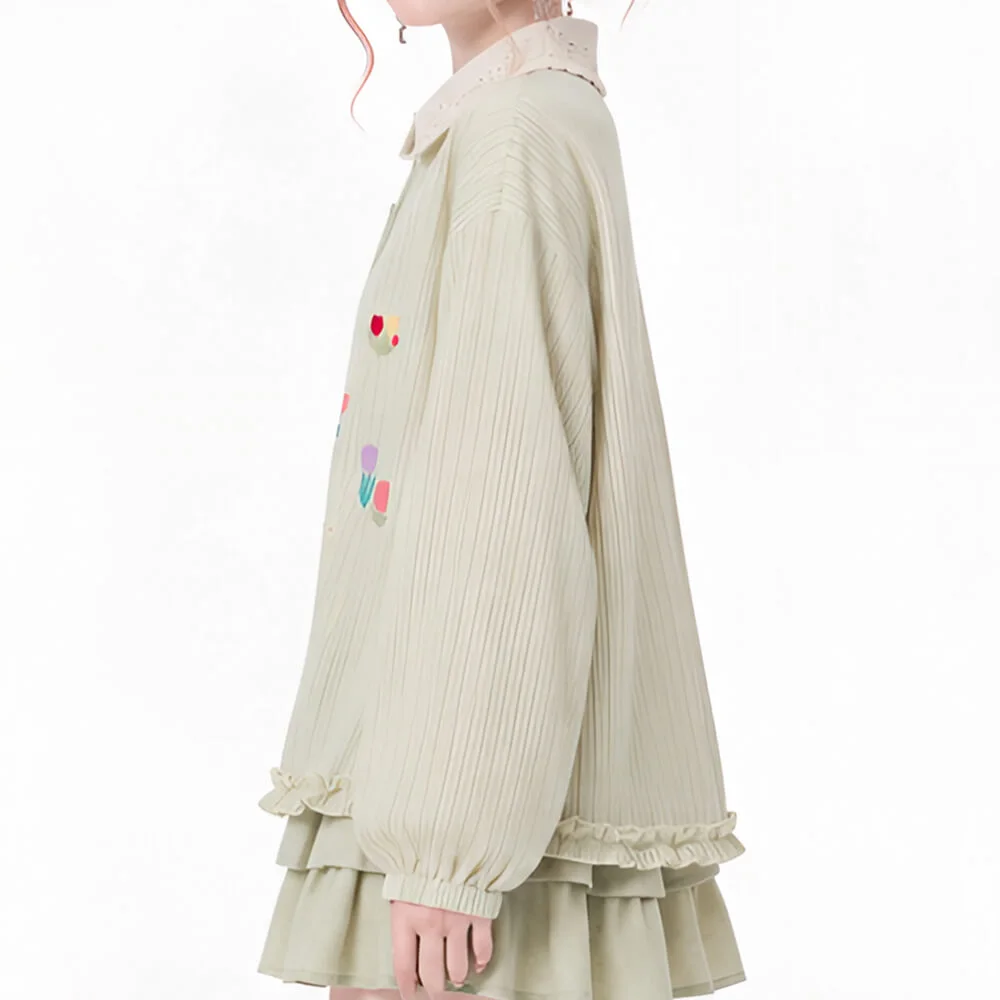
For a sweeter option, the Green Cottagecore Cat & Flower Embroidery Shirt comes in green, in sizes S to XL, and is listed as cotton and polyester. It works as the one decorative piece in an otherwise plain outfit. Pair it with plain tan or brown trousers and skip any other pattern.
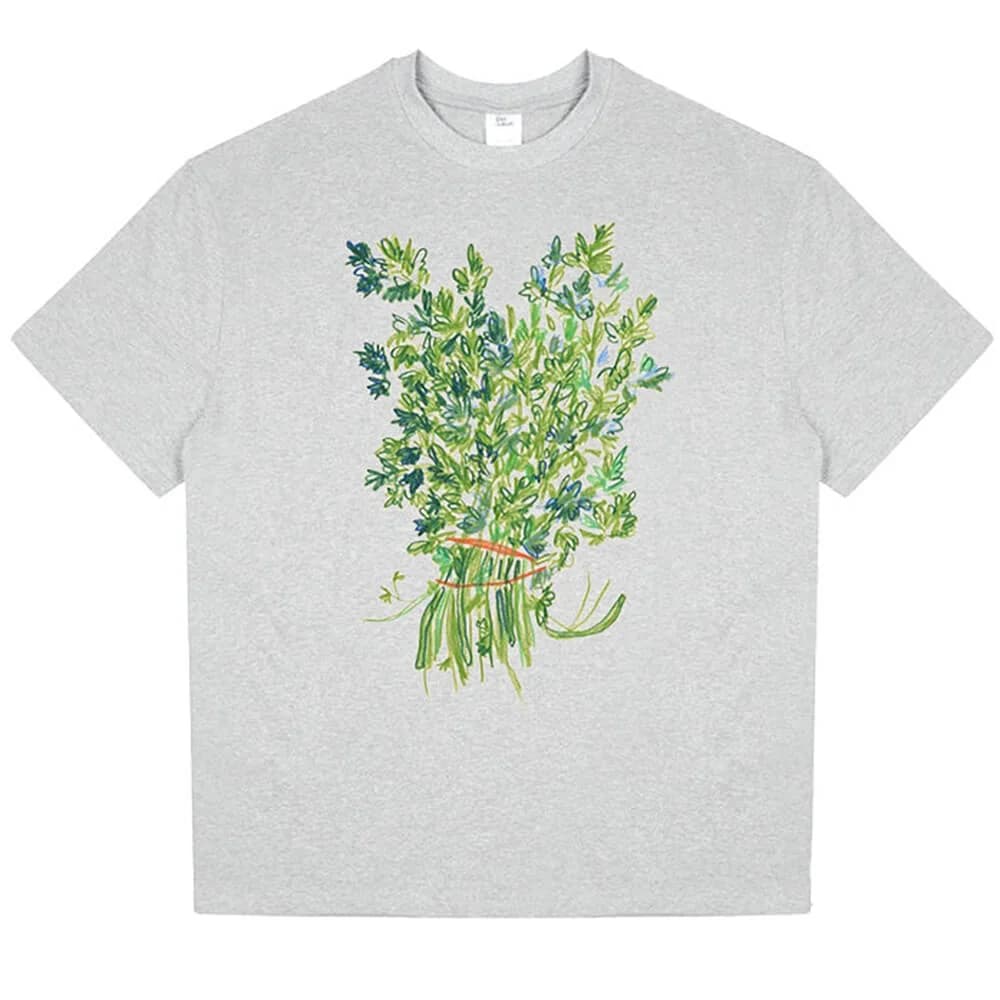
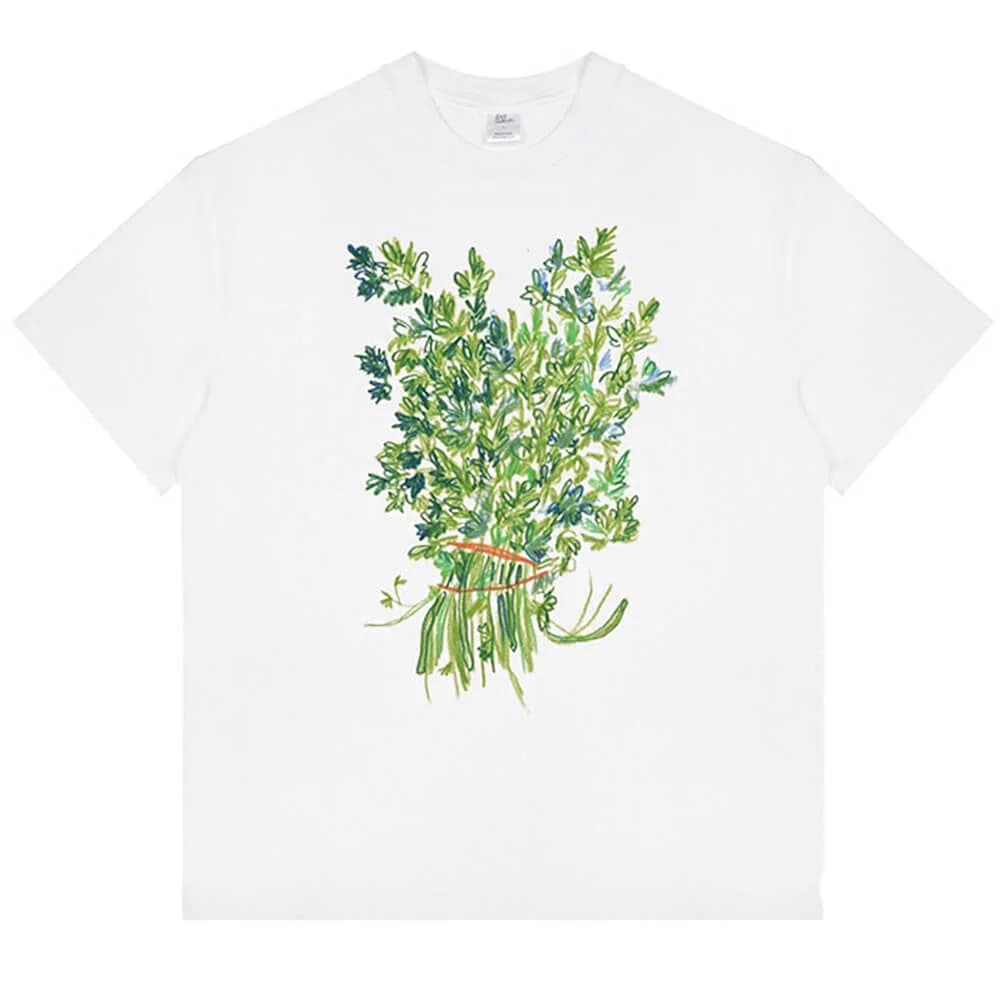
If you prefer a tee, the Herb Bouquet Cottagecore T-Shirt comes in green, white and grey, with sizes from S to 4XL. It is a good base under an open shirt or a cardigan, which gives you a layered, garden-worker feel without effort.
When comparing shirts, check three things: shoulder seam sitting at or just past the shoulder bone, enough room through the chest to move, and a collar that can sit open. Size charts vary, so measure a shirt you already like and compare.

Trousers That Carry the Workwear Half
Trousers are where the workwear comes in. Look for straight, wide or barrel legs in canvas, twill, corduroy or similar sturdy-looking fabrics. Earth tones such as tan, olive, brown and faded navy keep things grounded. Skip skinny cuts, which fight the loose top and tend to look modern and tight next to romantic shirts.
Rise matters more than people expect. A mid or high rise gives suspenders something to attach to and keeps a tucked shirt from bunching. A low rise tends to make suspenders slide and the whole outfit feel unfinished.
Length is the quiet detail. Let the hem sit at the ankle or break lightly on the shoe. A small cuff adds a farm-boot feel. If the legs puddle over your shoes, hem them or cuff them twice.
You can browse options in the pants collection and compare waist and leg shapes. Pick two pairs in different neutrals and you can run most of the outfits in this guide from just those.
Suspenders Without the Costume Effect
Suspenders are the most borrowed cue in this look, and the easiest to overdo. The trick is to make them do a job. Wear them with trousers that have buttons or a clear attachment point, a high enough rise, and a shirt that is not too bulky underneath. Then they read as functional, not decorative.
Pick narrow to medium straps in brown, olive, cream or black, not bright primary colours. Wear them over a shirt or tee, not over a thick knit, where they bunch and pull. If you want the knit, wear it over the suspenders instead and let the straps disappear.
One simple outfit: cream shirt with sleeves rolled, olive wide trousers, brown suspenders, and boots. No hat, no waistcoat, no scarf. That is already plenty.
Pitfall to avoid: suspenders plus a belt. Choose one. Another is straps that sit too wide at the neck, which pushes them off the shoulders. Adjust until the straps sit flat near the middle of each shoulder, and the back Y or X lies between the shoulder blades.
Knits: Cardigans, Cable Sweaters and Texture
Knits give cottagecore its cosy side. A cable sweater, a cardigan with small embroidery, or a plain chunky pullover all work. The aim is texture, so choose matte yarns with visible stitches rather than flat, smooth ones.
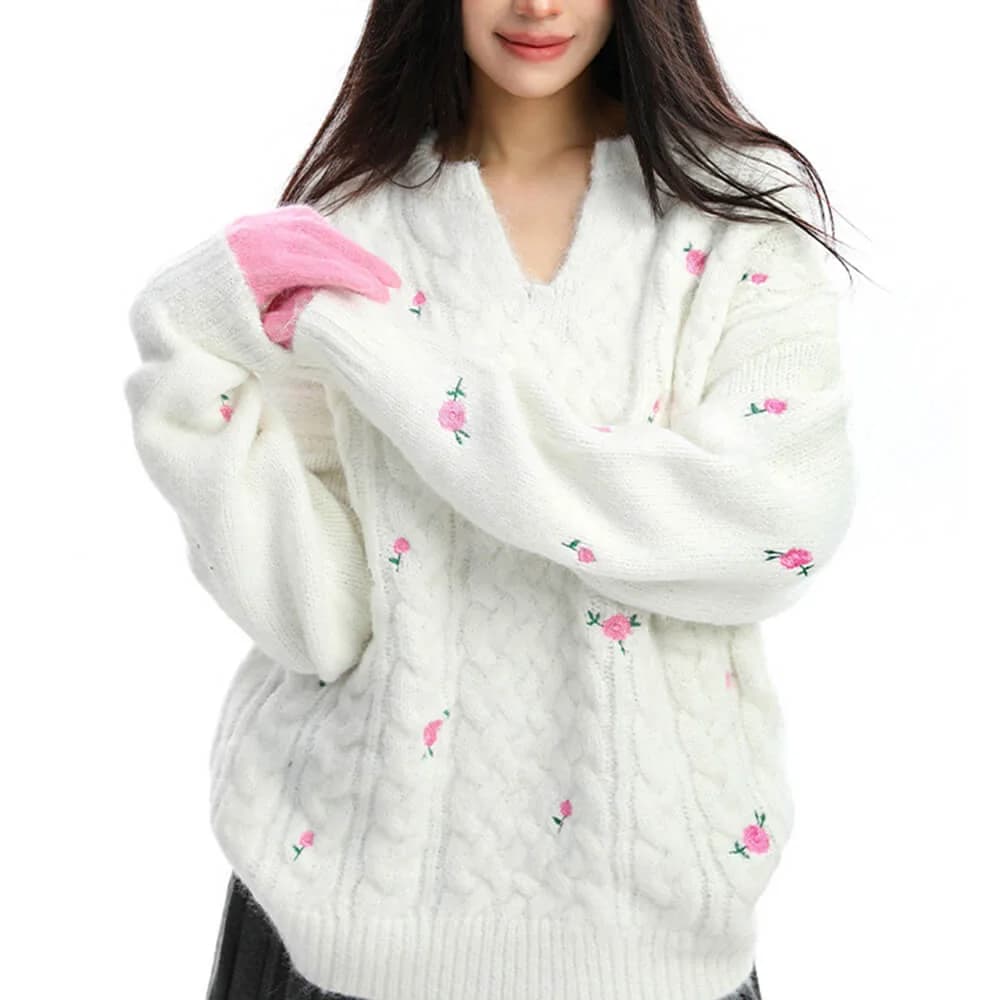
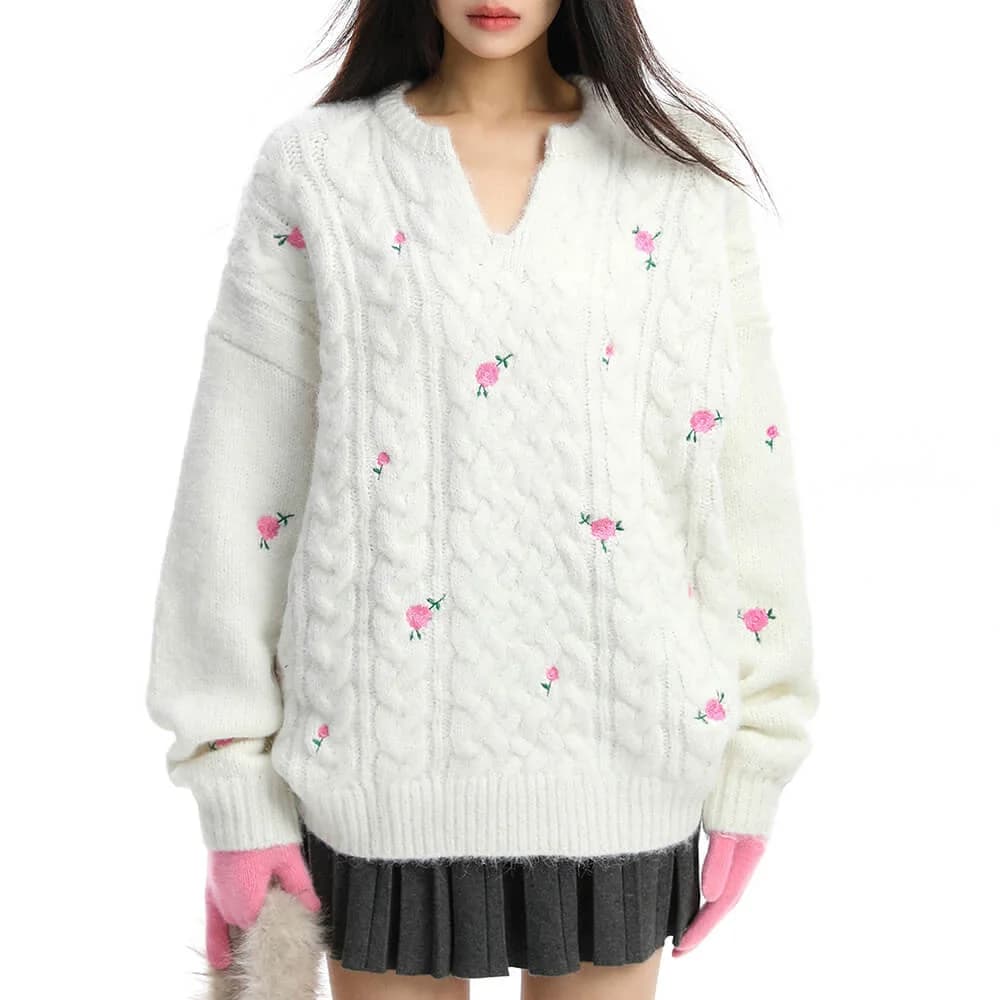
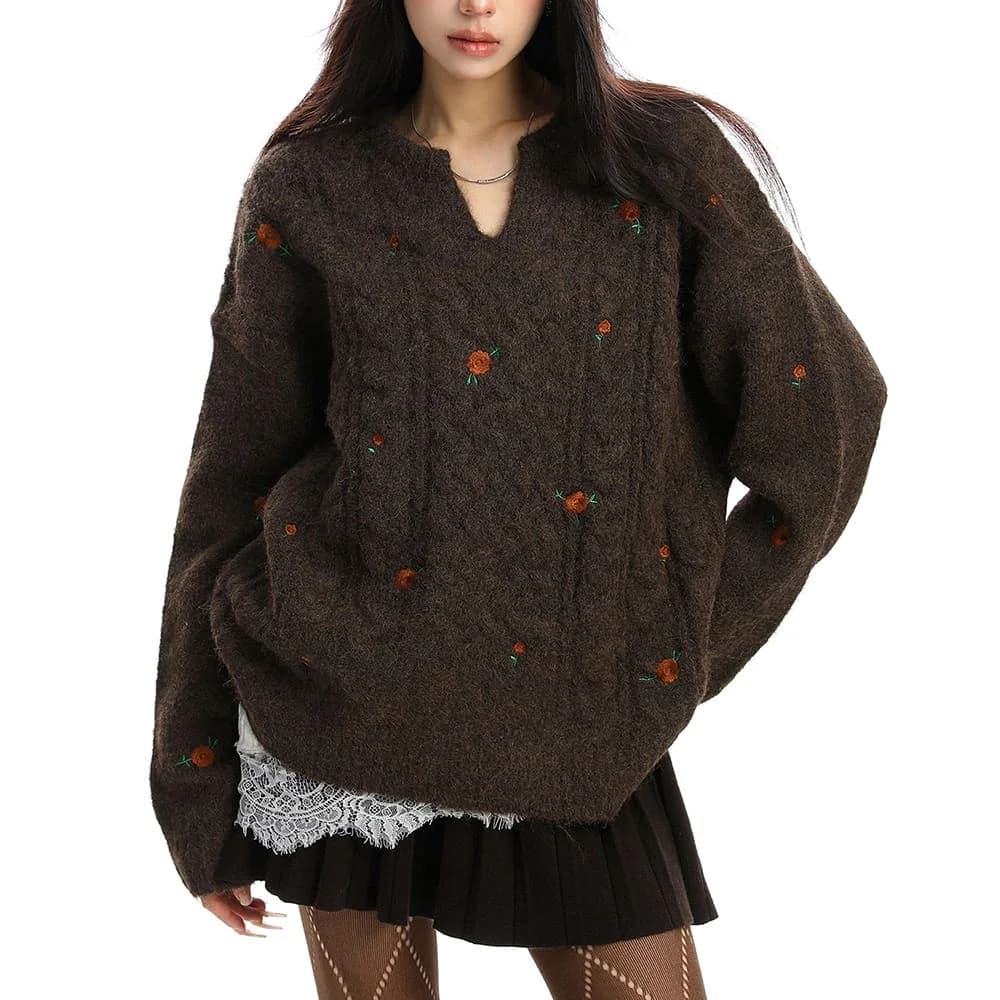
The Cottagecore Cable Knit Rose Sweater is listed in white and brown, in sizes M to XL, and described as polyester. The brown is the easier fit with workwear trousers; the white is lighter and pairs well with darker bottoms. Wear it over a collared shirt with the collar peeking out.
The Cottagecore Embroidery Knit Cardigan comes in blue, grey and white, in M to XXL, listed as acrylic. A cardigan is the more flexible layer because you can wear it open over a tee, buttoned alone, or tied loosely in warm weather.
When choosing, size for the layeringWearing pieces over or under one another to add depth, warmth or contrast. you plan. If you want a tee underneath, your normal size is fine. If you want a shirt and tee, go up if the sizing runs close. Check the length too; hem at the hip bone looks tidy, while hem at mid-thigh gives a cosy oversized shape.

Straw Hats and Other Headwear
A straw hat is the quickest way to say pastoral, but it is also the quickest way to tip into costume. The key is brim size and shape. A medium brim with a low, simple crown looks like a working hat. A huge floppy brim with ribbons looks like a picnic prop. Keep it plain, or with a single band in brown or cream.
Fit it so it sits level, about a finger width above the eyebrows, and does not wobble in wind. If you're between sizes, choose the larger one and add a little padding rather than squeezing a smaller hat onto your head.
For cooler or wetter days, swap to a soft cap, beret or knit beanie in a muted tone. You can compare shapes in the hats collection and decide which suits your face and hair length.
Match the hat to the outfit's energy. A straw hat suits shirts, suspenders and rolled sleeves. A beanie suits cardigans and cable knits. Do not mix both ideas in one outfit; one hat is plenty.
Three Full Outfits to Copy
Outfit one, the garden day: a cream linen-look shirt with rolled sleeves, tan wide trousers, brown suspenders, a medium-brim straw hat and leather boots or sturdy sandals. Everything is neutral, so the shape does the work.
Outfit two, the cosy village walk: the Herb Bouquet tee in white or grey, an open cardigan in blue or grey, olive twill trousers and plain trainers or boots. This one is relaxed and easy to repeat on regular days. The tee gives a small botanical hint without turning the outfit into a theme.
Outfit three, the market trip: the green embroidered shirt worn open over a plain tee, brown corduroy or canvas trousers, a canvas tote or small shoulder bag, and a simple cap. The embroidered shirt is the single decorative piece, so keep the trousers and shoes quiet.
Each of these uses three tones or fewer. When you build your own, lay the pieces on the bed and remove one item before leaving. Usually the outfit looks better with one less cue.
Fit and Proportion: The Anti-Costume Rules
Costume feel mostly comes from proportions, not from the items. A good rule is to be loose in one place and fitted in another. Loose shirt with straight trousers is fine. Loose shirt, baggy trousers and a huge sweater together will swallow you.
Think in thirds. If your top is long and loose, keep the trousers cleaner and the shoes grounded. If your trousers are wide, tuck the shirt front or half-tuck it so the waist is visible. A visible waist, even with suspenders, gives the body a shape.
Shoulders and sleeves are another giveaway. Sleeves that end at the wrist or are rolled neatly look intentional. Sleeves that droop past the knuckles look borrowed. Shoulder seams that drop to the upper arm are fine in a knit but can look sloppy in a button-up.
Finally, wear fabric that has some weight. Thin, shiny, overly crisp materials make pastoral pieces look like party outfits. Matte, slightly rumpled and a bit heavy usually reads right.
Soft Boy Crossovers and Gentle Variations
Cottagecore and soft boy styling overlap in the cardigans, pastel knits and relaxed shapes. If you like the gentler side, check the Soft Boy Outfits collection for ideas, then bring in the rustic parts from this guide: a straw hat, work trousers, a linen shirt.
One crossover outfit: a pale knit or cardigan, a white tee, wide stone-coloured trousers and clean trainers. Nothing here says farm, but add a canvas bag and a woven hat and it shifts gently into cottagecore.
Another is the reverse. Take a soft pastel look and make it sturdier: swap the trainers for boots, the thin trousers for canvas, and add a brown belt or suspenders. You keep the sweetness but gain the workwear backbone.
You can also play with a more decorative piece. The Cottagecore Knitted Crop Top is listed in white and apricot, one size, with no material given. Worn layered under an open shirt or cardigan, it can add texture for people who like cropped shapes. Check the shape and your preferred coverage before choosing it.
Weather and Layering by Temperature
Plan by temperature, not by calendar. In warm weather, use a loose linen-look shirt, lighter trousers or shorts that hit just above the knee, a straw hat and open shoes. Keep sleeves rolled and leave collars open. Light colours reflect better and look right with the theme.
For mild days, add a cardigan or light knit you can tie around your waist or put in a bag. A tee, open shirt and cardigan combination gives you three layers to adjust through the day.
In cold weather, move to heavier knits and a proper coat. Look through the outerwear collection for jackets in earthy tones, such as brown, olive or navy. A cable sweater under a chore-style or woollen coat looks right and keeps the workwear idea. Wear a beanie instead of a straw hat.
For rain, skip straw and lean on a cap or waterproof layer. Natural-looking fabrics are lovely, but check care labels, as some knits and hats do not like soaking. We do not list waterproof claims for items unless stated on the product page, so read the details before relying on anything in wet weather.
Outerwear and Bags That Finish the Look
Outerwear is where you can add the practical bit. Chore coats, quilted liners, corduroy jackets and wool-look coats all fit. Choose colours that sit with your trousers, not against them. Brown over olive, navy over tan, or cream over almost anything is easy. Keep the length at hip to mid-thigh so the trouser line shows.
Bags work the same way. A canvas tote, basket-style bag or small crossbody carries the market idea without a prop. The Cottagecore Patchwork Shoulder Bag is listed in a multi colour, in vegan leather, in a standard size. It could suit someone who wants a patterned accent bag. Keep the outfit simple around it, because the patchwork already provides the detail.
Small accessories are fine in moderation. A plain leather belt, a wristwatch with a leather strap, or one ring is enough. Flower crowns, aprons and baskets of produce belong to photo shoots rather than daily wear.
If you carry a phone case that fits the theme, the Cute Lamb Cottagecore iPhone Case is listed in green for iPhone 13 through 17 models. Check your exact model in the size list first. It is a small nod that does not change the outfit itself.
Colour, Pattern and Fabric Pairing
Keep to a limited palette. Choose a base neutral such as cream, tan or brown, a secondary muted colour such as sage, faded blue or rust, and allow one small accent. This keeps varied pieces working together, so each new purchase fits more outfits.
On pattern, one at a time is the rule. If the shirt is embroidered or printed, make the trousers and knit solid. If the knit has a bold cable or motif, keep the shirt plain. Small florals, thin stripes and gingham are the most natural prints for this style; large graphic prints push toward other aesthetics.
Mixing textures is where the richness comes from. Linen with wool, canvas with knit, straw with leather. Aim for at least two different textures in each outfit, and avoid pairing several shiny items.
A quick test: take a photo in natural light. If the outfit looks like one coherent scene, it's working. If a single item jumps out unpleasantly, replace it with something plainer.
Common Pitfalls and How to Fix Them
The first pitfall is too many cues. Suspenders, waistcoat, straw hat, scarf, satchel and flower all at once look staged. Fix it by removing everything except your two favourites.
The second is poor fit in the wrong places. Trousers that are too short, sleeves that are too long, or a hat that sits high on the head all break the effect. Small tailoring, like hemming or taking up a cuff, costs little and transforms a piece.
The third is fabric that looks too new or too stiff. Wash and wear pieces a few times, let creases settle and avoid over-pressing. Natural fibres soften and look better as they age, though care instructions vary, so follow each label.
The fourth is ignoring comfort. Itchy knits, hot layers and stiff boots turn a nice outfit into a bad day. Pick breathable layers and break shoes in before long outings. Also remember that product details such as fabric content are listed per item, and where none is provided, assume you should check before buying.
Buying Checklist and Building a Small Wardrobe
You can build a flexible set of cottagecore outfits male and masc dressers will actually wear with about eight pieces. Two shirts, one tee, two trousers, one cardigan or sweater, one hat and one outer layer. Everything should mix with everything else, so keep to your palette.
Before buying, run through this list:
- Does the piece work with at least three things you already own?
- Have you compared the size chart with a garment you like?
- Is the fabric content listed, and does it suit the weather where you live?
- Is there only one decorative feature in the outfit?
- Does the trouser rise and length work with suspenders if you plan to wear them?
- Can the hat fit comfortably over your hair, and is the brim a sensible size?
- Do the colours stay within your small palette?
- Can you layer it with a tee and an outer layer without feeling tight?