Created by the Kawaii Vibe editorial team. Our named style desks are editorial personas. Product details and availability can change.
The quick answer: Danish pastel outfits work when you pick two or three soft but clearly different colors and give each one its own block of the body. Think a lilac knit over butter-yellow trousers, or a pink sweatshirt with baby-blue joggers. The colors are gentle, but the contrast between them is what makes the look feel confident rather than sleepy.
This guide walks through how those pairings work, how to space color across an outfit, and how to build looks from sweatsuits, knits and patterned pieces. You will find formulas you can copy, ways to swap pieces for your climate and budget, and a checklist for before you check out. Browse the full Danish Pastel Outfits collection alongside this guide if you want to see colors side by side.
Nothing here needs a special wardrobe. Most of the examples use ordinary shapes, like a crewneck, a cardigan, wide pants and sneakers, and the color does the work. Take what suits you and ignore the rest.
What color blocking means in Danish pastel
Color blocking just means large areas of solid color placed next to each other, with clear edges between them. In Danish pastel, the blocks are soft tones rather than primaries: powder pink, sky blue, mint, lilac, butter yellow, peach. The twist is that the combinations are often surprising, like green with pink or lilac with yellow, so the outfit reads playful instead of matchy.
The key difference from a single-tone pastel outfit is contrast. If every piece is the same pale pink, the look turns soft and flat. If you put that pink beside a cool blue or a fresh green, each color wakes the other up. You keep the sweetness but gain energy.
A simple test: squint at your outfit in a mirror. If you can still see two or three distinct blocks, the color blocking is working. If everything melts into one smudge, push one piece a shade deeper or switch it to a different hue family.
The pairings that work, and why
Start with pairings that sit on opposite sides of the color wheel but share the same softness. Pink and green is the classic: a rosy knit with a mint skirt feels fresh because the two are near-opposites. Lilac and yellow works the same way. Peach and baby blue is gentler, a warm and cool pair that stays easy on the eye.
Then there are neighbors, like pink with peach or blue with lilac. These are calmer and good if bold feels like too much. The trick is to add a small contrasting accent, such as a yellow hair clip or white sneakers, so the outfit does not blur together.
Keep the softness level consistent. If one piece is a chalky pastel and another is a bright saturated shade, the pastel looks washed out beside it. Choose pieces that feel like they came from the same box of colored chalk.
- Opposites: pink + mint, lilac + butter yellow, peach + sky blue
- Neighbors: pink + peach, blue + lilac, mint + sky blue
- Anchors: white, cream or beige to separate blocks
- Avoid: mixing chalky pastels with neon or very dark tones
Proportions: where each color goes
The easiest layout is a 60/30/10 split. Give about 60 percent of the outfit to your main color, 30 percent to the second, and 10 percent to an accent. In practice that could be a blue sweatsuit as the main, a pink cardigan as the second, and yellow socks or a headband as the accent.
Placement matters as much as amount. Splitting at the waist, with one color on top and another on the bottom, is the most classic block and it flatters most shapes because the line is clear. If you prefer a longer look, try a color-matched set with a contrasting layer over it, which creates a vertical block instead.
Avoid cutting the body at the widest point of your hips or thighs with a high-contrast line unless you like that effect. A shorter or cropped top, or a top in the lighter color, moves the break where you want it. Experiment in the mirror and pick the split that feels natural.
Sweatsuit formulas
A sweatsuit is the simplest canvas. Formula one: matching set in one pastel, with a contrasting layer. A mint sweatshirt and joggers with a pink cardigan thrown over the shoulders gives you two blocks with almost no effort. Formula two: mix and match. Wear a lilac hoodie with butter-yellow sweatpants, and keep shoes white so the colors do the talking.
For comfort-first days, keep shapes relaxed but not shapeless. A slightly boxy top with straight or wide-leg bottoms looks deliberate. If both pieces are very oversized, add definition with a visible waistband, a tucked-in front, or a cropped hem.
Check fabric weight too. Thin, clingy sweatwear can make soft colors look uneven, while a mid-weight knit holds shape and shows color more evenly. Browse Pastel Clothing to compare tops and bottoms in the same color family so you can mix sets rather than only buy matching ones.
Knit and cardigan combinations
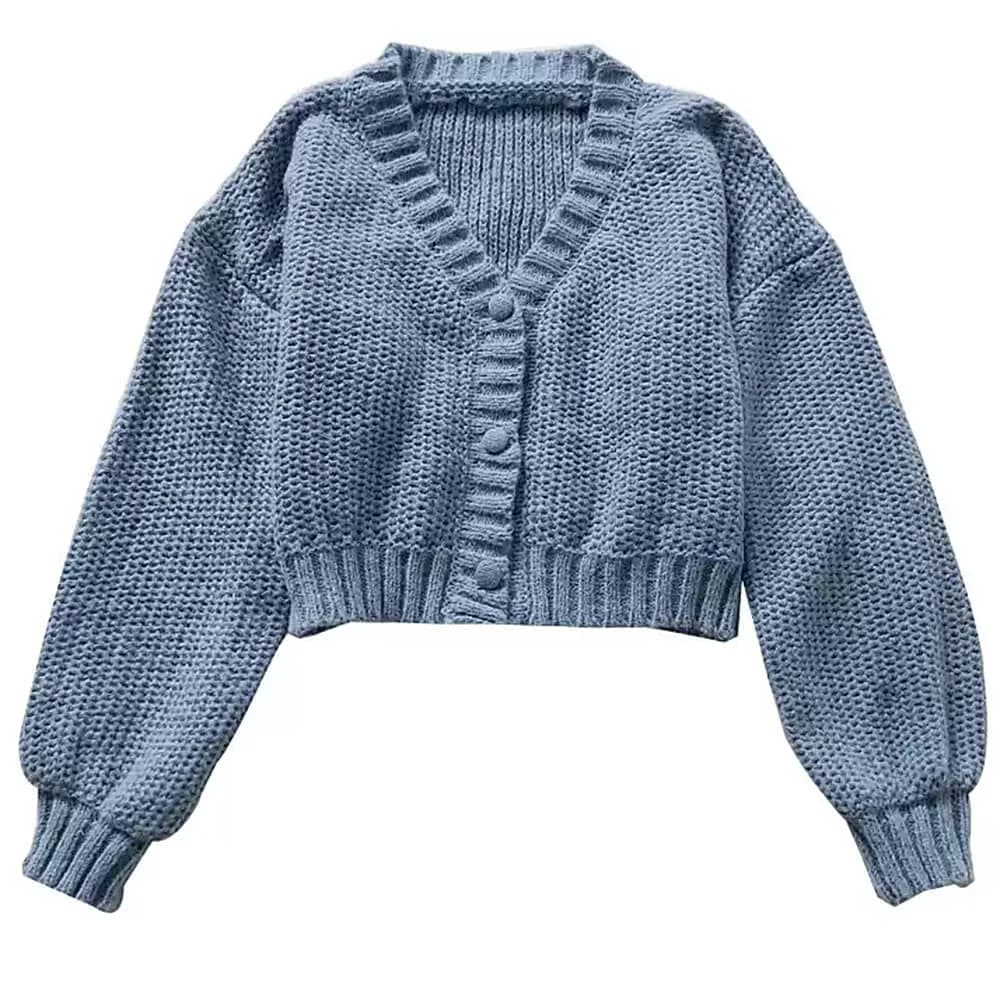
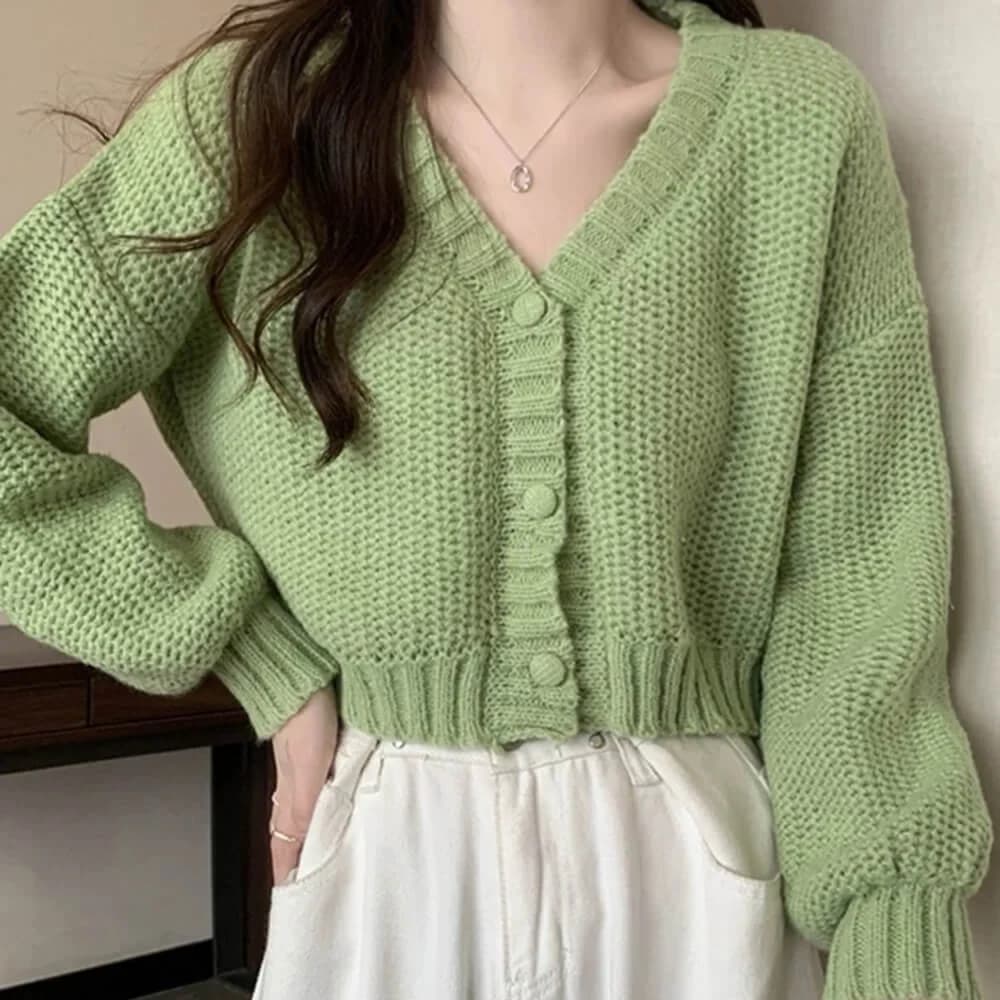
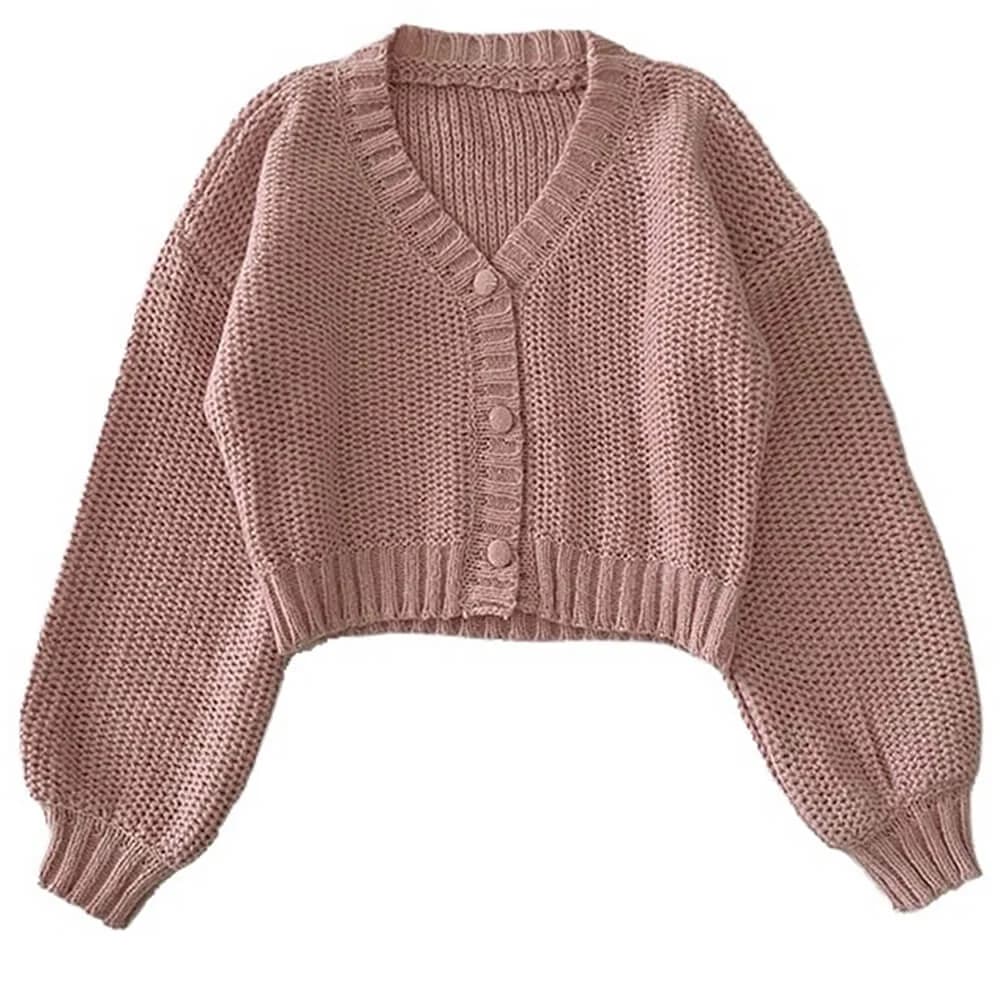
Knits are where Danish pastel gets its cozy feel. A cropped cardigan over a plain tee and wide jeans is a good starter: the cardigan is your color block, and the rest stays quiet. The Danish Pastel Cropped Cardigan comes in pink, blue, white, green and yellow, in a free size, and is made of polyester. It could be your top block over a white tee, or a contrasting layer over a sweatsuit in a different color.
If you want a pairing, try the green cardigan over a lilac top, or the yellow with a sky-blue skirt. Keep the cropped length in mind: it sits higher, so it works best with high-waisted bottoms or a longer tee underneath for a layered stripe of color.
For jumpers and pullovers, see Pastel Sweaters. A chunky sweater in one color with slim or straight bottoms in another gives a neat two-block shape. Because free size means a single fit, check the product page details before you buy and think about how roomy you like your layers.

Bringing in patterned pieces
Patterns are the third element after color and shape. The rule that keeps things tidy is to let one piece carry the pattern and let the rest pull colors from it. A checkered skirt in pink and white, for example, pairs with a solid pink knit and a white tee, since all the colors are already in the skirt.
Stripes, gingham, small florals and checks are all natural fits. Scale is the thing to watch. If you mix two patterns, make one big and one small, and keep them in the same palette. Two patterns of the same size fight each other.
A quick way to check: pick one color from the pattern and echo it in a solid. Then pick a second color and echo it in an accessory. That gives the outfit a logic, so it looks planned rather than random, even when the prints are lively.
Five complete outfit examples
Outfit one, a relaxed day: mint sweatshirt, lilac joggers, white sneakers, and a yellow hair accessory. Outfit two, a softer look: pink cardigan over a white tee, baby-blue wide-leg jeans, and cream socks. Outfit three, a pattern play: blue-and-white gingham skirt, a solid butter-yellow knit, and pale pink sneakers.
Outfit four, a monochrome-plus: peach sweatsuit set with a mint cardigan on top for contrast. Outfit five, an errand look: lavender hoodie, cream straight pants, green cropped cardigan tied loosely at the shoulders, and white trainers.
Each one follows the same logic: a main color, a second color that contrasts, and a small neutral or accent. Swap any piece for something in your closet in a similar tone, and the formula still holds. For more ideas to mix in, look through Aesthetic Outfits.
Shoes that finish the look
Shoes are your chance to either calm the outfit or add one more accent. White or cream sneakers are the safest choice because they act as a neutral and keep the colors above them clean. If your outfit already has three colors, go neutral.
If your outfit is mostly one or two colors, a pastel sneaker can be the accent: pale yellow with a blue sweatsuit, or baby pink with a mint set. Try to match the shoe to a color elsewhere in the outfit, such as a sock, a hair clip or a pattern detail, so it feels connected.
Browse the Sneakers collection and compare silhouetteThe overall shape an outfit creates, from fitted to loose and layered.s against your usual bottoms. Chunkier shoes balance wide-leg pants and heavier knits, while slimmer ones suit straight or shorter hems. Also check that the sole and laces are in a tone that agrees with your palette.
Small accessories as color accents
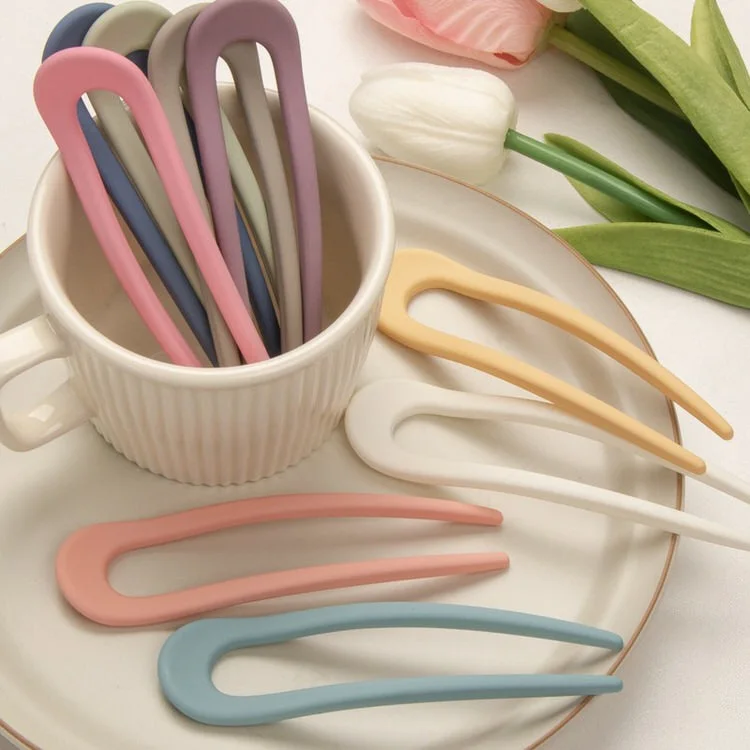
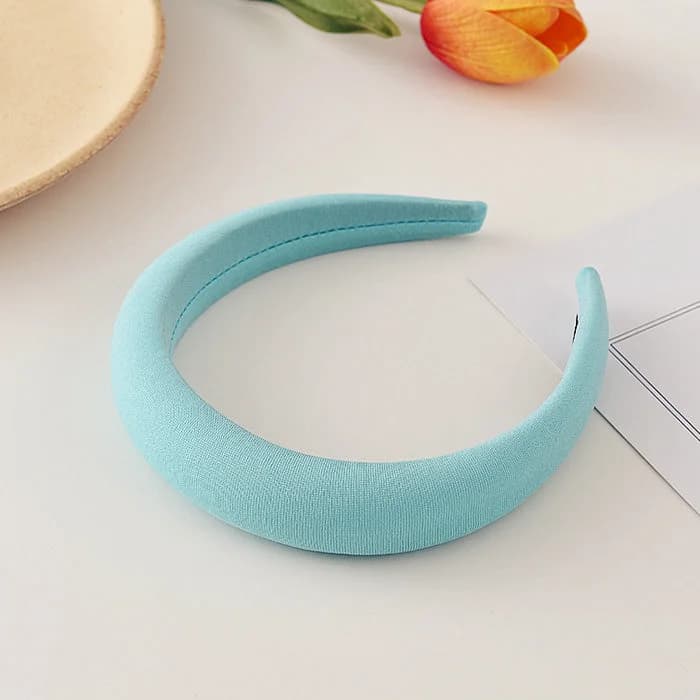
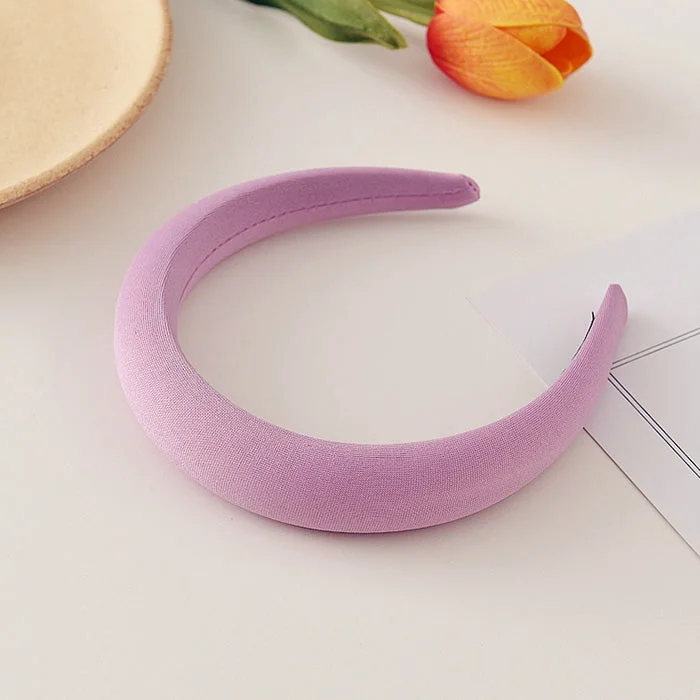
The 10 percent accent is often an accessory. Hair pieces are an easy place to start since they sit near the face and can pick up a color from elsewhere. The Danish Pastel Headband is plastic and comes in blue, purple, yellow, beige and pink, in a standard size. It could echo a sweater color or add a contrasting pop against a one-color set.
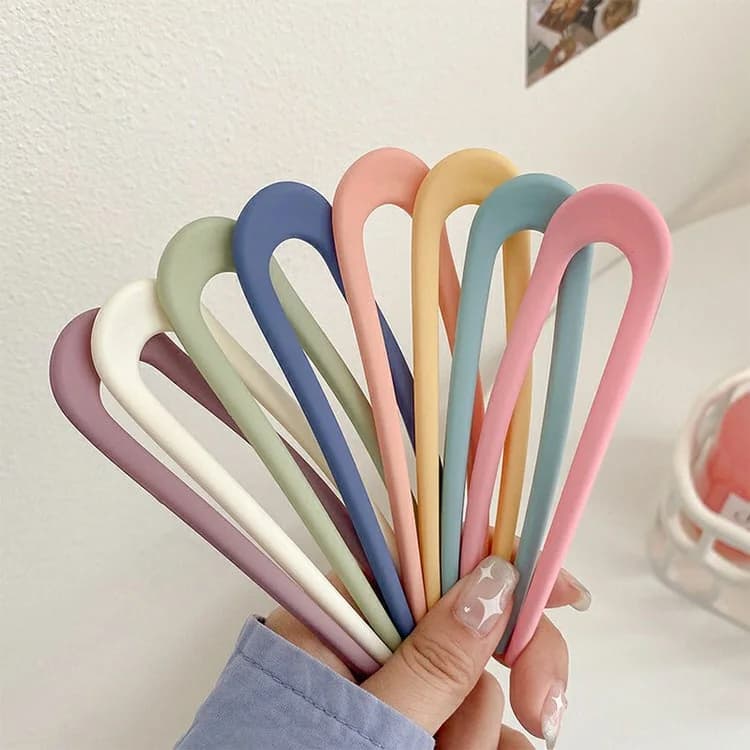
The Danish Pastel Hair Pins have a wider range, including pink, olive, baby blue, navy blue, peach, lavender, yellow, white and grey. Olive or navy are useful when you want an accent that is a little deeper, so a very pale outfit does not feel too faint.
Keep to one or two accents. A headband plus a clip plus a bag plus socks in four colors becomes noise. Pick the accent you want people to notice and let everything else stay quiet.
Matching your phone and small extras
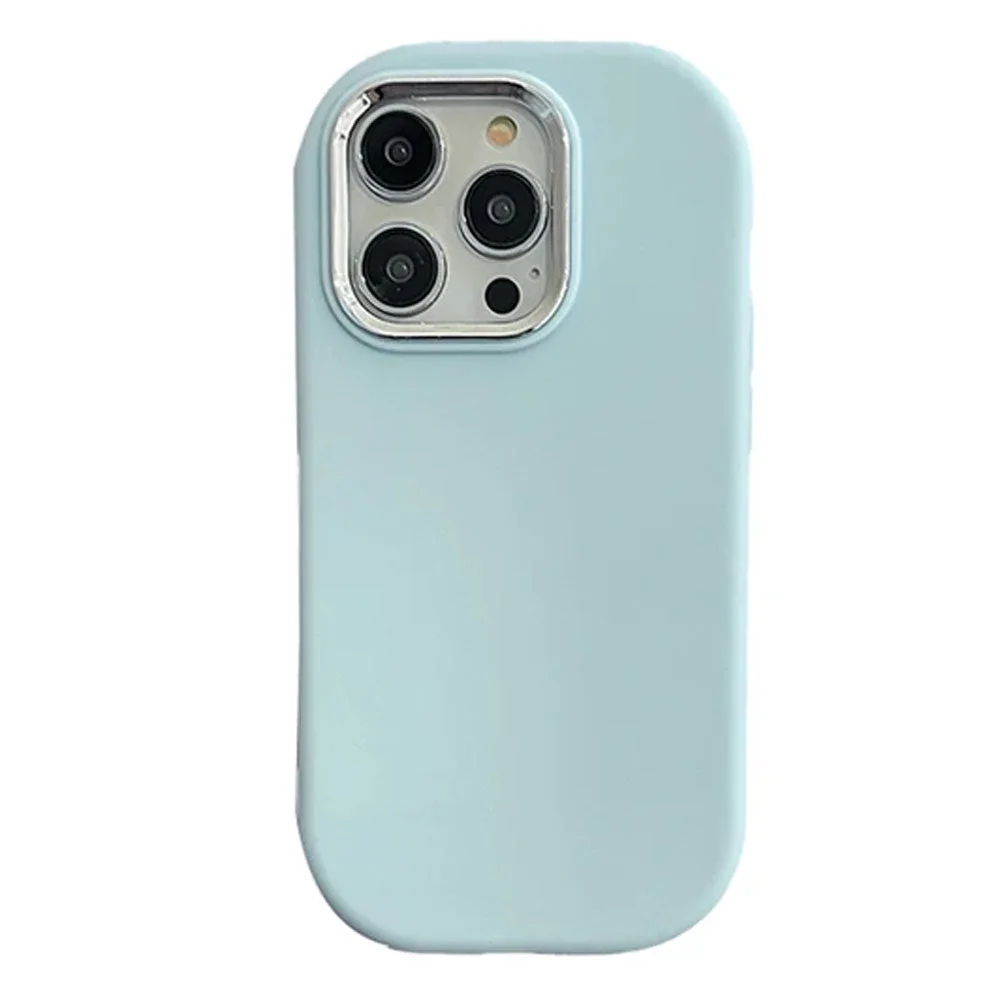
A phone case is a surprisingly good way to repeat a color you are wearing. If you carry your phone in hand or set it on a table, it becomes part of the outfit. The Danish Pastel Aesthetic iPhone Case is offered in blue, light pink, yellow, pink, purple and white, across iPhone 12 through 15 models listed on the page.
If you like patterns, the Danish Pastel Checkered iPhone Case comes in blue, black and pink, with sizes for iPhone 13 through 14 models listed. A checkered case pairs nicely with solid outfits because the pattern stays small.
Always confirm your exact phone model on the product page before ordering, since the lists differ between the two cases. Choose a case color that matches your most-worn block, or deliberately picks up the accent color for a tidy echo.
Weather and layering adjustments
Color blocking travels across seasons because you can swap fabrics without changing the color logic. In cooler weather, layer: a tee, a knit, then a cardigan, each in a different block, with a scarf or socks as the accent. In warmer weather, use lighter tops and shorts or skirts, and keep the same pairings, like pink with mint or lilac with yellow.
LayeringWearing pieces over or under one another to add depth, warmth or contrast. gives you built-in color blocking. A cardigan open over a contrasting top creates a vertical stripe of color down the center, which also helps if you want a longer line. Tying a cardigan around the shoulders or waist adds a block without the warmth.
On changeable days, choose pieces you can remove without wrecking the outfit. If the cardigan comes off, the tee and bottoms should still be a good pairing alone. That way you never feel half-dressed when the temperature shifts.
Common mistakes and how to fix them
The most frequent problem is too many colors. Four or five soft shades at once tends to look like a candy shop. Fix it by choosing two main colors and letting the others be white, cream or beige. Another is colors that are too close in value, so the outfit looks flat. Swap one piece for a slightly deeper or lighter tone.
A third issue is clashing undertones. A warm peach next to a cool icy blue can look off if the blue is very sharp. Choose a blue with a softer, slightly dusty tone, or move the peach to the accent role. Also watch for fabrics that look different in light: shiny and matte versions of the same color rarely match exactly.
Finally, do not force it. If a combination feels wrong in the mirror, change the piece closest to your face first, since that usually fixes the overall impression fastest.
- Too many colors: cap it at three plus neutrals
- Flat look: make one block lighter or deeper
- Undertone clash: soften the sharper color
- Pattern overload: one patterned piece at a time
Using the palette beyond clothes
Once you have a palette, repeating it at home makes the style feel complete. A vase can hold a single color accent on a shelf or desk. The Danish Pastel Flower Shaped Vase is ceramic in green, lavender and beige, and the Danish Pastel Ceramic Flower Vase offers tulip, flower and egg shapes in white, purple and yellow combinations listed on the page.
For wall color, the Danish Pastel Canvas Posters come in Capri, Seoul, Honolulu, Ibiza and Madrid options, with a range of sizes from small to large. Choose a size that suits your wall, and pick a design whose colors echo your wardrobe.
This is optional, but it helps when you are photographing outfits too: a backdrop that repeats one of your blocks makes the picture feel coordinated. Keep it modest and let the clothes remain the main thing.
Budget tips and a final checklist
You do not need a full new wardrobe. Start with one strong piece, such as a cardigan or sweater in a color you do not own, and build around neutrals you already have. White tees, straight jeans and plain sneakers are the best supporting cast. Add a second colored piece later, and you have dozens of combinations.
Before buying, check the product page for material, available colors and sizing notes, and think about which of your existing pieces it will sit beside. If you cannot picture at least three outfits with it, wait. For wider inspiration, revisit the Danish Pastel Outfits collection and compare palettes.
Use this quick list before you head out the door.
- Two main colors, one accent, plus neutrals
- Colors share the same level of softness
- Clear break between blocks, not a blur
- Only one patterned piece, with colors echoed in solids
- Shoes either neutral or tied to a color you are wearing
- Layers still work if one piece comes off