
Created by the Kawaii Vibe editorial team. Our named style desks are editorial personas. Product details and availability can change.
Balancing Danish pastel skirt outfits comes down to controlling volume, color saturation, and waistline anchors. While traditional pastel dressing leans heavily on sweet, frilly accessories, the Scandinavian approach keeps things grounded, airy, and practical. When you style a pastel skirt, the objective is to build clean shapes where soft tones like butter yellow, pistachio, lilac, and pale sky blue feel intentional rather than juvenile.
The core challenge lies in avoiding visual clutter. Because soft sorbet shades lack the deep contrast of dark neutrals, outfits can easily look washed out or uneven if the weight of your shoes does not correspond to the drape of your hemline. A flowy skirt demands a structured shoe, while a structured mini skirt needs a soft, relaxed upper half. Getting the waistline right ensures your torso and legs retain distinct separation even when wearing monochromatic tones.
This guide examines exactly how to construct balanced Danish pastel skirt combinations. We will map specific top cuts, waistband placements, shoe styles, and outerwear layers so you can assemble outfits that feel comfortable, light, and visually calm for daily wear.
The Baseline Anatomy of a Danish Pastel Skirt Outfit
A properly balanced Danish pastel outfit uses clean geometry to temper sugary colors. The base principle relies on pairing one crisp garment with one soft or relaxed piece. If your skirt features crisp knife pleats or a tailored A-line silhouetteThe overall shape an outfit creates, from fitted to loose and layered., your top should offer soft texture, like a brushed knit or an easy cotton jersey. Conversely, if your skirt is a lightweight, fluid slip cut, pairing it with a neat, square-cut button-up or a boxy knit keeps the overall look structured.
Color placement sets the foundation. Instead of stacking four different pastels across your body, anchor the look around one hero tone, such as matcha green or pale cornflower, and blend it with creamy whites, soft ecru, or oat shades. A skirt from our curated Danish Pastel Skirts selection serves as the focal point, allowing you to build upward with understated neutrals and downward with solid, functional footwear.
Proportion also dictates how calm the outfit appears. Because light tones reflect more light and visually expand surfaces, avoid drowning your frame in oversized items top and bottom simultaneously. If your lower half is voluminous, your upper half needs a defined shape, whether through a fitted bodice, a cropped length, or an exposed collarbone.
- Rule of contrast: pair sharp hems with soft knits, or fluid fabrics with boxy cuts.
- Color anchoring: limit saturated pastel shades to one primary piece and support it with ecru, chalk, or soft grey neutrals.
- Visual weight: keep either the top or bottom silhouetteThe overall shape an outfit creates, from fitted to loose and layered. neat to avoid excess volume across the whole frame.
Choosing the Right Waistline Height and Drape
Waistline placement determines where your eye rests and how long your legs appear beneath light colors. High-waisted skirts remain the default for Danish-inspired styling because they cleanly divide your proportions into a balanced one-third to two-thirds ratio. When your waistband sits at your natural waist, you can pair it with boxy cropped cuts without exposing your midriff, preserving that signature Scandi minimalism.
Mid-rise skirts present a relaxed alternative, leaning into late-nineties Scandinavian street style. When styling a mid-rise hem, look for a flat front waistband rather than elastic gathers. Elastic rouching at the mid-hip can add unwanted bulk, whereas a flat waistband lets tops drape naturally over the edge without bunching up.
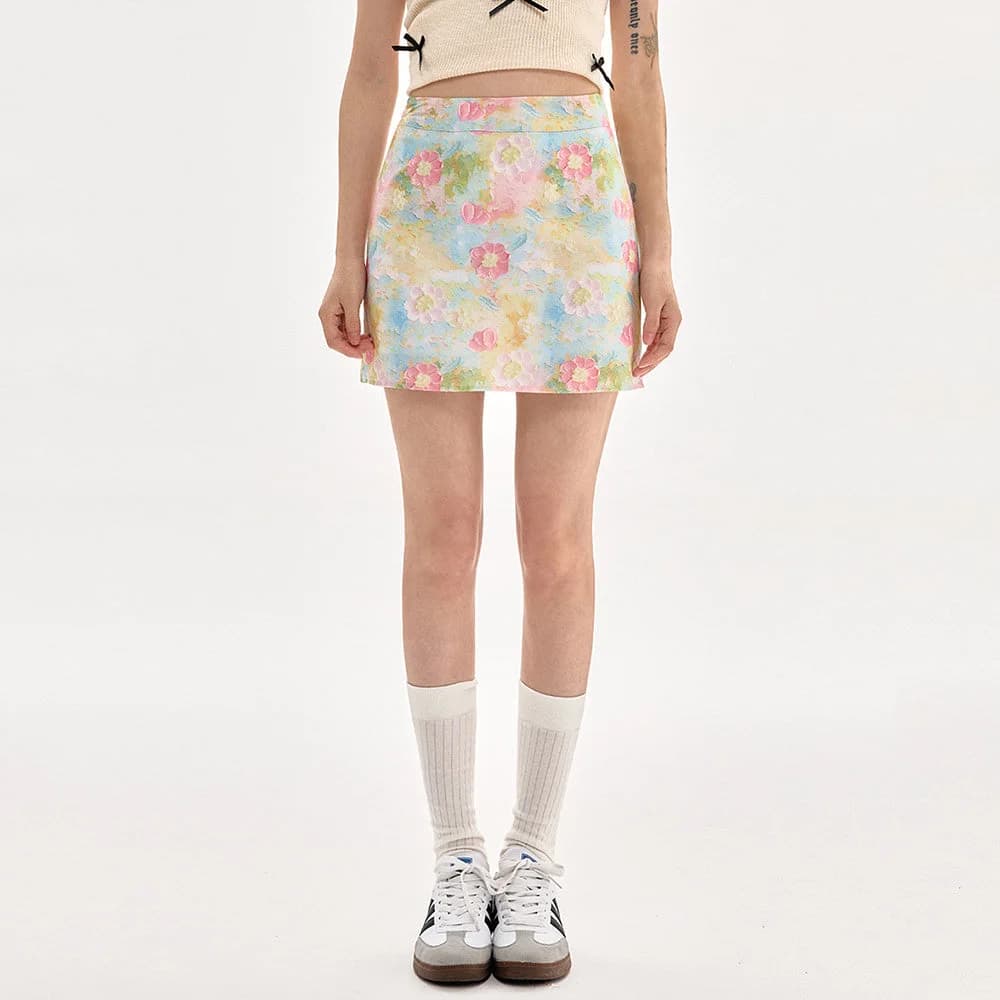
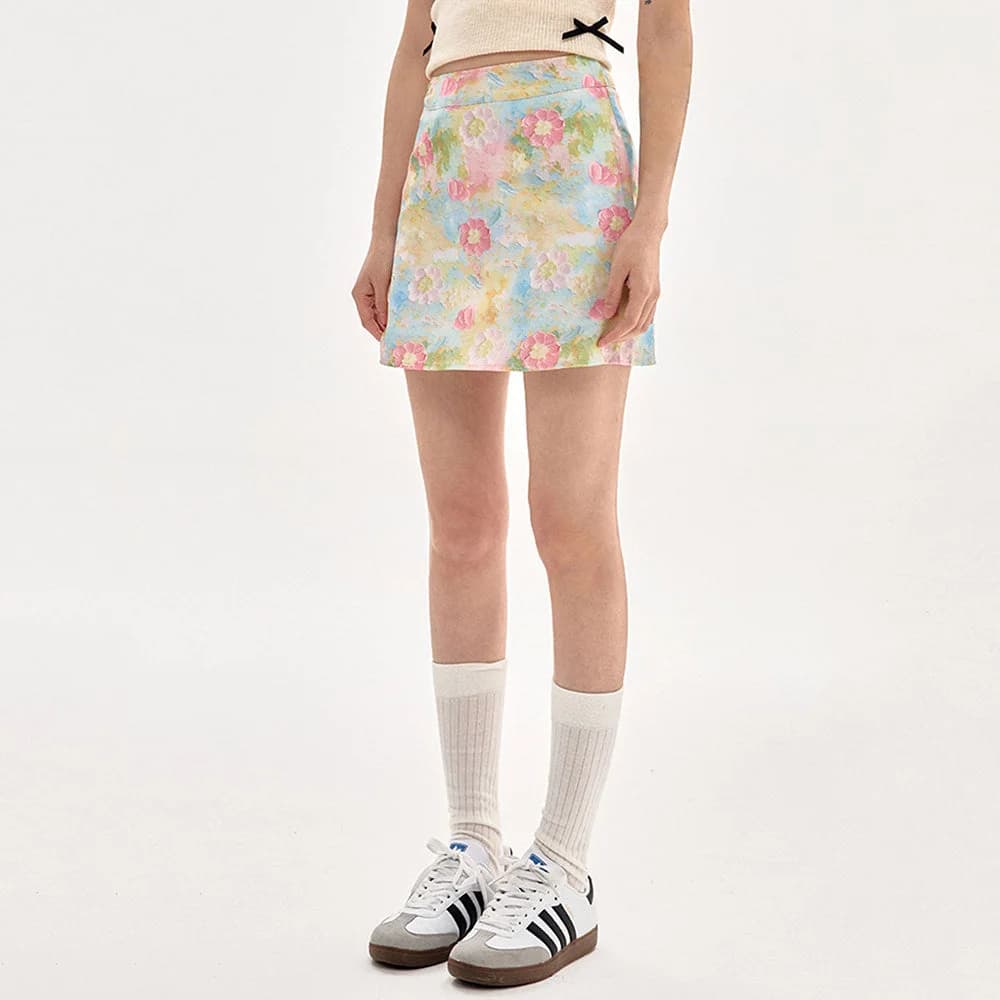
The hemline's drape also informs waistline height. For shorter cuts like the Pastel Brushstroke Floral Mini Skirt, which is cut from polyester in pastel tones, a high-rise waistline stabilizes the outfit. It keeps the hem from riding up and allows you to tuck in a lightweight tee or layer a relaxed sweater straight over the waistband without losing your natural shape.
- High-rise designs create a clean boundary that supports boxy, cropped knitwear without bare skin.
- Mid-rise waists favor flat, zip-closure bands to prevent bunching around the hips.
- Elasticated waists work best when layered beneath untucked, relaxed layers that skim the hip line.

Pairing Tops with Mini Skirts: Cropped vs. Relaxed Silhouettes
Mini skirts in soft tones provide an open, airy base, but they require careful counterbalancing up top to avoid looking top-heavy or underdressed. A tailored mini skirt paired with a skin-tight top can feel dated. Instead, the Danish aesthetic relies on contrast: pair short hemlines with generous, cozy, or boxy cuts. A slightly oversized knit sweater, casually French-tucked into the front of the skirt, gives the silhouetteThe overall shape an outfit creates, from fitted to loose and layered. an effortless feel.
When selecting items from our Danish Pastel Mini Skirts range, consider the fabric structure of the skirt. A mini with some body holds its own beneath medium-weight sweaters. If you prefer a fitted top, layer an unbuttoned lightweight overshirt or utility jacket over it to introduce clean vertical lines down your torso.
Graphic tops can also work well if the artwork leans playful and retro rather than chaotic. For instance, pairing a clean mini with the Pastel Kitty Tank Top, made of polyester in soft pastel hues, creates an uncomplicated, sunny foundation. To keep it grounded in the Danish style, simply throw an open knit layer or an ecru linen shirt over the top.
- Avoid pairing tight tops with tight minis; opt for dropped shoulders or boxy torsos instead.
- Use the front-tuck technique on lightweight jumpers to define the waist without concealing the skirt's front pattern.
- Add unbuttoned button-downs as open outer layers to build depth without trapping heat.

Pleated Skirts: Managing Texture and Upper-Body Volume
Pleats bring sharp, architectural lines to an outfit. Whether you opt for tennis-style box pleats or micro accordion pleats, the garment carries substantial visual rhythm. If you pile heavy ruffles or busy textures on top of a pleated skirt, the outfit quickly becomes overly busy. The key to styling options in the Danish Pastel Pleated Skirts edit is pairing them with flat-surface tops.
Fine-gauge jersey, smooth cotton poplin, and plain ribbed knits complement pleated skirts cleanly. A crisp white crewneck tee tucked into a pastel pleated skirt creates a timeless warm-weather look. When the temperature drops, switch to a flat-knit crew sweater with clean cuffs and hem. The contrast between smooth upper-body fabric and the sharp folds of the skirt maintains balance.
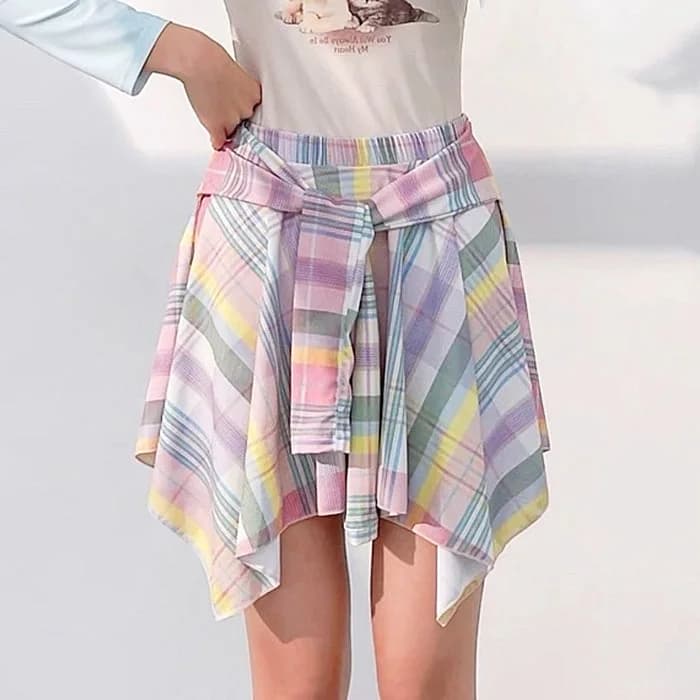
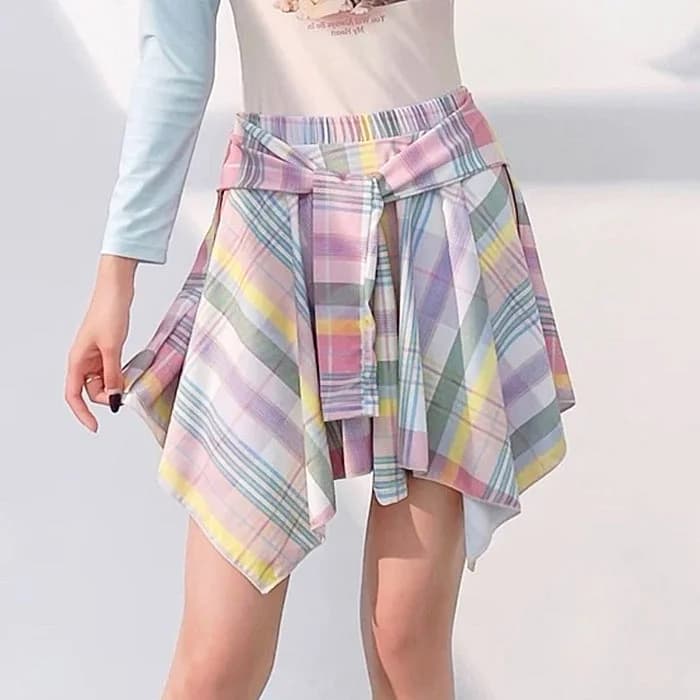
Printed pleats require extra restraint up top. For a patterned option like the Secret Crush Pastel Plaid Skirt, which features multi-colored polyester fabric, your top should echo one of the background shades from the plaid rather than introducing an unrelated color. A pale butter or cream knit sweater pulled straight from the pattern creates a coherent palette.
- Pair pleated textures with flat weaves like cotton jersey, flat knits, or smooth poplin.
- Avoid overly frilled blouses that fight with the vertical rhythm of the pleats.
- Match your top color directly to the softest base shade present in any patterned pleated fabric.

Sweaters and Cardigans: Layering Without Bulking the Silhouette
Knitwear is central to Copenhagen-inspired dressing, where unpredictable coastal weather requires functional layeringWearing pieces over or under one another to add depth, warmth or contrast.. However, pairing thick knitwear with pastel skirts can overwhelm your proportions if the cardigan is cut too long or the sweater hem rolls inward awkwardly. The solution lies in choosing deliberate crop lengths or fine-gauge yarns that rest cleanly on the waistline.
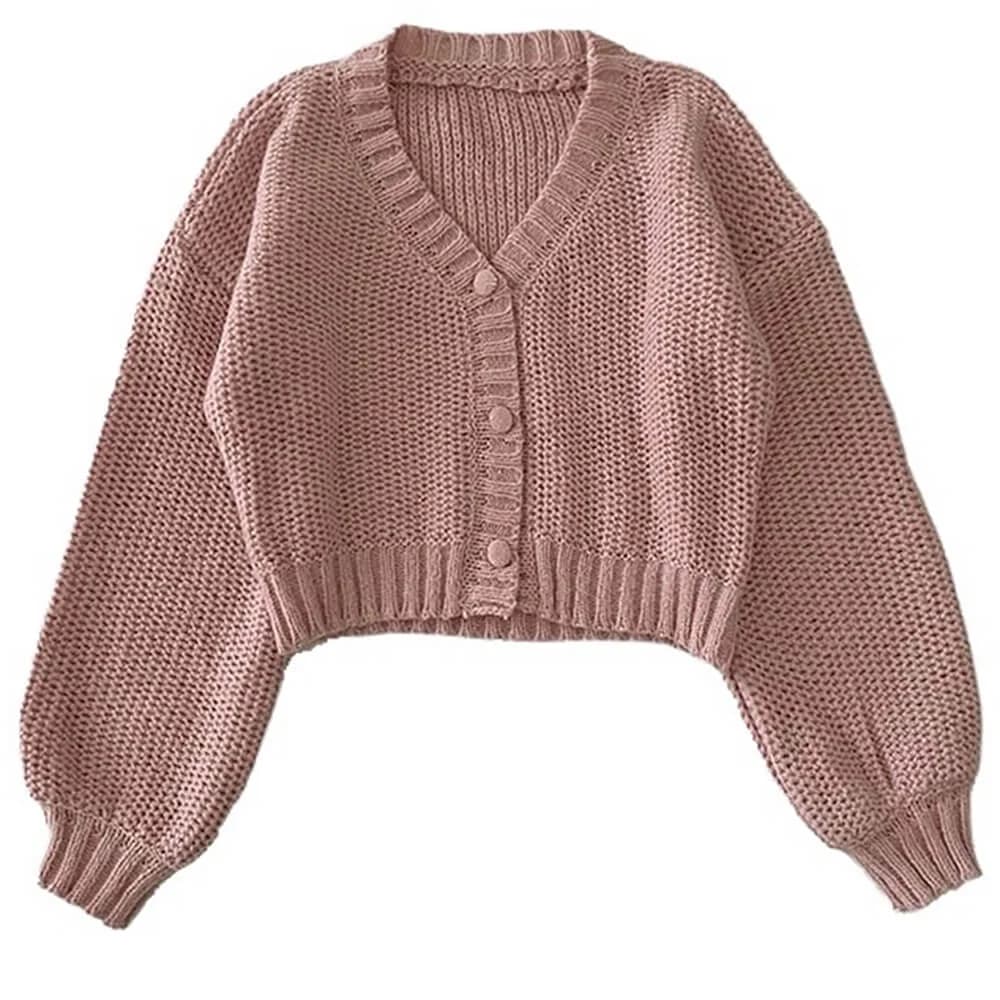
A piece like the Danish Pastel Cropped Cardigan, constructed from polyester knit in Free Size with shade options including Pink, Blue, White, Green, and Yellow, offers the exact length needed for high-rise skirts. The cropped hem stops right at the waistband, creating a tidy line that emphasizes leg length without requiring you to tuck heavy fabric into your skirt.
If you prefer full-length oversized cardigans, leave the bottom three buttons undone. This creates an inverted 'V' opening from the waist down, which allows your pastel skirt to remain visible and prevents the cardigan from acting like a heavy, unflattering blanket over your hips. You can also experiment with tonal layeringWearing pieces over or under one another to add depth, warmth or contrast. by pairing a sage skirt with an ecru top and a soft moss cardigan for a gentle color wash.
- Cropped cardigans eliminate bulky waistband tucking and clearly separate the torso from the legs.
- Wear oversized knitwear partially unbuttoned at the base to expose the skirt's waistband.
- Choose smooth fine-gauge knits when layeringWearing pieces over or under one another to add depth, warmth or contrast. under outerwear to avoid restricting arm movement.
Bodysuits, Tanks, and T-Shirts: Flat Foundations for Flared Hems
When styling skirts that have natural flair—such as skater cuts, wide A-lines, or circle hems—the upper body requires a smooth, flat anchor. If you pair a wide, voluminous top with a wide, flared skirt, your body's natural shape disappears under folds of fabric. A fitted tank, clean-finished bodysuit, or tailored T-shirt restores order by creating a neat anchor point above the hips.
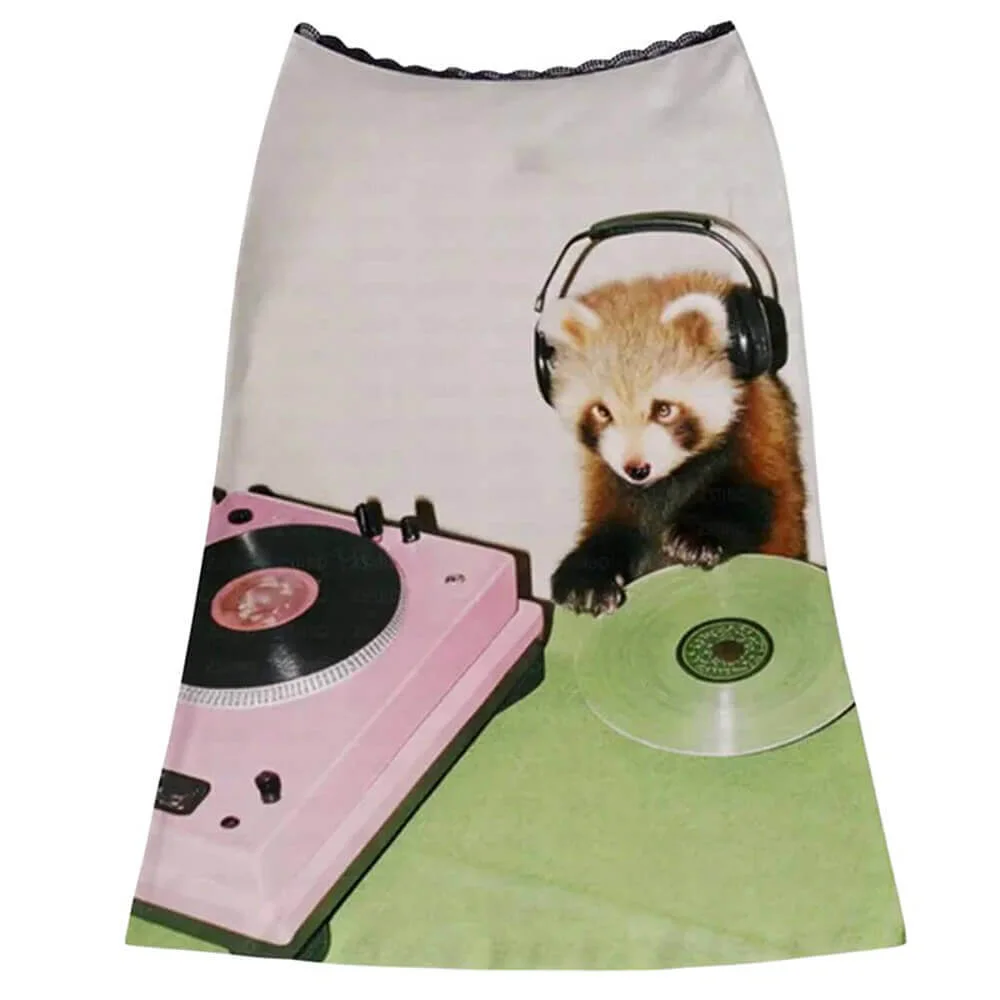
Tucking a clean t-shirt into a patterned skirt, such as the Red Panda DJ Print Y2K Mini Skirt in pink/green polyester, keeps the print front and center while streamlining your midsection. The flat texture of jersey fabric reins in expressive novelty prints, transforming an otherwise eccentric piece into a wearable daytime outfit.
Pay close attention to necklines when using fitted tops. Crew necks and shallow scoops provide a sporty, casual feel that matches chunky trainers. Square necklines and boatnecks lean slightly more structured, making them great choices when you want to pair your skirt with loafers or Mary Janes for a polished afternoon gathering.
- Flared and A-line skirts demand flat, form-fitting tops to maintain balanced body lines.
- Crewneck tees soften quirky or novelty prints into relaxed street-ready looks.
- Check neckline geometry: square and boat cuts add polish, while crew cuts keep the outfit relaxed.
Footwear Proportions: Chunky Trainers, Loafers, and Mary Janes
Shoe choice makes or breaks a Danish pastel outfit. Delicate, thin-soled ballet flats or spindly heels often look too fragile next to pastel clothing, skewing the overall aesthetic toward vintage costume. The Scandinavian approach relies on practical, slightly masculine or substantial footwear to anchor the pastel tones. Chunky retro runners, platform loafers, and lug-sole Mary Janes are standard choices.
Chunky dad trainers in off-white, light grey, or with subtle pastel accents ground short mini skirts instantly. The heavy sole adds visual weight at the bottom of the leg, which makes a mini skirt feel grounded and suitable for city walking. If you prefer a preppy look, chunky penny loafers paired with white ribbed crew socks create clean visual separation between your shoe and the hem of your skirt.
When wearing mid-length styles like the Red Panda DJ Print Midi Skirt, foot coverage becomes even more critical. Because midis hit midway down the calf, low-profile shoes can shorten the leg line. A platform loafer, a lug-sole derby, or a retro sneaker with a 1.5-inch sole provides the lift needed to carry the midi fabric gracefully.
- Avoid thin, flimsy flats in favor of chunky-soled sneakers, loafers, or Mary Janes.
- Use white or ecru ribbed crew socks to bridge the gap between heavy shoes and bare legs.
- Midi skirts require footwear with slight platform elevation to maintain clean vertical proportions.
The Role of Socks and Tights in Scandi Styling
In northern Europe, weather demands leg coverage for much of the year, making socks and tights styling tools rather than mere afterthoughts. Rather than reaching for sheer black tights, which can look jarring against pastel lemon or lilac skirts, Danish dressing utilizes textured ecru, oat, or tonal tights. Soft heather grey tights also provide gentle contrast without disrupting the pastel color scheme.
Socks play an equally visible role in warm weather. A crisp white crew sock pulled up two inches above the ankle bone adds a sporty touch to pleated skirts and loafers. If you want to layer color subtly, choose a pastel sock that matches your top rather than your skirt. For example, wearing a baby-blue top, a butter-yellow skirt, and baby-blue socks creates a balanced frame for the outfit.
When wearing translucent tights, look for semi-opaque finishes (around 40 to 50 denier) in warm cream or dove grey. Completely sheer nude tights can look overly formal, while heavy opaque black tights can visually chop your legs in half when paired with pale skirts. Soft, neutral mid-weights bridge the gap without harsh demarcations.
- Replace stark black tights with charcoal, heather grey, oatmeal, or semi-opaque ecru.
- Use white ribbed crew socks to give loafers and Mary Janes an athletic, effortless finish.
- Frame the outfit by matching your sock shade to your upper layer rather than your skirt.
Outerwear and Length Play: Trench Coats, Blazers, and Fleeces
Outerwear creates the outer frame of your outfit, dictating how your skirt's hemline interacts with the world. The Danish street style look frequently embraces outerwear that is either noticeably longer or noticeably shorter than the skirt underneath. A classic beige trench coat that falls mid-calf over a mini skirt creates an interesting contrast between the short inner hem and the sweeping coat.
Oversized blazers in sand, grey-melange, or muted sage also pair naturally with pleated and mini skirts. The boxy shoulder pad details supply clean menswear tailoring that balances out the sweet undertone of pastel fabrics. When styling a blazer, let the hem of the jacket fall just an inch or two above the skirt hem, or choose a cut that completely covers a mini skirt from behind for a modern, oversized look.
For casual weekends, zip-up fleece jackets and quilted liners introduce functional texture. A cream sherpa jacket worn open over a pastel mini skirt keeps the look cozy and relaxed. The high texture of fleece contrasts well with smooth polyester or woven skirts, highlighting the Scandinavian blend of outdoor utility and cheerful pastel color.
- Trench coats extending past the skirt hem create an elegant, protective outer frame.
- Oversized menswear blazers temper pastel sweetness with sharp shoulder tailoring.
- Textured fleeces and quilted liners bring practical warmth without clashing with light skirts.
Building Monochromatic vs. Contrast Pastel Palettes
There are two primary ways to color-block a Danish pastel skirt outfit: full tonal harmony or complementary contrast. Tonal styling uses multiple shades of the same color family—such as mint, pistachio, and seafoam—mixed with a heavy dose of chalk white. This approach feels modern, calm, and soothing to the eye, letting the fabric textures do the heavy lifting.
Contrast styling pairs two distinctly different pastel hues together, such as pale lavender with soft buttercup, or peach with powder blue. The key to making contrast work without looking like a dessert table is keeping the saturation levels identical. If you pair a neon pastel with a washed-out, dusty pastel, the neon will overpower the outfit. Both shades must share the same gentle, milky undertone.
If you find full pastel combinations overwhelming, anchor your skirt with neutrals. A cream cable-knit or a light grey sweatshirt lets your skirt stand out without competing for attention. Reviewing broader wardrobe collections like Danish Pastel Clothes shows how Scandinavian dressers regularly integrate ecru denim, oat fleece, and light wash jeans to balance their pastel items.
- Tonal styling: layer varying depths of a single color family alongside chalky neutrals.
- Contrast styling: ensure both pastel shades share equal, milky saturation levels.
- Neutral anchoring: use heather grey, oatmeal, and off-white to ground vibrant pastel tones.
Transitional Styling for Warm vs. Cool Climates
A well-designed pastel skirt can transition seamlessly between warm and cool climates with just a few smart layer adjustments. In warm weather, breathable cotton tops, simple rib tanks, and linen overshirts keep the aesthetic breezy. A matching coordinate piece, like the Pastel Mermaid Top in pink, yellow, or blue polyester, pairs naturally with a matching or neutral skirt for warm city days.
When shifting into cooler weather, keep the pastel skirt as your foundation and swap your canvas shoes or sandals for leather boots and wool socks. Layer a fine merino turtleneck under a button-down shirt, then tuck both into your skirt. This gives you multiple insulating layers while maintaining a structured silhouetteThe overall shape an outfit creates, from fitted to loose and layered. at the waist.
Rainy, overcast days are actually where Danish pastel outfits shine brightest, reflecting the Copenhagen habit of wearing cheerful colors against grey skies. Pair your skirt with water-resistant Chelsea boots, ribbed tights, and an oversized rain mac in pale olive or sand. The skirt adds a bright splash of color while your outerwear handles the damp weather.
- Warm climate: rely on open cotton overshirts, linen tanks, and breathable footwear.
- Cool climate: layer fine turtlenecks under cardigans and ground the skirt with chunky boots.
- Overcast weather: combine soft pastel skirts with functional rainwear and neutral storm boots.

Alternative Bottoms: When to Pick Skirts Over Trousers
While skirts deliver playful drape and movement, they are not the only bottom option within this aesthetic. Knowing when to choose a skirt over trousers comes down to the kind of volume you want to highlight. Skirts emphasize the lower leg, footwear, and sock pairings, giving you room to play with footwear proportions and exposed leg lines.
However, on windy days or when doing heavy walking, tailored pants provide equal charm with extra utility. For instance, the Loose Fit Pastel Cotton Stripe Pants, made from a polyester and cotton blend in blue and pink options, offer a relaxed alternative. Striped trousers introduce linear vertical energy, whereas skirts lean into horizontal lines, swings, and pleats.
Choose a skirt when your outfit centers on oversized, heavy knitwear. Because sweaters can sometimes swallow up relaxed-fit trousers, pairing an oversized sweater with a clean mini or pleated skirt creates a flattering taper, balancing bulk on top with slim leg lines below.
- Pick skirts when you want to highlight statement footwear, crew socks, or layered tights.
- Choose relaxed trousers for high-wind conditions or active days requiring complete coverage.
- Use short skirts to offset the volume of heavy, oversized winter knits.
Common Danish Pastel Outfit Mistakes to Avoid
The most frequent misstep in styling Danish pastel skirts is over-accessorizing. It can be tempting to add floral hair clips, beaded jewelry, pastel handbags, and patterned socks all at once. When every piece screams for attention, the effortless Scandinavian look gets lost. Pick one focal accessory—such as a chunky knit scarf or a structured shoulder bag—and keep the rest of your additions simple.
Another mistake is ignoring fabric weight compatibility. Wearing an ultra-thin, sheer chiffon pastel skirt with a heavy, thick-gauge wool sweater causes the skirt to cling awkwardly to your legs. Make sure your skirt has enough weight and structure—like pleated polyester, denim, or twill—to hang freely underneath your knitwear without collapsing.
Lastly, watch out for muddied neutrals. Danish pastels look best against clear, cool creams, stark whites, or light greys. Pairing clear sorbet shades with warm mustard browns or earthy muddy tans can make your pastels look faded and dingy. Keep your supporting neutrals cool, crisp, and bright to maintain that airy Nordic look.
- Avoid accessory overload: select one statement accessory and let the skirt remain the focus.
- Match fabric weights: ensure your skirt fabric is heavy enough to hold its shape beneath knitwear.
- Use clear neutrals: choose chalk white, oat, and silver-grey over muddy tans or warm earth browns.
The Outfit Assembly Checklist
Before heading out the door, take thirty seconds in front of a full-length mirror to check your outfit's balance. Start at the top: does your shirt or sweater cut across your frame cleanly, or is it bunching over your waistband? If you are wearing a relaxed knit, check that your front tuck is secure and sits right at the center of your waistline to maintain proper leg proportions.
Next, evaluate the visual balance between your upper half and lower half. If your skirt is full or pleated, make sure your top fits relatively close to the body, or is cropped high enough to show where your torso ends. If you are wearing a fitted skirt, ensure you have introduced some volume up top with an open shirt, a boxy tee, or a loose jacket.
Finally, check your footwear. Do your shoes look substantial enough to support the colors you are wearing? If your feet look lost in thin-soled canvas shoes, swap them for a chunky trainer or a platform loafer, and add a crisp crew sock to complete the look. Once your proportions and colors align, your outfit is ready to go.
- Torso check: make sure your knitwear hem sits neatly at the waistband without bunched fabric.
- Volume check: confirm that either your top or bottom provides a structured counterweight to the other.
- Footwear check: ensure your shoe has enough sole thickness to ground soft pastel colors.


