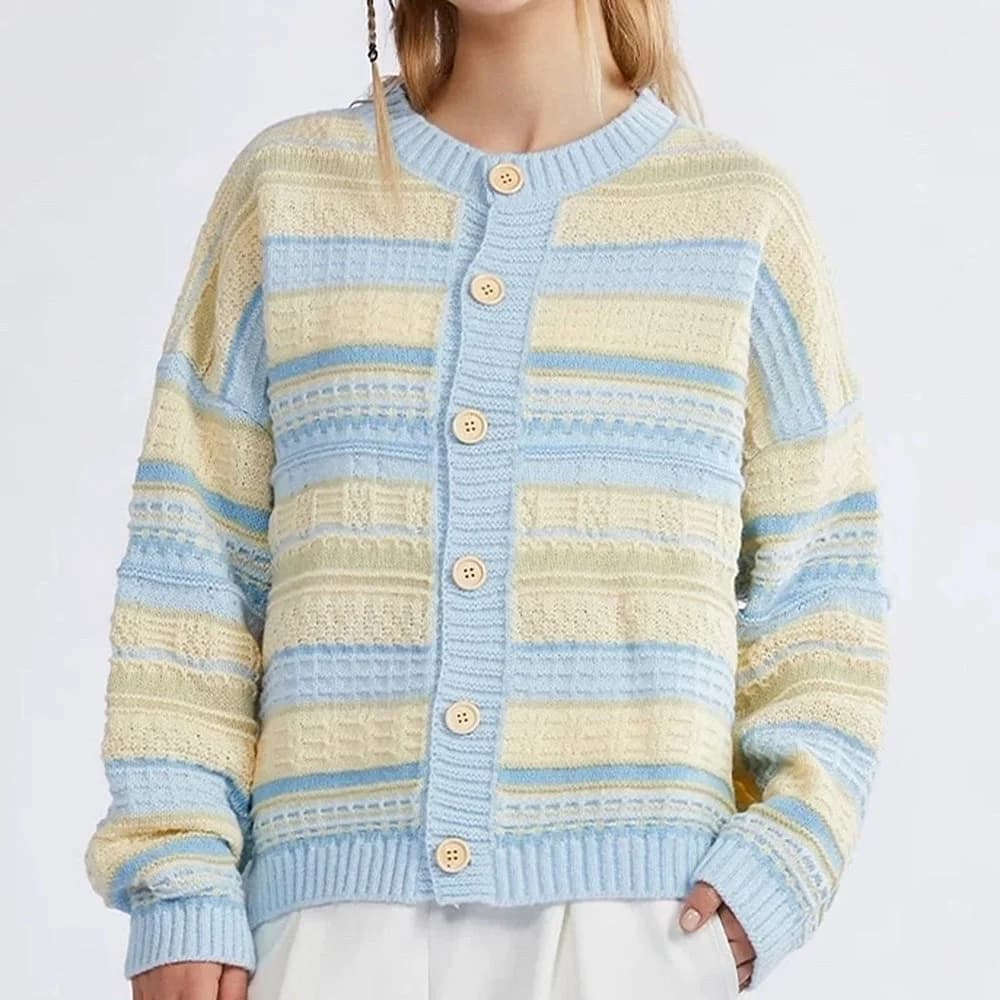
Created by the Kawaii Vibe editorial team. Our named style desks are editorial personas. Product details and availability can change.
LayeringWearing pieces over or under one another to add depth, warmth or contrast. Danish pastel sweaters comes down to balancing muted sorbet tones with intentional silhouetteThe overall shape an outfit creates, from fitted to loose and layered.s. The aesthetic relies on soft tones like butter yellow, sage, sky blue, lilacs, and chalky creams, but putting an outfit together takes more than stacking pale colors on top of one another. To keep soft knitwear looking fresh rather than messy, you need to think about how hemlines fall, how collar shapes interact, and where fabrics create bulk or drape.
Whether you want to build an outfit for transitional spring breezes, damp autumn mornings, or crisp winter afternoons, the right base layers and outer textures make all the difference. This guide walks through clear, wearable formulas that work across different body proportions and changing temperatures, showing you how to mix lightweight knits, relaxed shirts, and casual bottoms without losing the airy, Scandinavian-inspired mood.
Setting the Core Rule: Tension Between Volume and Structure
The secret to making knitwear look effortless lies in balancing soft drape with crisp lines. Danish pastel fashion favors gentle colors and relaxed tailoring, but if you pair a completely loose knit with baggy bottoms and unstructured footwear, the entire outfit loses its shape. Instead, create visual interest through clean contrast. When you choose an oversized sweater, anchor it with straight-leg denim, neat pleated trousers, or a bottom layer that gives clear definition to your lower half.
Conversely, if you choose a fitted or cropped knit, you have the freedom to lean into fuller bottoms, such as wide-leg trousers, flared skirts, or relaxed cargo shapes. Think about where your garments end on your frame. A sweater that hits right at the mid-hip often bisects the body awkwardly if paired with an un-tucked, long under-layer. Keep the interplay deliberate: either tuck a lighter knit into high-rise waistbands or let a boxy sweater float cleanly over a straight silhouetteThe overall shape an outfit creates, from fitted to loose and layered..
- Balance slouchy tops with defined waistbands or straight trouser legs.
- Avoid pairing loose knits with completely unstructured, floor-dragging bottoms.
- Ensure hemlines land at points that flatter your frame rather than cutting across your widest points.
Base Layers: Thin Foundations That Prevent Bulky Sleeves
Every great sweater outfit starts with what sits underneath. When layeringWearing pieces over or under one another to add depth, warmth or contrast. pale knits, bulky interior garments will bunch around the armpits and show uneven lumpy textures through open knits. Thin, breathable tops provide smooth bases that allow wool or synthetic blends to glide comfortably without bunching or twisting throughout the day.
A lightweight, form-fitting tank like the Pastel Kitty Tank Top works as a smooth base under open-knit cardigans or boatneck pullovers. Because it is crafted from a smooth polyester blend, it slides against heavier tops without clinging. When styling a translucent or loose-weave sweater, matching your base layer closely to your skin tone makes the knit color pop, while choosing a contrasting pale shade gives subtle dimension without visual clutter.
- Select smooth, body-skimming bases to keep your shoulders and sleeves streamlined.
- Keep collar depths in mind so your inner tank or tee complements the sweater neckline.
- Use pale neutrals beneath sheer knits to keep the focus entirely on the outer texture.

Cardigans and Crops: High-Rise Pairings for Petite and Short-Waisted Frames
Shorter knit styles naturally draw the eye upward, making them great tools for anyone wanting to elongate their leg line or reduce fabric bulk around their hips. A cropped cut sits neatly above high-waisted bottoms, completely bypassing the need for bulky front tucks. To browse versatile pieces with shorter body lines, explore the Danish pastel sweaters range for options that stop right at the natural waist.
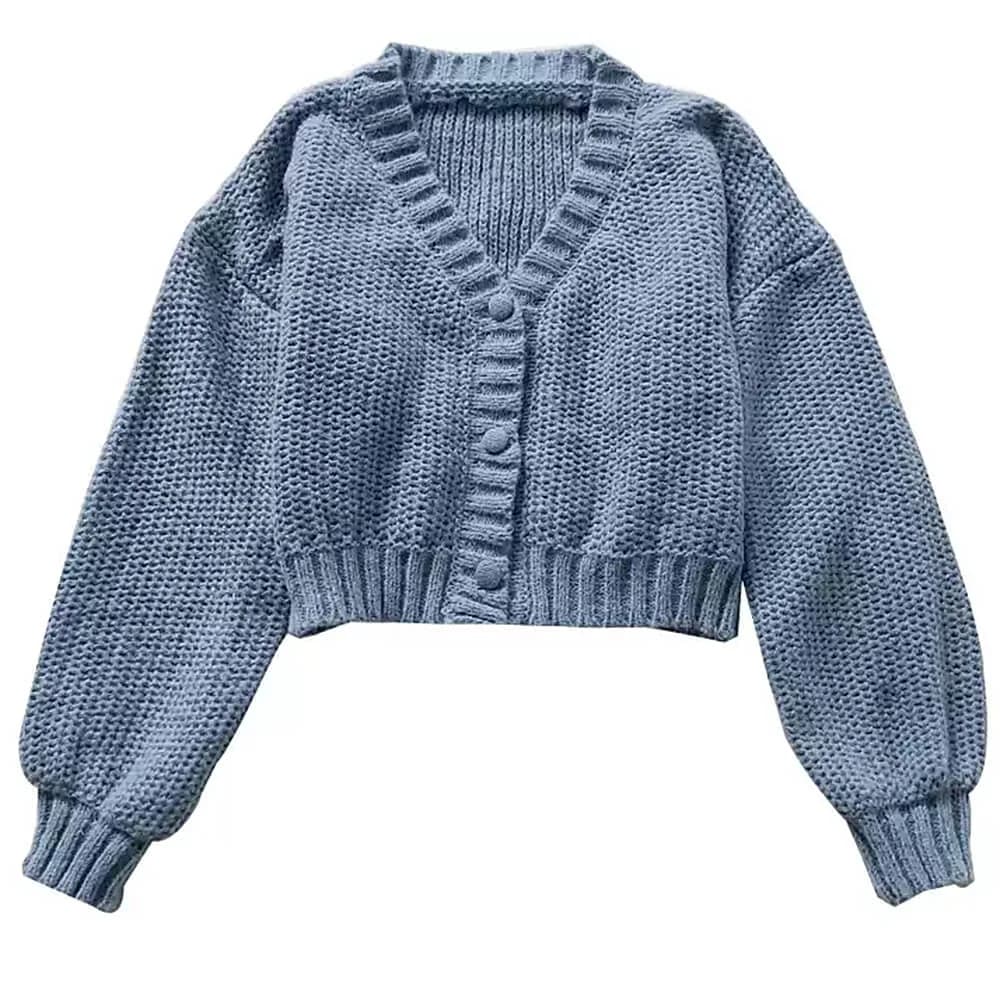
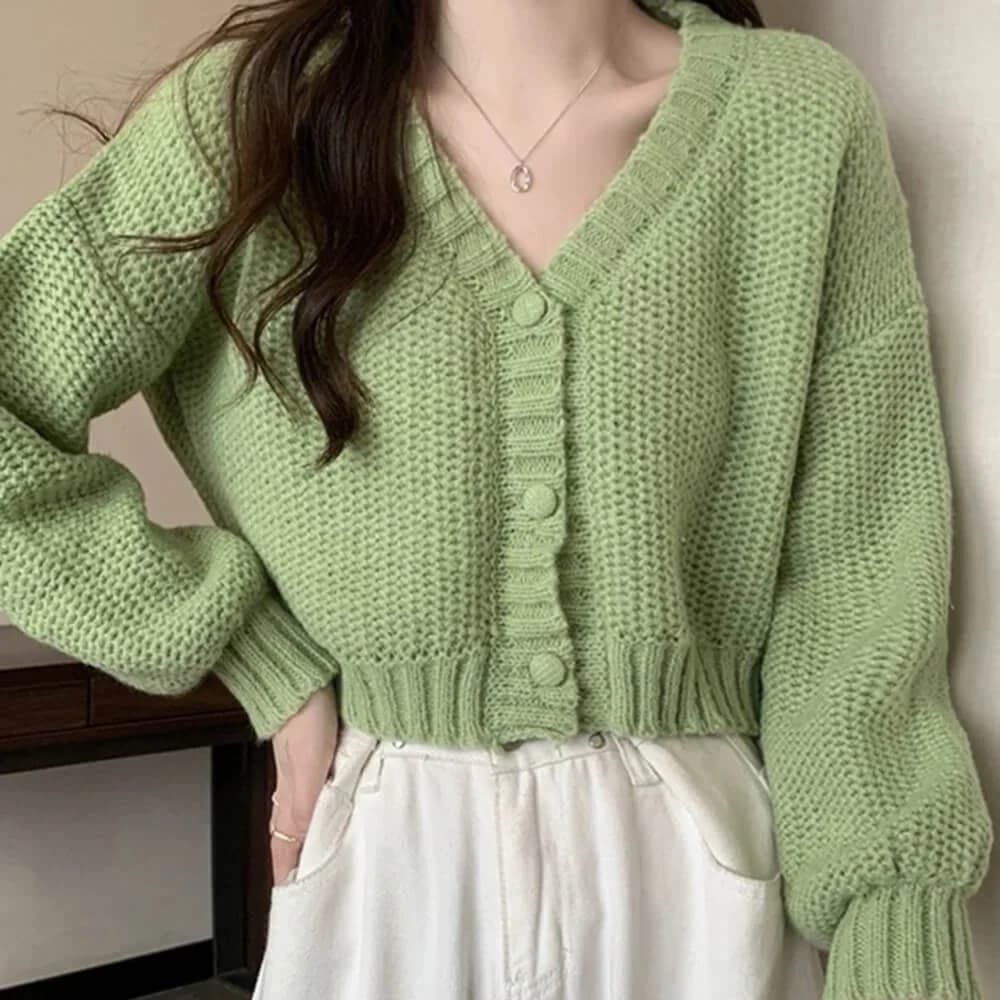
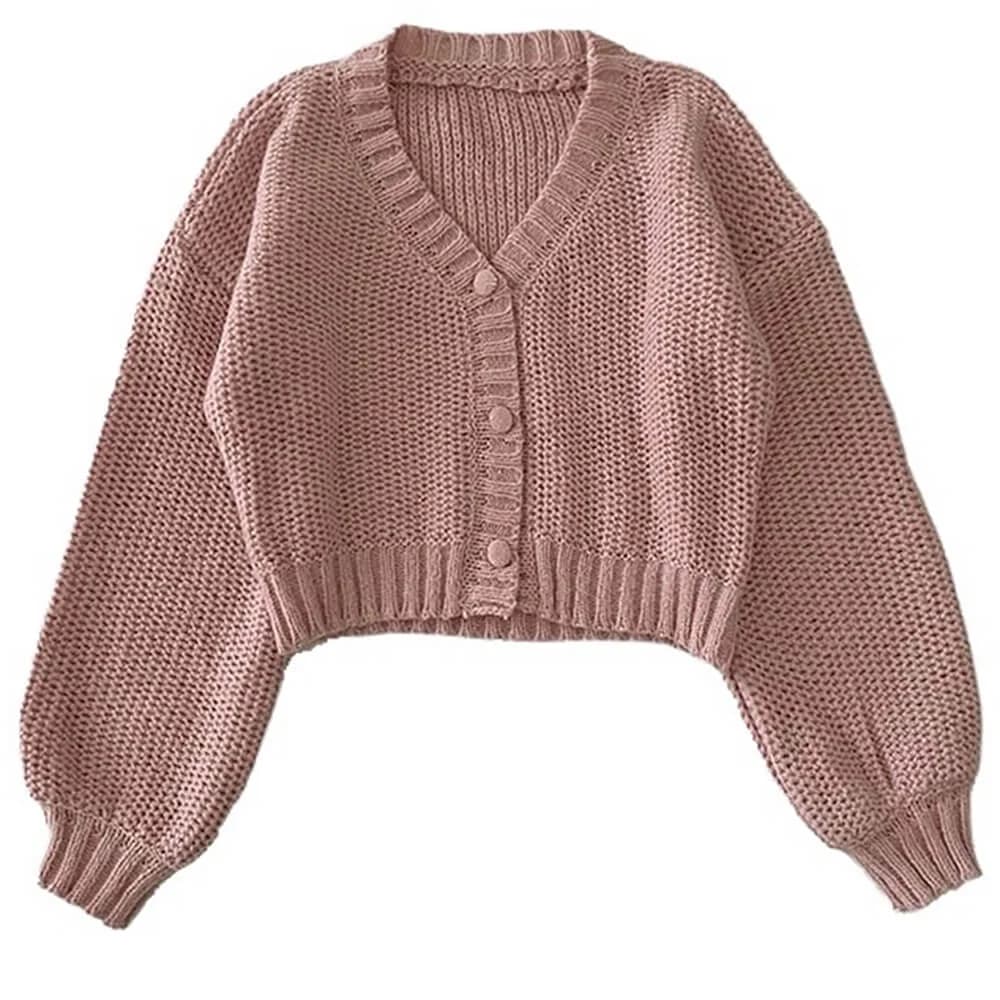
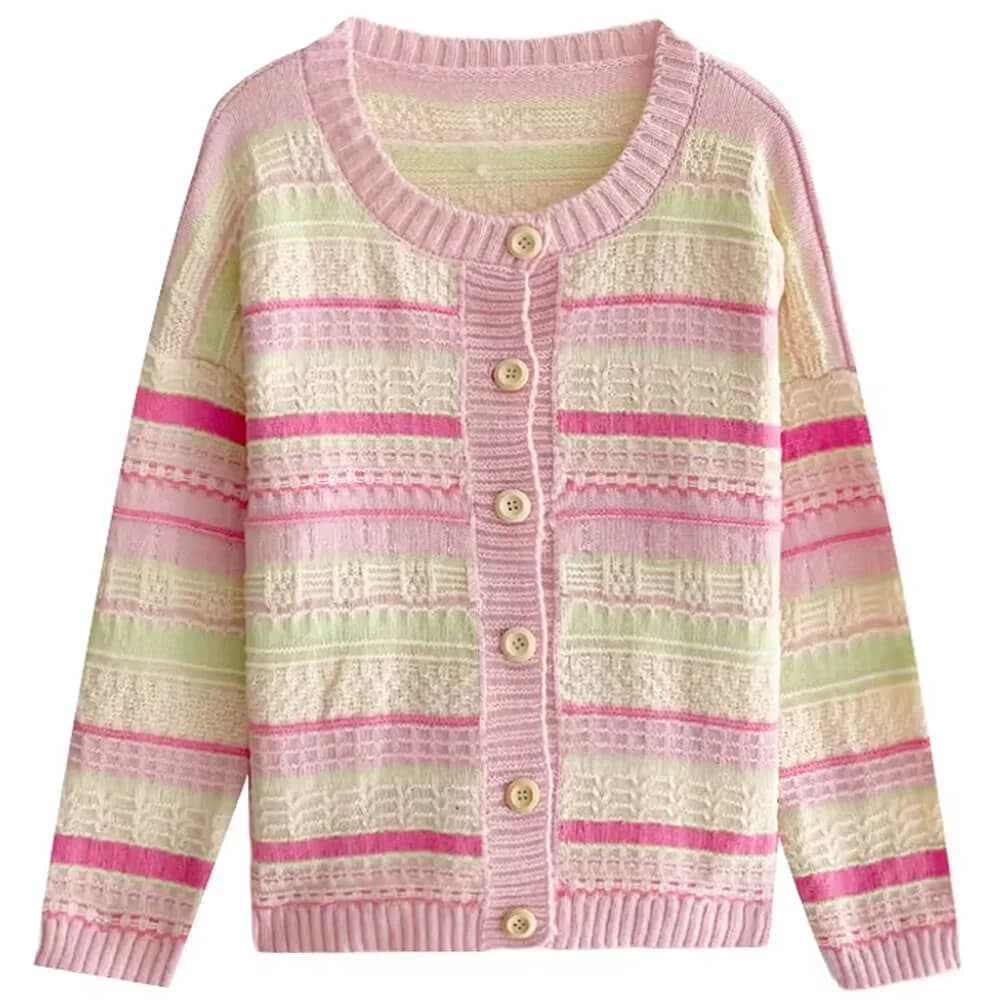
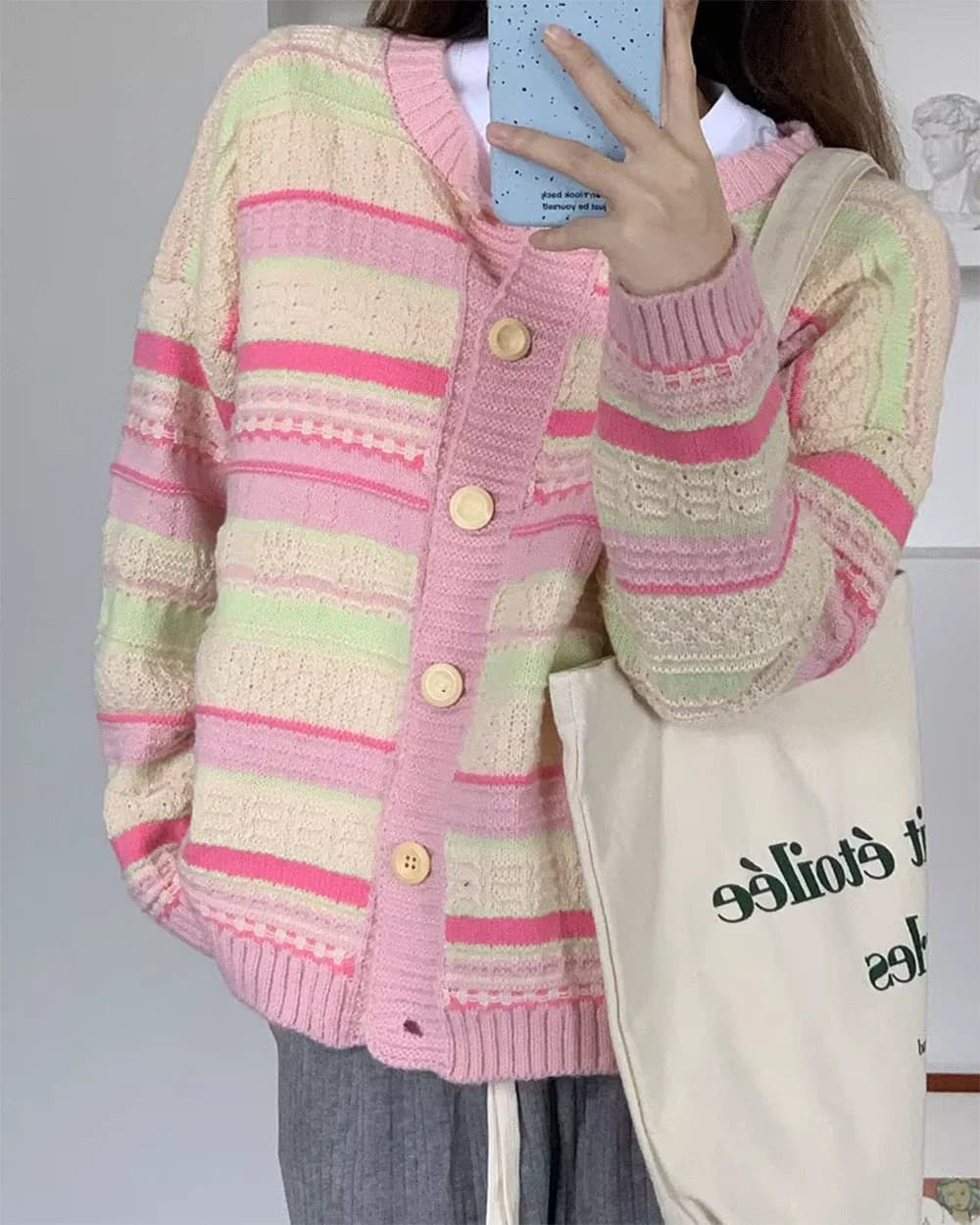
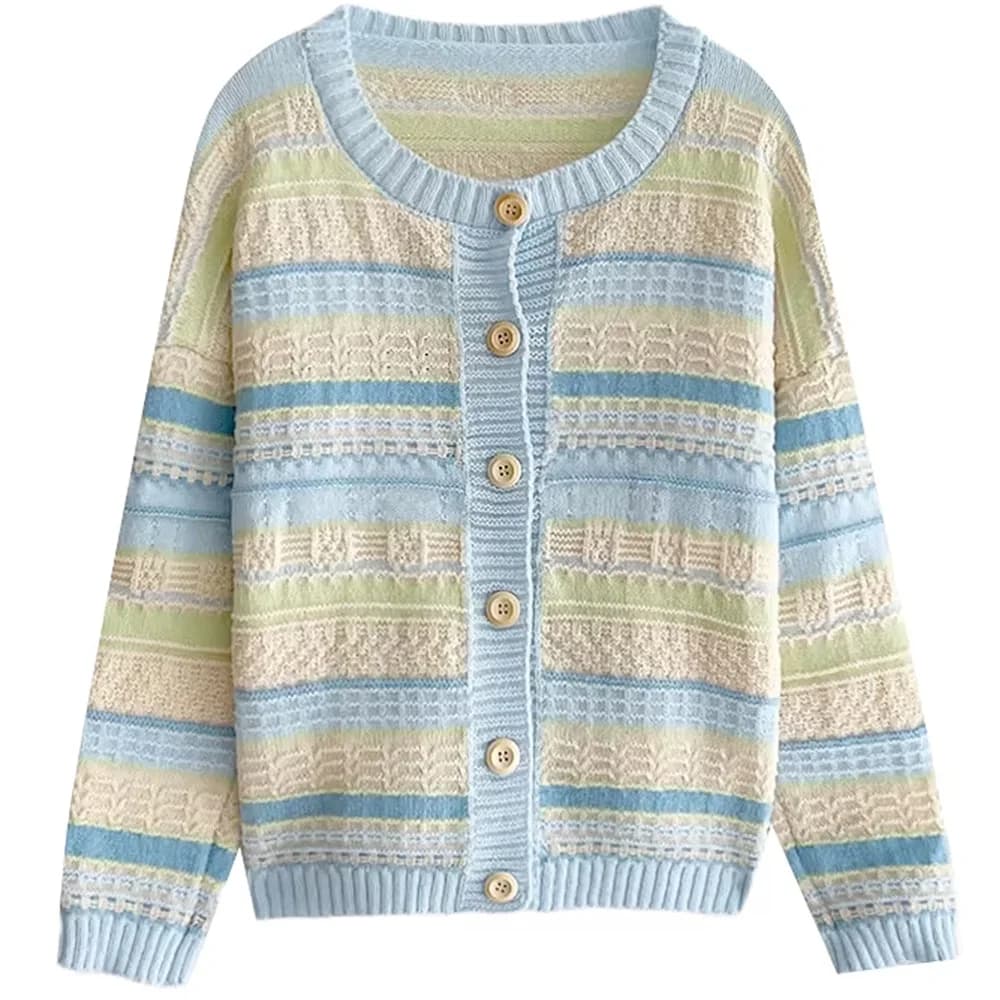
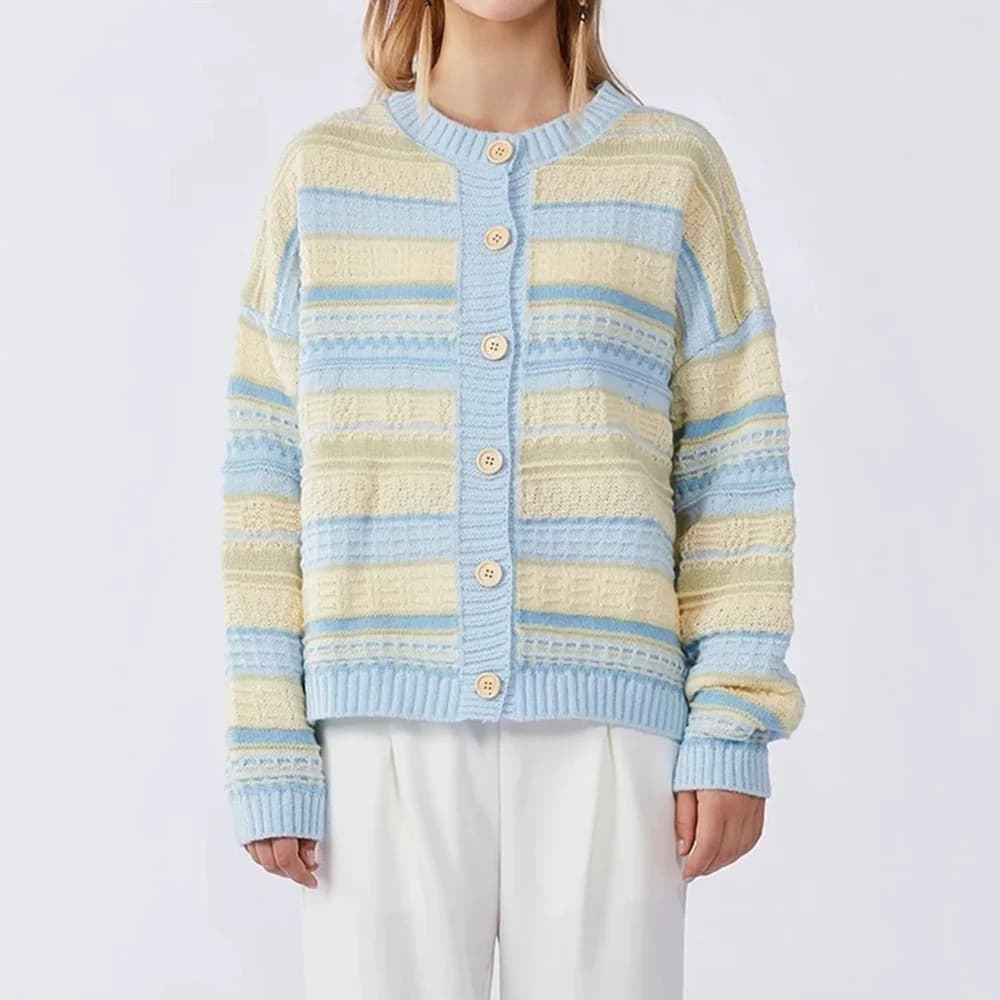
A piece like the Danish Pastel Cropped Cardigan offers flexible styling since it comes in multiple soft shades like Pink, Blue, White, Green, and Yellow. Because it has a Free Size cut in an easy-care polyester knit, it layers cleanly over fitted camisoles or slip dresses. If you are petite, wearing this cropped cut buttoned up with wide-leg trousers prevents your frame from being overwhelmed by fabric. If you have a longer torso, pairing it over an untucked crisp white blouse creates an intentional layered step hem.
- Cropped hemlines highlight high waistlines without adding bunching around the belly.
- Buttoning a short cardigan fully creates a clean, neat top that functions like a crewneck.
- Leave the bottom two buttons undone to let an underlying dress or high-rise trouser peek through.
Woven Collars Under Pullovers: Crisp Lines for Broader Shoulders and Busts
LayeringWearing pieces over or under one another to add depth, warmth or contrast. a collared shirt under a crewneck or V-neck sweater is a classic move, but the collar style makes or breaks the finished look. If you have broader shoulders or a fuller bust, soft, flimsy collars tend to curl and look untidy under dense knit fabric. A structured cotton-blend shirt keeps its form, framing your face and drawing the visual weight vertically down your centerline.
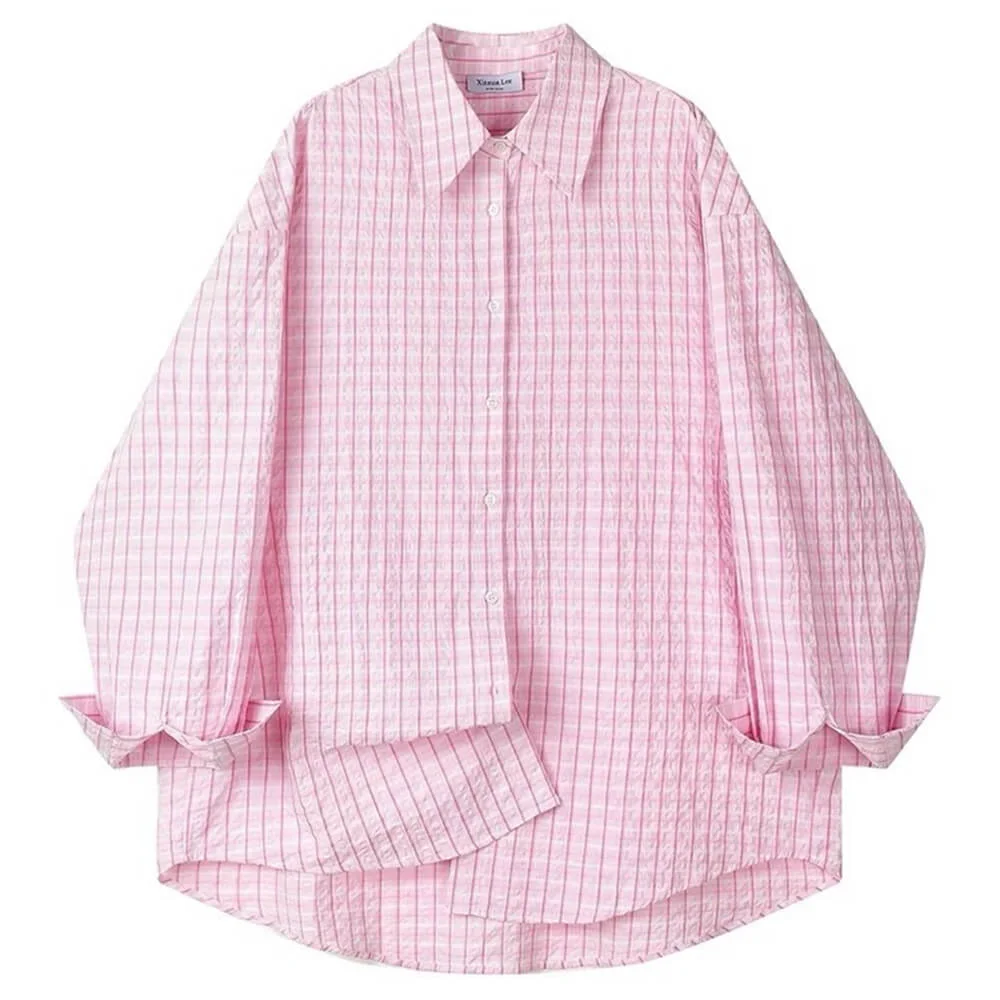
You can add playful visual rhythm by sliding a patterned button-down, such as the Rue des Fleurs Pastel Plaid Loose Shirt, beneath a solid pastel sweater. The cotton and polyester fabric provides enough structure for the collar and cuffs to stand out crisply against the knit. Unbutton the top collar button to create an open V-shape, which visually lengthens the neck and balances out the horizontal expanse of a cozy knit.
- Pull shirt cuffs out past sweater sleeves and fold them back once for structured cuffs.
- Pop the collar points outside the sweater neckline neatly rather than letting them crumple inside.
- Leave the shirt hem peeking out by two to three inches below a cropped or boxy sweater.
Transitional Warm-Weather Layering: Light Knits and Cool Separates
When seasons shift toward warmer weather, you still want the soft texture of knitwear without overheating. The solution is styling open-gauge knits, short-sleeve sweaters, and breathable separates that allow steady airflow. Instead of heavy winter wools, look to the danish pastel tops collection for lighter alternatives that maintain the pale, dreamy aesthetic under bright sunshine.
For a light midday outfit, the Pastel Rainbow Knit Top offers a breezy option that works on its own or layered over a simple bandeau. Pair open or shorter knits with airy bottoms like the Loose Fit Pastel Cotton Stripe Pants, which blend cotton and polyester to keep your legs cool. The soft vertical stripes elongate your silhouetteThe overall shape an outfit creates, from fitted to loose and layered., providing an easy match for a light-toned knit worn loosely over the waistband.
- Opt for looser stitches and synthetic or cotton blends that release trapped body heat.
- Use lightweight knit tops as shoulder wraps over sleeveless tops on warm afternoons.
- Pair breathable knitwear with striped linen or cotton trousers for an airy balance.

Cool-Climate Layering: Stacking Outerwear Without Losing Soft Tones
Cold-weather layeringWearing pieces over or under one another to add depth, warmth or contrast. can easily turn muddy if you default to dark winter parkas over delicate pastel knits. To maintain the Scandinavian charm in low temperatures, build a sandwich of light, tonal layers. Start with a thermal undershirt, add your pastel sweater as the vibrant mid-layer, and finish with an outer coat in ecru, oatmeal, camel, or pale dove grey.
A heavier mid-layer like the Pastel Patchwork Oversized Sweatshirt can step in for a traditional sweater on very cold days. Its cotton and polyester build locks in warmth while keeping a relaxed streetwear silhouetteThe overall shape an outfit creates, from fitted to loose and layered.. Wear it under an unbuttoned wool wrap coat or a boxy cream puffer jacket. By framing the soft patchwork panels inside a neutral outer coat, the pastel colors remain the star of your outfit without sacrificing protection against frosty winds.
- Frame delicate knit tones inside outer coats in cream, tan, or heather grey.
- Choose outerwear with broad lapels to show off layered collars and sweater details.
- Keep thermal base layers tucked into your pants to eliminate drafts beneath loose hemlines.
Tops and Tees: Casual Under-Layers for Deep-V and Open Cardigans
Not every sweater needs a button-down shirt beneath it. A casual t-shirt creates a modern, low-key look that fits everyday errands and relaxed study days. When searching for clean bases that sit smoothly under knitwear, explore the broader danish pastel t-shirts range for pieces cut with balanced crewnecks and soft graphic hits.
For instance, pairing an open knit with the Pastel Soft Girl Tee with Arm Warmers introduces subtle layeringWearing pieces over or under one another to add depth, warmth or contrast. interest at both the neckline and the wrists. The cotton-poly blend tee keeps the chest area flat under a cardigan, while the detachable arm warmers can extend out from sweater cuffs to provide an unexpected textured detail. This works especially well under slightly short cardigan sleeves, turning a fit challenge into a styling choice.
- A simple crew tee grounds open cardigans without competing with the knit pattern.
- Use textured sleeves or arm warmers to add visual length to three-quarter knit sleeves.
- Ensure your t-shirt neckline sits smooth and flat to prevent unsightly bunching.

Hoodies as a Sporty Alternative to Traditional Knits
While soft knits are quintessential, hooded sweatshirts offer a sportier way to wear the same pale palette. If you prefer a casual skate or loungewear vibe, the pieces in the danish pastel hoodies selection provide generous cuts that layer effortlessly over tees and under structural coats. Hoodies naturally bring a casual, practical energy that balances out very feminine skirts or tailored trousers.
When layeringWearing pieces over or under one another to add depth, warmth or contrast. a pastel hoodie, use the hood to break up the lines of an overcoat. Pull the hood completely over the collar of a trench coat or a denim jacket so it lies flat on your upper back. This prevents bulk around the nape of the neck while keeping the outfit relaxed. If your hoodie is oversized, keep your pants straight or tapered to retain structure, or balance it with chunky flat-soled sneakers.
- Layer pale hoodies under structured jackets, leaving the hood exposed cleanly.
- Pair oversized hooded tops with slim straight jeans to balance upper volume.
- Choose cotton-poly fleeces that hold their shape across the shoulders without drooping.
Navigating Body Shapes: Hourglass, Pear, Rectangle, and Inverted Triangle
Finding your sweet spot with Danish pastel sweaters depends on working with your natural frame rather than fighting it. If you have an hourglass figure, thick, boxy knits can hide your waist and make you look broader than you are. Try a fine-gauge knit tucked into high-waisted bottoms, or use a cropped cardigan buttoned right at the narrowest part of your waist. Pear-shaped frames benefit from sweaters with shoulder details, wide boatnecks, or horizontal pastel stripes that broaden the upper body to match the hips.
For rectangle shapes who want to create curves, asymmetrical hems, half-tucks, and layeringWearing pieces over or under one another to add depth, warmth or contrast. cropped knits over flowing midi dresses create distinct horizontal divisions that add shape. If you have an inverted triangle frame with broad shoulders, avoid heavy puff-sleeve knits or wide boatnecks. Instead, choose deep V-neck sweaters or open cardigans that draw the gaze downward, pairing them with wide-leg trousers like the Loose Fit Pastel Cotton Stripe Pants to bring balanced volume to your lower half.
- Hourglass: Define your waist using thin knits tucked in or fitted cropped sweaters.
- Pear: Draw eyes upward with textured necklines, boatnecks, and bright upper tones.
- Rectangle: Create visual dimension with layered hems, half-tucks, and contrasting textures.
- Inverted Triangle: Opt for vertical V-necks and pair with wide-leg bottoms to balance shoulders.
Integrating Danish Pastel Sweaters Across the Broader Aesthetic
Danish pastel is about much more than sweaters—it blends playful Scandinavian minimalism with soft aesthetics, checkerboard accents, floral shapes, and retro curves. To see how these pieces connect to the bigger design universe, look through the full Danish Pastel Clothes curation. Understanding the broader context helps you choose complementary accessories, from wavy hair clips to canvas totes, that complete your outfit naturally.
When styling an outfit within the wider aesthetic, mix textures carefully. A fluffy knit paired with a smooth cotton poplin skirt and shiny patent shoes feels intentional and well thought out. Try layeringWearing pieces over or under one another to add depth, warmth or contrast. a cropped knit over a coordinated two-piece like the Pastel Mermaid Top, using the top as a lightweight base and letting the pastel tones blend together smoothly. The aim is to create an outfit that looks relaxed and artistic rather than overly coordinated.
- Combine contrasting textures like ribbed knit, flat poplin, and smooth canvas.
- Pull secondary colors from your accessories to highlight subtle knit highlights.
- Use playful hair accessories or footwear to echo the retro undertones of the aesthetic.
Comparing Knit Materials: Breathability, Care, and Fabric Weight
When shopping for sweaters, understanding fabric composition helps you choose the right piece for your climate and lifestyle. Synthetic knits made from 100% polyester or acrylic are widely popular because they hold soft pastel dye colors well without fading, dry quickly, and resist wrinkling. However, purely synthetic tight weaves can trap heat and lack breathability in warm weather, making them best suited for cooler environments or air-conditioned spaces.
Blended fabrics that incorporate cotton, like several of the sweatshirts and shirts mentioned earlier, introduce breathability and natural softness while keeping durability high. If you choose an open-weave or cropped synthetic sweater like the Danish Pastel Cropped Cardigan, the open construction allows air to circulate, offsetting the heat-trapping nature of the fibers. Always look at the fabric weight: fine-gauge knits fold neatly into high-rise pants, while chunky, heavy-gauge yarns should hang freely to avoid unnecessary waist bulk.
- Polyester knits: Hold delicate pastel shades cleanly and resist wrinkles during all-day wear.
- Cotton-poly blends: Deliver improved breathability and skin-soft comfort for casual layers.
- Open-gauge knits: Provide better ventilation, making synthetic yarns wearable across milder seasons.
Color Balancing: Combining Soft Pastels Without Looking Washed Out
Wearing multiple pastels in one outfit can sometimes wash out paler skin tones or look a bit overwhelming. The trick is to ground your pastels with neutral foundation shades. Chalky whites, warm creams, light ecru, and soft heather greys serve as excellent buffers between different pastel shades. For instance, pairing a lilac sweater with butter-yellow pants looks much crisper when separated by a visible white undershirt hem or collar.
Another practical technique is tonal gradation. Instead of wearing three completely different pastel colors, build an outfit around one color family with varying levels of saturation. Pair a pale mint sweater with deeper sage trousers, or wear a soft baby-blue cardigan over a rich sky-blue top. If you prefer to wear multiple distinct pastels at once, use the Pastel Rainbow Knit Top as your central reference piece, then pick one single color from its knit to guide your shoes or trousers.
- Use off-white, cream, or dove grey to buffer contrasting pastel tones.
- Try monochromatic layeringWearing pieces over or under one another to add depth, warmth or contrast. by mixing light and dark shades of the exact same color family.
- Select one key accent color from a patterned sweater to anchor the rest of your outfit.
Common Layering Mistakes and How to Fix Them
One frequent pitfall when layeringWearing pieces over or under one another to add depth, warmth or contrast. knits is ignoring sleeve diameter. Trying to pull a fitted sweater over a stiff, wide-sleeved shirt bunches fabric up into the armpits, causing discomfort and awkward bumps across your arms. To fix this, always match sleeve volumes: wear wide, billowy shirt sleeves under loose, drop-shoulder cardigans, and keep under-layers slim when wearing standard-fit crewnecks.
Another common error is combining competing patterns that overwhelm the soft mood. A plaid shirt worn under a checkerboard or floral knit sweater creates visual noise that competes for attention. If your sweater features an intricate stitch, a rainbow blend, or a graphic detail, keep your base shirt, collar, and bottoms completely plain. Let one hero piece lead the outfit while the supporting layers provide clean, quiet contrast.
- Mismatched sleeve widths cause uncomfortable bunching; pair loose with loose, slim with slim.
- Avoid stacking multiple loud patterns; let one pastel statement piece take center stage.
- Check sweater length against your bottoms; avoid boxy knits ending right at the widest point of the hip.
The Everyday Danish Pastel Layering Checklist
Before heading out the door, running through a quick styling checklist ensures your layered outfit looks balanced, feels comfortable, and holds up all day. Start by checking the collar balance: ensure under-layer collars sit symmetrically and lie flat beneath your sweater's neckline. Check your cuff lengths to verify that your sleeves fall naturally or show off your layered textures in an intentional way.
Next, evaluate the overall silhouetteThe overall shape an outfit creates, from fitted to loose and layered. in a full-length mirror to make sure volume is balanced between top and bottom. Check your waist definition to ensure your clothes frame your body nicely, whether that comes from a clean crop, an asymmetrical half-tuck, or high-waisted trousers. Finally, make sure you can move freely without the inner layers pulling, twisting, or riding up under your arms.
- Collar inspection: Are shirt points lying flat and centered under the knit neckline?
- Cuff balance: Are under-layer sleeves pushed, rolled, or peeking out intentionally?
- Proportion check: Does the outfit have a good balance of loose drape and clean structure?
- Comfort check: Can you raise your arms and sit down comfortably without awkward bunching?