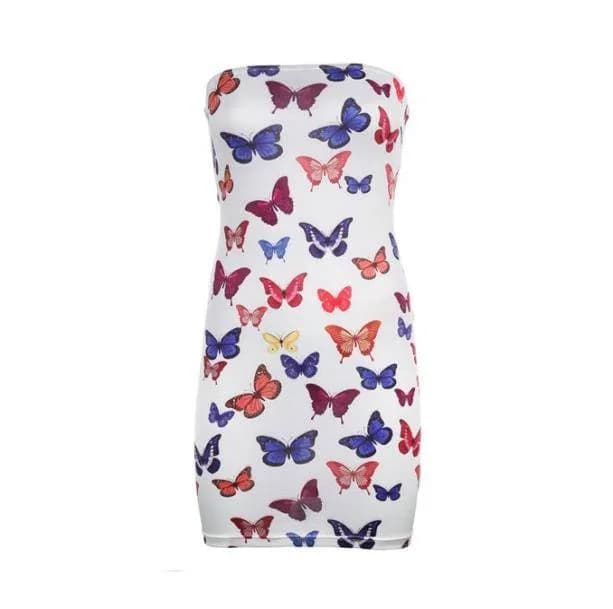
Created by the Kawaii Vibe editorial team. Our named style desks are editorial personas. Product details and availability can change.
Short answer: before you add a dress to your basket, check five things. Does it have pockets (and how deep)? Is it lined? Does the fabric stretch? Where does the zipper sit? And what does the care label say? If the listing answers all five, you can buy with confidence. If it doesn't, ask or move on.
A dress can look great and still be annoying. Maybe you can't reach the zip alone, the skirt clings when you walk, or the wash instructions mean it never gets worn. These are small details, but they decide whether a dress lives in your wardrobe or at the back of it.
This guide goes through each feature in the order you would check it, with outfit ideas and a few pieces from our shop as optional examples. Where a listing doesn't state a detail, we say so rather than guess, and you should do the same when you shop anywhere.
Start With the Listing, Not the Photo
The photo sells the mood. The listing tells you whether the dress works. Before you fall for a shape, scroll to the description, the size options and any care notes. Look for what is actually stated: pockets, lining, fabric content, closure type. If something isn't mentioned, treat it as unknown, not as a yes.
A quick habit helps. Open the listing and give yourself a thirty-second pass with five questions: pockets, lining, stretch, zip, wash. Write the answers in your notes app if you are comparing several dresses. It sounds fussy, but it stops the classic mistake of buying three dresses that all have the same problem.
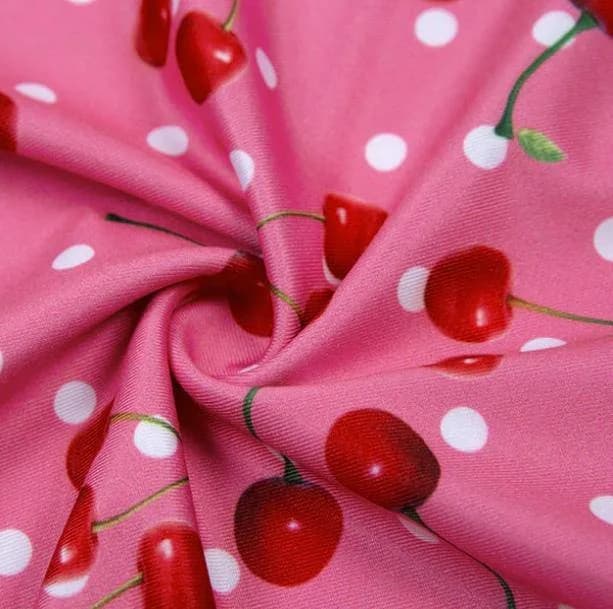
Some of our listings, like the Sweet Cherry Dress, come in a single option as pictured and sizes S to L. That tells you the size range, but not every practical detail. When a detail matters to you, message the shop before ordering instead of assuming. It is a better use of two minutes than a return.
- Read description, sizes and care notes before looking at styling photos
- Treat unstated features as unknown
- Keep a simple five-point note when comparing dresses
- Ask about anything that would be a dealbreaker

Pockets: What to Look For
Pockets are the feature people ask about most, and the word covers a lot. A seam pocket sits in the side of the skirt and usually holds a phone or cards. A patch pocket is sewn on the outside and is more visible. A fake pocket is just a flap or stitching. If a listing says pockets, check whether photos show a hand in them or a visible opening at the side seam.
Placement matters too. Pockets that sit too high dig into your hip when you sit down; pockets that are very shallow let your phone slide out. If you can, look at a model photo with hands in pockets, which shows depth and position. Without that, it is fair to assume you can't judge, and to ask.
Think about what you carry. If it is a phone, keys and a card, you want a pocket roughly as deep as your hand. If it's only a lip balm, a shallow one is fine. And remember that heavy items pull a light skirt out of shape, so pockets are best for light loads on drapey or gathered skirts.
- Seam pockets: discreet, good for phone and cards
- Patch pockets: visible, can be a design feature
- Fake pockets: look only, so check the wording
- Look for model photos with hands in pockets
Lining: See-Through Risk and Comfort
Lining affects three things: how opaque the dress is, how it hangs, and how it feels against skin. An unlined light fabric can show underwear lines or go see-through in bright sun. A lined skirt usually swings better and clings less to tights. If the listing doesn't mention lining, don't assume it's there.
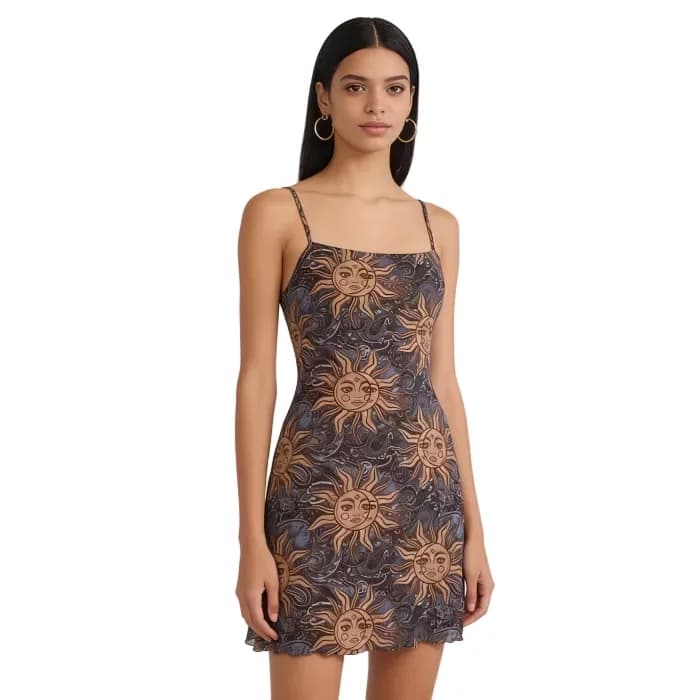
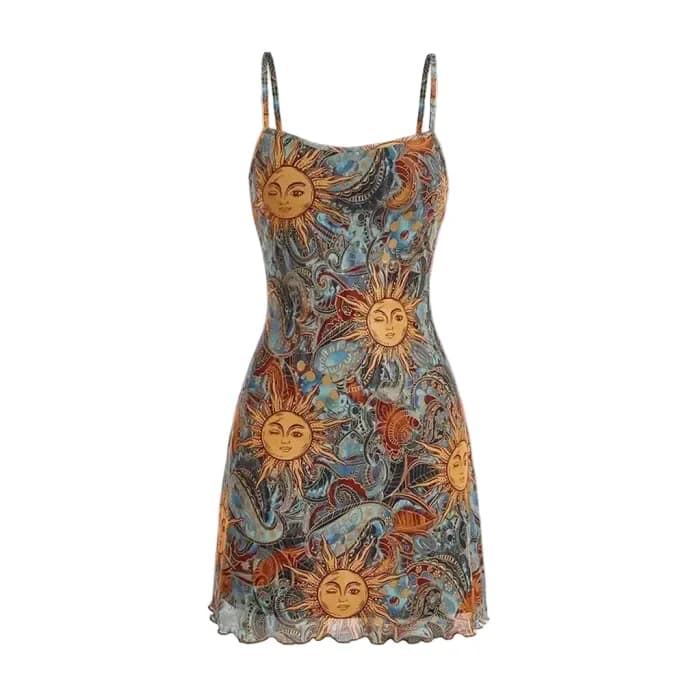
You can often judge from photos. Look at the hem and at areas where the fabric stretches, like the bust and hips. If you can see the model's body shape through a light colour, expect it to be thin. In a darker print, such as the Constellation Dress, opacity is usually less of a worry visually, though the listing is still the place to confirm.
If a dress turns out unlined, you have easy fixes. A slip in a neutral shade, shorts under a short skirt, or tights with a decent thickness can solve most issues. Keep a nude slip and a black one and you are covered for most colours.
- Check whether the listing says lined, partly lined or nothing
- Light colours show more than dark prints
- A slip or cycling shorts is a cheap backup
- Static cling is more common on unlined skirts with tights

Stretch: Who Needs It and Where
Stretch is about movement, not just size. A knit dress moves with you at the shoulders, bust and hips. A woven fabric with no give looks crisp but can feel tight when you reach, sit or carry a bag. The question to ask is: do I need to lift my arms, climb stairs or sit for hours in this?
A knit piece like the Knitted Lime Dress is the sort of style where you'd naturally expect some give, but the listing doesn't state fibre content, so check the description and ask if it matters to you. Never assume the amount of stretch from the word knit alone, because knits range from very stretchy to fairly firm.
If you are between sizes, stretch changes the answer. With a stretchy fabric, the smaller size may fit snugly. With a woven, size up if the bust or hips are borderline. Compare the size chart to a dress you already own and like, measuring flat across the chest and waist.
- Raise your arms test: can you lift them without the hem rising?
- Sit test: does the waist dig in?
- Knit does not always mean very stretchy
- Compare with a dress you already own

Zipper Position and Getting Dressed Alone
Zippers come at the back, side or front, and each has a trade-off. A back zip gives a clean line but can be hard to reach alone. A side zip is easier but can sit awkwardly under an arm or on a waist seam. A front zip or buttons are the easiest to manage. No zip at all means the dress must stretch over your head and hips.
Test your own reach before you buy. Put one hand behind your neck and one behind your lower back and see how close they get. If you can't touch, a back zip will need a helper or a ribbon pull tied to the slider. A long zip that runs from neck to hip is trickier than a short one at the upper back.
Also think about bathroom breaks and layeringWearing pieces over or under one another to add depth, warmth or contrast.. A dress that needs to be fully unzipped to go to the toilet is annoying at a long event. A side zip that sits at the hip can catch on a cardigan or belt. If a listing doesn't say where the closure is, check photos from the back and side.
- Back zip: neat but may need help
- Side zip: easy but check where it sits against your belt
- Front closure: easiest solo
- No zip: confirm the neckline and hips stretch enough
Wash Instructions: Read Them First
Care instructions are a running cost. A dress that needs dry cleaning or hand washing each time suits an occasional outfit, not a weekly one. Before buying, work out how often you'll wear it and whether you'll actually follow the label. If you won't hand wash, don't buy something that needs it.
Many of our listings do not state a fibre or care routine, so look for a care label on arrival and follow it. When in doubt, wash gently on a cool setting, avoid high heat, and air dry. That is general caution, not a promise for any specific dress, and the label always wins over general advice.
Prints and knits need extra thought. Bold prints can bleed on first wash if the dye isn't set, so wash dark and bright pieces separately at first. Knits can stretch if hung wet, so lay them flat to dry. Turn zip closures up before washing so they don't snag the fabric around them.
- Match care effort to how often you'll wear it
- Check the label when it arrives
- Wash bright and dark pieces separately at first
- Close zips and fasten hooks before washing
- Dry knits flat rather than hanging them
Mini Dresses: Practical Checks for Short Hems
Minis raise their own practical questions. Can you sit, bend and climb stairs without worry? Is there lining or room for shorts underneath? A short hem on a swingy skirt moves more in wind, while a straighter cut stays put. Check how the hem falls on the model compared with her height if it is listed.
The Dragon Mini Dress comes in Black & White and Black & Green, sizes S to L. A mini like this pairs well with black opaque tights and chunky boots for cooler days, or bare legs with sneakers when it's warm. The Vintage Floral Mini Dress, available up to XL, suits a similar approach with a denim jacket and flat shoes.
The simple rule: wear something under a mini that makes you stop thinking about the hem. Cycling shorts in a matching shade are comfortable and invisible. Then check the neckline with a bag strap, since straps can drag necklines and shift the whole fit through the day.
- Do the sit-and-bend test at home
- Pair with opaque tights or shorts underneath
- Check hem movement in the model photos
- Think about bag straps and necklines


Fit and Size Checks Before You Order
Size letters mean different things between brands, so use measurements when they're provided. If the listing gives none, don't invent them. Instead, compare against a dress you own. Lay it flat, measure bust, waist and length, and ask the shop for the matching numbers on the dress you want.
Many of our listings run S to L, with some going to XL, such as the Vintage Floral Mini. If you need a wider range, browse the Plus Size collection and check each product's sizes individually. Collections can mix options, so confirm the size you need is offered on the specific dress before getting attached to it.
Think about the parts of fit you can't alter. Shoulders and bust are hard to tailor; hems and straps are easy. If the chest is right but the length is long, you can hem. If the shoulders are tight, no alteration will fix it comfortably. Prioritise fit in the areas that can't be changed.
- Compare measurements to a dress you own
- Confirm size availability on each product page
- Prioritise shoulders and bust over length
- Hems and straps are easiest to adjust
Everyday Outfit: Pockets, Layers and Flat Shoes
For a normal day of errands, work or class, look for a dress that lets you move and carry things. The Blue Chic Dress is a simple example of a piece you could style with a lightweight cardigan and white sneakers. Add a small crossbody bag so your hands stay free, and a pocket, if present, handles your phone.
LayeringWearing pieces over or under one another to add depth, warmth or contrast. matters across climates. In cooler weather, add tights and a jacket that ends at the hip, which keeps the dress hem visible. In warmer weather, drop the layers and keep a thin scarf or overshirt in your bag for air-conditioned rooms. Choose a shoe you can walk in for an hour, since a dress doesn't help if your feet hurt.
Proportion is straightforward. If the dress is fitted, choose a looser jacket. If the dress is voluminous, keep the top layer shorter and cropped. A belt at the narrowest point can help a shapeless cut, but skip it if the dress has a defined waist seam already.
- Light cardigan or denim jacket as an easy third piece
- Crossbody bag keeps hands free
- Fitted dress: looser layer on top
- Volume dress: shorter, neater layer
Statement Prints Without the Fuss
Bold prints are fun, but they bring their own practical questions. Prints hide small marks better than plain light fabrics, which is a bonus for commuting or eating out. The Blue Leopard Dress and the Aesthetic Butterfly Mini Dress are examples of designs where the pattern does most of the styling work.
Keep everything else quiet. With a loud print, choose plain shoes, a simple bag and minimal jewellery. One accent colour pulled from the print, like a bag or socks, ties it together. If you want a cuter, more playful finish, check our Kawaii Dresses collection for more pieces in that mood.
Check pattern placement as well. Large prints can fall awkwardly across the chest or hips, and you can't tell from a flat photo. Look for model shots from the front and side, and see where key motifs land. If a feature is important to you, such as an even print at the bust, ask before buying.
- Prints hide minor marks better than pale plains
- One accent colour from the print is enough
- Look at where motifs sit on the body
- Keep shoes and bags simple
Weather and Season Without Assumptions
Seasons differ by hemisphere, so think in temperatures, not months. On hot days, you want breathable fabric, a looser cut and a lighter colour. On cold days, you want layers underneath and a hem that works with tights. If the listing doesn't state fibre content, you can't judge breathability, so ask or choose another piece.
Rain and wind change things too. A short or flared skirt can lift in wind, so shorts underneath give peace of mind. In rain, a long dress hem can soak, so a mid-length is easier. Pair with a waterproof layer that covers the hip, and shoes with grip.
A single dress can work across temperatures with the right add-ons. Bare legs and sandals in warm weather, tights and boots in cool, a cardigan or jacket for in-between. Keep a few layeringWearing pieces over or under one another to add depth, warmth or contrast. pieces in neutral shades, and your dresses will cover more days of the year without extra shopping.
- Choose by temperature, not by calendar month
- Ask for fibre details when breathability matters
- Shorts underneath for windy days
- Neutral layers extend a dress's range
How to Compare Two Dresses Side by Side
When two dresses tempt you, score them. Give each a yes, no or unknown for pockets, lining, stretch, zip ease and wash care. The one with fewer unknowns and fewer dealbreakers wins, even if the other looks slightly nicer. A dress you can wear often beats a prettier one you worry about.
Browse a few collections to widen the field. Our main Dresses collection and the second Dresses listing both hold a range of cuts, so you can compare silhouetteThe overall shape an outfit creates, from fitted to loose and layered.s and lengths. Open two or three product pages in tabs and read the details slowly.
Then ask how many outfits each dress makes. If you can picture it with two different pairs of shoes and a couple of layers, it earns its place. If it only works with one specific outfit, it is a special-occasion piece, which is fine if that's what you want.
- Score each dress: yes, no or unknown
- Fewer unknowns means less risk
- Picture at least three outfits
- Special-occasion pieces are fine if you know that's the aim
The Final Buyer Checklist
Here's the short version to run through before you pay. It takes two minutes and prevents most disappointments. If you hit an unknown on something important, message the shop and wait for an answer instead of crossing your fingers.
After the dress arrives, check it against the listing straight away. Try it on, do the sit, reach and walk tests, and check the care label before removing any tags if you're unsure. Check our returns information on the site for how that works, rather than relying on guesses.
And keep your notes. Over time you'll see your own pattern: maybe you always need pockets, or you never manage back zips. Knowing that makes every future purchase quicker, and it helps you spot the right dress faster the next time you browse.
- Pockets: real, deep enough, well placed?
- Lining: stated, and opaque enough for your plans?
- Stretch: can you reach, sit and walk comfortably?
- Zip: can you manage it alone?
- Wash: will you realistically follow the label?
- Size: confirmed on the product page and compared to a dress you own
- Unknowns: asked before ordering