Created by the Kawaii Vibe editorial team. Our named style desks are editorial personas. Product details and availability can change.
Choosing the right headwear within alternative fashion comes down to managing volume, texture, and color contrast. A hat sits right against your hair and face, meaning its shape immediately defines whether your outfit leans relaxed, structured, or heavily layered. Matching an emo hat with your clothes is less about following strict subcultural rules and more about balancing upper-body bulk against your lower-body silhouetteThe overall shape an outfit creates, from fitted to loose and layered..
When you assemble an outfit, the hat should converse with your outerwear, shoulder lines, and jewelry rather than competing with them. A floppy knit hat demands a different neckline than a stiff-brimmed cap, just as a monochrome black beret calls for different accent colors than a graphic beanie. By understanding how brim width, crown depth, and color blocking interact, you can build coordinated outfits without second-guessing your mirror.
Evaluating Hat Shapes and Head Silhouettes
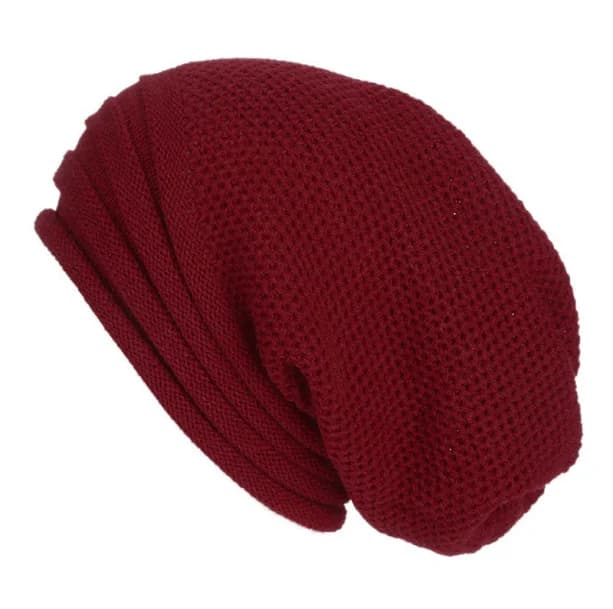
The profile of your headwear sets the visual weight for everything below your neck. Slouchy beanies extend the head line backward and create a soft, rounded drape that pairs naturally with oversized layers. In contrast, cuffed beanies sit snug against the skull, creating a compact focal point that lets broad collars, structured shoulders, or statement hair take priority. When choosing among emo hats, consider whether you want your headwear to ground a minimal outfit or soften a sharp, technical jacket.
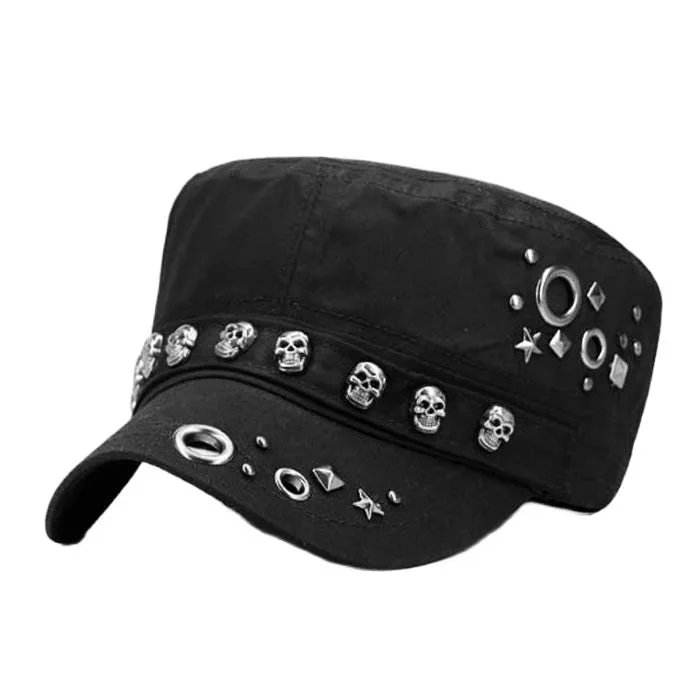
Structured options like baker boy caps, newsboy caps, and wide-brimmed fedoras introduce hard angles and definite edges. A stiff brim breaks the silhouetteThe overall shape an outfit creates, from fitted to loose and layered. horizontally, casting shadows over the eyes and creating an angular frame that complements crisp lapels and sharp necklines. Berets provide an asymmetrical tilt, resting flat or pinched to one side, which helps offset boxy, symmetric tops. Knowing how each crown sits on your head prevents your headwear from looking out of proportion with your frame.
If you have voluminous hair, a deep beanie accommodates the extra bulk without riding up, whereas a shallow fisherman-style cap exposes more hair around the temples and neck. Match the internal room of the hat to your hairstyle so it stays comfortably in place without distorting the intended silhouetteThe overall shape an outfit creates, from fitted to loose and layered..
- Slouch beanies: add horizontal and rear volume to balance loose outwear.
- Cuffed beanies: keep the head compact to highlight shoulder details.
- Berets: create asymmetrical angles that soften rigid clothing lines.
- Brimmed caps: cast distinct shadows and define facial structure.

Balancing Beanies with Bulky Hoodies
Pairing a knit beanie with a heavyweight sweatshirt is an alternative staple, but it runs the risk of creating a bunched, neckless look if fabric volumes clash. The trick lies in how the beanie cuff interacts with the hoodie neckline. If you wear an oversized pullover with a thick fabric hood resting behind your neck, a snug, low-profile beanie keeps the top of your head tidy so the layered fabric underneath has room to breathe.
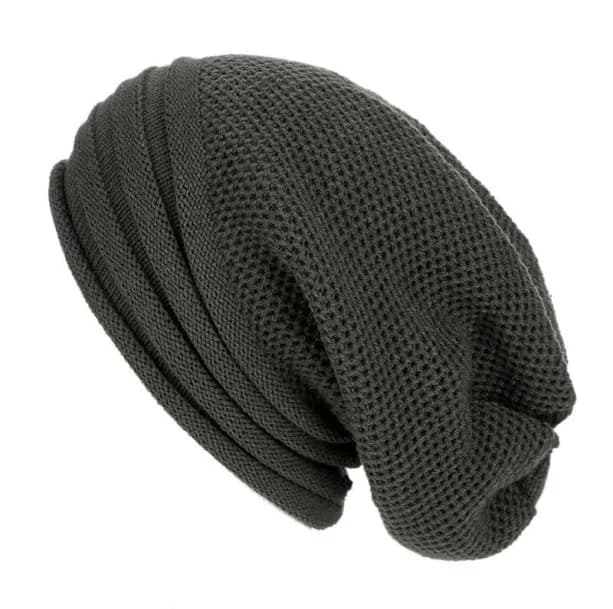
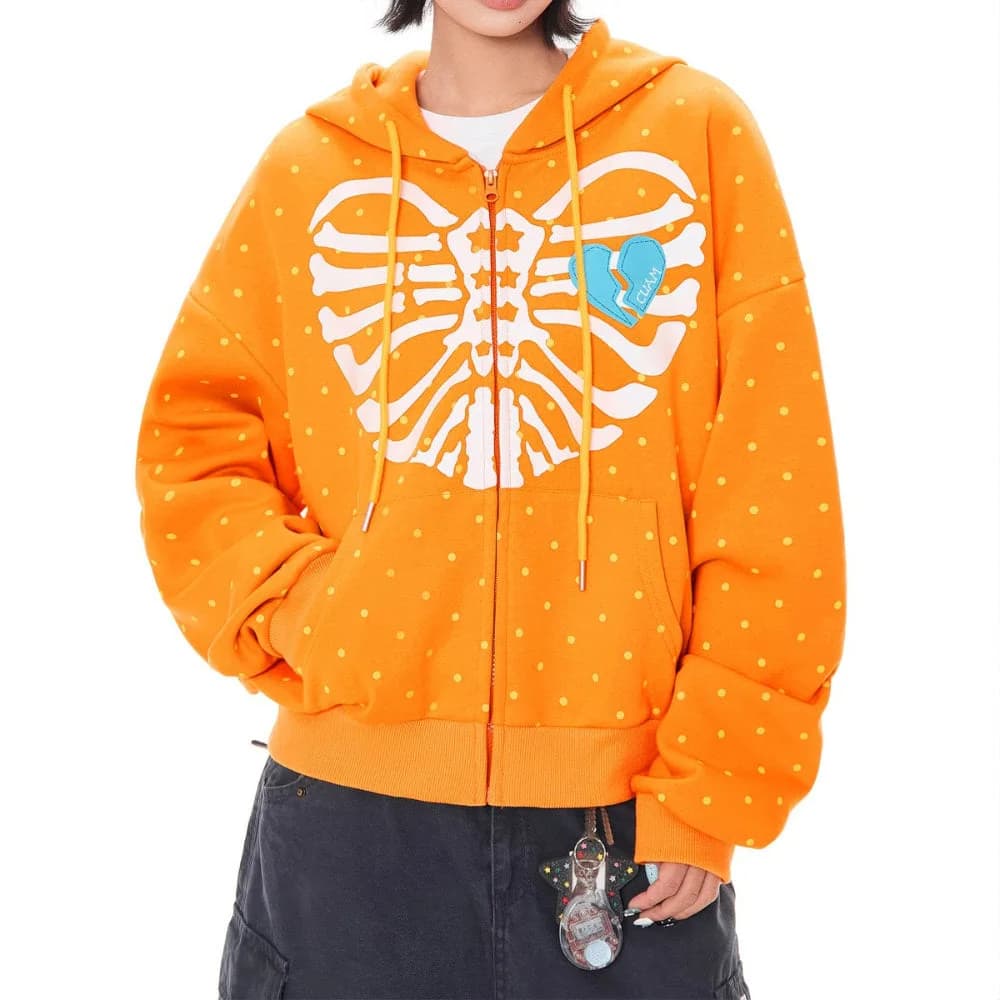
When styling a slouchy beanie, opt for outerwear that features a zipper rather than a high-standing collar. An open front breaks up the upper-body bulk, drawing the eye down vertically. For instance, pairing a slouchy black knit cap with the Broken Heart Skeleton Zip Up Hoodie allows the unzipped graphic front to elongate your torso, balancing out the extra drape gathered at the back of your head.
Color coordination between the knit fabric and the sweatshirt fabric also dictates visual weight. Wearing a pitch-black beanie with an equally dark hoodie creates a unified block, while selecting an accent color—such as the orange or green variations of skeletal zip-ups—separates the headwear visually, turning the hat into an intentional accent rather than a continuation of the fleece.
- Fold the beanie cuff twice if wearing high-standing double-layered hoods.
- Unzip front closures halfway to create a flattering V-neck angle.
- Avoid pairing loose slouch beanies with heavily bunched cowl necks.
Styling Fitted Outerwear and Cropped Layers
When your outfit centers on slim, tailored garments, hat proportions need to adjust accordingly. Oversized, heavy-gauge beanies can swallow a sleek silhouetteThe overall shape an outfit creates, from fitted to loose and layered., making your head look disproportionately large compared to your torso. A close-fitting cap, an unstructured beret, or a neat ribbed watch cap maintains a sharp, streamlined aesthetic that complements form-fitting tops.
A fitted jacket offers clean shoulder lines that look striking underneath low-profile headwear. For example, wearing the Chain Skeleton Fitted Zip Up Hoodie with a fitted black beanie keeps the entire upper frame taut and deliberate. The metallic chain accents and skeletal screen print stay front and center because the hat does not spill outward or cover the shoulder seams, letting the silhouetteThe overall shape an outfit creates, from fitted to loose and layered. remain athletic and sharp.
Balance this combination on your lower half with wider or relaxed trousers. If both your top and headwear are closely fitted, pairing them with straight-leg or flared bottoms creates a classic A-line silhouetteThe overall shape an outfit creates, from fitted to loose and layered.. This distribution keeps the outfit grounded and prevents fitted dark clothing from appearing flat or overly simple.

Integrating Graphic Tops and Statement Prints
Graphic tops carry visual texture that influences your choice of headwear. When your chest features prominent typography, distressed imagery, or cross-hatch patterns, a solid, unprinted hat prevents pattern clash. A clean knit beanie or a plain black cap frames the face cleanly, directing attention downward toward the central print on your shirt.
If you are wearing a piece with intricate detailing, such as the 2007 Era Leopard Skull Long Sleeve Top, balance becomes especially critical. Because this top blends animal print motifs with skull graphics, an overly busy hat would create visual confusion. A smooth, solid black beanie or dark beret stabilizes the bright white fabric and detailed print, anchoring the overall look without competing for attention.
When you browse broader options in emo tops, look at the necklines and chest prints together. Scoop necks and boat necks expose more collarbone, giving you room to wear brimmed hats or hats with hanging side tassels. High crew necks, on the other hand, benefit from hats that sit slightly higher on the forehead to preserve an open, visible face profile.
When a graphic top is already the focal point, keep the hat plain and dark, then place any additional pattern lower down with a checked skirt. Choose checks with restrained contrast so they do not compete with the shirt’s print. The E-Girl Clothes collection offers a related reference for graphic layers, checks, and dark accessories without making those pieces exclusive to one look.
- Pair busy animal or collage prints with neutral, matte headwear.
- Match hat hardware to any metallic elements present in the shirt print.
- Use brimless caps when wearing tops with busy chest and sleeve graphics.


Warm-Weather Styling: Tanks and Lightweight Caps
Hat styling often leans toward winter layers, but headwear is equally effective in mild and warm climates when balanced with breathable clothing. During warmer months, swapping heavy wool beanies for thin cotton-blend knits, mesh-back trucker hats, or light berets keeps the aesthetic intact without causing discomfort. The goal is to retain the signature edge of alternative styling while keeping the body uncovered enough to stay cool.
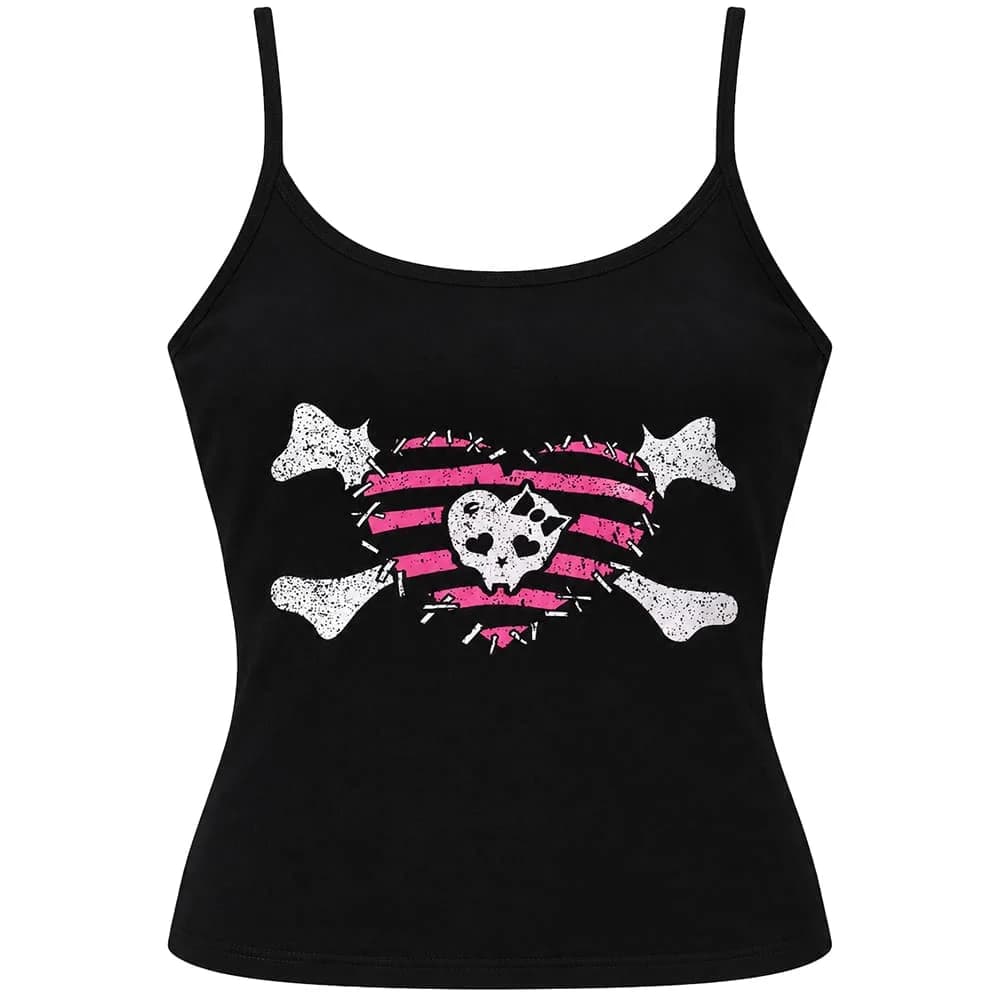
A minimalist top creates an ideal canvas for headwear experimentation. Pairing a lightweight beanie or distressed baseball cap with the Emo Girl Skull & Bones Tank Top leaves your shoulders and arms open, which naturally offsets the perceived warmth of wearing a hat. The deep black shade of the tank links cleanly with dark headwear, while the skull-and-crossbones graphic provides visual interest in the absence of layered jackets.
Footwear and accessories help round out warm-weather headwear combinations. Since you cannot rely on coats or heavy cardigans to add depth, introduce wrist cuffs, canvas belts, or combat boots. A fitted tank paired with a relaxed cap and chunky boots maintains proportional weight at the very top and bottom of your body, creating a balanced frame.
- Choose loose, open-weave knits for summer beanies to promote airflow.
- Combine sleeveless tops with caps to maintain an edgy profile in heat.
- Keep hair tied low or resting on the shoulders to prevent sweat buildup under caps.
Pants, Proportions, and Grounding the Look
An outfit does not end at the waistline; the cut of your trousers directly impacts whether your hat looks intentional or top-heavy. Historically, alternative fashion balanced large beanies with ultra-skinny jeans, creating an inverted triangle silhouetteThe overall shape an outfit creates, from fitted to loose and layered.. Modern styling, however, frequently incorporates wider, relaxed leg shapes to create a more grounded, columnar look from head to toe.
When wearing loose, patterned bottoms like the Teen Craft Loose Fit Striped Pants, your headwear should act as an anchor. The high-contrast vertical stripes on these pants draw the eye downward with significant movement. Wearing a dark, snug beanie or a structured peaked cap up top provides a steady counterweight to the wide, energetic leg shape, preventing the stripes from dominating the entire outfit.
To evaluate your proportion, stand back from a full-length mirror. If your hat adds significant width to your head, your pants should feature enough hem circumference to match that visual weight. If you opt for tightly tapered trousers, consider a hat with less volume, such as a neat cuffed knit, so the overall silhouetteThe overall shape an outfit creates, from fitted to loose and layered. stays in harmony.
- Pair wide-leg trousers with structured caps or snug, cuffed beanies.
- Match oversized slouch hats with relaxed or straight-fit bottoms.
- Balance bold bottom patterns with simple, monochromatic headwear.

Layering Textures: Knits, Faux Fur, and Distressing
Alternative aesthetics rely heavily on rich textural contrasts to make monochrome outfits visually engaging. Combining smooth cotton, ribbed yarn, brushed fleece, and synthetic fur prevents an all-black or dark-toned outfit from appearing flat under natural light. When selecting headwear, consider the texture of your outermost layer to ensure the fabrics enhance one another rather than clashing.
A smooth knit beanie pairs exceptionally well with high-texture jackets. Consider the visual contrast of wearing a fine-ribbed cap alongside the 2000s Striped Faux Fur Zip-Up Hoodie. The dense, tactile surface of the faux fur hoodie creates substantial volume around the shoulders and neck. A sleek, tightly woven beanie provides a calm, uniform contrast right above the furry collar, highlighting the plush material without creating fabric chaos.
Be cautious when pairing fuzzy hats with fuzzy coats, as identical textures stacked directly against each other can look overwhelming. Instead, contrast textures: pair distressed knits with smooth twill, fluffy outerwear with matte cotton caps, and polished leather-look caps with soft fleece sweaters.
- Mix fine-gauge knits with heavy, textured outerwear.
- Avoid matching fuzzy hats directly to faux fur collars.
- Use matte fabric headwear to tone down glossy or vinyl outerwear.
Ears, Accents, and Playful Alternative Headwear
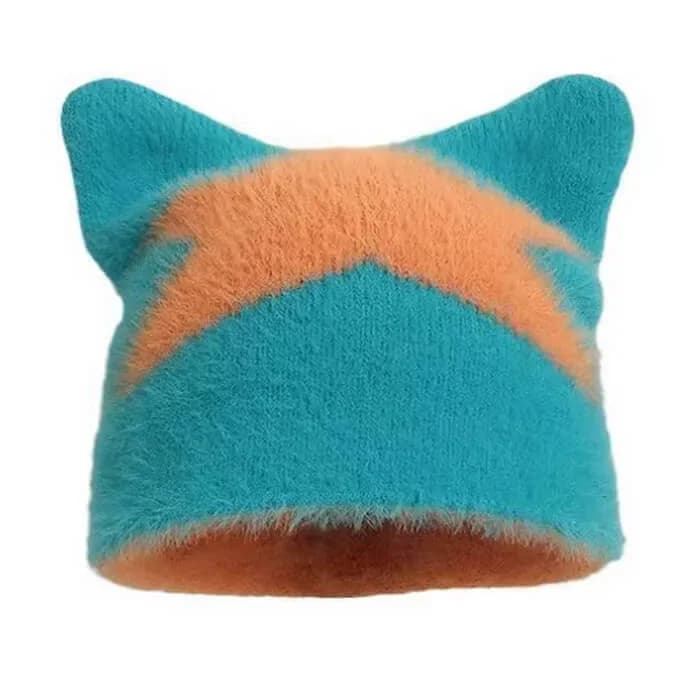
Headwear with attached animal ears, horns, or novelty shapes requires deliberate outfit planning to avoid looking like a costume. The secret to integrating playful shapes into daily wear is balancing them with grounded, utilitarian basics. When the top of your head features distinct silhouetteThe overall shape an outfit creates, from fitted to loose and layered.s like cat or fawn ears, the rest of your outfit should feature clean lines and muted hardware to let the headwear stand out comfortably.
You can also explore garments that incorporate structural head features directly into their hoods. The Fawn Ear Grunge Hooded Jacket provides built-in character with its sculpted ear hood. When wearing a jacket like this, you generally do not need an additional hat underneath; the hood itself functions as the primary headwear. Styling it with straight dark denim and minimal accessories keeps the look wearable for everyday outings without cluttering the neckline.
If you do pair a novelty beanie with separate outerwear, choose jackets with clean, flat collars rather than large hoods. A simple denim vest, a classic motorcycle jacket, or a button-up overshirt gives the novelty hat room to be the focal point without competing with extra fabric bunched around your ears.
- Let novelty ears or horns serve as the sole sculptural feature of the outfit.
- Wear flat-collared jackets when styling hats with prominent 3D elements.
- Ground playful headwear with understated, dark-toned foundational layers.
Color Palettes: Monochrome, Neon Accents, and Pastels
While black is the cornerstone of alternative wardrobes, the way you distribute secondary colors makes a massive difference in your outfit's overall mood. A monochrome black outfit topped with a black hat creates a clean, classic silhouetteThe overall shape an outfit creates, from fitted to loose and layered., but introducing subtle color shifts can separate layers and draw attention to your facial features.
If you prefer a muted look with subtle depth, explore shades of charcoal, slate grey, and plum. For high-contrast styling, pairing a dark hat with a vibrant top or bag creates focal points that guide the eye across the outfit. Carrying the Emo Phase Heart-Shaped Bag in pink and black introduces a deliberate pop of color that brightens an otherwise dark ensemble. A black hat keeps the styling grounded, while the pink accents on the bag provide a lively focal point near the hip.
When working with neon accents like electric lime, blood orange, or hot pink, limit the bright tone to one or two strategic placements. A neon beanie paired with an all-black outfit makes the hat the absolute hero piece. Alternatively, wearing a black hat while sporting neon prints on your shirt creates a balanced frame that keeps the bright colors from overwhelming your look.
- All-black palette: focus on distinct fabric textures to maintain visual depth.
- Two-tone palette: match your hat color to your footwear to bookend the outfit.
- Accent palette: let a single accessory supply bright color against dark basics.
Curating Headwear with Accessories and Jewelry
Hats sit directly adjacent to your face, making them immediate partners with your facial jewelry, earrings, and necklaces. A hat that covers the ears hides statement studs and dangles, whereas a high-sitting beanie or beret showcases your piercings. Before selecting headwear, consider the metal tones and scale of the accessories you plan to wear that day.
When browsing through emo accessories, consider how chain necklaces, chokers, and safety pin hardware interact with hat brims. A wide brim can cast heavy shadows over delicate neck chains, muting their shine. Conversely, a beanie pushed back past the hairline frames chunky silver chains and spiked chokers cleanly, allowing both the headwear and the jewelry to be visible simultaneously.
Eyewear also interacts heavily with your hat choice. Hats with forward-facing brims can press against the frames of glasses or push them down your nose if pulled too low. If you wear prescription glasses or bold sunglasses, opt for beanies with flexible ribs or berets that sit off the browline to ensure comfortable, pinch-free wear throughout the day.
- Fold or push beanies behind the ears to display ear piercings and cuffs.
- Pair low-sitting beanies with longer chest chains rather than short chokers.
- Check the clearance between hat cuffs and glasses frames before heading out.
Comparing Emo Clothes and General Alternative Wardrobes
Understanding where your headwear fits within the broader spectrum of alternative fashion helps you refine your personal style. While traditional alternative dressing often blends elements of grunge, punk, and goth, specific sub-styles prioritize different shapes. A gothic ensemble might lean toward sweeping brimmed hats, velvet textures, and theatrical silhouetteThe overall shape an outfit creates, from fitted to loose and layered.s, whereas a grunge look favors distressed, stretched-out knits and oversized utility wear.
Exploring full collections of emo clothes reveals a strong emphasis on graphic contrast, fitted silhouetteThe overall shape an outfit creates, from fitted to loose and layered.s contrasted against wide bottoms, and iconic knit patterns like stripes and checks. Emo headwear tends to be more utilitarian and urban—such as ribbed beanies, fitted caps, and baker boy hats—compared to the ornate, dramatic headpieces sometimes found in Victorian-inspired dark alternative wardrobes.
By recognizing these stylistic distinctions, you can deliberately borrow from neighboring styles or keep your outfit sharply focused. Pairing a classic emo knit cap with distressed skate shoes and striped layers anchors your look firmly in early-2000s nostalgia, while trading the beanie for a stiff fedora pushes the same outfit toward a formal dark-aesthetic feel.
- Emo styling: focuses on knit beanies, graphic contrast, and fitted-to-loose layeringWearing pieces over or under one another to add depth, warmth or contrast..
- Grunge styling: leans toward heavily stretched, unraveled textures and earthy dark tones.
- Goth styling: incorporates wide brims, rich velvets, and formal, architectural lines.
Outerwear and Hood Overlaps: The Cold-Weather Guide
During cold seasons, wearing both a hat and an outerwear hood is a practical necessity, but it can quickly lead to an awkward, overstuffed appearance if managed poorly. When layeringWearing pieces over or under one another to add depth, warmth or contrast. headwear underneath heavy jackets, the thickness of the hat determines whether the outer hood rests comfortably or pulls tightly across your scalp.
When shopping for emo hoodies, look for pieces with generous hood volume if you plan to wear them up over beanies. A thin, smooth beanie fits neatly beneath a raised fleece hood, providing an extra thermal layer while framing your forehead. If you prefer to wear the jacket hood down, choose a beanie with structured ribbing so it maintains its shape instead of collapsing against the gathered fabric of the sweatshirt behind your head.
For extreme weather, consider leaving the jacket unzipped over an inner zip-up layer to break up the mass of fabric around the collar. Staggering your zipper heights—such as a jacket zipped halfway over a fully zipped inner hoodie—creates tiered visual lines that make layered winter headwear look intentional rather than bulky.
- Opt for smooth, fine-gauge knits when wearing a hood up over your hat.
- Ensure jacket hoods have adequate depth so they do not yank beanies forward.
- Stagger front zipper closures to prevent fabric bunching under the chin.
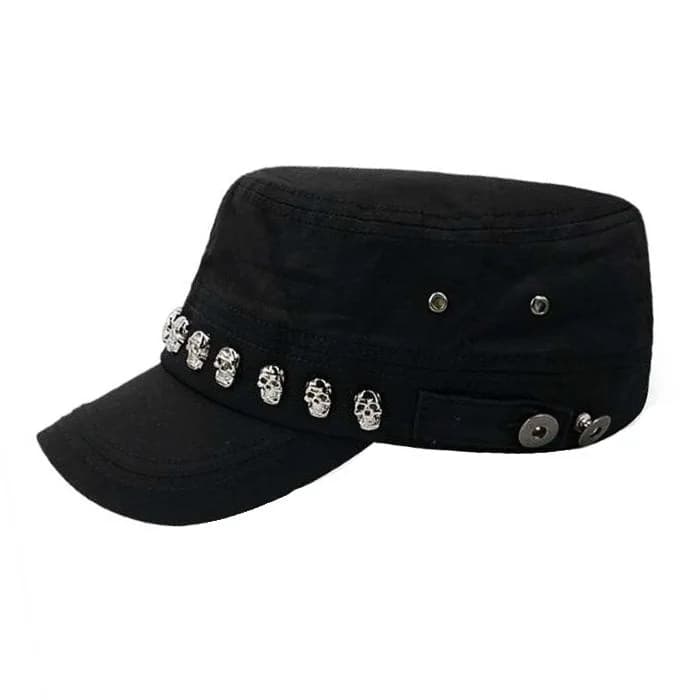
Common Pitfalls When Pairing Emo Hats
One of the most frequent styling mistakes is neglecting hair volume when positioning a hat. Pulling a tight beanie straight down over flat hair can compress the crown of your head, making your facial proportions look bottom-heavy. To fix this, leave your bangs, face-framing strands, or side curls visible around the edges of the hat to soften the transition from knit fabric to skin.
Another common error is failing to consider color balance across the entire body. Wearing a bright or patterned hat without any corresponding tones in your shoes, belt, or graphics can make the headwear feel detached from the rest of your outfit. You do not need exact color matching, but repeating an accent hue—such as a red hat paired with shoes featuring red laces—unifies the overall composition.
Finally, be mindful of hat proportions relative to your physical frame. A massive, slouchy beanie paired with an ultra-short cropped top and bare legs can make an outfit look unbalanced, as all the visual weight is concentrated at the head. Distribute visual interest evenly across your headwear, torso, and footwear to create a cohesive look.
- Avoid pulling beanies completely flat over all your hair; leave fringe or strands out.
- Do not isolate a bright hat color without a subtle secondary anchor elsewhere.
- Check that hat volume does not drastically overpower your footwear size.
Practical Hat Styling and Maintenance Checklist
Keeping your alternative headwear looking sharp requires basic garment care and an understanding of material maintenance. Acrylic and polyester knits retain their color well and resist shrinking, but they can develop pills if washed improperly. Washing knit beanies inside a mesh laundry bag on a gentle cycle helps preserve their smooth finish and elasticity over multiple seasons.
Structured hats like berets, newsboy caps, and brimmed hats should never be tossed into a standard washing machine. Spot-clean them with a damp cloth and mild detergent to preserve their internal buckram and shape. When storing brimmed caps or berets, rest them flat or on a dedicated hook rather than crushing them under heavy coats in a closet, which can bend the brims permanently.
Before walking out the door, run through a quick styling checklist: confirm your hat matches the visual weight of your footwear, ensure your hair sits naturally around the brim, and verify that your collar or hood doesn't push the hat out of position. Taking a few seconds to adjust these touchpoints guarantees a polished, confident outfit.
- Wash knit beanies in mesh bags using cold water to prevent pilling.
- Spot-clean structured brims and berets; never machine-wash them.
- Store brimmed hats flat or hung up to protect their original silhouetteThe overall shape an outfit creates, from fitted to loose and layered..
- Verify that collar layers move freely without knocking your hat out of place.