
Created by the Kawaii Vibe editorial team. Our named style desks are editorial personas. Product details and availability can change.
Matching alternative footwear to your trousers, skirts, and layers comes down to managing weight and hem breaks. When an outfit looks slightly off, the culprit is rarely the shoe itself; it is usually an awkward stack of denim choking the top collar of a boot, or a slim sneaker disappearing underneath a massive sweep of heavyweight fabric. Getting the line right requires looking at where your cuff lands, how stiff the shoe shaft is, and how much visual bulk sits up top.
Footwear anchors every silhouetteThe overall shape an outfit creates, from fitted to loose and layered. you put together. A solid black boot provides grounding for oversized outerwear, while low-profile canvas lace-ups keep cropped bottoms feeling crisp and casual. By balancing hemlines with shoe height, you avoid dragging wet cuffs on pavement, bunching fabric into rigid rings around your ankles, or throwing your frame out of proportion.
This guide breaks down specific hem pairings, silhouetteThe overall shape an outfit creates, from fitted to loose and layered. balancing formulas, and styling techniques to help you choose the right base from our Emo Shoes selection. Whether you are working with narrow retro denim, modern oversized cargo cuts, or pleated mini skirts, you can dial in clean transitions from head to toe.
Skinny Jeans and High-Shaft Boot Breakpoints
Narrow-leg denim paired with a tall combat or platform boot is a cornerstone combination, but the exact junction where fabric meets leather matters. If your skinny trousers run too long, shoving excess fabric down into the boot shaft creates painful pressure points along your shins and ruins the shoe's sleek exterior shape. To achieve a clean line, the leg fabric should stay smooth from the knee down to the upper eyelets.
When styling tighter hems, you have two reliable options: a full interior tuck or an exterior stacked cuff. For a clean tuck, smooth your socks directly over the trouser cuffs before sliding into tall Emo Boots. This holds the hem flat against your calf and stops it from riding upward as you walk. If the jeans feature an ankle zip or raw edge, let them end directly at the shoe collar without tucking, leaving the boot tongue fully visible.
Balancing this narrow lower leg requires some substance up top to keep the overall silhouetteThe overall shape an outfit creates, from fitted to loose and layered. grounded. LayeringWearing pieces over or under one another to add depth, warmth or contrast. a relaxed piece like the Chain Skeleton Fitted Zip Up Hoodie in black polyester provides structure across the shoulders without overwhelming the tapered profile created by your boots and fitted bottoms.

Balancing Low-Profile Sneakers With Puddle Hem Trousers
Extra-wide hems and skate-inspired silhouetteThe overall shape an outfit creates, from fitted to loose and layered.s demand a completely different approach to shoe pairing. When wearing puddle-cut jeans or sweeping trousers, flat canvas lace-ups and low-profile sneakers can easily vanish beneath the cloth. Without a substantial toe cap or platform sole, the back hem of your pants will drop beneath the heel, collecting street grime and wearing away the fabric edge.
To make slim sneakers work under wide legs, examine the front break of the garment. The front hem should rest gently across the tongue of the shoe, forming a soft fold, while the back edge stays roughly half an inch off the ground. If your trousers are too long, you can use safety pins along the inner seam or roll a single neat interior fold to bring the hem level with your sneaker sole.
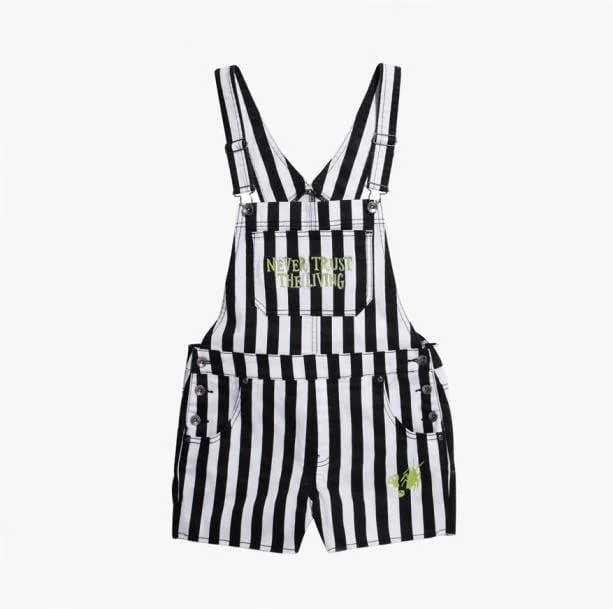
The Teen Craft Loose Fit Striped Pants feature a relaxed cut that drapes naturally toward footwear. Pairing black-and-white patterned trousers with simple black low-tops keeps the visual emphasis on the graphic line of the pants while giving your feet enough mobility for everyday wear.

Platform Boots and Flared Hemlines
Flared trousers and bell bottoms create dramatic lines that naturally complement chunky platforms. Because a flare widens outward from the knee, it creates negative spaceAn uncluttered area that gives the rest of a design room to stand out. that needs to be filled by a substantial, thick-soled boot. A slim, flat shoe can make flared legs look bottom-heavy and cause the fabric to pool awkwardly around the heel.
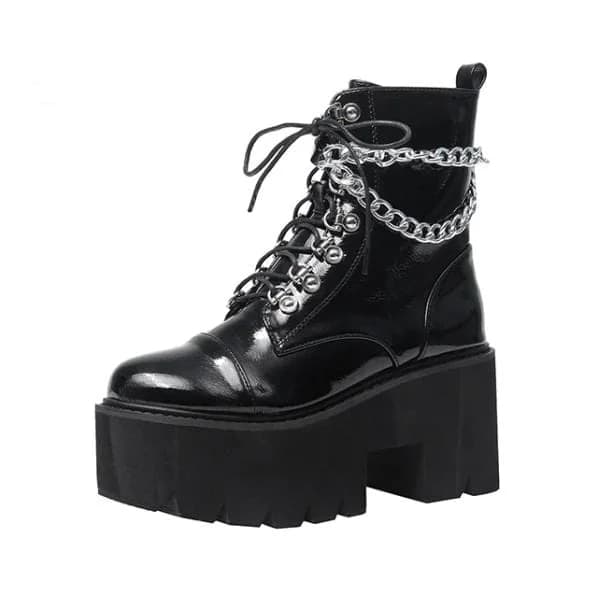
When pairing platform footwear with flares, choose shoes with a structured toe box and a continuous sole lift or block heel. This structure pushes the flare outward into an open bell shape rather than letting it collapse inward. Check that your hem extends down past the top of the platform sole, stopping just above the contact point with the pavement to maintain the illusion of continuous leg length.
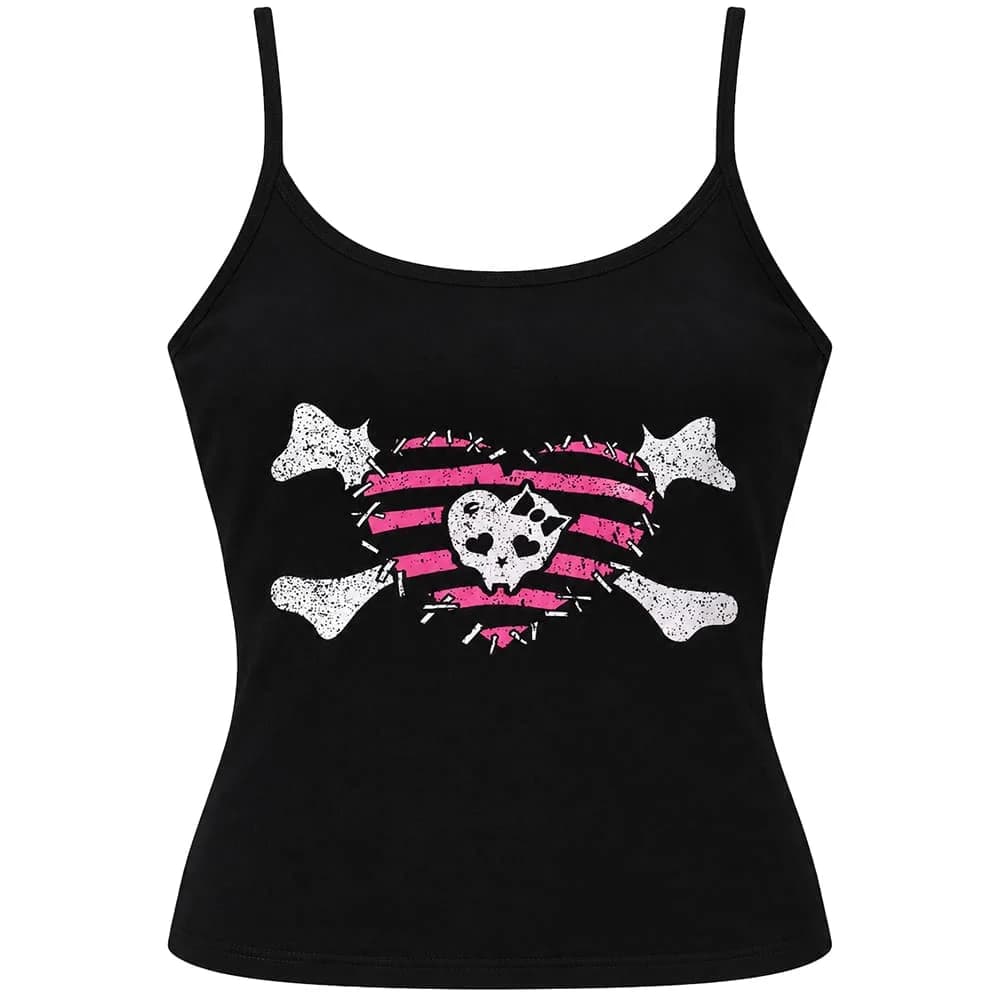
On upper layers, flared silhouetteThe overall shape an outfit creates, from fitted to loose and layered.s benefit from cropped or neatly structured pieces. Pairing platform boots and flares with something like the Emo Girl Skull & Bones Tank Top gives you a streamlined torso that accentuates the widening shape of the lower outfit, creating an intentional, well-balanced look.
Styling Footwear With Pleated Mini Skirts
Short hemlines shift the visual focus entirely onto leg lines and footwear height. A pleated tennis skirt or dark mini provides zero coverage past mid-thigh, meaning your shoes have to carry the weight of the bottom half. Pairing a lightweight flat shoe with a bare leg can make an outfit feel unfinished, whereas a substantial boot or layered sock combination anchors the look.
To build visual interest between your skirt hem and your shoes, experiment with intermediate horizontal lines. Mid-calf lace-ups worn with ribbed crew socks folded just over the collar create a staged transition from bare skin to chunky leather. If you choose low-top shoes or creepers, add sheer patterned tights, fishnets, or loose leg warmers to bridge the gap and stop the footwear from looking isolated.
Contrast is key when working with short hems. If your footwear leans heavy and industrial, you can soften the chest and arms with long sleeves. Pulling on the 2007 Era Leopard Skull Long Sleeve Top in white polyester creates an energetic contrast against dark skirts and heavy footwear, tying together mid-2000s graphic elements with sharp structural balance.

Shorts, Hem Proportions, and Sock Layering
Wearing alternative shoes with shorts requires deliberate attention to cuff width and sock height. When your hem ends above the knee, the space between the cuff and your footwear dictates how long or short your legs appear. Chunky shoes worn with no-show socks can create a top-heavy, unbalanced appearance, particularly if the shorts are loose or boxy.
Fitted, casual bottoms like the 2010s Style Striped Booty Shorts in black and grey cotton-polyester work best with footwear that maintains an athletic or punk edge. Pairing these with mid-top sneakers or platform lace-ups requires a mid-calf sock to soften the transition. A scrunched knit sock or striped crew option fills out the calf space, balancing the shorter cut of the shorts.
For cooler days or indoor events, you can layer opaque tights or micro-mesh directly beneath your shorts. This adds texture while allowing you to wear heavier combat boots without creating an abrupt visual break between bare skin and thick boot leather.
Matching Shoe Bulk to Outerwear Volume
Proportion is not just about trouser length; it also involves how the weight of your footwear balances against your jackets and outer layers. Throwing on an oversized, heavy jacket over slim trousers and delicate canvas shoes causes the upper body to dominate the outfit, making your feet look undersized and unsupported.
When your top layer has considerable bulk, such as the 2000s Striped Faux Fur Zip-Up Hoodie in black and grey, you need footwear with sufficient visual presence to match it. Lug-soled boots, multi-buckle creepers, and platform derbies provide the necessary foundation. The dense texture of faux fur is grounded by deep tread patterns and wide soles.
If you prefer wearing lower-profile shoes on casual days, tone down your top half accordingly. Swap heavy coats for lightweight zip jackets or single-layer tees to ensure your silhouetteThe overall shape an outfit creates, from fitted to loose and layered. remains unified from your collar down to the floor.
Managing Cropped and Raw Ankle Hems
Trousers with cropped ankles or frayed, raw hems offer a fantastic showcase for distinct footwear details. Because the fabric stops two to three inches above the standard shoe line, it leaves eyelets, ankle straps, and contrast stitching completely unobstructed. However, this cut can easily look accidental if the gap between shoe and hem is not styled with intent.
When pairing cropped pants with high-top shoes, ensure the trouser cuff does not catch awkwardly on the pull tab or collar. The hem should hang freely just above the shoe opening, or fall cleanly across the upper laces without bunching. If the trouser fabric keeps snagging on your boot hardware, roll the hem once to give it a firmer, weighted edge that hangs straight.
Raw hems pair exceptionally well with worn-in canvas styles and vintage-style boots. The unfinished threads of the denim echo the casual, counter-culture mood of classic Emo Clothes. You can emphasize this relaxed aesthetic by matching your top layer to the look, using an easygoing piece from our Emo Hoodies collection.
Hardware Coordination Across Shoes and Outfits
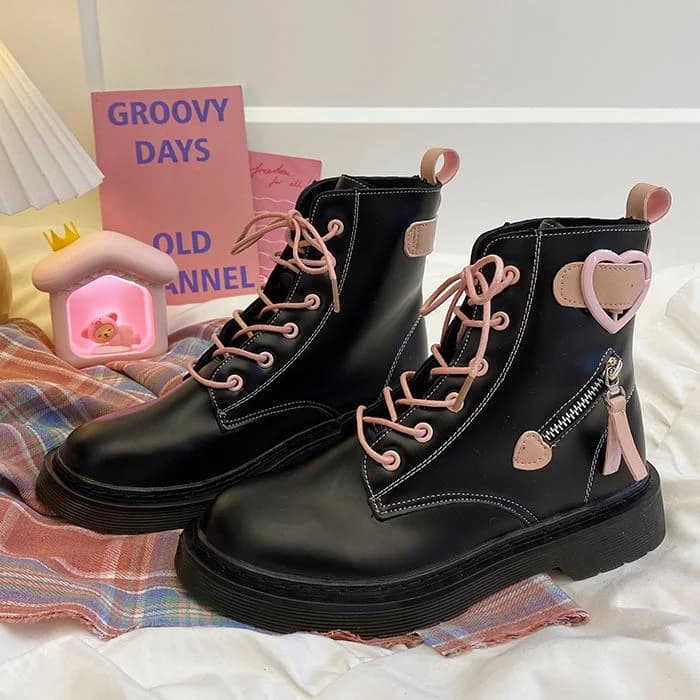
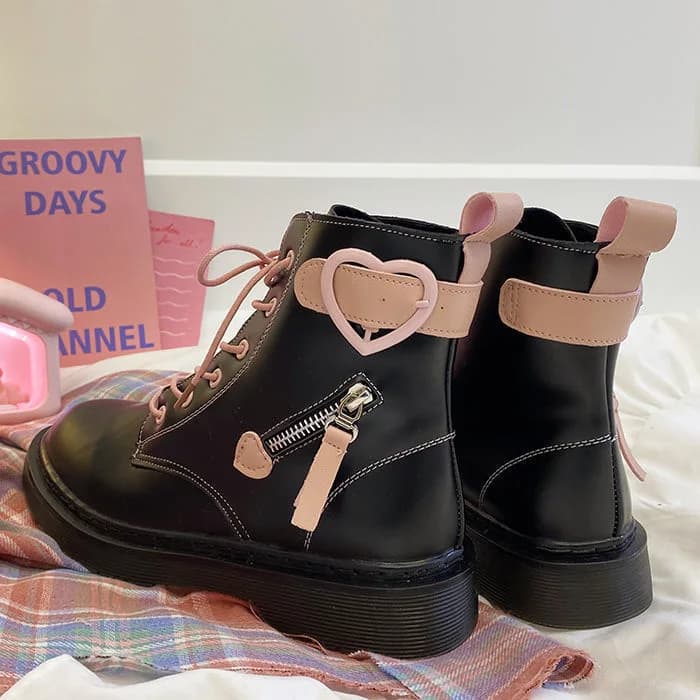
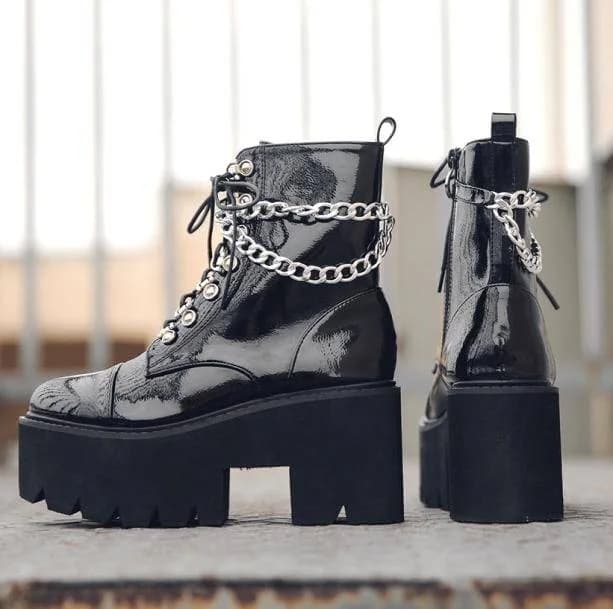
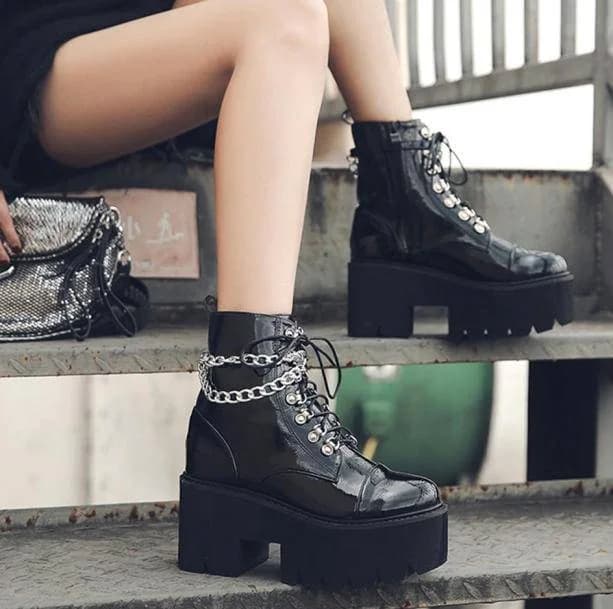
Alternative footwear frequently incorporates metal accents, including eyelets, side zippers, buckles, chains, and sole plates. While you do not need every metal element in your outfit to be a mirror match, mixing clashing metallic tones can create visual clutter. If your boots feature shiny chrome side buckles, pairing them with warm brass accessories can look disjointed.
Take inventory of the hardware across your whole ensemble. When your boots feature heavy industrial metal, connect those details to upper garments that carry similar accents. The Fawn Ear Grunge Hooded Jacket features zip styling and novelty details that look cohesive when paired with hardware-heavy footwear, balancing playful grunge cues with darker footwear details.
Consider the finish of your shoe hardware as well as the color. Polished silver hardware reflects light and suits stark, high-contrast black-and-white palettes. Antiqued pewter, gunmetal, or brushed silver finishes blend more naturally with distressed denim, washed vintage tees, and muted earthy tones.
Dressing for Wet Weather Without Ruining Your Hems
Rain and melting slush present a constant challenge when wearing alternative fashion. Long hems, wide bottoms, and untreated fabrics quickly wick up water from sidewalks, leaving you with cold ankles and damaged clothes. Preparing for wet weather means adapting how your trousers interface with your boots.
Platform soles are your strongest defense against standing puddles. A sole with an inch or two of lift keeps both your feet and your trouser hems elevated above damp ground. If you are wearing wide-leg or puddle pants in wet conditions, make a secure exterior roll or use clip bands inside the cuff to lift the fabric temporarily while commuting, dropping the hem back down once indoors.
Tucking remains the most reliable strategy for active storms. Tuck narrow pants securely into water-resistant combat boots to seal out wind and moisture completely. Selecting tops that handle wet-day layeringWearing pieces over or under one another to add depth, warmth or contrast. smoothly, like options found in Emo Tops, lets you stay warm without sacrificing your silhouetteThe overall shape an outfit creates, from fitted to loose and layered. under bulky waterproof outer shells.
Color Grounding: Black Footwear vs. Vibrant Tops
While black is the default base for alternative styling, integrating vibrant colors into your outfit requires deliberate shoe choices to keep everything cohesive. Throwing on an intensely saturated top with black pants and black shoes can isolate the colored garment, making it look disconnected from the rest of your outfit.
To tie a bright piece into your look, use the sandwiching technique: echo the top color down below through laces, socks, or small graphic details. For example, wearing the Broken Heart Skeleton Zip Up Hoodie in orange, green, or dark grey creates a focal point. You can ground this piece by wearing dark footwear paired with socks or charms that reflect that same accent hue.
Another effective approach is pairing black footwear with bottoms that share the color tone of your top. A muted olive hoodie works naturally with faded charcoal pants and worn black boots, creating a soft gradient instead of a harsh block of contrasting color.
If you want the shoes to ground a bright top without echoing its color, try dark footwear with dark socks and put the pattern in a checked skirt instead. This keeps the top as the color focal point while giving the lower half a separate detail. The E-Girl Clothes collection offers a related reference for pairing checks with dark accessories.
Comparing Low-Tops, Mid-Tops, and Knee-High Boots
Choosing between ankle shoes, mid-calf boots, and tall knee-high footwear changes how you move and how your clothes fall. Low-tops offer full ankle mobility and minimal bulk, making them the best partner for wide puddle cuts, warm-weather shorts, and casual daily errands. However, they lack the visual weight needed for oversized, heavy winter layers.
Mid-calf combat boots offer the greatest versatility across different hemlines. They can be worn inside skinny trousers, hidden beneath wide flares, or left visible below mini skirts and tailored shorts. They provide structure and ankle support without restricting knee movement, making them a practical everyday choice for diverse climates.
Knee-high styles create dramatic, uninterrupted vertical lines that suit short skirts, split skirts, and super-skinny trousers. However, they are completely incompatible with straight-leg pants worn over them, as the shaft creates bulky ridges through standard trouser legs. Reserve tall boots for outfits where the entire length of the boot can sit in full view.
Common Footwear and Hemline Mistakes to Avoid
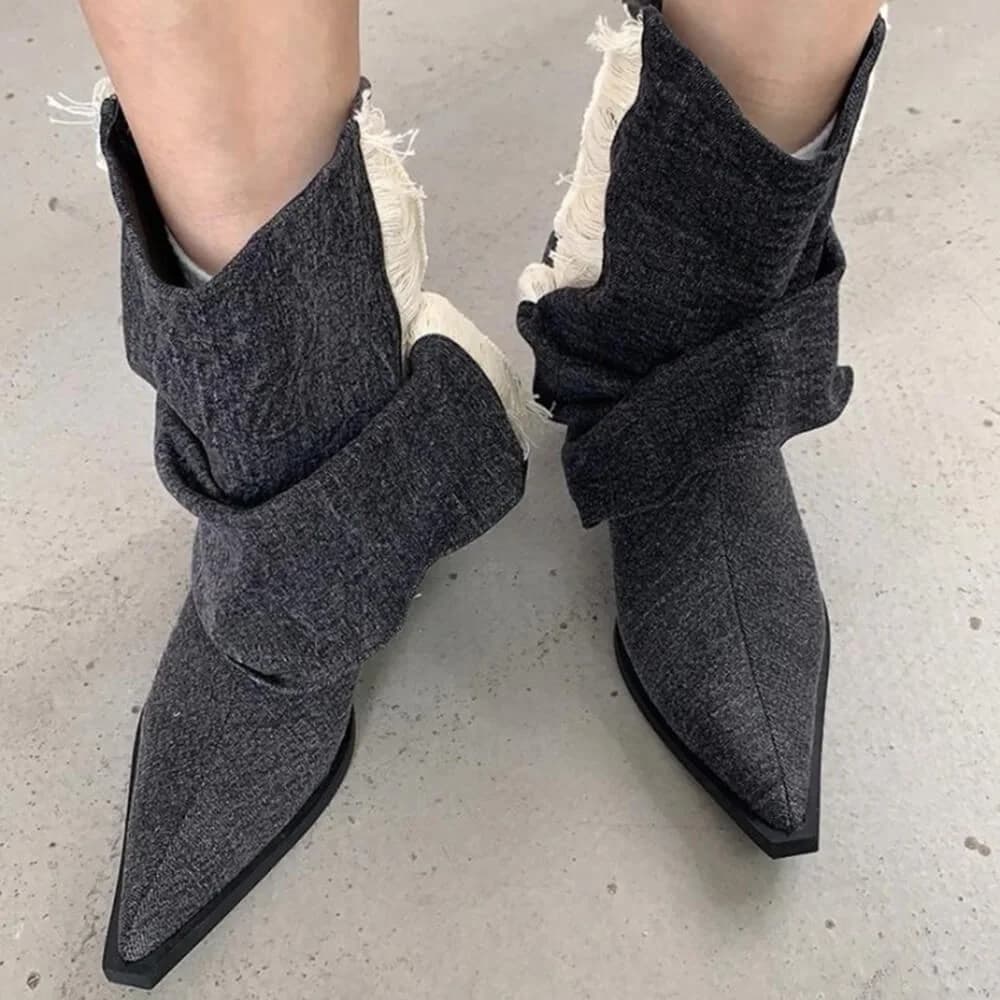
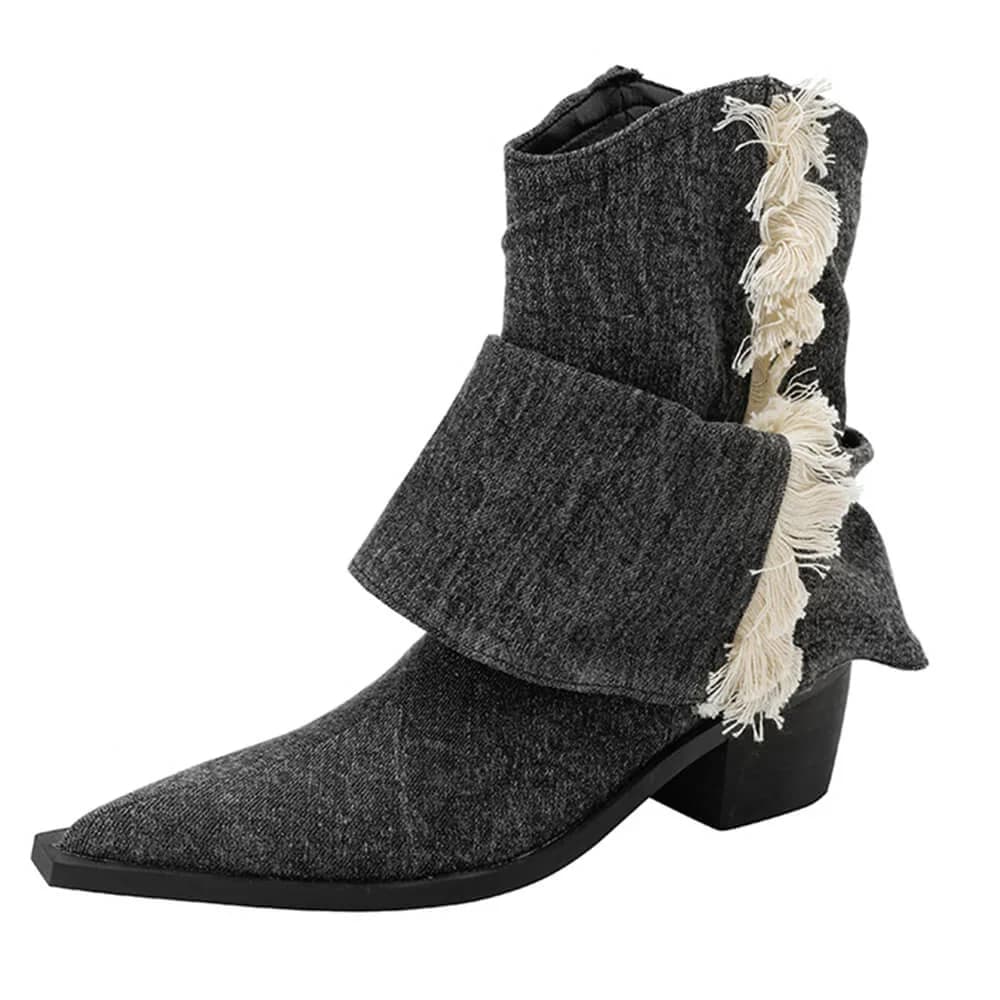
One frequent styling misstep is the awkward hem accordion, where stiff denim gathers in heavy, rigid bunches over the collar of a boot. This happens when the pant leg is too narrow to drape over the shaft, but too stiff to tuck in cleanly. If your trousers fight your boots, switch to a soft roll or swap to a shoe with a lower collar.
Another misstep is letting wide-leg trousers drag under the back heel of your shoe. Not only does this destroy the hem fabric over time, but it also creates an unkempt look. Make sure your sole has enough lift to keep the rear fabric clear of the ground.
Finally, be mindful of mismatched aesthetic weights. Wearing delicate, thin-soled canvas shoes alongside heavily layered winter jackets, oversized scarves, and chunky knit beanies creates an unstable silhouetteThe overall shape an outfit creates, from fitted to loose and layered. that looks unbalanced from the ground up.
Shoe Care: Preserving Canvas, Leather, and Hardware
Alternative shoes take considerable wear, especially when worn to shows, festivals, or on wet streets. Keeping your footwear in good shape preserves the sharp contours of your outfits and prevents hardware from tarnishing prematurely. Canvas styles can be spot-cleaned with cool water and mild soap, while faux-leather and genuine leather options require regular wiping down with a damp cloth to prevent grit from scratching the finish.
Hardware requires occasional maintenance to prevent oxidation and stiffness. If zippers begin to stick on high-top boots, glide a small amount of paraffin wax or pencil graphite along the zipper teeth to restore smooth action. Never force a stuck zipper over a tight sock, as this can warp the teeth and ruin the shoe closure.
To maintain the shape of tall boot shafts, store them with rolled card inserts or dedicated boot shapers when not in use. Letting tall shafts crease and collapse inside your closet creates permanent wrinkles in the material that weaken the ankle support and distort how pants drape over them.
Quick Hemline and Footwear Coordination Checklist
Before heading out the door, take a quick scan in a full-length mirror to confirm that your footwear and hems work together cleanly. Small adjustments like an extra fold on a cuff or swapping to thicker socks can instantly bring your proportions into balance.
Reviewing these elements ensures that every piece of your outfit feels intentional, comfortable, and built to last throughout your day.
Run through this quick checklist to ensure your proportions, breaks, and hardware match up correctly for the day:
- Skinny Jeans: Smooth leg fabric completely flat before tucking into boot shafts, or ensure raw cuffs hit the collar cleanly without accordion bunching.
- Wide & Puddle Hems: Confirm that the rear hem hovers at least half an inch above the floor to avoid heel drag and street moisture.
- Platforms & Flares: Check that the flare hem falls past the top of the sole, revealing the structured toe while extending the leg line.
- Shorts & Skirts: Add crew socks, tights, or leg warmers if your boots look isolated against bare legs.
- Volume Balance: Pair chunky platforms with oversized jackets, and choose lower-profile shoes when wearing minimalist, fitted upper layers.
- Hardware Harmony: Match bright chrome accents with chrome jewelry, and pair matte or dark gunmetal metals with washed, muted tones.