Created by the Kawaii Vibe editorial team. Our named style desks are editorial personas. Product details and availability can change.
Building a cohesive emo outfit always starts with understanding how your upper half interacts with your lower half. When people struggle to get an alternative look right, the issue usually comes down to competing cuts rather than missing accessories. A skin-tight baby tee calls for a completely different trouser shape than a slouchy drop-shoulder band shirt, and a wide scoop neckline completely changes what you can layer over your chest and neck.
Instead of throwing random dark pieces together, treating the neckline and silhouetteThe overall shape an outfit creates, from fitted to loose and layered. of your top as an anchor makes styling straightforward. If you pick a fitted silhouetteThe overall shape an outfit creates, from fitted to loose and layered. with open collarbones, your goal is to build outward with volume, lower waistlines, or structured collars. If you choose an oversized graphic tee or an elongated thermal, your waist placement and leg taper will decide whether the outfit reads intentional or sloppy.
This guide breaks down specific cuts and necklines found across contemporary and mid-2000s revival styling. You will find practical ways to balance proportions, pick suitable bottom silhouetteThe overall shape an outfit creates, from fitted to loose and layered.s, integrate functional outer layers, and avoid common styling mistakes without overthinking the process.

1. The High Crew Neck Baby Tee and Wide Leg Balance
A shrunken high-cut crew neck creates a compact upper body block. Because the fabric sits flat against the collarbone and shoulders, it naturally pulls visual weight upward. If you pair a fitted top like this with tight skinny jeans, you get the classic mid-2000s hyper-narrow look, but pairing it with relaxed trousers offers a grounded, modern street balance. When the top ends at or slightly above the hip, wider trousers anchor the base of the frame and keep the outfit from feeling top-heavy.
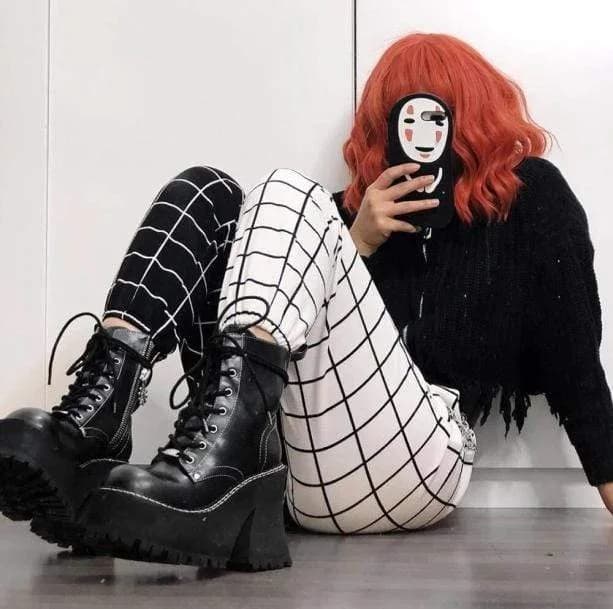
To make this cut work, look for trousers that sit comfortably at mid or low-rise. Roomy skate pants, distressed cargo bottoms, or patterned fabrics like the Teen Craft Loose Fit Striped Pants add movement below the hip. The contrasting vertical lines of the striped pants break up the solid block of a fitted dark crew neck, drawing the eye down smoothly. This pairing also creates a natural shelf at the belt line, giving you an obvious location for studded pyramid belts or hanging clip hardware without cluttering your torso.
In cooler weather, the compact footprint of a high crew neck makes it the easiest cut to layer. You can drop a boxy open flannel or an unzipped hoodie over it without distorting the shape around your neck. Because the crew neckline rests against the base of the throat, it acts as a neutral backdrop for stacked ball-chain necklaces or single thick chokers, leaving your collarbones clear of competing fabric folds.
- Best bottoms: Relaxed cargo pants, wide-leg striped trousers, and loose carpenter denim.
- LayeringWearing pieces over or under one another to add depth, warmth or contrast. rule: Keep outer jackets unzipped to expose the contrast between fitted waist and loose hem.
- Neck accessory check: Stick to chains resting right on top of the fabric or a tight choker above it.

2. The Deep Scoop Neck and Open Chest Proportion
A deep scoop neckline changes the entire architecture of an emo outfit by exposing the collarbones and upper sternum. Historically drawn from 2000s alternative club and mall culture, this cut lengthens the neck and shifts the visual focal point downward. Because this collar cut creates open space, leaving it bare can make an outfit look incomplete, while over-cluttering it ruins the intended shape.
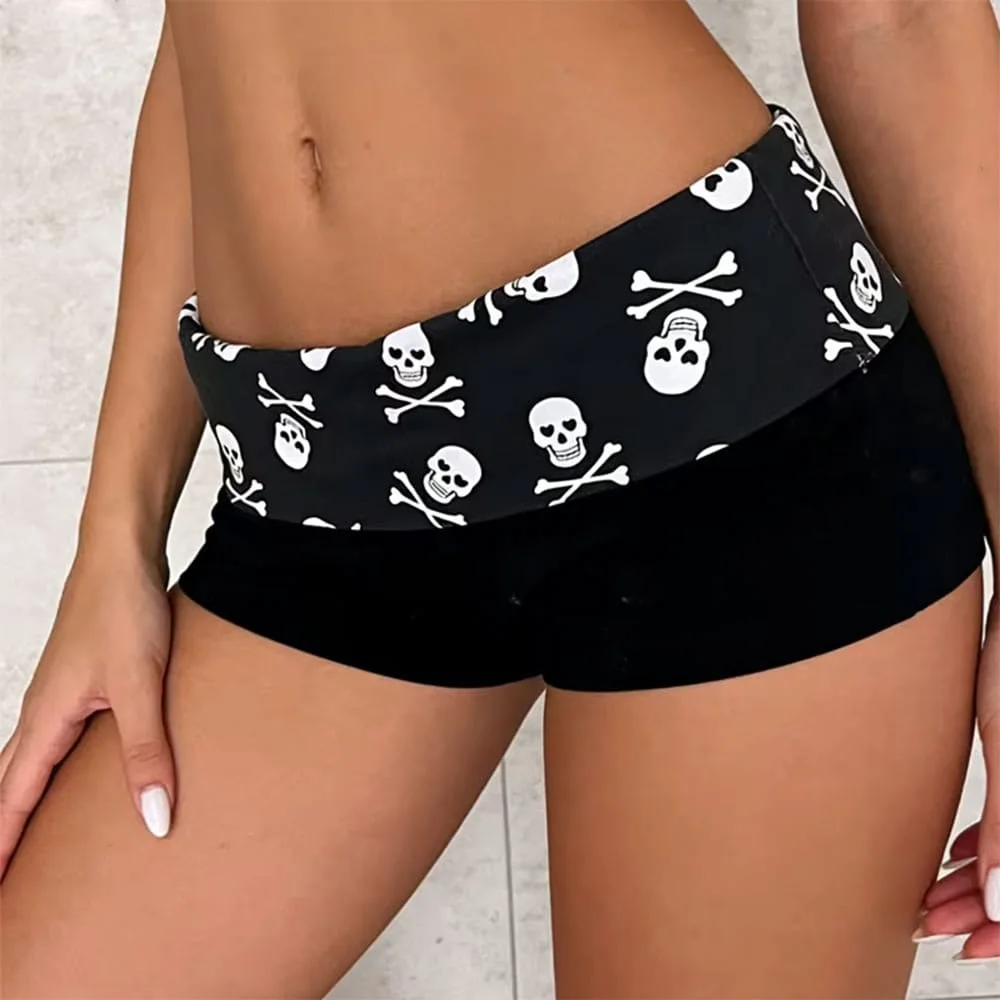
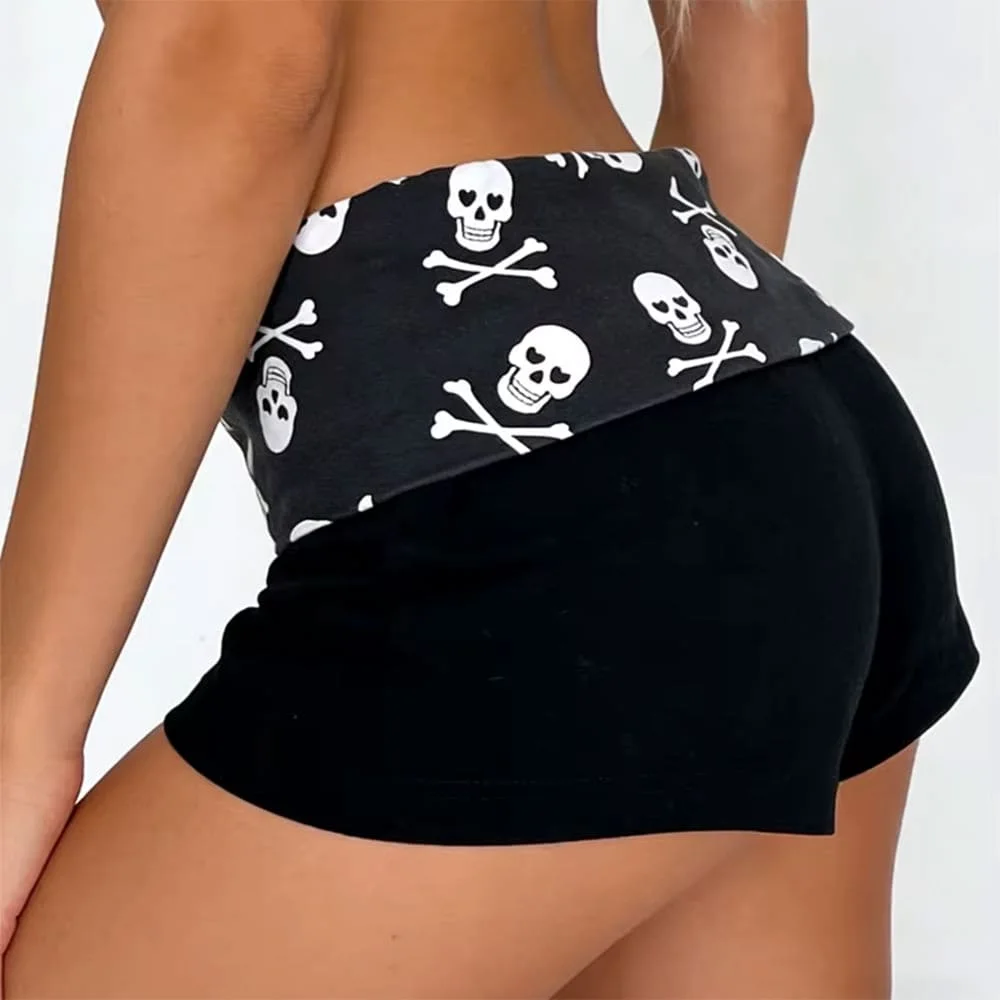
The most effective way to anchor a scoop top is by leaning into layered tank tops or horizontal neck jewelry. A racerback or dual-strap cami in a contrasting shade worn underneath creates layered color borders at the chest. For the bottom half, scoop cuts naturally complement low-slung bottoms. Pairing an open neckline with Emo Shorts creates an airy silhouetteThe overall shape an outfit creates, from fitted to loose and layered. that balances summer heat while preserving vintage scene aesthetics. Distressed denim shorts with raw hems or cuffed cotton cuts work equally well here.
Outerwear worn over a scoop neck needs careful collar management. Stiff, high-standing collars tend to crowd the chest opening awkwardly. Instead, opt for relaxed cardigans or soft zip-front sweaters that fall diagonally across the shoulders. This diagonal frame mirrors the downward curve of the scoop, keeping your neck area elongated rather than choked off by bulky outer seams.
- Neckline focus: Double-layer contrasting tank straps or add layered rosary-style chains.
- Bottom pairing: Low-rise denim shorts or mid-rise distressed mini skirts.
- Common pitfall: Wearing high-buttoned jackets that cover only the outer edge of the scoop.
3. Asymmetric and Deconstructed Necklines
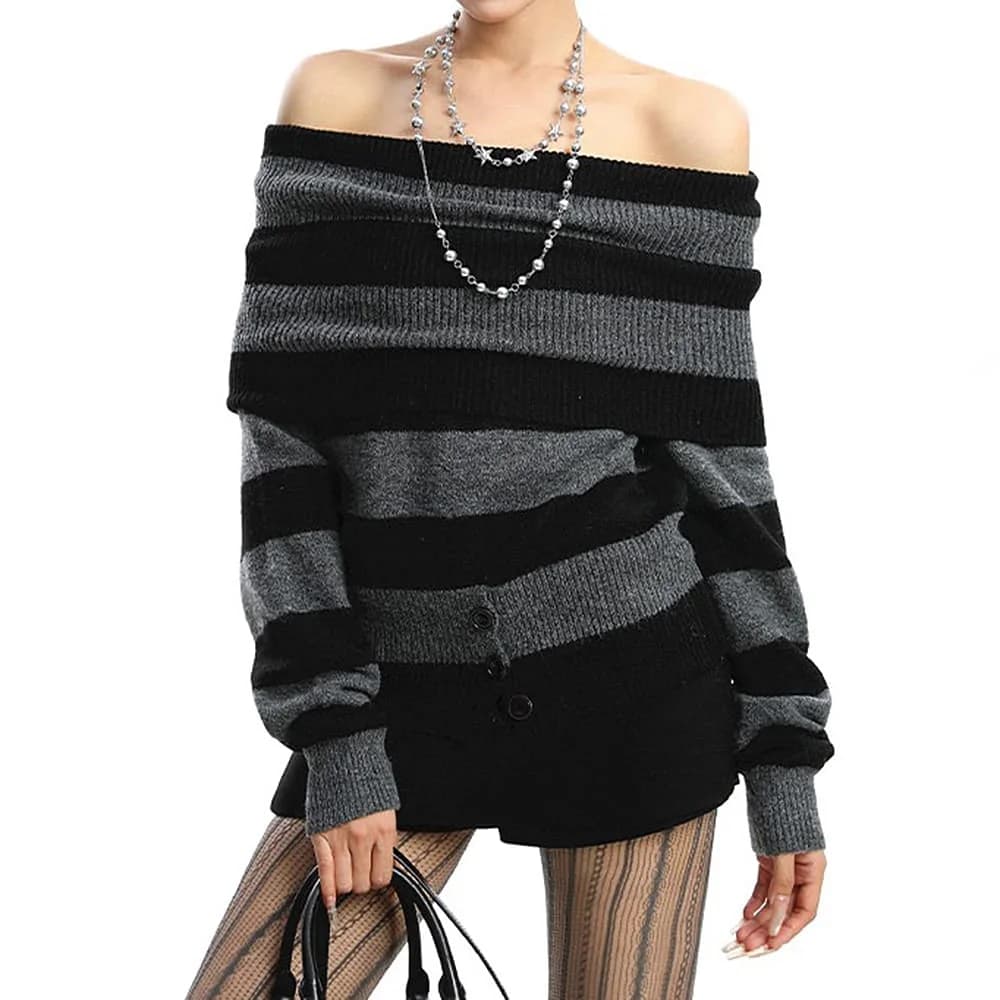
Asymmetric cuts, slash necks, and off-the-shoulder tops offer dynamic visual tension that regular symmetrical shirts lack. When one shoulder is exposed while the other remains covered, standard rules of symmetry go out the window. Your eye naturally travels along the slant, which means whatever you wear below must either ground that diagonal line or provide a steady vertical anchor.
When styling an asymmetric top from your collection of Emo Tops, avoid heavily asymmetrical bottoms. Wearing an uneven hemline skirt with an off-the-shoulder top creates visual chaos. Instead, choose clean, grounded vertical silhouetteThe overall shape an outfit creates, from fitted to loose and layered.s like straight-leg black jeans or tailored utility pants. This lets the unique neckline remain the focal point. Tucking the longer side of an uneven hem into your waistband can also define your hip without breaking the neckline's angle.
Undergarments and exposed straps are central to asymmetric cuts. Rather than attempting to hide bra straps, work with them intentionally. A straight, dark strap contrasting against exposed skin complements the rebellious texture of deconstructed tops. Adding an asymmetrical hardware detail, such as a single clip-on suspender hanging down from the waistband on the opposite side of the exposed shoulder, restores physical visual balance.
- SilhouetteThe overall shape an outfit creates, from fitted to loose and layered. rule: Pair slanted necklines with strictly symmetrical, straight-cut pants.
- Strap placement: Use clean, dark under-straps that look intentional against open shoulders.
- Belt strategy: Keep hardware centered or counterbalanced opposite the exposed side.

4. Boat Necks, Off-Shoulder Cuts, and Shoulder Framing
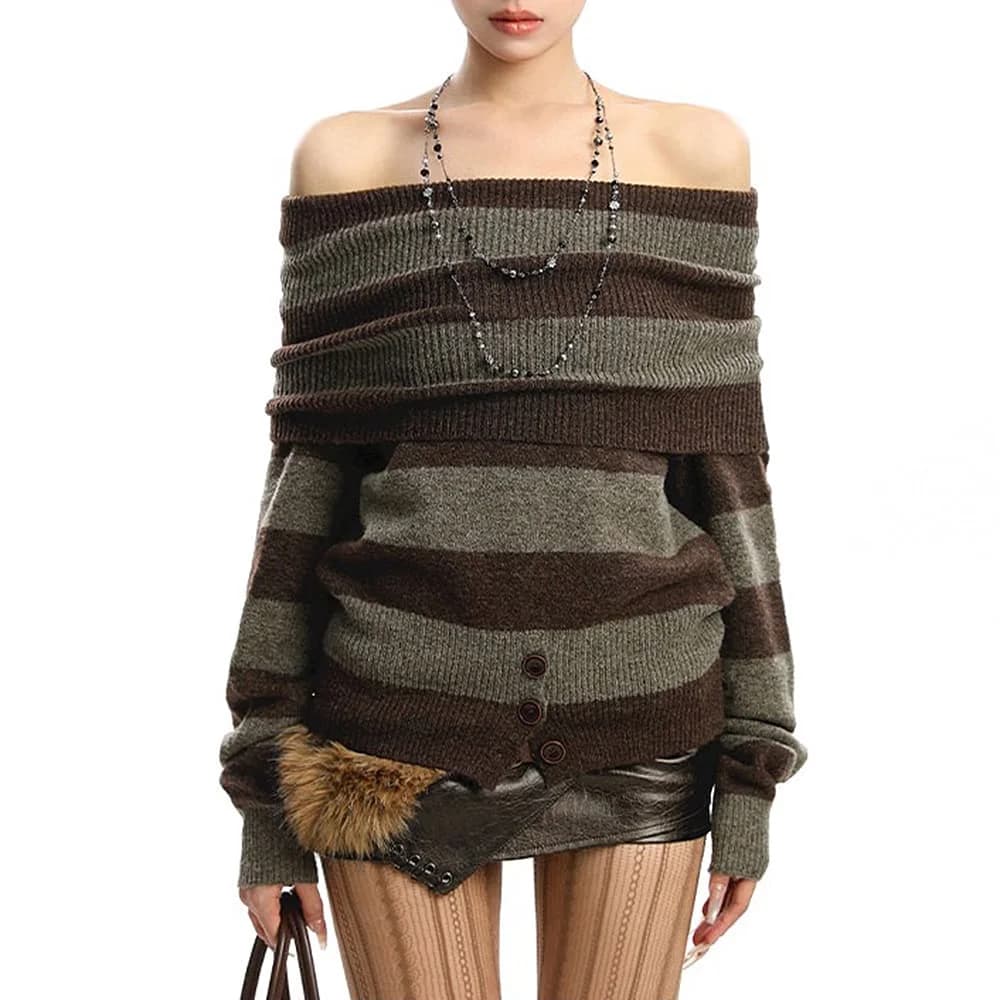
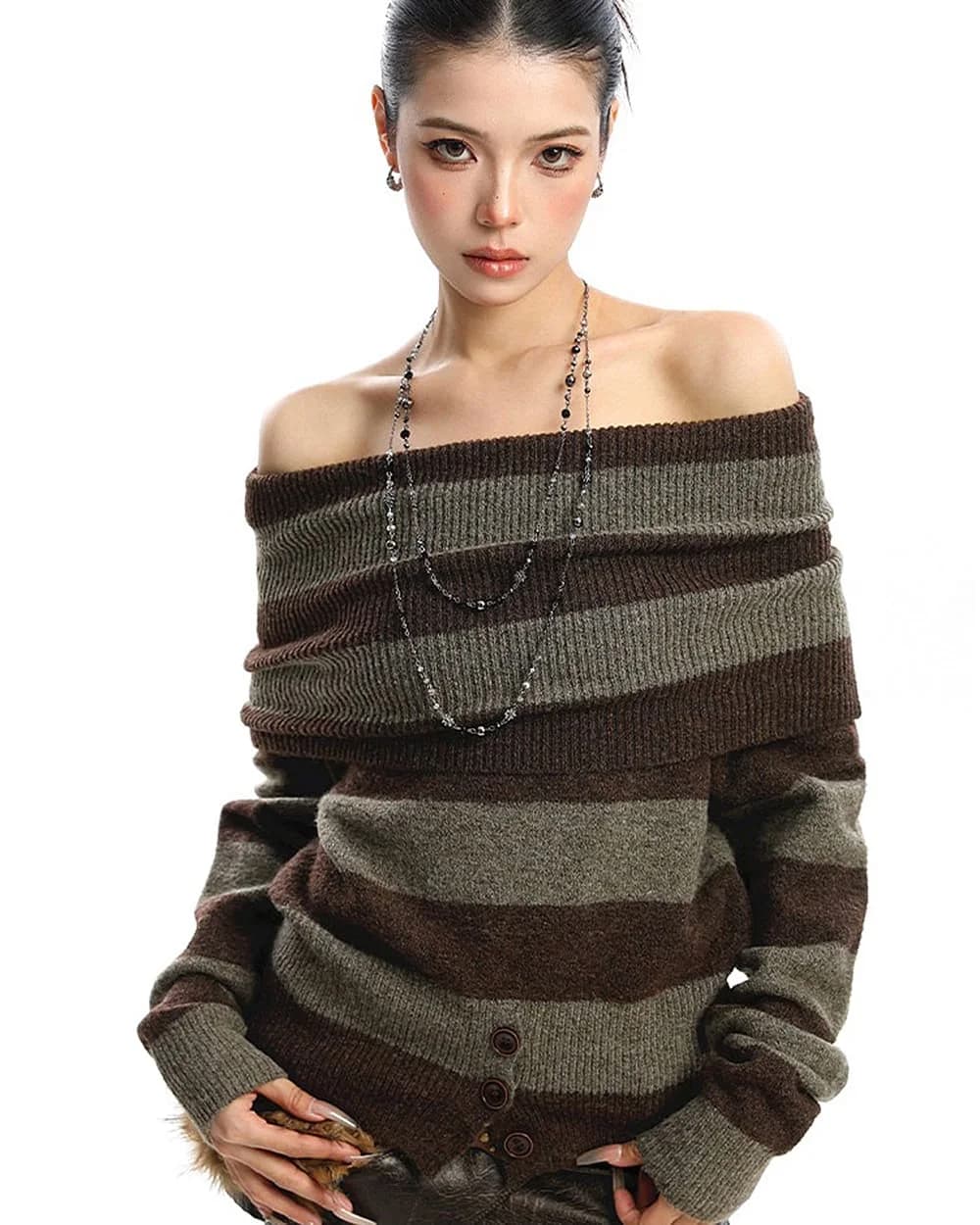
A horizontal boat neck cut runs straight across the collarbones, terminating near the edge of each shoulder. This broadens the upper frame horizontally, making your shoulders appear slightly wider while creating a vintage, dramatic profile. It is a signature look in alternative fashion that transitions effortlessly between casual daytime wear and layered evening looks.
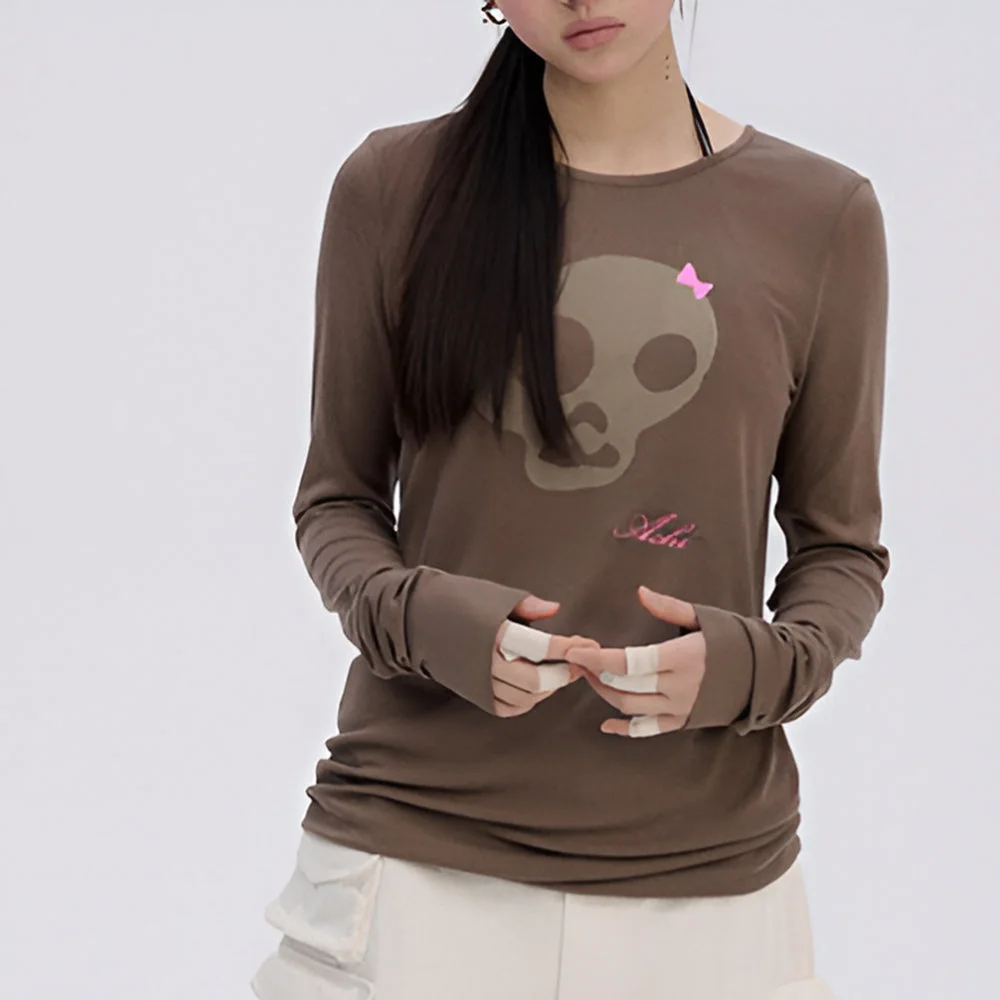
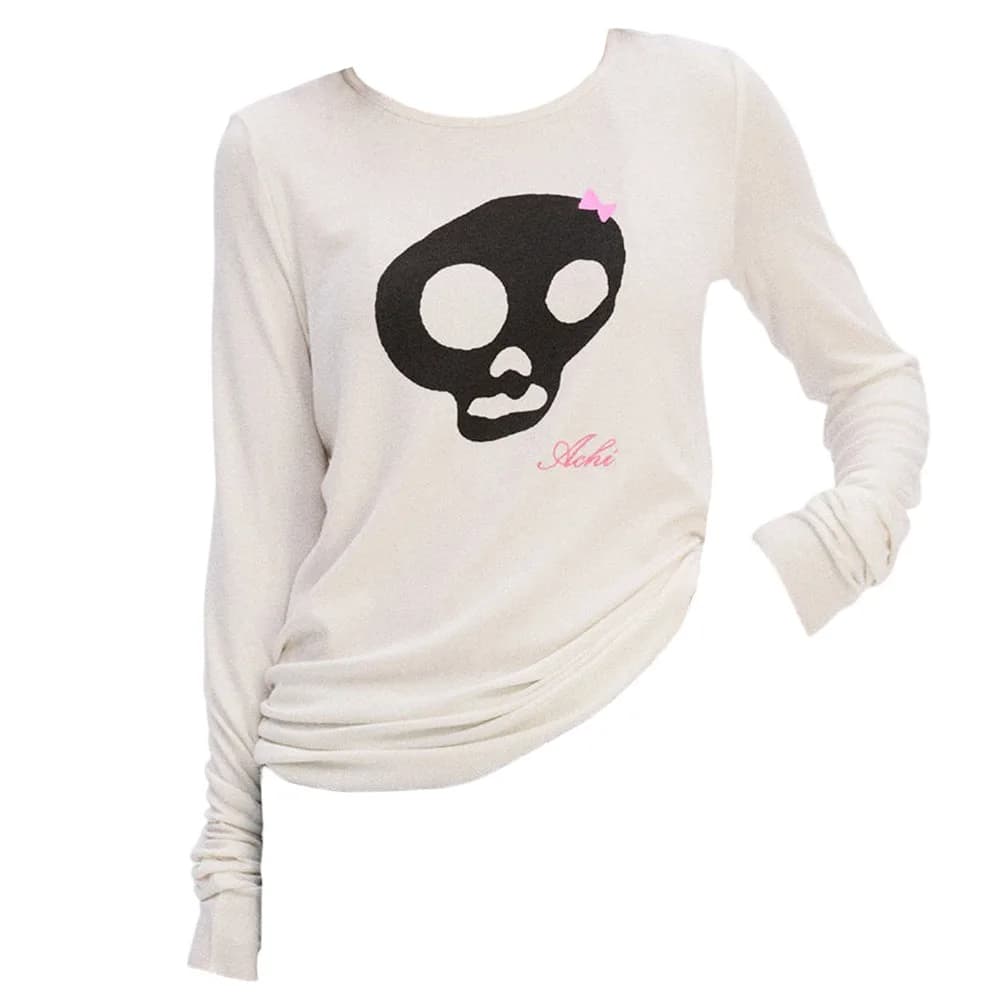
Because a boat neck adds width up top, your lower half needs enough volume to keep the silhouetteThe overall shape an outfit creates, from fitted to loose and layered. grounded. A slim pencil skirt or tight leggings can sometimes make this cut look overly top-heavy. Pairing a broad boat neck with pleated A-line skirts or wide flare denim counteracts the horizontal top line, creating an hourglass or balanced X-shaped frame. The 2007 Era Leopard Skull Long Sleeve Top offers a polyester build that captures this era's graphic aesthetic, sitting wide across the shoulders while hugging the arms for a structured upper-body line.
Jewelry requires special attention with horizontal necklines. Pendants on long cords that drop well below the collar line work far better than short chokers. A choker cuts the neck horizontally, and when placed directly above a boat neck, it stacks two horizontal lines on top of each other, shortening the perceived length of the neck. Long chains running past the collarbone break that horizontal emphasis and restore vertical flow.
- Balancing shape: A-line skirts, skater skirts, and flared jeans offset broad shoulders.
- Jewelry choice: Long pendants and hanging cross necklaces rather than thick chokers.
- Sleeve interaction: Full-length skinny sleeves emphasize the shoulder width naturally.

5. Styling the Classic Graphic Emo T-Shirt Cut
The standard graphic tee remains the backbone of alternative wardrobes, but its regular crew neck and boxy torso require deliberate shaping to avoid looking shapeless. A standard cotton or polyester band tee drops straight down from the shoulders, often falling past the natural waist and concealing your hip proportion entirely. Without intentional styling, this boxy cut can flatten out an otherwise expressive outfit.
To direct the silhouetteThe overall shape an outfit creates, from fitted to loose and layered., consider how the shirt interfaces with the waistband. Tucking a graphic tee from the Emo T-Shirts line fully into relaxed dark denim defines your waist immediately, letting belt hardware take center stage. If you prefer an untucked look, pairing the shirt with fitted bottoms like dark skinny jeans creates the authentic mid-2000s inverted triangle shape. Rolling the sleeves once or twice can also shorten the shoulder line, sharpening a cut that might otherwise look sloppy.
Graphic placement also dictates your choice of outer layers. Front-facing artwork needs room to breathe. When wearing a jacket, opt for one that remains open down the center front. Throwing a slouchy outer layer over a graphic shirt lets the design peek through the vertical opening, preserving the graphic impact while introducing contrasting textures around the sleeves and back.
- Tuck technique: Full tuck for high-waisted wide pants, half tuck for low-rise skate denim.
- Sleeve adjustment: Roll cuff edges once or twice to clean up boxy drop-shoulders.
- Graphic visibility: Keep outer flannels and jackets unfastened down the center.
6. Fitted Tank Tops and Collarbone Anchors
Tank tops provide the absolute base layer of summer alternative styling and winter thermal layeringWearing pieces over or under one another to add depth, warmth or contrast.. The neckline on a fitted tank dictates which hardware and accessories you can incorporate without overcrowding your neck. High-neck racer tanks demand distinct styling compared to scooped or square-cut camisoles, which provide open skin for heavy metal hardware.
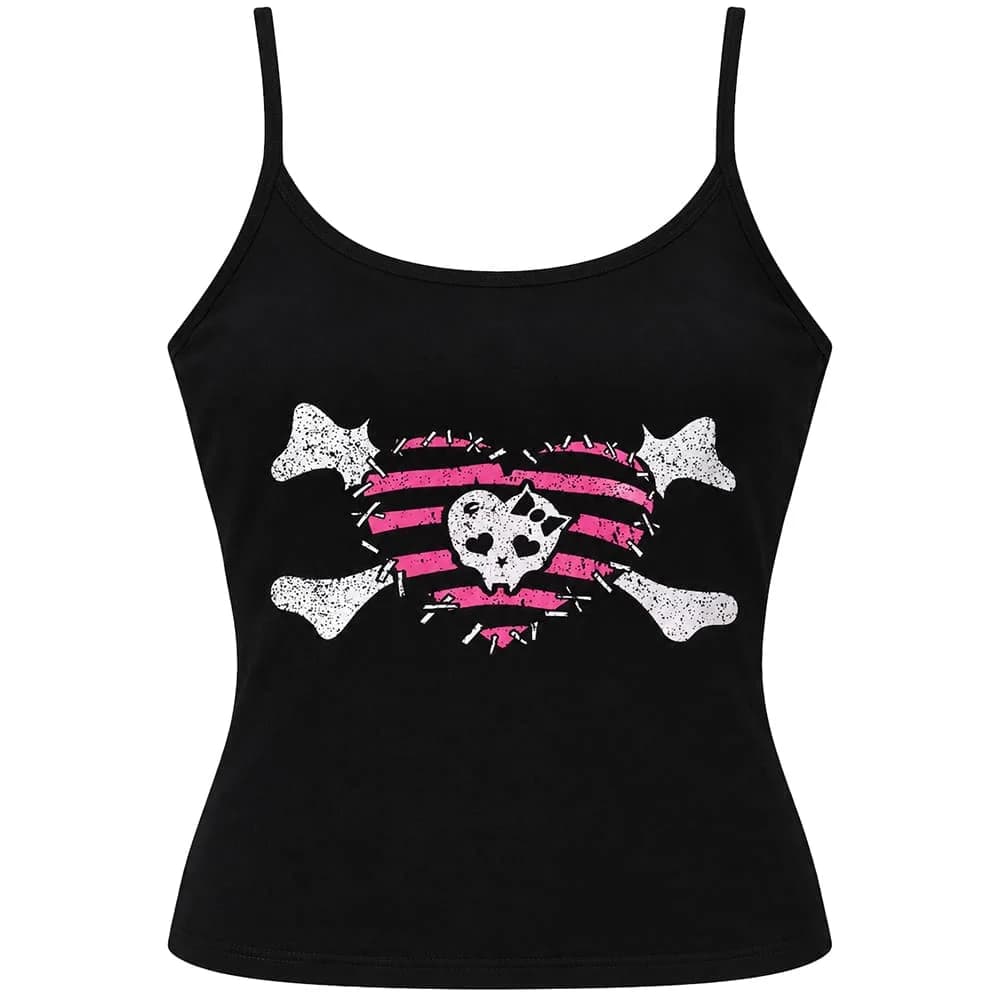
The Emo Girl Skull & Bones Tank Top offers a polyester construction with a front print that anchors a warm-weather fit. Styling a piece like this works best when contrasting its fitted torso with textured bottoms. Pairing it with the 2010s Style Striped Booty Shorts gives you a casual, retro-inspired home or warm-weather outfit built from cotton and polyester. Because the shorts feature an elastic waist and bold horizontal striping, they introduce necessary visual width at the hips to balance the snug tank cut.
For an outdoor setup, exploring Emo Tank Tops allows you to experiment with armhole depths. Deep-cut armholes look best with contrasting sports bandeaus or fishnet under-layers beneath, preventing the sides of the torso from appearing empty. Adding arm warmers, studded wristbands, or fingerless gloves bridges the skin gap between the sleeveless tank and your hands, grounding the overall look.
- Contrast concept: Balance tight tanks with printed shorts or distressed loose cargo pants.
- Wrist hardware: Add spiked cuffs or knit arm warmers to balance bare arms.
- Underlayer trick: Layer fishnet tops beneath the tank to add depth around the neckline.

7. Layered Thermal Long Sleeves and Mock Necks
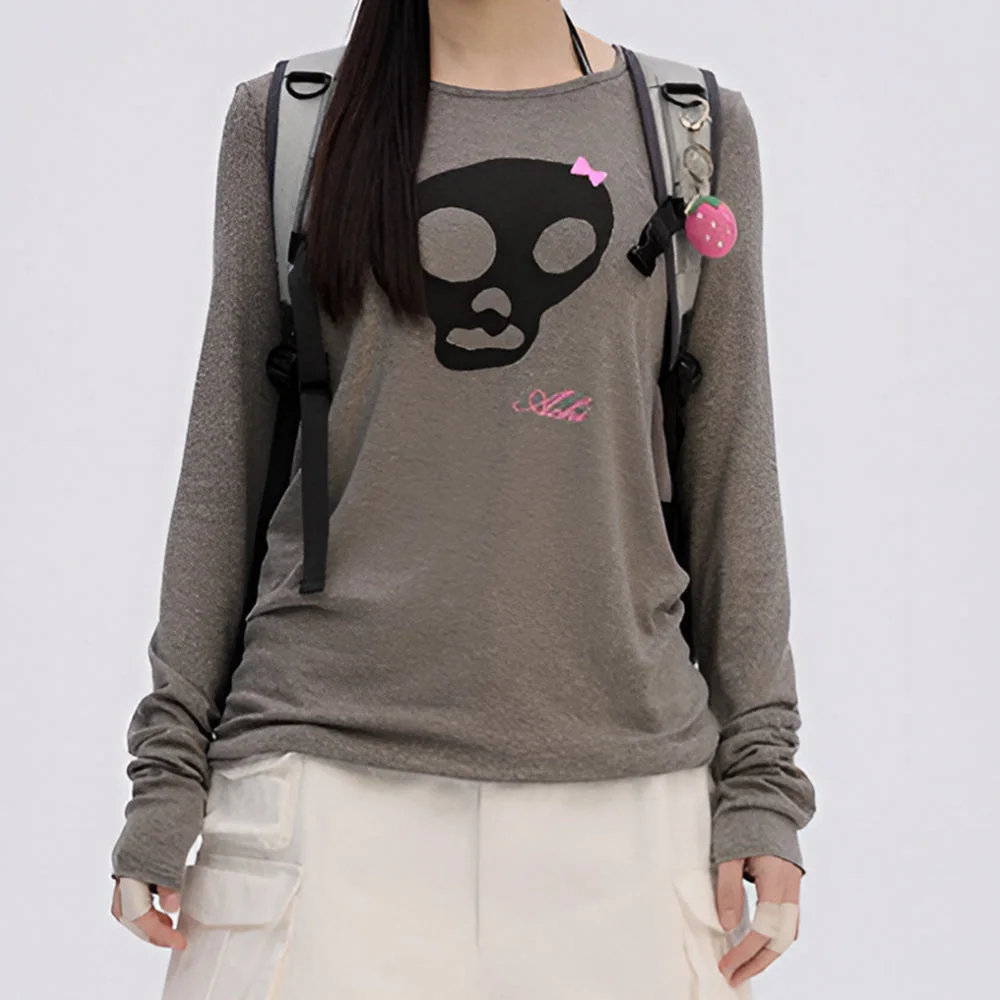
Thermal long sleeves, waffle knits, and mock neck tops bring tactile texture to an emo wardrobe. A mock neck rises slightly up the throat without the fold of a full turtleneck, providing a clean canvas that feels structured and deliberate. Long thermal sleeves extend past the wrist, naturally pooling around the hands for that classic, introverted aesthetic that defines cold-weather alternative dressing.
Styling a mock neck or textured thermal works best when playing with contrasting outer cuts. Slip an oversized graphic tee over a black-and-white striped thermal long sleeve to create the quintessential layered skate-emo silhouetteThe overall shape an outfit creates, from fitted to loose and layered.. The high neck of the base layer stays visible above the tee's crew collar, while the striped sleeves extend outward, giving you distinct color blocks down both arms. This technique keeps you warm in shifting weather while maintaining a sharp graphic profile.
When styling the lower half for high-neck thermals, lean into tailored dark denim or utility trousers. Because mock necks and thermals provide substantial upper-body coverage, loose bottoms maintain a balanced, cozy weight. Footwear should be equally grounded; chunky combat boots, thick-soled creepers, or platform skate shoes ensure that the extended fabric visual weight on your arms doesn't dwarf your lower legs.
A striped thermal already brings pattern and texture, so keep the tee graphic simple and let the sleeves stay visible. To shift the outfit toward a more dramatic layered direction, add a dark outer layer with a contrasting texture and choose one piece of statement jewelry. The Visual Kei Clothes collection offers a visual-kei-inspired reference for those choices.
- Classic pairing: Wear a short-sleeve graphic tee directly over a striped waffle thermal.
- Neck balance: High collars balance best with heavier, chunkier footwear silhouetteThe overall shape an outfit creates, from fitted to loose and layered.s.
- Sleeve detail: Push outer sleeves up to mid-forearm to highlight the base layer texture.
8. Plunging V-Necks and Layering Over Straps
The plunging V-neck directs the eye sharply downward toward the center of the chest. In emo styling, an open V-neck creates an angular channel that begs for deliberate layeringWearing pieces over or under one another to add depth, warmth or contrast. rather than simple bare skin. If left completely empty, deep V-cuts can feel disjointed from the heavily accessorized rest of an alternative outfit, making neck and chest integration essential.
The primary way to ground a V-neck is by layeringWearing pieces over or under one another to add depth, warmth or contrast. a straight-line bandeau, a camisole with lace trim, or a high-collar harness underneath. This introduces horizontal borders that intersect the sharp downward lines of the shirt. On the lower half, slim-cut dark trousers or mid-length pleated skirts maintain the sharp, angular energy of the V-shape. Keep your waist clearly marked with a dual-grommet belt so the downward visual pull of the V-neck stops neatly at the hips.
Outerwear paired with V-necks should complement the cut's sharp lines. Tailored moto jackets or structured blazers with notch lapels echo the angular slant of the collar. Avoid round-collared track jackets or bomber jackets that clash against the V-neck's sharp geometry. By mirroring sharp lapels with the shirt's collar slant, you keep the silhouetteThe overall shape an outfit creates, from fitted to loose and layered. cohesive and sharp.
- Harness addition: Place a leather or strap harness underneath to fill the chest void.
- Bottom styling: Wear slim or tapered denim to match the angular, sharp energy up top.
- Jacket interaction: Choose outerwear with pointed lapels to align with the V-shape.
9. The Role of Outerwear: Hoodies and Structured Jackets
Tops do not exist in isolation; their interaction with outerwear defines the finished silhouetteThe overall shape an outfit creates, from fitted to loose and layered.. A zip-up hoodie remains the most iconic outer piece in the emo catalog, but the cut of that hoodie must correspond directly to the cut of the shirt beneath it. A bulky, oversized jacket over a delicate scoop cami completely hides the top, while a shrunken fitted zip-up demands that the inner top sits smoothly flat against the torso.
The Chain Skeleton Fitted Zip Up Hoodie features a polyester fabric and a snug cut that works well over tight crew necks and baby tees. Because it fits close to the body, it preserves the waistline rather than engulfing it in excess fabric. For looks requiring bolder volume, the Broken Heart Skeleton Zip Up Hoodie offers alternative colorways like orange, dark grey, and green. Its looser drape makes it practical for throwing over graphic tees and long-sleeve thermals without bunching up in the armpits.
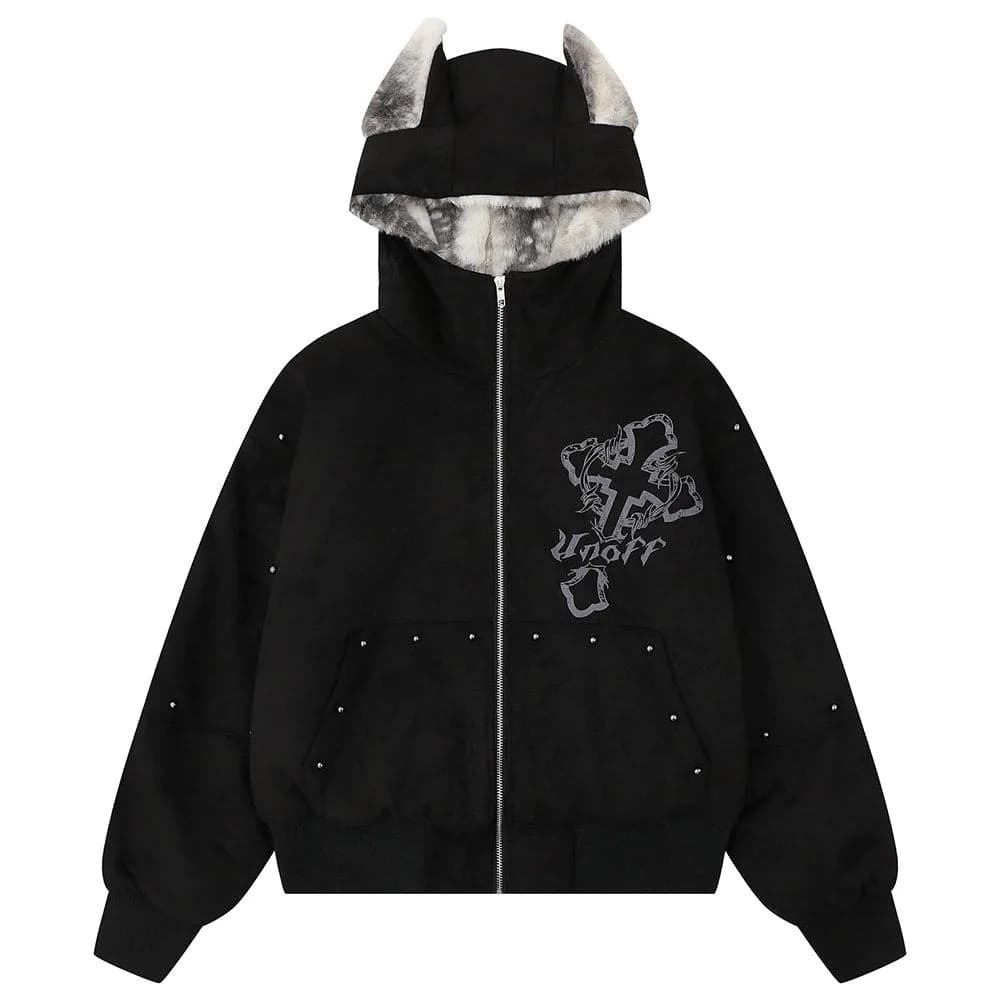
For a textured, statement outerwear piece, the 2000s Striped Faux Fur Zip-Up Hoodie provides distinct early-2000s volume with its bold black and grey stripes. When styling an outerwear layer this tactile, keep the inner top simple; a basic dark scoop or crew neck avoids visual competition. If you prefer experimental grunge elements, the Fawn Ear Grunge Hooded Jacket introduces playful ear details on the hood and comes in black or grey polyester, working well with high crew necks and layered thermals.
- Fitted jackets: Best layered over baby tees and thin tanks to prevent sleeve bunching.
- Oversized fleece: Ideal over thick graphic tees and layered double-sleeve shirts.
- Collar clash: Always let hood fabrics rest cleanly outside jackets to avoid bulky necks.
10. Low-Rise vs. High-Waisted Bottom Pairings
Waistline placement fundamentally dictates how the cut of your top is perceived. During the mid-2000s peak of emo style, low-rise bottoms ruled supreme, creating a long-torso, short-leg proportion. In contrast, modern styling frequently incorporates high-waisted silhouetteThe overall shape an outfit creates, from fitted to loose and layered.s that shorten the torso and lengthen the legs. Deciding between them depends on where your top's hemline finishes.
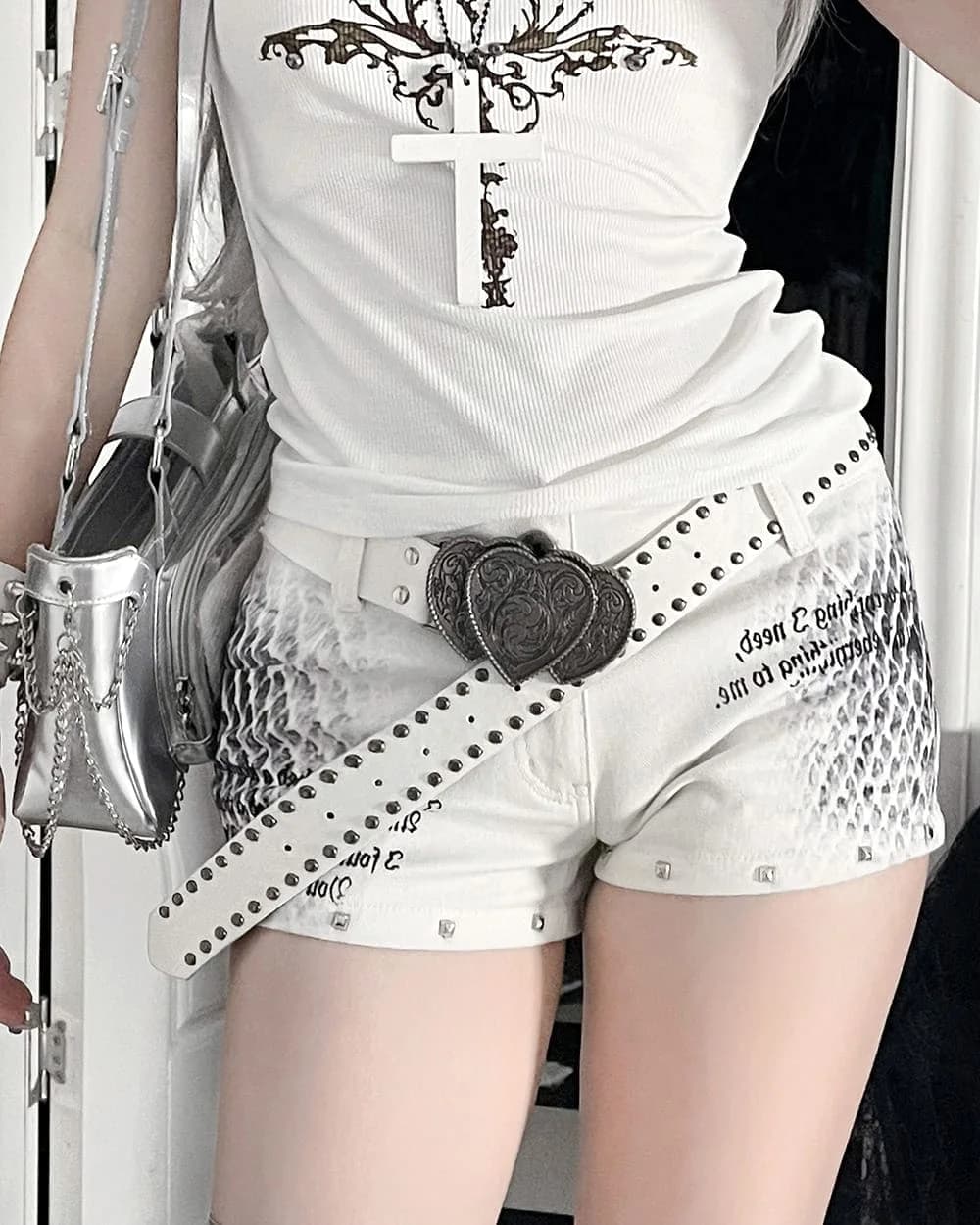
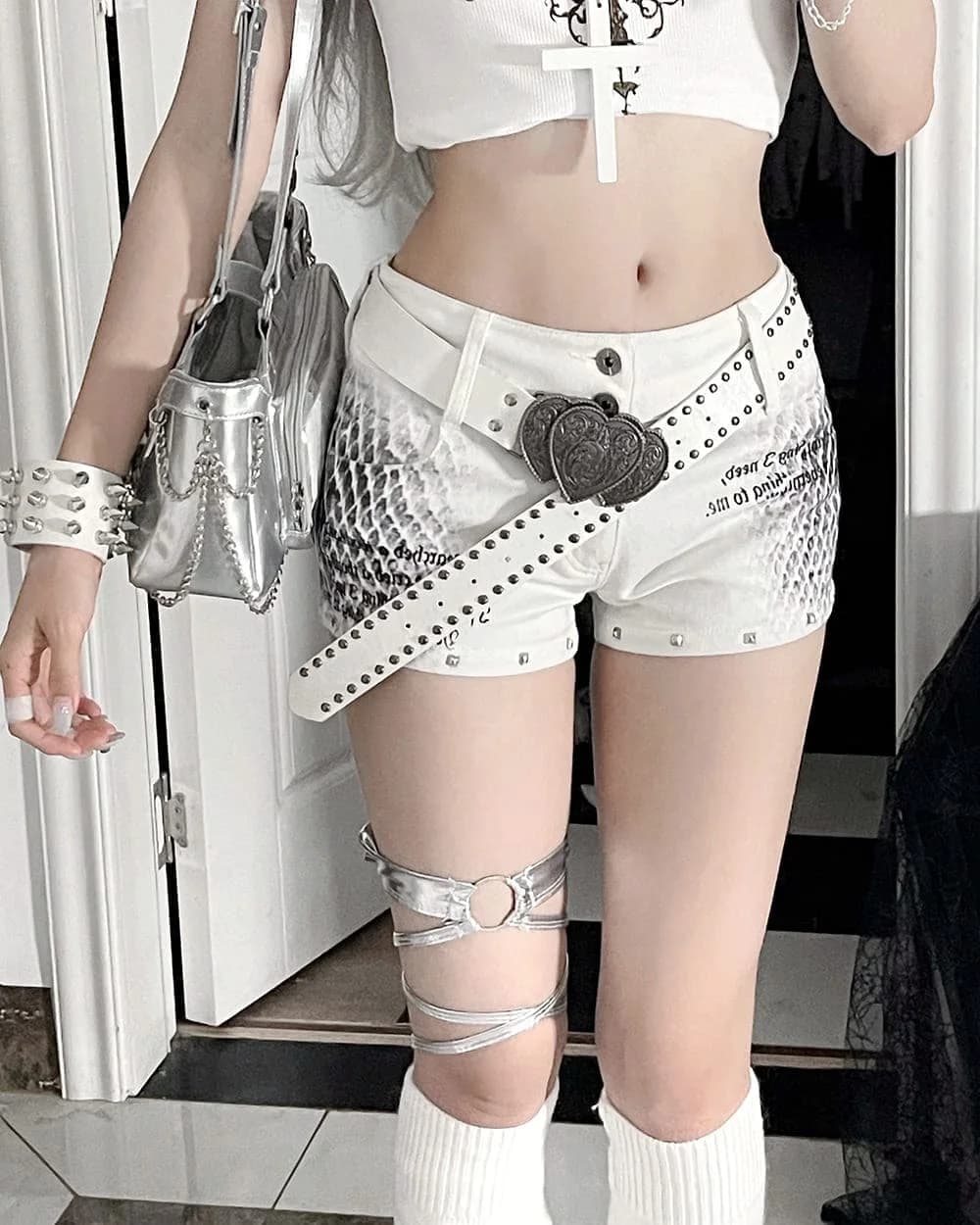
When wearing cropped emo cuts or shrunken baby tees, pairing them with low-rise pants exposes the midriff and emphasizes belt hardware. A wide studded belt slung diagonally across low-rise hips provides authentic mid-2000s energy. If you opt for an elongated top or a tunic-length thermal, pairing it with low-rise bottoms can drop the waistline too low, creating an unbalanced look. In that scenario, tucking the long top into high-waisted skinny jeans or wide trousers restores balance and establishes clear leg lines.
For shorts, the waistline interaction is even more pronounced. A fitted graphic tank looks sharp when paired with low-waisted distressed denim shorts, highlighting hip accessories. Conversely, high-waisted shorts require tops that can either be cleanly tucked in or finish right at the top button line, preventing bunching around the belly.
- Cropped tops: Pair with low-rise denim for authentic Y2K and mid-2000s proportions.
- Longline shirts: Tuck into mid-to-high waists to maintain legible leg length.
- Belt integration: Use low waists to display double-stacked or diagonally slung belts.
11. Proportion Rules: Tight Tops vs. Baggy Bottoms (and Vice Versa)
Mastering silhouetteThe overall shape an outfit creates, from fitted to loose and layered. proportions prevents alternative outfits from looking like random assortments of dark clothing. The golden rule of silhouetteThe overall shape an outfit creates, from fitted to loose and layered. balancing relies on contrast: pair tight tops with loose bottoms, or loose tops with slim bottoms. Wearing tight-on-tight can look dated or flat without extreme textural contrast, while baggy-on-baggy can overwhelm your frame unless carefully structured.
Tight tops, such as baby tees, ribbed tanks, and fitted zip jackets, pair naturally with voluminous bottoms like wide-leg cargos, flare denim, and pleated skirts. The narrow upper body allows the eye to appreciate the drapery, pocket hardware, and heavy footwear below. This silhouetteThe overall shape an outfit creates, from fitted to loose and layered. provides all-day comfort while maintaining an athletic, intentional shape that reads cleanly from a distance.
Conversely, oversized emo tops—like drop-shoulder graphic tees, slouchy vintage tunics, or loose knit sweaters—demand slimmer lower-half companions. Classic black skinny jeans, tapered utility trousers, or fitted bike shorts stop oversized tops from feeling like nightwear. If you do attempt an all-oversized silhouetteThe overall shape an outfit creates, from fitted to loose and layered., ensure your ankles or wrists remain visible, or break the torso with a cross-body bag to give the fabric structure.
- Tight top formula: Combine with wide-leg cargos, skater trousers, or flared jeans.
- Oversized top formula: Balance with skinny denim, slim leg warmers, or bike shorts.
- Structure check: Use cross-body straps or hip belts to define loose fabric forms.
12. Styling Tops for Shifting Weather and Seasons
Alternative styling requires functional adaptability when temperatures drop or climb. Because emo fashion relies heavily on layered aesthetics, changing seasons offer practical opportunities to introduce new textures, provided you select tops that accommodate the weather. Fabric weight and cut determine whether a look keeps you comfortable or leaves you shivering or overheating.
During warm summer months, prioritize breathable polyester blends and cotton tanks. Wide scoops, sleeveless cuts, and breathable cropped tops allow airflow. If you miss the visual weight of cold-weather layers, replace heavy outerwear with lightweight fishnet arm sleeves, open-mesh over-shirts, or loose mesh vests. These accessories inject classic grunge-emo visual texture without trapping unnecessary body heat around your torso.
In cold weather, thermal regulation relies on base layer construction. Start with a fitted baby tee or high crew neck as your foundation layer against the skin. Add a long-sleeve striped thermal or waffle knit over it, and finish with a heavier piece from your collection of Emo Clothes, such as a fleece zip-up hoodie or structured utility jacket. This lets you peel off outer shells indoors without losing the emo aesthetic of your base layers.
- Summer layeringWearing pieces over or under one another to add depth, warmth or contrast.: Use lightweight mesh or fishnet arm warmers in place of heavy jackets.
- Winter base: Keep snug cotton or polyester tees as the heat-retaining foundation.
- Transition tip: Unzipped hoodies over graphic tees allow quick ventilation adjustments.
13. Common Styling Mistakes to Avoid
One frequent styling misstep is wearing neck hardware that directly clashes with the shirt's collar seam. A chunky O-ring choker placed over a high, thick crew neck creates bulk, causing the collar fabric to bunch up awkwardly. Jewelry should either sit comfortably on bare skin above the collar or hang low enough over the shirt to swing freely without catching the hem.
Another pitfall is failing to account for top length when picking jackets. Wearing an outer jacket that hits two inches shorter than your inner graphic tee creates an unintended stepped hemline that cuts your torso into awkward visual segments. Either commit to a significantly longer outer coat, a cleanly cropped jacket that stops precisely at the waistband, or an unzipped hoodie that aligns closely with your shirt hem.
Finally, avoid combining too many competing graphic elements across the chest and bottoms. If your top features an elaborate graphic like a skull, typography, or animal print, avoid wearing pants with intense, competing pictorial prints. Pair graphic tops with solid bottoms, subtle pinstripes, or muted plaid. Let one piece serve as the visual centerpiece so your outfit looks intentional rather than chaotic.
- Collar clash: Don't let chokers overlap crew neck fabric; keep them separate.
- Hemline alignment: Avoid inner shirts that peek out awkwardly beneath short jackets.
- Print overload: Pair busy graphic tops with solid or subtly patterned pants.
14. The Emo Top Styling Checklist
Before stepping out, run through a quick mental checklist to ensure the neckline, cut, and lower-body proportions work together as intended. Checking your silhouetteThe overall shape an outfit creates, from fitted to loose and layered. in a full-length mirror from both the front and side angles helps you spot awkward hem bunches or accessory crowding that might not be obvious when looking straight down.
First, inspect your neckline and accessory spacing. If your collarbone is exposed, determine whether your chest hardware fills that void naturally or leaves it feeling bare. If you are wearing a crew neck, ensure your necklaces drape cleanly over the fabric without flipping over the collar ribbing. Next, assess the waist transition: verify that your top's hemline matches the rise of your pants, and confirm that belts or hip chains remain visible and functional.
Lastly, check overall volume balance. If your top is snug, confirm that your bottoms provide sufficient shape or weight, particularly around the footwear. If your top is oversized, ensure your lower legs maintain definition so the overall shape stays grounded. Running through this checklist guarantees a balanced alternative look tailored directly to your top's unique cut.
- Neckline clearance: Hardware rests cleanly without fighting the collar seams.
- Proportion check: Contrast verified between fitted upper halves and looser lower halves.
- Hemline check: Waistband, belt hardware, and shirt hems sit flat without bunching.