Created by the Kawaii Vibe editorial team. Our named style desks are editorial personas. Product details and availability can change.
Building a fairy grunge outfit starts from the upper silhouetteThe overall shape an outfit creates, from fitted to loose and layered. down. Because this subgenre relies heavily on worn textures, earthy tones, raw hems, and delicate nature motifs, the neckline and hemline of your shirt dictate how the rest of your clothes need to sit. If you pick an open, scooped neckline, your neck and collarbone become an open canvas for heavier cord necklaces or exposed camisole straps. If you grab an oversized graphic tee, your bottom half needs structural definition so the fabric does not swallow your frame completely.
Getting the look right means looking past colors alone and examining garment cuts. A tight, cropped cut requires a completely different pairing strategy than a flowing, asymmetrical mesh top. When you understand how a neckline alters your vertical balance and how a waist cut directs attention to your waistband, choosing pants or skirts becomes straightforward rather than a guessing game.
This guide breaks down specific upper cuts, from square necks and deep scoops to high-cut collars and slashed long sleeves. By matching specific hems with complementary trousers, tiered skirts, or low-slung denim, you can assemble cohesive outfits suited for warm afternoons, damp evenings, and transitional weather without losing the tactile mood that defines the aesthetic.
1. The Anatomy of Necklines in Earthy Alternative Style
Every outfit starts with where fabric meets skin, and the neckline determines your upper visual balance. In fairy grunge, wide necklines such as scooped boat necks, off-the-shoulder cuts, and deep squares are common because they allow underlayers to show through. When you wear a wide collar, you create negative spaceAn uncluttered area that gives the rest of a design room to stand out. that balances heavier garments below, such as bulky cargo pockets or thick-soled combat boots. If a neckline is too tight or high without intentional distressing, the look can lean more toward standard streetwear than textured alt style.
The choice of neckline also changes how you handle accessories and shoulders. An open square neckline draws the eye horizontally across your collarbones, which pairs cleanly with layered chokers, tarnished silver chains, or rough-cut crystal pendants. In contrast, an off-the-shoulder boat neck emphasizes natural drape and sloping shoulders, making distressed ribbing and visible bra or tank straps part of the overall composition rather than a distraction.
When browsing through various fairy grunge tops, look closely at how the collar is finished. Raw edges, rolled collars, and subtle lace trims each communicate a different mood. A clean-hemmed scoop neck leans versatile and easy to layer, while a notched or raw-cut crew neck brings an immediate distressed edge that can stand on its own over simple jeans.
- Boat and off-the-shoulder necks show off contrasting strap underlayers.
- Square cuts create crisp geometric framing for chunky stone or metal jewelry.
- Deep scoops soften angular layers like boxy jackets or stiff denim jackets.
2. Styling Asymmetrical and Pixie-Cut Tops
Asymmetrical cuts introduce movement before you even take a step. Pixie-pointed hems, single-shoulder straps, and diagonal draping pull the eye downward at an angle, breaking up the standard boxy outline of modern clothing. When you choose a top with an uneven lower edge, your bottom layer needs to accommodate that drop. Wearing a stiff, high-waisted pant with a rigid waistband can fight an asymmetrical hem, causing the fabric to bunch awkwardly over one hip while hanging loosely over the other.
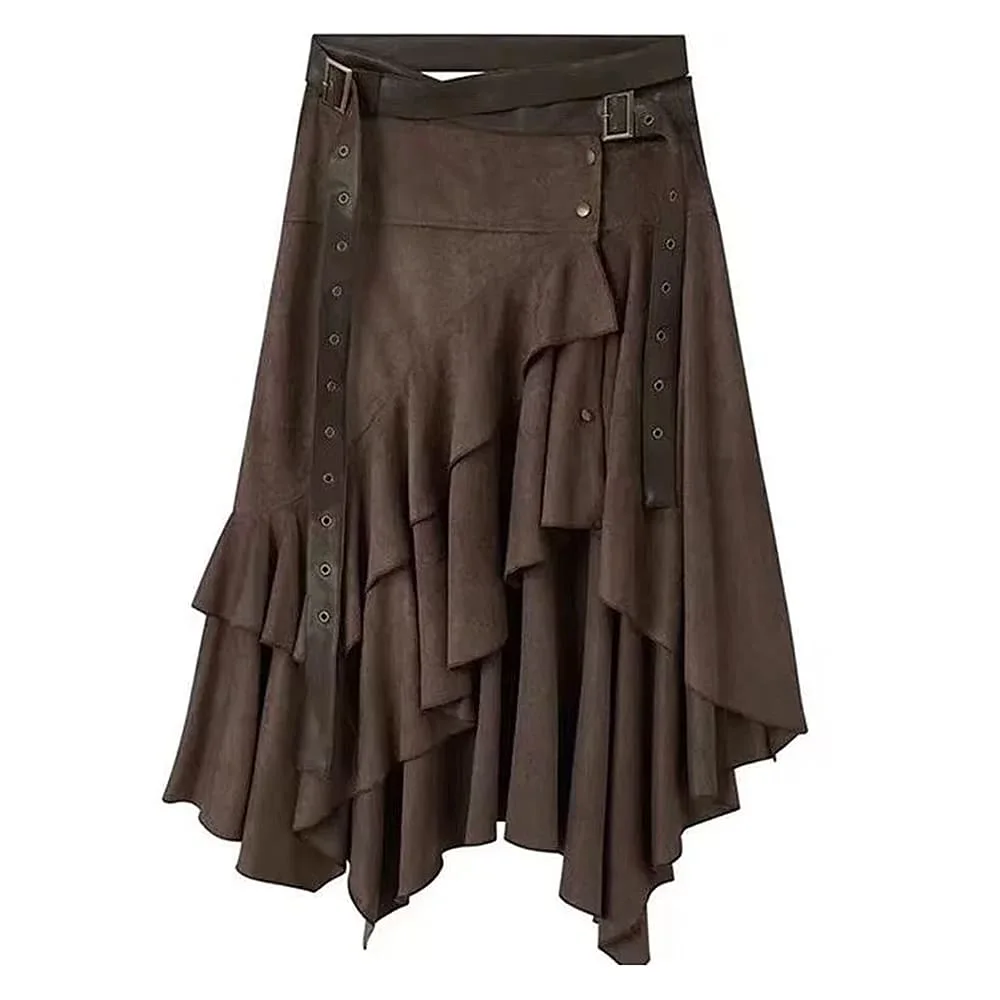
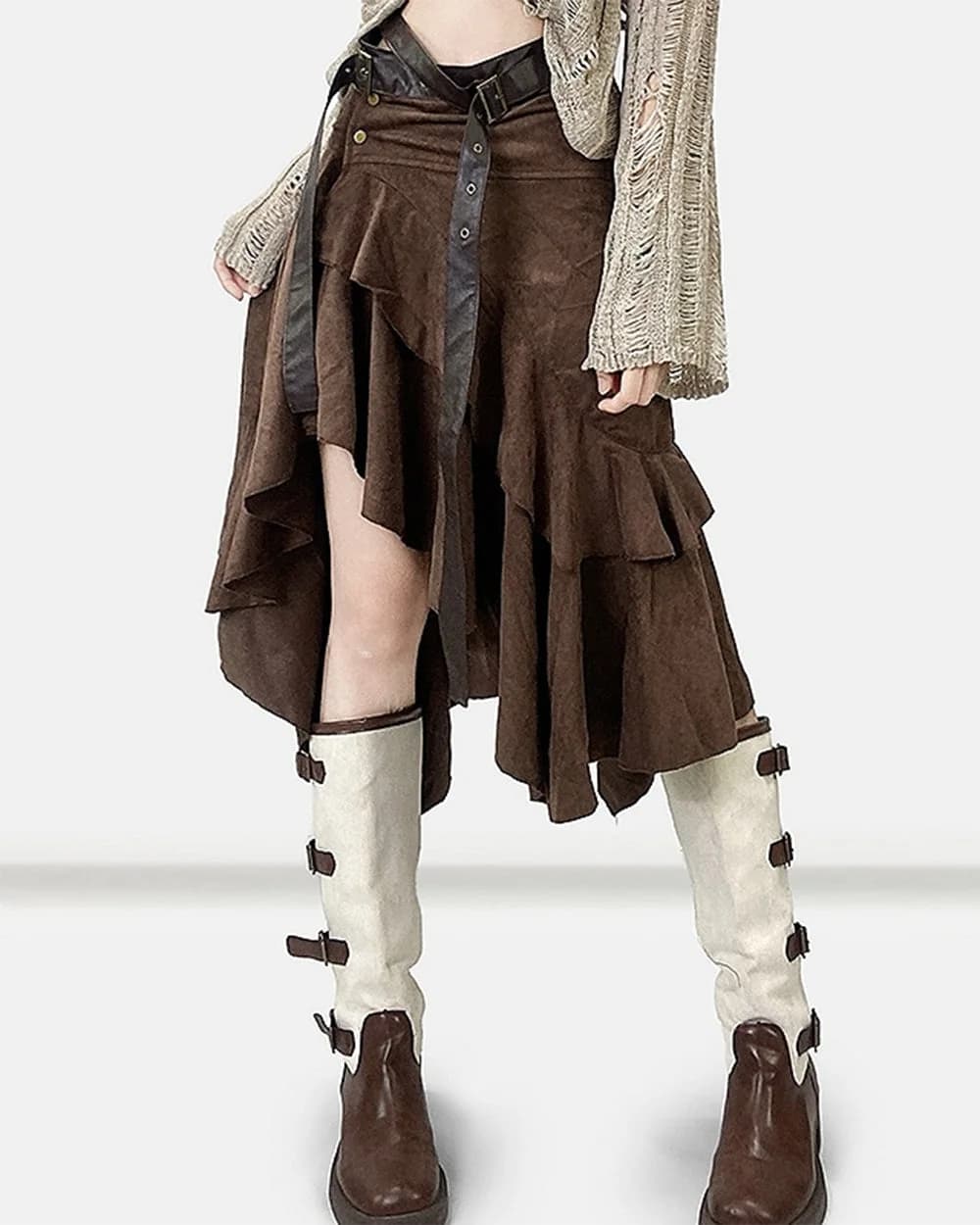
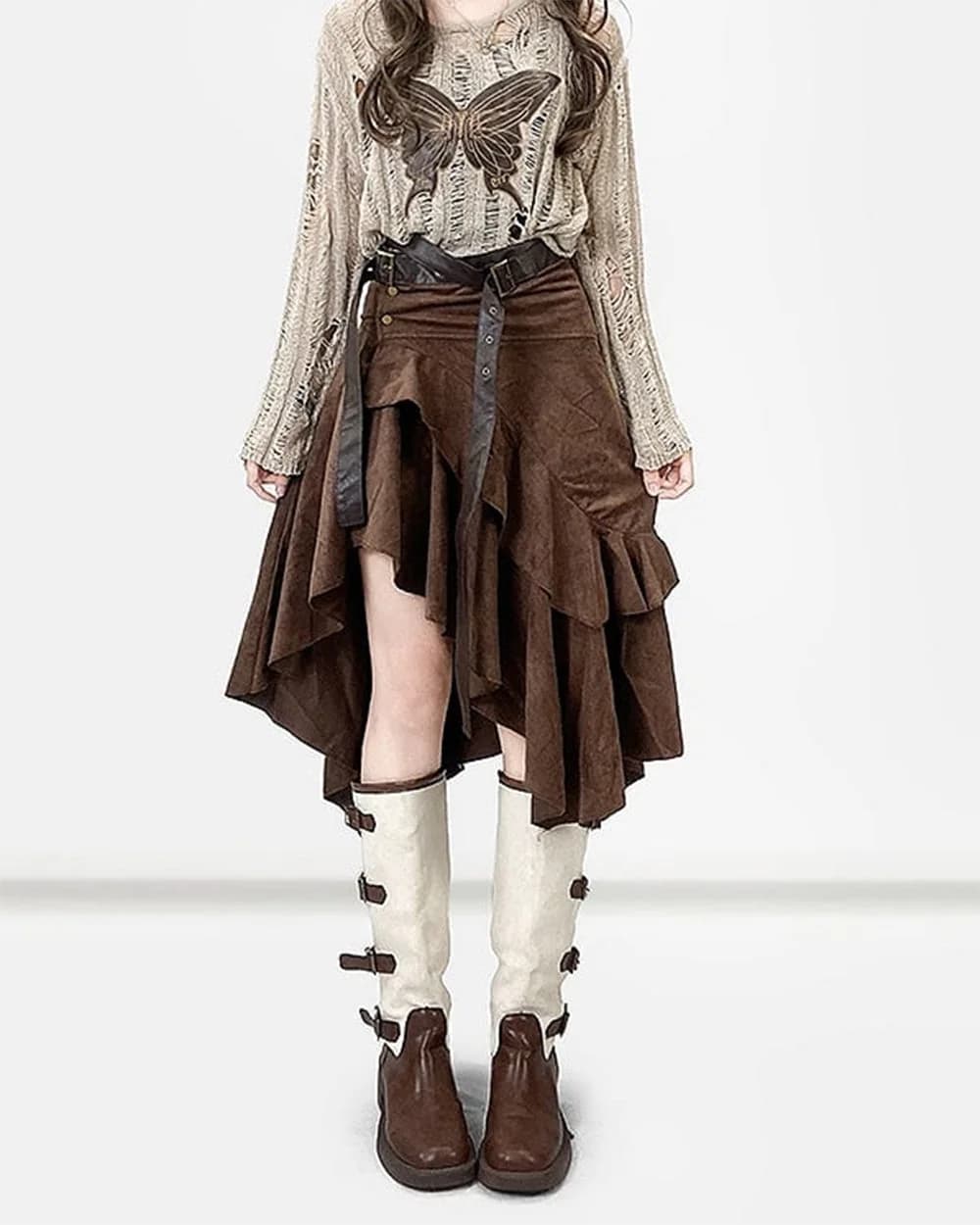
A reliable pairing for an irregular hem is a bottom with its own fluid movement or vertical seams. For example, the Fairy Grunge Asymmetrical Skirt, constructed from brown polyester, creates a mirrored dialogue with uneven top hems. The sloping lines of the skirt complement the points of a draped tunic or handkerchief top, avoiding the sharp horizontal cutoff that conventional pants create.
If you prefer trousers, reach for relaxed legs that sit lower on your hips rather than right at your natural waist. Giving the top extra breathing room allows the lowest point of the hem to float over the fabric instead of catching on belt loops. For footwear, grounded platforms or laced boots keep the flowing lines anchored so the overall shape does not look floaty without weight.
- Pair diagonal hem points with low-slung waistbands to avoid fabric bunching.
- Match pointed top hems with fluid, unconstructed skirts for flowing motion.
- Anchor uneven silhouetteThe overall shape an outfit creates, from fitted to loose and layered.s using grounded footwear with textured lug soles.
3. Wide Scoop Necks and Layered Camisoles
A classic scoop neck provides the ultimate base for visible layeringWearing pieces over or under one another to add depth, warmth or contrast., an essential technique in darker cottage and fairy wardrobes. A basic scoop worn alone can sometimes look plain, but sliding a lace-trimmed tank underneath instantly transforms the neckline into something textured. The lower scoop of the outer shirt frames the delicate upper trim of the underlayer, giving you color contrast between washed olive, charcoal, or faded taupe.
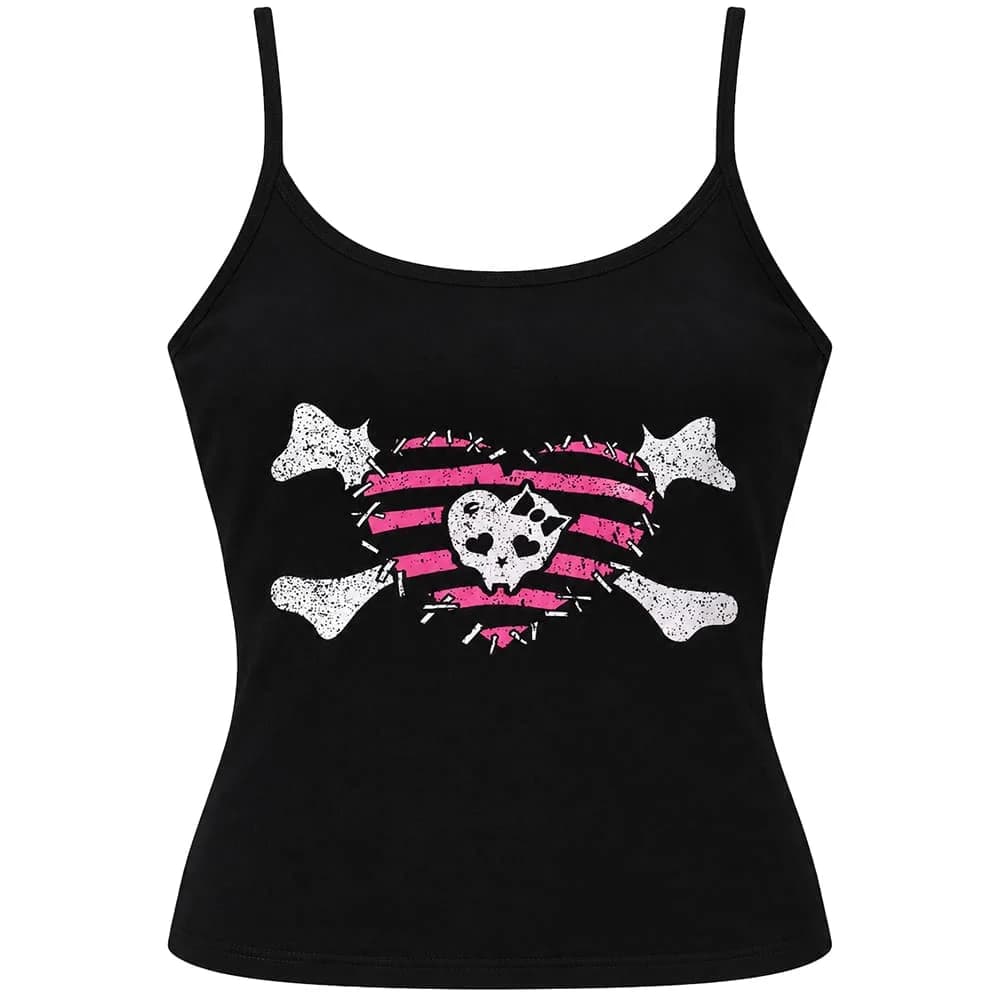
This arrangement is where specialized basics come in handy. Exploring fairy grunge tank tops gives you underlayer choices with ribbed fabrics, thin spaghetti straps, or subtle lace borders. When you pair an olive scoop neck over an off-white or washed black camisole, you gain depth around the collarbone without adding heavy bulk to your midsection, which is particularly helpful during humid or warm days.
Down below, balance this airy, layered neckline with bottoms that hold clean structure. Tailored utility skirts or dark-wash jeans prevent the top half from looking like loungewear. Because a scoop neck lengthens the perceived line of your neck, it also leaves space for longer pendant chains that sit midway down your chest, tying the tones of your top layer into your belt hardware.
- Contrast deep scoop outer shirts with lighter, lace-trimmed camisoles beneath.
- Use multi-strap tanks to add strap detail across otherwise bare shoulders.
- Keep bottoms structured when wearing thin, layered jerseys up top.
4. Pairing Cropped Graphic Fits with Floor-Sweeping Maxi Skirts
Cropped shirts create a high horizontal waist break, making your legs look longer while keeping your torso compact. When dealing with nature-inspired graphics or localized patches, keeping the hem above the hip avoids visual clutter around pocket lines. A fitted, shorter shirt prevents graphic prints from becoming distorted by folds or getting tucked halfway into pockets.
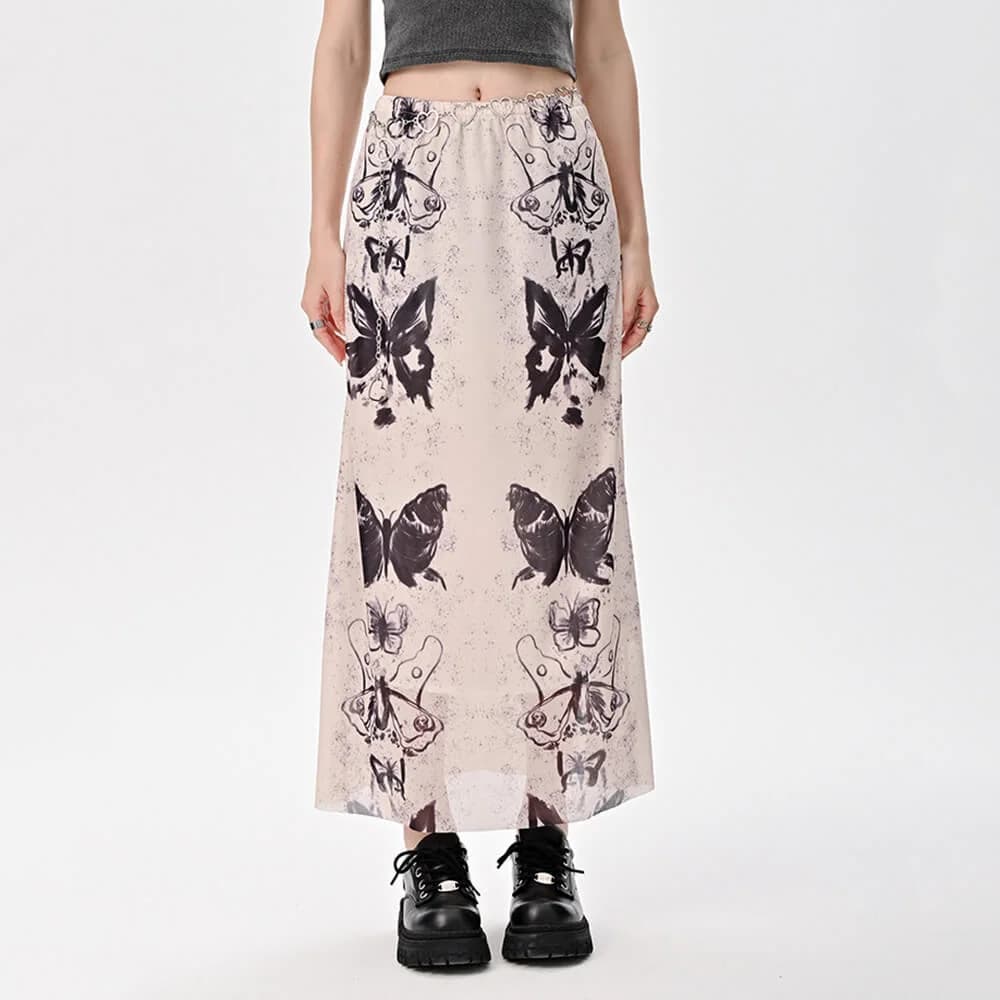
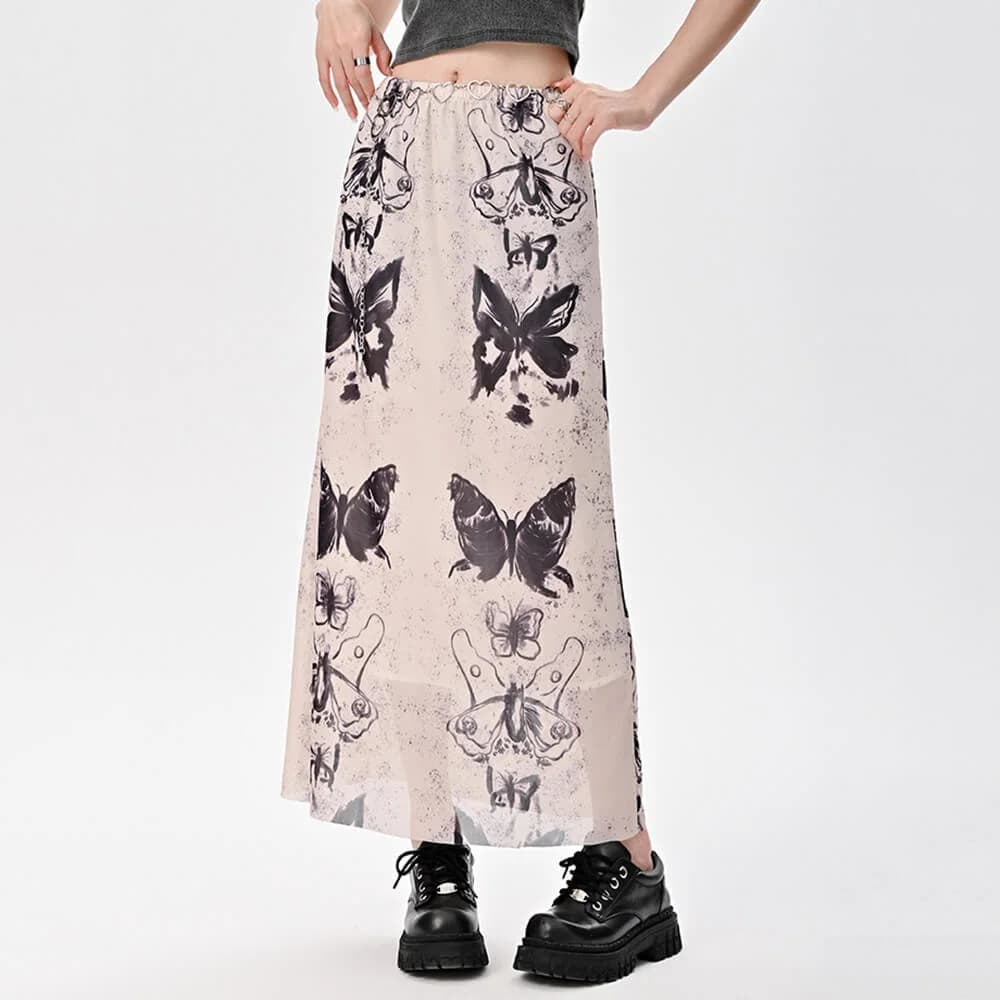
A natural match for this upper profile is the Fairy Grunge Butterfly Maxi Skirt, made from beige and black polyester in a Free Size cut. Because the maxi skirt drapes straight to the floor, pairing it with a shorter shirt sets up an immediate proportion balance: one-third upper body, two-thirds lower body. This classic proportion works across body types and lets the print on both the shirt and skirt breathe without overlapping awkwardly.
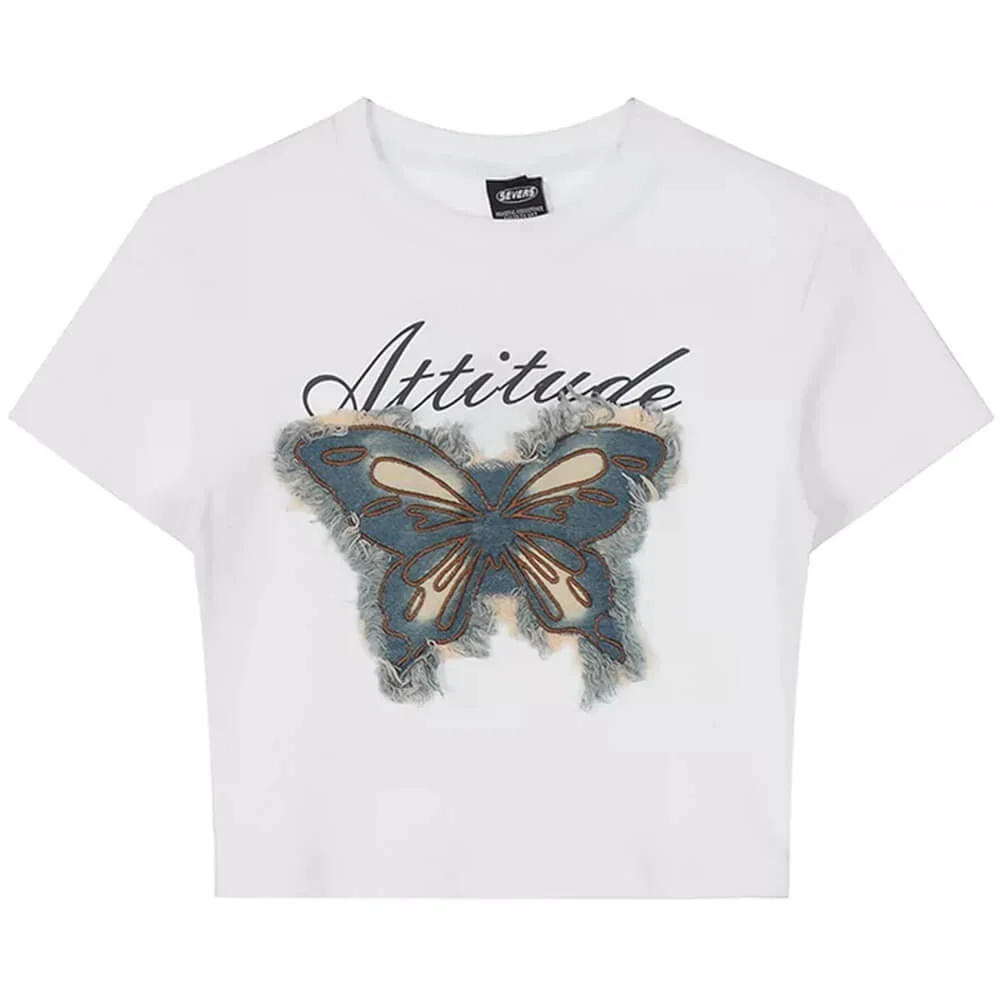
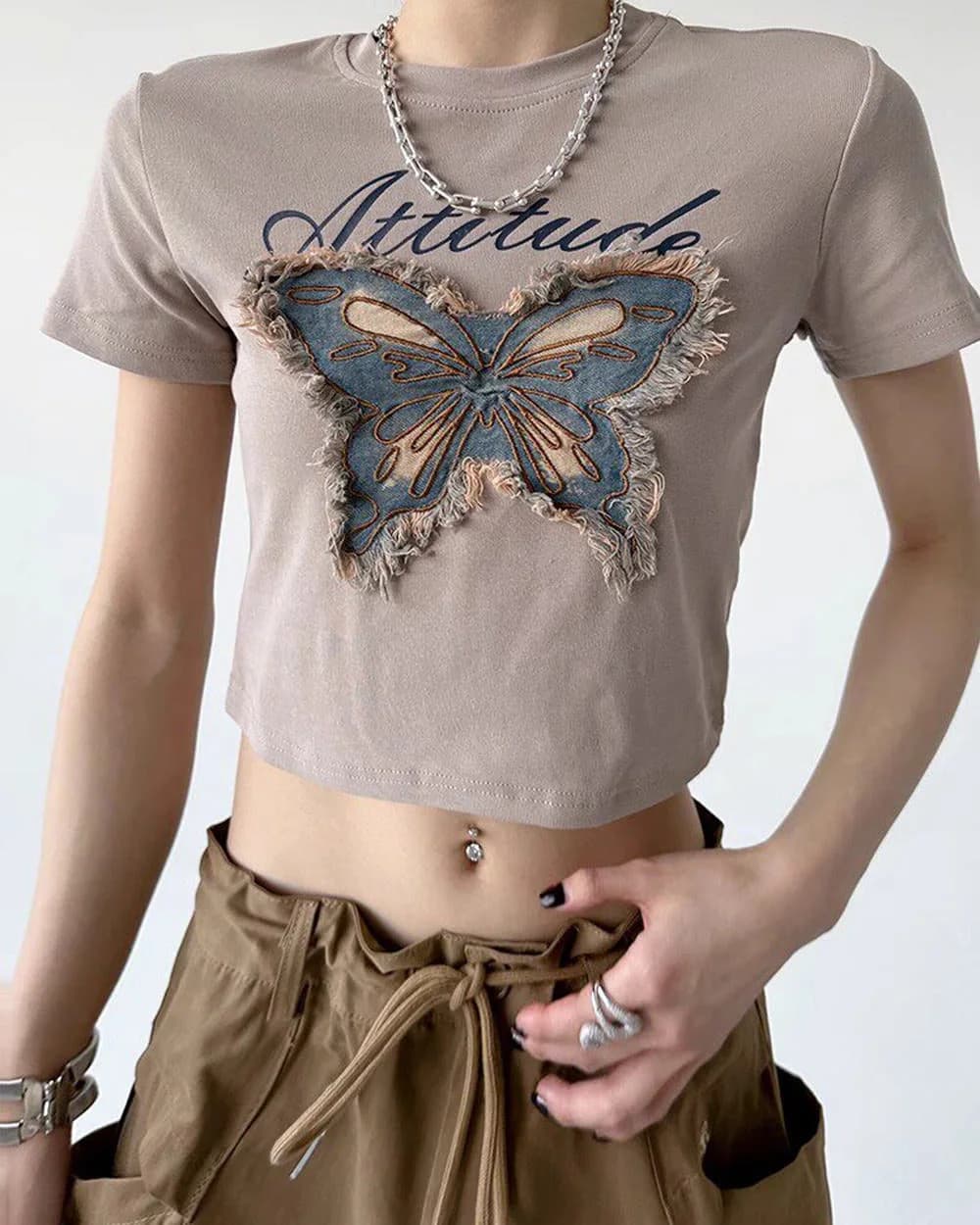
For tops featuring centered motifs, such as the Fairy Grunge Butterfly Patch Top available in beige or white cotton and polyester, the compact silhouetteThe overall shape an outfit creates, from fitted to loose and layered. works in tandem with the skirt's sweep. The snug fit keeps your upper body defined, ensuring the gathered volume of the skirt does not overwhelm your overall silhouetteThe overall shape an outfit creates, from fitted to loose and layered.. Finish this pairing with flat canvas shoes or low combat boots so the hem grazes the ground naturally.
- Short, fitted hems balance the wide drape of floor-length skirts.
- Keep graphic patches centered and clear of overlapping waistbands.
- Choose flat, heavy shoes to keep extra-long skirts grounded.


5. Long Sleeve Knits and Flared Lower Silhouettes
Fitted long-sleeve tops with open or notched collars bring an elongated silhouetteThe overall shape an outfit creates, from fitted to loose and layered. that feels grounded in early-2000s grunge. The extended sleeves, particularly those that reach down toward the knuckles or feature thumbholes, draw visual weight to your hands and wrists. This creates a long, lean vertical frame on top that can look unbalanced if your pants are cut too tight at the ankle. Skinny cuts combined with tight sleeves can make an outfit look constricted.
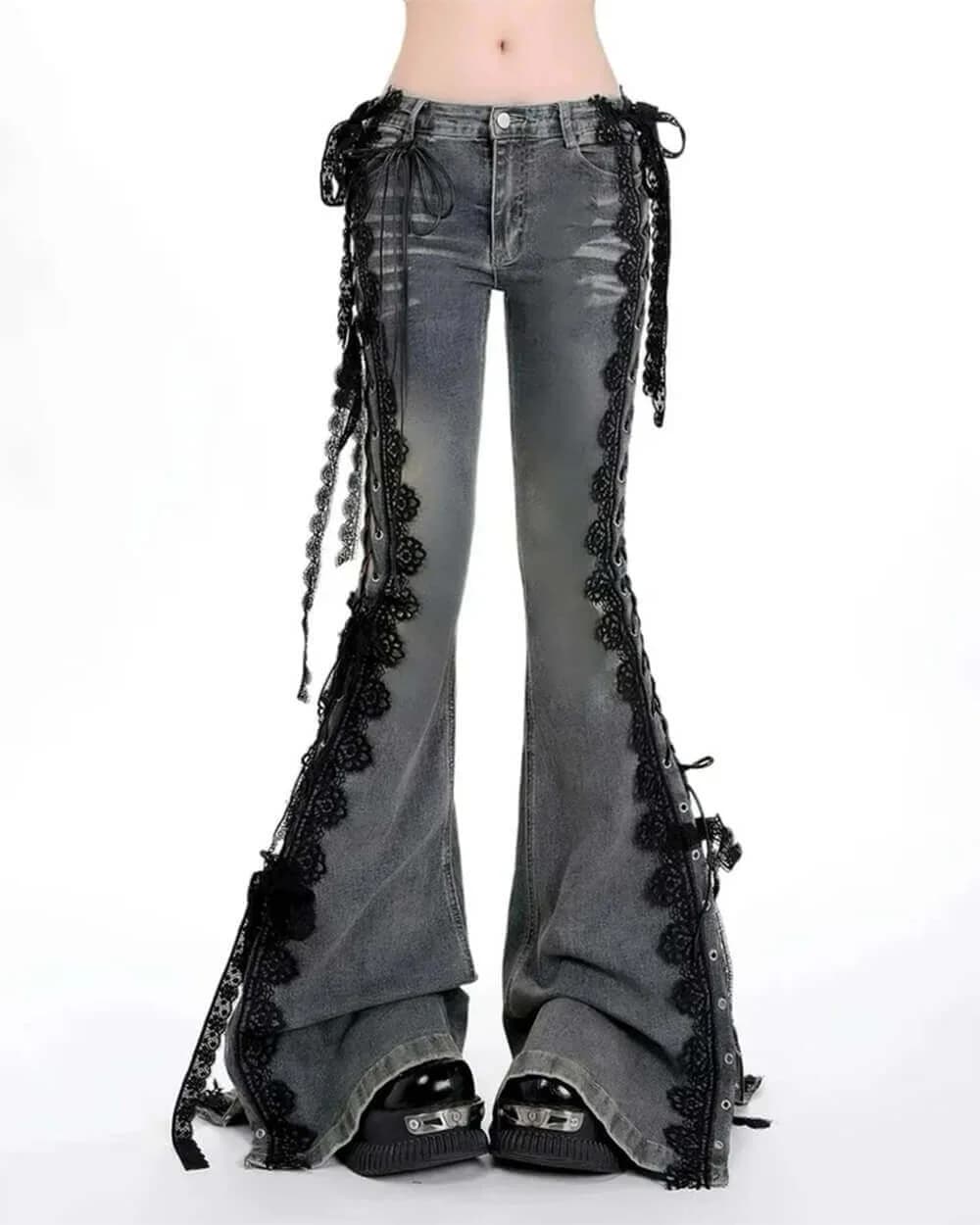
To provide counterbalance, flared denim works exceptionally well. The Fairy Grunge Lace Up Flared Jeans in blue denim offer a wide leg opening that mirrors the visual width of your shoulders, creating an hourglass or balanced column shape. The front lace-up detail also adds textural interest at the midsection, making it a great companion for tops that hit right at the waistband.
For a dedicated earthy combination, consider the Fairy Grunge Butterfly Long Sleeve Top in brown polyester. The rich brown fabric and long arms sit naturally against faded blue denim. When wearing this pairing, choose chunky platform shoes or square-toed boots that peek out from the wide hems of your jeans, completing the lower flare and keeping the hem off wet ground.
- Widen your lower leg line with flares to balance clingy, extended sleeves.
- Tuck form-fitting knit tops smoothly into lace-up denim waistbands.
- Wear chunky platforms so flared hems sit upright without puddling.

6. Balancing Oversized T-Shirts with Fitted Minis
Oversized graphic tees are a mainstay in casual street styling, but they can easily swallow subtle fairy details if left unstyled. A broad crew neck and dropped shoulders hide your natural frame, creating a boxy square from shoulder to mid-thigh. While this is great for relaxed lounging, building a deliberate street outfit requires intentional contrast below the hemline.
The solution is pairing a loose shirt with a short, fitted or pleated lower half. The Fairy Grunge Lace Up Denim Pleated Skirt in blue denim brings crisp pleats and lace-up details that cut through the softness of a worn tee. You can tuck the front of the shirt loosely into the waistband to highlight the lace-up cord, or leave it untucked so only two or three inches of pleated denim peek out beneath the hem.
Browsing wider selections of fairy grunge t-shirts will give you options ranging from washed charcoal moth prints to faded forest landscape graphics. When working with heavier cotton shirts, balance the leg exposure using sheer distressed tights, fishnets, or ribbed leg warmers over chunky derbies. This keeps the look layered and dynamic rather than looking like an ordinary oversized shirt on bare legs.
- Front-tuck wide tees to expose front waistband details and define the waist.
- Use structured pleated denim to contrast the slouch of worn jersey cotton.
- Add ribbed leg warmers or tights to bridge the gap between mini skirts and heavy boots.
7. Square Necklines and Tiered Bottoms
Square necklines bring an antique, romantic quality to an outfit that contrasts nicely with grunge's rougher edges. By framing your collarbone with straight horizontal and vertical lines, a square cut sharpens your upper half. This geometric shape stands out when placed against relaxed or organic silhouetteThe overall shape an outfit creates, from fitted to loose and layered.s, making it a favorite for cottage-leaning ensembles that still incorporate darker palettes.
To complement the romantic structure of a square collar, tiered skirts and ruffled hems make a natural match. The Fairy Grunge Ruffled Mini Skirt in red cotton and polyester adds bold color and textural layers that echo the historical feel of a square neck. The deep red shade injects warmth into an aesthetic often dominated by moss greens, muddy browns, and washed blacks, giving your outfit a distinct focal point.
When balancing this combination, keep outerwear slightly relaxed. A distressed, oversized knit cardigan or an unbuttoned canvas overshirt prevents the ruffled skirt and square neck from feeling too tidy or formal. Leave the neck area open without bulky scarves so the crisp line of the collar stays visible, accented only by delicate metallic chains or layered velvet ribbons.
- Use crisp square collars to anchor soft ruffles and tiered skirts.
- Introduce deep jewel tones like muted red to break up muddy neutrals.
- Layer with relaxed, open cardigans to maintain an undone, casual feel.
8. Square Cuts Versus Scoops: Choosing for Your Frame
When shopping for your wardrobe, deciding between a square cut and a deep scoop comes down to how you want to frame your shoulders and neck. Neither cut is universally better; they simply create different optical illusions. A square cut visually broadens narrow shoulders because the eye tracks the horizontal strap placement, which helps balance out wider hips or voluminous maxi skirts below.
Deep scoop necks, by contrast, pull the gaze downward in a soft curve. This vertical pull creates the appearance of a longer neck and softens broader shoulders. If you prefer wearing chunky cargo bottoms with wide utility pockets, a scoop neck helps prevent the top half of your body from looking overly square or stiff. It introduces fluidity that works alongside heavy industrial pockets and buckles.
Take a look at your jewelry and jacket collection when deciding. If you wear broad-collared jackets like weathered leather bombers or oversized workwear coats, a scoop neck stays visible underneath without competing for collar space. If you prefer collarless cardigans or open kimonos, a square neckline provides a clean geometric border that frames your neck clearly against the outerwear.
- Pick square necklines to add shoulder presence and balance wide-sweeping skirts.
- Select scoop necks to soften broad shoulders and complement bulky cargo pants.
- Consider how your regular jackets sit; wide lapels pair more smoothly with scoops.
9. Layering Outerwear over Bulky and Hooded Cuts
Styling tops is not just about thin shirts; outerwear, hoodies, and thick fleeces often act as the primary top layer in cool weather. Hooded pieces introduce considerable bulk around the back of the neck and shoulders. If you wear an oversized hooded sweatshirt over wide, unshaped sweatpants, the entire outfit loses its street-ready edge and drifts into shapeless comfort wear.
A piece like the Fairy Grunge Studded Butterfly Hoodie, made from grey cotton and spandex, features metallic stud accents and butterfly detailing that deserve to stand out. Because the hoodie has its own visual weight and collar volume, your bottoms need clear shape and texture to keep the outfit intentional. Slimmer distressed denim, straight-leg cargo pants, or structured denim minis offer the necessary contrast.
To take this hooded piece further in transitional weather, layer a cropped utility vest or an open denim jacket underneath the hood. Pulling the hood out over an outer collar frames the head and adds depth around the jawline. This stacked approach keeps you warm without hiding the butterfly graphic and metallic hardware that give the sweatshirt its character.
- Pair thick, hooded tops with structured bottoms to avoid a sloppy look.
- Pull hoods outside jacket collars to create deliberate collar layeringWearing pieces over or under one another to add depth, warmth or contrast..
- Look for metal hardware like studs to add grit to soft grey jersey fabrics.
10. Integrating Utilitarian Pants with Soft Top Silhouettes
Fairy grunge balances soft, romantic fabrics with tough, utilitarian bottoms. When you select a shirt made from sheer mesh, delicate cotton, or thin ribbed knit, pairing it with equally delicate pants can make the outfit feel fragile. Grounding that soft top with rugged workwear elements creates the friction that defines alternative street style.
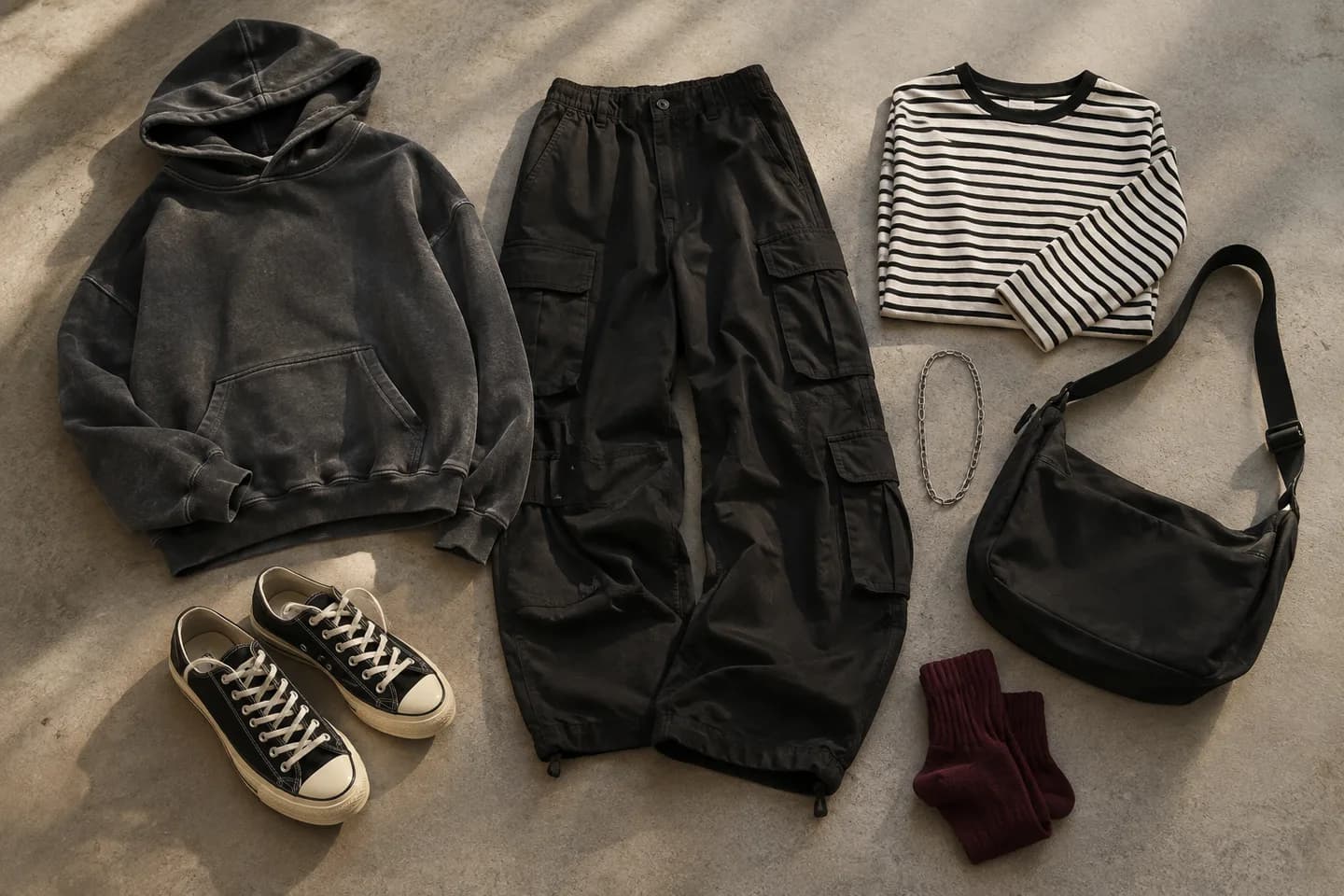
Exploring the wider category of fairy grunge pants provides access to cargo trousers with utility straps, low-rise washed jeans, and multi-pocket canvas pants. A tight, lace-trimmed camisole or a semi-sheer butterfly top pairs naturally with heavy multi-pocket cargos. The contrast between delicate upper straps and rugged, reinforced knee seams produces an effortless balance between woodsy fantasy and urban utility.
To keep proportions balanced when wearing wide utility pants, ensure your top hits either above the hip bone or tucks in securely. Leaving a long, loose top un-tucked over baggy utility pants erases the waistline entirely, which can make you appear weighed down. Use a tarnished eyelet belt to mark the transition between your soft top layer and stiff lower canvas.
- Contrast fine lace and mesh tops with heavy canvas cargo pants.
- Secure tops at the waist with eyelet belts when wearing wide utility cuts.
- Let hardware like D-rings and pocket clips balance bare necklines and shoulders.
11. Weather Adaptations: From Warm Days to Damp Chill
Alternative outfits need to function across changing seasons without sacrificing aesthetic identity. In hot or humid climates, your entire look relies on a single top and bottom pairing, meaning the cut of that top must do all the heavy lifting. Lightweight cotton-blend shirts with open boat necks or sleeveless tank cuts keep you cool while still fitting the earth-toned palette. Pairing a breathable cotton top with a lightweight mini skirt keeps air flowing while staying true to the style.
As the temperature drops, layeringWearing pieces over or under one another to add depth, warmth or contrast. becomes your primary styling tool rather than an afterthought. Instead of swapping your favorite fairy top for an unrelated heavy winter coat, layer systematically from the skin outward. Start with a thermal scoop-neck underlayer, add your graphic tee or long-sleeve knit, and finish with a distressed knit cardigan or chore coat. This preserves your neckline choices and graphic elements without leaving you shivering.
Damp, rainy weather requires practical fabric choices. Long skirts with delicate hems can soak up puddle water quickly, so damp days are the ideal time to swap maxi skirts for tailored flares or cuffed cargo trousers paired with water-resistant boots. Ensure your outer knitwear contains tight enough ribbing to resist chilly breezes while letting frayed inner hems peek out around the wrists and collar.
- In warm weather, rely on open boat necks and tanks with built-in texture.
- Layer thin thermal pieces under scoop cuts during damp, colder months.
- Swap ground-sweeping skirts for cuffed utility pants on rainy days.
12. Avoiding Common Silhouette Pitfalls
One common mistake when styling fairy grunge is combining loose, unshaped garments on both halves of the body without any anchor point. While oversized fits are popular, wearing an oversized boxy t-shirt untucked over wide-leg parachute pants without accessories creates a shapeless block. The outfit loses the subtle fairy elements and simply reads as casual loungewear.
Another frequent issue is over-accessorizing around complex necklines. If your top features an asymmetrical strap, lace-up chest cord, and a raw ruffled collar, adding three layered chunky necklaces will create a tangled mess that obscures the garment's design. Let intricate necklines breathe on their own. Reserve your boldest jewelry for plain scoop necks, simple boat cuts, or deep V-necks that provide an open background.
Finally, watch your hem overlaps. Wearing an asymmetrical pointed tunic that ends halfway down a pleated mini skirt can create competing horizontal and diagonal lines that clash awkwardly. Ensure that your top either sits clearly above your skirt's waistband or extends far enough down to function as a tunic dress with shorts or tights beneath.
- Avoid pairing oversized tops with oversized bottoms without a waist anchor.
- Leave intricate, ruffled, or lace-up necklines free of tangled necklaces.
- Ensure pointed top hems do not break up skirt pleats at awkward intervals.
13. Broad Wardrobe Comparison: Fairy Grunge vs. Dark Cottagecore
Understanding where your pieces sit on the alternative spectrum makes shopping easier. Fairy grunge shares earthy colors with dark cottagecore, but the two styles handle cuts and necklines differently. Dark cottagecore favors modest, historical cuts like milkmaid bustiers, high-neck Victorian collars, and full-length puff sleeves. Fairy grunge, on the other hand, embraces distressing, Y2K-inspired asymmetry, exposed camisole straps, and raw hem finishes.
When you view the comprehensive fairy grunge clothes selection, this distinction is clear. Where dark cottagecore uses crisp linen and prim button rows, fairy grunge incorporates washed jersey, synthetic sheer mesh, metal studs, and frayed edges. Knowing this difference prevents you from ending up with an outfit that feels too theatrical or costume-like when your goal is an understated street look.
Use this comparison when deciding on shoes and outerwear as well. A dark cottagecore outfit leans toward lace-up granny boots and structured wool capes. A fairy grunge outfit demands worn canvas sneakers, platform work boots, and distressed knit sweaters. Recognizing these stylistic boundaries helps you mix pieces intentionally without muddying the visual tone you want to achieve.
- Dark cottagecore uses historical, prim collars; fairy grunge leans on raw, Y2K cuts.
- Fairy tops incorporate industrial hardware, mesh, and distressed cotton jerseys.
- Pair fairy grunge tops with street platforms rather than vintage historical boots.
14. The Outfit Pairing Checklist
Before stepping out the door, take a moment to evaluate your outfit as a cohesive whole. Good styling does not require following rigid rules, but running through a quick mental checklist can save you from spending the day adjusting slipping straps, tugging at bunched hemlines, or feeling swallowed by heavy fabrics. Balancing cut, texture, and proportion is what turns individual pieces into a finished look.
Start at the collar and work down to the shoes. Does your neckline leave room for your chosen accessories, or is your jewelry tangling with your collar trim? Check your midsection: does the hemline of your shirt sit cleanly against your waistband, or are the two fabrics fighting for space? Finally, look at your footwear: does the visual weight of your boots or sneakers balance the volume of your sleeves and shoulders?
Once you have confirmed that your layers sit comfortably and move naturally with your body, your outfit is ready. Keep this balance in mind every time you look for new pieces, ensuring that each top you pick has a defined role and a complementary bottom waiting in your wardrobe.
- Neckline check: Is there clear space for jewelry, or is the collar doing the work?
- Waistline check: Does the shirt hem sit flat against the skirt or pant waist?
- Weight balance: Do heavy boots match the visual volume of wide sleeves or hoods?
- Movement check: Can you walk and sit without fabrics catching or bunching?