Created by the Kawaii Vibe editorial team. Our named style desks are editorial personas. Product details and availability can change.
Styling a fairycore dress comes down to managing contrasting textures and uneven hemlines so the final outfit feels intentional rather than messy. Whether your base piece is an airy chiffon slip, an asymmetrical linen sun dress, or a ruched mini, wearing it on its own is only the starting point. The real character of the look emerges when you introduce complementary outerwear, structured or grounded footwear, and delicate, nature-inspired accessories.
Many people struggle with fairycore outfits feeling either too costume-like or overly shapeless once extra warmth or coverage is introduced. By balancing sheer fabrics against denser knits, pairing soft drapes with heavy soles, and paying attention to where your waistline and hemlines fall, you can wear these pieces comfortably across everyday settings without losing the whimsical mood.
This styling guide steps through practical methods for combining dresses with base layers, outer knits, footwear, and jewelry. Along the way, we look at how to adapt silhouetteThe overall shape an outfit creates, from fitted to loose and layered.s for fluctuating temperatures, avoid common proportion traps, and select the right support pieces from broader wardrobe options.
1. Establishing the Base: Evaluating Dress Silhouettes and Fabrics
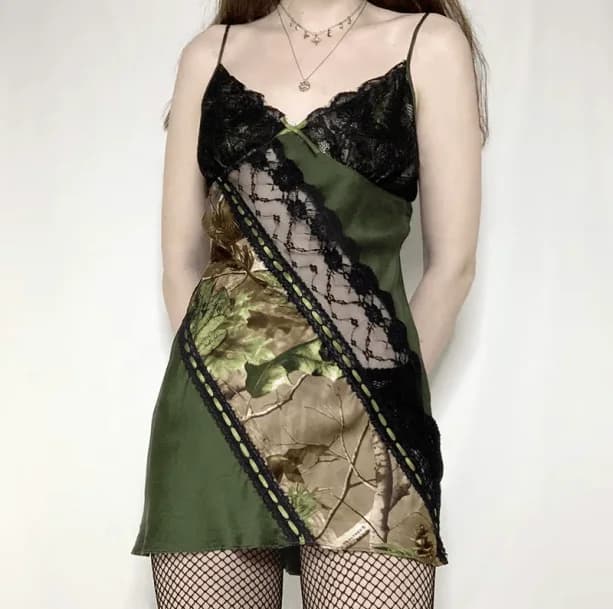
Before selecting an outer layer or deciding on shoes, take a close look at the architecture of your dress. Fairycore dresses generally fall into two structural camps: floating, loose-bodied smocks or body-conscious silhouetteThe overall shape an outfit creates, from fitted to loose and layered.s accented with draping, ruching, or tiered hems. A piece like the Fairycore Girl Mini Dress, crafted from a blend of polyester and spandex, provides a close, flexible fit through the body that welcomes loose or oversized layers on top without creating bulk underneath.
On the other hand, dresses built with voluminous chiffon tiers, dropped waistlines, or ragged handkerchief hems behave very differently. If your base dress has significant volume in the skirt, adding a long, thick cardigan over it can drag down the silhouetteThe overall shape an outfit creates, from fitted to loose and layered. and obscure the hem detail entirely. For those airy, looser silhouetteThe overall shape an outfit creates, from fitted to loose and layered.s found throughout dedicated fairycore dresses, your layeringWearing pieces over or under one another to add depth, warmth or contrast. strategy should focus on framing the open neckline or lightly defining the natural waist rather than covering up the lower half.
Fabric weight dictates how layers interact. Lightweight woven polyesters and sheer synthetic blends glide easily over slips, whereas heavier cottons or textured brocades can catch against coarse outerwear. When planning an outfit, slide your hand between the dress fabric and whatever you intend to wear over or under it to make sure the materials slide past one another rather than bunching up awkwardly as you walk.
When a dress has a full, detailed skirt, choose an open outer layer that frames it rather than covering its hem. A longer, lightweight cardigan in a color close to the dress’s earthy tones can add a vertical line while leaving the skirt visible. For a more layered forest-inspired direction, Mori Kei Clothes offers a reference for longer proportions and botanical details.

2. Under-Layering: Mesh, Lace, and Fitted Sleeves Under Sleeveless Dresses
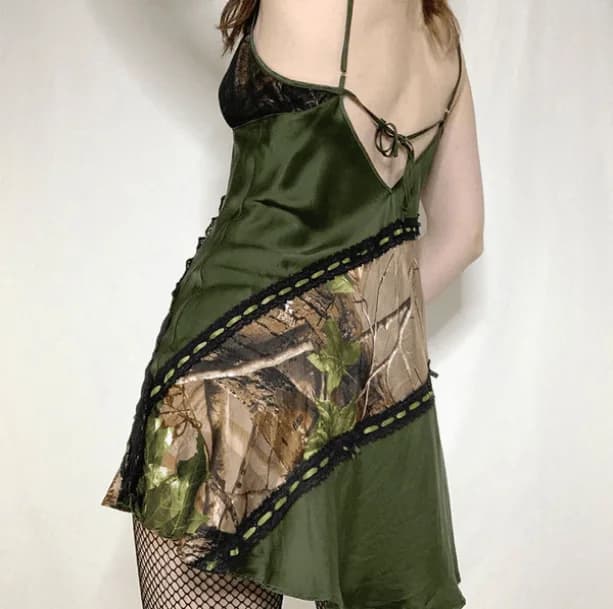
One of the most reliable ways to make a sleeveless or strappy fairycore dress work across cooler days is to build from the inside out. Sliding a lightweight, fitted top beneath the dress lets you show off strappy bodice details while adding thermal comfort and visual depth. A soft, sheer mesh long-sleeve in moss green, dusty rose, or cream creates an ethereal, textured base without adding bulk around your armpits or waist.
If you want to introduce a touch of darker earth tones or raw hems underneath a lighter dress, consider pairing it with structured separates like the Two Pieces Grunge Fairycore Top. Using the fitted inner piece from a set like this beneath a neutral slip dress brings in thumbhole sleeves or raw edge details, grounding the look with an earthy, practical texture.
When choosing an under-layer, watch the neckline relationship carefully. If the dress features a wide sweetheart neckline or a squared bodice, choose an under-layer with a matching low scoop or a sheer high turtleneck. Avoid crewnecks that sit right against the collarbone unless you are deliberately creating a 1990s-inspired layered look, as a plain crew collar can visually clash with romantic, draped necklines.
3. Outer Layering: Cropped Knits, Shrugs, and Open Cardigans
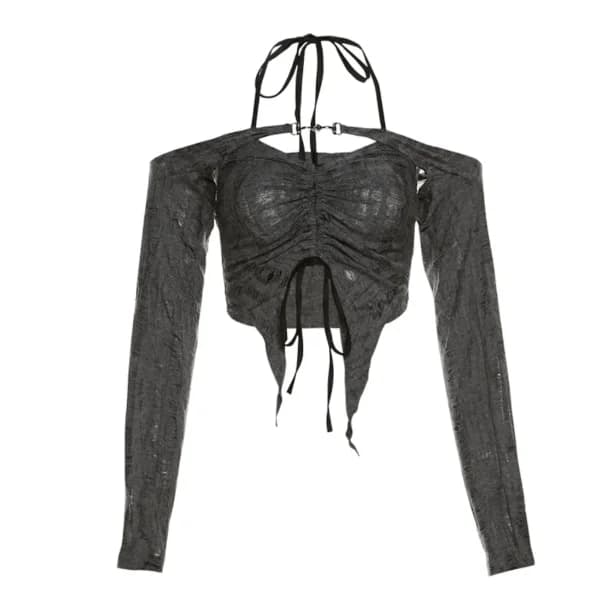
Outerwear over a fairycore dress needs to respect the dress's waistline and hemline details. Traditional hip-length zip jackets often cut across the prettiest parts of a draped dress, flattening gathers and hiding side ties. Instead, reaching for open-front boleros, loose-knit shrugs, or cropped cardigans keeps the visual center of gravity balanced while providing arm coverage.
A lightweight, loose-knit mohair or crochet shrug in beige or sage green works especially well over pieces like the classic Fairycore Dress. Because the cropped knit stops above the waist, the lower half of the dress remains free to flare or float naturally. Loose, open-stitch knits also allow colors and patterns from the dress beneath to show through, creating a layered, textured effect rather than a solid wall of fabric.
If you prefer a longer cardigan, opt for one that drops well past the dress hemline and features an open, unbuttoned front. A floor-grazing, lightweight duster cardigan billows behind you as you walk, matching the flowing movement of an asymmetrical skirt without constricting it around your hips or midsection.
4. Merging Casual Comfort: Styling Oversized Hoodies and Sweaters
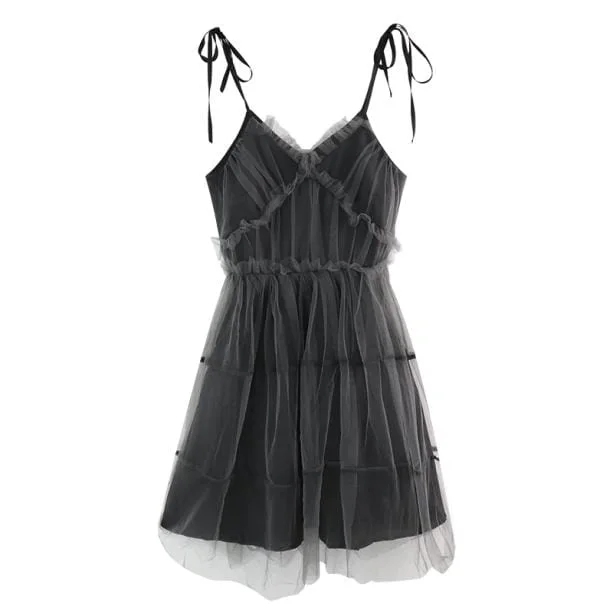
Pairing a delicate dress with an oversized hoodie is a hallmark of casual, everyday alternative style, but it requires mindful proportion work so your frame is not overwhelmed. The trick is to treat the dress skirt as the focal point while allowing the hoodie to act as an anchor. Choosing items from relaxed fairycore hoodies with muted earth tones, mineral washes, or subtle botanical embroidery helps tie the casual knit to the organic aesthetic of the dress.
To keep an oversized sweater or pullover hoodie from looking like you simply threw it on without thought, try using the internal tuck technique. Fold the bottom hem of the hoodie under and tuck it securely into an elastic waist belt worn over the dress, or lightly bunch it at your hipbones. This preserves the flow of the skirt beneath while keeping your natural proportions intact.
Color balance is vital here. If your dress is pale ivory, sheer sage, or blush, a washed charcoal, olive, or cocoa brown hoodie brings a lovely forest-floor contrast. Avoid stark athletic prints, high-contrast sportswear logos, or neon shades, as these break the natural, grounded fantasy atmosphere that fairycore styling emphasizes.
5. Layering Skirts Over and Under: Adding Petticoats and Ruffle Tiers
Fairycore styling encourages wearing skirts and dresses together to build customized, ruffled hemlines that change with your mood. If you have a mini dress that feels too brief for everyday wear or a plain slip dress that needs more drama, slipping a separate ruffled skirt underneath can transform the entire piece into a tiered masterpiece.
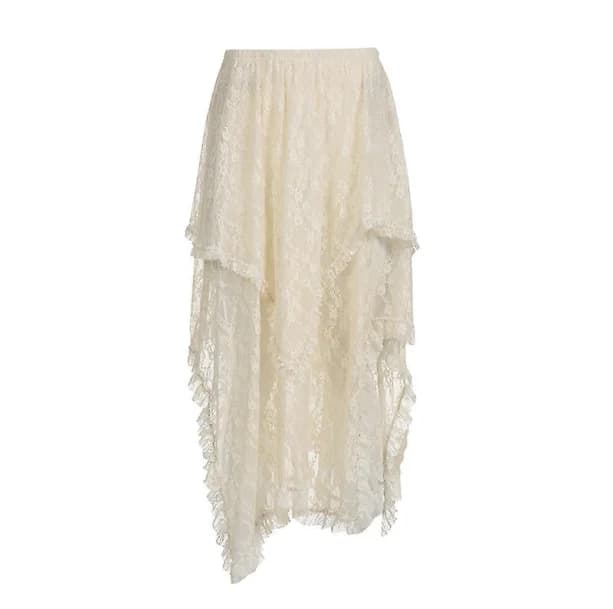
For instance, wearing the Lace Fairycore Skirt under a shorter tunic or mid-length dress lets delicate polyester lace spill out beneath the hem, adding dimensional interest and movement around your knees or calves. Alternatively, sliding a flowing Vintage Fairycore Skirt beneath an open-front tunic dress creates an adventurous woodland traveler silhouetteThe overall shape an outfit creates, from fitted to loose and layered. with contrasting lengths and earthy tones.
You can also layer in reverse by wearing an asymmetrical skirt over the dress itself. To do this successfully, the dress top needs to function like a fitted bodice. If your dress bodice is simple and tight-fitting, pulling an elastic-waist skirt over it essentially turns the dress into a layeringWearing pieces over or under one another to add depth, warmth or contrast. top, giving you two completely different wardrobe combinations from the same base piece.
6. Footwear Foundations: Grounding Airy Dresses With Boots
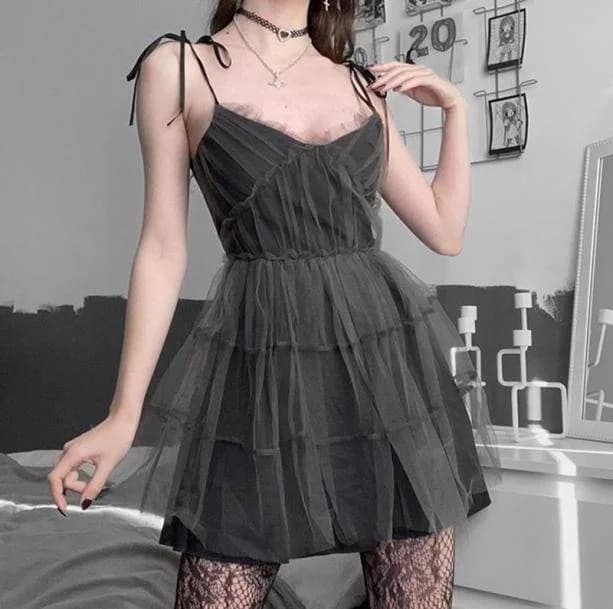
The contrast between a floaty, romantic dress and sturdy, practical footwear is central to fairycore styling. Wearing delicate dresses with overly precious, thin-soled flat shoes can make an outfit feel fragile and costume-like. Pairing that same dress with grounded boots immediately transforms the look into something practical, adventurous, and visually rich.
Lace-up combat boots in distressed brown leather, worn-in black ankle boots with stacked lug soles, and knee-high riding boots are timeless pairings. The heavy sole grounds the ethereal lightness of chiffon, tulle, or lace fabrics, giving the entire outfit an earthy, woodland-ready appearance. When styling boots with mid-length dresses, make sure there is a visible gap of skin or textured hosiery between the boot collar and the dress hem so your legs do not look visually shortened.
If you want a softer, more historical look, Victorian-style lace-up granny boots with a curved spool heel work beautifully. These pair especially well with romantic sweetheart necklines and corseted waists, maintaining an antique charm while still offering more support and visual weight than a standard ballet flat.
7. Warm-Weather Footwear: Mary Janes, Strappy Sandals, and Clogs
When temperatures climb and heavy boots are no longer practical, you need summer footwear options that preserve the aesthetic's earthy charm. Traditional athletic sandals or glossy, minimalist modern slides can look jarring next to raw edges and romantic gathers. Instead, focus on footwear featuring natural finishes, round toes, or vintage-inspired hardware.
Chunky Mary Janes made from matte leather or faux leather are an ideal warm-weather staple. Whether you choose a classic T-strap design or a double-strap Mary Jane with a low platform, they offer just enough visual structure to balance flared hemlines. Pair them with bobby socks or sheer lace ankle socks to add an extra layer of texture around your ankles.
Wooden-sole clogs and woven leather sandals in cognac, tan, or forest green are another wonderful choice for sunny days. The organic grain of natural wood or braided leather mirrors the nature-based themes of your dress, keeping your warm-weather outfit grounded without making your feet uncomfortably hot.

8. Legwear Styling: Textured Tights, Lace Socks, and Leg Warmers
Legwear is an essential styling bridge that connects your dress hemline to your footwear. Leaving bare legs works well in warm weather, but incorporating textured hosiery allows you to experiment with complex layeringWearing pieces over or under one another to add depth, warmth or contrast. patterns and wear your favorite dresses in cooler seasons.
Fishnets with floral or leafy vine motifs, cable-knit tights in oatmeal or moss, and torn or distressed semi-sheer black tights all bring distinct personalities to an outfit. When styling a mini dress, textured tights prevent the outfit from feeling bottom-heavy once boots are added. For an earthy grunge lean, layer a pair of loose knit leg warmers over tights, letting them slouch down casually around the tops of your combat boots.
In warmer seasons, swap full tights for socks that hit just above the ankle or calf. Ruffled lace cuffs peeking out from the top of an ankle boot or ribbed cream cotton socks folded over a Mary Jane add subtle, thoughtful detail to otherwise simple hemlines without trapping extra heat.
9. Defining the Waist: Belts, Corsets, and Harnesses
Many fairycore dresses feature loose, flowing fits or empire waistlines that benefit from deliberate styling at the midsection. Adding a belt, underbust corset, or soft leather harness allows you to alter the dress's silhouetteThe overall shape an outfit creates, from fitted to loose and layered. to suit your body frame and personal preferences for the day.
A wide, curved underbust corset in brown faux leather, brocade, or olive velvet can instantly bring structure to an oversized linen smock or flowing chiffon dress. By gently cinching the ribcage, the corset creates an hourglass balance while letting the dress skirt gather into richer folds below. If structured corsets feel too restrictive for your daily routine, a braided leather wrap belt tied loosely with dangling ends offers a relaxed, bohemian alternative.
When placing belts or corsets, be mindful of where the dress's built-in seams sit. If the dress already has an empire waist seam directly under the bust, placing a wide belt at your natural waist can create an awkward double-banded look. In those cases, choose either a very thin cord belt that blends with the fabric or skip the belt entirely and let the dress hang as originally tailored.
10. Top-Layering Separates: Wearing Fairycore Crop Tops Over Dresses
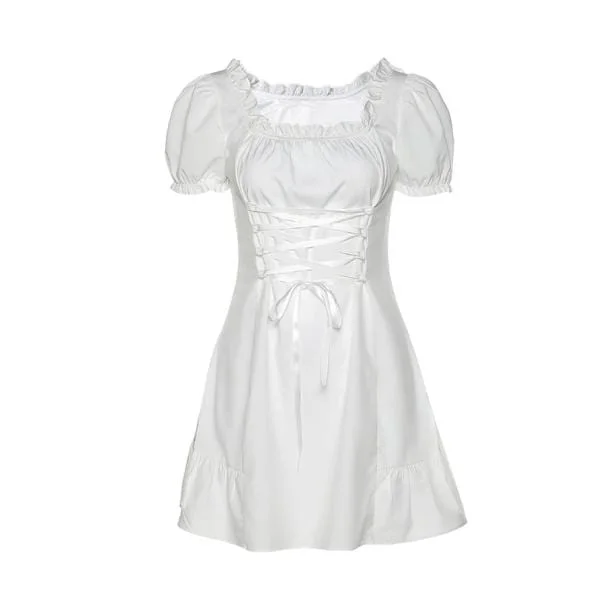
A playful styling technique that breathes new life into your wardrobe is wearing a fitted crop top directly over a slip dress or high-necked tunic. This approach turns the dress into a coordinated skirt-and-lining set, creating an entirely fresh outfit without buying separate pieces.
Fitted, textured options from fairycore crop tops work especially well for this technique. For example, pulling the Fairycore Crop Top (available in black and brown polyester-spandex) over a pale ivory or patterned dress establishes an earthy, fitted upper torso while allowing the dress sleeves and lower skirt to flutter freely. Because the crop top sits naturally above the hip, it defines your waist without requiring a belt.
When trying this combination, ensure the neckline of the crop top either matches the dress or frames it cleanly. A scoop-neck crop top layered over a dress with a lace-trimmed sweetheart neckline creates a layered collar effect, making the two separate items look like a single, thoughtfully designed garment.
11. Selecting Naturalistic Jewelry and Hair Accessories
Accessories in fairycore styling should feel collected rather than mass-produced or polished to a mirror shine. Highly reflective modern chrome jewelry or bright geometric acrylics can disrupt the soft, organic illusion of your dress. Instead, aim for muted metals, raw stones, and botanical motifs that blend harmoniously with your outfit's color paletteA small group of colors you repeat to make an outfit feel connected..
Raw crystal pendants, antiqued brass rings, wire-wrapped quartz, and mushroom- or leaf-shaped charms in oxidized silver pair effortlessly with layered necklines. If your dress has a detailed, ruffled collar, keep the neck clear and focus on ear cuffs, woodland drop earrings, or multiple stacked bracelets made of braided cord and wooden beads.
For your hair, incorporating organic textures helps tie the head-to-toe look together. Crushed velvet ribbons woven into loose braids, raw-edge linen bandanas, antiqued metal hair vines, and mossy claw clips provide functional styling that keeps hair off your face while complementing the textured fabrics of your dress and cardigans.

12. Bags and Practical Additions: Satchels, Canvas, and Crochet
The wrong handbag can instantly pull a fairycore outfit away from its intended mood. Stiff, glossy designer bags or utilitarian nylon backpacks often clash sharply with soft gathers, rough hems, and earthy palettes. Your bag should feel like a natural companion piece to your outerwear and footwear.
Distressed leather or faux-leather satchels with brass buckles are an enduring favorite because they match the rugged, grounded energy of combat boots. A vintage-style saddle bag slung across your chest breaks up a monochrome dress while keeping your hands free. The cross-body strap also gently pulls in excess fabric from looser dresses, naturally contouring the silhouetteThe overall shape an outfit creates, from fitted to loose and layered. as you walk.
For warmer days or lighter outfits, turn to crochet totes, woven wicker baskets, or embroidered cotton canvas bags. A slouchy crochet bag in unbleached cream or olive green echoes the open knits of your shrugs or cardigans, adding another dimension of tactile craft to the ensemble while holding your daily essentials.
13. Comparing Aesthetics: Soft Fairycore vs. Dark and Grunge Fairycore
As you build your wardrobe, it helps to understand whether your personal taste leans toward soft, pastoral fairycore or moody, earthy grunge fairycore. While both branches share an appreciation for organic elements, layeringWearing pieces over or under one another to add depth, warmth or contrast., and vintage touches, their styling executions diverge significantly in color, texture, and footwear.
Soft fairycore highlights pastel tones like mint, blush, butter yellow, and cream, leaning heavily into delicate sheer fabrics, organza, and clean white lace. Outfits in this style often pair a pale slip with a soft bolero and Mary Janes. In contrast, dark or grunge fairycore incorporates muddier shades like olive, charcoal, rust, and chocolate brown. Here, a bottom like the Grunge Fairycore Skirt in brown or black, or an earthy separate like the Brown Fairycore Top, sets a distressed, subterranean tone that calls for distressed tights and heavy lug-sole boots.
Comparing your styling options across broader fairycore clothes allows you to decide which direction feels most authentic to your daily routine. If you prefer high contrast and practical durability, dark grunge layers are forgiving and weather-resilient; if you favor whimsical romanticism, lighter tones and ethereal laces will serve you best.

14. Troubleshooting Common Outfit Pitfalls and Quick Checklist
Even with the prettiest pieces, styling mistakes can happen. The most frequent pitfall is over-layeringWearing pieces over or under one another to add depth, warmth or contrast. without a clear focal point. If you wear a ruffled dress, a heavily textured cardigan, patterned tights, leg warmers, a harness, and multiple chunky necklaces simultaneously, the eye has nowhere to rest. To keep your outfit coherent, choose one or two statement textures—such as a tiered lace hem or an intricate crochet knit—and let the remaining layers provide quiet, neutral support.
Another common trap is ignoring fabric cling. Synthetics like polyester and spandex can generate static electricity when layered against wool or fleece, causing skirts to bunch uncomfortably between your legs. Applying a small amount of lotion to your legs or wearing a smooth satin slip underneath immediately solves static cling and ensures your garments drape as intended.
Before stepping out the door, run through this quick styling checklist to confirm your outfit is balanced, comfortable, and functional for your day:
- Waistline check: Does your outer layer or belt complement the dress's natural seam rather than clashing with it?
- Footwear weight: Are your shoes substantial enough to ground the airy textures of your dress and skirt hems?
- Color cohesion: Do your layers share an organic earth-tone or soft botanical palette without jarring athletic contrasts?
- Movement test: Can you walk, sit, and stretch comfortably without inner and outer fabrics catching or riding up?
- Accessory balance: Did you leave breathing room around busy necklines or cuffs so your jewelry does not compete with the dress?