
Created by the Kawaii Vibe editorial team. Our named style desks are editorial personas. Product details and availability can change.
Short answer: start with one soft, slightly sheer layer, one quiet floral, and one small shiny detail. That is enough to read as fairycore without looking like you are heading to a costume party. Everything else can wait.
Fairycore outfits can feel like an all-or-nothing aesthetic, with full wings, flower crowns and layers of tulle. You do not need any of that on day one. A beginner version works best when most of the outfit is normal clothing and only one or two pieces carry the fantasy.
This guide walks through a restrained approach: how to pick your first pieces, how to place florals and sheer fabric, three complete outfits, jewelry and bags, and what to skip until you know what you like. Product mentions are optional ideas, not requirements.
The Three-Piece Starter Rule
The easiest way into fairycore is a three-piece rule. Pick one sheer or soft layer, one floral or nature-inspired element, and one small sparkly or delicate accessory. Everything else in the outfit stays plain: denim, a simple tee, flat shoes, a neutral cardigan. When only three things carry the theme, the look reads as intentional and gentle instead of busy.
Here is how it plays out in real life. A sheer-sleeved top is your soft layer. A small-print floral skirt is your nature element. A thin butterfly necklace is your sparkle. Your shoes, bag and outerwear are ordinary. If you want to check whether you have overdone it, count the themed items. More than four and it starts to tip into costume.
The rule also makes shopping simpler. Instead of buying a whole wardrobe, you buy three things that talk to each other and to clothes you already own. Browse the main Fairycore collection with that filter in mind: you are looking for pieces that can each stand alone, not matching sets that only work together.
One adaptable tweak: swap which element leads. Some days the floral is the star and the sheer layer is barely there. Other days the sheer sleeve does the talking and the florals shrink to a hair clip or print on a scarf. Rotating the lead piece keeps the same three items feeling fresh.
Sheer Sleeves Without Feeling Exposed
Sheer fabric is the most recognizable fairycore signal, and also the one beginners worry about most. The trick is to use it on the arms and shoulders rather than the torso. A sheer sleeve over bare skin is airy and light. A sheer body panel needs a layer underneath, which adds work and can feel like more than you wanted.
Start with sleeves that sit loosely, such as a gathered or puffed shape, over a fitted tank or camisole in a skin-close or soft pastel tone. The contrast between fitted and loose creates the dreamy shape. If you wear a plain tee, try a sheer top over it in a lighter color so the tee shows through as a soft shadow rather than a hard line.
Check a few practical things before wearing. Hold the fabric up to a window to see how much it shows. Think about bra straps and decide whether you want them hidden or part of the look. Sit down and raise your arms in the mirror, since delicate sleeves can ride up or catch on bag straps. If a sleeve snags easily, keep your bag on the opposite shoulder or carry it in hand.
For a very low-commitment version, layer a sheer blouse open over a basic dress like a light jacket. That way the sheer part is optional, and you can take it off if the day turns out different than expected.
Choosing Florals That Stay Quiet
Florals are where beginners can go wrong by going too large. Big, high-contrast blooms on bright backgrounds shout cottage costume. For a subtle fairycore start, look for small to medium prints, muted colors and backgrounds that sit in the same family as the flowers: sage with cream blossoms, dusty pink with white buds, soft lavender with faded green.
Think in terms of ratio. If a print covers an entire dress, keep everything else plain. If the print is only on a skirt or a scarf, you can add slightly more detail elsewhere. One printed item per outfit is a safe limit, and two only works if one is tiny, like a printed hair ribbon against a printed skirt in the same palette.
Placement matters too. A floral skirt draws the eye low, which is grounding and easy to balance with a simple top. A floral top near the face feels more romantic but needs calmer bottoms. If you are unsure, start low. The Vintage Fairycore Skirt is one optional example of an earthy flowing skirt piece in this mood, offered in sizes S to XL and crafted from polyester fabric. Check the product page for the exact look before deciding.
A quick comparison test: stand a few steps back from the mirror. If you can still read the flowers as flowers, the scale is probably fine. If they blur into a loud pattern, go smaller next time.

Outfit One: The Everyday Soft Layer
This is the least risky outfit and works for errands, class, or a casual café. Start with straight or relaxed light-wash jeans. Add a fitted white or cream tank. Over it, wear a sheer-sleeved blouse in ivory, pale green or blush, left unbuttoned or tied loosely at the waist. Finish with flat sandals or clean sneakers and one thin necklace.
Why it works: the jeans and tank are real-life basics, so the only fantasy element is the sheer layer, which does a lot of work with little effort. The necklace sits where the sheer fabric frames it, drawing the eye to the center without needing a bold statement.
Adapt it by weather. In warm conditions, skip the tank layer if the blouse is opaque enough, or choose a looser sheer shirt that lets air through. In cooler conditions, add a plain knit cardigan in a matching tone and keep the sheer piece underneath as a sleeve peek at the cuffs. Because the sheer layer sits as a base, it works with a coat, too.
Proportions: if your jeans are relaxed, keep the blouse slightly cropped or tucked at the front so the outfit keeps a waist. If your jeans are slim, you can let the blouse hang longer and looser. This is also where a small bag helps, since a large tote can swallow the delicate look.
Outfit Two: A Dress Done Gently
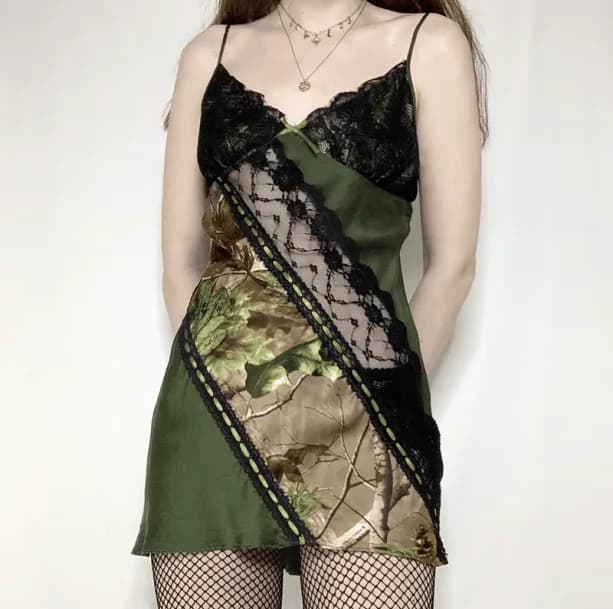
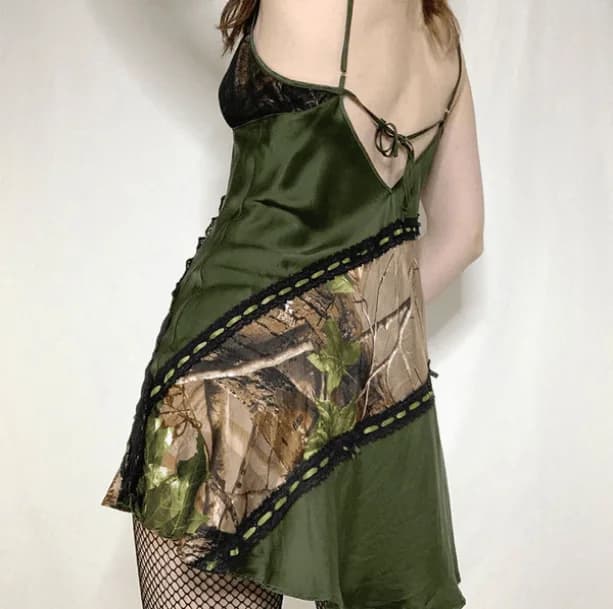
Dresses are the fastest route to a finished fairycore look, but they can also be the most theatrical. For a beginner version, choose a simple shape, such as a slip, a gentle A-line or a short mini, in a soft color. Wear it with a plain layer on top, like a fitted cardigan or denim jacket, to anchor it in everyday clothing.
If you want a short option, the Fairycore Girl Mini Dress is one example, listed in S, M and L and made from spandex and polyester. Because it is a mini, think about how you will wear it: with tights and boots in cool weather, or bare legs and flat sandals when it is warm. Check the product page photos for the exact cut and fit before you decide, since stretch fabrics sit differently on different bodies.
For more shapes to compare, look through the wider Dresses collection. When comparing, ask three questions. Is the neckline comfortable for how you move? Is the length right for your daily life, such as climbing stairs or cycling? Does the color work with at least two cardigans or jackets you already own?
Keep accessories minimal with a dress. If the dress has a lot of detail, wear only earrings. If it is plain, add a necklace and a hair clip. Trying to do all three on a busy dress is where the look tips from soft to crowded.
Outfit Three: Evening Soft Glow
For dinner, a gig or a night out, you can push the mood a little further without leaving the beginner zone. Start with dark, simple pieces, such as black trousers or a plain dark skirt, and add one luminous element: a sheer top with sleeves that catch the light, or a pale floral blouse. The dark base makes the delicate piece feel intentional rather than washed out.
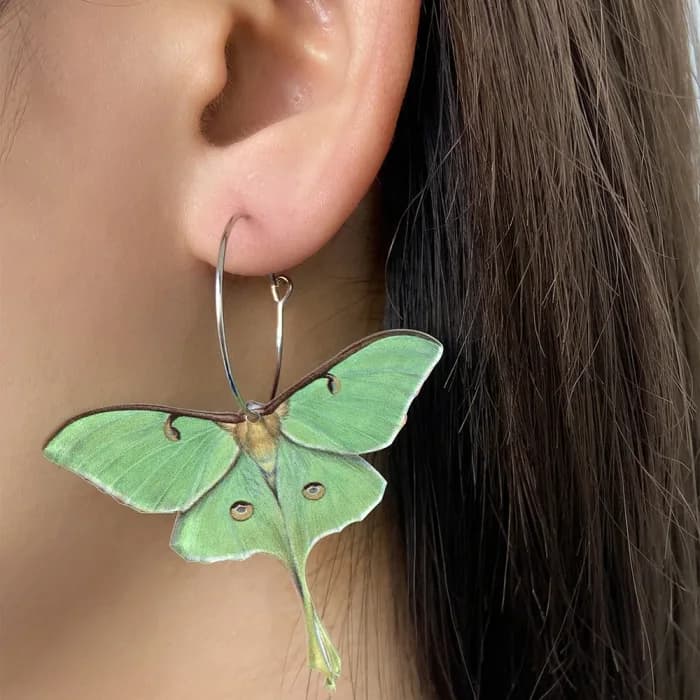
Add jewelry here, since evening is where small sparkle looks best. Butterfly earrings and a thin necklace can work together if one is clearly the lead. For example, wear larger earrings with a bare neckline, or a small necklace with hair swept over the ears. The aim is one focal point near your face, not two competing ones.
If your venue is cool, a sheer layer will not keep you warm, so plan a real jacket. A structured black blazer or a soft knit wrap over the top keeps the fairy detail visible at the cuffs and neckline. This also stops the outfit from looking like you forgot a coat.
Footwear: ballet flats, simple boots or low block heels all work. Skip anything with its own heavy theme, such as glittery platform shoes, until you know your look. Comfort matters, because a dreamy outfit loses its charm quickly if your feet hurt.
Delicate Jewelry: Butterflies, Scale and Placement
Jewelry is the cheapest way to try fairycore, because one item changes how plain clothing reads. Butterflies, tiny leaves, pearls and small stars are all common motifs. Browse the full Jewelry collection or the Butterflies Aesthetic collection to compare shapes and sizes.
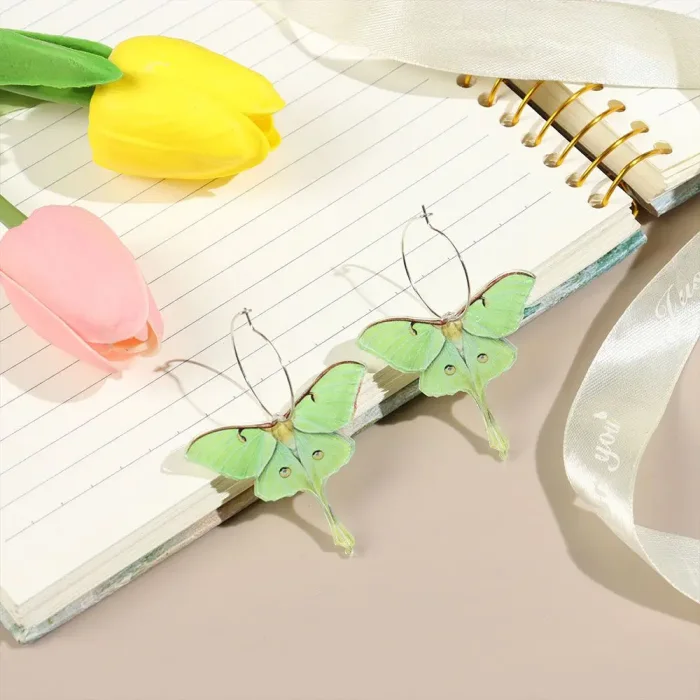
Two examples if you like butterflies: the Fairycore Butterfly Earrings, listed as acrylic and zinc alloy in one size, and the Fairycore Butterfly Necklace. The necklace page does not list a material, so check the details there if that matters to you. If you have sensitive skin, look at the listed materials and think about your own past reactions to metals, since this guide cannot tell you what is safe for you.
Placement guidelines: wear either statement earrings or a statement necklace, not both at full volume. With a high neckline, earrings take the lead. With a scooped neckline, a necklace sits nicely in the open space. Hair up shows off earrings. Hair down hides them but frames a necklace.
Finally, match metal tones loosely. If the butterfly has a gold look, repeat that with a thin ring or watch rather than adding silver pieces. Small repetition makes jewelry look chosen instead of random.


Bags and Belts That Support the Look
Bags and belts are easy to overlook, but they quietly tell people what you are going for. A small, nature-inspired bag adds the theme without touching your clothes. Two options on the shop: the Green Fairycore Crossbody Bag, listed as polyester fiber at 22 cm long and 4 cm wide with a height that adjusts from 14 cm to 25 cm, and the Fairycore Acorn Bag, listed as rattan, noting that the listing does not give exact dimensions so you will want to consider the photos for its practical size.
Think about what you carry. The crossbody's listed measurements suggest a slim bag, so check that your phone and essentials fit before relying on it. The acorn shape is more of a novelty, so it suits days when you carry little and want a conversation piece. Neither choice is required, and a plain tan or cream bag works just as well.
A belt can define the waist over a loose dress or blouse. The Fairycore Heart Buckle Belt is listed in metal and PU, in lengths of 102 cm, 112 cm and 122 cm. Measure where you actually wear a belt, then compare with those lengths instead of guessing your usual size.
Rule of thumb: when the bag is themed, keep the belt plain, and the other way around. Two themed accessories plus a themed necklace is already past the three-piece rule.
Colors and Fabrics to Start With
A soft palette does most of the work in fairycore. Beginners do best with three to four colors per outfit: one neutral such as cream or soft white, one muted green or blue, one gentle pink or lilac, and a small metallic touch. Sticking to this keeps even a mixed outfit calm.
Fabric texture is the other half. Light, flowy and slightly matte materials read as gentle, while shiny, stiff fabrics read as costume. When shopping, check the listed material, such as polyester or spandex blends, and look at product photos for how the fabric drapes. Do not assume a fabric feels like something it does not say. If a description is brief, look at how it moves in the photos, and read any details before ordering.
Mix textures sparingly. A knit cardigan with a sheer blouse and a cotton skirt gives enough variety. Adding lace, mesh and velvet at once usually looks heavy. If you love lace, let it be the only textured piece and keep the rest smooth.
If you are unsure what suits you, pull three tops from your closet in different colors and hold each against your face in daylight. Choose the tones that make you look rested and use those as your base.
Pieces to Skip Until Later
Some items are fun but make a first outfit harder. Full wings are the biggest one. They are bulky, difficult in crowds, and turn a soft look into a costume immediately. Save them for events or photos once you know you enjoy the style. Flower crowns, glitter face gems and layered tulle skirts fall into the same category.
Also skip stacking too many sheer layers. Two or three transparent pieces in a row become hard to coordinate and often look messy rather than airy. Avoid very long, trailing hems for everyday wear too, since they pick up dirt and are tricky on stairs and public transport.
Another thing to wait on is matching sets with many themed parts. A two-piece outfit like the Two Pieces Grunge Fairycore Top, listed in S, M and L in polyester and spandex, mixes a darker edge with the fairy theme. It can be interesting later, but for a first outfit it is more styling to manage, so consider it a step two.
A short skip list:
Use it as a filter when you browse the Fairycore Aesthetic Outfits range, so the first pieces you buy are the flexible ones.
- Full-size costume wings
- Flower crowns and face gems
- Multiple stacked sheer layers
- Floor-sweeping tulle skirts
- Matching sets with several themed parts
Building a Small Capsule
A mini capsule means a handful of pieces that combine many ways. Aim for around eight items: two sheer or soft tops, one cardigan, one skirt, one dress, two accessories and one bag. Choose all of them within the same palette so any top can pair with any bottom.
Here is a sample plan. Sheer blouse in ivory, sheer-sleeved top in sage, a cream knit cardigan, a small-print floral skirt, a simple mini dress, butterfly earrings, a thin necklace and a crossbody bag. That gives you at least six different outfits by swapping tops, adding or removing the cardigan and changing the jewelry focus.
Compare options before buying by checking three things: does each new piece match at least two things you own, is the size range suitable for you, and do the care notes suit your routine? Delicate fabrics may need gentle washing, so read any care information given on the product page instead of assuming.
Add one piece at a time. After wearing an item a few times, notice whether you reach for it. Items that stay in the closet tell you what to avoid next time, and items you love tell you where to go further.
Fit, Comfort and Movement Checks
Airy clothes still need to work on a real day. Before leaving the house, do a quick movement test: raise your arms, sit down, bend over and walk up a few steps. Sheer sleeves should not twist, skirts should not ride up uncomfortably, and necklaces should not tangle in your hair or collar.
Check sizing carefully. The listed sizes for items in this guide are limited, such as S to L for the mini dress and S to XL for the skirt. Compare with your own measurements and read the product page rather than guessing from other brands. If you are between sizes with a stretch fabric, think about whether you want a close or relaxed feel.
Consider delivery timing too. Some product pages list delivery as 15 to 35 days, so plan ahead for events instead of ordering last minute. Check the current details on the product page before you buy.
Finally, think about layers for temperature swings. A light cardigan or jacket you can carry makes sheer outfits wearable in changing conditions, whichever part of the world you live in.
A Quick Checklist Before You Leave the House
Use this last check to keep your outfit subtle. Look in a full-length mirror and count the themed items. If there are more than three or four, remove the one you care about least. Often the outfit looks better after taking one thing off.
Next, check balance. Is there one soft focal point, such as sleeves, a print or jewelry? Are the other parts calm? If the sleeves are puffy, the bottom should be streamlined. If the skirt is full, the top should be fitted.
Then check practicality: shoes you can walk in, a bag that holds your phone and keys, and a layer for changes in weather. Pack small repairs too, like a spare hair pin, since delicate pieces can shift.
Finally, trust your own taste. Fairycore is flexible, and a subtle version is just as valid as a full one. Begin small, notice what makes you feel good, and add the next piece when you are ready.
- Three to four themed items at most
- One clear focal point
- Palette limited to three or four colors
- Movement test done: arms up, sit, walk
- Layer and bag ready for the day


