
Created by the Kawaii Vibe editorial team. Our named style desks are editorial personas. Product details and availability can change.
You can stay warm and still look like a woodland spirit. The trick is to treat warmth as the base layer and fairycore as everything you can see. Thin, close-fitting thermals go underneath, then soft knits, then one dreamy outer piece, usually a cape, a fluffy coat or a long swingy layer. Done in that order, the ethereal shape survives the cold.
Winter fairycore leans on frost instead of moss. Think pale blue, milky white, silver-grey, soft lilac and a little muted green, with faux fur, lace, tulle and pearly details. Below you will find outfit formulas, proportion rules, a way to compare pieces, and a checklist for before you buy.
Everything here is written for any climate that gets properly cold, whenever that happens where you live. Adjust the layer count to your own weather and your own tolerance for chill.
The Quick Answer: A Three-Layer Fairycore Formula
Here is the short version. Layer one is a thin thermal or fitted base that disappears under clothes. Layer two is the visible fairy part: a soft sweater, a lace-trimmed top, a floaty skirt or a mini dress over tights. Layer three is the statement: a cape, a faux fur coat or a long pale coat that moves when you walk.
This works because fairycore is about softness and movement, not about showing skin. A flowing skirt over thermal tights looks just as magical as bare legs, and nobody can tell what is underneath. Keep the silhouetteThe overall shape an outfit creates, from fitted to loose and layered. gentle and the colors light, and the look holds.
If you only change one thing from your summer fairycore outfits, change the outer layer. A good cape or fluffy coat does the heavy lifting for both warmth and mood. You can browse the wider fairycore collection for the whimsical pieces that sit in the middle of the stack.
- Layer 1: thin thermal top and tights, kept hidden
- Layer 2: sweater, lace top or dress for the fairy details
- Layer 3: cape, faux fur or long pale coat
- Finish with boots, a hat or hood, and small sparkly accessories
Frosty Color Palettes That Still Feel Magical
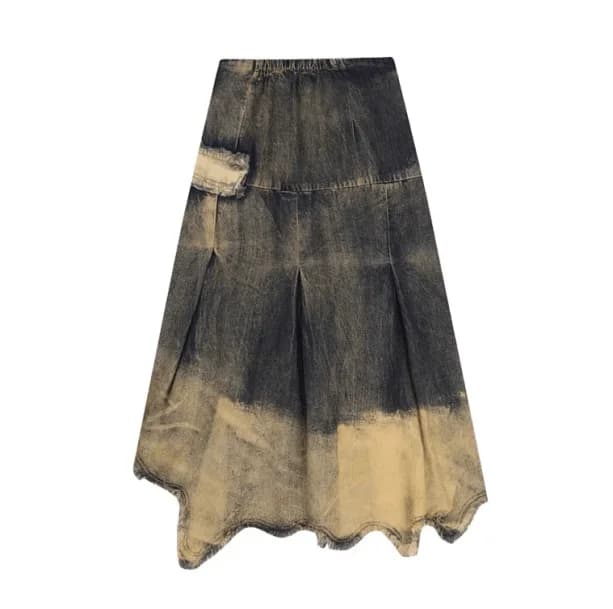
Winter fairycore swaps the greens and florals of warm months for a cooler, glassier palette. The core shades are icy pale blue, snow white, cream, dove grey, soft lilac and a touch of silvery sage. These read as frost, moonlight and morning mist, which is exactly the mood you want.
Pick one main color and two supporting ones. For example, a pale blue coat, cream knit and lilac tights. Or all white and cream with one sage accent. Staying inside a small range makes the outfit look intentional, and in cold weather it also helps because lighter tones look soft against grey skies and snow.
One caution: head-to-toe white can look flat in photos and in real life. Add texture to fix it. Fluffy faux fur, a ribbed knit, sheer sleeves and a shiny buckle give the eye something to follow. If you want warmer depth, add a single dusty rose or deep forest green item so the palette does not wash out.
- Icy blue + cream + silver for a snow-queen feel
- Lilac + white + soft grey for a twilight look
- Sage + cream + a hint of blue for a forest-in-winter mood
- Keep to three colors, then vary texture
Choosing a Cape or Coat That Keeps the Ethereal Shape
The outer layer decides whether the outfit feels like fairycore or just like winter. Capes and ponchos are the obvious pick because they drape and swing, but they can leave your arms exposed to drafts. Look for a cape with a closed front or a hood, or plan to wear a snug knit underneath.
If you prefer a real coat, go for a longer line and a soft shape. A flared or A-line coat, a wrap style, or a fluffy teddy-type jacket keeps the romantic outline. Boxy, stiff puffers fight the look, though a pale puffer can work if you add a scarf and long skirt to soften it. The coats and jackets collection is a good place to compare lengths and fits side by side.
When comparing options, check three things: how long it falls relative to your skirt hem, whether the sleeves allow a chunky sweater underneath, and whether it closes properly at the neck. A coat that looks great but gaps at the collar will not feel magical when the wind picks up.
- Cape: best for dresses and skirts, check arm coverage
- Long coat: best for a clean, elegant line
- Faux fur jacket: best with long skirts to balance the volume
- Always check sleeve room and neck closure
Faux Fur: Where to Put It and How Much
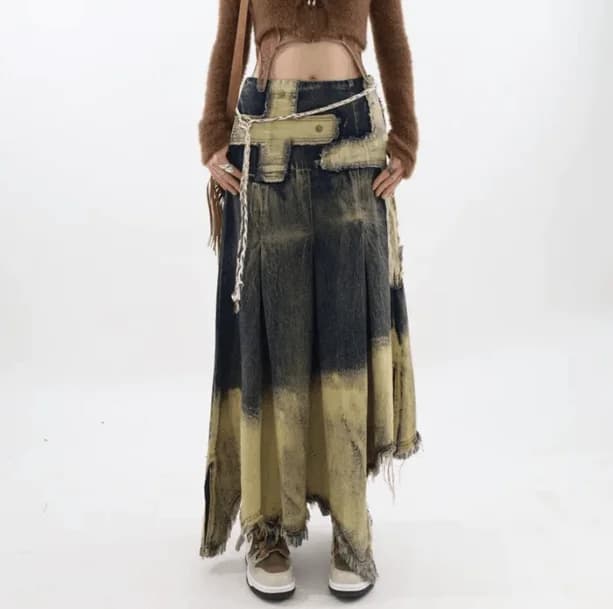
Faux fur is the easiest way to add fairy-tale softness, but a little goes a long way. Pick one fluffy element as the star: a collar, a cuffed coat, a muff-style bag, a headband or a pair of boots with a fur trim. Two is fine if they match in color. Three and you start to look like a snowdrift.
Placement matters for proportion. Fur at the neck frames the face and keeps your throat warm, which makes it the most practical spot. Fur at the hem lengthens a cape visually. If your coat is already fluffy, keep the rest streamlined, such as a slim knit and a straight or gently flared skirt.
Color helps too. White and cream fur read as snow. Pale blue or lilac fur reads as more fantasy. Grey fur looks more subdued and wearable day to day. Check product photos for how the fur sits, because very long pile can look messy after a day of wind and scarves, while shorter pile stays neater.
- Choose one main fluffy item
- Neck and cuffs are the most useful places
- Long pile = dramatic, short pile = tidy
- Match the fur color to your palette
Sweaters and Knits That Look Soft, Not Bulky
A winter fairycore sweater should feel like a cloud, not a duvet. Cropped or standard-length knits in pale colors pair well with high-waisted skirts, while oversized knits work with tights and a short skirt layered underneath. Look for details like pointelle, cable texture, puffed sleeves, lace edging or a scalloped hem that nod to fairy style.
Neckline changes how the whole outfit reads. A round or slightly wide neck leaves room for a collar or a necklace. A turtleneck is cozy and gives a sleek base for a cape. For the best proportions, if the sweater is chunky, keep the bottom half light and flowy. If the sweater is fitted, you can go bigger with the skirt or coat.
Browse the sweaters collection and compare them by shape and color, not just by cuteness. A knit in an icy shade with some texture will work with more of your wardrobe than a heavily decorated one, so choose one that layers well under a coat.
- Chunky knit + light skirt
- Fitted knit + voluminous coat
- Turtleneck under a cape for a sleek base
- Pale colors with texture beat heavy prints

Skirts, Dresses and Tights for Cold Days
Skirts and dresses are core to fairycore, and they can work in the cold with the right hosiery. Thermal or fleece-lined tights in sheer-looking shades keep the leg line pretty. Opaque cream, white or soft grey tights look intentional and add warmth. Lace-top knee socks over tights give extra warmth and a storybook feel.
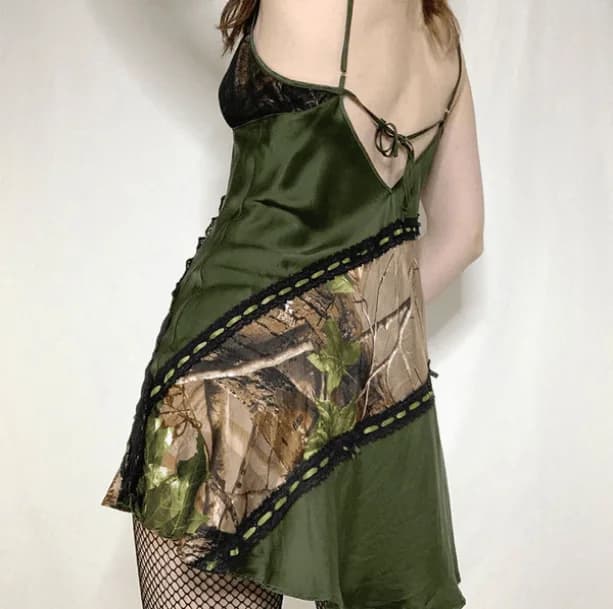
The Vintage Fairycore Skirt is made of polyester and comes in S to XL, so it could serve as the flowy bottom half under a sweater and cape. As with any polyester skirt, add a slip or tights underneath on cold days, since a single thin layer will not hold heat. Check the listing photos for length and fullness before deciding how to pair it.
The Fairycore Girl Mini Dress is spandex and polyester in S, M and L. A mini works in winter if you build it up: tights, knee-high boots, a knit layered over or under, and a long coat. Think of it as the middle layer, not the whole outfit. Keep the coat longer than the hem so the shape looks balanced.
- Fleece-lined or thermal tights under everything
- Add a slip or leggings under thin skirts
- Mini dress: layer with a knit and long coat
- Match skirt length to coat hem
Boots That Handle Weather and Still Look Enchanted
Boots are where practicality gets decided. Snow, slush and ice need grip and a lining you trust, so check each listing for details instead of assuming. Where specifics are not given, treat the boots as style pieces for dry or lightly cold days, and keep a more weatherproof pair for proper snow.
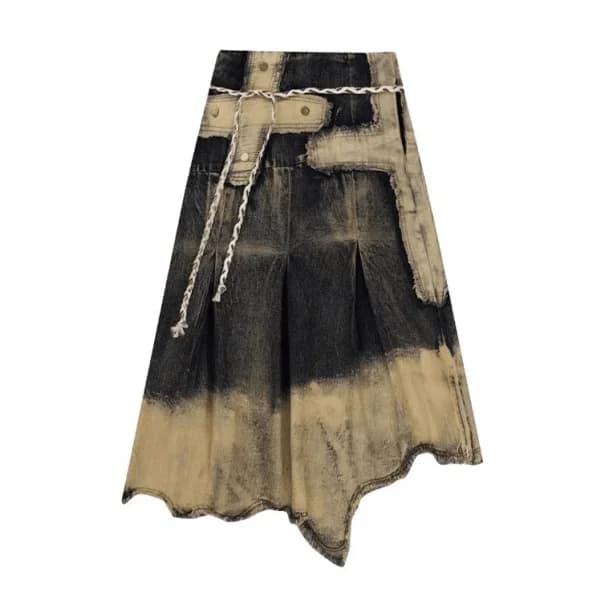
For the fairy look, go for knee-high or mid-calf boots in cream, white, taupe or soft brown. Lace-up styles echo storybook shoes, while a chunky sole adds stability. A little shaft slouch or fur trim looks lovely with a skirt. See the boots collection to compare heights and shapes, and read each product page for materials and sizing before ordering.
A quick fit tip: try your boots with the thickest socks you plan to wear. A pretty boot that pinches with wool socks will end up sitting in the closet. Also think about shaft width if you wear thermal tights or leg warmers, since the extra layer can make fit tighter at the calf.
- Cream, white or taupe boots keep the palette soft
- Check grip and lining details on the listing
- Test with thick socks
- Leave calf room for tights and leg warmers
Thermal Layers That Stay Invisible
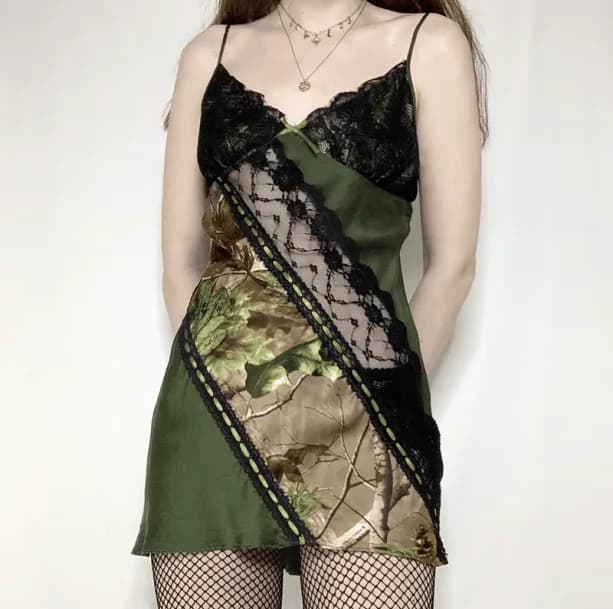
The hidden base layer is what makes everything else possible. A thin, close-fitting top under your sweater adds warmth without bulk. Choose neutral colors close to your skin tone or to the top you are wearing, so no edge peeks out. Scoop or high necklines depend on what you wear over them, so match them to the sweater collar.
Keep seams in mind. Thick seams show under fitted knits, and long thermal sleeves can bunch under a puffed sleeve. Slim sleeves are easier under a cape or a cropped jacket. For legs, thermal tights or leggings under a skirt are the easiest fix, and they work with long skirts that would otherwise drag in slush.
A useful rule is to layer thick over thin, keeping your base layers close and adding heavier garments on top. Several slim layers trap warm air effectively without excessive bulk, and they let you remove a layer indoors if temperatures rise. Always check care labels and fabric listings for what you are buying rather than assuming an outer piece is sufficiently warm just because it appears heavy.
- Thin and close-fitting under everything
- Neutral colors that match your top
- Avoid thick seams under fitted knits
- Layer thicker knits over thin base layers, not the reverse
Winter Fairycore Outfit Formulas to Copy
Formula one, the frost sprite: a pale blue knit, the Vintage Fairycore Skirt over cream thermal tights, cream boots and a white faux fur coat. The skirt gives movement, the coat gives volume, and the cool palette keeps it wintery. Add a headband or a simple braid to finish.
Formula two, the snow angel: all cream and white, with a turtleneck, a long flowing skirt, a cape and silver jewelry. If you like this softer, heavenly feel, the angelcore collection overlaps nicely with winter fairycore, especially for white and pearly pieces.
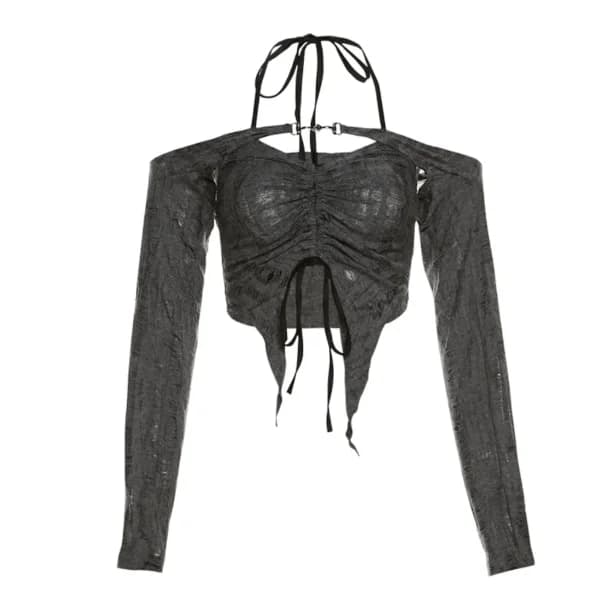
Formula three, the frozen forest: the Two Pieces Grunge Fairycore Top, made of polyester and spandex in S to L, layered under a long sage coat with dark tights and lace-up boots. This gives a slightly edgier, moody mix. Because it is a two-piece set, check the listing photos to see what each part covers and plan a thermal layer underneath if you need more warmth.
- Frost sprite: blue knit, skirt, cream boots, white fur coat
- Snow angel: cream turtleneck, long skirt, cape, silver jewelry
- Frozen forest: grunge fairy top, sage coat, dark tights, boots
Accessories: Sparkle, Bags and Belts
Accessories are where winter fairycore gets its sparkle, and they take up no extra warmth budget. The Fairycore Butterfly Earrings are acrylic and zinc alloy, and the Fairycore Butterfly Necklace comes in one size. Together they could add a little shimmer near the face when your scarf or hood leaves them visible. Check the product pages for finish details.
For a bag, the Fairycore Acorn Bag is made of rattan and would suit a woodland-themed look, though a stiff basket-style bag may feel more spring than snow, so pair it with fur or deep knits to bridge the mood. The Green Fairycore Crossbody Bag is polyester fiber, 22 cm long and 4 cm wide, with a height adjustable from 14 cm to 25 cm. It is small, so it suits essentials only, and sits well over a coat.
To cinch a long cardigan or coat dress, the Fairycore Heart Buckle Belt comes in 102 cm, 112 cm and 122 cm lengths, in metal and PU. Measure your waist over your winter layers before choosing, because thick knits and coats change where the belt needs to sit.
- Earrings + necklace: sparkle near the face
- Acorn bag: woodland accent, best with fur and knits
- Green crossbody: small, for essentials
- Heart buckle belt: size over your winter layers

Hats, Hoods, Scarves and Hair
Heads lose comfort quickly in cold weather, so the top of the outfit needs a plan. Knit beanies in pale shades feel casual, while faux fur hats, bonnets and hoods lean more fairytale. A hood on a cape is ideal because it frames the face and keeps your hair neat when the wind blows.
Scarves should match the palette and add texture. A long, soft scarf can mimic a shawl, while a chunky snood is more practical. Avoid a scarf that fights the neckline of your cape, since the bulk can bunch up. Wrap it loosely and tuck the ends in.
Hair also plays a role. Loose waves look dreamy but tangle in scarves and hoods. Braids, half-up styles and soft twists survive better. Small hair clips, pearls or ribbon bows add a fairy touch and stay put under a hat. If you wear a beanie, pull a few strands out around the face for a softer frame.
- Hood or fur hat for the most fairytale feel
- Long soft scarf can double as a shawl
- Braids and half-up styles survive wind and scarves
- Small clips and ribbons add detail under hats
How to Compare Pieces Before You Buy
Cute photos can hide practical problems, so use the same quick check for each item. First, read the material line. Polyester, spandex, rattan, PU and metal all behave differently in cold, and a listing that does not state the lining or insulation should not be assumed to be warm. Second, look at the size options and compare them with your own measurements, not just your usual size.
Third, think about how the piece layers. Can the sweater fit under the coat? Is the skirt long enough to cover the top of your boots? Does the belt length work over bulky layers? A piece that fits alone may not fit as part of the outfit. Finally, check delivery information on the product page. Some listings state a delivery window, so plan around it if you need something for a specific cold spell.
Try to buy in the order of impact: coat first, boots second, knit third, accessories last. That way the biggest pieces set the palette, and the small pieces can be chosen to match instead of the other way around.
- Read material and size details on every product page
- Compare sizes with your own measurements
- Check that pieces fit together as layers
- Check the listed delivery information if timing matters
Pitfalls and a Final Checklist
The most common mistakes are easy to avoid. Too many textures at once makes an outfit look cluttered. Thin fabrics without a base layer make you cold and break the mood. All-white outfits get dirty quickly in slush, so keep a spare pair of boots or treat hems with care. And long hems can drag through snow, so check length with your boots on.
Another trap is choosing only by looks and ignoring movement. If you cannot lift your arms comfortably in a cape, or the coat is too tight over a chunky sweater, you will not wear it. Also be wary of tiny bags if you carry gloves, a phone and keys, since the weather means more stuff, not less.
Before you head out, run through the list below. If most boxes are ticked, you are set for a cold day that still feels like a fairy tale.
- Thermal base layer in place and hidden
- Palette limited to three frosty shades
- One fluffy or dramatic statement item, not three
- Hem length works with boots and snow
- Boots fit with thick socks and suit the conditions
- Coat or cape closes at the neck
- Bag fits gloves, phone and keys
- Accessories add sparkle without snagging on scarves


