
Created by the Kawaii Vibe editorial team. Our named style desks are editorial personas. Product details and availability can change.
Wearing dresses during cooler months comes down to balancing warmth with clear visual proportions. When temperatures drop, tossing a heavy coat over a lightweight frock often leads to clunky layeringWearing pieces over or under one another to add depth, warmth or contrast., awkward hem bunching, or chilled legs. The secret lies in treating your dress as a central base layer rather than a standalone piece, building outwards with structured outerwear, deliberate knitwear, and grounded footwear.
Whether you love sweet pastel aesthetics, playful schoolgirl silhouetteThe overall shape an outfit creates, from fitted to loose and layered.s, or vintage preppy palettes, fall dressing gives you endless chances to mix textures. Ribbed knits, smooth fleece tights, structured collar accents, and lug-sole shoes can completely transform a simple dress across changing forecasts in both hemispheres.
In this guide, we break down concrete styling steps to help you pair silhouetteThe overall shape an outfit creates, from fitted to loose and layered.s, choose the right shoes, layer without hiding your dress, and accessorize smoothly. You will learn how to build practical, cozy outfits that keep their charming shape from morning to evening.
Build around the dress you want to wear, then compare your outer layers. Our fall clothes edit is a useful starting point for choosing a cardigan, jacket or other piece whose length works with your dress.
Understanding the Base Silhouette: Midi, Mini, and Pinafore
Before choosing jackets or boots, take an honest look at your dress cut. Mini dresses, midis, and sleeveless pinafores behave entirely differently when you start piling on extra pieces. A mini dress gives you plenty of vertical space between the hemline and your footwear, making it ideal for tall boots, knee socks, or layered coats that finish near the same length. If you add an oversized cardigan over a mini dress, keeping the dress visible at the hem prevents the outfit from looking like you simply forgot bottoms.
Midi dresses bring a completely different rhythm to an outfit. Because they fall between the knee and mid-calf, any outer layer needs to harmonize with that low break. Long coats that finish an inch or two past the midi hemline create a streamlined, elegant column, whereas waist-length outerwear marks your natural waist without cutting your legs in half. Avoid jackets that finish awkwardly across the widest part of your calves, which can chop up your height.
Pinafores and overall-style dresses give you the unique opportunity to build from the inside out. Instead of focusing only on what goes over the dress, you can slip structured knits or fitted blouses underneath. Checking our curated Fall Dresses line shows plenty of cuts where base hems dictate which outerwear length will maintain a tidy profile.
- Mini dresses pair cleanly with knee-high boots and jackets cut to waist or thigh length.
- Midi cuts look best with either cropped toppers or sweeping, full-length overcoats.
- Pinafores demand fitted, low-bulk underlayers so the bodice does not buckle.
Base Layering Underneath: Collars, Ribbed Knits, and Bodysuits
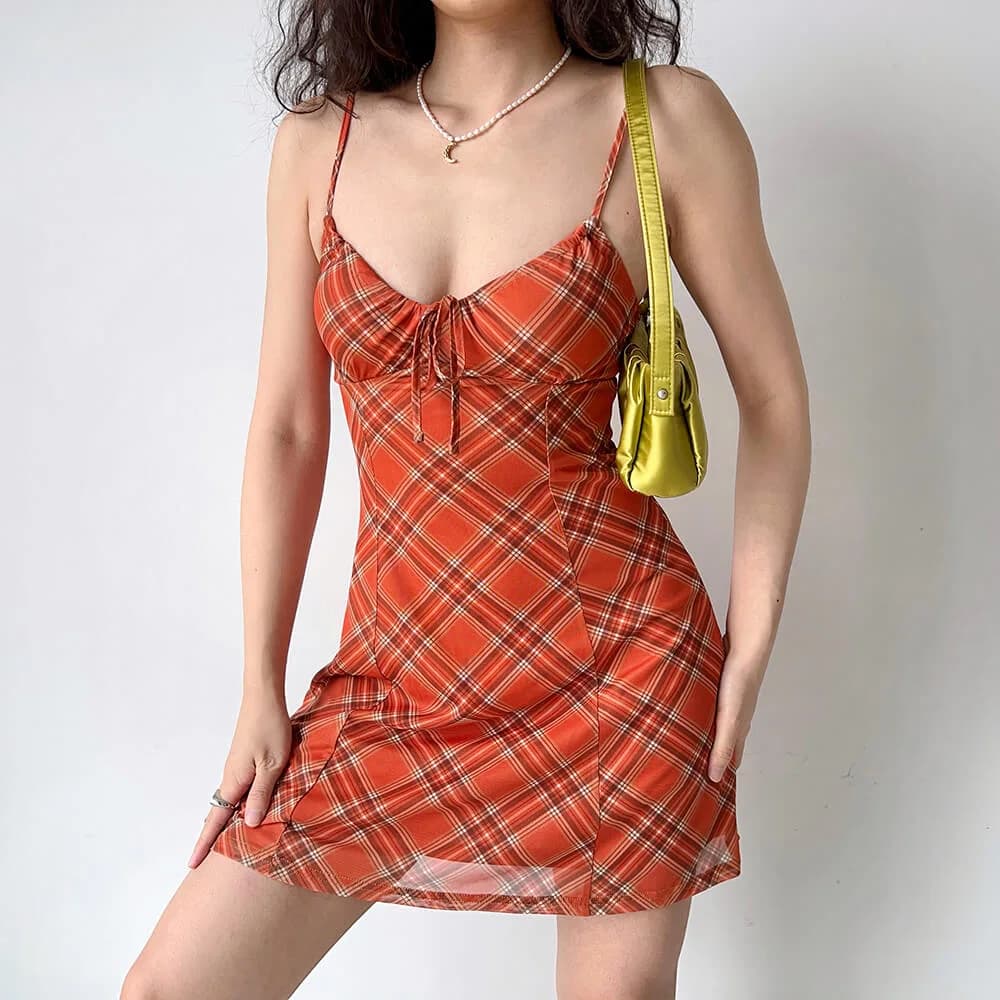
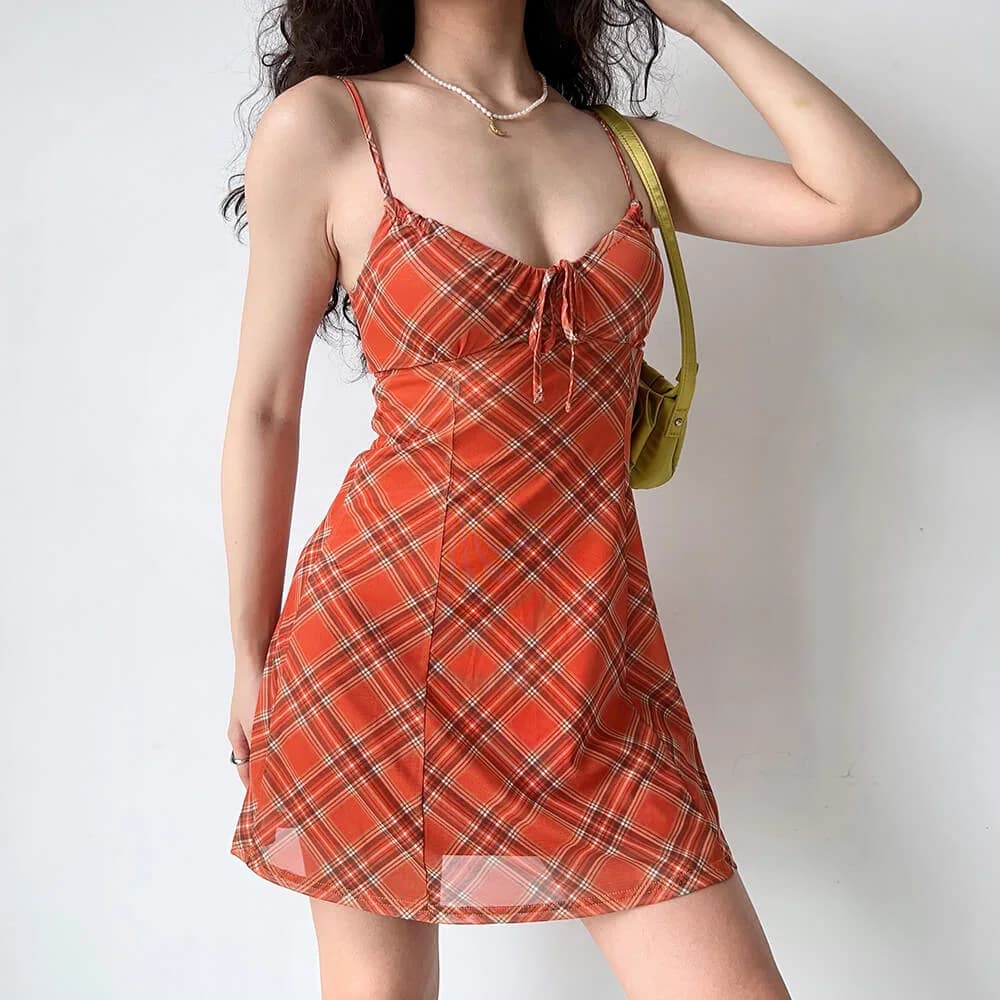
One of the easiest ways to keep wearing lighter dresses into crisp weather is by sliding a slim top underneath the bodice. Strappy sundresses, sweetheart slip dresses, and square-neck cuts instantly become cozy daytime outfits when anchored over a snug, thin knit. Look for smooth micro-rib fabrics, fitted turtlenecks, or tops with decorative necklines that frame the dress neckline naturally.
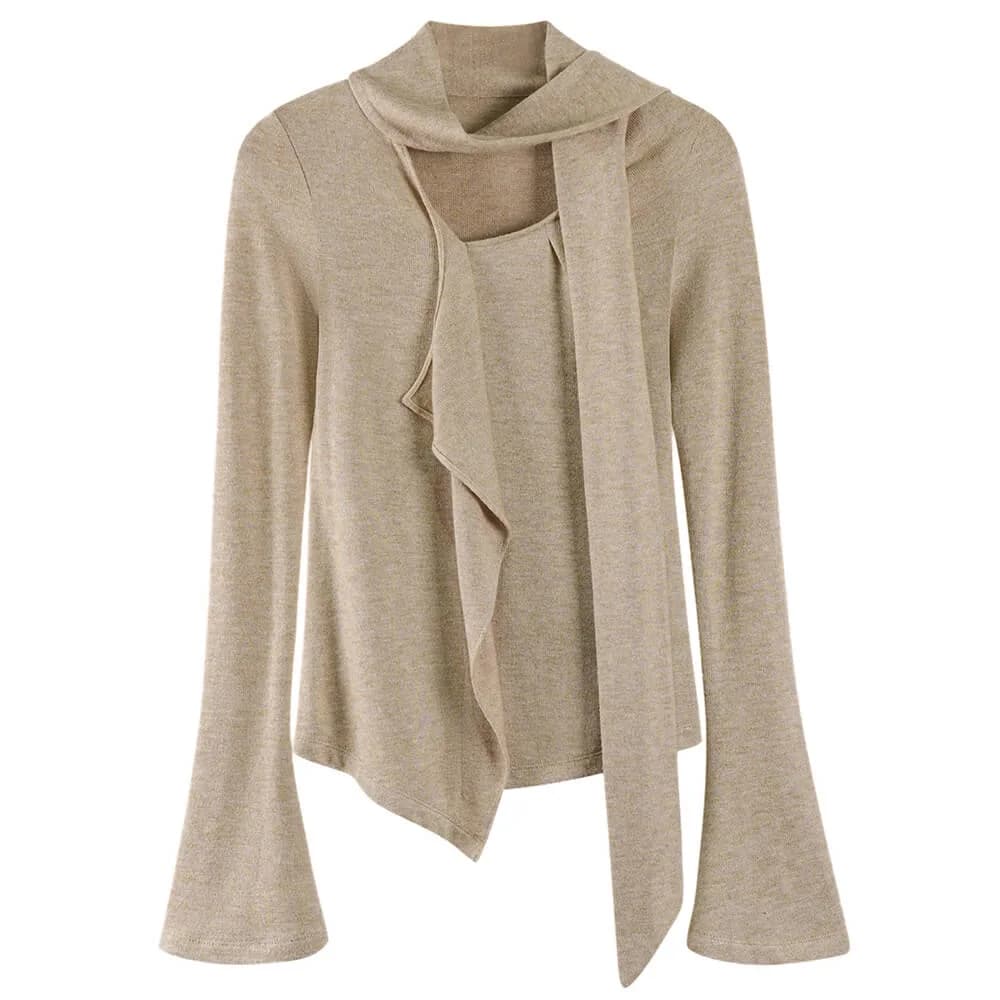
When styling an open-neck dress, details at the collar draw the eye upward and add character to an otherwise basic outfit. The Fall Feels Cozy Tie Neck Knit Top, offered in Beige and Grey polyester knit, features a soft collar tie that sits charmingly above a scoop or V-neck pinafore. Adding a soft bow at the throat turns a simple sleeveless silhouetteThe overall shape an outfit creates, from fitted to loose and layered. into a vintage-inspired schoolgirl look without bunching up under the armholes.
To keep this underlayer technique looking deliberate rather than thrown together, match the sleeve volume to your dress. If your dress has snug sleeves, choose a completely sleeveless heat base layer. If the dress is sleeveless or cut with a loose drop shoulder, full-length sleeves in contrasting tones add depth. You can explore broader knit ideas in our Fall Tops collection to find bases that lay smoothly under structured bodices.
- Choose fine-gauge knits to stop fabric from bunching under the armpits and bust.
- Tie collars, ruffs, and mock necks turn plain dress bodices into statement pieces.
- Match darker dresses with cream or oatmeal underlayers for crisp visual contrast.
Cropped Outerwear and Hem Proportions
Proportion issues often start when outerwear cuts right across the widest flare of an A-line skirt. When you wear a flared or pleated dress, long boxy jackets can squash the skirt and make the overall silhouetteThe overall shape an outfit creates, from fitted to loose and layered. feel bottom-heavy. A cropped jacket solves this by ending right at or slightly above your natural waistline, letting the skirt flow out freely without interruption.
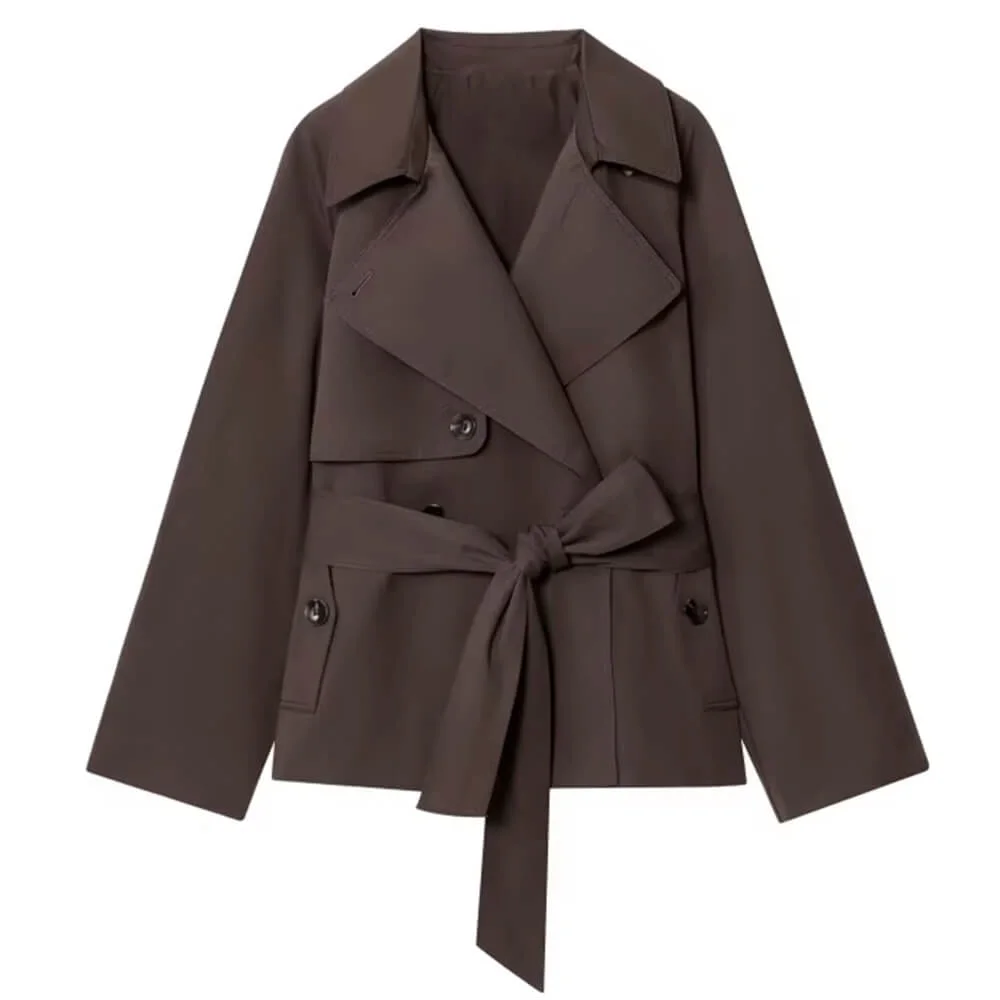
A clean outer layer like the Fall Feed Favorite Cropped Jacket, which comes in Burgundy, Brown, Green, Navy, and Tan polyester, provides that exact structural boundary. The cropped cut visually marks your waist, making your legs appear longer while letting pleated or tiered dress skirts flare naturally. Choosing rich autumn shades like burgundy or forest green against a neutral floral dress anchors the entire color scheme.
When styling cropped pieces, check where the jacket hem meets your dress seams. If your dress has an empire waist, a cropped jacket that stops precisely at that high seam looks intentional and balanced. If the dress has a dropped waist, a slightly longer boxy cut may sit more comfortably. Pay attention to how the fabrics slide together so the jacket does not hike up your skirt when walking.
- Cropped outerwear preserves the movement of pleated, skater, and tiered dress hems.
- Waist-defining cuts keep petite silhouetteThe overall shape an outfit creates, from fitted to loose and layered.s from disappearing inside heavy fabrics.
- Deep tones like navy and burgundy ground light cream and pastel dress fabrics.

Chunky Knits Over Dresses: Creating the Sweater-Skirt Illusion
You do not always need to leave your dress fully exposed to build a great fall outfit. Pulling a relaxed sweater over a dress turns the skirt section into a standalone bottom, effectively doubling the functionality of your wardrobe. This works especially well for tiered cotton frocks, bias-cut slips, and pleated pieces where the bottom half has plenty of movement.
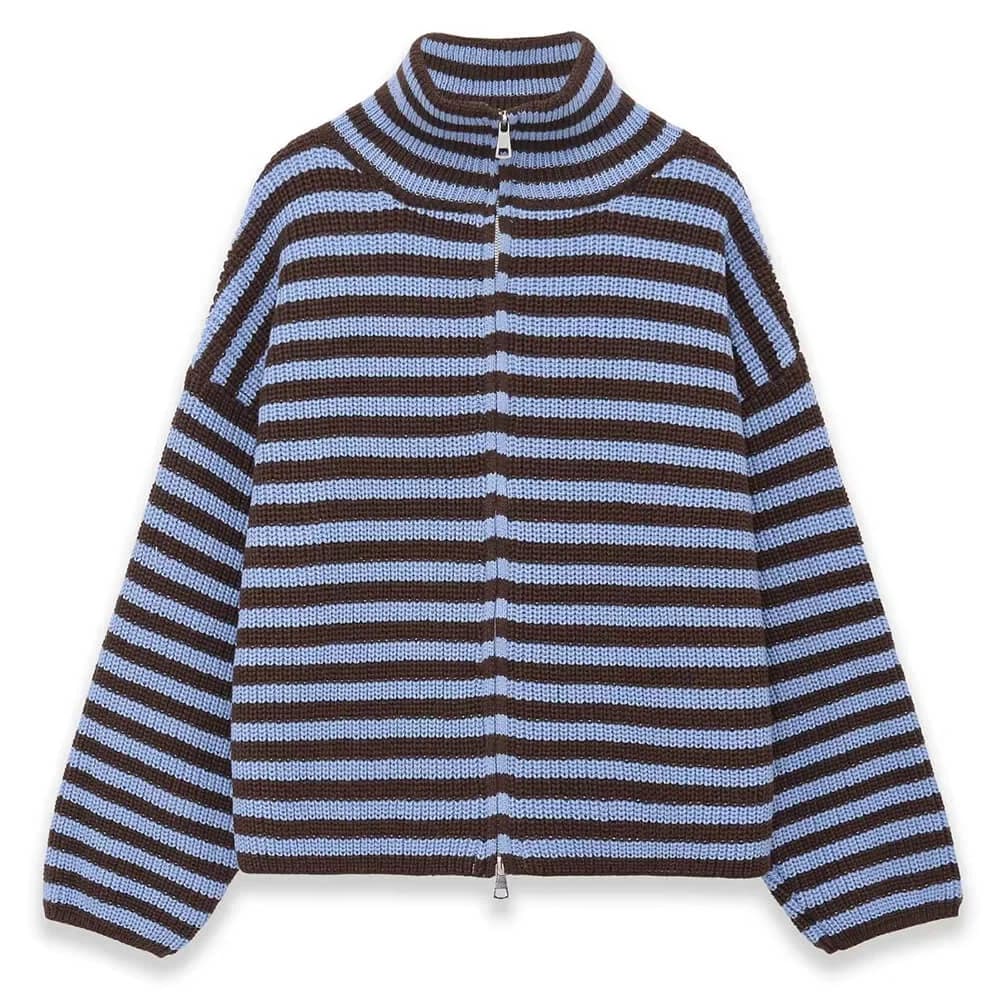
For a casual, borrowed-from-the-closet charm, the Grandpa Style Cable Knit Zip Jumper in polyester cable knit brings hearty texture to lightweight dresses. The zip collar lets you adjust how open the neckline sits, which is useful if your dress features an embroidered yoke or Peter Pan collar that you want to peek through. Available in Blue, Beige, and Black, this roomy piece drops comfortably over straight or A-line skirts.
To keep oversized knits from looking sloppy over a dress, use the belt-tuck technique. Place a thin elastic belt over the dress at your waist, pull the sweater down over it, and tuck the front hem upward into the belt. This creates a gentle blouson fold that hints at your natural waistline without crushing the dress underneath. If you love this layered look, you can also explore dedicated separates in our Fall Skirts line to see similar silhouetteThe overall shape an outfit creates, from fitted to loose and layered. ideas.


Long Coats and Trench Styling: Clean Vertical Lines
When the air turns colder and winds pick up, short jackets leave your legs exposed to chilly drafts. A long coat that extends toward the knees or calves gives full-body coverage while creating a striking, unbroken vertical line. The trick with long outerwear is managing hem difference: your coat should ideally be slightly longer than your dress, or finish within an inch or two of the dress hem.
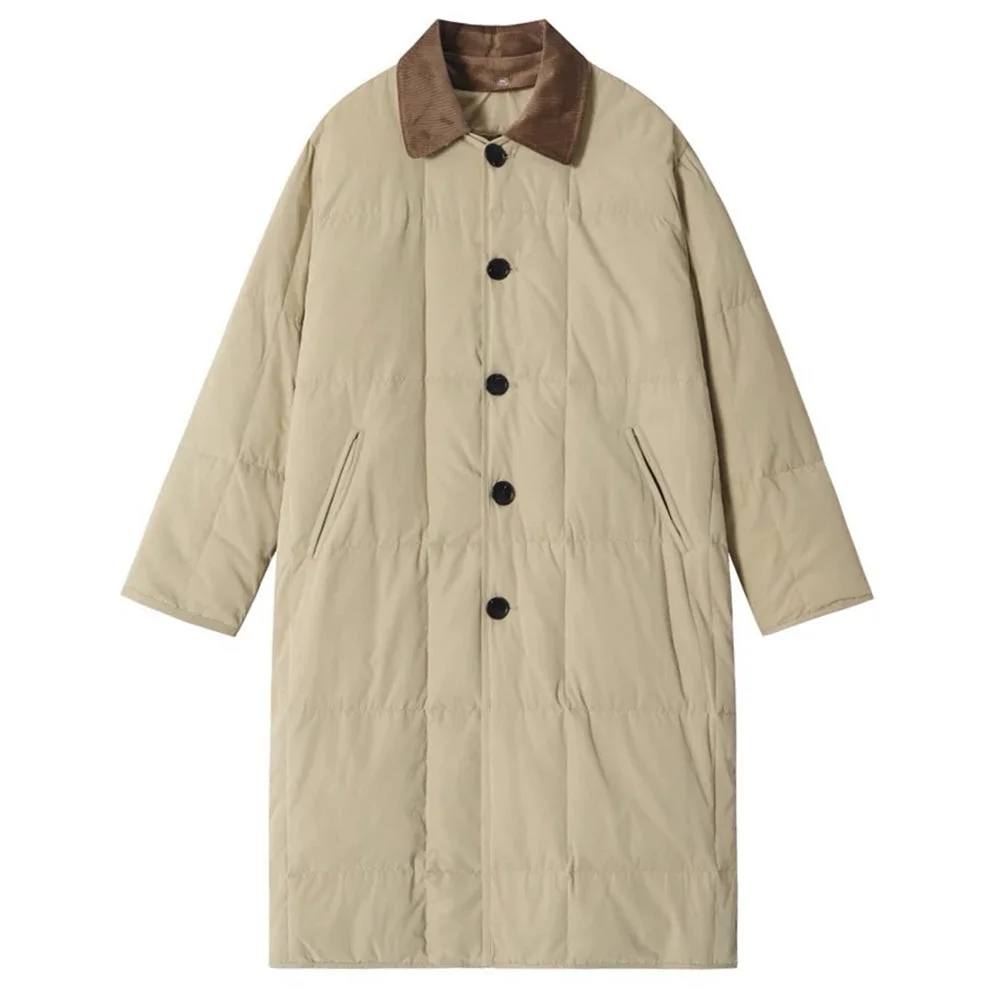
The Preppy Style Quilted Coat, constructed from a polyester and cotton blend in Beige and Black, offers structured insulation without looking stiff. The diamond quilting introduces geometric interest over simple cotton dresses, and the longer cut blocks chilly winds around the thighs and knees. Wearing it unbuttoned allows the vertical center of your dress to show, creating an elongating frame down your torso.
If your dress is very voluminous, such as a smock or babydoll silhouetteThe overall shape an outfit creates, from fitted to loose and layered., look for coats with drop shoulders and a gentle A-line cut so the coat does not squeeze the fabric into wrinkled clumps. Fastening only the top button while leaving the bottom open allows the skirt to swing freely as you walk, blending warmth with dynamic movement across daily errands.
- Aim for coat hems that cover the dress completely or hit close to the same level.
- Quilted and twill textures contrast pleasingly against smooth chiffon or cotton dresses.
- Leaving the center line open reveals your base dress while shielding your sides from wind.
Sporty and Streetwear Contrasts for Cute Aesthetics
Aesthetic dressing does not mean sticking exclusively to sweet, traditional pieces. Mixing distinctly feminine dresses with sporty or slightly vintage streetwear details creates an effortless, playful tension. A ruffled babydoll dress or a pleated tennis-style cut gains immediate daily wearability when contrasted with a graphic zip jacket or track-inspired outerwear.
Consider the Blokette Style Polka Dot Jacket, made from lightweight polyester in White, Brown, and Blue. Its sporty collar and retro pattern balance the sweetness of plain solid dresses, giving off a relaxed weekend feel. The athletic cut tones down formal ruffles, making cute mini dresses feel appropriate for casual coffee runs, lectures, or city walking.
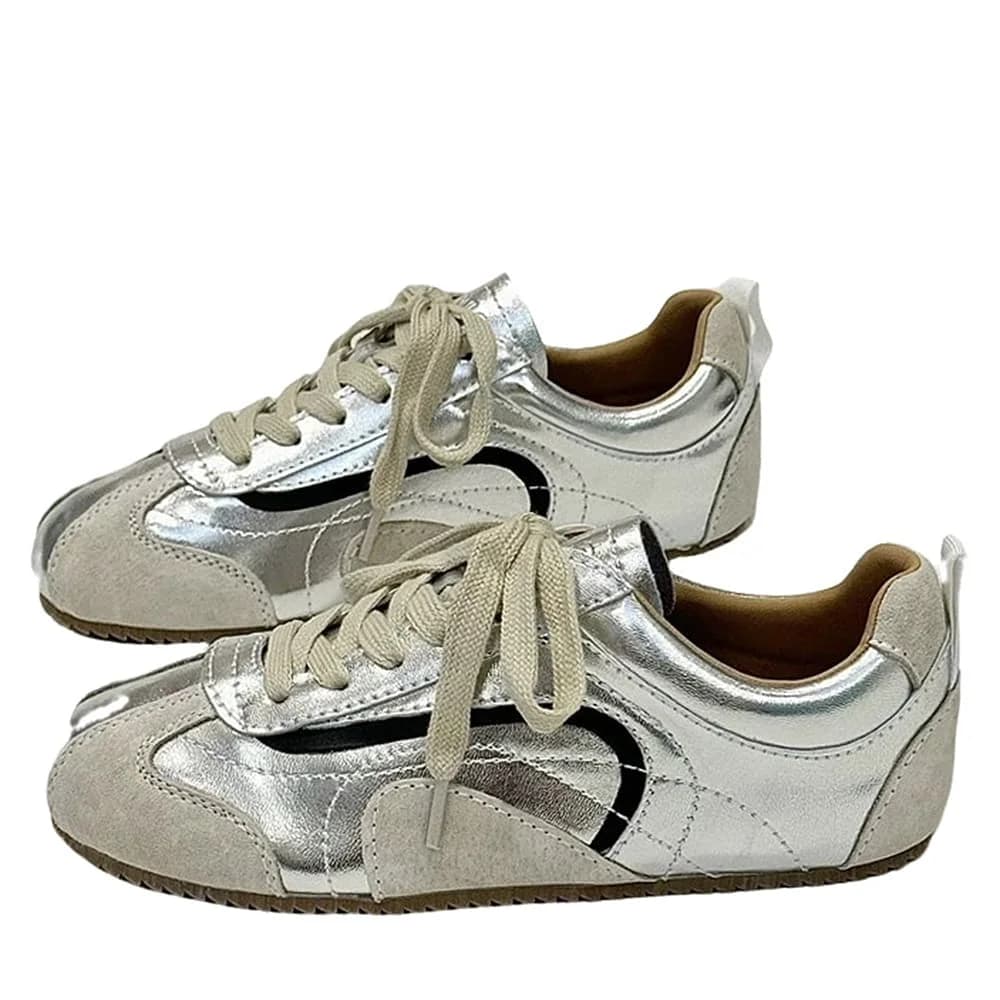
To pull off this sporty contrast without creating visual confusion, stick to a tight color story. If your sporty jacket features bold white dots or racing stripes, wear a dress that picks up one of those exact accent colors. Ground the bottom half with classic retro trainers, thick ribbed ankle socks, and a simple nylon crossbody bag to keep the sporty theme purposeful.
- Sporty jackets take the preciousness out of delicate ruffled and pastel dresses.
- Coordinate accessory tones to the accent stripe or dot pattern on the outerwear.
- Keep footwear casual with low-top retro sneakers and visible crew socks.
Y2K and Cozy Fleece Outerwear Pairings
Textural softness plays a massive role in creating that comforting fall mood. Fluffy trims, soft fleece, and plush trims add immediate warmth to short dresses while channeling early-2000s nostalgic styling. When working with fuzzy outerwear, keep your dress shape relatively streamlined so the overall outfit does not look overly bulky.
A piece like the Y2K Style Fur Trim Zip Hoodie, made with a cotton and polyester blend in Beige and Black, brings noticeable tactile charm. The faux fur trim frames the face, while the cropped zip bodice keeps the waist defined over high-waisted babydoll or bodycon knit dresses. Pairing a cozy fur-trimmed hoodie with a mini dress and platform boots captures an authentic retro street style aesthetic.
Pay close attention to fabric pairings when using plush outerwear. Fuzzy textures shed slightly or catch onto coarse wools, so pair them with smooth cotton, satin, or ribbed jersey dresses. The smooth dress fabric allows the fleece-lined jacket to slide on smoothly without dragging the dress upward every time you raise your arms.
- Plush textures look best balanced over smooth, low-friction base fabrics.
- Cropped hoodies with decorative trims keep short dresses youthful and defined.
- Opt for monochromatic pairings like beige over cream for a soft, cohesive palette.
Tights, Socks, and Legwear: Warmth Meets Visual Structure
Bare legs quickly become impractical once autumn sets in, making hosiery a functional requirement. However, basic sheer black pantyhose can sometimes feel too severe against pastel, cottagecore, or schoolgirl dresses. Introducing textured legwear, such as cable-knit tights, pointelle socks, and fleece-lined options, bridges temperature gaps while enhancing your aesthetic.
For cooler days, opaque tights in rich chocolate brown, heather grey, or oatmeal feel much softer against fall color schemes than stark black. LayeringWearing pieces over or under one another to add depth, warmth or contrast. ribbed knit socks over tights—scrunched gently around the ankle just above your footwear—adds dimension and softens the transition between sleek hosiery and chunky footwear. This layered sock method also prevents boots from rubbing against your heels during long walks.
If you love the look of light, sheer hosiery but live in a freezing climate, fleece-lined translucent tights are a game changer. These double-layer tights mimic the appearance of sheer skin through dark stockings while packing dense fleece warmth inside. Pair them with pleated mini dresses for an authentic autumn schoolgirl look without suffering through chilly winds.
- Chocolate, cream, and charcoal hosiery look gentler against autumn colorways than jet black.
- Scrunch knit socks above boot tops to create soft transitions and eliminate blisters.
- Pointelle and ribbed knit tights add vintage texture to plain, smooth dress fabrics.
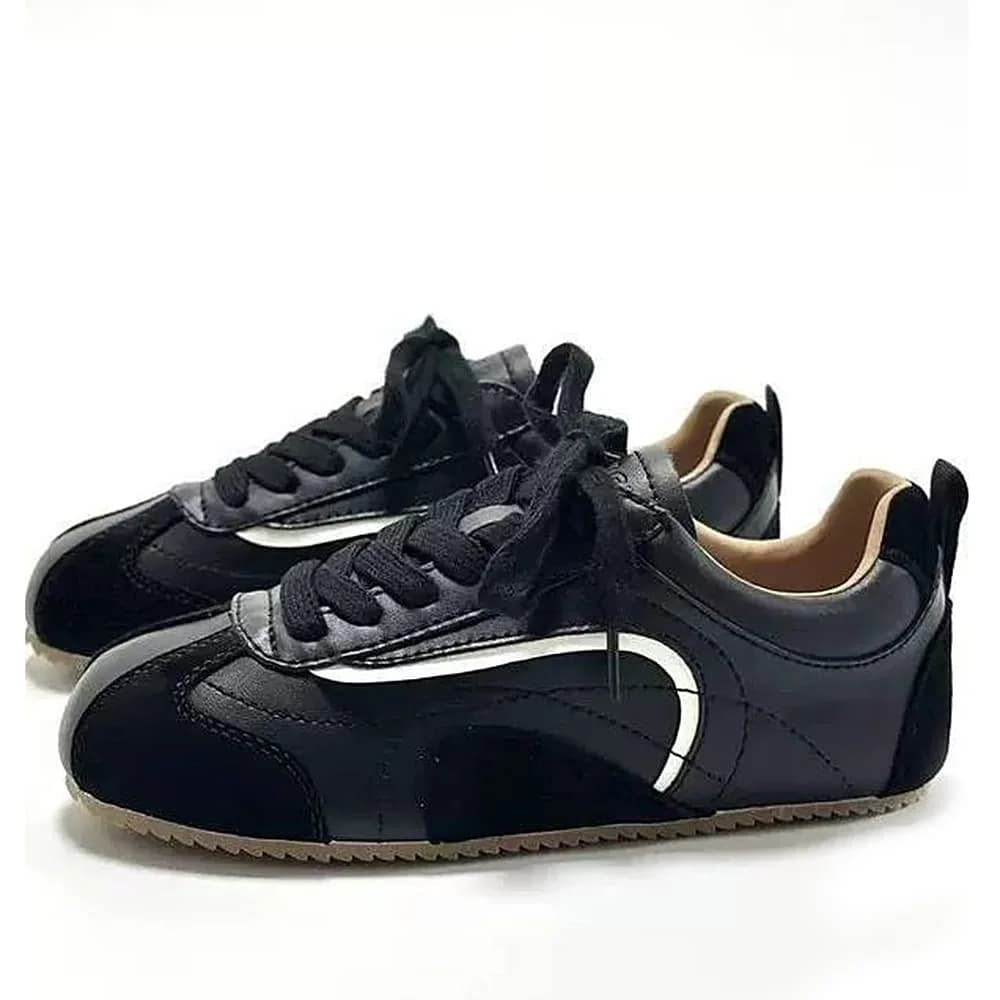
Footwear Pairings: Mary Janes, Loafers, and Combat Boots
Shoes anchor your dress outfit physically and aesthetically. A dress that feels floaty and summery can instantly shift into a functional fall ensemble simply by changing from open sandals to sturdy closed-toe shoes. Mary Janes, chunky loafers, and lace-up combat boots are three essential footwear pillars for cool-weather styling.
Mary Janes bring classic retro charm to mini and midi dresses. When choosing Mary Janes for autumn, look for platform soles or lugged treads rather than paper-thin flats; the thicker sole lifts your feet away from cold pavements and balances the visual weight of heavy jackets. Pair them with frilled ankle socks or sheer patterned tights for an unmistakable vintage schoolgirl vibe.
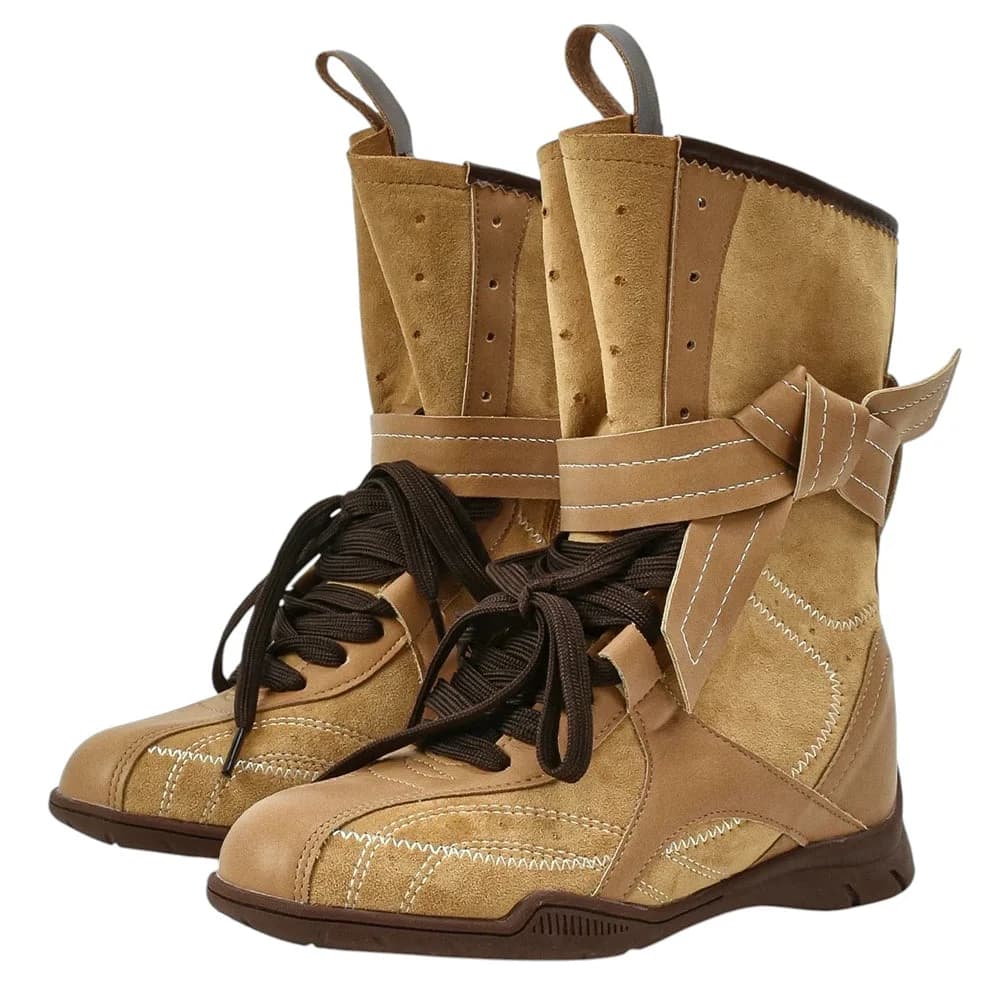
Chunky penny loafers and lace-up boots offer a slightly tougher edge that cuts through ultra-sweet dress designs. Loafers worn with white crew socks provide clean academic polish, making them a natural partner for pleated pinafores. For rainy days or wet leaves, lace-up combat boots ground tiered midi dresses, preventing the outfit from looking overly delicate while providing reliable traction across slick streets.
- Thick platform Mary Janes keep feet insulated from damp, chilly ground.
- Loafers paired with crisp white socks add immediate collegiate structure.
- Rugged boots ground romantic, floaty hems for practical daily wear.
Tall Boots and Knee-High Proportions
Knee-high and riding boots offer continuous warmth along your calves, making them one of the most practical options for pairing with dresses. The fundamental rule when styling tall boots is managing the visual gap between the top of the boot shaft and the dress hem. For mini dresses, leaving a gap of three to five inches creates a flattering, balanced break that highlights your leg line.
When pairing tall boots with midi dresses, aim for the opposite effect: eliminate the gap entirely. Having the hem of your midi dress drape down over the top of your boot shafts creates a seamless, windproof column. This styling trick prevents cold breezes from chilling your bare skin while delivering a sophisticated, continuous silhouetteThe overall shape an outfit creates, from fitted to loose and layered. that works beautifully under long coats.
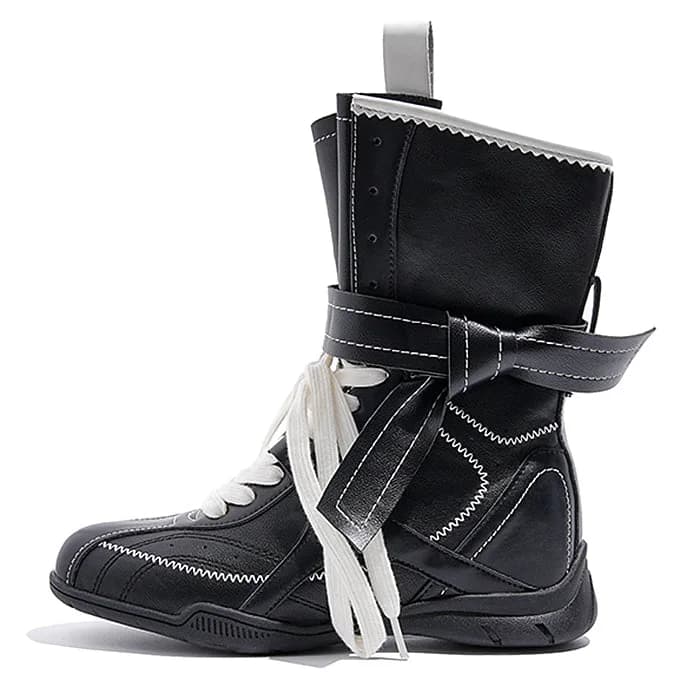
Consider the width of the boot shaft as well. Wide, slouchy riding boots add a relaxed country feel that works well over casual corduroy or knit dresses. In contrast, snug-fitting stretch boots provide a clean line that keeps voluminous tiered skirts from appearing messy. Always make sure the boots fit comfortably over whatever thickness of tights or knee-high socks you plan to layer underneath.
- Leave a three-to-five-inch gap between mini dress hems and tall boot shafts.
- Let midi dresses overlap boot tops to block out cold wind completely.
- Select stretch shafts for full skirts and slouchy leather shafts for straight cuts.

Layering Dresses Over Pants: Contemporary Creative Styling
Wearing dresses over trousers is a dynamic, high-fashion styling technique that offers unmatched warmth on brisk days. While it can feel intimidating, the trick lies in choosing dresses with split fronts, button plackets, or straight tunic lines that accommodate the waistband and hips of your pants without bunching up into a bulky lump.
A button-down shirt dress unbuttoned from the waist down acts as a creative, flowing duster over structured trousers. Pairing this arrangement with sturdy textured bottoms like the Cord Wide-Leg Pants with Plaid Cuffs, cut from ribbed corduroy in Brown, Beige, and Black, introduces rich tactile contrast. The structured corduroy holds its shape beneath the dress, and the plaid cuff adds a playful pop of pattern at the ankles.
Alternatively, matching an unbuttoned knit or shirt dress with tailored checks, such as the Fall Feels Cozy Plaid Trousers in Brown polyester, creates an academic, layered silhouetteThe overall shape an outfit creates, from fitted to loose and layered.. When styling dresses over pants, always keep the dress fabric lightweight and the trousers structured. Heavy wool dresses over thick pants can create unwanted stiffness, whereas flowing fabrics over tailored trousers move gracefully with every step.
- Choose button-down or split-front dresses so the skirt opens over the trousers.
- Pair structured corduroy or plaid pants with lightweight base dresses.
- Unbutton the dress from waist to hem to prevent excess fabric around the hips.
Accessories: Berets, Scarves, Belts, and Bags
Accessories do more than merely decorate; they solve fit issues and unify contrasting layers. When you pile on multiple outer pieces, a wide leather belt or decorative tie belt can secure an oversized cardigan around your waist, pulling the dress back into focus. Belting over knitwear defines your waistline while keeping drafts from sneaking up underneath loose hems.
Headwear and neckwear inject instant autumn charm into your outfit. A wool beret perched slightly back on the head gives classic artistic appeal, while a fluffy knit scarf provides crucial neck warmth when your dress neckline sits low. Choose accessories that echo secondary colors in your outfit. For instance, if your dress has tiny brown leaves in its print, a matching brown beret ties the whole look together.
Bag selection also influences how your layered outfit hangs. Heavy crossbody bags with thin straps can dig across bulky sweaters and crush dress ruffles, causing hems to ride up awkwardly on one side. Swap restrictive crossbody bags for top-handle satchels, mini backpacks, or shoulder bags with wider straps that rest comfortably beside your outerwear without disrupting delicate pleats.
- Cinch belts over unbuttoned knits to maintain waist definition.
- Match hat and scarf colors to minor accent tones within your dress print.
- Use wide-strap or handheld bags to avoid crushing ruffles and outerwear shapes.
Comparing Fall Bottoms and Dresses: The Versatility Check
When planning your autumn wardrobe, you might find yourself weighing a one-piece dress against versatile skirt separates. Both options have distinct practical advantages. A full dress provides an instant, cohesive base with zero guesswork about matching tops and bottoms, but it locks your silhouetteThe overall shape an outfit creates, from fitted to loose and layered. into a specific bodice and sleeve length for the day.
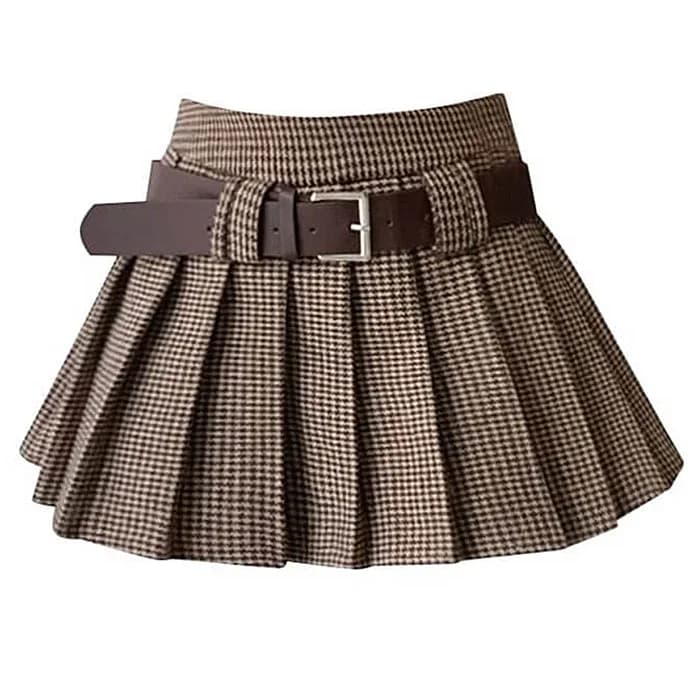
Separates offer slightly more modular flexibility when temperatures swing wildly between chilly mornings and mild afternoons. In our Fall Pleated Skirts selection, for example, a pleated bottom can be paired with thick cable knits one day and a fitted baby tee under a cardigan the next. If you frequently struggle with finding dresses that fit both your bust and hip measurements comfortably, choosing dedicated skirts and tops might offer an easier route to comfortable styling.
However, dresses hold a unique charm that separates cannot fully replicate: the seamless flow of print and fabric from shoulder to hem. Dresses eliminate waistband pressure around your stomach, making them exceptionally comfortable for long days at work or study. By investing in versatile outer layers, a compact rotation of fall dresses can easily yield dozens of distinctive looks.
- Dresses eliminate waistband digging and guarantee coordinated styling in seconds.
- Skirt separates provide modular temperature control across shifting weather.
- Pleated skirts deliver similar vintage movement with more top-layer flexibility.
Mistakes to Avoid and Your Fall Dress Styling Checklist
The most common misstep when styling fall dresses is neglecting hemline friction. Wearing a polyester or wool dress over synthetic tights without a slip often causes static cling, making the skirt stick awkwardly to your legs. To prevent this, apply lotion to your legs before putting on tights, or wear a simple silky slip skirt underneath to ensure fabric slides smoothly with every stride.
Another frequent mistake is combining too many heavy textures at once. If your dress is made from thick corduroy or heavy knit, layeringWearing pieces over or under one another to add depth, warmth or contrast. a bulky teddy coat and chunky knit scarf over it can feel overwhelming and restrict your arm movement. Instead, practice texture contrast: pair heavy dress fabrics with sleek leather or smooth quilted coats, and save your fluffiest cardigans for lightweight cotton, chiffon, or silk-satin dresses.
Before heading out the door, run through a quick styling checklist to confirm your layered dress outfit looks balanced and feels comfortable throughout the day. Checking movement, hem gaps, and weather-readiness ensures you will feel cozy and confident no matter where your autumn plans take you.
- Static check: Ensure dress fabric glides freely over tights without clinging.
- Texture balance: Contrast chunky knitwear with lighter dress fabrics.
- Hem proportion: Verify that coat hems do not cut awkwardly across skirt tiers.
- Footwear test: Ensure boots or shoes fit comfortably over your chosen sock thickness.
- Weather ready: Keep a coordinated scarf on hand if your dress has an open neckline.