Created by the Kawaii Vibe editorial team. Our named style desks are editorial personas. Product details and availability can change.
LayeringWearing pieces over or under one another to add depth, warmth or contrast. with fall sweaters often comes down to solving a very practical problem: keeping warm during unpredictable temperature swings without feeling restricted or losing definition in your outfit. When temperatures fluctuate between crisp mornings and warm afternoons, tossing an oversized knit over whatever you happen to be wearing can lead to bunching sleeves, awkward proportions, and uncomfortable drafts.
Making knitwear work across varied climates and body shapes requires balancing sleeve bulk, collar height, fabric transparency, and hemlines. Rather than treating every knit as an all-purpose top layer, building an outfit around a sweater means planning what sits flush against your skin and what slides cleanly over your shoulders.
This guide breaks down specific sweater formulas across different silhouetteThe overall shape an outfit creates, from fitted to loose and layered.s and weather conditions. By understanding how weights, cuts, and accompanying pieces interact, you can assemble everyday outfits that keep you comfortable from early brisk breezes straight through to deep cold snaps.
Establishing Your Core Sweater Base Layer
A successful layered outfit begins with what rests directly underneath your knitwear. If your base layer is too thick or cut too wide through the shoulders, any sweater pulled over it will bunch around the armpits and pull across the chest. The goal is to create a smooth, comfortable foundation that protects you from cool breezes while letting your outer layers drape as intended.
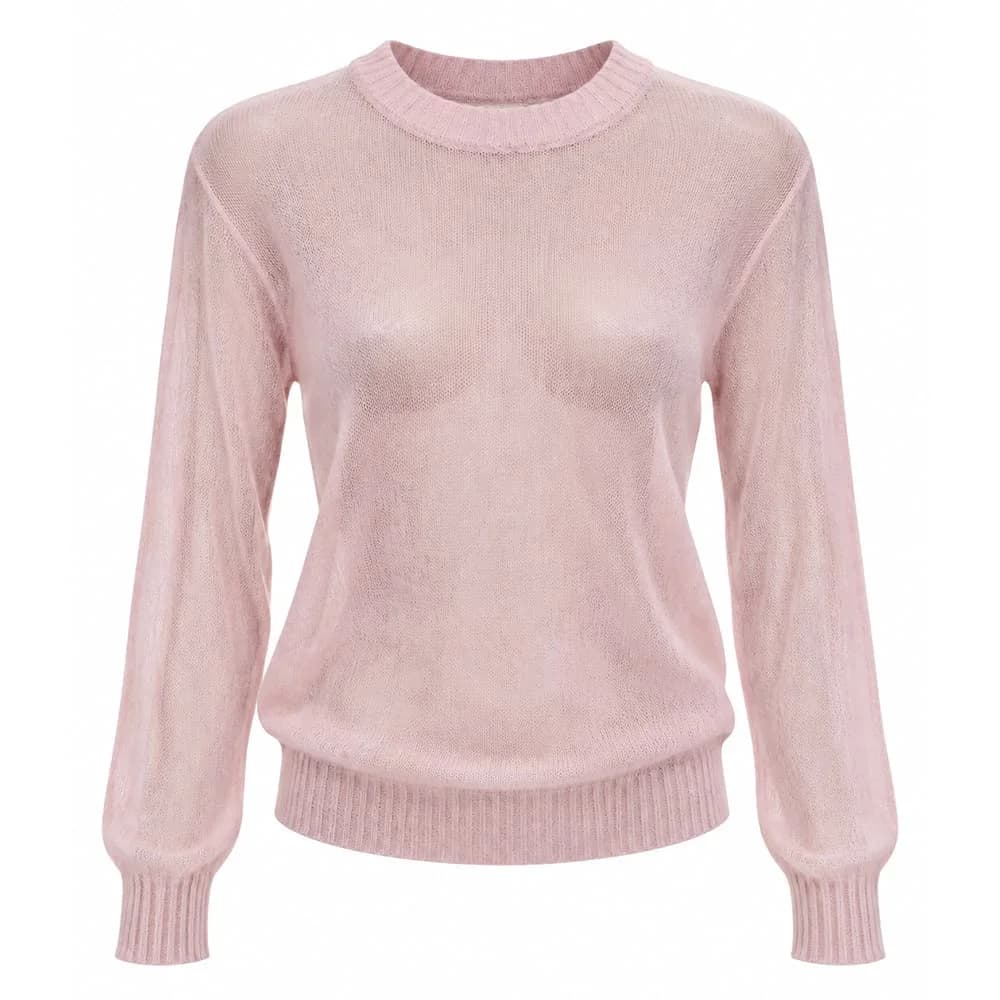
Fitted camisoles, close-cut t-shirts, and light long-sleeve tees form the most dependable starting points. When styling translucent or open-weave knits, your base layer becomes visibly part of the palette. For instance, pairing the Soft Girl Aesthetic Sheer Knit Sweater (made of polyester and offered in Yellow, Beige, Pink, Grey, Blue, Green, and Orange) over a plain white or tonal tank top lets the soft color show through without adding bulk. Exploring our wider selection of Fall Tops gives you plenty of foundation options to build upon.
Consider hem lengths when choosing an underlayer. A base shirt that finishes exactly at the sweater hem often creates an untidy, shifting double line. Either tuck your base completely into your trousers or select a piece cut deliberately longer to create a distinct, purposeful border at the hip.


Balancing Proportions: Cropped Versus Oversized Cuts
Sweater silhouetteThe overall shape an outfit creates, from fitted to loose and layered.s generally divide into cropped hems that sit above the hip bones and relaxed, dropped-shoulder shapes that extend past the mid-thigh. Pairing an oversized sweater with equally billowy trousers can swamp a shorter frame, while wearing a cropped knit with low-rise pants can leave your midsection cold and look visually disjointed.
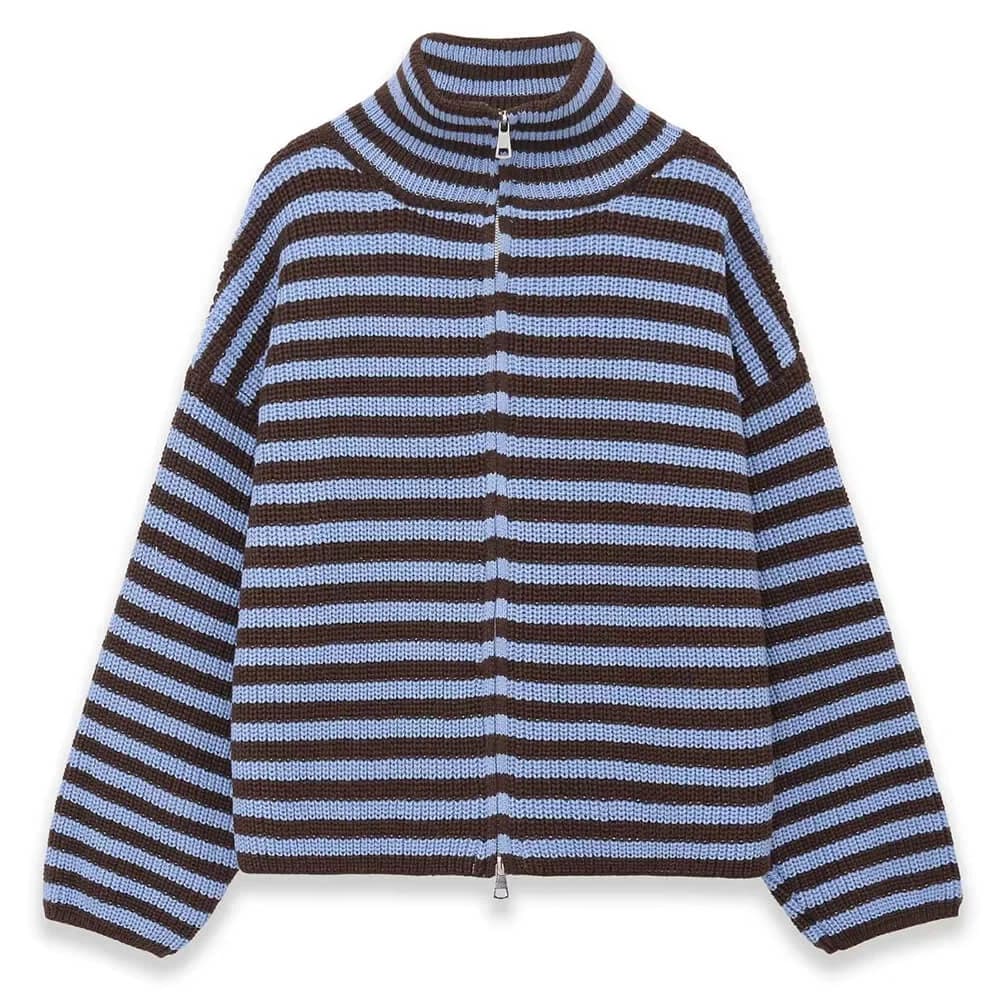
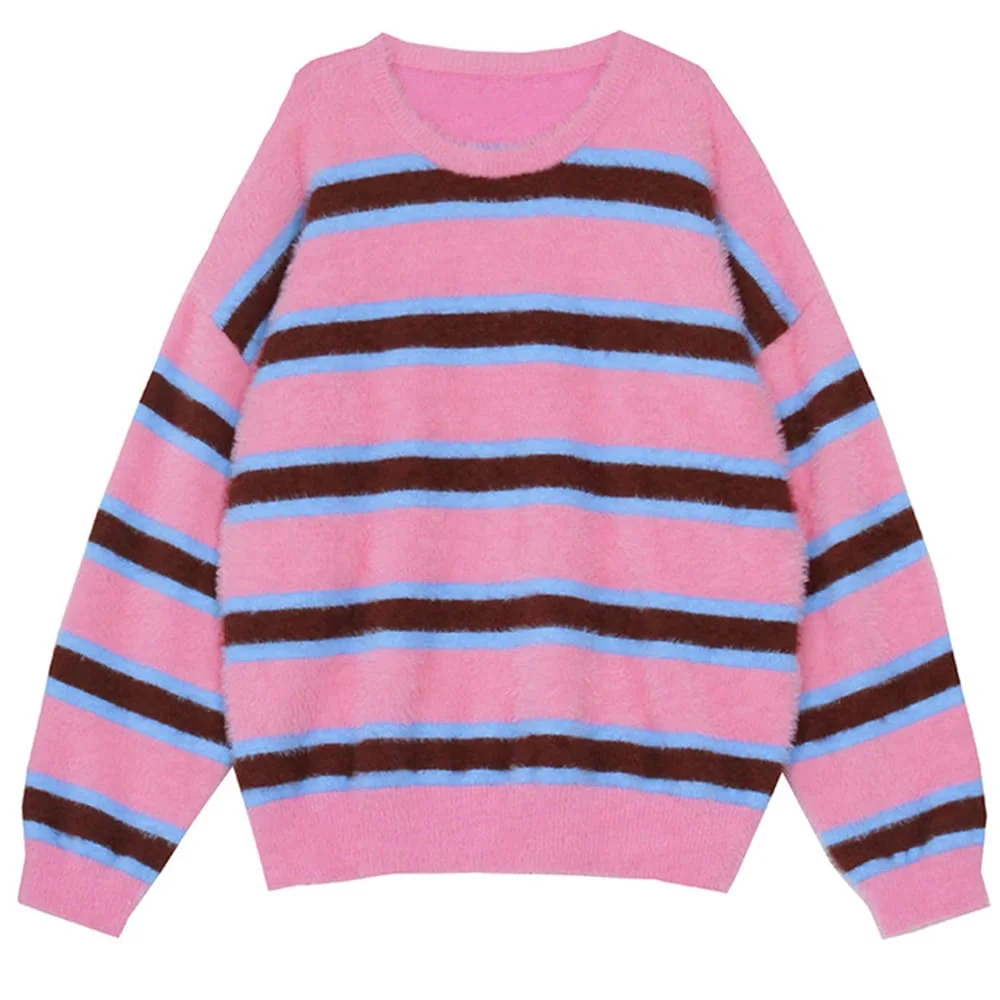
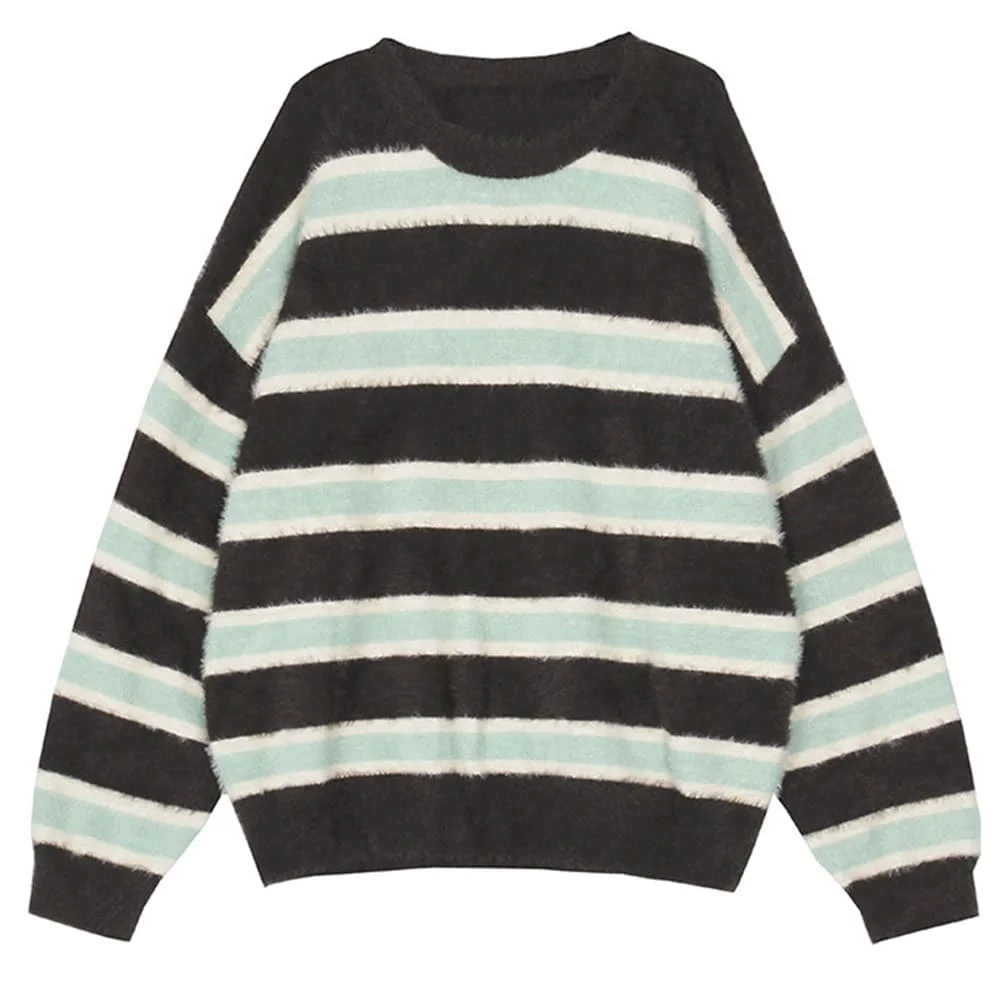
If you prefer voluminous tops like the Smells Like Teen Spirit Striped Knit Sweater, which comes in polyester with Brown/blue, Pink, or Brown/green striping in sizes M to XL, combine it with streamlined bottoms. Counterbalancing that relaxed top volume with straight-leg denim or neat tailoring keeps the overall look anchored.
Conversely, cropped sweaters shine when matched with high-waisted bottoms that elongate your lower half. Setting a shorter hemline right at your natural waist highlights your proportions and gives wide-leg trousers room to show off their movement without competing for visual space.

Neckline Combinations: Collars, Ties, and Crew Necks
How collars frame your face dictates whether an outfit reads as polished, casual, or cozy. Crew neck sweaters provide a clean, rounded canvas that easily accommodates a pointed collared shirt worn underneath, with the collar points neatly popped outside the knit line.
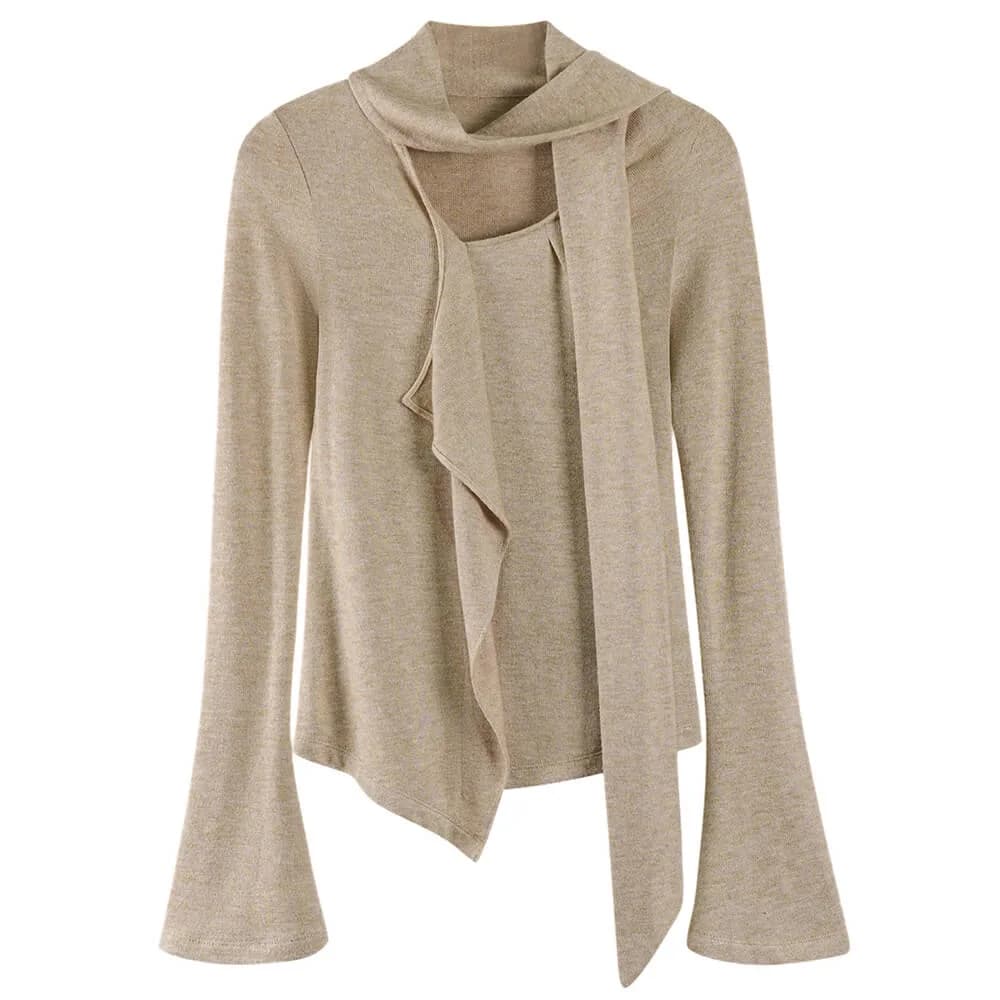
When your top features built-in detail, such as the Fall Feels Cozy Tie Neck Knit Top available in Beige and Grey polyester, outer layeringWearing pieces over or under one another to add depth, warmth or contrast. needs to be planned around the front closure. A deep V-neck cardigan or an open-front jacket allows the tied neckline to sit flat against your chest without getting crushed beneath heavy fabric.
Avoid stacking identical high necklines. LayeringWearing pieces over or under one another to add depth, warmth or contrast. two thick crew necks on top of one another causes fabric to ride up around the neck and creates friction. Instead, mix depths: pair an open collar over a shallow crew, or slip a wide scoop under a structured open neckline to keep lines clean.
Styling Sweaters with Tailored Trousers
Pairing soft knitwear with structured pants creates a balanced interplay between relaxed textures and sharp tailoring. Heavy knits soften crisp pleats, making the combination easy to wear for campus days, remote work setups, or casual office settings.
A solid sweater in a neutral hue looks grounded when worn with patterned pants like the Fall Feels Cozy Plaid Trousers, crafted from polyester in a classic Brown plaid spanning sizes S through 4XL. A fitted knit can be cleanly tucked into the waistband, while a medium-weight sweater can be given a soft half-tuck at the front button to keep your waistline visible.
Footwear completes the transition between knit and trouser. Chunky oxfords, low-profile loafers, or ankle boots with a modest block heel help counterbalance the visual weight of dense knitwear, keeping the pants breaking smoothly over your instep.

Layering Sweaters Over Skirts for Movement
Sweaters paired with skirts bring tactile warmth and fluid movement together, but getting the proportions right requires attention to hemlines. A thick knit worn loose over a voluminous gathered skirt can create a wide, boxy outline that feels unwieldy.
A practical approach is pairing a relaxed sweater with pleated, A-line, or bias-cut bottoms found in our Fall Skirts collection. If your sweater falls past your hip, use an elastic belt concealed beneath the knit, then tuck the bottom edge up into the band to create an adjustable cropped effect without adding fabric bunched inside your skirt waistband.
Mini skirts pair naturally with roomier sweaters, allowing the knit hem to sit just a few inches above the skirt edge. Finish this combination with opaque tights and sturdy boots to protect against cool pavement winds while keeping your outfit visually balanced.
Zip-Up and Button Cardigans as Flexible Mid-Layers
Cardigans function as the most adaptable mid-layers in any wardrobe because their front closures allow for rapid ventilation as temperatures shift during the day. Unzipping or unbuttoning down the front immediately reshapes your silhouetteThe overall shape an outfit creates, from fitted to loose and layered. and alters how colors show through.
For a sportier, retro-inspired aesthetic, the 90s Striped Knit Zip-Up Cardigan, made of acrylic in Blue or Red colorways, serves as a versatile piece. You can wear it zipped to the chin as a standalone sweater or open over a plain fitted tee as a light jacket. Discover more versatile layers across our dedicated Fall Cardigans line.
When wearing cardigans beneath heavier coats, pay attention to the sleeve cut. Cardigans with fitted sleeves slide into overcoats smoothly, whereas dolman or batwing sleeves tend to bunch under the armpits, restricting arm movement when layered under structured outerwear.
Outerwear Pairings: Trench Coats and Sweaters
When autumn breezes pick up, layeringWearing pieces over or under one another to add depth, warmth or contrast. a long coat over your knitwear creates a clean, wind-resistant outer shell. The secret to making this work without feeling constricted lies in matching the weight and drape of the sweater to the tailoring of the coat.
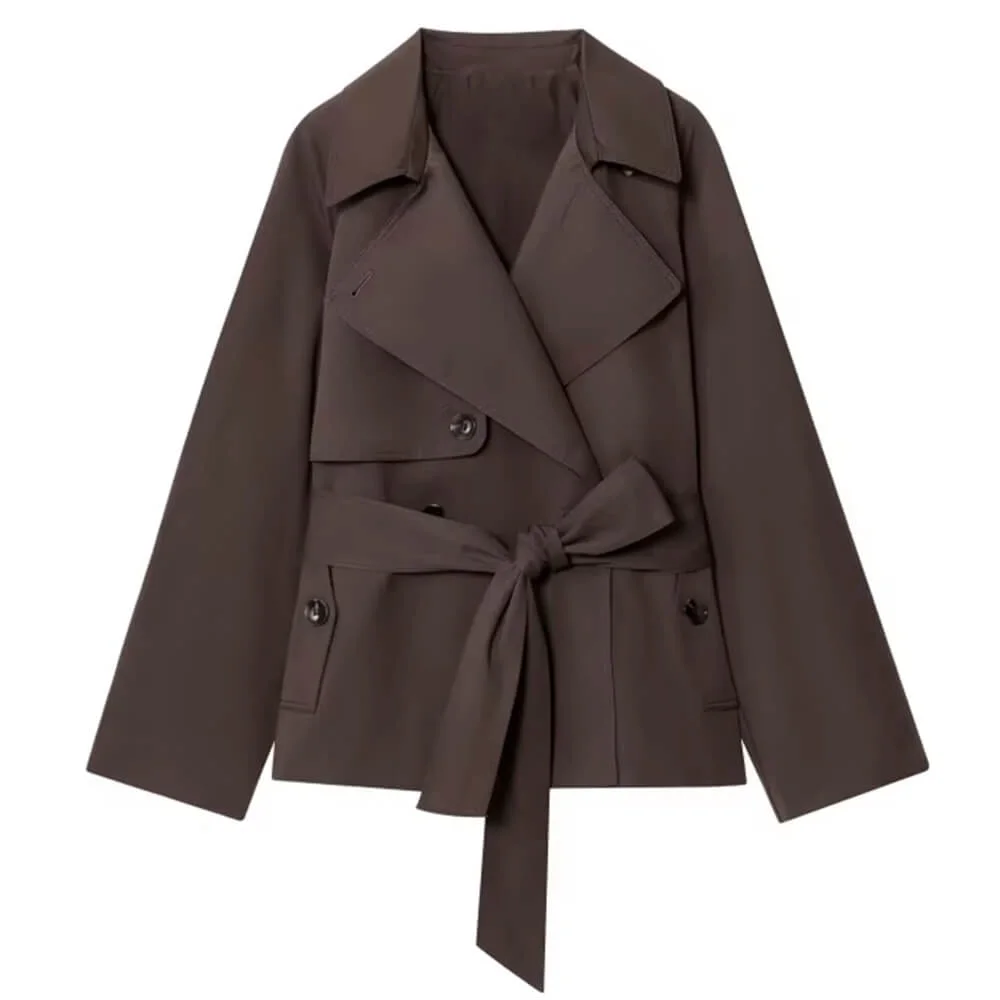
The Double Breasted Belted Trench Coat, constructed from polyester and offered in Brown, Black, and Beige, provides an adjustable outer framework. Because it features a waist belt, you can wear a mid-weight sweater underneath while still cinching the waist to prevent a boxy profile.
If you are wearing a textured or cable-knit sweater under a trench, keep the coat unbuttoned and tie the belt behind your back. This frames the knit down your center line while keeping the front panels held neatly out of the way for unrestricted walking.
Cropped Jackets Over Chunky Knits
Combining long sweaters with short jackets offers an interesting visual contrast, but it requires mindful hemline placement to avoid looking cluttered. When a sweater tail hangs out from beneath a jacket, the hem should look deliberate rather than accidental.
Using a piece like the Fall Feed Favorite Cropped Jacket, constructed from polyester in Burgundy, Brown, Green, Navy, and Tan across sizes XS to L, lets you clearly define your high waistline. Wearing it over a lightweight, body-skimming sweater keeps your frame tidy while introducing contrasting color blocks.
Avoid pairing thick, heavy-gauge oversized sweaters under rigid cropped jackets. Thick knits will push the jacket shoulders outward, making the garment sit unnaturally high on your neck and restricting your ability to button or zip the front.
Hooded Knits for Relaxed, Casual Outfits
Hooded knitwear bridges the gap between traditional athletic hoodies and soft autumn sweaters, offering casual warmth with a lighter, more pliable drape. They fit effortlessly into weekend outings and relaxed campus days.
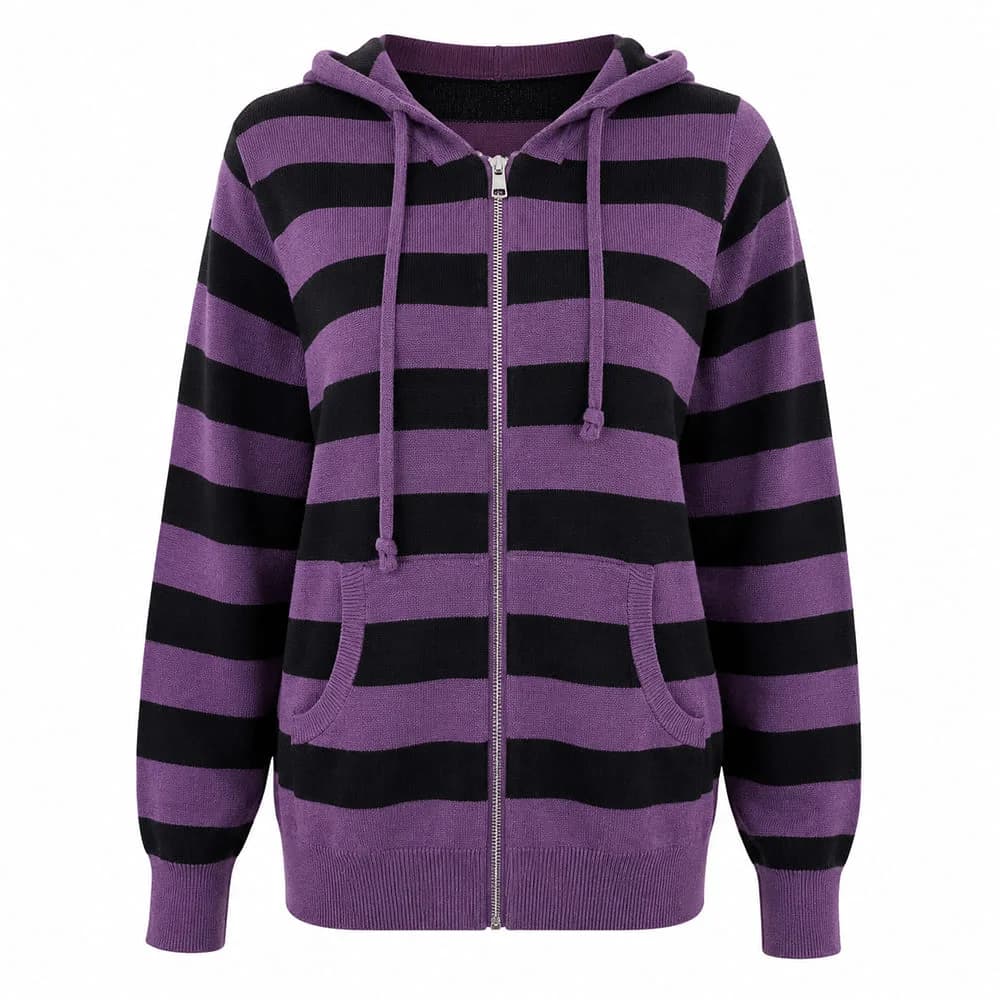
A practical piece like the Purple & Black Striped Lightweight Knit Hoodie, made of polyester in a distinctive purple stripe, can be layered under utility vests, chore coats, or denim jackets. Pulling the hood out over the collar of your jacket breaks up heavy outerwear lines and adds casual texture.
Because knit hoods lack the rigid internal fleece of traditional sweatshirts, they lay relatively flat against your upper back. This lower profile makes them much easier to layer under structured coats without creating a large bulge behind your neck.
Adapting Sweater Layers for Mild Autumns and Warm Days
In regions where autumn remains sunny and temperate, heavy wool blends are often uncomfortably warm by midday. LayeringWearing pieces over or under one another to add depth, warmth or contrast. for mild weather focuses on airy knits, open gauges, and pieces that can be removed and carried with minimal fuss.
Loose-knit and sheer sweaters excel here. Wearing an open-stitch sweater over a breathable cotton bralette or tank top keeps air circulating so you remain comfortable throughout warm afternoons. If the temperature climbs further, draping the knit over your shoulders and tying the sleeves across your chest keeps your hands free while adding a relaxed styling accent.
Look for knits in lighter synthetic blends or open stitches within our full range of Fall Clothes. These fabrics pack down easily into a tote bag without developing sharp wrinkles, making them convenient for all-day wear across variable climates.
Insulating Sweater Strategies for Deep Cold
When temperatures plunge toward freezing, sweater layeringWearing pieces over or under one another to add depth, warmth or contrast. shifts from styling aesthetics to functional thermal insulation. Trapping pockets of warm air close to your skin without creating stiff bulk requires thin, high-performance base garments.
Start with a thermal base layer that sits flush against your skin. Add a dense, close-weave knit like the options in our core Fall Sweaters section, and top with wind-resistant outerwear. By trapping still air between these thin, distinct layers, you retain significantly more warmth than you would by wearing a single heavy sweater alone.
Pay special attention to sleeve cuffs and waistbands during deep cold. Knits with ribbed cuffs prevent cold air from rushing up your arms when you lift your hands, and sweaters that tuck smoothly into your bottoms protect your lower back from freezing drafts.
Color, Pattern, and Texture Mixing
LayeringWearing pieces over or under one another to add depth, warmth or contrast. sweaters creates an opportunity to mix varied tactile finishes—smooth polyester, soft brushed yarns, ribbed textures, and woven outer fabrics. Combining contrasting textures keeps monochrome or simple neutral outfits visually engaging.
When mixing patterns, let one piece take center stage while keeping supporting layers understated. For example, if you are wearing striped knitwear, complement it with solid-colored trousers and a plain coat. If you prefer patterned bottoms like plaid pants, anchor them with a solid cream, grey, or navy sweater.
Mixing textures also prevents dark-on-dark outfits from looking flat. Wearing a black ribbed knit under a smooth black trench coat creates subtle depth and dimension through the way light reflects off each surface, even when your entire palette consists of a single shade.
Common Layering Mistakes and How to Fix Them
One frequent layeringWearing pieces over or under one another to add depth, warmth or contrast. mistake is ignoring armhole compatibility. Pulling a relaxed sweater with wide armholes into a slim-cut jacket results in pinched fabric, reduced circulation, and uncomfortable pulling across your shoulder blades. Always match the shoulder cut of your inner layer to the room inside your outer jacket.
Another common pitfall is hemline clutter, where a base shirt, sweater, jacket, and scarf all end at slightly different points around the mid-hip. This concentrates visual weight right at your widest point. Solve this by varying your lengths: pair a cropped jacket with a tucked base, or wear a long trench that extends well past a mid-hip sweater.
Static cling between synthetic fibers can also cause lightweight knits to ride up or stick awkwardly to skirts and trousers. Lightly misting your inner layers with water or applying a standard anti-static spray before leaving home ensures your fabrics drape smoothly alongside each other.
Practical Layering Checklist
Before heading out in a layered sweater outfit, running through a quick mental checklist helps ensure you will stay comfortable, warm, and styled properly throughout the day.
Use these practical checks to evaluate your combination before you step out the door:
- Check arm mobility by raising both hands to shoulder height to ensure sleeve layers do not pinch or bind.
- Confirm that your base layer sits smoothly beneath the sweater without visible bunching or twisting seams.
- Verify that your chosen neckline pairing frames your face comfortably without choking or riding up.
- Ensure your sweater hemline works harmoniously with your trouser or skirt waistband rise.
- Check that you can easily remove or loosen outer layers if midday temperatures begin to rise.