Created by the Kawaii Vibe editorial team. Our named style desks are editorial personas. Product details and availability can change.
A fruit print dress brings instant personality to an outfit, but making it work across your weekly rotation comes down to what you pair with it. Because the pattern carries strong visual weight, throwing random accessories or clashing coats at it can turn a clean look into sensory overload. Styling these dresses is less about piling on themed accents and more about balancing silhouetteThe overall shape an outfit creates, from fitted to loose and layered., texture, and color placement.
Whether you are getting dressed for mild sunshine or brisk weather, you can make your dress versatile with functional layers and grounded footwear. Rather than treating novelty patterns as single-wear statement items, you can anchor them with neutral knits, structured shirts, and intentional shoes that match your day-to-day schedule.
This guide breaks down practical ways to style fruit motifs without looking overstyled. We will look at layeringWearing pieces over or under one another to add depth, warmth or contrast. under and over different cuts, choosing shoes that support the proportions of your dress, and keeping your finishing accessories crisp and cohesive.
Setting the Base Silhouette Before Adding Layers
Before reaching for a jacket or a pair of sneakers, look closely at the shape of your base garment. Fruit dresses range from structured, fitted A-line shapes to flowy, tiered smock dresses and slinky slip cuts. Identifying your silhouetteThe overall shape an outfit creates, from fitted to loose and layered. dictates how every other layer will drape around your frame. If your dress has a wide skirt or puff sleeves, piling a stiff, boxy outer jacket directly over it can create awkward bulk around the upper body.
When styling an expansive skirt, keep your base layers lean or choose outer pieces that define the waistline. Conversely, if your piece is a relaxed slip or straight column dress, you have room to introduce volume through heavy sweaters, loose open shirts, or chunky footwear. Checking the dress volume first ensures you do not waste time adjusting bunches of excess fabric later in the day.
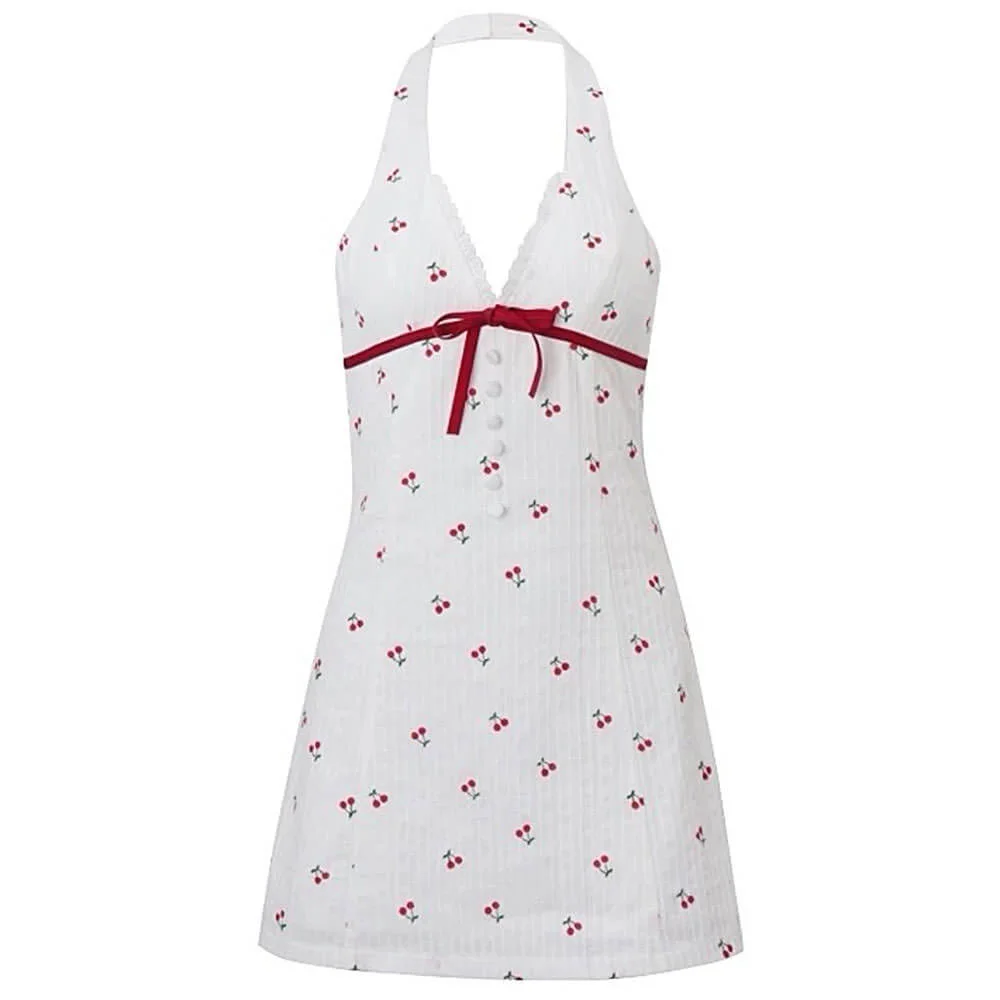
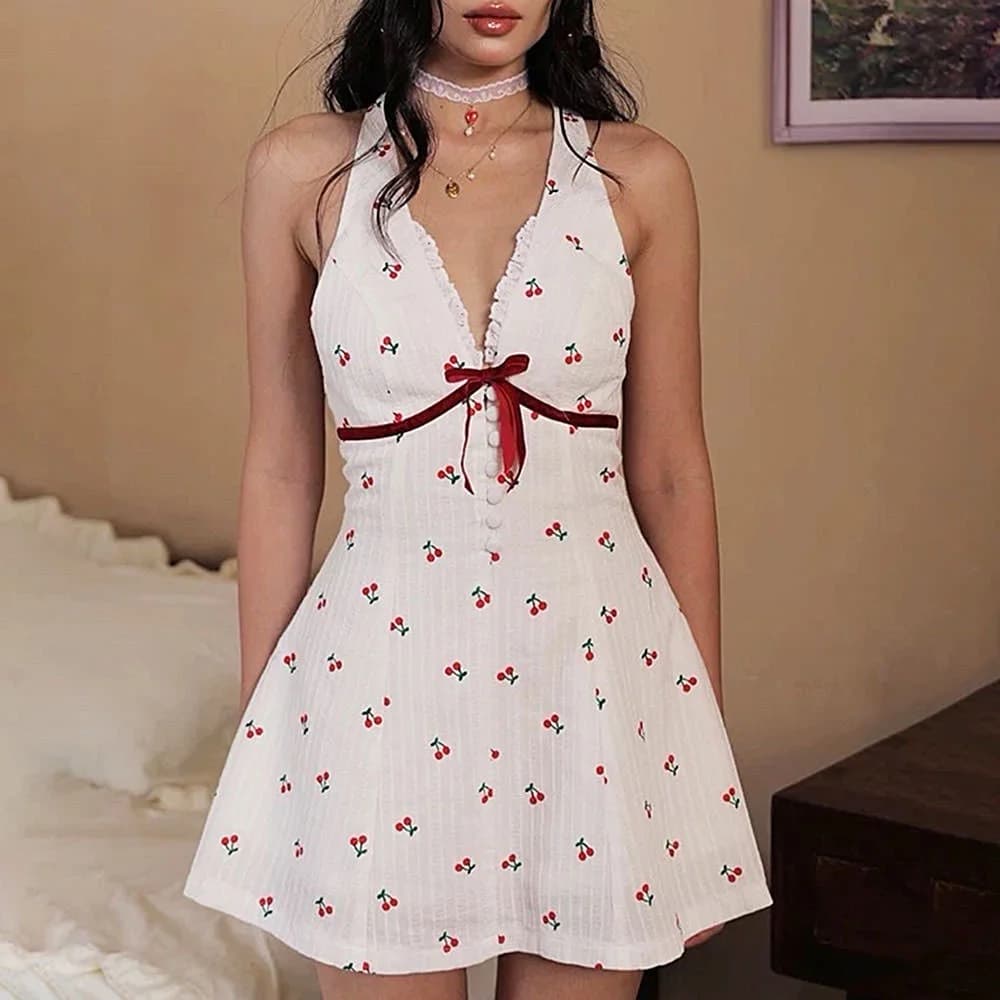
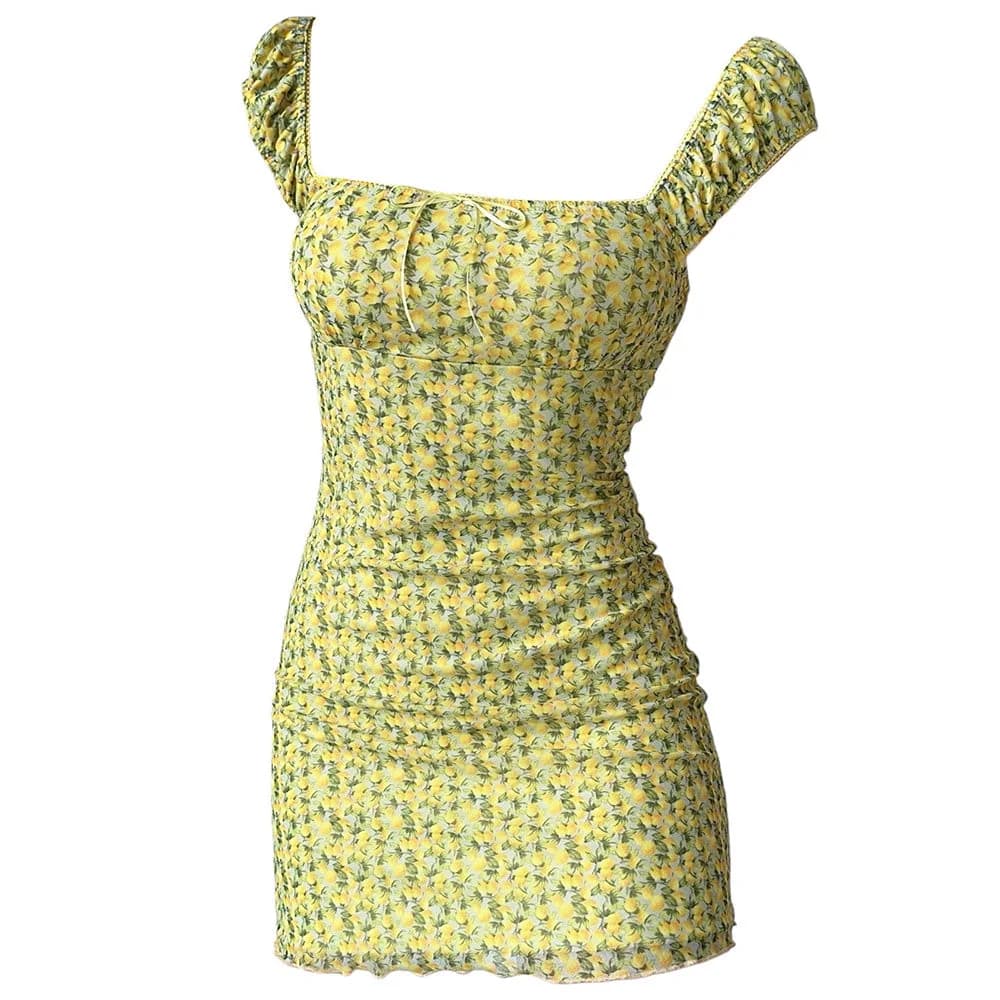
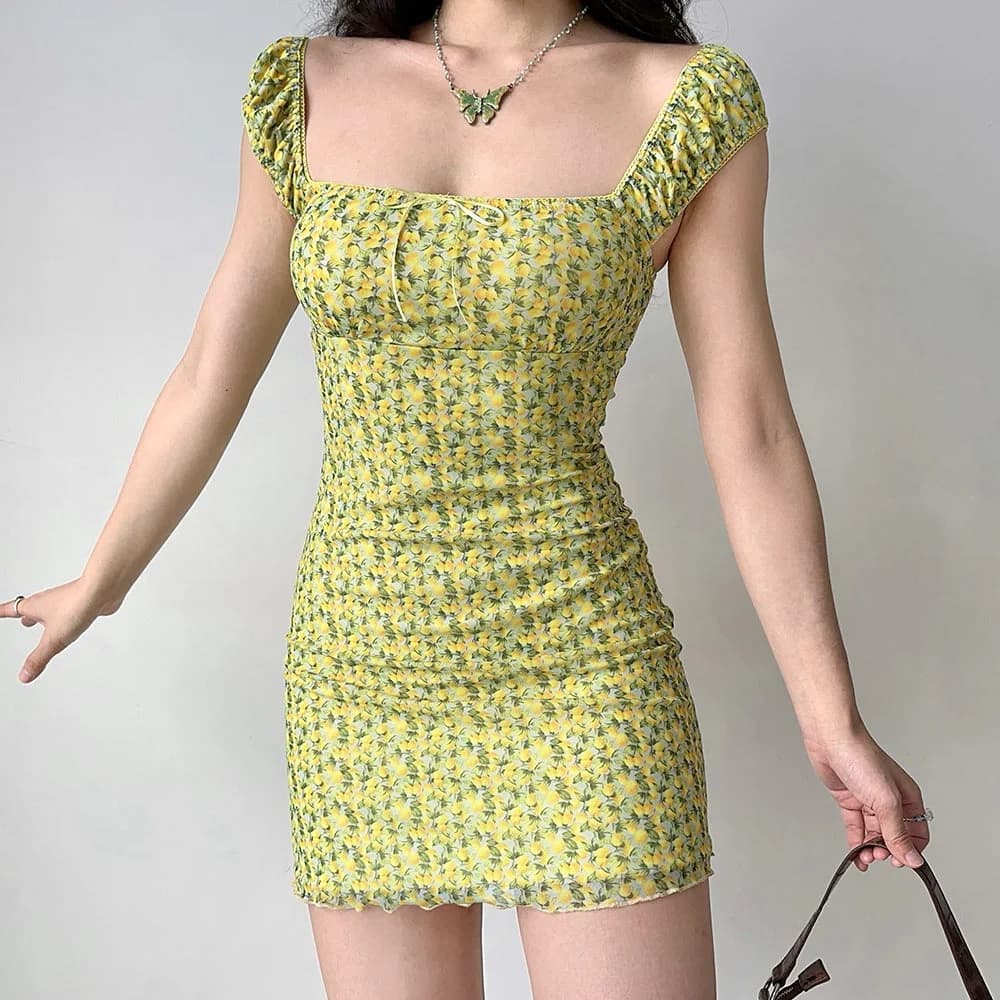
If you are still searching for the right foundational piece, exploring a broad range of fruit dresses will show you how different hemlines, necklines, and print densities affect your outfit proportions. Finding a cut that fits your comfort level makes every subsequent styling decision noticeably easier.
- Fitted A-line dresses work best with cropped outerwear or thin undershirts.
- Relaxed slip dresses easily handle oversized sweaters and structured jackets.
- Tiered smock silhouetteThe overall shape an outfit creates, from fitted to loose and layered.s need lightweight or open front layers to prevent bunching.
Base-Layering Fitted Tees Under Strappy Dresses
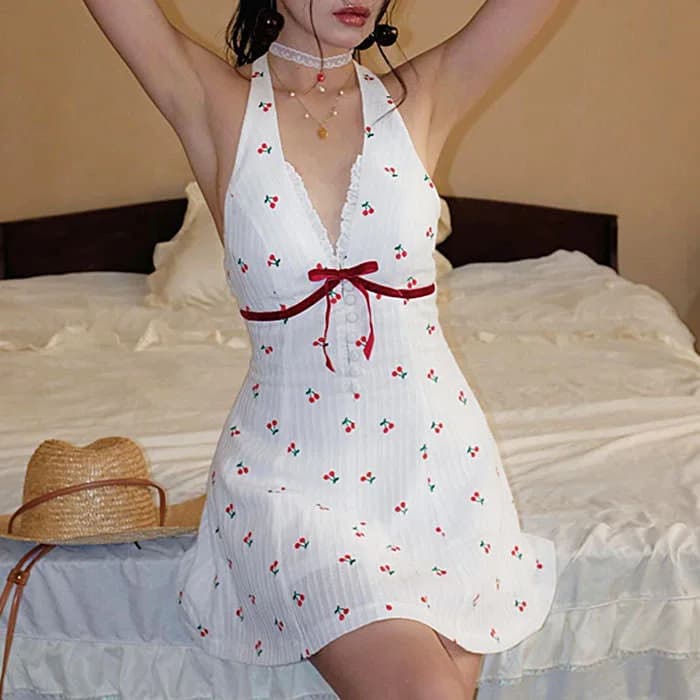
Sleeveless cuts, pinafores, and camisole dresses do not have to sit in your closet when the temperature drops or when you prefer shoulder coverage. Slipping a lightweight top beneath a strappy dress gives the outfit an effortless nineties undertone while toning down the boldness of a busy print. The key here is choosing an underlayer that sits flat against your skin so the bodice of your dress lies smoothly.
A fitted crewneck or baby tee serves this purpose well. You can use a neat graphic piece like the Star Fruit Green Baby Tee, made from a cotton and polyester blend, underneath a dress that shares soft yellow or light green undertones. Because this top is cut close to the body, it slides beneath fitted bodices without bunching up under your arms or wrinkling across your chest.
Pay attention to the collar height when choosing an underlayer. A high crewneck or mock neck creates a clean frame that lets the neckline of your dress sit distinctly on top. Avoid tops with heavy front pockets, thick ribbing, or stiff sleeve cuffs, as those details will push through the fabric of your dress and distort the silhouetteThe overall shape an outfit creates, from fitted to loose and layered..
- Match the undertone of the tee to an accent color inside the fruit pattern.
- Check underarm clearance so your dress straps sit flat over the shirt seams.
- Stick to smooth jersey fabrics to prevent the dress bodice from riding up.

Cropped Button-Ups and Tie-Front Shirts Over the Bodice
LayeringWearing pieces over or under one another to add depth, warmth or contrast. over the top of a dress lets you treat it almost like a skirt, shifting the visual balance of your look. A cropped shirt or a front-tie blouse breaks up the vertical line of the dress, emphasizing the waist and creating a distinct two-piece effect. This approach works especially well over straight-cut dresses that benefit from added waist definition.
Lightweight woven tops can be left unbuttoned and tied at the natural waistline, or worn closed for a tailored upper half. The Apple Embroidered Short Sleeve Tie Shirt in polyester offers a practical example of this formula. Its built-in front tie lets you position the knot exactly where the skirt flairs, while the subtle fruit embroidery links back to the theme of your base dress without overwhelming it.
To keep this look balanced, choose a shirt that contrasts in texture with the fabric of your dress. If your dress is made of silky rayon or light cotton, a crisp poplin or structured poly shirt adds welcome contrast. Keep the sleeves rolled or cuffed slightly at the forearm to expose wrists, which keeps the layered top from looking heavy against a full skirt.
- Position the tie or hem right at the narrowest point of your waist.
- Roll sleeves up to the elbow to keep the upper silhouetteThe overall shape an outfit creates, from fitted to loose and layered. light and airy.
- Use solid base tones with subtle embroidery rather than competing all-over prints.

Dressing Down With Everyday Graphic T-Shirts
Turning a dressy sundress into an easy weekend errand outfit is simple when you treat the dress skirt as a standalone piece. LayeringWearing pieces over or under one another to add depth, warmth or contrast. an easy-fitting t-shirt over your dress instantly dresses down the look, providing casual coverage while letting the printed skirt take center stage. This styling method extends the mileage of statement dresses that might otherwise feel too formal for daily wear.
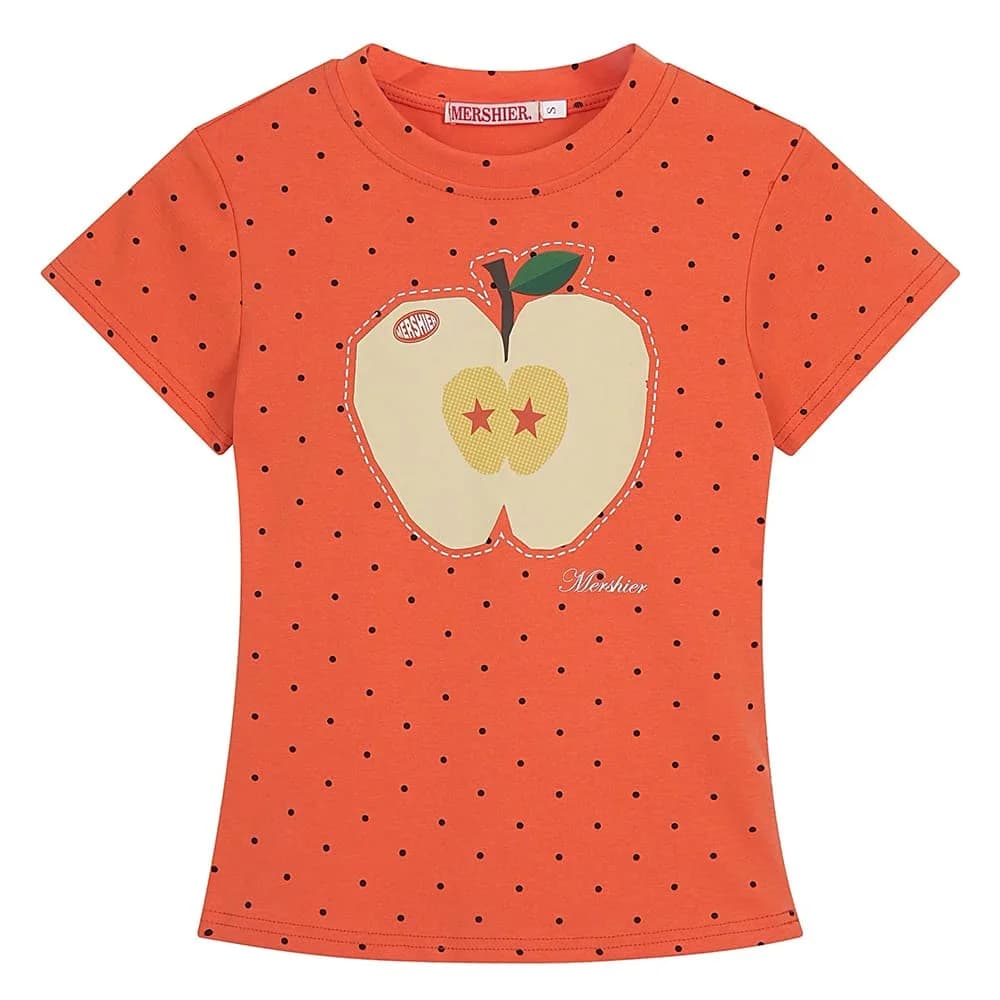
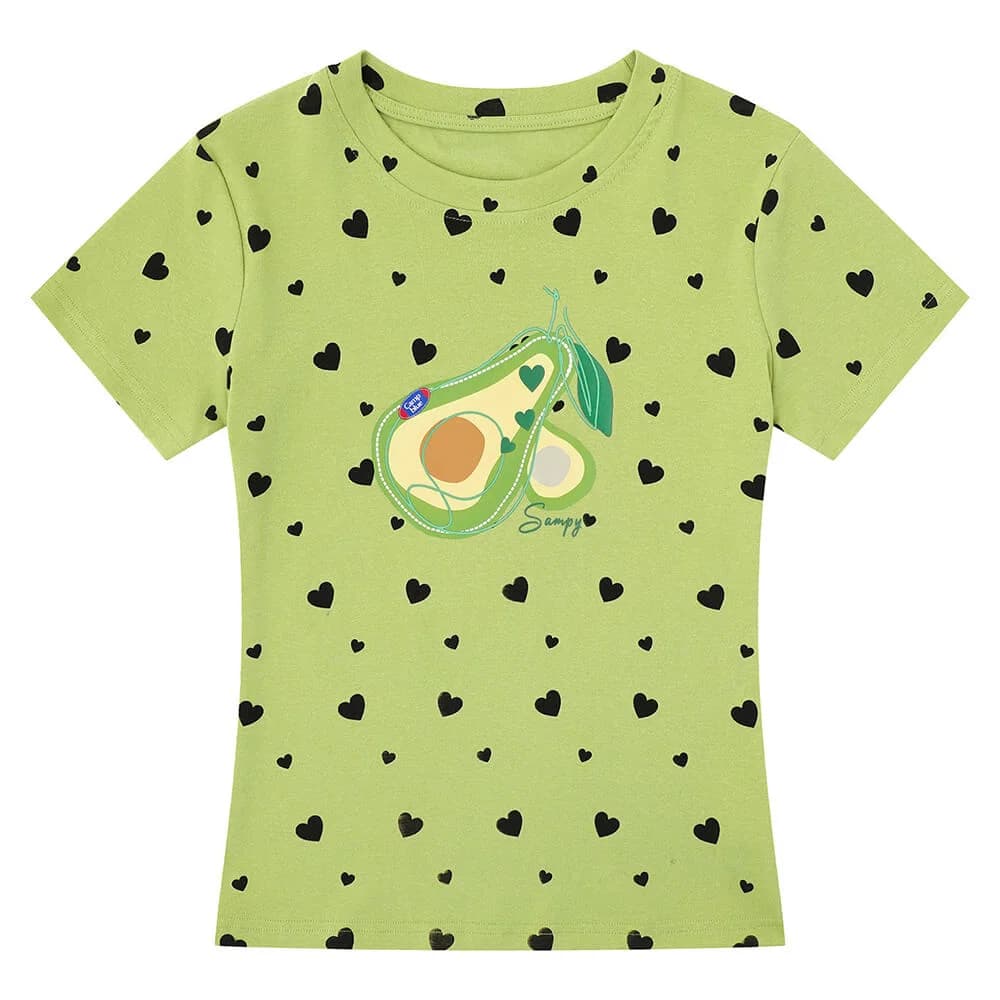
To execute this, pull a relaxed shirt over your head and gather the excess fabric at the waist using a small clear hair elastic, then tuck the gathered tail up and underneath the shirt hem. An option like the Polka Dot Fruit T-Shirt, constructed from polyester, pairs well over dark-ground fruit dresses where its polka dots and fruit graphic can harmonize with the palette below. Similarly, the Fresh Fruits Aesthetic T-Shirt, available in green, yellow, and black polyester, provides a clean canvas that ties back to lemon, lime, or melon patterns.
When selecting pieces from a broader range of fruit t-shirts, aim for medium weight fabrics. Ultra-thin tees can cling awkwardly to the dress fabric underneath, while excessively heavy streetwear cotton might be too stiff to tuck cleanly at your waist.
- Fold or knot the hem cleanly to prevent a bulky roll around your hips.
- Balance patterned tees by picking one dominant color present in your dress.
- Check that the t-shirt neckline complements any visible dress straps.
Oversized Knitwear for Cooler Temperatures
When brisk breezes arrive, chunkier knitwear transforms your fruit dresses into functional, cozy outfits. An oversized sweater pulled over a light skirt balances feminine prints with substantial texture. The contrast between soft knit stitches and smooth woven fabric creates depth without requiring complicated styling tricks or dozens of accessories.
A knit piece like the Sweet Apple Knit Sweater, knit from polyester in green, red, and white options, adds warmth over a cream or red cherry print dress. If you prefer a richer textural weight, the Red Apple Oversized Sweater in acrylic offers a vibrant punch that brings out crimson tones in apple or berry patterns. Because these pieces are designed with roomier cuts, you can pull them over sleeves without feeling restricted.
To stop oversized knitwear from swamping your frame, create a defined line using the belt-tuck technique. Place a slim belt around your waist over the dress, pull the sweater down over the belt, and gently tuck the sweater hem upwards into the belt until it folds naturally over the edge. This anchors the sweater at your hips or waist and lets your fruit skirt move freely below.
- Use a hidden belt to secure thick knit hems without bulky knotting.
- Pick chunky knit textures to contrast against smooth, light dress fabrics.
- Ensure the knit neckline allows the dress collar or inner layers to sit flat.
Structured Outerwear and Casual Sweatshirts
If knits feel too delicate for your day, structured outerwear and sporty pullovers offer a clean alternative. Casual pullovers bring an effortless, collegiate mood to sweet fruit graphics. Mixing athletic-inspired basics with fruit patterns prevents your outfit from feeling overly costume-like or sentimental.
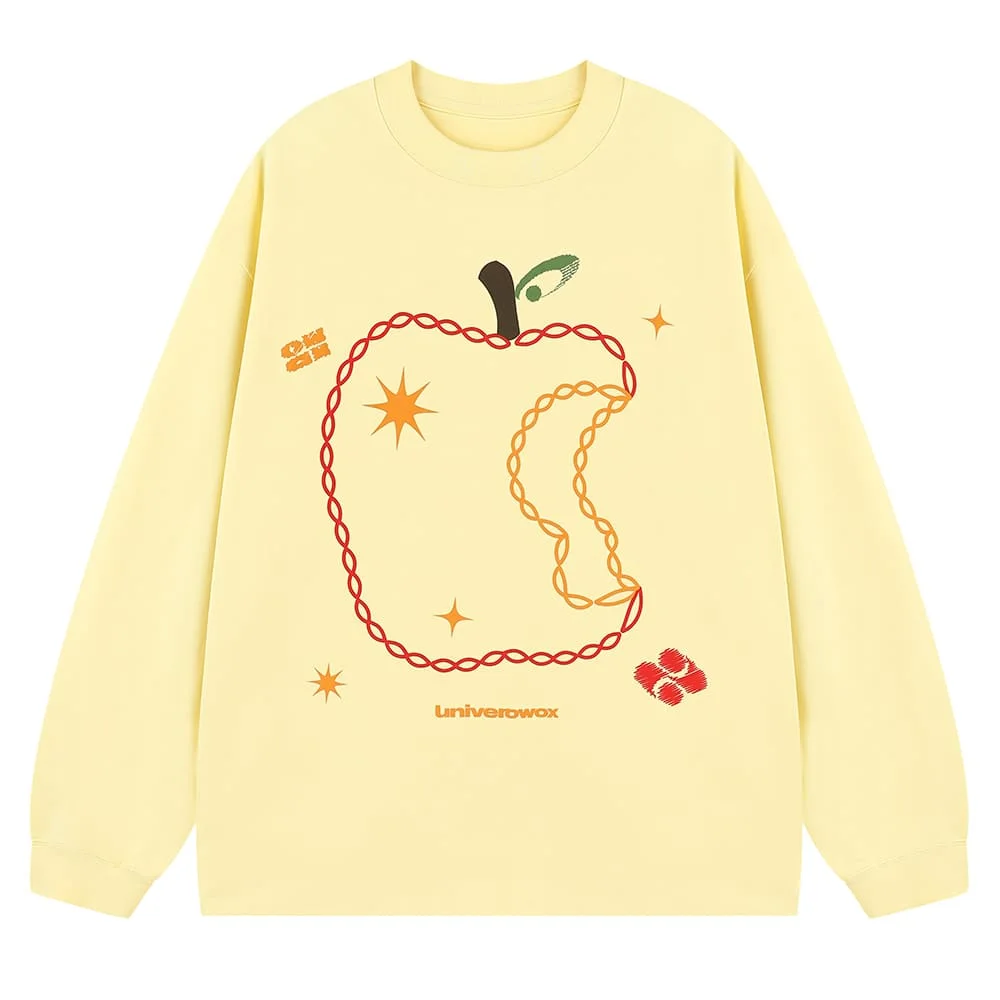
A roomy pullover such as the Big Apple Oversized Sweatshirt, made of cotton and polyester with color choices in yellow, black, grey, and white, grounds a playful fruit dress with laid-back energy. Letting the hem of the dress peek out from beneath a long sweatshirt gives you a balanced, modern drop-waist effect that works well for casual weekend walks.
When weather calls for woven layers instead, try styling with open button-downs. Wearing the Fruit Graphic Plaid Button Up Shirt, made of a cotton and polyester blend, unbuttoned as a light overshirt creates clean vertical lines. Its plaid print adds pattern interplay that feels thoughtful rather than accidental, especially when worn over solid or small-scale fruit motifs.
- Leave unbuttoned shirts open to lengthen your torso and frame the dress print.
- Choose drop-shoulder sweatshirts to keep upper-body lines relaxed.
- Pick neutral sweatshirt colors like grey or black to temper vibrant skirts.
Balancing Proportions With Casual Sneakers
Footwear determines how practical your outfit feels throughout the day. When wearing colorful printed clothing, low-profile and chunky sneakers offer two completely different visual effects. White leather or canvas sneakers are a safe standard, but understanding sole thickness and ankle height will help you choose the right pair for your specific dress hemline.
Mid-calf and midi fruit dresses look best with low-top sneakers that leave your ankles exposed. This creates a break between the bottom of the skirt and the shoe, preventing your lower body from looking truncated. If your dress is short—sitting above the knee—you have the freedom to wear chunkier retro trainers or platform sneakers. The added volume of a platform shoe balances out the shorter hemline, keeping the overall silhouetteThe overall shape an outfit creates, from fitted to loose and layered. grounded.
When browsing through dedicated fruit shoes, notice how printed footwear interacts with your outfit. If your dress features a large-scale print, pair it with simple, solid-toned sneakers. If your dress has a tiny, subtle ditsy fruit print, picking up a shoe with complementary fruit embroidery or colorful laces pulls the outfit together with intention.
- Pair midi lengths with low-cut sneakers to preserve ankle spacing.
- Use platform or chunky trainers to anchor above-the-knee hem lengths.
- Stick to minimal shoe designs if your dress print is bold and saturated.
Choosing Sandals, Loafers, and Mary Janes
When you want something more tailored than a sneaker without sacrificing comfort, structured flats and sandals step in. Mary Janes and loafers introduce a vintage sensibility that sits naturally alongside retro fruit graphics. They sharpen up relaxed dresses, making them suitable for work environments, casual dining, or city outings.
Lug-sole loafers provide firm contrast against lightweight dresses. The heavy rubber sole prevents romantic fruit prints from feeling overly dainty, giving your outfit an everyday street-style edge. If you prefer Mary Janes, look for styles with single or double straps across the instep. Leather or faux-leather options in oxblood, cream, or black ground vibrant strawberry and lemon prints without competing for attention.
In warmer weather, swap closed shoes for structured leather sandals rather than ultra-thin flip-flops. Fisherman sandals or thick two-strap slides add substance to your feet, which balances the visual weight of printed dresses. Thin, barely-there sandals can leave full-skirted fruit dresses looking top-heavy, so aim for soles with a visible edge or modest platform.
- Lug-sole loafers give soft prints a grounded, modern contrast.
- Mary Janes accentuate vintage styling without requiring high heels.
- Fisherman sandals provide adequate visual weight for full, voluminous skirts.

Boots for Year-Round Adaptability
Boots allow you to carry fruit dresses into cooler, wetter seasons. Pairing feminine skirts with leather or suede boots is a classic styling technique that thrives on textural tension. The smooth finish of calfskin or the rugged feel of combat boots offsets the delicate nature of fruit prints, making the entire combination practical for brisk days.
Ankle boots with an almond or square toe work well with mini dresses, especially when paired with opaque tights. For midi-length fruit dresses, tall knee-high riding boots or sleek dress boots that slide up underneath the skirt hem create an uninterrupted line of color. This stops cold air from reaching your legs while giving your outfit a streamlined, elegant profile.
Combat boots with heavy lug tread add utilitarian contrast to cute prints. If you are wearing a dress loaded with bright red cherries or golden peaches, a black lace-up boot cuts the sweetness instantly. If heavy black feels too severe, warm brown, tan, or ecru leather boots soften the contrast while retaining the practical benefits of durable footwear.
- Let midi dress hems overlap the tops of knee-high boots to block the wind.
- Choose combat boots to balance sweet fruit graphics with rugged texture.
- Pair ankle boots with matching tights to elongate your leg line.
Color Matching vs. Color Clashing With Accessories
Color harmony can make or break an outfit featuring novelty prints. When accessorizing a fruit dress, you do not need to match every single element to the exact shade of the fruit. In fact, matching your bag, shoes, hair clips, and earrings to the same bright red as your printed cherries can look overly calculated. A nuanced color plan feels much more modern.
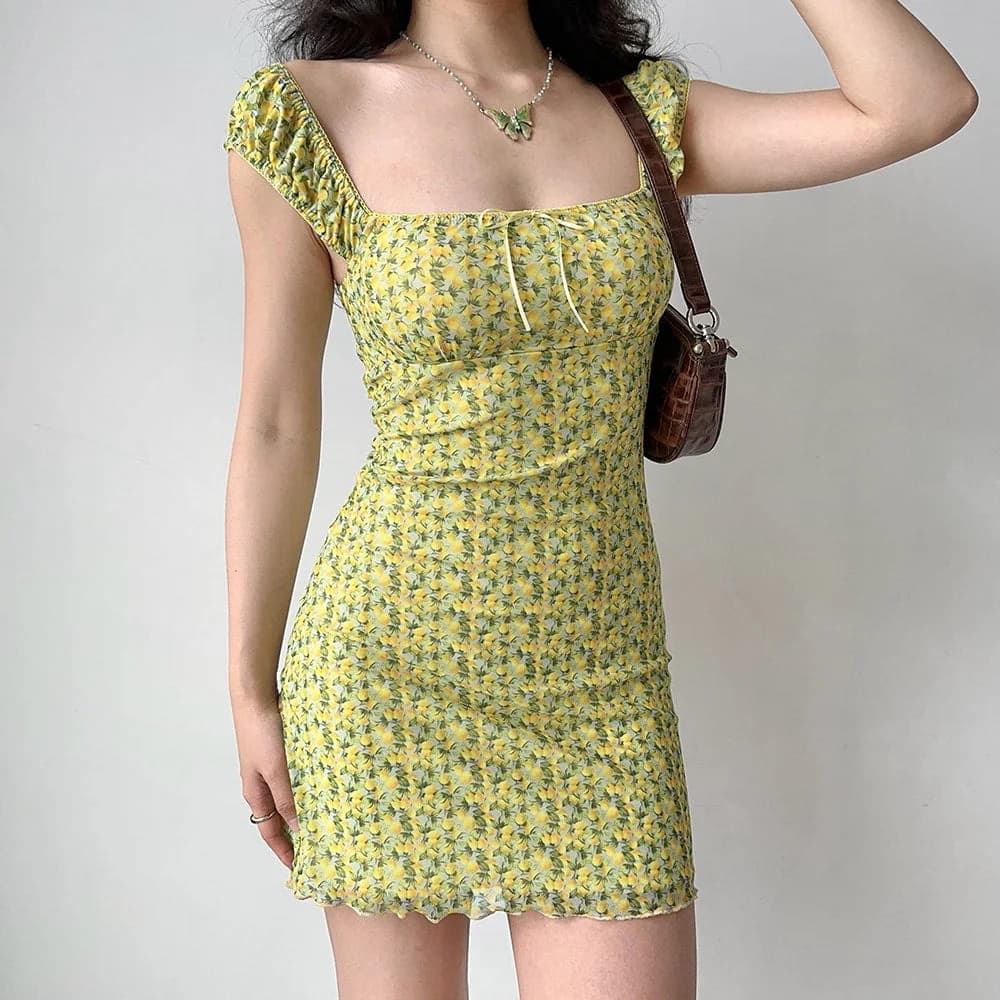
Start by identifying the secondary or background color of your dress. If your dress has yellow lemons on a sage green base, leaning into sage green or warm cream accessories looks more sophisticated than piling on bright yellow accents. Alternatively, pick one accent color from the print and let it appear only once in your accessories, letting the rest of your outfit sit in neutral territory like tan, canvas, or denim.
If you enjoy color blocking, consult the color wheel for deliberate contrast. Soft peach tones look striking alongside pale powder blue accessories, while deep cherry reds pair naturally with olive green or slate navy. The goal is to make the combination look intentional rather than accidental by keeping saturation levels similar across all pieces.
- Highlight background tones rather than the loudest fruit color.
- Limit high-intensity fruit accent colors to a single accessory piece.
- Pair warm-toned prints with earthy neutrals like camel, ecru, and olive.
Selecting Bags, Belts, and Headwear
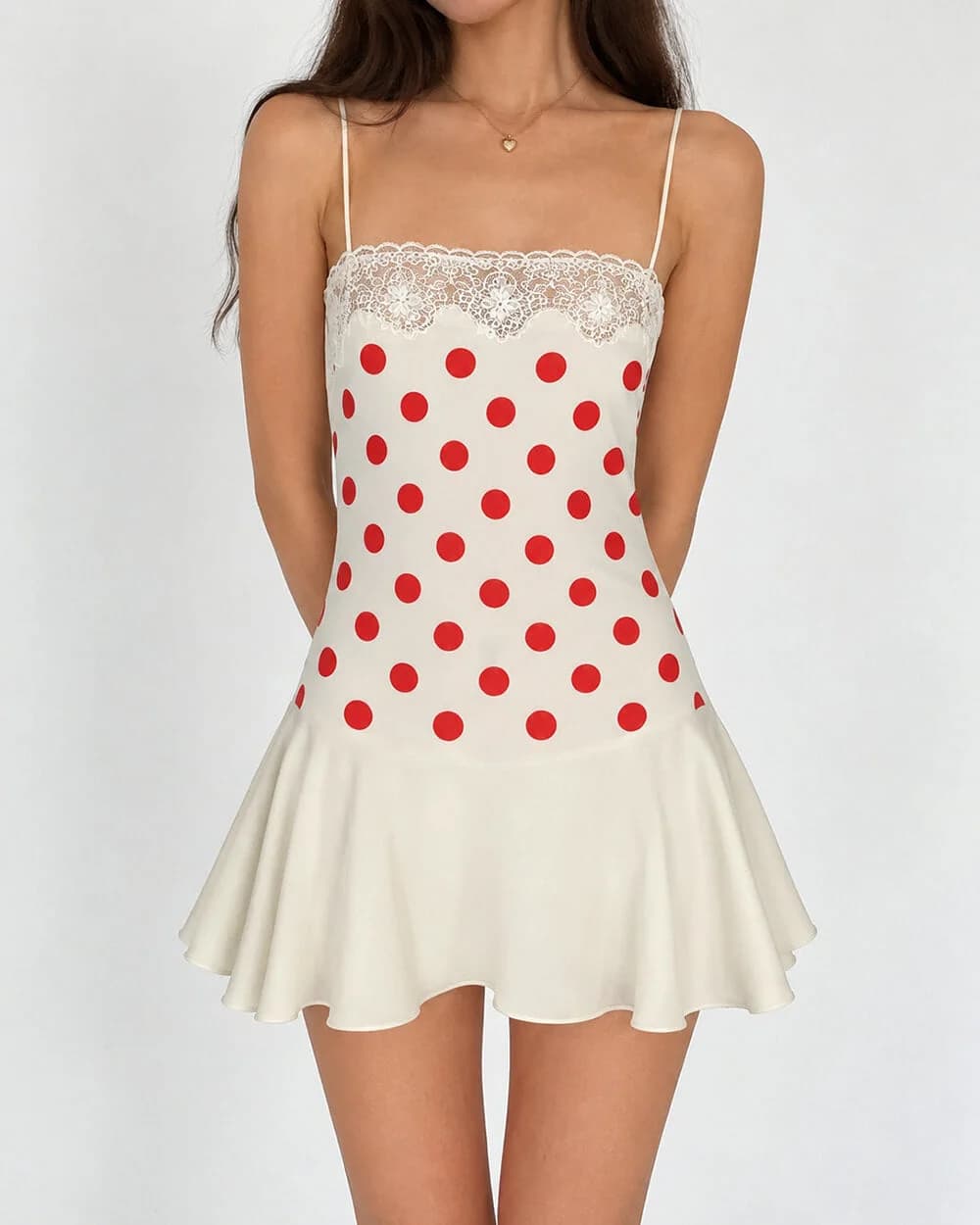
Accessories complete an outfit, but with fruit dresses, less is often more. The print already acts as the focal point, so your functional accessories should complement rather than compete with the pattern. Choosing items with clean lines and natural textures helps maintain balance throughout your silhouetteThe overall shape an outfit creates, from fitted to loose and layered..
Canvas totes, structured basket bags, and smooth leather crossbody bags work seamlessly with fruit prints. A simple woven straw bag leans into warm-weather appeal, while a minimalist leather shoulder bag makes the dress feel polished for dinner. Avoid bags covered in heavy metallic hardware, studs, or secondary competing patterns, as these fight against the dress design.
When it comes to headwear and hair pieces, keep it subtle. A wide-brimmed straw hat or a simple cotton baseball cap adds immediate daytime utility. If you use hair clips or headbands, look for matte acetate finishes in tortoiseshell or solid neutral tones. Adding a slim belt at the waist can cinch loose smocks, but keep buckles understated so they do not interrupt the flow of the fruit motif.
- Choose canvas, woven straw, or plain leather bags with minimal hardware.
- Use neutral acetate hair accessories rather than ornate rhinestone clips.
- Opt for slim leather belts with discreet buckles to cinch looser cuts.
Comparing Styling Approaches Across Garment Collections
Understanding where your piece fits within the wider fruit apparel ecosystem helps you select the right companion garments. While a dress offers a complete top-to-bottom outfit in a single item, tops and accessories require completely different balancing acts. Looking at related fruit pieces shows you alternative ways to distribute pattern across your wardrobe.
For example, browsing wider fruit print clothes shows how designers apply identical motifs to trousers, skirts, and light outerwear. When styling a standalone dress, you are working with an all-over field of pattern. In contrast, pairing separates from the fruit tops collection gives you the freedom to introduce solid denim, corduroy, or linen bottoms to dilute the print concentration.
Evaluating these categories side by side helps you decide how much pattern you want to carry on a given day. A fruit dress makes an undeniable, all-in statement that requires subdued companion pieces. Fruit separates let you dial pattern intensity up or down by swapping skirts or trousers, which can be easier to style if you prefer keeping vibrant prints restricted to either your top or bottom half.
- Fruit dresses provide an all-over statement that calls for neutral layers.
- Fruit tops allow you to control pattern intensity with solid-color trousers.
- Explore alternative separates if all-over printed dresses feel too bold for daily wear.
Common Styling Mistakes to Avoid
When working with novelty fruit graphics, it is easy to slip into common styling traps that make an outfit look chaotic or uncomfortable. The most frequent pitfall is theme-matching every piece. Wearing a strawberry dress with strawberry earrings, a strawberry bag, and strawberry socks creates a costume rather than an outfit. Pick one themed hero item and let the rest of your pieces provide quiet support.
Another common error is ignoring fabric drape when layeringWearing pieces over or under one another to add depth, warmth or contrast.. Wearing a heavy, stiff canvas jacket over a very delicate chiffon or silk fruit dress can crush the skirt and restrict movement, creating awkward tension folds. Similarly, pairing an ultra-lightweight shoe with an oversized winter knit and heavy dress makes your feet look lost. Ensure the visual weight of your footwear matches the heaviest layer you are wearing.
Finally, avoid overcrowding the neckline. If your dress already features a Peter Pan collar, ruffle trim, or halter tie, do not add chunky statement necklaces or busy scarves. Let the garment neckline breathe and focus your accessories on bracelets, rings, or a clean pair of earrings instead.
- Avoid wearing multiple themed fruit accessories simultaneously.
- Ensure your footwear matches the visual weight of your outerwear layers.
- Keep necklines free from bulky jewelry if the dress has ruffles or collars.
Practical Styling Checklist for Everyday Wear
Before heading out the door, running through a quick styling checklist ensures your fruit dress outfit feels comfortable, balanced, and ready for whatever your day holds. Use this practical review to verify that your layers, footwear, and accessories work as a cohesive unit.
Start from the base and work your way outward. Ensure your dress fits comfortably across the chest and shoulders with your chosen base layer underneath. Check that your outerwear falls at a flattering break point—either cropped above the hips or extending past the dress hemline—so your silhouetteThe overall shape an outfit creates, from fitted to loose and layered. remains clear.
Lastly, test your movement. Take a few strides, sit down, and check that layers do not bunch uncomfortably around the midsection. When every layer serves both a functional and aesthetic purpose, styling fruit prints becomes an effortless, repeatable part of your regular wardrobe rotation.
- Base fit: Undershirts lie flat without bunching under the dress bodice.
- Outer layer: Sweater or jacket hem creates a clear, intentional break point.
- Footwear weight: Shoes visually support the heaviest layer in the outfit.
- Color check: Accessories highlight secondary tones rather than repeating loud prints.
- Movement test: Garments move naturally without riding up or pulling at seams.