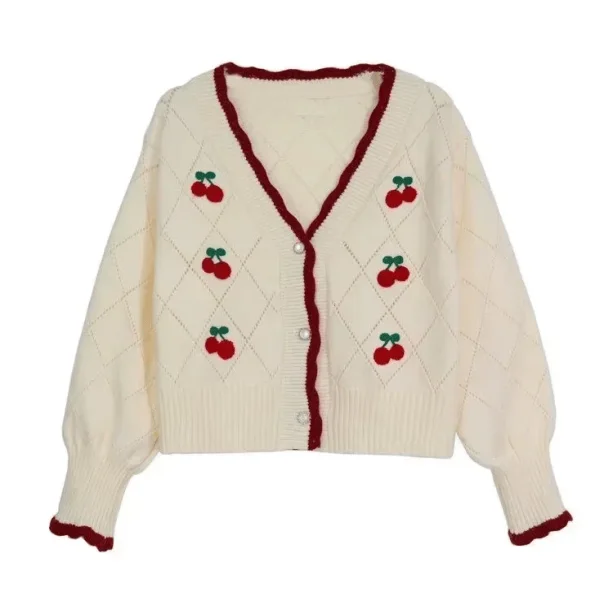
Created by the Kawaii Vibe editorial team. Our named style desks are editorial personas. Product details and availability can change.
Styling knitwear with playful motifs can feel tricky when you want an outfit that looks intentional rather than chaotic. The practical question when working with bold pieces like fruit sweaters is how to adjust the surrounding layers so the central graphic stays prominent without drowning out your frame or clashing with other garments. Balancing knit weights, hem lengths, and neckline shapes makes all the difference in turning a standout novelty jumper into a staple you can rely on year-round.
Whether you are dealing with crisp transitional mornings, humid afternoons, or cold winter drafts, layeringWearing pieces over or under one another to add depth, warmth or contrast. provides the modularity you need. A heavy knit that feels cozy on the street can quickly become stifling indoors unless you have built an ensemble based on easily removable, visually coherent base layers. Learning to coordinate these elements helps you build looks that handle temperature shifts smoothly while maintaining a clean aesthetic.
This guide breaks down specific layeringWearing pieces over or under one another to add depth, warmth or contrast. tactics across silhouetteThe overall shape an outfit creates, from fitted to loose and layered.s, materials, and seasonal shifts. We will examine how collar lines interact, which cuts balance loose jumpers, and how to combine patterns without overwhelming your silhouetteThe overall shape an outfit creates, from fitted to loose and layered.. By pairing reliable construction knowledge with straightforward styling adjustments, you can wear expressive knits with confidence in any setting.
Choosing the Base Layer for Different Knits
The layer directly against your skin dictates both thermal comfort and the way your outer knit drapes. When wearing a knit made of dense fibers, an ill-fitting or excessively bulky base layer will create bunching around the armpits and bunch up the waistline. Fine-gauge tees or lightweight camisoles act as smooth shields, preventing direct friction while maintaining the clean exterior lines of your jumper.
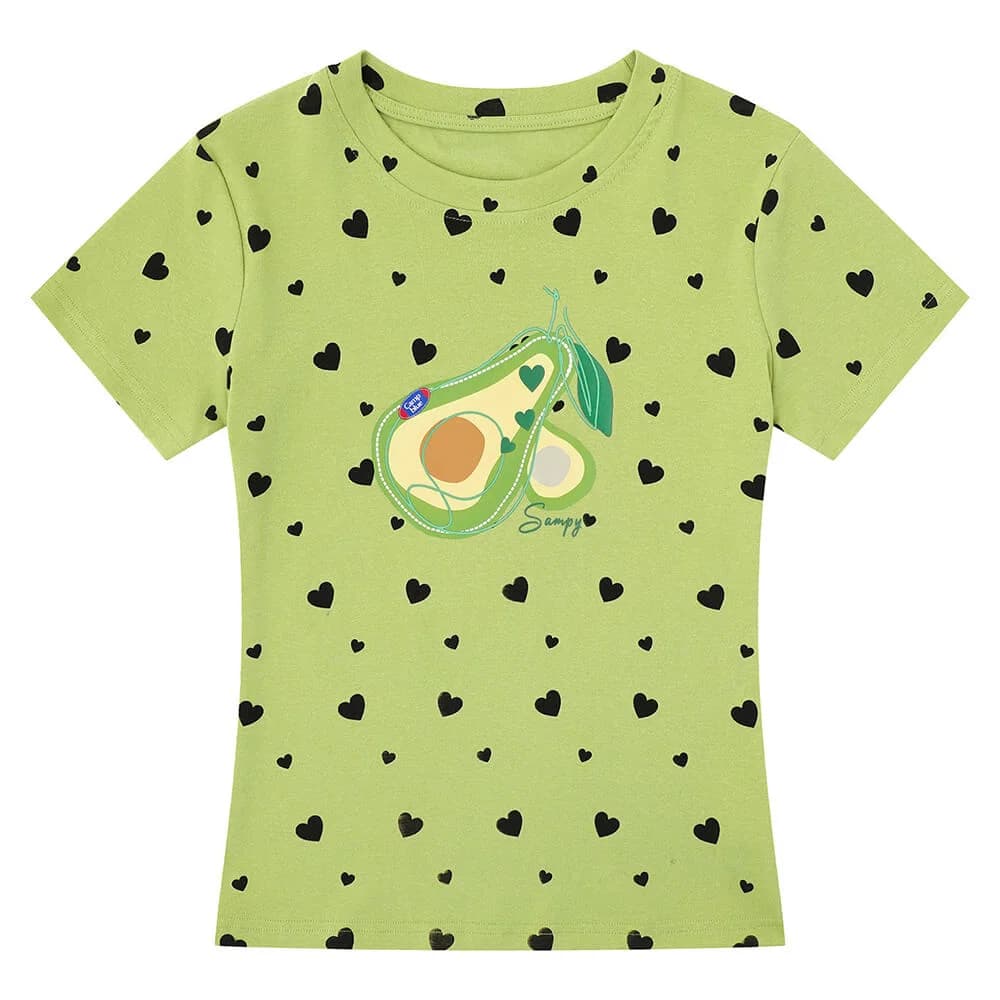
For heavier jumpers, a slim-fitting base like the Star Fruit Green Baby Tee made from a cotton and polyester blend offers breathable coverage that stays flat against the torso. Choosing a fitted tee prevents unnecessary bulk underneath knit armholes, making it easier to take off your sweater midday if the room warms up without leaving your base outfit feeling unfinished.
Pay close attention to fiber friction. Cotton blends pair smoothly with both synthetic and natural knits, allowing the heavier piece to glide naturally as you move rather than catching and riding up your waist throughout the day.


Collar Dynamics: Button-Ups Under Sweaters
LayeringWearing pieces over or under one another to add depth, warmth or contrast. a collared shirt under a pullover is a classic street style technique, but it can quickly look sloppy if the collar widths and neck openings do not align. A crewneck sweater demands a collar with enough structure to sit neatly over the ribbing, whereas a broader scoop neck allows wider, relaxed collars to spread outward naturally.
To introduce pattern play without clashing, you can slide a collared layer like the Fruit Graphic Plaid Button Up Shirt underneath a solid or lightly patterned knit. Because this top combines cotton and polyester with a distinct check pattern, popping the collar points and allowing the plaid cuffs to extend past your sweater sleeves creates a structured visual frame that grounds the entire look.
Ensure the button-up is buttoned up to the second button from the top to prevent the collar from collapsing beneath the sweater's neckline. If the sweater tends to grip the shirt, smoothing the tails down into your waistband before pulling on the knit helps keep everything aligned.

Balancing Proportions with Oversized Fits
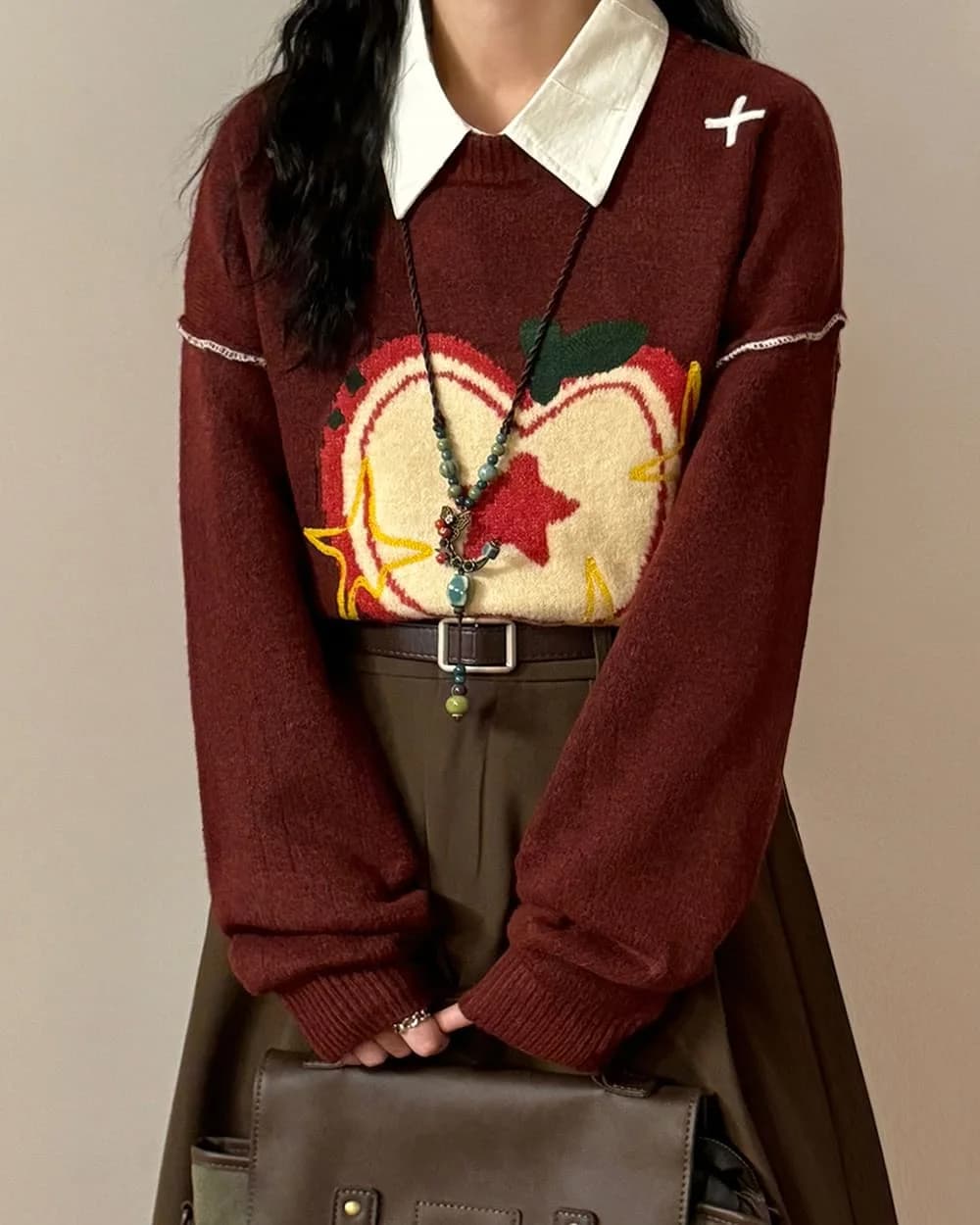
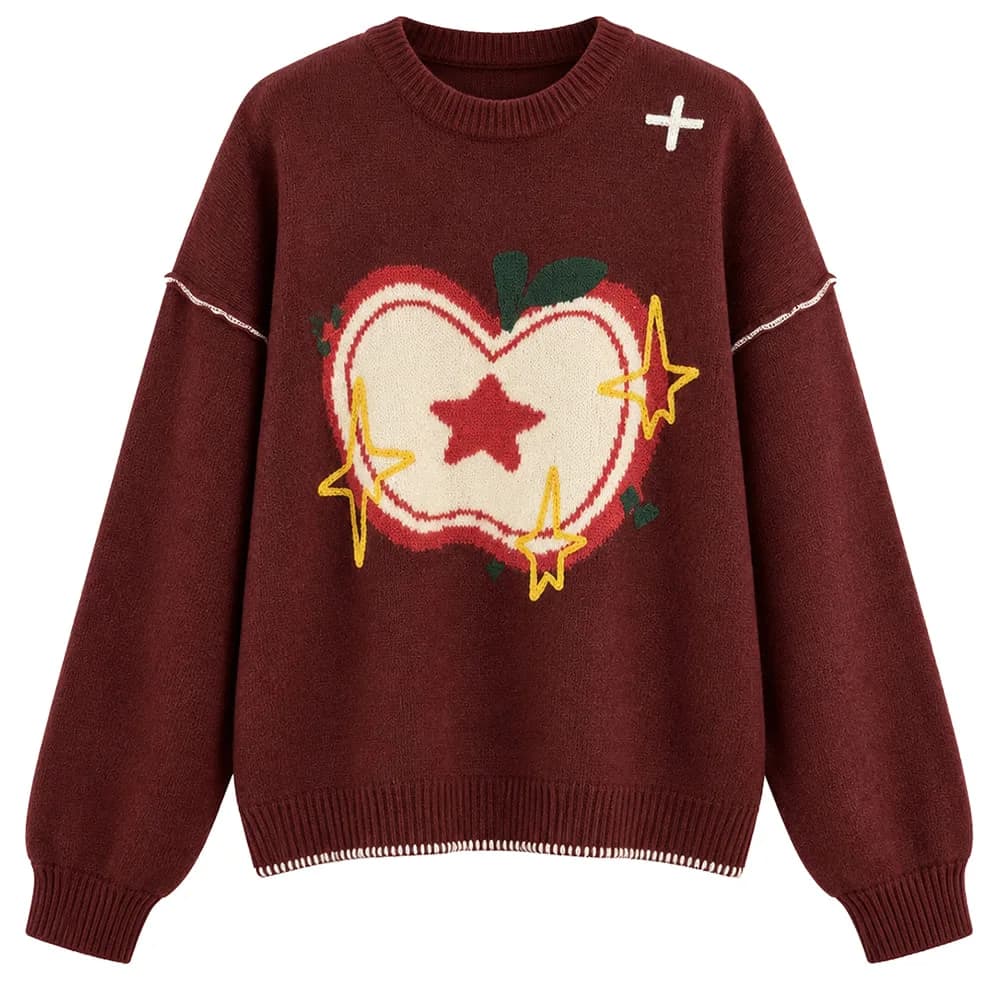
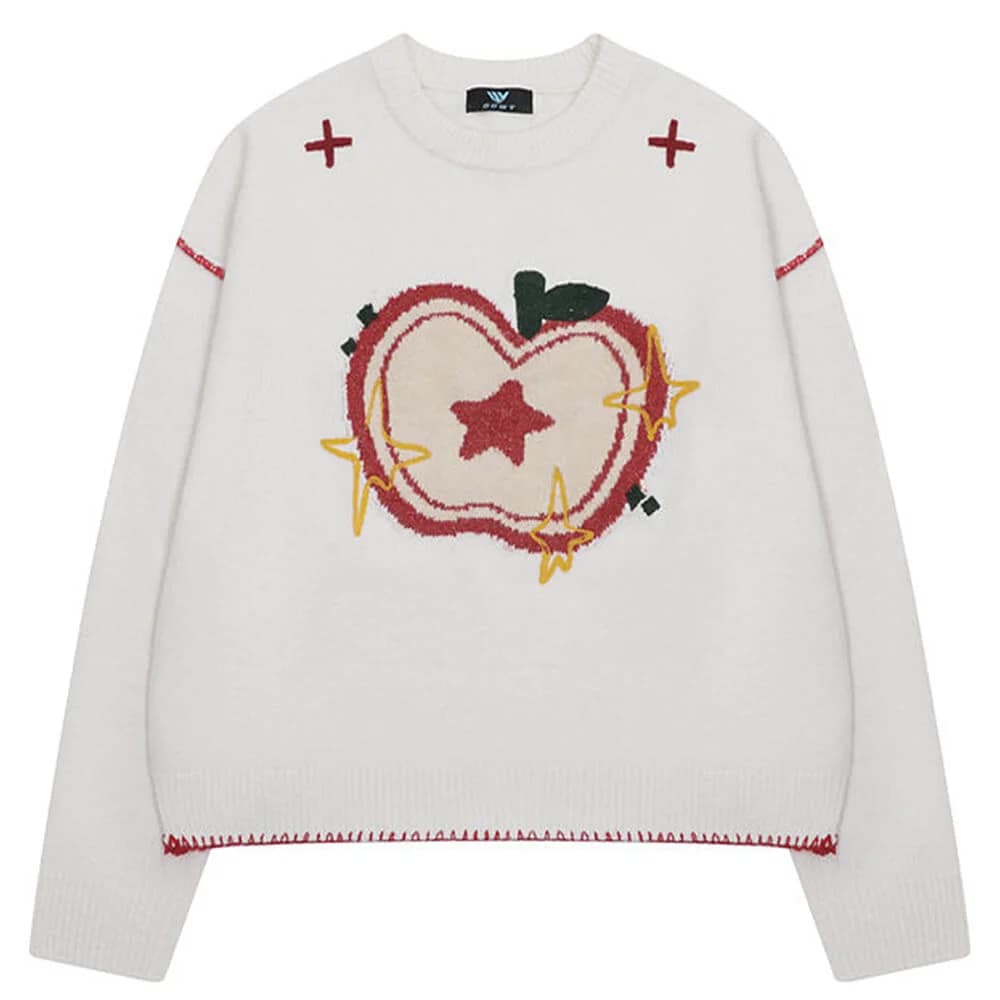
Oversized knits bring comfort and relaxed shape, but pairing them with equally loose pieces on the lower half can erase your natural proportions. If you choose an exaggerated piece like the Red Apple Oversized Sweater, which is cut from acrylic in a generous silhouetteThe overall shape an outfit creates, from fitted to loose and layered., pairing it with fitted straight-leg denim, bike shorts, or a structured A-line skirt restores balance.
Tucking techniques also change how an oversized piece sits. A gentle French tuck—tucking just a two-inch section of the front hem into a sturdy waistband—creates an upward visual angle that lengthens the leg line without bunching up excess acrylic fabric along your hips. Alternatively, letting the full hem hang loose works best when counterbalanced by slim trousers or tailored shorts.
Pay attention to shoulder seams as well. Dropped shoulders create a horizontal line across the upper arms, so keeping accessories minimal around the chest keeps the volume focused where the garment design intended.
Navigating Necklines and Internal Heat
Thermal management is one of the hardest aspects of layeringWearing pieces over or under one another to add depth, warmth or contrast., especially when moving between heated transport and brisk outdoor winds. Knits made from synthetic materials hold onto body warmth effectively, meaning your inner garment needs to absorb moisture while staying smooth.
Pairing your pullovers with base pieces from our wider collection of fruit t-shirts ensures that if you need to pull your knit over your head, your underlying top stands alone as a coherent outfit piece. The Fresh Fruits Aesthetic T-Shirt, constructed in polyester, works well here as a resilient inner layer that resists deep wrinkling beneath heavy wear.
If you run warm, opt for sweaters with slightly wider neck ribs that allow heat to escape from the collarbone rather than high mock necks that trap internal warmth against your throat.
Working with Cropped and Boxy Cuts
Boxy, shorter knit cuts interact differently with base layers than long pullovers. A boxy hem provides natural airflow and emphasizes the high-waist point of your bottoms, making it an excellent partner for high-rise carpenter pants, pleated tennis skirts, or tailored trousers.
LayeringWearing pieces over or under one another to add depth, warmth or contrast. over a boxy sweater can be challenging because standard fitted jackets might crush the wide sleeves. Instead, wear your boxy knits over longer underlayers, letting an inch or two of a base tee show at the bottom hem for a deliberate stepped look, or wear them as the standalone top layer over a slip dress.
When exploring specialized silhouetteThe overall shape an outfit creates, from fitted to loose and layered.s in our fruit sweaters range, consider how sleeve volume affects your outerwear choices. Raglan and wide sleeves require jackets with deep armholes to prevent restrictive bunching at the underarm.
Pattern Mixing: Fruit Motifs with Everyday Prints
Mixing prints can feel intimidating, but adhering to scale contrast makes it manageable. If your sweater features a large, singular fruit graphic, your secondary layer should feature either a very small, dense print or subtle geometric lines.
For instance, pairing a graphic pullover over the Polka Dot Fruit T-Shirt allows the smaller polka-dot rhythm to peek out at the collar and hem, contrasting gently against larger motifs without competing for dominance. Sticking to neutral tones like black or muted oranges in the secondary print keeps the total outfit grounded.
Avoid pairing two prints of identical scale, such as two medium-sized pictorial graphics placed directly on top of each other, as the eye struggles to find a central focal point.

Building Transitional Outfits for Cool Mornings
Transitional seasons require outfits that adapt throughout a ten-degree temperature swing. The key is using lightweight garments that build warmth through air pockets rather than a single suffocating layer.
Start with an adaptable shirt such as the Apple Embroidered Short Sleeve Tie Shirt in polyester, which can be worn tied at the waist under a relaxed jumper. In the chilly morning hours, the Sweet Apple Knit Sweater slips over the top to keep your core warm. As midday temperatures peak, you can drape the knit over your shoulders, tying the sleeves loosely across your chest for an easy street style look.
This method keeps your arms free while ensuring you are not stuck carrying a heavy jumper in your hands throughout the afternoon.
Outerwear Pairings: Trench Coats to Puffer Jackets
The coat you choose over your knitwear must match both the volume of the jumper and the weather outside. Heavy pullovers do not slide easily into slim-cut denim jackets, often causing stiff, restricted arm movement that feels uncomfortable after a few minutes.
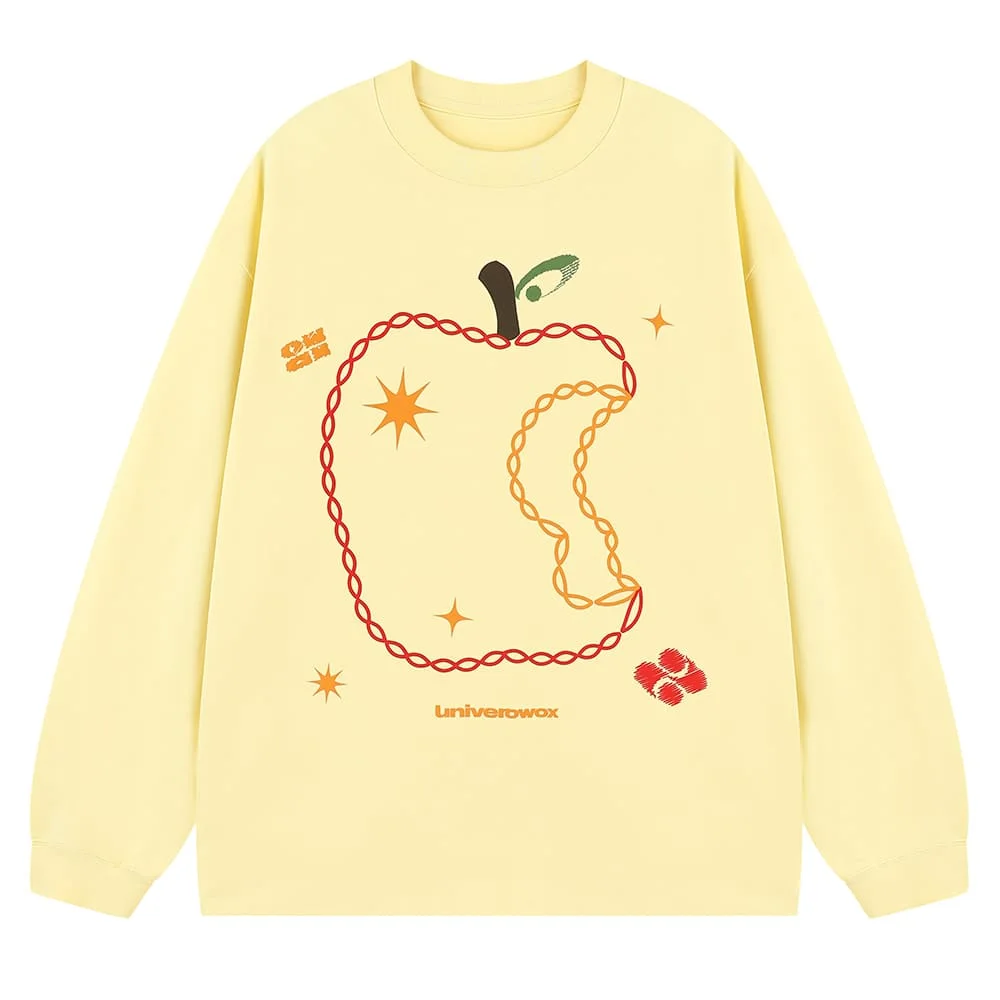
A piece like the Big Apple Oversized Sweatshirt, constructed from a cotton and polyester blend, works best beneath unstructured outerwear like an oversized wool coat, a loose trench, or a boxy puffer vest. A vest keeps your core insulated while leaving the graphic sleeves exposed, showcasing the sweater's design cleanly.
Ensure your coat lining has a slick finish, such as satin or nylon, to minimize static electricity and stop the knit from catching every time you slip your arms in and out.
Footwear and Grounding the Playful Upper Half
Playful, colorful sweaters demand grounded footwear so the outfit feels cohesive from head to toe. If the top half of your body carries bright red, green, or yellow motifs, matching or deliberately contrasting your shoes completes the visual frame.
Browse our selection of fruit shoes to discover footwear that either echoes the exact theme of your knit or provides a clean canvas. Chunky white sneakers with subtle color accents, platform loafers, or lug-sole boots provide the visual weight needed to counterbalance a relaxed, top-heavy knit.
Avoid overly delicate or thin-soled shoes when wearing heavy, textured jumpers, as the disparity in visual weight can make the overall silhouetteThe overall shape an outfit creates, from fitted to loose and layered. appear unbalanced.

Dressing for Different Body Frames and Proportions
Every frame carries knitwear differently, and small styling tweaks can align a sweater to your specific proportions. Shorter torsos benefit from knits that hit directly at the hip bone or from using partial tucks to expose more leg length, whereas longer torsos can easily carry elongated hems without dividing the frame awkwardly.
For broader shoulders, raglan cuts or darker colorways—such as the black options found in our fruit tops range—soften the shoulder line while keeping the playful fruit motif front and center. Drop-shoulder seams create a relaxed slope that looks effortless on petite and tall frames alike.
If you want to emphasize your waist beneath a thick knit, skip heavy leather belts that create bumps under the hem. Instead, tuck the front hem into high-rise bottoms and let the sides curve gently over your hips.
Fabric Care and Maintenance When Layering
LayeringWearing pieces over or under one another to add depth, warmth or contrast. naturally increases fabric-on-fabric friction, which can accelerate pilling under the arms and along the side seams of your sweaters. Understanding fabric traits helps extend the life of your garments across many seasons of wear.
Synthetic knits, like acrylic or polyester blends, resist shrinking and dry quickly, but they are prone to surface fuzzing when rubbed against coarse denim or textured canvas jackets. Turn your knits inside out before washing in cold water on a delicate cycle, and lay them flat on a towel to dry rather than hanging them, which can stretch out the neckline.
Keep a manual fabric comb or electric lint shaver handy to quickly remove small pills from high-friction zones like the underarms and inner cuffs, restoring a crisp finish before your next outing.
Integrating Sweaters Across the Broader Aesthetic
A novelty knit does not have to exist in a vacuum; it fits neatly into an expansive everyday wardrobe when styled with clean foundational staples. Exploring the wider assortment of fruit print clothes reveals how fruit designs can be balanced with neutral basics like pleated trousers, dark wash denim, or simple twill skirts.
The key to making novelty pieces feel mature and wearable is moderation. Pair one distinctly whimsical item—like an apple-embellished pullover—with utilitarian elements like a utility jacket, tailored cargo pants, or minimalist silver jewelry.
This contrast between playful graphics and functional, clean-lined street garments prevents the outfit from looking like a costume, giving you a fresh, wearable style for city walks, casual workdays, or coffee runs.
Common Layering Pitfalls to Avoid
The most frequent layeringWearing pieces over or under one another to add depth, warmth or contrast. error is ignoring collar circumference. Forcing a wide, stiff shirt collar into a tight crewneck knit bunches the fabric around your throat, creating discomfort and an uneven look.
Another pitfall is stacking heavy synthetics on top of each other without a breathable intermediary layer. Wearing an acrylic sweater directly over a heavy polyester fleece traps sweat, leading to overheating indoors. Always choose a lightweight cotton blend for your innermost layer to help manage body heat.
Lastly, avoid over-accessorizing around the neck. Chiseled collar necklaces and long chains easily catch on knit stitches, pulling loops of yarn loose and damaging the pattern.
Practical Layering Checklist
Before stepping out the door, take a moment to evaluate your layered outfit from head to hem. Ensuring that each piece functions both together and separately gives you the flexibility needed to stay comfortable all day.
Run through these practical checkpoints to make sure your outfit hits the mark for both comfort and visual balance:
By taking a few seconds to run through these details, you can be sure your fruit sweater outfit feels comfortable, functional, and visually balanced in any setting.
- Base layer is lightweight enough to wear comfortably on its own if temperatures rise.
- Sleeve hems of the inner shirt do not bunch awkwardly inside the sweater cuffs.
- Necklines fit together smoothly without pulling, choking, or bunching fabric.
- Bottom proportions counterbalance the volume of the knit on top.
- Inner and outer fabrics glide against each other without generating excessive static or friction.