Created by the Kawaii Vibe editorial team. Our named style desks are editorial personas. Product details and availability can change.
Styling a goblincore dress comes down to balancing earthy textures, functional outerwear, and grounded footwear so your outfit feels wearable rather than theatrical. Instead of treating a forest-toned frock like a delicate centerpiece, the goal is to make it look lived-in, weather-ready, and comfortable for walking outside or lounging indoors. This guide walks directly through how to stack practical garments over and under your dress, which shoes anchor the overall silhouetteThe overall shape an outfit creates, from fitted to loose and layered., and how to pick accessories that complement natural motifs without clutter.
Whether you start with an airy smock, a corduroy pinafore, or a lightweight gathered midi, the foundation works best when combined with tactile fabrics. We will explore how to manage volume around the torso, how to balance hems against mid-calf and ankle footwear, and how to use earthy contrast to make your favorite pieces feel cohesive. Along the way, we will show you how to pull from dedicated wardrobe collections and integrate modular pieces you can re-wear across different settings.
1. Selecting the Dress Base: Silhouettes and Hemlines
When building an outfit around this look, your starting garment sets the boundaries for how much extra fabric you can comfortably add. Midi smocks, pinafores, and tiered skirts provide plenty of room underneath for thermal shirts or lightweight bases, while shorter A-line frocks work cleanly with bulkier outerwear. If you are comparing silhouetteThe overall shape an outfit creates, from fitted to loose and layered.s, pay attention to the waistline. A loose drop waist or an empire cut leaves room for mid-layer sweaters, while a fitted bodice asks for cropped tops or open cardigans over the top.
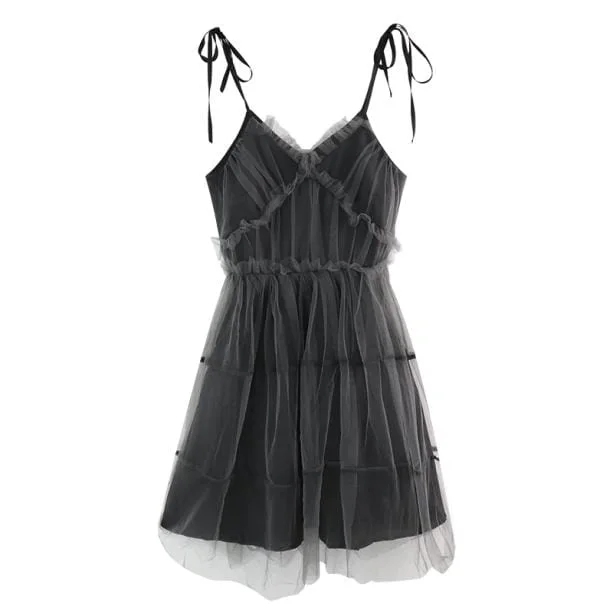
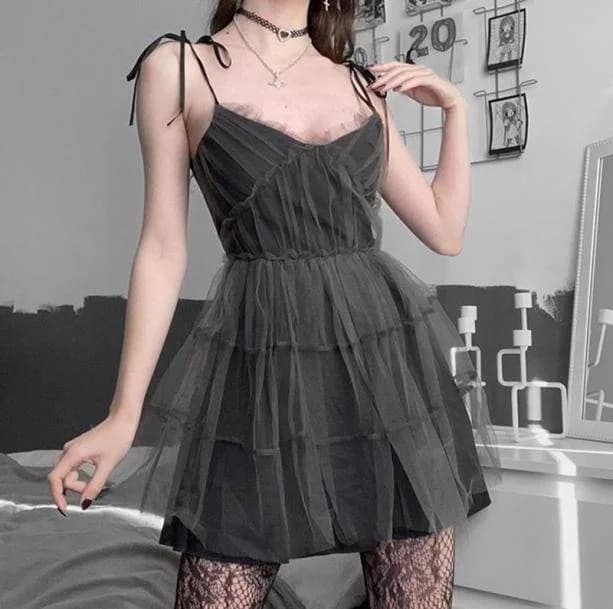
For those shopping specifically for their starting piece, browsing through dedicated Goblincore Dresses helps narrow down tones like moss green, slate grey, mud brown, and washed mustard. A midi hemline falling between your mid-calf and ankle gives you the most flexibility when testing different types of footwear, because it lets chunkier shoe details show without dragging across damp ground.
- Choose empire cuts or loose smocks if you plan to wear thick knitwear or textured sweaters over top.
- Pick structured pinafores if you prefer layeringWearing pieces over or under one another to add depth, warmth or contrast. long-sleeve graphic tees or collared shirts directly underneath.
- Stick to mid-calf or knee lengths to keep rugged boots visible and prevent hem drag on wet ground.
2. Layering Underneath: Fitted Bases and Collars
Under-layeringWearing pieces over or under one another to add depth, warmth or contrast. is one of the quickest ways to adapt a sleeveless pinafore or loose cami dress for cooler weather. A snug ribbed turtleneck or a soft cotton long-sleeve provides a smooth base that prevents itchy wool or coarse outer fabrics from rubbing against your skin. Sticking to off-white, oat, or charcoal allows colorful prints on the outer garment to remain the visual center of the outfit.
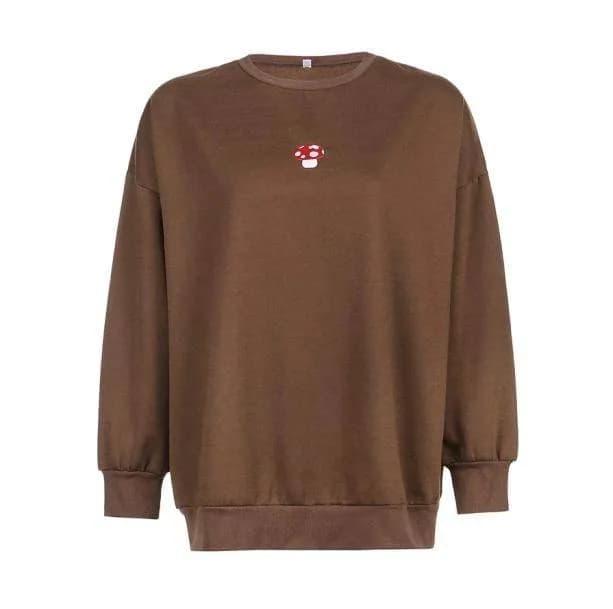
If your dress has a wider scooped neckline, you can tuck a graphic base layer underneath to break up solid fabric. A casual option like the Goblincore T-Shirt, made from cotton with a relaxed fit and a frog, mushroom, and forest graphic, works nicely under open pinafores or unbuttoned apron frocks. The graphic peeks through the center chest, establishing an earthy theme while keeping the sleeves light and easy to move in.
To explore more base tops that layer neatly without bunching up under the arms, look through Goblincore Tops for pieces with low-profile seams and breathable textures.

3. Mid-Layer Knitwear: Adding Texture Without Bulk
Adding a knit piece directly over a gathered dress changes the silhouetteThe overall shape an outfit creates, from fitted to loose and layered. from a simple sundress into an insulated everyday outfit. The challenge is managing bulk around the waist, especially if the dress skirt already contains gathered tiers. A cropped sweater or an open-weave knit allows the fabric of the skirt to flow naturally beneath the hem rather than ballooning awkwardly around your hips.
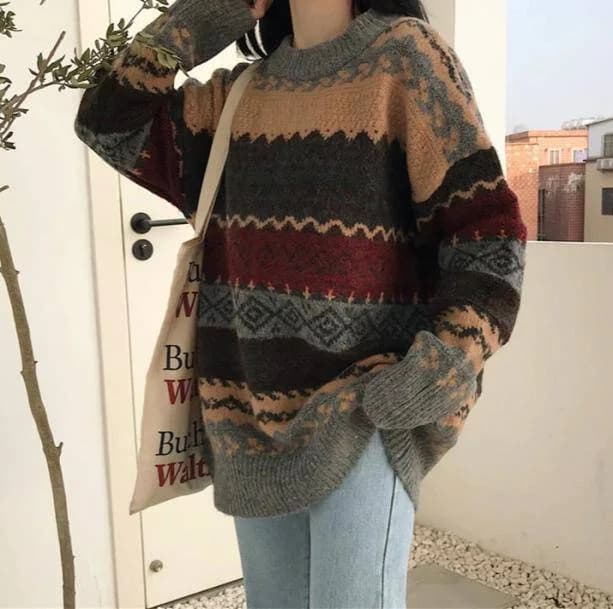
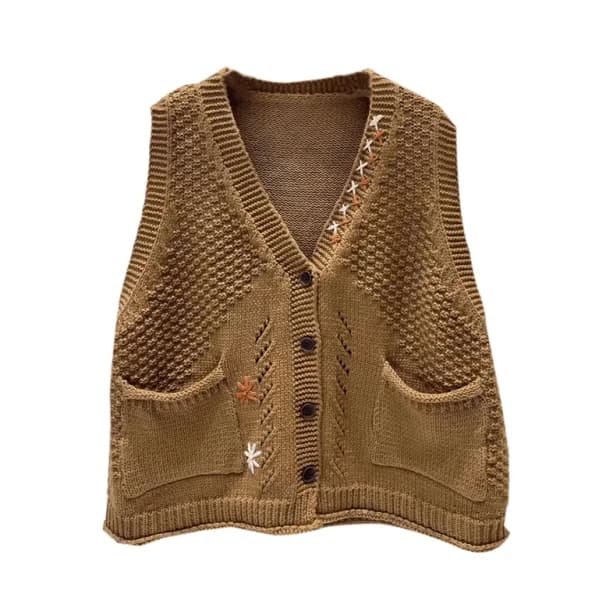
Sleeveless knits are particularly practical here because they add core warmth without restricting your arms inside an outer coat. The Goblincore Vest Sweater, offered in cotton and polyester blends across shades like Brown, Green, Black, Dark Brown, and Red, sits neatly over collared smocks or cotton dresses. Throwing a deep green or dark brown vest over a cream or tan frock creates an immediate earthy contrast while keeping your shoulders free.
When choosing between a full sweater and a knit vest, think about arm mobility. A dense, thick-sleeved jumper can crowd your armpits if worn over a dress with puff sleeves, making sleeveless knitwear the safer choice for voluminous cuts.

4. Outerwear Strategy: Jackets, Smocks, and Hoodies
Outerwear for this style leans heavily toward practical utility, oversized shapes, and rugged fabrics. Heavy canvas chore jackets, distressed denim coats, and fleece-lined parkas ground the floaty drape of a dress, transforming delicate aesthetics into something suited for a trail walk or garden chore. Keeping your jacket unbuttoned helps preserve the layered vertical lines of the dress and knitwear underneath.
For casual, everyday warmth where a heavy field jacket feels like too much, an oversized fleece or pullover offers a cozy counterweight. Browsing Goblincore Hoodies gives you access to slouchy fleece garments that soften the structured lines of a pinafore or button-front frock. An olive or charcoal pullover worn loosely over a midi dress creates an off-duty silhouetteThe overall shape an outfit creates, from fitted to loose and layered. that pairs naturally with thick socks and trail sneakers.
If you need an outer layer that handles moisture or brisk wind, look for wax-coated jackets or utility parkas with deep bellows pockets, which echo the foraging spirit of the broader style.
5. Alternative Base Separates: Overalls and Skirts
While a classic one-piece dress is a staple, you can build identical silhouetteThe overall shape an outfit creates, from fitted to loose and layered.s using modular separates that offer more functional pockets. If you love the look of an apron dress but want sturdier leg protection, utility bibs provide a similar vertical line down the torso while allowing full freedom of movement across rough paths or rocky ground.
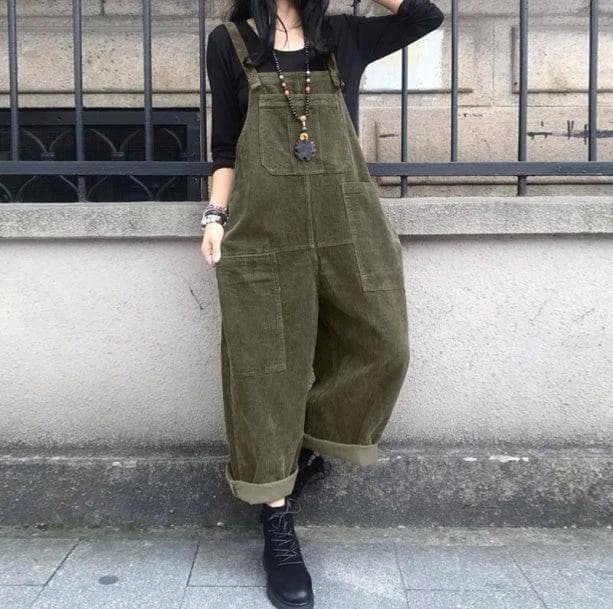
The Goblincore Overalls, crafted in polyester and corduroy in Green, Brown, and Black, function like a rugged apron dress through the chest and back. You can wear the same base tops, ruffled shirts, or knit vests with these overalls as you would with a cord pinafore. The corduroy texture adds immediate tactile depth that matches well with lug-sole boots.
To see how wide-leg pieces, utility bottoms, and rugged smocks compare, review the full assortment of Goblincore Clothes. Alternating between traditional dresses and textured bibs gives your wardrobe variety while relying on the same foundational layeringWearing pieces over or under one another to add depth, warmth or contrast. pieces.

6. Selecting Footwear: Boots, Creepers, and Trail Shoes
The footwear you choose dictates whether your dress looks like an indoor outfit or a field-ready ensemble. Lightweight sandals or delicate flats can look disconnected from heavy knits and textured cottons. Instead, look for shoes with visual weight, thick treads, and sturdy welt construction that visually balance the loose drapery of your hemline.
Lace-up combat boots with matte leather or distressed finishes are the most versatile pick. They tuck neatly under midi hemlines and provide ankle support on uneven trails. If lace-up boots feel too heavy, elastic-sided Chelsea boots with exaggerated lug soles or low-cut trail-walking shoes offer similar grounded proportions with easier slip-on utility.
When comparing footwear options, check the sole thickness. A sole with at least an inch of tread keeps soft dress hems out of roadside puddles and visually anchors wide, tiered skirts that might otherwise overwhelm your frame.
7. Sock Styling: Ribs, Ruffles, and Scrunched Textures
The gap between your shoe collar and dress hem is where you can introduce subtle color variation and texture. Flat, paper-thin socks tend to disappear or look too athletic. Instead, opt for chunky cable knits, marled wool blends, or scrunched waffle socks that sit two to three inches above the top of your boots.
If you are wearing a knee-length dress or pinafore, pulling thick moss green or mustard socks up and letting them gather loosely around the calf creates a relaxed, outdoorsy transition. Alternatively, pairing low oxfords or platform creepers with lettuce-edge or ribbed socks brings a gentle touch of woodland detail without clashing with the heavier weight of your footwear.
During damp or colder months, layer semi-opaque tights in charcoal, plum, or forest green underneath your socks. This dual-layer approach keeps your legs warm while adding visual depth right above the bootline.
8. Bags and Storage: Canvas, Leather, and Foraging Satchels
Many goblincore dresses have lightweight pockets or lack them entirely, making a reliable carryall essential for keys, notebooks, and small items. Clean, minimalist nylon bags can look slightly out of place next to faded canvas and thick corduroy, so prioritize natural fibers, raw hardware, and worn leather textures.
Crossbody messenger bags, weathered satchels, and compact rucksacks distribute weight comfortably across your torso without pinning down voluminous dress sleeves. Look for bags featuring brass buckles, exterior slip pockets, or drawstring pouches that feel aligned with a practical walking kit.
A medium-sized waxed canvas backpack sits evenly over knit sweaters and jackets, leaving your hands free. If you prefer smaller bags, a leather canteen bag or a small pocket pouch slung across your hip adds utility without dragging down your silhouetteThe overall shape an outfit creates, from fitted to loose and layered..
9. Natural Jewelry and Accents: Stones, Moss, and Metals
Jewelry in this category should look found, handcrafted, or aged rather than polished and pristine. Bright, mirror-finish silver or neon accents can clash with the muted, desaturated tones of an earthy dress. Instead, look toward antiqued brass, blackened pewter, raw copper, and untreated cordage.
Pendants featuring raw-cut moss agates, jasper, river stones, or acorn caps sit naturally against high-neck tops or open knit vests. If your dress already features busy prints like botanical illustrations or mushrooms, choose a single focal necklace on a long leather cord rather than multiple stacked chains to prevent visual clutter around the neckline.
Earrings shaped like leaves, beetles, or twigs bring detail closer to the face. If you wear multiple rings, mixing thick hammered brass bands with small stone signets gives your hands an organic, collected-over-time character.
10. Headwear and Hair Accessories: Beanies and Kerchiefs
Headwear serves both practical warmth and aesthetic framing when styling an earthy dress. A loosely tied linen kerchief or cotton bandana worn over hair protects your scalp from the sun while introducing an old-world, practical touch to a simple smock or pinafore outfit.
For brisk weather, a ribbed fisherman beanie rolled above the ears or a slouchy cable-knit hat complements heavy outerwear and chunky scarves. Earthy shades such as heather grey, bark brown, and lichen green tie your headwear directly back to the tone of your dress or knit vest.
If hats feel restrictive, wide cloth headbands or carved wooden hairpins keep long hair secured cleanly. Sticking to wooden, horn-colored, or matte metal clips ensures hair accessories harmonize with the natural materials used throughout the rest of your outfit.
11. Weather Adaptations: From Damp Woods to Warm Afternoons
A key advantage of modular layeringWearing pieces over or under one another to add depth, warmth or contrast. is the ease with which you can adapt your dress for shifting outdoor temperatures. What feels comfortable on a breezy morning walk can quickly become too warm once the afternoon sun breaks through. Building your outfit in distinct, removable tiers ensures you stay comfortable regardless of the forecast.
For cold, damp climates, start with thermal leggings under your dress, add a fitted long-sleeve tee, layer on a knit vest, and top with a water-resistant field coat. If you step indoors or the temperature climbs, you can peel the coat and vest off, leaving a comfortable, breathable base outfit.
In warm, humid weather, skip the heavy knits and wear a loose, unlined cotton dress solo with low trail shoes and light ribbed ankle socks. Keeping layers lightweight and breathable allows you to maintain the tactile aesthetic without overheating on long walks.
12. Styling Pitfalls: What to Avoid
When putting together this look, it is easy to accidentally cross from a cohesive, grounded everyday outfit into an overly busy costume. A common mistake is combining too many distinct novelty themes at the same time—such as pairing frog-print fabric with mushroom earrings, snail pins, and acorn necklaces all in one outfit. Let one or two nature-inspired motifs stand out while keeping the rest of the pieces textural and understated.
Another frequent misstep is ignoring garment proportions. Wearing an oversized, floor-length dress beneath an equally long, shapeless duster coat and flat shoes can swallow your frame and feel cumbersome to walk in. Balance wide skirts with cropped or waist-length outer layers, and always anchor wide hems with structured boots to maintain clean physical lines.
Lastly, avoid wearing fabrics that are completely unsuited for the outdoors if you plan to walk outside. Ultra-delicate open lace or trailing fringes catch easily on twigs and brambles, leading to frayed threads and frustration.
13. Outfit Comparison: Three Wearable Variations
To see how these layeringWearing pieces over or under one another to add depth, warmth or contrast. concepts work in practice, here is a direct comparison of three distinct outfits built around different dress lengths and mid-layers:
The Everyday Forager: A midi-length olive cotton dress worn over a cream long-sleeve tee, layered with the Goblincore Vest Sweater in Brown. Finish with dark brown lace-up combat boots, scrunched oatmeal socks, and a heavy canvas messenger bag. This look distributes warmth evenly and allows full freedom of movement for daytime errands or casual park walks.
The Trail Utility: The Goblincore Overalls in Corduroy Green worn over the Goblincore T-Shirt in Khaki. Pair this combination with low-cut trail-walking shoes, a brass buckle belt, and a waxed canvas backpack. This setup replaces a traditional dress skirt with sturdy trouser legs while keeping the bib silhouetteThe overall shape an outfit creates, from fitted to loose and layered. intact for active outdoor days.
The Cozy Indoor Smock: A loose, tiered smock dress in charcoal grey layered with an oversized ribbed cardigan, soft plum-toned tights, and low platform creepers. Add a simple raw-stone pendant on a waxed cotton cord for a quiet, comfortable look suited for reading, studying, or relaxed gatherings.
14. The Outfit Building Checklist
Before heading out the door in your styled dress, run through this quick, practical checklist to make sure your outfit is balanced, comfortable, and ready for your day's activities:
First, test your range of motion by raising your arms and bending at the knees. If your outer layer restricts your shoulders or your dress hem pulls tight when stepping up, adjust your knitwear or switch to a looser top layer. Second, check your footwear pairing to confirm your soles provide adequate grip for the terrain you will encounter, and make sure your socks are tall enough to prevent collar chafing.
Third, review your accessory balance. If your dress or base tee features a bold graphic, keep your jewelry understated. If your dress is a solid neutral, introduce texture through a cable-knit vest, a patterned kerchief, or an antiqued brass ring. By balancing utility with tactile warmth, you create an ensemble that looks intentional, feels sturdy, and works seamlessly for everyday wear.