
Created by the Kawaii Vibe editorial team. Our named style desks are editorial personas. Product details and availability can change.
Grandmacore style leans heavily on charming, vintage-inspired heirlooms, antique filigree, and earthy trinkets, but styling them can quickly turn chaotic. When you pair heavy cable knits, ornate Peter Pan collars, and embroidered surfaces with intricate necklaces or stacks of charms, the upper body often feels visually congested. The trick to wearing vintage-style pieces lies in respecting negative spaceAn uncluttered area that gives the rest of a design room to stand out. and understanding how fabric textures interact with different chain lengths and metal tones.
Getting the look right means you do not have to abandon your favorite lockets or beaded pieces. Instead of piling everything on at once, coordinating specific pendants with collar shapes and setting deliberate focal points keeps the outfit readable, wearable, and grounded. Whether you are building an outfit around a heavy cardigan or a light summer tea dress, matching jewelry structure to your neckline creates an intentional, curated appearance rather than an accidental heap of accessories.
The Core Challenge: Balancing Heirloom Details with Heavy Textures
The distinct visual appeal of vintage-inspired dressing comes from rich textures: chunky ribbing, crochet edges, woven calico, and needlework motifs. However, these tactile fabrics readily compete with ornate jewelry. An embossed brass locket or a delicate drop earring can easily disappear against a textured sweater, or conversely, catch on loops and snag woven threads. Balancing these pieces requires treating your clothing texture as the baseline canvas and letting your jewelry sit above or outside those textured fields.
When you start styling an outfit, evaluate where the heaviest visual weight sits. If your knitwear features three-dimensional surface designs or contrasting buttons, heavy multi-strand chains around the throat will fight for dominance. By keeping the chains simpler or placing pendants on smoother skin or flat fabric fields, you allow individual charms to show their detailed relief without fighting the knit pattern.
- Heavy knit textures require longer, sturdier chains that rest smoothly over ribs.
- Fine filigree shows up clearest against flat, unembroidered woven cottons.
- Bulky vintage-inspired jewelry needs open neck space so details do not tangle into collar points.
Crew Necks and Heavy Knits: Long Drops and Medallions
Crew necklines form a horizontal line across the base of the throat, which can feel restrictive if paired with short, bulky chokers. For high, rounded collars, the most effective styling approach uses mid-chest to low-chest pendants. A long chain measuring twenty to twenty-four inches extends the eye downward, breaking up the broad surface of a solid sweater and creating an elongating focal line that feels natural rather than cluttered.
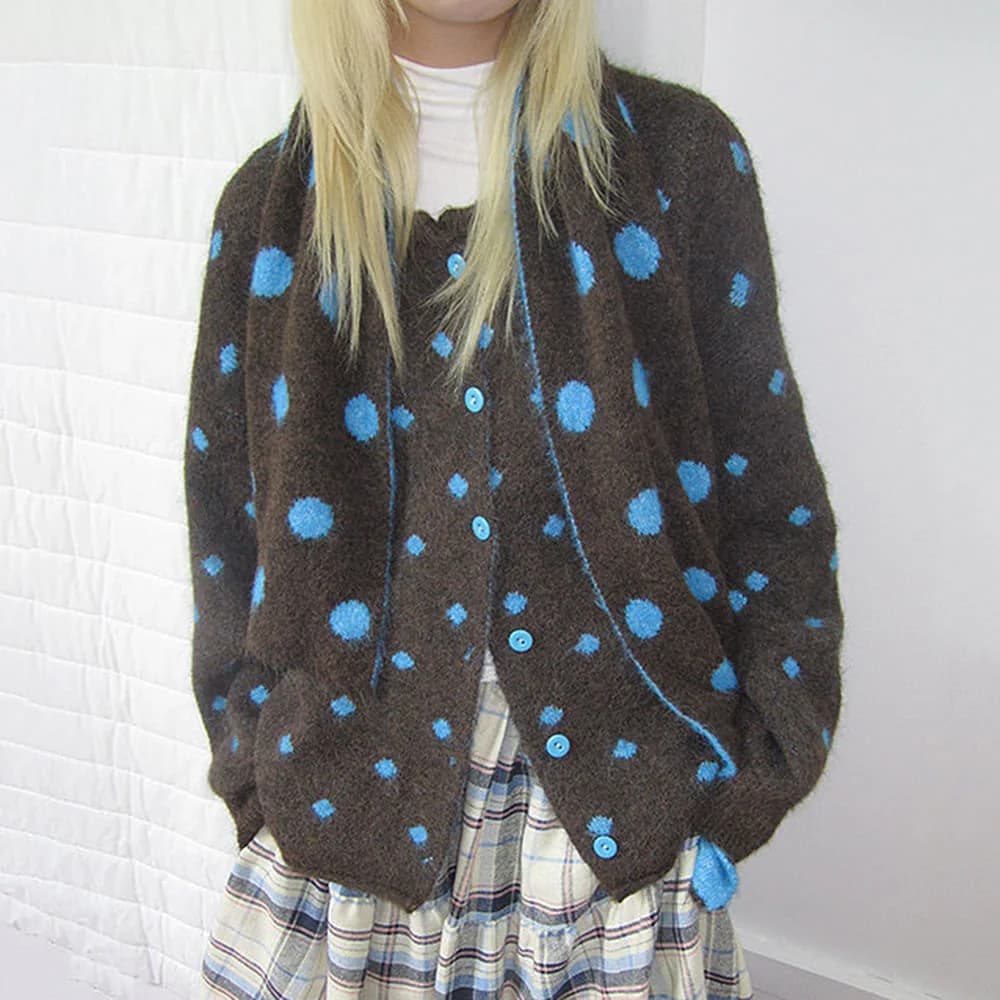
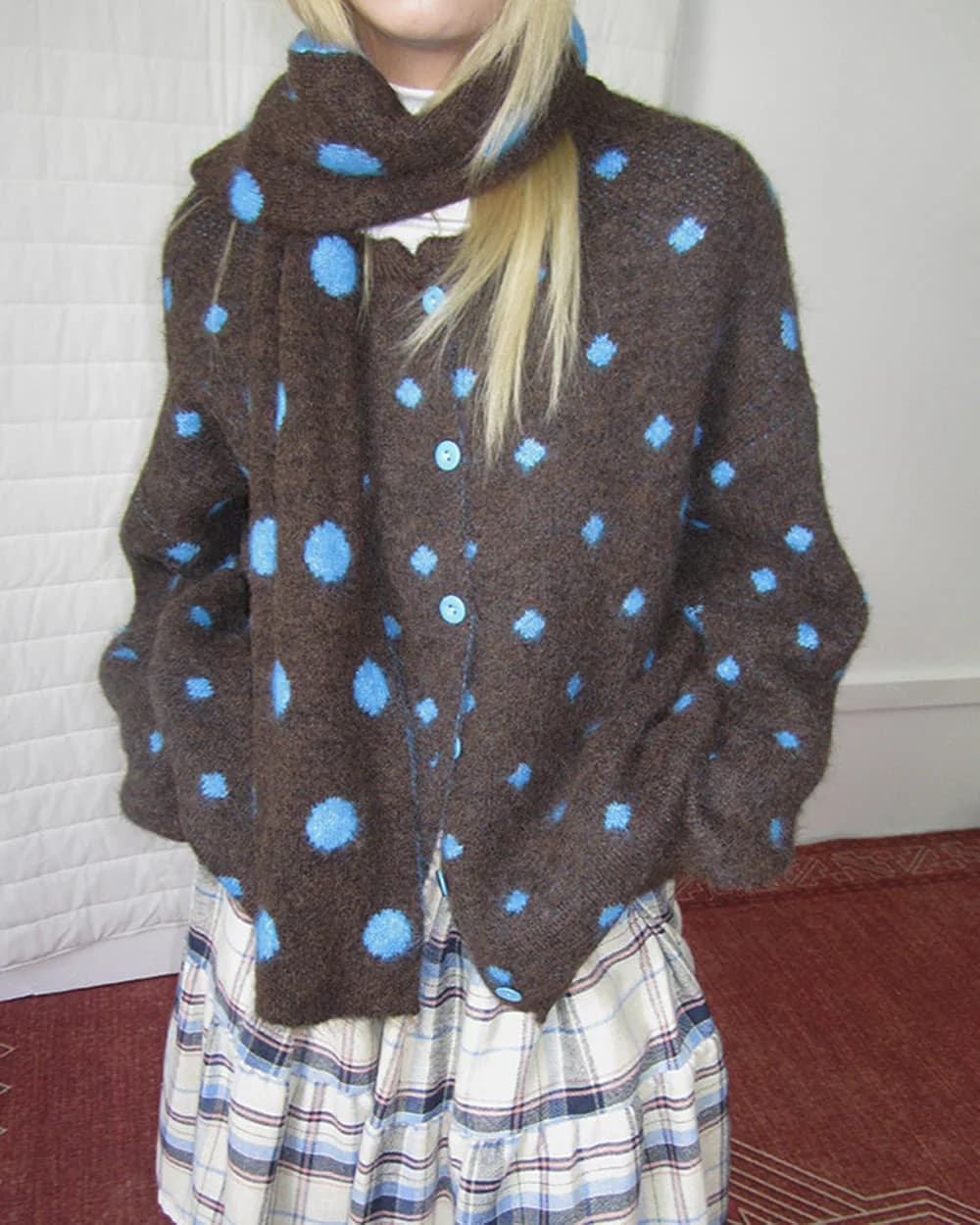
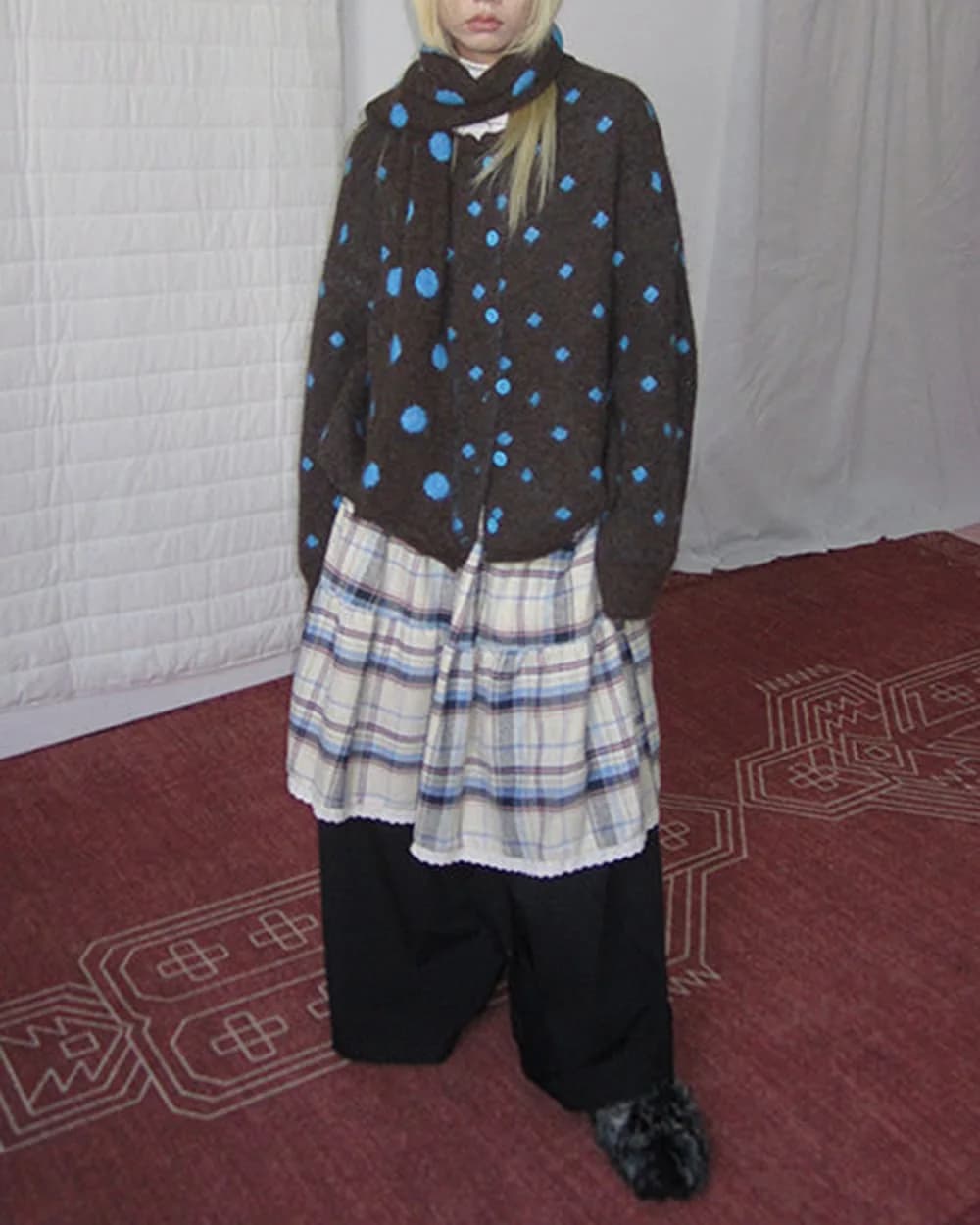
Consider how this works over an everyday piece like the Coffee Break Polka Dot Cardigan, which is made from a polyester knit in brown. When buttoned up to the top, its polka dot pattern creates an active surface. A short pendant would collide with the round collar seam and the dots, whereas a smooth, larger oval locket on a longer curb chain rests below the bust line, anchoring the pattern without creating friction around the neck.
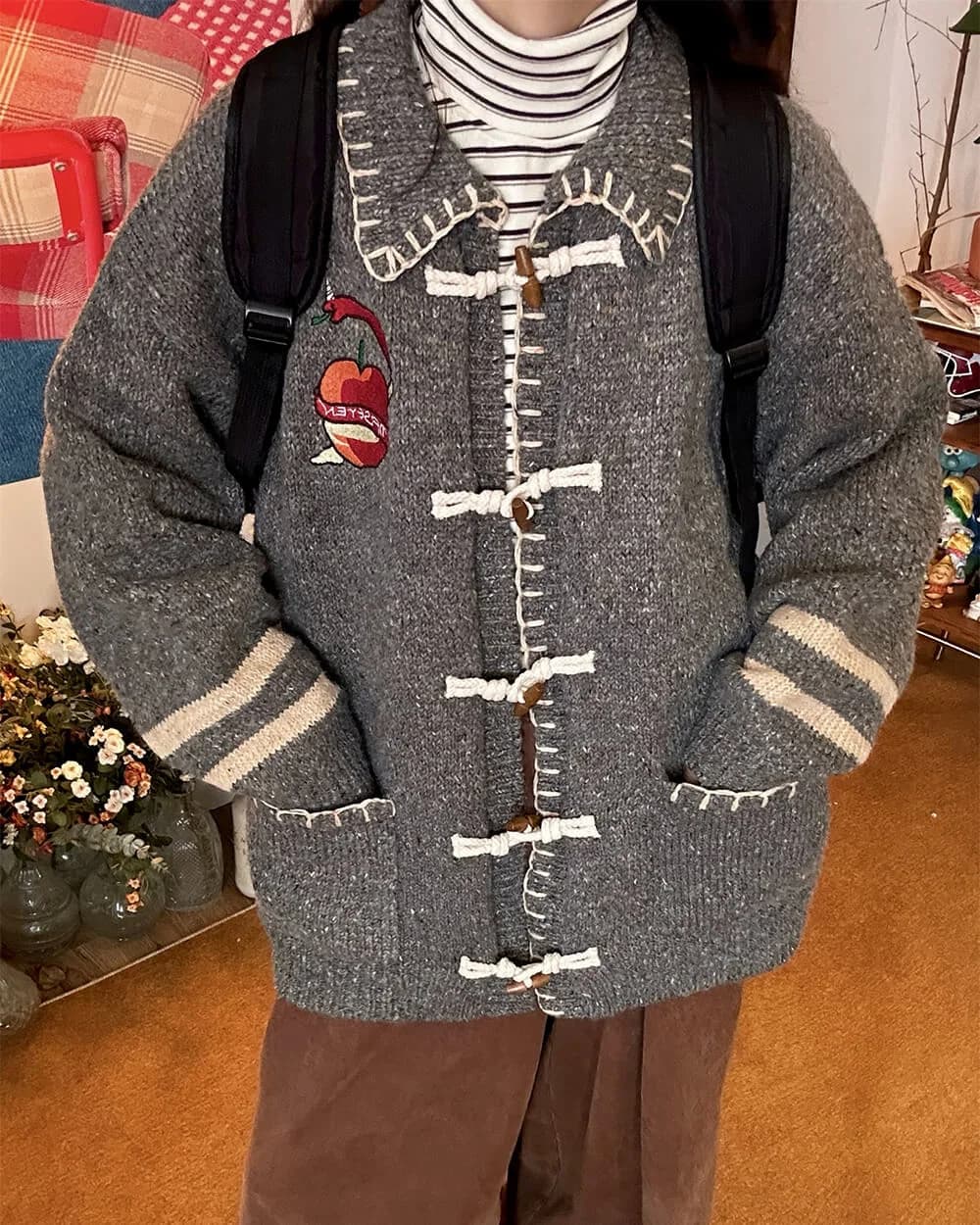
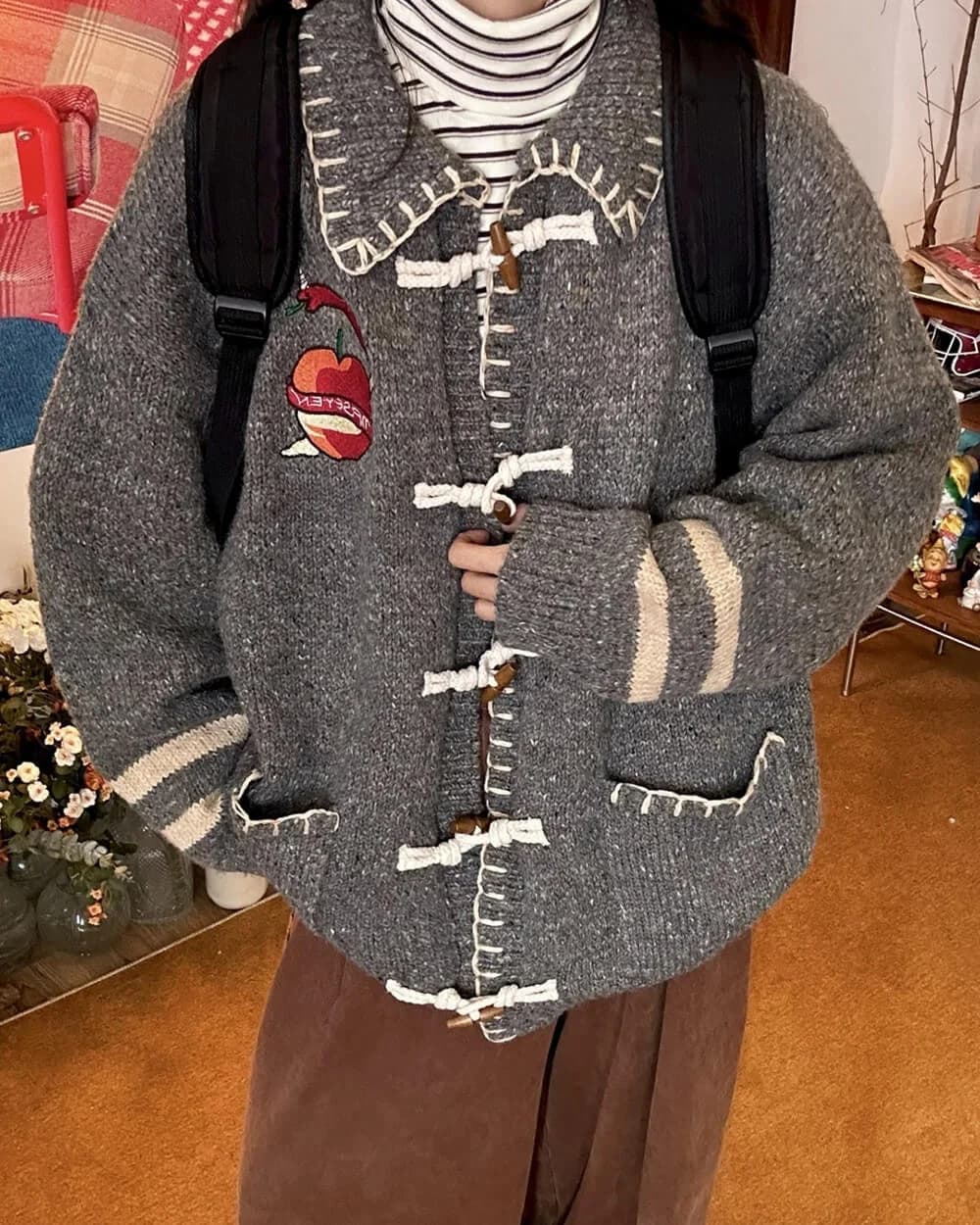
If you prefer rounded sweaters with embroidery, such as the acrylic Apple Embroidery Grey Cardigan, keep your pendant smooth and singular. Complex clusters of charms can catch on yarn stitches. A single substantial pendant maintains clean boundaries against the grey knit background, framing the embroidered fruit details without crowding them.

Peter Pan and Pointed Collars: Framing the Neckline
Pointed and Peter Pan collars are central to classic vintage looks, but they present specific geometry that dictates your chain length. A common mistake is letting a necklace loop awkwardly over the collar wings, where it slides sideways and tangles. To achieve a balanced silhouetteThe overall shape an outfit creates, from fitted to loose and layered., you can tuck a short chain directly underneath the collar wings so only a single charm peeks out at the central button, or you can drop down past the collar points entirely.
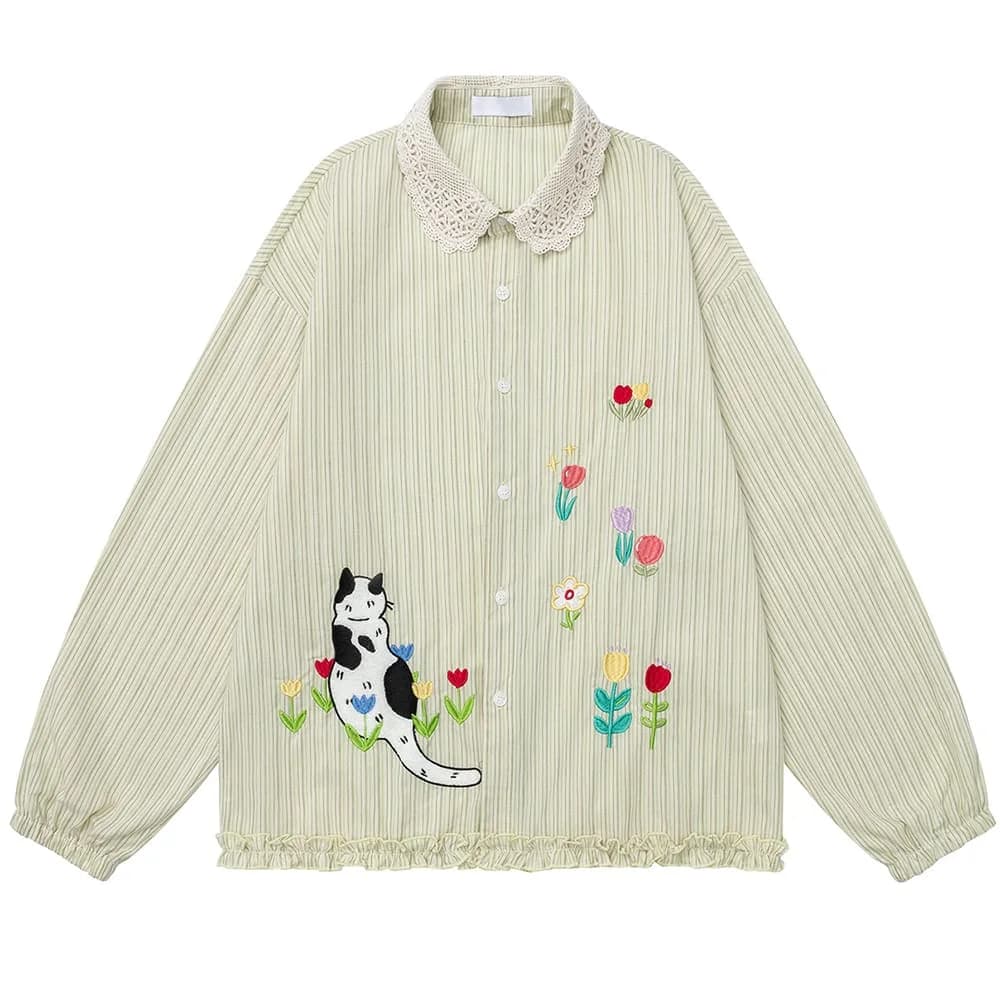
When styling an embroidered base like the Green Cottagecore Cat & Flower Embroidery Shirt, constructed with a cotton and polyester blend, the stitched neckline is already a focal point. Adding a heavy necklace directly on top of the green collar distracts from the cat and flower stitching. Instead, keep the throat bare and look through our Grandmacore Earrings to bring antique detailing near the face without interfering with the shirt's collar points.
Alternatively, if the shirt collar is left unbuttoned into a relaxed V-shape, a small locket or framed cameo suspended on a sixteen-inch chain will rest on bare skin directly within the open notch. This prevents the metal from catching on the embroidery while giving your heirloom piece a clean, isolated frame.
Open Square and V-Necklines: Creating Negative Space
Square and V-necklines naturally provide flat, exposed skin that acts as an open frame for jewelry. These cuts allow you to wear more complex or multi-layered pieces without worrying about fabric patterns clashing with metalwork. When the neckline drops below the collarbone, you have clean margins to arrange tiered chains or delicate antique settings.
The golden rule for open necklines is ensuring the lowest point of your jewelry does not hit the fabric hem directly. If a pendant rests halfway across the neckline border, it interrupts the visual rhythm of both the garment and the necklace. Aim to keep short drops sitting an inch above the neckline hem, or wear an extra-long chain that bypasses the open cut entirely to rest on the lower bodice fabric.
For cooler days, an open neckline layers effortlessly beneath pieces from our Grandmacore Clothes selection, such as oversized jackets or unbuttoned cardigans. By framing your chest with an open neckline, your jewelry has room to breathe even when bundled under heavy outerwear.
- Maintain at least one inch of bare skin between your lowest charm and the fabric edge.
- Align angular pendants like diamond or drop shapes with V-necks to mirror lines.
- Pair curved oval cameos or circular lockets with square necklines to soften sharp angles.
Metal Finishes: Antiqued Brass, Warm Gold, and Tarnished Silver
The grandmacore palette relies heavily on aged metals rather than mirror-shine finishes. Bright, highly polished modern metals can appear jarring against muted, vintage-inspired textiles. Understanding the warmth and finish of your metals makes it easier to match them with typical cottage and heritage colorways like moss, oatmeal, rust, and slate.
Antiqued brass and bronze provide a muted, warm glow that harmonizes naturally with earth tones, wooden buttons, and cable knits. Soft, brushed yellow gold works well alongside pastel embroidery, butter yellows, and creamy ivories. Meanwhile, tarnished or oxidized silver offers a cool, slightly brooding tone that anchors grey wools, faded blues, and moody floral prints.
Selecting jewelry from our dedicated Grandmacore Jewelry collection gives you access to finishes specifically styled with dark patinas and etched grooves. These textured surfaces absorb light gently, preventing harsh metallic glare from overpowering soft, natural fabrics.
Mixing Metals Without Visual Noise
Mixing silver and gold or brass is entirely practical, provided it is done with clear intention rather than random placement. To avoid a messy, haphazard appearance, establish one dominant metal tone for your outfit and introduce the secondary metal in minor, deliberate accents. A ratio of roughly seventy percent primary metal to thirty percent secondary metal keeps the overall aesthetic cohesive.
One reliable technique is anchoring your look with a two-tone centerpiece, such as a pendant featuring a silver frame around a brass botanical relief. Once that mixed piece is in place, you can wear a silver chain and brass rings elsewhere without them looking disconnected. The centerpiece explains the relationship between the two distinct tones to the eye.
Another way to mix metals cleanly is by separating them across zones. You might wear antiqued silver at your ears and neck to contrast with dark hair and open skin, while keeping warm brass confined to your wrists and hands. This zoning prevents a crowded, mismatched effect across the upper chest.
The Three-Tier Layering System for Everyday Ensembles
LayeringWearing pieces over or under one another to add depth, warmth or contrast. necklaces without creating a tangled nest requires careful separation of chain weights and lengths. An effective, clutter-free method is the three-tier system, which uses three distinct resting points across the chest. Each tier serves a specific purpose, preventing pendants from colliding and tangling during normal movement.
The top tier sits high, typically at fourteen to sixteen inches. This piece should be delicate: a fine rope chain, a simple row of tiny seed pearls, or an understated ribbon. It frames the throat without dominating the space. The middle tier, sitting between eighteen and twenty inches, functions as the primary statement. This is where an engraved locket, a glass intaglio, or an enameled flower charm belongs.
The lowest tier drops to twenty-four inches or lower, utilizing a smooth, medium-weight chain with either an elongated drop pendant or no charm at all. This lower line draws the eye down and balances the visual weight of the middle tier, establishing a grounded column that cuts cleanly through layered outfits.
- Tier One (14-16 inches): Thin, lightweight chain or seed beads close to the collarbone.
- Tier Two (18-20 inches): Medium pendant acting as the main decorative focal point.
- Tier Three (24+ inches): Simple extended chain or long drop to elongate the chest.
Earrings and Collars: Managing Proportion Around the Face
When styling around high necklines, oversized lapels, or chunky knit collars, earrings carry significant visual responsibility. Large drop earrings paired with broad ruffled collars can overwhelm your jawline, leading to a cluttered look where hair, earrings, and fabric edges blur together into an unstructured mass.
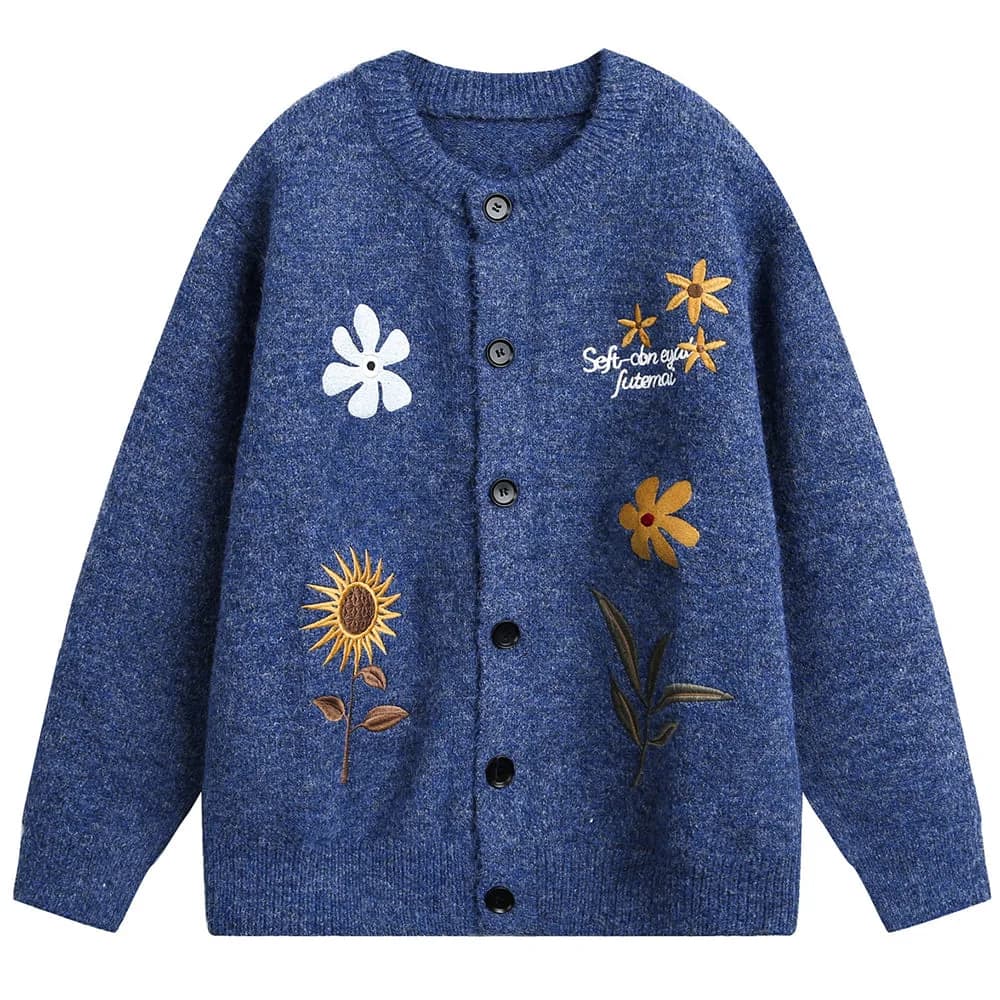
If your outfit features an intricate knit like the Cottagecore Embroidery Knit Cardigan—an acrylic layer available in blue, grey, or white with detailed floral needlework—your upper chest already contains substantial decorative interest. Pairing this with long chandelier earrings can feel chaotic. Instead, opt for small vintage-inspired studs, miniature hoops, or compact button-style pearls that stay tucked close to the earlobes.
Save long, dangling drop earrings for smooth, collarless garments or outfits where the neckline is understated. When your ears display ornate, trailing designs, leave your neck unadorned and skip the necklace entirely. This directs all visual attention upward, accentuating your cheekbones while keeping your overall outfit tidy and deliberate.
Wrist and Hand Accents: Chunky Cuffs vs. Dainty Filigree
Cardigan sleeves and coat cuffs often interact directly with rings and bracelets. Chunky cable knits, wide bell sleeves, and elasticated ruffles create bulk around the wrists, making it crucial to pick the right bracelet silhouetteThe overall shape an outfit creates, from fitted to loose and layered.s. Wearing wide, rigid metal cuffs under snug ribbed knit cuffs causes awkward bunching, stretches out your sleeve hems, and feels uncomfortable throughout the day.
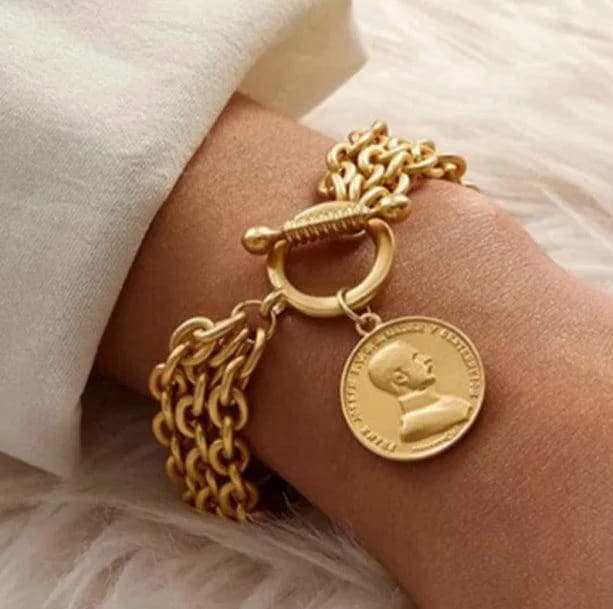
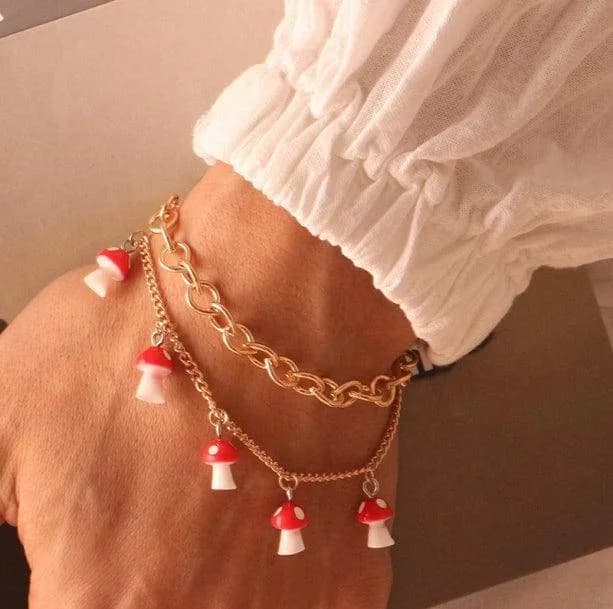
Instead, look for flexible, close-fitting designs in our Grandmacore Bracelets lineup. Slim chain links, flat charm bracelets, and elasticated beaded strands glide easily beneath a sweater cuff without pushing the fabric out of shape. When your hands move, the charms slide gently into view at the wrist line, offering an understated flash of metal that feels integrated rather than bulky.
If you are wearing a short-sleeved blouse or a rolled-up sleeve, you have more liberty to wear stacked bangles or wider filigree cuffs. Balance a heavier wrist piece by wearing delicate, low-profile rings on your fingers, ensuring your hands feel decorated without interfering with practical daily tasks like writing, typing, or cooking.
Working Around Bold Knitwear Patterns and Prints
Styling jewelry over boldly patterned knitwear requires extra restraint. Bright, multi-colored motifs fight for attention against detailed metalwork, rendering both elements less effective. When an outfit features vibrant color blocking or geometric designs, delicate jewelry details become lost in the visual static.
Take the Lemon Chalet Pattern Cardigan, crafted from acrylic in an eye-catching blue and yellow geometric knit. If you place a finely detailed silver pendant over this vivid front, the pattern will completely obscure the jewelry's engraving. For patterned pieces like this, the smartest choice is shifting your jewelry away from the pattern entirely.
Wear your statement rings, bracelets, and earrings, leaving the patterned chest field bare. If you do choose a necklace, opt for a thick, solid metal torque or a smooth, polished stone pendant that sits on bare skin above the cardigan's collar line, remaining entirely separate from the printed surface of the sweater.
- Avoid wearing thin filigree chains directly against bold, multi-colored knit patterns.
- Position necklaces purely on skin above high-contrast prints to maintain clarity.
- Rely on rings, bracelets, and neat earrings when wearing busy geometric knits.
Outfit Formula 1: The Layered Library Afternoon
For a grounded, everyday outfit suited to casual outings, studying, or relaxed weekend gatherings, pairing a graphic knit with neutral bottoms allows your jewelry to create an authentic vintage accent. This outfit combines structured charm with comfort, using jewelry placement to define the silhouetteThe overall shape an outfit creates, from fitted to loose and layered. cleanly.
Start with the Oversized Cat Print Jacket, made of brown polyester, worn open over an unbuttoned cream blouse. Pair this with the Black White Polka Dot Gingham Maxi Skirt, a polyester bottom in grey that provides classic pattern interest. Because the skirt and jacket carry ample print and texture, your jewelry should provide a calming metallic anchor.
Fasten a single eighteen-inch locket in warm antiqued brass around the neck, letting it rest on the unbuttoned blouse fabric just below the collarbones. Finish with simple brass button earrings and a smooth leather-banded watch. The brass hardware unifies the earthy brown jacket and grey skirt, providing a focused, timeless accent without competing with the polka dot gingham pattern.
Outfit Formula 2: The Sunday Market Walk
A breezy outdoor stroll calls for functional, weather-ready styling that highlights delicate heirloom jewelry through thoughtful layeringWearing pieces over or under one another to add depth, warmth or contrast.. This formula relies on playful knit textures, earthy legwear, and targeted jewelry accents that stay secure while you are on the move.
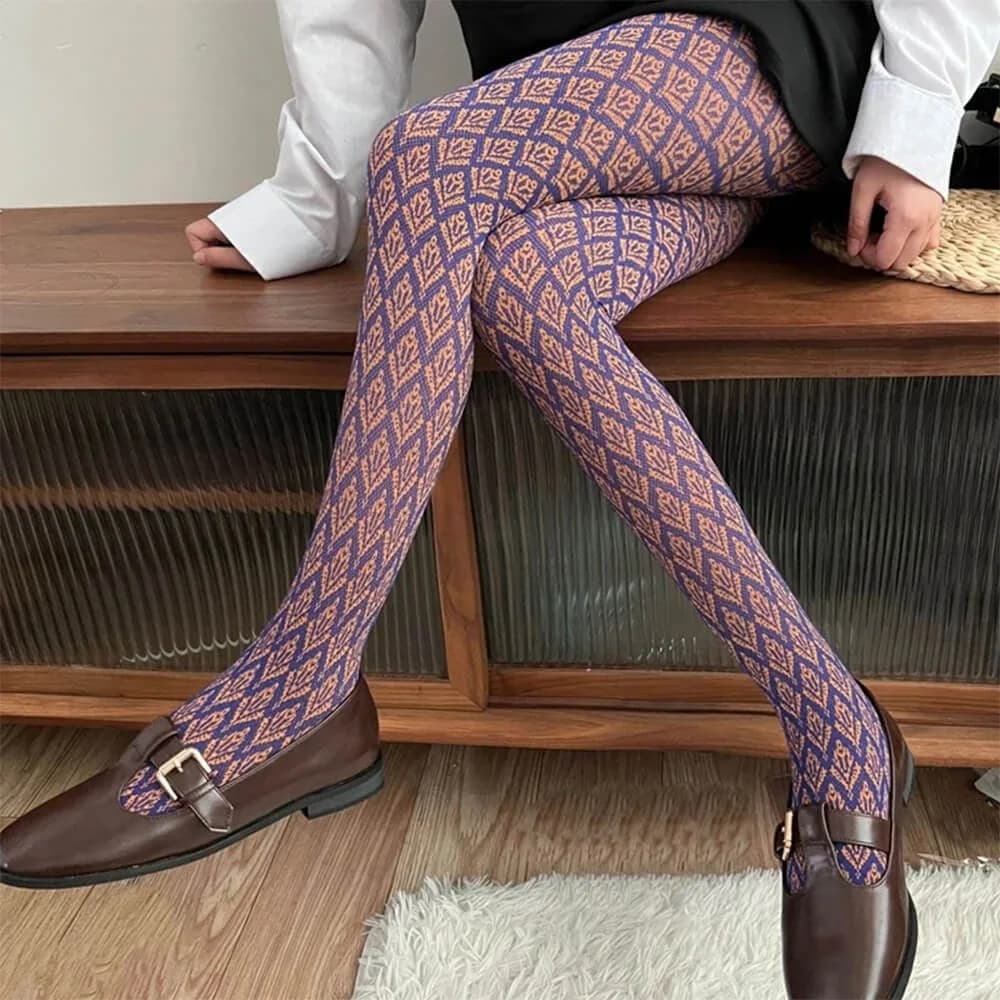
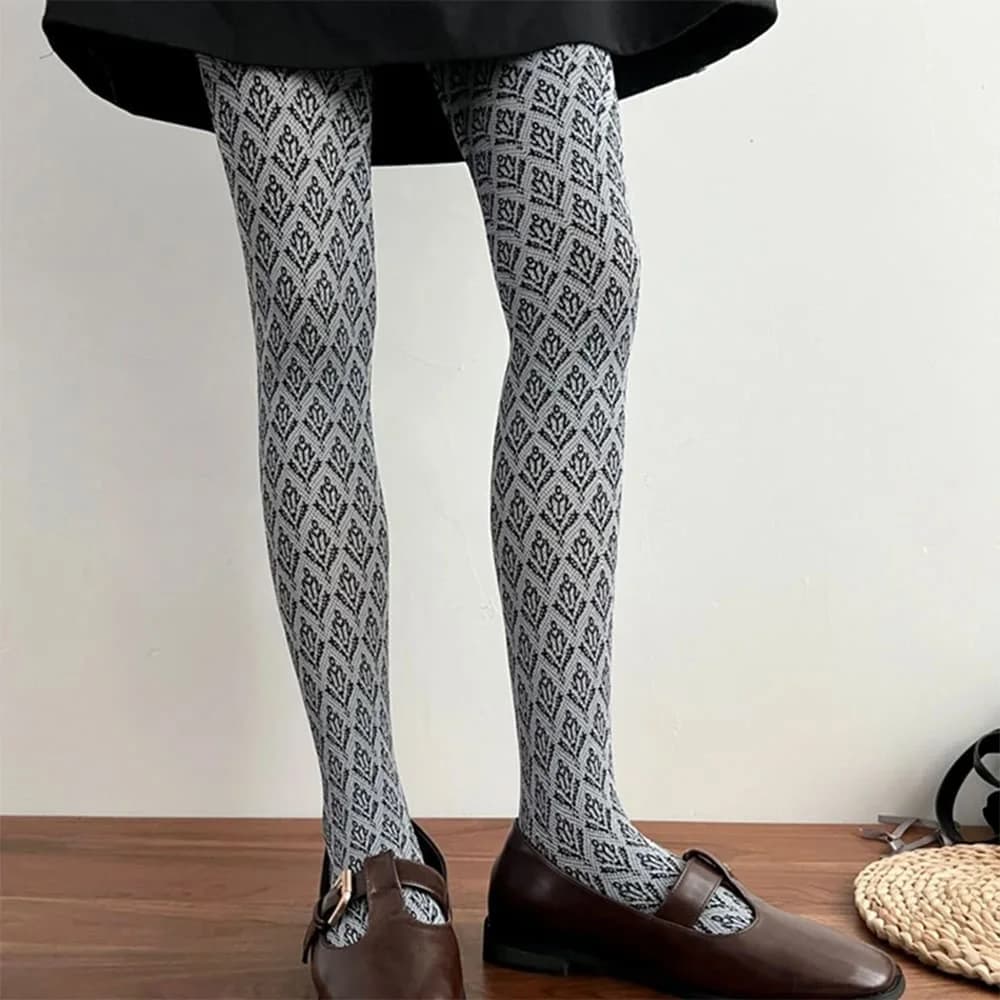
Layer the Apple Embroidery Grey Cardigan over a simple high-neck white camisole. Combine this with a denim midi skirt and the Grandmacore Aesthetic Tights, made of nylon and selected in Dark Grey or Brown to add subtle warmth and color grounding. Because the cardigan features neat apple embroidery on the chest, you want to keep the necklace area entirely clear to avoid snagging threads.
Instead of a pendant, focus on your hands, ears, and overall accessories. Add a pair of small enameled fruit drop earrings from our Grandmacore Accessories range, echoing the cardigan's embroidery without crowding the neckline. Finish the look with a slim vintage ring stack and a canvas tote bag, allowing the sweater's yarn texture and your accessories to share the spotlight harmoniously.
Common Pitfalls When Assembling Vintage-Inspired Jewelry
One of the most frequent styling mistakes is wearing every treasured heirloom piece at once. While it is tempting to wear a statement brooch, three layered chains, charm bracelets, and ornate drop earrings simultaneously, this creates visual exhaustion. When everything demands attention, no individual detail stands out, and the resulting look leans more toward costume than thoughtful personal style.
Another practical pitfall is pairing heavy, sharp-edged vintage pendants with delicate open-weave knits. Charms featuring prongs, raw stone edges, or intricate scrollwork can easily catch on loose acrylic or wool threads, damaging both the garment and the necklace. Always test how a pendant moves across the fabric before wearing it out for the day.
Finally, neglecting scale is a common error. A tiny, one-centimeter charm suspended on a heavy twenty-eight-inch chain gets swallowed up, looking lost and unbalanced. Conversely, hanging a massive, heavy resin cameo on an ultra-fine thread chain risks breakage and looks disproportionate against heavy outer garments. Match the visual weight of the pendant to the gauge of the chain and the thickness of your clothing.
- Avoid competing focal points; pick either a statement necklace or statement earrings, not both.
- Inspect charms for sharp prongs that could catch and pull knitwear loops.
- Balance the physical weight of your pendant with an appropriately gauged chain.
Quick Selection Checklist for Clean Grandmacore Styling
Before you head out the door, running through a fast visual audit helps ensure your grandmacore jewelry complements your silhouetteThe overall shape an outfit creates, from fitted to loose and layered. cleanly. Checking placement, chain separation, and texture compatibility takes only a few seconds and prevents clutter from detracting from your outfit.
First, inspect your neckline boundaries. Ensure no pendant is cut in half by a fabric hem or trapped beneath an uncooperative collar point. Second, gently shake your upper body to verify that layered chains do not instantly twist or tangle around each other. If they knot up within seconds of movement, remove one tier or swap in a chain with a different thickness or link shape.
Lastly, check your overall metallic balance. Make sure your rings, earrings, and chains feel mutually supportive rather than entirely random. By confirming these small alignment details, your antique-inspired pieces will look like a carefully gathered personal collection that complements your personal aesthetic naturally.
- Check neckline margins: pendants should sit fully on bare skin or fully on fabric.
- Separate layered chains by at least two inches in length to reduce tangling.
- Confirm that earring scale balances smoothly with your chosen collar structure.
- Harmonize metal undertones so patinas enhance your clothing palette seamlessly.