
Created by the Kawaii Vibe editorial team. Our named style desks are editorial personas. Product details and availability can change.
Finding the right footwear for vintage-inspired layeringWearing pieces over or under one another to add depth, warmth or contrast. can feel surprisingly tricky when hems start dragging on the pavement or gathering awkwardly around your ankles. When your wardrobe features voluminous skirts, thick knits, and relaxed trousers, your shoes have to do double duty by balancing the visual weight of heavy textiles while keeping your garments falling naturally.
Grandmacore styling leans heavily on grounded, nostalgic aesthetics, but throwing on any pair of vintage flats can throw off your proportions if the hemline hits at the wrong spot. Whether you prefer sturdy brogues, Mary Janes, lace-up ankle boots, or raised platform heels, coordinating footwear with the length and volume of your garments makes the entire outfit feel deliberate rather than accidental.
This guide breaks down the practical geometry of hem-to-shoe pairings across skirts, knitwear, and trousers. We will explore how different soles interact with floor lengths, ankle crops, and tiered fabrics, making it simple to style everyday pieces without fuss or guesswork.
The Ground Rule of Hem Clearance and Sole Heights
The relationship between where a hem stops and where a shoe begins determines whether an outfit looks intentional or uncoordinated. With grandmacore silhouetteThe overall shape an outfit creates, from fitted to loose and layered.s, fabrics are often textured, heavy, and full, which means lightweight slippers can disappear beneath an abundance of fabric. At the same time, overly aggressive platform heights can disrupt the gentle, vintage balance of soft knits and linen skirts.
A reliable guideline is to create visual separation between the lower boundary of your clothing and the top edge of your shoe collar. When wearing a maxi piece, you want at least one to two inches of clearance above the ground so fabric swings freely when you step forward. If your garment sweeps the ground, switching from a flat lace-up to a structured shoe with moderate elevation prevents fabric wear and maintains cleaner vertical lines.
For days when you want a raised silhouetteThe overall shape an outfit creates, from fitted to loose and layered. with vintage flair, you can consider an option like the Not Your Babydoll Platform Heels. These heels feature a vegan suede upper and are offered in Brown and Black, though the listing notes they run small, making it important to review the sizing information before picking your size from EU35 (US5.0) up to EU40 (US9.0). Their solid base gives long hems the clearance they need without breaking the classic retro mood.


Pairing Maxi Skirts With Flat Shoes and Low Soles
Full-length skirts require careful attention around foot coverage because flat soles keep your feet completely parallel to the ground. When pairing traditional oxfords, ballet flats, or simple canvas shoes with long skirts, the hem should stop just above the ankle bone. This gap prevents the fabric from dragging when you walk over curbs, up steps, or across damp pavement.
If you are styling a dramatic printed bottom, like the Black White Polka Dot Gingham Maxi Skirt, which is cut from polyester in grey across sizes S to XXL, keeping the hem resting just above your instep ensures the print remains visible and neat. A low-profile, smooth leather or matte flat works well here because it anchors the lightweight, floating pattern without competing for attention.
When wearing flats with skirts of this length, look at how the fabric drapes while you move. Stiff, heavyweight canvas flats can catch on the hem lining, whereas smooth, rounded-toe leather or faux leather slips past fabric folds without bunching. Check our wider selection of grandmacore skirts to find pieces that feature waistband placements that let you alter your effective hem drop easily.

Managing Midi Hems and Calf-Height Gaps
Midi lengths present a different styling puzzle because the hem sits squarely between the lower knee and the mid-calf. This leaves an exposed expanse of lower leg that can either highlight your shoe choice or cut your leg line abruptly in half. Pairing midis with low-cut shoes leaves skin or sock fabric visible, which gives you room to introduce playful textures like ribbed knit or crochet socks.
If you are wearing ankle boots with a midi skirt, ensure the boot shaft tucks cleanly beneath the hem or ends at least three inches below the skirt edge. An awkward one-inch gap between the top of an ankle boot and a midi hem creates visual tension that disrupts the relaxed silhouetteThe overall shape an outfit creates, from fitted to loose and layered. of your outfit. A low-profile shoe or a lace-up shoe with a deeply cut ankle opening creates a much cleaner horizontal transition.
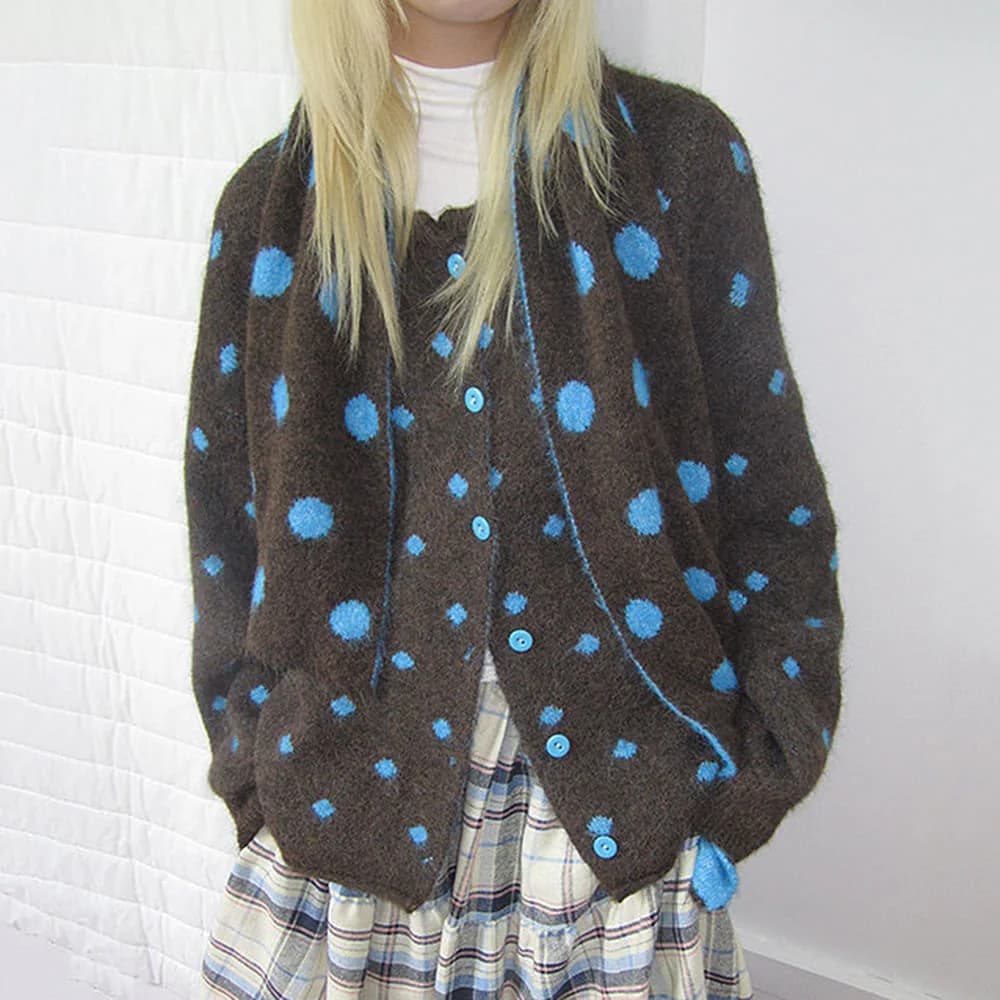
Tying the look together above the waist helps balance the open lower leg. You might balance a midi skirt and brogues with a cozy top layer such as the Coffee Break Polka Dot Cardigan, a polyester knit offered in a rich brown Free Size. The spot motif up top mirrors the vintage, collected feel of lower-leg styling without overcomplicating your outfit.
Styling Platform Footwear With Vintage Proportions
Platform footwear adds modern functionality to historical and vintage-inspired aesthetics, giving long garments lift while maintaining comfortable foot angles. When styling chunky loafers or raised heels with vintage knits, pay close attention to the width of your skirt hem or pant leg opening. A very narrow, tapered hem paired with a thick sole creates an exaggerated top-heavy foot line, whereas wide or flared cuts sit smoothly over the platform base.
Platform Mary Janes or heeled lace-ups pair naturally with midi and maxi dresses because the platform absorbs hem length that might otherwise require tailoring. The Not Your Babydoll Platform Heels, made from vegan suede with brown and black color choices, provide this exact height elevation. Because this specific shoe runs small, matching your foot measurements against the available sizing from EU35 through EU40 ensures you walk comfortably through long days.
To maintain visual harmony, match the bulk of your platform sole to the weight of your upper garments. Thick cable knits, oversized collars, and dense outerwear balance heavier footwear, creating a cohesive head-to-toe frame that feels rooted in vintage utility.
Coordinating Socks and Tights With Footwear Cutouts
Socks and tights are indispensable when building outfits around traditional vintage footwear styles like T-straps, saddle shoes, and Mary Janes. In cooler weather, tights prevent wind chill while adding continuous color between your shoes and your hemline. Selecting an opaque, ribbed, or cable-textured knit in neutral tones bridges the space between low shoes and midi hemlines effortlessly.
When wearing shoes with buckle details or strap cutouts, choose socks with smooth toe seams so the fabric lays flat against your instep. Scalloped hems, pointelle knits, and turn-down cuffs sit comfortably on the ankle bone, providing a soft boundary line directly above your shoe collar. Avoid socks made from slippery synthetic blends if your shoes have smooth interior linings, as your foot may slide forward during walking.
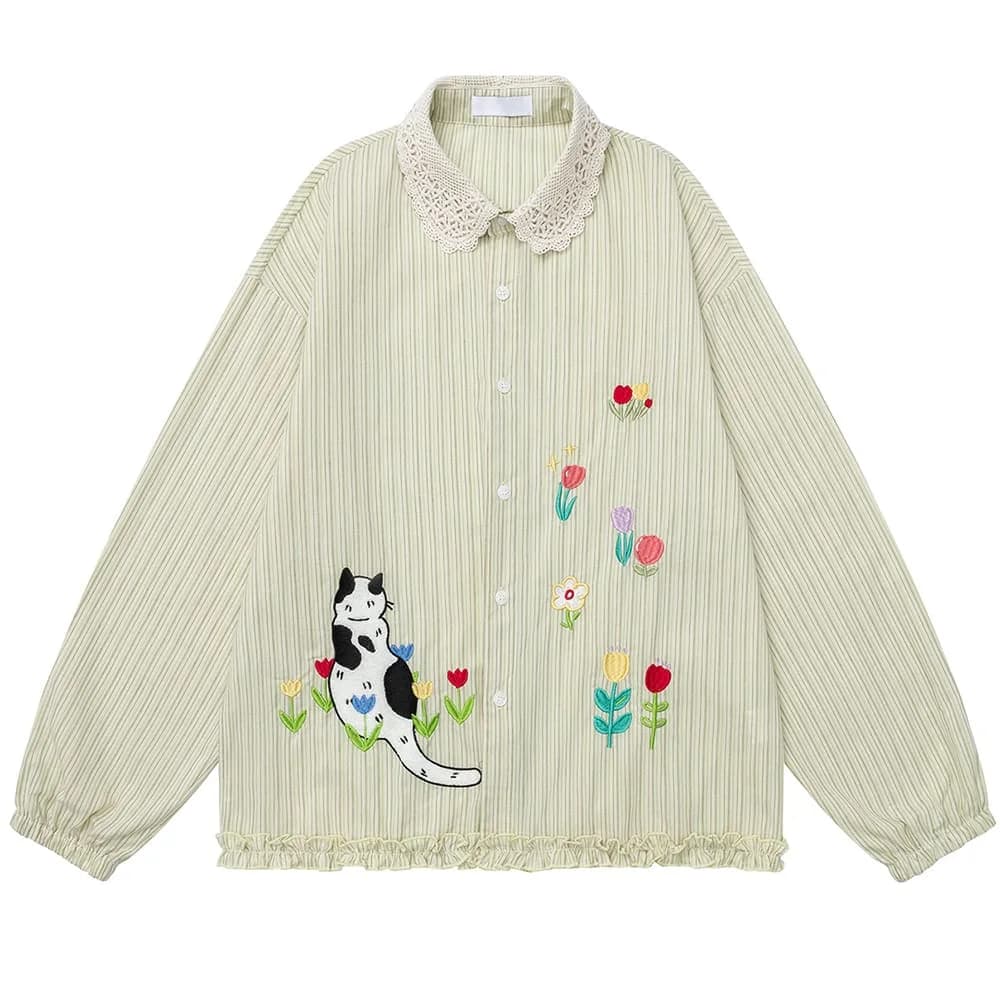
If your outfit features delicate embroidery, such as the Green Cottagecore Cat & Flower Embroidery Shirt, a cotton and polyester blend available in sizes S to XL, you can echo that charming, hand-crafted detail at foot level. Pairing simple ecru cotton socks with your favorite loafers keeps the focus on the shirt's green botanical accents without overwhelming the eye.

Trouser Hem Breaks and Low-Profile Shoes
When styling trousers within a vintage-inspired wardrobe, the break of the pant leg—how the cuff folds over the top of the shoe—dictates the entire lower silhouetteThe overall shape an outfit creates, from fitted to loose and layered.. A full break occurs when the trouser fabric ripples deeply over the foot, which works well with wide-leg corduroys and heavy-soled oxfords. A slight break or cropped cuff, on the other hand, allows delicate lace-ups and loafers to shine.
If you favor wide-leg wool trousers, pair them with shoes that have a defined, square or rounded toe box. Narrow, pointed shoes can look lost under wide trouser openings, creating an imbalanced look. For cropped chinos or vintage denim, ensure the trouser cuff terminates approximately one inch above the shoe collar so the shoe's tongue and lacing system remain clearly visible.
To see a full spectrum of bottom layers designed to pair with classic flats, explore our curated selection of Grandmacore Clothes. You will find various fits and draperies that align smoothly with low-profile leather footwear and traditional workwear-inspired cuts.
Balancing Chunky Knitwear With Sturdy Soles
Bulky upper layers, such as thick sweaters and draped cardigans, alter your body's overall visual balance. If you wear an oversized, plush knit up top with ultra-thin, delicate ballet slippers on your feet, the top half can overpower the bottom half. Anchoring an oversized cardigan requires shoes that bring their own presence to the ground level, like lug-sole shoes, stacked wood heels, or thick-welted brogues.
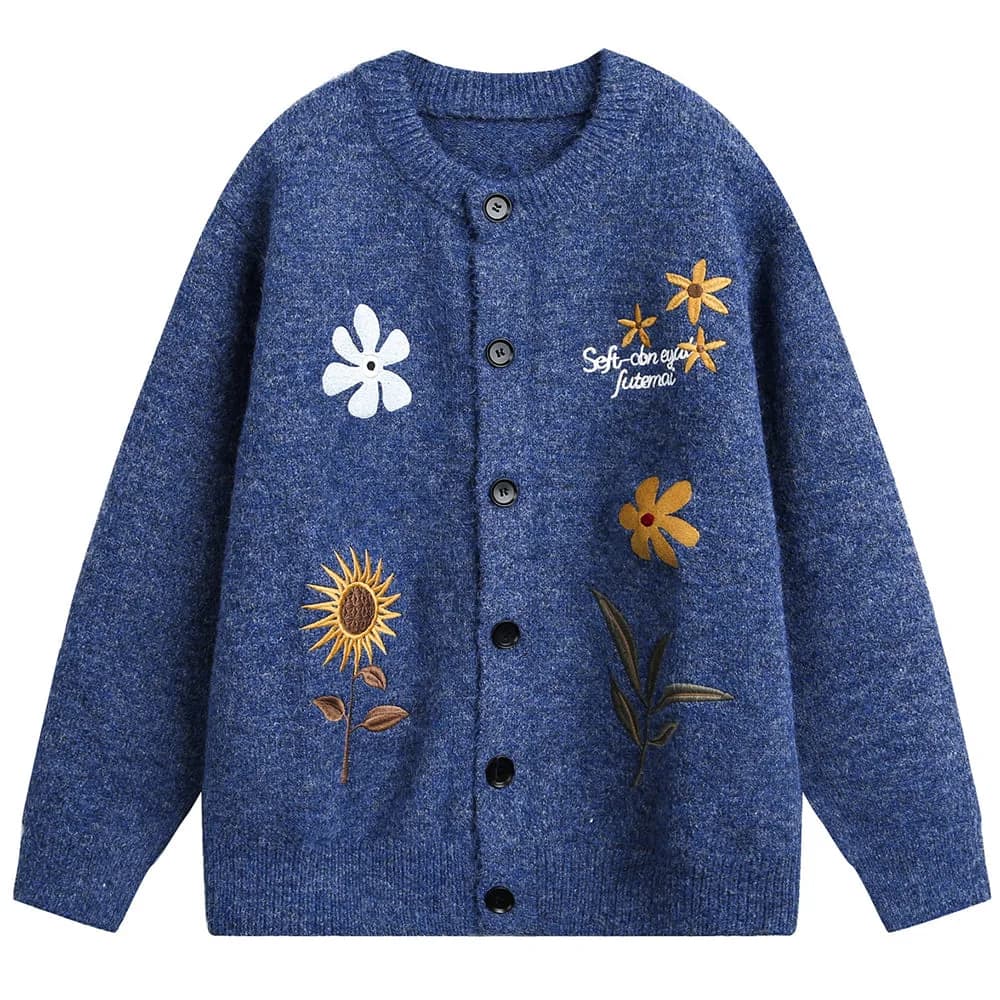
For example, wearing the Cottagecore Embroidery Knit Cardigan—crafted from acrylic in Blue, Grey, and White across sizes M to XXL—introduces noticeable visual volume around the torso. Pairing this textured sweater with lightweight footwear can feel slightly mismatched. Opting instead for sturdy leather lace-ups or raised soles restores proportional equilibrium to the overall ensemble.
You can also explore cozy alternatives within our grandmacore sweaters collection, matching the stitch gauge of your tops to the visual density of your footwear. Heavy fisherman ribs and chunky cable knits pair naturally with lugged or double-soled shoes, while finer gauge knits pair better with sleeker, thinner soles.
Dressing for Damp and Chill: Weather-Ready Footwear
Grandmacore style often embraces rainy strolls, garden paths, and brisk market mornings, making weather-ready footwear a practical requirement. Unfinished suede and lightweight cloth shoes absorb water quickly and stain easily on muddy trails. When heading out into wet or chilly conditions, shift toward waxed leather, treated faux leather, or rubber-soled boots with sealed welts.
When puddles are a concern, elevate your hems slightly above their normal dry-weather drop. An ankle-length skirt can be worn an inch higher on the natural waist, paired with low boots that fully cover the ankle joint. This setup keeps the hem safely clear of street grime while keeping your feet warm and dry throughout outdoor excursions.
LayeringWearing pieces over or under one another to add depth, warmth or contrast. a sturdy jacket over your knits reinforces this cold-weather readiness. The Oversized Cat Print Jacket, cut from brown polyester in sizes M through XL, works wonderfully on breezy days. When paired with heavy lace-up walking shoes or water-resistant booties, you achieve a grounded, weather-appropriate look that does not sacrifice comfortable, nostalgic styling.
Pattern Mixing Between Footwear and Statement Cardigans
Many vintage-inspired pieces showcase playful embroidery, animal motifs, or rustic patterns. Balancing these eye-catching elements with your footwear requires thoughtful coordination of textures and colors. As a general rule, if your upper layer features complex, multicolor motifs, keep your shoes relatively grounded in monochrome leather, deep brown tones, or classic black.
Take the Apple Embroidery Grey Cardigan, made from soft acrylic in sizes M, L, and XL. Because the cardigan features distinct fruit embroidery against a neutral grey knit, pairing it with neutral oxfords or simple brown platform heels lets the embroidery take center stage. Adding patterned or multi-colored shoes on top of this could make the overall look feel cluttered rather than cozy.
Similarly, the Lemon Chalet Pattern Cardigan, knit from acrylic in a vibrant Blue/yellow combination (sizes M to XL), already commands immediate visual focus. Grounding this knit with simple footwear from the Grandmacore Shoes collection provides a calm foundation that anchors the vivid knitwear pattern effortlessly.
Comparing Loafers, Oxfords, and Mary Janes
Understanding the mechanical and aesthetic differences between classic footwear categories makes selecting the right pair for your day far simpler. Loafers offer slip-on ease and an inherently intellectual, collegiate look. Their solid vamp covers the majority of the instep, making them ideal partners for straight-leg trousers, cuffed jeans, and heavy wool skirts where minimal foot skin is exposed.
Oxfords provide the most structured support, thanks to their closed or open lacing systems. This secure fit makes them well-suited for days that involve substantial walking. A pair of brogue-detailed oxfords brings an earthy, heritage-craft feel to full-circle midi skirts and layered knits. Their tailored silhouetteThe overall shape an outfit creates, from fitted to loose and layered. brings crispness to garments that have looser, more casual drapes.
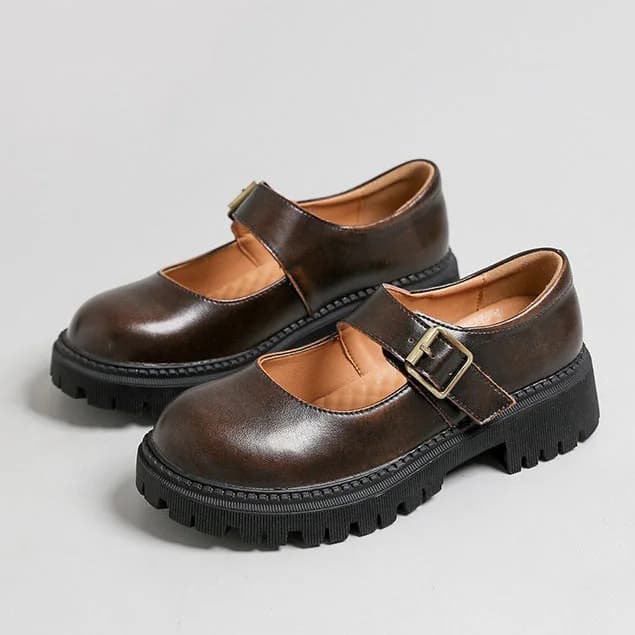
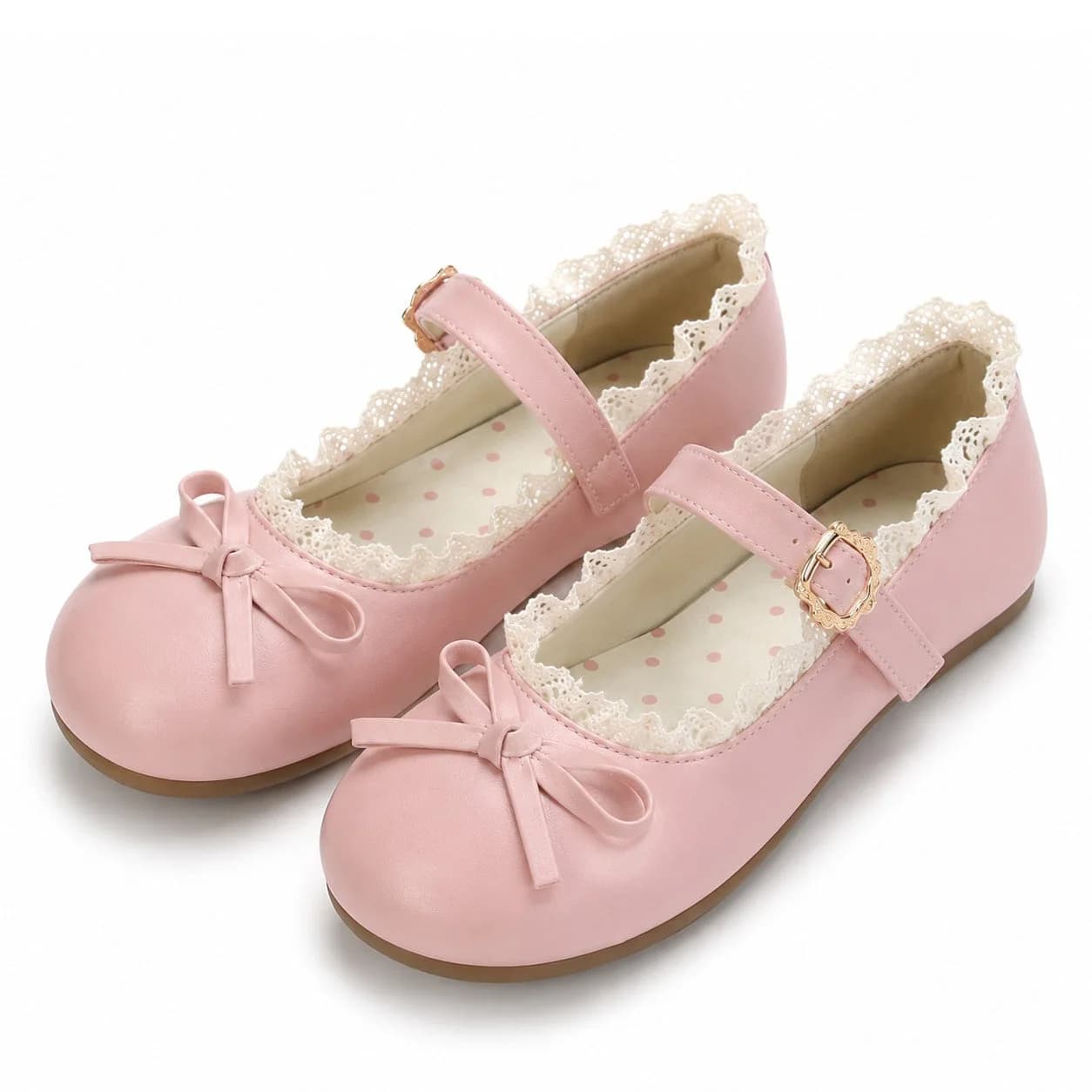
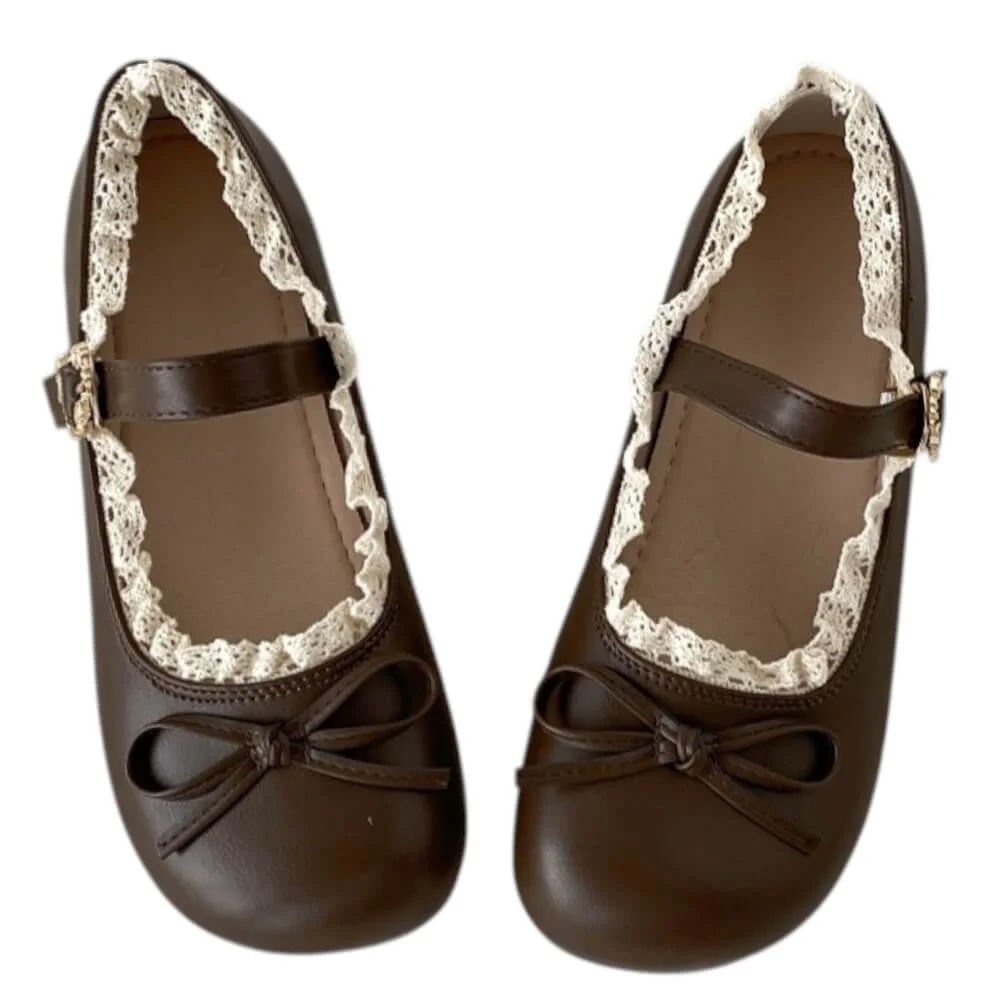
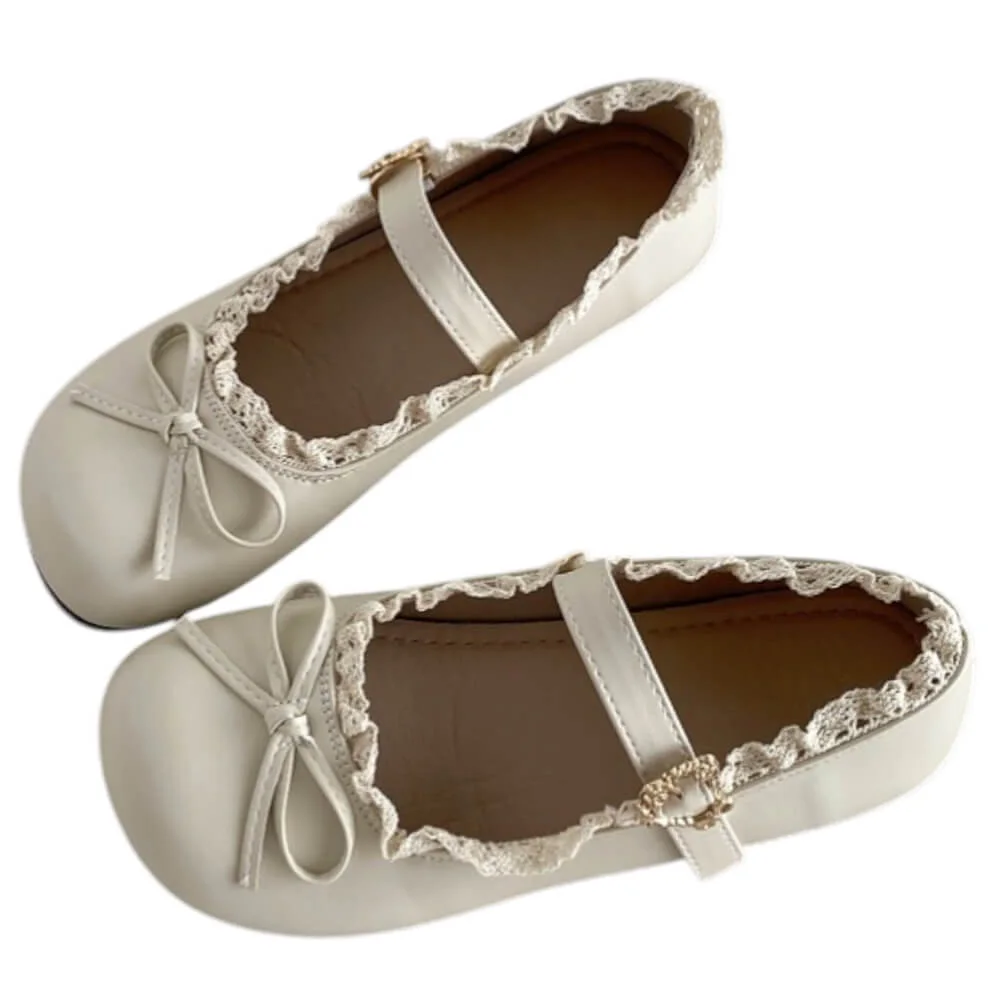
Mary Janes introduce a distinctly nostalgic, feminine feel due to their scooped instep and buckle strap. They showcase patterned socks or delicate ankle lines far better than full-coverage oxfords. To browse versatile cardigans that complement all three footwear types, browse our grandmacore cardigans lineup for knitwear that mirrors these time-tested design accents.
- Loafers: Slip-on convenience, best for trousers and long socks, medium visual weight.
- Oxfords: Laced stability, formal heritage look, works across all skirt and pant lengths.
- Mary Janes: Single or multi-strap, lightweight instep exposure, ideal for patterned socks.
Evaluating Materials: Leather, Canvas, and Vegan Suede
The material of your shoe dictates not only how it handles daily wear, but also how it interacts with the textures of your clothes. Full-grain and treated smooth leathers offer durability, wipe-clean maintenance, and natural weather resistance. They develop a pleasant patina over time, which aligns nicely with the vintage aesthetic, though they require breaking in around the heel and toe box.
Canvas provides breathability and a lighter touch during warm weather, making it a great pairing for cotton sundresses and lightweight linen skirts. However, canvas offers very little moisture resistance and easily stains from garden soil or damp grass. It also lacks the structured rigidity required to anchor heavy, multi-layered winter knits.
Vegan suede, like that used on the Not Your Babydoll Platform Heels, delivers a soft, matte texture that pairs beautifully with autumnal twill, corduroy, and knits. It feels soft against the foot immediately without a painful break-in period, though it should be kept dry or treated with a synthetic-safe protector spray to keep the nap looking pristine.

How to Adjust Hemlines for Different Heel Drops
If your favorite skirts and trousers were tailored while you were wearing flat shoes, switching to a raised heel or platform can leave hems hanging too high off the floor. Conversely, if garments were purchased to fit with heels, wearing them with flats can cause hems to drag and fray along the back edge. Learning to adapt your hems without permanent alterations makes your wardrobe much more versatile.
For elastic-waist skirts, adjusting the hemline is as simple as repositioning the waistband higher on your ribcage or rolling it inward once or twice. This quick adjustment raises the bottom hem by one to two inches, easily accommodating the shift from a low oxford to a flat slipper. For trousers, a neat double cuff at the ankle changes an awkward puddle into a clean, intentional crop that highlights your shoe laces.
Removable dress tape and temporary iron-on hem strips can also help you dial in exact clearances for specific events. Taking a few moments to measure your ground clearance in front of a full-length mirror ensures you walk comfortably without accidentally stepping on your own hem.
Common Footwear and Hemline Mistakes to Avoid
One of the most frequent styling mistakes is ignoring the back-of-the-heel drag. When testing a skirt in front of a mirror, it is easy to stand still and assume the hem length is safe. However, walking causes skirts to kick outward and trousers to drop slightly lower at the rear. Always take a few walking strides to ensure your heel does not pinch the hem against the pavement.
Another common pitfall is pairing delicate, ultra-thin soles with very thick, floor-length tiered fabrics. The hem inevitably swallows the shoe, giving the visual impression of floating fabric with no grounded foundation. Choosing a shoe with a visible welt, a structured toe cap, or a raised sole keeps the transition between clothing and floor looking crisp and balanced.
Finally, do not forget the importance of sock color harmony. Wearing stark white athletic socks with dark brown vintage shoes and a deeply toned skirt breaks the continuity of your outfit. Selecting muted creams, oatmeal heather, or forest green hosiery creates a cohesive bridge that unites all your layers.
- Never ignore heel drag: Always walk around while checking hemline clearance.
- Avoid vanishing soles: Pair heavy, multi-layered skirts with shoes that have visible sole width.
- Skip athletic socks: Use textured or earth-toned knits to match vintage color stories.
- Watch the shaft gap: Avoid tiny, awkward spaces between boot shafts and midi skirt hems.

Practical Checklist for Assembling Your Shoe and Hem Pairing
Before walking out the door in your layered ensemble, a quick functional check saves you from spending the day adjusting waistbands or rescuing fabric from dirty sidewalks. Begin by assessing your hem clearance: stand straight, then take several long strides across the floor. If the fabric catches under your heel, your sole is too low, or your waistband needs an upward adjustment.
Next, check the visual weight of your top layer against your footwear. If you are wearing a chunky knit like the Cottagecore Embroidery Knit Cardigan or a broad-shouldered Oversized Cat Print Jacket, make sure your shoes possess enough substance to counterbalance the silhouetteThe overall shape an outfit creates, from fitted to loose and layered.. A substantial shoe grounds an expansive top layer cleanly.
Finally, check your weather conditions and comfort factors. If rain is expected, verify your shoes can handle damp pavements without soaking through, and confirm that your socks do not bunch inside the toe box. Taking these small practical steps guarantees your outfit looks thoughtfully put-together and feels comfortable throughout the entire day.
- Clearance verified: Hem stays 1–2 inches above the ground while walking.
- Visual balance checked: Chunky knits are anchored by structured or thick-soled shoes.
- Texture matched: Vegan suede, leather, or canvas complements the garment fabric.
- Weather factored: Footwear is water-appropriate and hems are kept clear of mud.
- Socks coordinated: Hosiery tones bridge shoes and hemlines without jarring contrasts.