Created by the Kawaii Vibe editorial team. Our named style desks are editorial personas. Product details and availability can change.
Styling a green dress comes down to managing color intensity and balancing silhouetteThe overall shape an outfit creates, from fitted to loose and layered.s. Green spans from soft matcha and mossy sage to vivid neon and deep forest, meaning each shade sets a distinct baseline for your entire outfit. Whether you are dressing up a fitted mini or wearing a flowy prairie-inspired cut, your choice of outerwear, footwear, and small accents decides whether the look feels cohesive, chaotic, or overly dressed down.
Getting the look right means looking past simple color matching and thinking about textures, sleeve lengths, and where your hemline breaks against your boots or sneakers. By working with specific knit shapes, contrasting collars, light and heavy jackets, and functional footwear, you can adapt any green dress for casual coffee runs, study days, or weekend hangouts without feeling like your clothing is fighting itself.
Setting the Base: Shade, Silhouette, and Fabric Weight
Before choosing jackets or boots, determine where your green dress sits on the color wheel and how much structure its fabric carries. Soft pastel greens, tea greens, and light mints behave almost like neutrals, meaning they take well to warm cream cardigans, chocolate leather accents, and gentle textures. Deep pines, emeralds, and hunter greens, on the other hand, ground an outfit instantly and create crisp contrast against light-toned layers or heavy black boots.
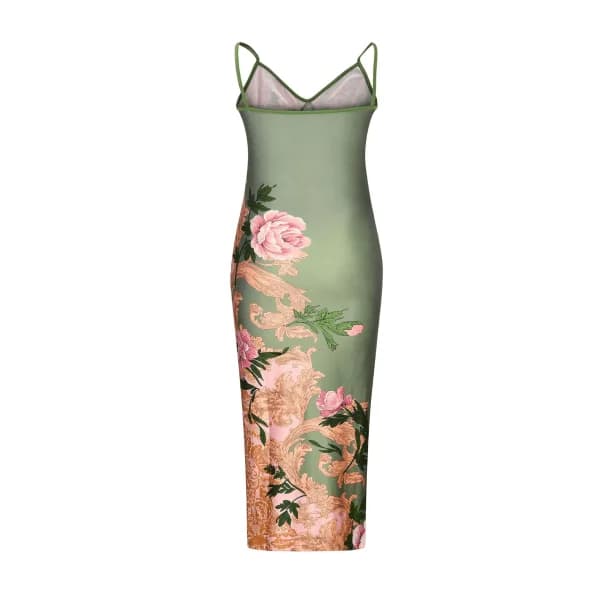
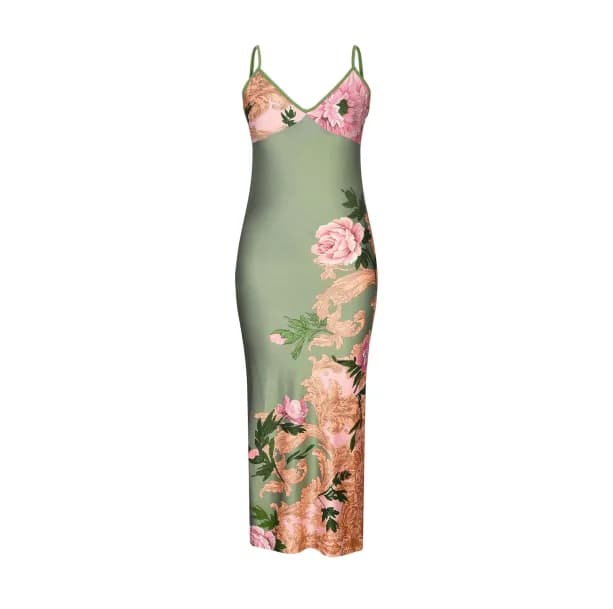
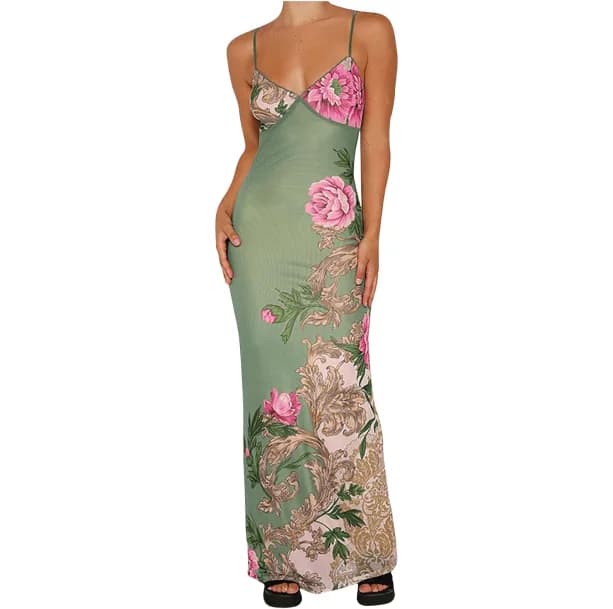
Fabric weight also changes how layers interact. A fluid, bias-cut slip or lightweight jersey dress tends to cling when layered improperly, so it needs smooth-backed outer pieces or structured overshirts that float away from the body. If you are starting with a close-fitting piece like the Green Floral Bodycon Dress, which is made from polyester, its sleek profile and distinct print provide a defined base that works smoothly underneath looser knitwear or boxy jackets without bunching around your waist.
Take time to assess whether the shade of green leans warm or cool. Warm olive tones and mossy greens pair naturally with earthy terracottas, golden khakis, and ivory, whereas cool seafoams and mints align cleanly with true white, heather grey, and silver metal accents. Starting with this baseline keeps your accessories from feeling scattered.
- Check whether your dress green has yellow (warm) or blue (cool) undertones before picking outerwear.
- Match silky or sheer fabrics with structured outer garments to prevent static and cling.
- Let dense knit dresses sit beneath lighter trench layers or unbuttoned poplin tops.
Cropped Outerwear and Hemline Proportions
Proportion is one of the easiest things to misjudge when building an outfit around a dress. Pairing a calf-length dress with a hip-length jacket often cuts your torso in half and shortens your silhouetteThe overall shape an outfit creates, from fitted to loose and layered.. To solve this, cropped jackets that finish precisely at your natural waistline provide an instant anchor, clearly separating your upper half from the drape of your skirt.
Cropped denim jackets, short corduroy trucker coats, and baby-fit bomber jackets are especially useful over a-line and babydoll green dresses. Because these dress cuts expand outward from the ribcage, an outerwear layer that stops above the flare maintains your silhouetteThe overall shape an outfit creates, from fitted to loose and layered. without squashing the natural shape of the garment. For example, a faded wash cropped jacket over a soft sage smock dress lets the volume of the skirt carry the movement while framing your shoulders neatly.
When working with midi and maxi green dresses, keep the cropped jacket open down the front. This creates a vertical opening that lets the full vertical line of the dress show through, making you appear taller while shielding your shoulders against cool breezes. Fastening a stiff cropped jacket all the way up over a full skirt can make the torso look boxy, so keep the front unzipped or buttoned only at the bottom hem.
Oversized Knitwear: Converting Dresses into Skirts
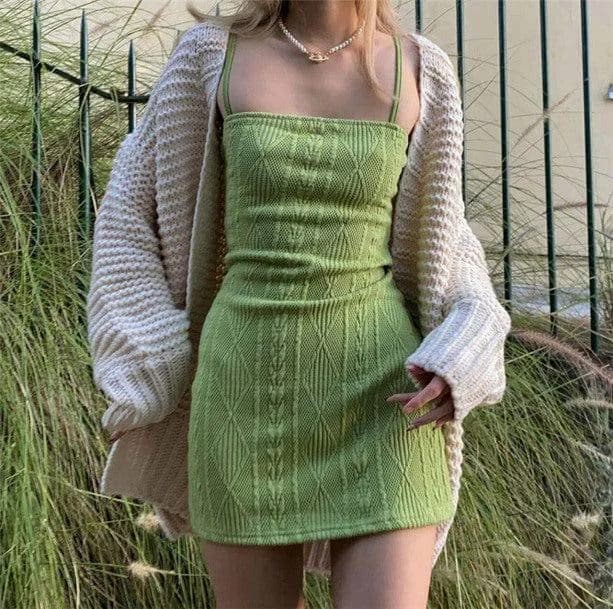
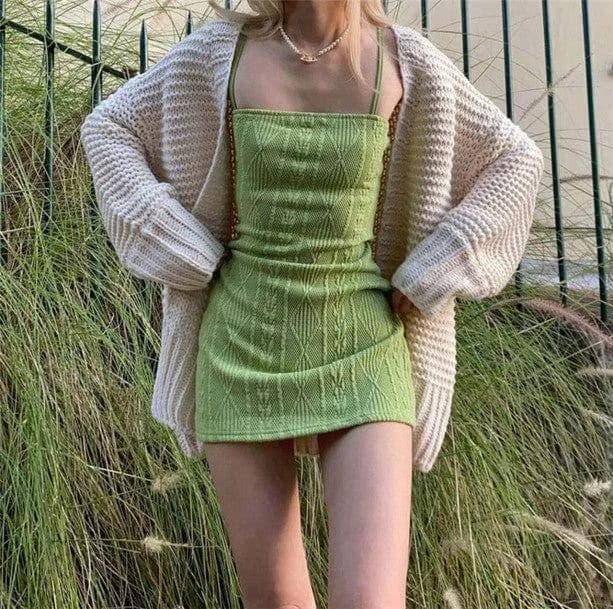
One of the most practical layeringWearing pieces over or under one another to add depth, warmth or contrast. tricks is pulling a relaxed sweater over your dress to transform it into an entirely different piece. By using a dress as your lower half, you eliminate waistband bunching while doubling the number of outfits you can build from a single wardrobe piece. The key to pulling this off is ensuring the sweater hem sits comfortably without pulling the dress fabric tight against your hips.
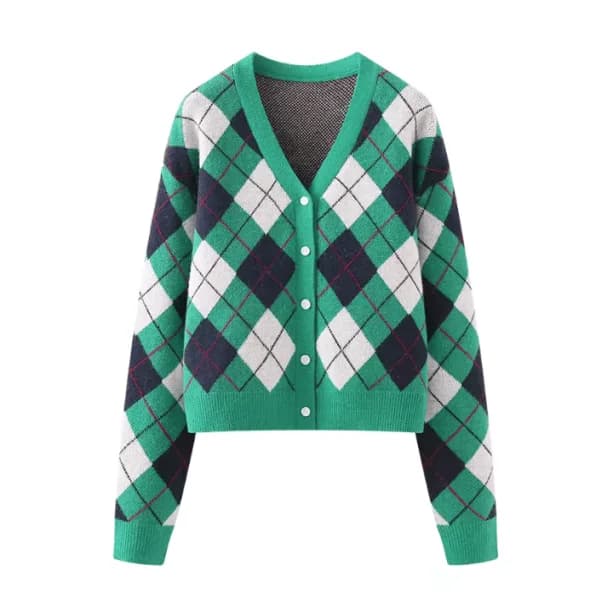
You can introduce academic touches to a plain olive or moss dress by dropping a piece like the Green Academia Sweater, blended from polyester and cotton, right over the top. Its relaxed single-size silhouetteThe overall shape an outfit creates, from fitted to loose and layered. drapes loosely over a pleated or straight skirt, giving you an effortless collegiate look. Alternatively, if you want an intentional patterned look, the Green Plaid Preppy Sweater incorporates structured geometric contrast across the chest while leaving the skirt to flow freely beneath.
To manage the bulk of an oversized sweater over a dress, avoid trying to tuck heavy knit fabric into a lightweight dress waist. Instead, slip an ordinary thin belt around your natural waist over the dress, pull the knit down over it, and gently roll the bottom hem of the sweater upward and under the belt. This creates a secure, cropped blouson look that stays in place all day without adding lumpy fabric across your stomach.

Base-Layering with Collars, Mesh, and Sleeveless Cuts
LayeringWearing pieces over or under one another to add depth, warmth or contrast. is not just about what goes over a dress; what goes underneath can completely redefine its neckline and styling mood. Pinafore dresses, overall dresses, and low-cut slips gain structural interest when paired with a contrasting underlayer. A crisp white poplin shirt with an oversized sailor or Peter Pan collar worn under a sleeveless hunter dress offers an instant cute vintage charm that feels deliberate and polished.
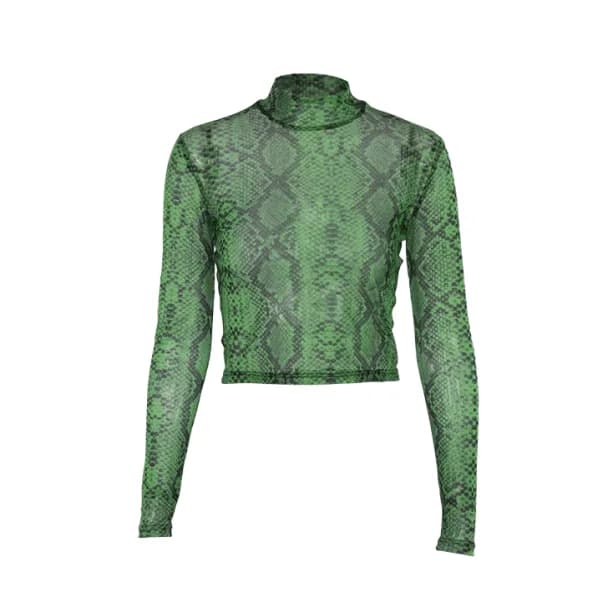
In transitional temperatures, sheer mesh long-sleeve tops provide visual texture without creating heat. A cream floral mesh sleeve peeking out from beneath a moss green tank dress breaks up bare arm space while complementing the nature-inspired tones of the outfit. For a sleeker approach with cut-out dresses or low-back slip styles, a neat underlayer like the Green Moth Sleeveless Top can be deployed as an inner anchor, adding an extra panel of printed cotton-polyester-elastane stretch fabric right at the chest or back gap.
When choosing an underlayer, prioritize smooth armholes and flat seams. Bulky under-sleeves will tug against the dress armpits, pulling the shoulder seams out of alignment and causing the dress neckline to shift awkwardly toward your throat whenever you walk.
- Pick smooth, stretch fabrics for base layers to avoid armhole friction and riding up.
- Use wide, decorative collars over scoop-neck green pinafores to frame your face.
- Keep base tops fitted so they lie flat underneath the bodice of your dress.

Casual Sweats, Hoodies, and Everyday Layering
If your personal style leans toward casual streetwear rather than delicate vintage outfits, you can tone down the dressiness of a green frock with athletic-inspired outerwear. Draping a roomy hoodie over a fitted or flared dress creates a playful contrast between sweet and laid-back elements that works well for casual daily plans.
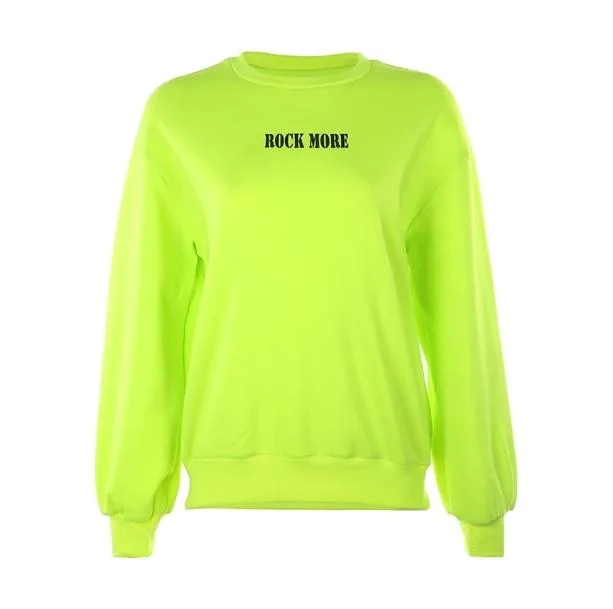
A roomy pullover like the Vintage Forest Green Sweatshirt, constructed from cotton and polyester, brings a classic heritage feel when paired over an off-white or pale lime tiered dress. The deeper forest shade frames the paler skirt, providing a grounded two-tone gradient. If your dress is muted olive or dark bottle green, using an eye-catching outer piece like the Neon Sweatshirt Green provides a high-contrast pop that pulls the dress directly into contemporary streetwear territory.
When styling pullovers over dresses, pay attention to cuff placement. Pushing the sleeves of an oversized sweatshirt up to your forearms instantly exposes your wrists, balancing out the extra fabric volume and keeping your frame from looking overwhelmed by the heavy fleece texture.

Comparing the Wider Aesthetic: Full Wardrobes vs. Standalone Dresses
When planning an outfit, it helps to understand how your green dress fits within the broader spectrum of cute fashion. Exploring the wider variety of Green Aesthetic Clothes reveals that green can be styled across varied micro-trends, from Y2K utility and cottagecore to soft grunge and minimal casualwear. While tops, bottoms, and jackets let you mix independent pieces, a dress acts as a single unbroken canvas of color.
Deciding whether to wear an all-in-one piece from our dedicated Green Aesthetic Dresses collection versus styling separates depends largely on how much time you want to spend balancing textures. A dress provides an instant, cohesive base tone, meaning you only need to choose an accent layer and shoes. In contrast, pairing separates means balancing waistlines, rise heights, and double the fabric textures.
If you enjoy building complex silhouetteThe overall shape an outfit creates, from fitted to loose and layered.s with visible waist hardware and pockets, a two-piece outfit using cargo trousers or a pleated skirt might suit your day better. But when you want clean visual flow from shoulder to hem, a dress is simpler to style and forms a unified backdrop for statement jackets and jewelry.
- Dresses eliminate waistline bulk and fabric tucking, simplifying the entire layeringWearing pieces over or under one another to add depth, warmth or contrast. process.
- Separates allow for high-contrast color-blocking between your upper and lower body.
- One-piece green garments make matching patterns like florals and plaids straightforward.
Choosing Shoes: Boots, Platforms, and Sneakers
Footwear anchors the lower portion of your outfit, dictating whether your green dress leans romantic, utilitarian, or sporty. Heavy platform boots, including classic eight-eye lace-up styles or chunky Chelsea boots, offer an effective counterbalance to floaty, lightweight green fabrics. The visual weight of dark rubber lug soles keeps a pale green babydoll dress from looking overly precious, grounding it for practical city walking.
For a brighter, retro-inspired outfit, low-top canvas sneakers or retro court shoes in chalk white, ecru, or pale butter yellow keep the palette airy. Canvas shoes are particularly well matched to casual T-shirt dresses or smocked cotton sundresses, especially when you are walking long distances. If your dress is emerald or dark bottle green, deep oxblood leather loafers or glossy black Mary Janes create a rich, academia-themed look that works beautifully with patterned socks.
Pay close attention to where the top edge of your footwear meets your hemline. Midi dresses generally look best with footwear that either stays well below the hem (exposing three to four inches of leg or ankle) or rises completely up under the skirt, such as tall riding or slouch boots. An awkward gap of half an inch between boot and dress hem can look unintentionally disjointed.
- Chunky black lug soles add necessary edge to delicate floral or pastel green dresses.
- White retro sneakers soften bright green dresses for effortless daytime wear.
- Mary Janes with platform soles provide balanced height for knee-length hemlines.
Hosiery, Socks, and Legwear Accents
Legwear is often an afterthought, but it serves as the bridge between your green dress and your shoes. Rather than reaching for sheer nude tights, treat your socks and tights as an opportunity to add deliberate design details. Semi-opaque white tights, for example, evoke a classic 1960s or cottagecore feeling when worn beneath olive or sage mini dresses, cleanly framing the hemline.
Crew socks with lace frills, lettuce-edge rims, or ribbed textures allow you to customize how your boots or sneakers sit against bare legs. Allowing two inches of cream ribbed knit sock to emerge above the collar of a black ankle boot softens the transition to your skin and echoes any white or cream elements in your top layers. For an earthier aesthetic, heathered oat, warm fawn, and chocolate brown socks blend quietly with forest and moss tones.
Patterned hosiery should be selected with the dress print in mind. If your dress already carries a busy floral or plaid pattern, stick to solid-color tights with subtle ribs or cable weaves rather than printed lace. Conversely, if you are wearing a plain, unadorned dark green shift dress, fine diamond-mesh fishnets or polka-dot sheer tights bring texture to the lower body without clashing with the dress.
Bags and Carried Accessories: Materials and Colors
Selecting a bag to go with a green dress requires balancing functional capacity with material harmony. Natural textures like canvas tote bags, woven wicker baskets, and structured linen satchels lean naturally into pastoral and casual daytime aesthetics. They complement muted pistachio, celery, and olive greens by keeping the overall texture soft, breathable, and unpretentious.
When you want a sharper, modern city look, smooth faux leather shoulder bags in jet black, deep espresso, or optic white add clean geometric structure. A micro shoulder bag tucked neatly under the arm keeps the silhouetteThe overall shape an outfit creates, from fitted to loose and layered. tidy, especially when your dress features puffed sleeves or an asymmetrical neckline that could be disrupted by a long crossbody strap. Brass or silver hardware on your bag can also be matched to your belt buckles and jewelry for subtle continuity.
Avoid selecting a bag that matches the exact shade of your green dress unless it is part of an intentional monochrome set. Carrying an accessory that is slightly off-shade—such as a lime bag against an olive dress—often looks like an accidental mismatch rather than a deliberate choice. Instead, choose contrasting neutrals or intentional accent colors like dusty rose, mustard, or deep plum.
Jewelry and Hair Accents: Metals, Ribbons, and Clips
Jewelry adds the finishing touches that pull your upper body layers together. As a general guideline, warm green tones like olive, army green, and moss pair effortlessly with yellow gold, brass, and tortoiseshell hair claws. Cool greens such as mint, jade, and dark forest create high-contrast clarity against polished sterling silver, white pearls, and gunmetal finishes.
Hair styling pieces offer an easy way to introduce playful kawaii touches without overcomplicating your outfit. Soft velvet hair ribbons tied around low braids or a half-up ponytail bring a romantic note that suits prairie dresses and pinafores. If you are leaning into a Y2K aesthetic, matte pastel claw clips or miniature butterfly barrettes placed along your hairline echo the casual energy of a ribbed tank dress.
Keep necklace length in proportion to the dress neckline. High crew-neck dresses call for mid-length pendant necklaces that sit flat against the fabric, or alternatively, no necklace at all paired with bold statement earrings. For square, sweetheart, or sweetheart scoop necklines, shorter chokers or pearl strands that rest directly on your collarbone frame the exposed skin without dropping below the dress edge.
- Match yellow gold jewelry with warm olive and moss tones; silver with mint and pine.
- Use pearl necklaces to add a vintage, refined contrast against deep bottle greens.
- Choose hair ribbons or claw clips that pull from secondary colors in your layers.
Adjusting Layers for Shifting Temperatures
Adapting your green dress outfit across fluctuating weather conditions requires an understanding of how to add warmth without losing the shape of your dress. In crisp autumn or cool spring weather, layeringWearing pieces over or under one another to add depth, warmth or contrast. thermal tights beneath your skirt and sliding a fitted turtleneck under the bodice traps core warmth while preserving the exterior styling of the dress.
During warmer months, sun-drenched days often turn into chilly evenings. Instead of carrying a heavy coat, wrap a lightweight oversized button-down shirt around your shoulders, knotting the sleeves loosely across your chest. This keeps your hands free while adding an effortless prep layer over your sundress. A lightweight piece like an unbuttoned bowling shirt or a loose poplin layer from our Green Aesthetic Tops selection provides breezy sun protection during the day and light insulation when the sun sets.
Rainy weather demands careful footwear and hemline management. Avoid wearing floor-length maxi dresses on wet days, as the bottom edge will wick moisture from puddles and pavements. Instead, choose a mini or knee-length green dress paired with mid-calf water-resistant boots and a belted trench coat that stops an inch or two below your dress hem to keep the fabric completely shielded from splashback.
Exploring Casual Alternatives: T-Shirts and Alternative Bottoms
While dresses provide a single-step outfit solution, there are days when weather or activities demand the utility of trousers or a two-piece set. Understanding how to translate your favorite green dress styling into separates makes it easy to maintain your personal aesthetic across any activity level. Casual graphic shirts from our Green Aesthetic T-Shirts range can provide the same cheerful color base when tucked into denim or corduroy skirts.
For days when you love the silhouetteThe overall shape an outfit creates, from fitted to loose and layered. of a skirt layered under knitwear but need the flexibility of separate pieces, you can recreate that exact movement using the Mystic Moss Aesthetic Skirt. Made from smooth polyester, it pairs with cropped cardigans or baby tees just like a dress bottom would, but allows you to swap your top half freely. If you need full leg coverage for biking or active commuting, the Straight Leg Green Y2K Pants deliver utility pocket detailing and relaxed structure that carries the same visual attitude as a streetwear-styled dress.
Keeping these alternatives in mind helps you identify what you actually enjoy about your green dress outfits—whether it is the specific green tone, the flow of the skirt, or the way a chunky sweater balances the lower half. This insight allows you to build a cohesive wardrobe where every separate piece coordinates effortlessly.
Common Styling Pitfalls and How to Fix Them
Even with great individual pieces, styling a green dress can go wrong if a few common mistakes are overlooked. One frequent misstep is pairing a mid-tone green dress with bright, festive red accessories, which instantly creates an accidental holiday theme rather than a cute, year-round outfit. If you want to use warm accent colors, lean toward soft blush, burgundy, terracotta, or warm cinnamon instead of primary red.
Another pitfall is layeringWearing pieces over or under one another to add depth, warmth or contrast. items of the exact same length. Wearing a mid-thigh dress with a coat that stops at the exact same point can make you look like you forgot to wear an underlayer when the coat is buttoned up. Aim for deliberate contrast: either ensure your outer jacket is noticeably cropped (hitting the waist) or ensure your duster coat finishes several inches below the hem of the dress to show intentional tiering.
Finally, watch out for fabric friction. Wearing a textured wool sweater over a static-prone polyester dress without a slip can cause the dress to ride up awkwardly around your hips as you walk. Solve this by checking fabric tags, using a simple anti-static spray, or wearing a smooth satin slip underneath so your layers glide smoothly over one another throughout the day.
- Avoid true primary red accents to prevent an unintentional holiday look; opt for terracotta or wine.
- Vary your layer lengths so your outerwear does not completely swallow your dress hem.
- Prevent static cling between synthetics and wool by smoothing layers with a light slip.
Your Outfit Building Checklist
Before heading out the door, take thirty seconds to run through this fast styling checklist. Checking your proportions, shoe weight, and accent colors in front of a mirror ensures every component of your green dress outfit works harmoniously together.
First, check your waistline definition and layer breaks. If you are wearing an oversized knit, did you hitch it up cleanly at the waist so your dress skirt can flare naturally? If you are wearing an open jacket, does it hang comfortably without pulling across your shoulders or covering the primary details of the dress neckline? Adjust your straps and buttons until the garment balance feels natural.
Next, examine your feet and accessories. Does the visual weight of your shoes match the rest of the outfit? If you are wearing a bulky hoodie or oversized outerwear, ensure your footwear has enough sole thickness to balance that upper volume. Lastly, confirm that your jewelry and hardware match in tone, and that your bag adds functional texture rather than creating an off-shade clash against the green fabric of your dress.
- SilhouetteThe overall shape an outfit creates, from fitted to loose and layered.: Natural waistline is marked, and layers do not bunch or crush skirt volume.
- Proportions: Outerwear hem is either clearly cropped at the waist or hangs comfortably past the dress hem.
- Color harmony: Accents lean into complementary neutrals, warm terracottas, or tonal greens without accidental holiday clashing.
- Footwear check: Shoe weight balances the upper body layer, with sock lines framing the ankle neatly.
- Final comfort: Layers move smoothly without static cling, pulling armholes, or twisting seams.