Created by the Kawaii Vibe editorial team. Our named style desks are editorial personas. Product details and availability can change.
LayeringWearing pieces over or under one another to add depth, warmth or contrast. seasonal knitwear often feels trickier than it should. When October arrives, temperatures vary wildly depending on where you live. An autumn evening in Melbourne or Auckland can feel crisp and damp, while spring sun in the Southern Hemisphere demands lightweight breathable pieces, and cool Canadian or UK nights call for full thermal insulation. Throwing an oversized pullover on top of heavy underlayers can quickly turn bulky, hide your waistline, or leave you overheating indoors.
The secret to styling knitwear lies in managing neckline lines, hem drops, and fabric densities so each piece works alongside the next. Instead of hiding underneath a shapeless stack of fabric, thoughtful layeringWearing pieces over or under one another to add depth, warmth or contrast. lets you play with contrasting cuts, visible collar details, and seasonal silhouetteThe overall shape an outfit creates, from fitted to loose and layered.s without losing mobility or comfort.
This guide breaks down specific ways to layer cozy knitwear and graphic tops. Whether you are aiming for fitted streetwear shapes, relaxed oversized drape, or transitional weather comfort, these formulas give you balance, clear lines, and zero guesswork.
Balancing Proportions: Hemlines, Waistlines, and Lengths
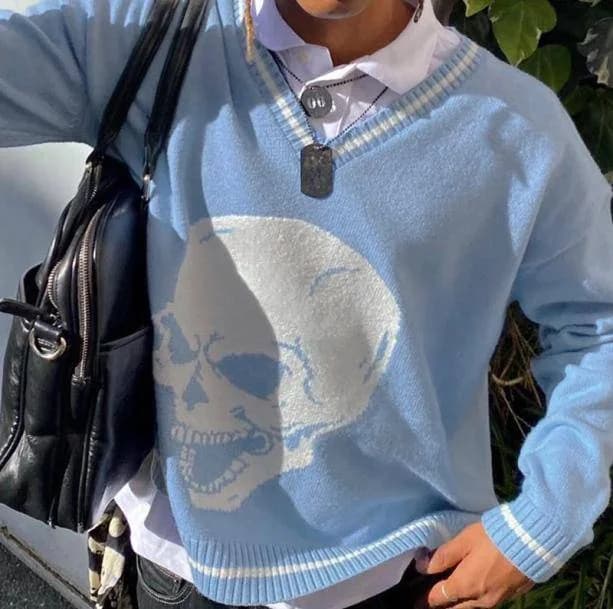
The most common issue with seasonal pullovers is the boxy block effect, where thick fabric hangs straight down from your bust to your upper thighs, cutting off your leg line entirely. When you pick a knit from our Halloween Sweaters collection, look closely at how the ribbing at the bottom band sits against your hips. A tight band can bunch up awkwardly over denim, while an open, raw hem lets fabric drape naturally down your sides.
To balance wide or bulky knitwear, follow the rule of halves or thirds. If your top layer extends past your hip bone, ground it with slimmer bottoms like straight-leg dark jeans, fitted leggings, or a mini skirt with opaque tights. Conversely, if you prefer wider trousers like cargo pants or pleated slacks, tuck the front band of your sweater slightly into your waistband or choose a cropped cut so your natural waistline stays visible.
Pay attention to the side profile as well. A thick sweater layered over wide layers can add unwanted volume around the ribcage. Tucking an inner base layer tightly into high-waisted bottoms keeps your core foundation streamlined, allowing your outer sweater to sit softly without puffing out.
- Pair long, slouchy knitwear with slim or straight-leg bottoms to keep vertical lines clean.
- Anchor wide-leg bottoms with a half-tuck or shorter hems so you do not lose your waist.
- Check how bottom hems rest over belts and pockets to prevent unflattering bunching.

Base Layers First: Collars, Ribs, and Smooth Foundations
What you put underneath your seasonal knit decides how the rest of your outfit behaves all day long. Bulky tees with stiff shoulder seams create lumpy shoulders, while low-friction, stretch materials let your knit glide effortlessly as you move. A seamless tank or lightweight ribbed camisole is often all you need in mild indoor environments.
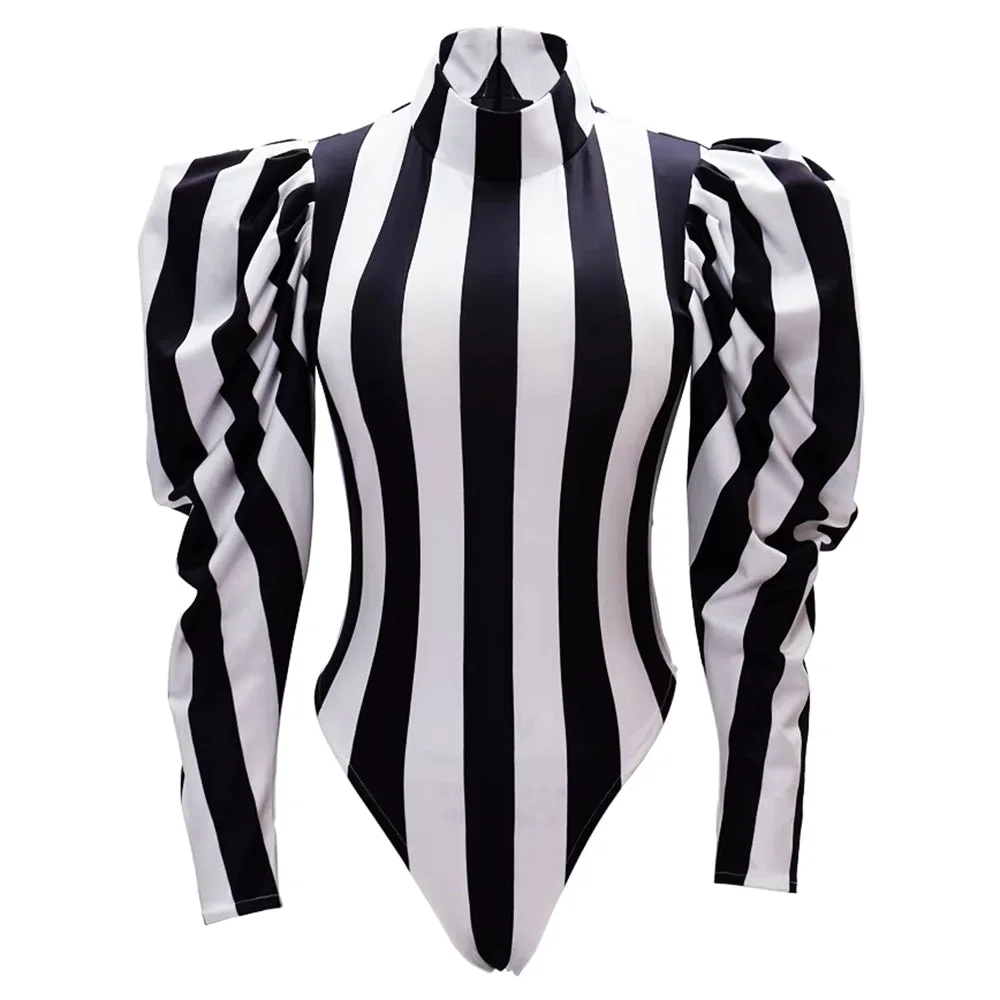
If you want to introduce clean visual contrasts around your neckline, look at fitted options in Halloween Tops. A smooth foundation piece like the Welcome To The Freakshow Bodysuit, offered in polyester with a black and white finish from sizes XS to 3XL, sits completely flat against your skin. It eliminates untucked fabric folds around your waistband, making it an ideal anchor beneath chunky open-knit sweaters or button-down cardigans.
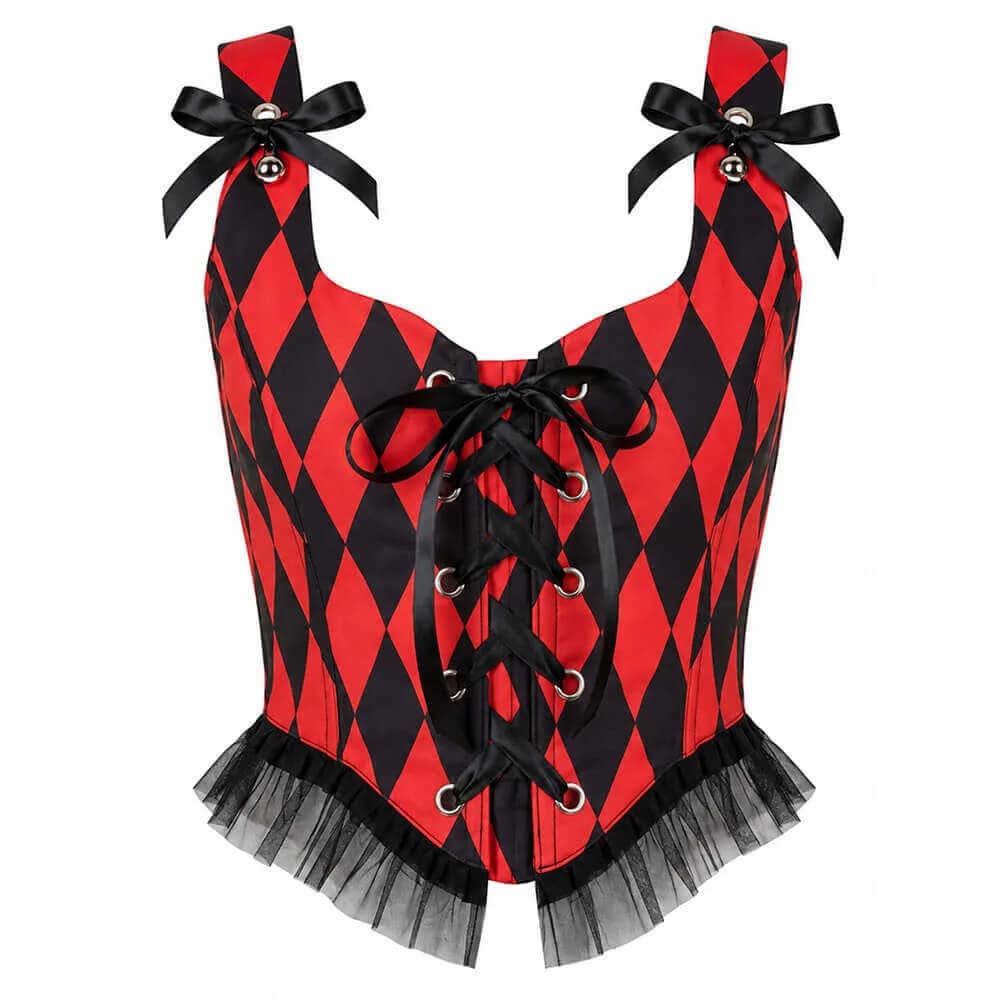
For an alternate textural contrast, structured base layers offer a distinct silhouetteThe overall shape an outfit creates, from fitted to loose and layered.. The Welcome To The Freakshow Corset Top, made from polyester in Red/black or Pink/white colorways from sizes S to XL, creates sharp, defined lines through the torso. Wearing this beneath an unbuttoned, slouchy cardigan introduces a structured, architectural waistline directly against relaxed wool or acrylic fibers.
Off-Shoulder Knits and Layered Shoulder Profiles
Off-the-shoulder designs create a wide, flattering horizontal line across the collarbones, but styling them in cooler weather requires thoughtful undergarment and strap coordination. Rather than fighting falling straps or freezing shoulders, turn visible underlayers into a deliberate part of your styling.
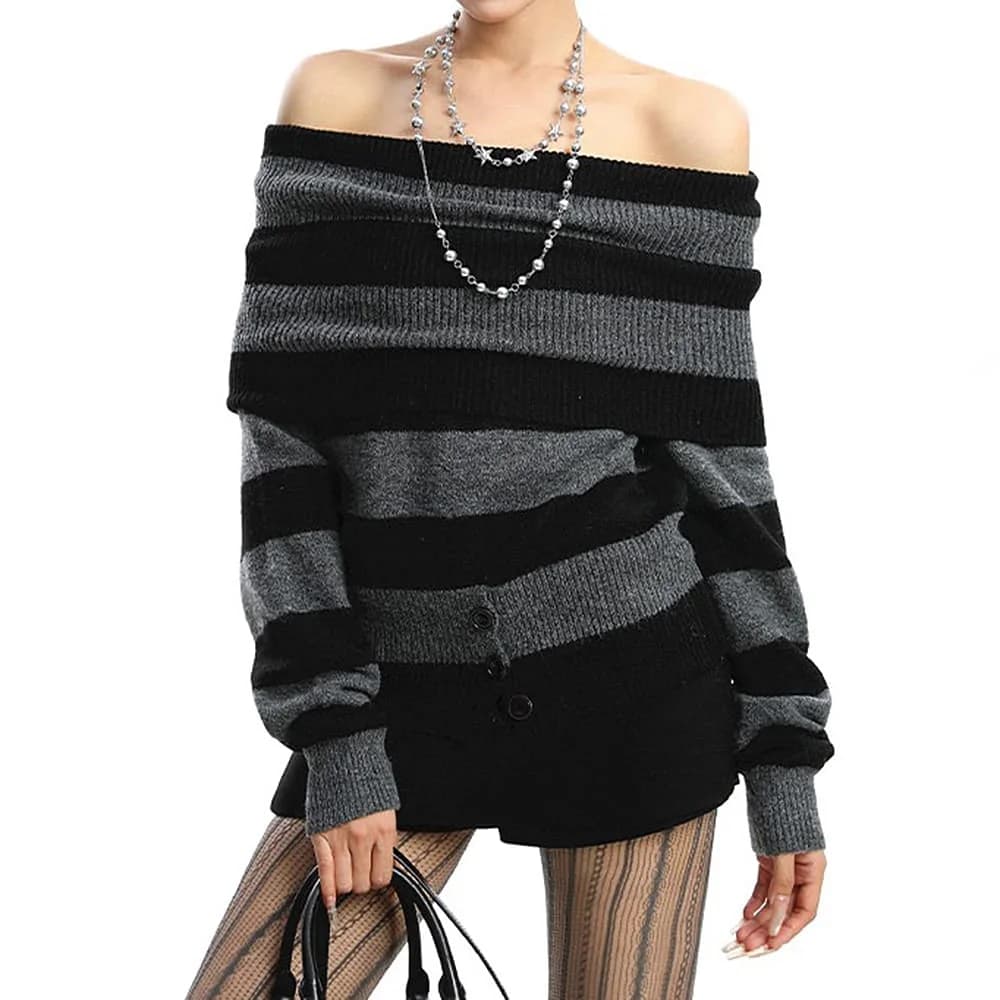
A piece like the Black and Grey Off-Shoulder Knit Top, constructed from a cotton and polyester blend in sizes S to L, gives you room to experiment with asymmetrical drapes. Because it is available in Black and Brown options, you can pair it over contrasting halter straps, high-neck mesh tops, or lace-trimmed bralettes that peek out along the exposed collarbone.
When pairing an asymmetrical knit, keep your bottom half anchored. High-waisted trousers with tailored front pleats balance the relaxed, off-center slouch of the top. If the breeze picks up, adding a thick scarf draped around the throat keeps warmth trapped where the shoulder line opens up.
Before layeringWearing pieces over or under one another to add depth, warmth or contrast. an off-shoulder knit over a fantasy dress, check whether its neckline and straps will remain visible; otherwise, choose a knit that leaves the details you want to show uncovered. The Cosplay Costumes collection offers themed options to consider. Check each listing for exactly which pieces are included before planning visible underlayers.
With an off-shoulder knit, check how a fuller skirt changes the balance of the exposed shoulder line; a defined waist layer can help keep the proportions clear. For a more elaborate layered silhouetteThe overall shape an outfit creates, from fitted to loose and layered., compare dress shapes, layeringWearing pieces over or under one another to add depth, warmth or contrast. pieces, and accessories in the Steampunk Lolita Clothes collection, checking hem length and petticoat compatibility before planning how the knit sits over the dress.
With an off-shoulder knit, keep the exposed collarbone as the focal point and choose an underlayer that does not obscure that line. For a comparison with a fuller, more layered silhouetteThe overall shape an outfit creates, from fitted to loose and layered., review the dress shapes, layeringWearing pieces over or under one another to add depth, warmth or contrast. pieces and accessories in the Gothic Lolita Clothes collection; check hem length and petticoat compatibility when considering skirt volume. These checks can guide the lower half of an outfit without changing its shoulder line.

Layering Fitted Zip-Ups with Seasonal Outerwear
Fitted zip-ups are among the most versatile tools in mid-season styling because they double as light jackets or intermediate insulating layers. When a thick coat feels too heavy, a structured zip-up provides a clean, athletic silhouetteThe overall shape an outfit creates, from fitted to loose and layered. that easily slots under long trench coats or oversized denim jackets.
The Chain Skeleton Fitted Zip Up Hoodie, crafted in black polyester from sizes M to 3XL, features fitted proportions that avoid underarm bunching when worn under leather moto jackets. The metallic chain accents and front graphic show cleanly down the center line when you wear your outer jacket unbuttoned.
To style this effectively, avoid pairing a fitted zip-up with skin-tight tops underneath, which can restrict arm movement. Instead, wear a soft jersey tee underneath and leave the zip halfway up. This creates a balanced V-neck shape that frames your neck while showcasing the graphic elements of the garment.

Relaxed Zip-Ups and Color Blocking
While fitted zip-ups work wonders as mid-layers, slouchy zip hoodies serve as great outer layers when you want easy on-and-off temperature control. They give you the flexibility to layer thermal shirts, printed tees, or even light collared shirts underneath without feeling tight across the shoulders.
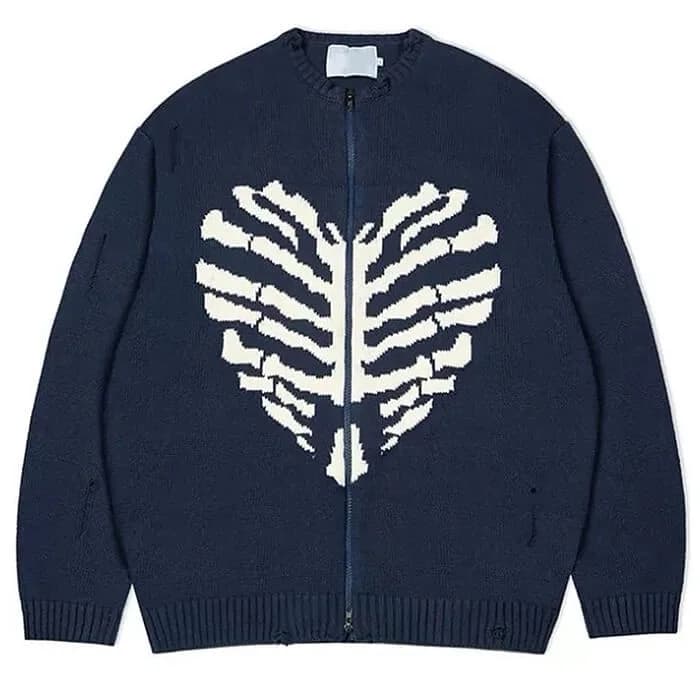
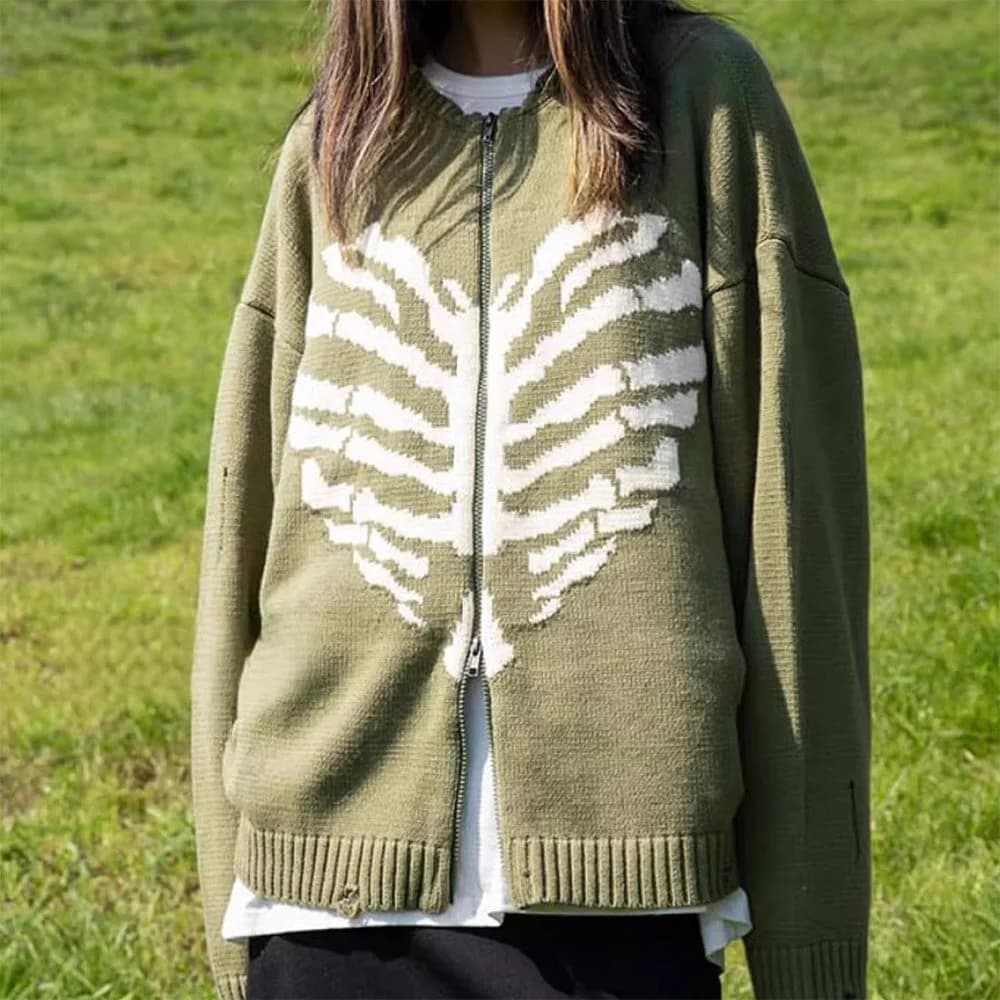
Consider the Broken Heart Skeleton Zip Up Hoodie, made from polyester in sizes S to L. Because it comes in distinct Orange, Dark Grey, and Green options, it provides an immediate base for seasonal color blocking. The bright orange option pairs naturally with washed charcoal denim, while the green and dark grey options provide subtle, moodier street-style accents.
When wearing relaxed zip designs from our wider Halloween Hoodies collection, balance the volume around your torso by keeping your lower half grounded. Pair these looser tops with chunky-soled combat boots and slim cargo pants or bicycle shorts, maintaining an athletic and intentional contrast in volume.
Graphic Crewnecks and Crisp Collars
Crewneck pullovers can sometimes read as purely casual loungewear, but introducing a structured collar underneath instantly changes the aesthetic into a polished everyday outfit. This preppy-meets-spooky layeringWearing pieces over or under one another to add depth, warmth or contrast. trick works well for university lectures, casual workplaces, and weekend coffee runs.
A piece like the Magic Witches Printed Sweatshirt, made of blue polyester in sizes S through L, provides a bright canvas with front-facing seasonal art. Popping a crisp white cotton button-down shirt collar out of the crew neckline breaks up the solid blue tone and gives structure to the rounded neck.
Similarly, the Moonlight Flight Printed Sweatshirt, constructed in pink polyester from sizes S to L, allows for softer, pastel-leaning seasonal combinations. Slide a ruffled black Peter Pan collar or a black turtleneck underneath to contrast with the light pink fabric, pulling the seasonal aesthetic forward without overwhelming the print.

Warm-Climate and Southern Hemisphere Layering
Celebrating October holidays in places like Australia, New Zealand, or the southern United States means dealing with balmy afternoons alongside cool evenings. Pulling on a heavy wool blend during a sunny 24-degree day is simply uncomfortable, so your layeringWearing pieces over or under one another to add depth, warmth or contrast. strategy must rely on breathable items and easy removal.
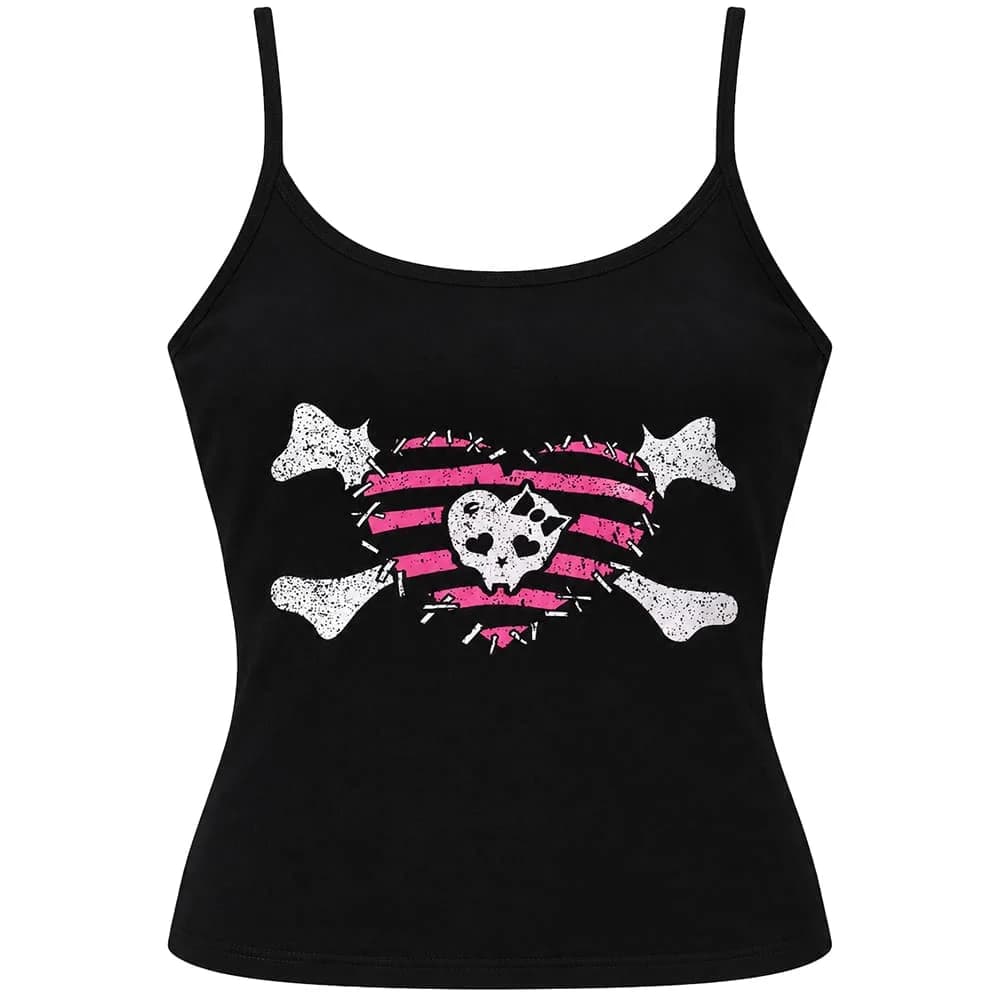
Focus on lightweight cotton blends and breathable polyester knits that can be thrown over your shoulders like a sweater cape during the heat of the day. Tying a knit cross-body over a light graphic tank from our Halloween Tops range gives you an effortless street-style look while keeping your hands free.
When the sunset brings a rapid temperature drop, you can slip the pullover on over your shorts or slip dress. Opt for looser armscyes and breathable fabrics so you stay comfortable whether you are sitting out in the sun or catching a brisk ocean breeze.
- Drape lightweight pullovers diagonally across your chest as a functional styling accessory during hot afternoons.
- Pair long-sleeve knitwear with breathable denim cutoffs or linen shorts to balance heat and coverage.
- Prioritize open necklines and loose knits that ventilate well while still blocking evening chills.
Cool-Climate Insulation: UK, Canada, and Northern US
In cold northern climates, seasonal dressing requires real thermal efficiency. LayeringWearing pieces over or under one another to add depth, warmth or contrast. randomly can leave you shivering if wind cuts straight through loose knit weaves. The goal here is creating trapped air pockets using distinct, graduated layers.
Start with an ultralight base layer worn close to the skin, add your mid-layer sweater, and top it off with a windproof coat. Because wide-weave sweaters let drafts penetrate easily, wearing a dense graphic top from the broader Halloween Clothes collection underneath keeps cold air from hitting your torso directly.
Keep outerwear proportions in mind. If your sweater has dropped shoulders, your coat needs relaxed armholes so your sleeves do not bunch uncomfortably into your armpits. Tailored wool coats with high armholes work best over fine-gauge knits, while puffer jackets accommodate chunky crewnecks with ease.
Framing Outfits with Seasonal Jewelry and Accessories
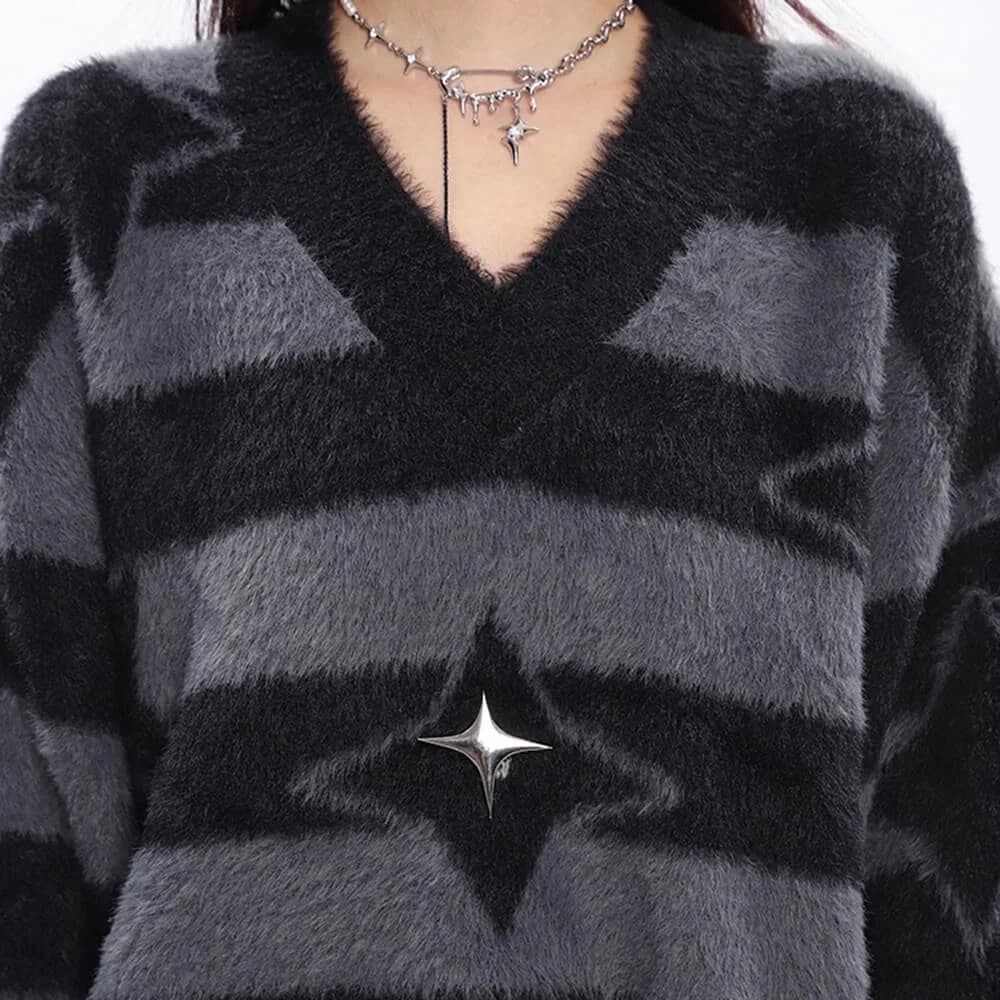
When you wear high necklines, turtlenecks, or thick crewnecks, delicate necklaces often disappear into the fabric folds. In these outfits, your earrings, rings, and hair accessories do the heavy lifting to define your theme.
Adding statement pieces from the Halloween Earrings collection frames your face and brings personality to solid-colored or minimalist knitwear. For instance, pairing the Halloween Ghost Earrings, offered in Standard sizing as pictured, against a dark black or deep charcoal sweater adds an immediate, eye-catching focal point right above your collar.
Dangling earrings pair especially well with thick knit textures because they create movement near your jawline, pulling attention upward away from heavy fabric bulk. Keep hair styled in an updo or behind the ears to prevent chains or charms from snagging on delicate knit loops.
Layering Around Curvy, Tall, and Petite Frames
Body proportions influence how different knit cuts sit on your frame. Petite frames can easily get drowned by oversized hemlines that drop past mid-thigh. If you are shorter, choose sweaters that hit right at the high hip bone, or employ a front tuck to lengthen your leg silhouetteThe overall shape an outfit creates, from fitted to loose and layered..
Taller frames carry longer tunics and slouchy knitwear naturally, but finding adequate sleeve lengths can be a challenge. Look for dropped-shoulder designs or layeringWearing pieces over or under one another to add depth, warmth or contrast. pieces where under-sleeves intentionally peek out 2–3 inches past your sweater cuffs for an editorial, layered look.
For curvy silhouetteThe overall shape an outfit creates, from fitted to loose and layered.s, open-front cardigans or knitwear paired with structured underlayers help define the torso. Avoid ending your sweater hem at the widest part of your hips; instead, opt for cropped lengths that stop at your natural waist, or longer drapes that fall gracefully past your hips.
- Petite: Use the french-tuck technique or cropped hem cuts to preserve leg proportions.
- Tall: Play with stacked sleeve cuffs and extended hems that do not truncate vertical lines.
- Curvy: Define the midsection with fitted base layers underneath unbuttoned or draped knit tops.
Color Coordination: Beyond Pure Orange and Black
While classic pumpkin orange and jet black are seasonal staples, layeringWearing pieces over or under one another to add depth, warmth or contrast. monotone shades can quickly look flat. Introducing neutral buffers like oatmeal, heather grey, cream, and washed denim breaks up saturated hues and makes your outfit feel intentional and grounded.
Try pairing deep jewel tones like plum, forest green, or midnight navy with spooky graphic pullovers. A navy crewneck looks sophisticated against washed black denim, while forest green knitwear pairs seamlessly with warm brown corduroy skirts or beige trousers.
Pastel seasonal styling is another great route for everyday wear. Pairing soft pink or lilac tops with ghostly white or cream layers gives you festive flair without leaning into dark, aggressive color schemes. This approach feels fresh, playful, and easy to carry throughout the entire week.
Sweater vs Sweatshirt: Comparing Layering Behaviors
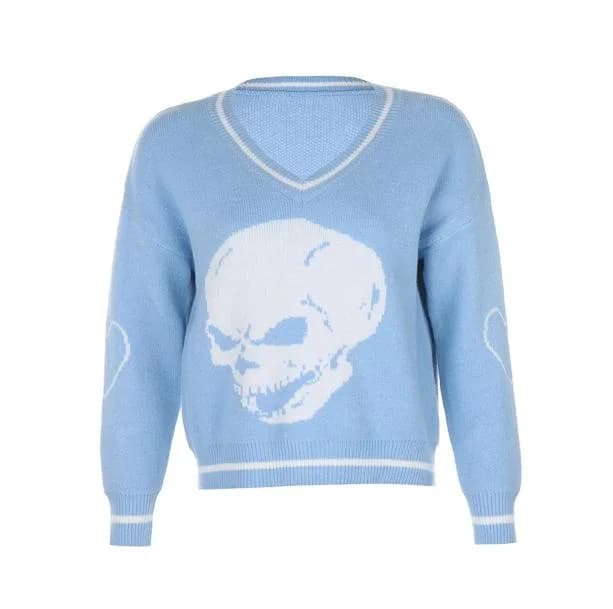
While people often use the terms interchangeably, knitted sweaters and fleece sweatshirts behave very differently when layered. Understanding how their fabrics move helps you pick the right piece for your intended outfit silhouetteThe overall shape an outfit creates, from fitted to loose and layered..
Knitted sweaters, whether made from acrylic, cotton, or blended yarns, offer natural stretch and drape. They conform around jackets and coats, making them pliable, though open weaves allow cold wind to pass through. Sweatshirts, typically crafted from polyester or cotton fleece, hold their own boxy structure and resist wind better, but they add firmer bulk inside structured outer coats.
When layeringWearing pieces over or under one another to add depth, warmth or contrast. under a fitted jacket, choose a knit sweater with fluid drape. When wearing your top layer as the final piece over tees or collared shirts, a fleece sweatshirt provides clean structural lines that will not sag over the course of the day.
- Sweaters: Fluid drape, excellent flex under heavy coats, but permeable to wind.
- Sweatshirts: Structured shape, wind resistance, ideal as standalone outers over collared tops.
- Check armhole width on your outer coat before choosing between thick fleece and flexible knit.
Common Layering Mistakes and Practical Pitfalls
One major pitfall in seasonal layeringWearing pieces over or under one another to add depth, warmth or contrast. is piling thick fabric on top of thick fabric. Wearing a heavy fleece-lined hoodie over a thick cotton flannel shirt restricts shoulder mobility and creates awkward bunching around your elbows and neck. Always pair thick outer layers with lighter, low-profile inner layers.
Another frequent mistake is ignoring fabric friction. Pairing a fuzzy wool-blend sweater over a rough, textured base layer causes the materials to cling and ride up as you walk. Opt for smooth base fabrics like slick polyester, modal, or smooth jersey that let your outer knit slide naturally without climbing.
Lastly, do not forget about indoor temperature changes. If your entire outfit relies on keeping your thick top layer on, you will be uncomfortable the moment you step into a heated store or train. Build your outfit so that taking off the sweater still leaves you with a confident, complete look underneath.
The Layering Decision Checklist
First, check your movement range by raising your arms above your head; if your layers bind at the armpits or pull untucked awkwardly, swap to a smoother or thinner base layer. Next, evaluate the visual balance in a full-length mirror, confirming your hemline hits at a flattering break point relative to your pants or skirt.
Finally, ensure your hardware and jewelry do not conflict with your knit loops. Zippers, sharp chains, and pronged rings can easily snag delicate knits. By coordinating textures, managing proportions, and matching layers to your local forecast, your seasonal knitwear will feel effortless all day long.
Before you walk out the door, run through this quick checklist to ensure your seasonal layers are balanced, comfortable, and weather-ready for whatever your day brings.
- Mobility check: Lift your arms to test for tightness in the shoulders and underarms.
- Friction check: Ensure base fabrics glide freely without causing sweaters to ride up.
- Temperature check: Confirm the base layer looks complete on its own if you need to delayer indoors.