Created by the Kawaii Vibe editorial team. Our named style desks are editorial personas. Product details and availability can change.
Indie aesthetic outfits come down to a few things: relaxed shapes, knitwear, a bit of vintage, and layers that look put together without looking planned. If you own a cardigan, a pair of straight or baggy jeans and a striped top, you are already most of the way there.
This guide explains the look in plain terms, then shows how to build a week of outfits from the same handful of pieces. You will find proportions, weather swaps, thrifting tips, a way to compare similar items, and a checklist at the end.
Nothing here needs a big budget. The indie look was never about buying everything at once. It is about a wardrobe that mixes old and new and still feels like yours. Where a product from our shop fits an outfit, we mention it as an optional extra, not a requirement.
What Indie Actually Means in Clothes
Indie style is a mood more than a uniform. It leans soft, a little slouchy, and slightly mismatched on purpose. Think of an outfit that looks like it was pulled together from a thrift rail, a sibling's closet and one new find.
Three ideas hold it together. First, shapes that are loose or cropped rather than tight all over. Second, texture, especially knit, corduroy, denim and worn-in cotton. Third, small quirky details like stripes, butterflies, flowers, fringe or a clip in your hair.
If you want to browse the whole territory in one place, the Indie Clothes collection and the broader Indie Aesthetic Clothes collection are good starting points. Use them to see the range, then pick only what repeats well with what you own.
The Silhouettes That Do the Heavy Lifting
Most indie outfits balance one loose piece with one fitted or cropped piece. That balance is what stops the look from turning into a pile of fabric.
Placement matters more than people think. A tuck at the front only, a rolled cuff at the ankle, or a belt sitting on the natural waist changes where the eye lands. Cropped tops and high waists make legs look longer, while a long cardigan hanging past the hip adds a relaxed vertical line.
A simple rule: if the top half is big, keep the bottom half straighter or higher waisted. If the bottom is very wide, keep the top shorter or snug.
A few reliable pairings: an oversized cardigan over a fitted long sleeve; a cropped top with high-waisted baggy jeans; a boxy tee tucked into a long skirt; a slim striped top under a big knit vest.
Knits: The Backbone of the Look
Knitwear is the most repeated item in indie outfits, and the cardigan is the star. It works open as a jacket, buttoned as a top, or tied over the shoulders when it warms up.
Look for chunky or slightly fuzzy textures, stripes, patchwork patterns, or muted colours like oatmeal, sage, brown and faded blue. A cardigan with a slightly cropped body suits high-waisted bottoms, while a long one works over shorter tops and skirts.
The Cardigan Sweaters collection is where to compare shapes and colours. When choosing, check whether you would wear it open and buttoned, and whether it fits over your thickest long sleeve. If it only works one way, it is a weaker buy.
Thrift tip: hold knits up to the light. Thin patches and heavy pilling are easy to spot. Light pilling can be tidied, but holes near the underarm are usually not worth it.
Jeans and Bottoms That Repeat Well
You only need two or three bottoms to carry a full week. One pair of relaxed blue jeans, one darker or washed pair, and one skirt or pair of shorts covers most outfits.
Straight leg, baggy and slightly flared shapes all suit the indie look. Faded or lightly worn washes feel more natural than very dark, stiff denim. The Jeans collection shows a range of cuts so you can see which rise and leg shape you prefer.
Check the rise before the wash. A high rise lets you tuck and crop tops without gaps, and it gives a belt somewhere to sit. Then check the length: a small pool of fabric at the ankle is fine, but if you plan to wear chunky shoes, a hem that skims the top of the shoe is easier to live with.
If you thrift jeans, try them with the shoes you will actually wear. Hem length changes everything.
Vintage Nods Without Looking Like a Costume
The vintage part of indie style is a nod, not a full era. One older-feeling item per outfit is plenty. Striped knits, fringe, retro prints, corduroy, and little accessories like leg warmers or a patterned belt all do this job.
The trick is to keep everything else modern and simple. A fringe top with plain jeans looks intentional. A fringe top, patterned skirt, scarf and printed tights looks like three outfits fighting.
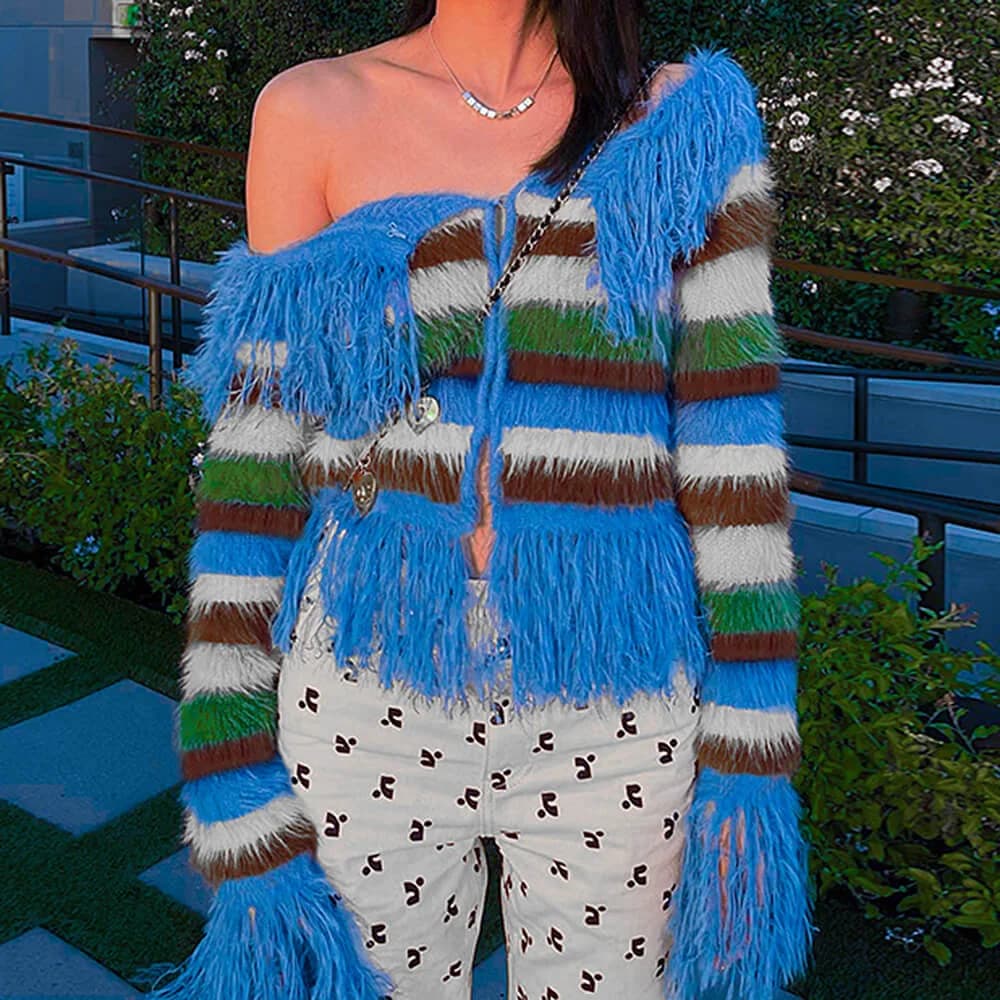
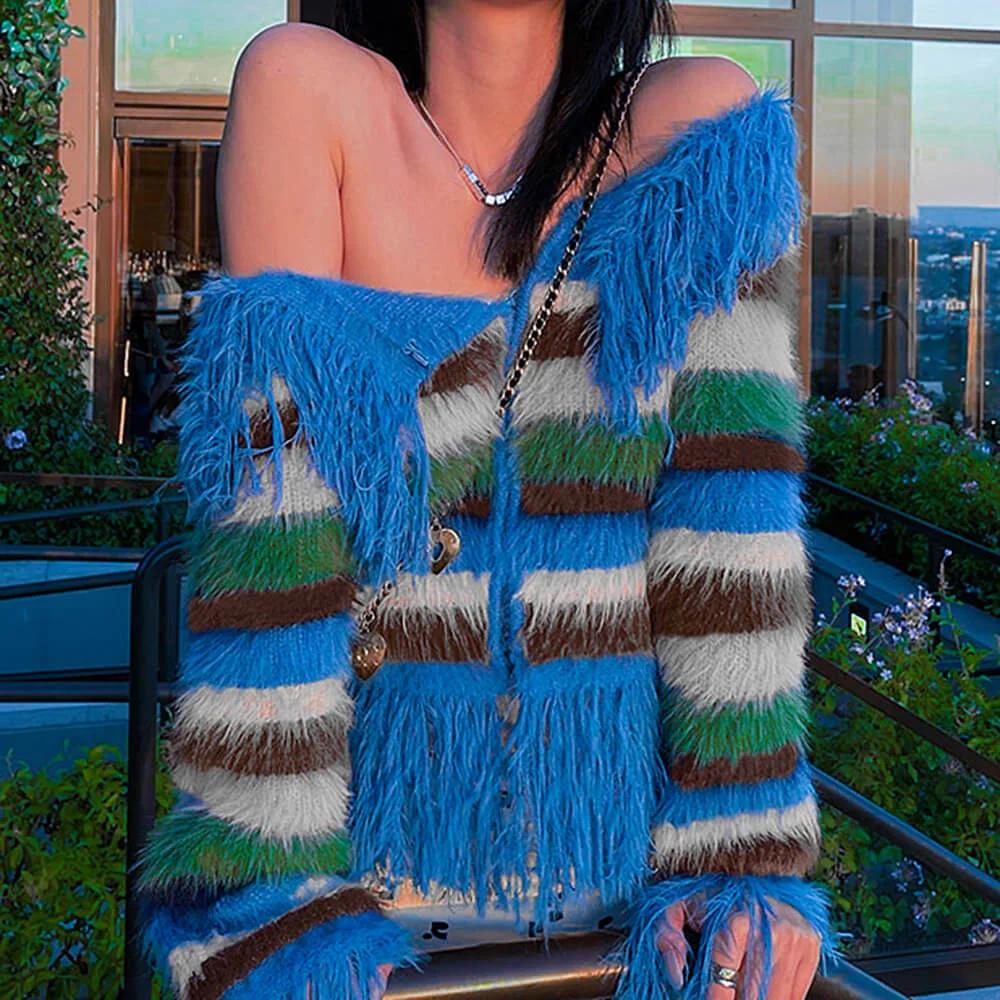
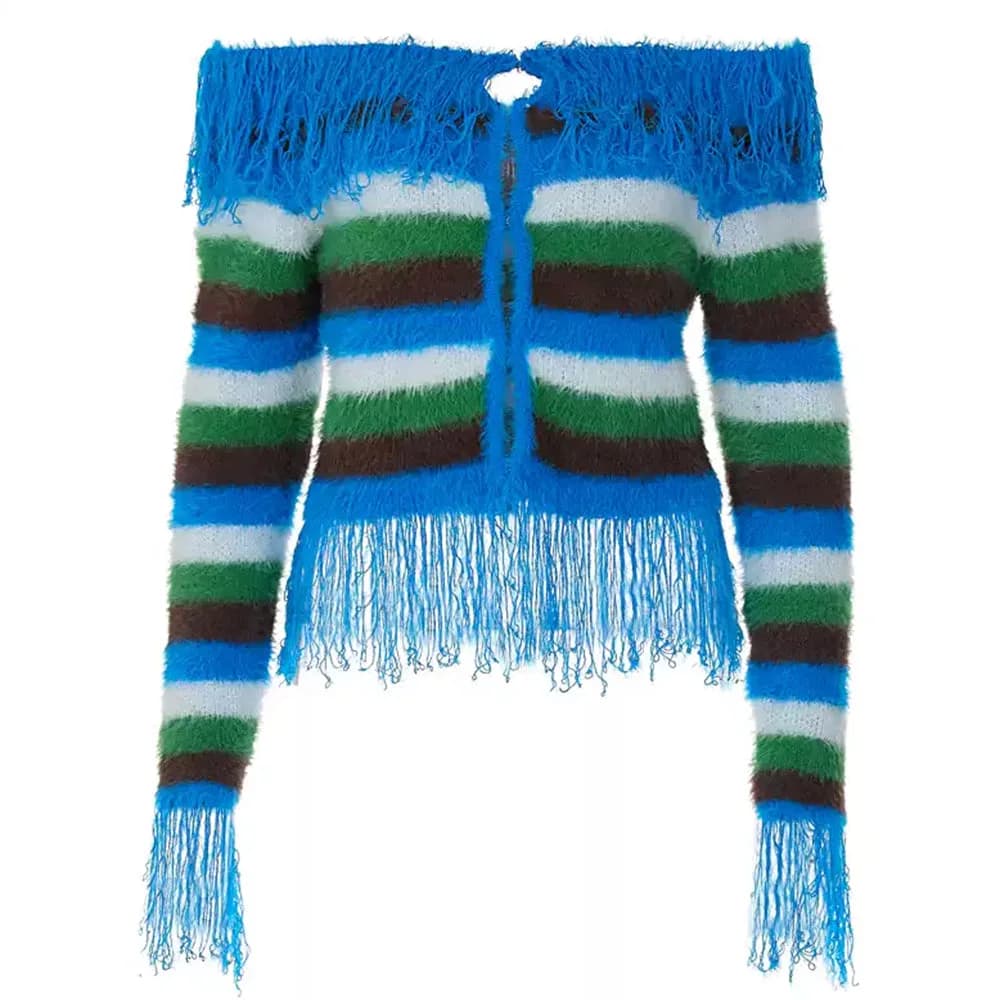
The Indie Aesthetic Striped Fringe Top is a polyester top in a blue/green colourway, sold in S, M and L. It could be your one vintage-leaning piece in an outfit, worn under an open cardigan with plain jeans. Let it be the loudest thing you are wearing, and keep other items quiet.
Thrifting for the Look: What to Hunt and What to Skip
Thrifting is a big part of why indie outfits feel personal. You are not copying a catalogue, you are collecting.
Hunt for: cardigans and knit vests, straight or loose denim, plain tees in good condition, corduroy trousers, long skirts, and belts with character. Check seams, underarms, zips and hems before you queue.
Skip, or think twice about: anything that smells strongly of damp or smoke and will not wash out, stretched-out necklines you will not wear, and pieces you love only because they are cheap. If you cannot picture three outfits with it, leave it.
A useful habit is carrying a short list in your phone: the colours you already own, your best jean length, and what is missing. It stops you buying a fourth beige cardigan.
A Week of Outfits Using the Same Core Pieces
Here is a core set: one cardigan, one striped or graphic long sleeve, one plain tee, relaxed blue jeans, a darker pair or skirt, and a belt. Everything below uses only those, plus small swaps.
Each day shows how one item changes the whole feel.
- Monday: plain tee tucked into blue jeans, belt on, cardigan open. Simple and balanced, a good base to learn the proportions.
- Tuesday: striped long sleeve with the darker jeans, cardigan tied at the waist or shoulders. The stripes lead, everything else stays calm.
- Wednesday: cardigan buttoned and worn as a top, with the skirt and a belt over the cardigan hem. Good for a day when you want a different shape.
- Thursday: striped long sleeve under the plain tee for a layered look, with blue jeans cuffed once or twice at the ankle.
- Friday: tee knotted or tucked short, high-waisted darker jeans, cardigan open and slouchy. Add hair clips or earrings for a more finished feel.
- Saturday: skirt, striped long sleeve, and cardigan over the shoulders. Swap in leg warmers if it is cool.
- Sunday: the comfiest version. Blue jeans, plain tee, cardigan buttoned, belt skipped. Same pieces, no effort.
Adding Accessories With a Plan
Accessories are where indie outfits get their personality, and where people overdo it. Pick one or two focal points per outfit: waist, ears, hair, or legs.
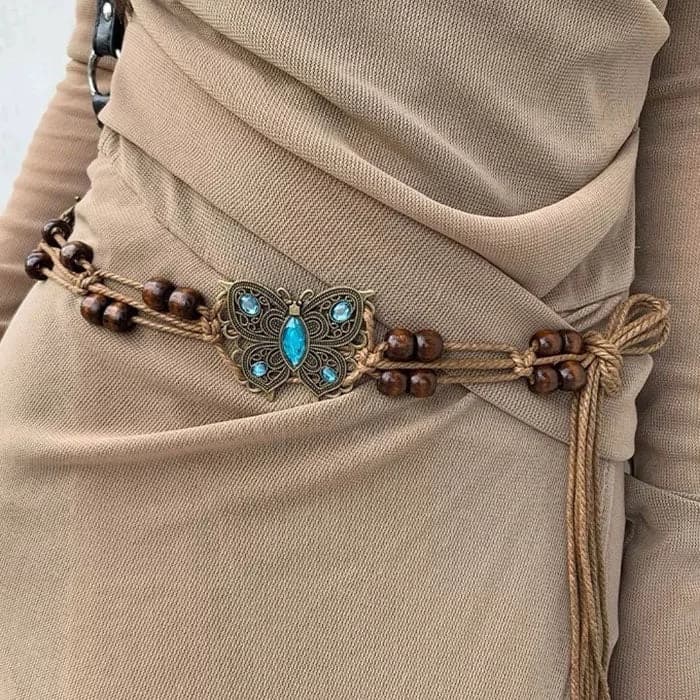
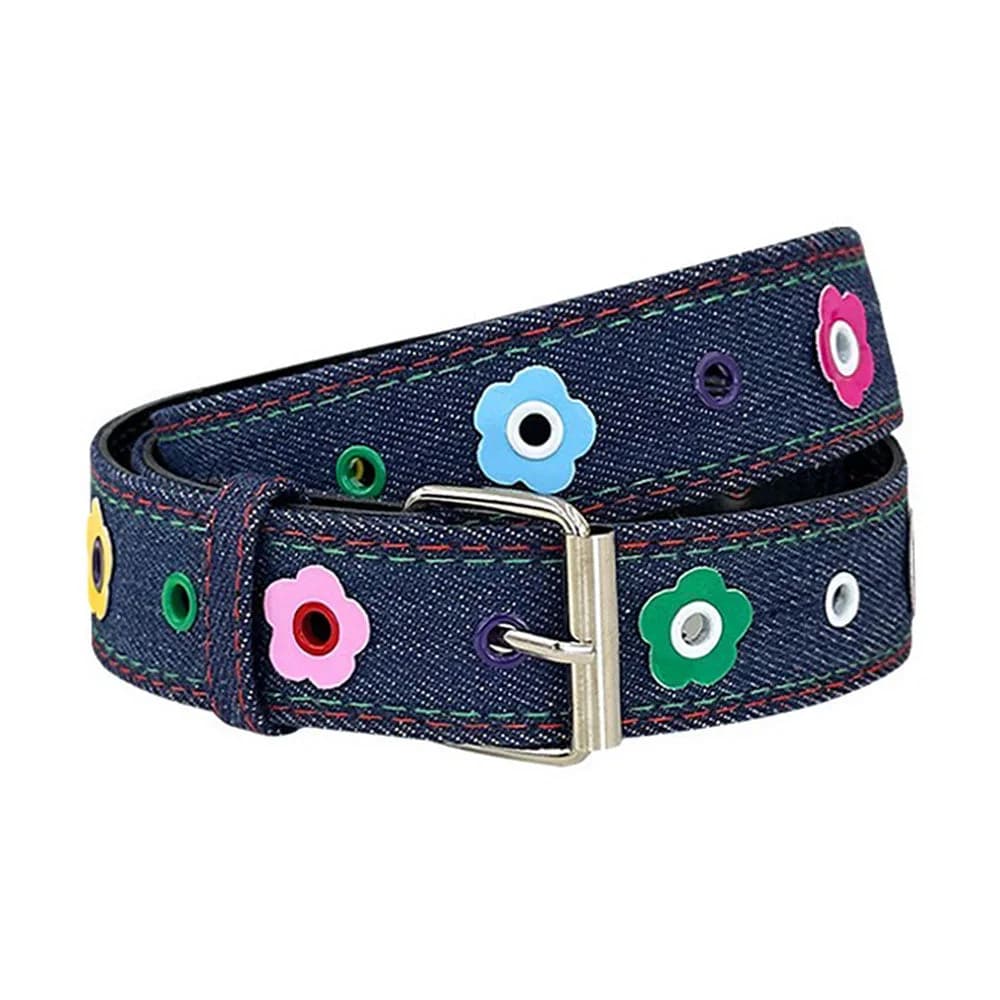
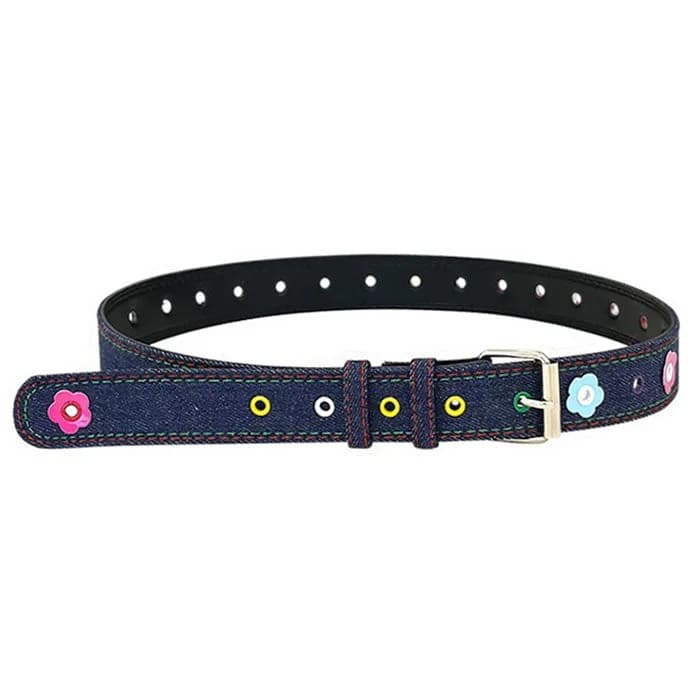
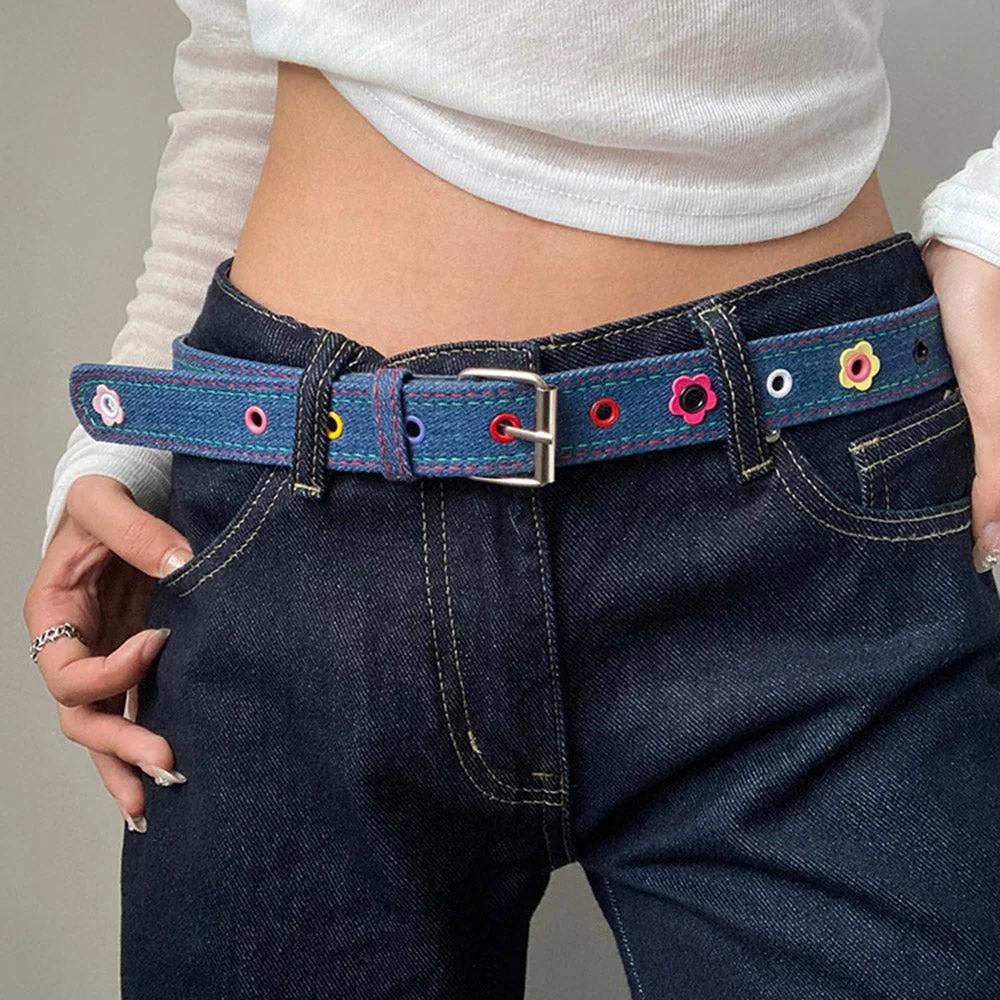
For the waist, a belt does double duty by defining a loose outfit. The Indie Flower Aesthetic Denim Belt comes in blue in a Standart size, and could sit over a tucked tee or a buttoned cardigan. The Indie Aesthetic Butterfly Beaded Belt is vegan suede in brown and listed at 180cm / 70.9 in, which is long enough to think about wrapping or knotting; check that length against your waist before ordering.
For hair and ears, the Indie Aesthetic Flower Hair Claw comes in pink, yellow, blue, purple and green, and the Indie Aesthetic Flower Earrings are plastic in pink. Wearing both at once can be sweet, but if your top is already busy, choose one.
For the legs, the Indie Aesthetic Striped Leg Warmers are polyester, one size, in green, pink/brown, black/grey and black/white. They sit over jeans hems or boots, or with a skirt. Pick the colourway that matches a colour you already wear.

Layering for Different Weather
LayeringWearing pieces over or under one another to add depth, warmth or contrast. is the core skill here, and it works in any climate if you think in three tiers: a base, a middle and an outer.
In warm weather, use the tee as your base and the cardigan as an optional extra you can tie or carry. Drop the leg warmers, and choose shorts or a skirt over jeans.
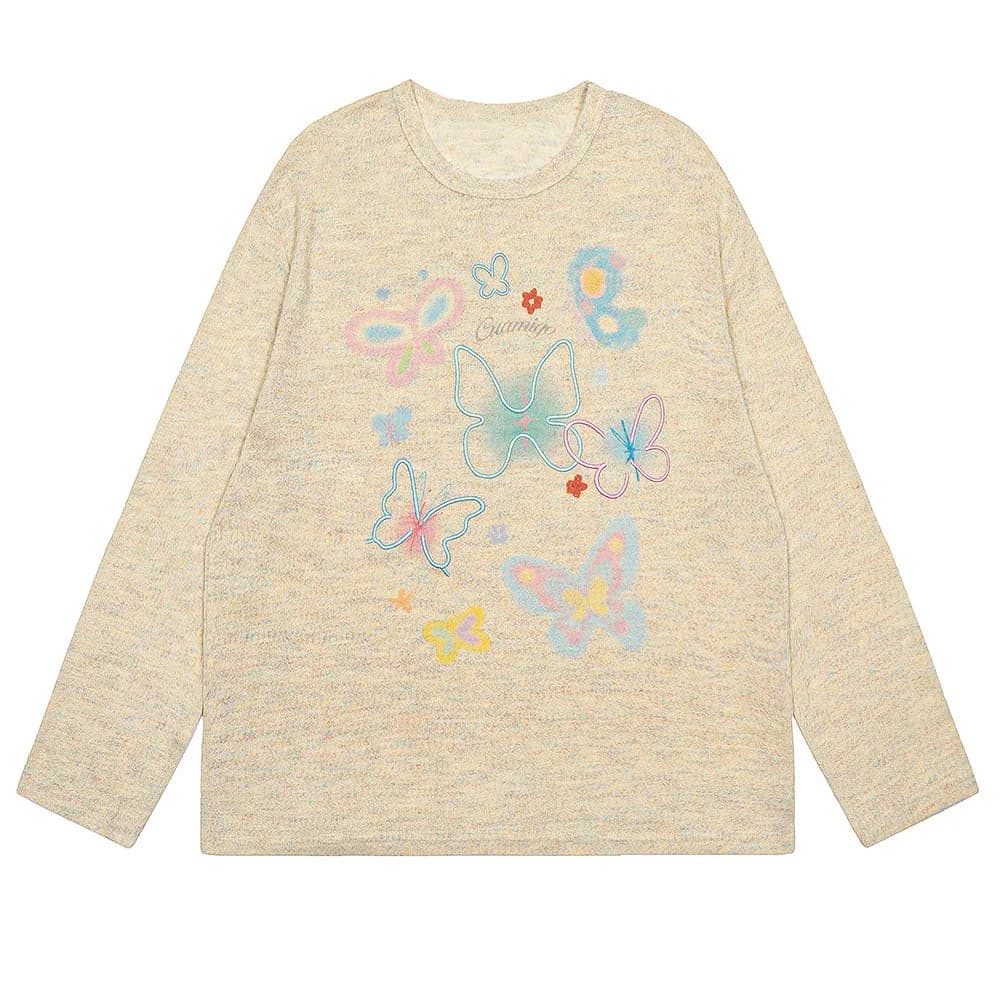
In mild weather, a long sleeve under a tee gives you two layers in one go, and the cardigan sits on top. The Indie Aesthetic Butterfly Long Sleeve is a cotton and polyester blend in beige or grey, sizes M, L and XL, and could be that base or the layered-under piece.
In cold weather, go heavier on the middle: a thicker knit, then a coat that is wide enough to fit over it. Leg warmers over jeans or boots add a layer around the ankle. Keep the base thin so the bulk does not pile up at the arms.
Always check the fabric label for what you are buying, since materials differ and we only list what is shown on each product page.
How to Compare Similar Pieces Before You Buy
When two items look alike, a few quick checks make the choice easier.
First, count outfits. Can you build at least three from what you own? If not, it is a maybe. Second, check the fit details: sizes, length and rise. Where a product lists limited sizes, such as S to L or M to XL, make sure your size is available before you fall for it. Third, check colour against your existing wardrobe. Beige and grey go with almost everything; a bright accent needs a plain partner.
Fourth, think about the job. A belt defines the waist, a clip finishes a hair look, and a top is the focal point. Two items with the same job are usually one too many.
If you want more ready-made ideas to compare against, the Aesthetic Outfits collection groups looks by feel, which can help when you are stuck on a combination.
Common Pitfalls and How to Fix Them
Too much of everything is the biggest one. Five patterns, three accessories and a loud bag read as clutter. Strip it back to one hero item.
Another is all-loose dressing. Baggy jeans, an oversized cardigan and a boxy tee can swallow you. Tuck, crop or belt one layer to bring back a shape.
Colour drift is common too. If everything is a slightly different shade of beige, it looks muddy. Add one clear contrast, like a stripe or a blue denim piece.
Finally, ignoring care. Knits stretch and pill if they are hung wet or washed hot. Follow the label, fold knits instead of hanging them, and your core pieces will last the whole rotation.
Quick Checklist Before You Head Out or Check Out
Run through this list when planning a look or adding something to your basket.
- Is there one hero item and everything else calmer?
- Is one layer loose and one fitted, cropped or belted?
- Do you have at least three outfits for any new piece?
- Does the colour sit well with what you already own?
- Have you checked size, length and rise for jeans and tops?
- Is the accessory doing a different job from the others?
- Have you read the material and size details on the product page?
- Is the weather covered with a base, middle and outer layer?
Building Your Core Set From Scratch: A Worked Example
Say you own almost nothing that fits the look: a few plain tees, one pair of black skinny jeans and a puffer coat. The goal is to add the fewest pieces that unlock the most outfits, so start with the item that changes your existing clothes the most.
Step one is a cardigan, because it works over every tee you already own. Choose a neutral such as oatmeal, brown or faded green, so it sits well with black denim. You can compare shapes in the Cardigan Sweaters collection. Step two is a relaxed pair of jeans in a mid blue. They replace the skinny pair as your daily bottom and make the black pair a second option instead of the only option. The Jeans collection is a handy place to check rise and leg shape before you commit.
Step three is a single striped top. Now count: three tops (tee, stripe, plus the cardigan as a top), two bottoms, and the option to wear the cardigan open, buttoned or tied. That gives you well over a week of combinations without a new purchase. Only after that does it make sense to think about a belt or a hair accessory.
This order matters. Buying accessories first gives you things to wear with nothing. Buying the cardigan and jeans first gives every later purchase something to sit on.
Choosing Colours That Actually Work Together
Indie outfits often look effortless because the palette is narrow, even when the pieces are mixed. A practical method is to pick two base colours, one soft accent and one wild card, then check every new item against that list.
For example: bases of blue denim and oatmeal, an accent of sage green, and a wild card of a pink-and-brown stripe. A brown cardigan, a green tee and blue jeans all pass. A neon orange jacket does not, and you will know that before you buy it.
Warm and cool neutrals can clash quietly. If your jeans are a cool, grey-leaning blue, a yellow-cream cardigan can look slightly off, while a grey, sage or soft brown usually calms down. If your wardrobe leans warm, with browns, rust and cream, a faded, slightly washed blue denim is the easiest bridge to everything else.
Stripes count as a colour decision, not a neutral. Two thin stripes in colours you already wear blend in. A bold contrast stripe becomes the hero piece, so keep the rest plain on that day.
Dressing the Same Outfit for Three Occasions
One combination can shift mood with small changes. Take blue jeans, a plain tee and a cardigan, then adjust.
For class, work or a casual meeting, tuck the tee fully, button the cardigan halfway and keep the jeans uncuffed so the line looks tidy. Skip the accessories, or choose just one, such as a belt.
For a coffee or a day around town, leave the tee half tucked, cuff the jeans once, wear the cardigan open and add a hair clip. This is the default indie look, relaxed but considered.
For an evening out, swap to your darker jeans or a skirt, wear the cardigan on the shoulders or buttoned as a top, and add a belt for shape. Choose slightly neater shoes than your daytime pair, and the same core pieces look dressier.
If you want more combinations to test against your own wardrobe, the Aesthetic Outfits collection shows other ways of pairing similar items.
- Smart: tucked, buttoned, no cuffs, minimal accessories.
- Casual: half tuck, open cardigan, one cuff, one accessory.
- Evening: darker bottom, belt, cardigan as a top or over the shoulders.
A Decision Checklist for Edge-Case Pieces
Some items sit between categories, and these are the ones people regret. Use these questions when something is tempting but unclear, whether in a thrift shop or an online basket.
If it is a very bold knit, ask whether you would wear it with plain jeans and a plain tee. If the answer needs a specific skirt you do not own, wait. If it is a cropped piece, ask whether you own a high-waisted bottom that meets it without a gap. If it is oversized, ask what will be fitted beside it.
For anything labelled with a single size or a limited range, confirm the fit details on the product page rather than guessing. For the browsing stage, the Indie Clothes collection and the Indie Aesthetic Clothes collection are useful for spotting which shapes keep appearing, since repeated shapes tend to be the easier ones to style.
Finally, apply the three-outfit rule with a twist: write the three outfits down, naming the actual pieces you own. If you can only name them vaguely, as in something black, it does not pass.
- Can I name three outfits using pieces I already own?
- Does it have a partner for its proportions, loose or fitted?
- Does it fit my palette of bases, accent and wild card?
- Have I confirmed my size is available?
- Would I still want it at full price, or only because it is cheap?