Created by the Kawaii Vibe editorial team. Our named style desks are editorial personas. Product details and availability can change.
Choosing a bag for indie outfits comes down to balancing structural contrast against fluid silhouetteThe overall shape an outfit creates, from fitted to loose and layered.s. When your wardrobe leans into dropped shoulders, relaxed denim, and visual layeringWearing pieces over or under one another to add depth, warmth or contrast., carrying the wrong bag quickly disrupts the balance of your look. A bag that is too small gets swallowed by oversized outerwear, while a stiff, cavernous bag can crowd patterned bottoms or snag on delicate textures.
Finding the right match means looking at three concrete factors: silhouetteThe overall shape an outfit creates, from fitted to loose and layered. shape, strap drop length, and genuine capacity. Instead of guessing how an accessory will hang against everyday garments, you can dial in specific proportions that complement wide-leg hems, cropped hemlines, and boxy sweaters.
This guide breaks down how to select carrying pieces that work alongside your clothing rather than fighting it. By mapping out strap drop measurements, base width, and carrying bulk against specific outfit archetypes, you can easily tell whether an everyday carry piece supports your day-to-day rhythm.
1. The Balance Rule: Balancing Volume Against Hemlines and Shoulders
The baseline rule for indie styling is counterbalancing volume. If your top layer is slouchy and extended past your hips, a bag with sharp geometry or a rigid rectangular base creates a grounded visual anchor. Conversely, if your outfit relies on clean, fitted pieces or a high-waisted cut, a rounded or softly gathered carryall keeps the overall mood relaxed rather than severe.
Scale directly affects the perceived width of your silhouetteThe overall shape an outfit creates, from fitted to loose and layered.. When you wear wide-cut bottoms, carrying a tiny handbag high under your armpit pulls attention exclusively upward, leaving the lower half looking visually heavy. Meanwhile, carrying a low-slung, bulky tote right where a wide hem flares out creates a cluster of competing fabric folds.
To resolve this, position your bag's base either completely above the widest point of your trousers or allow it to drop well past your hip line on a longer strap. Paying attention to this vertical spacing ensures that your outerwear, trousers, and bag each claim their own distinct visual tier.
2. Canvas Slouch vs. Structured Shapes: How Exterior Form Influences Clothes
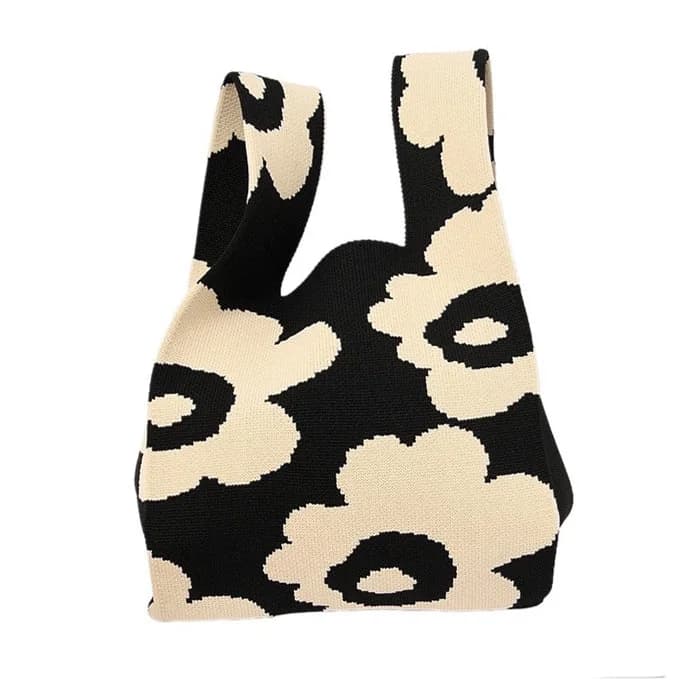
Indie fashion frequently contrasts utilitarian workwear textiles with soft, playful elements. A structured bag features reinforced panels, seams that hold their shape on a flat surface, and minimal give. Soft canvas, twill, or nylon designs collapse naturally against your body, shifting shape based on what you pack inside.
When choosing between these formats, look at your primary layers. Dense, tactile pieces like the Indie Kid Fuzzy Plaid Zip Up Sweater (made of polyester and available in White, Purple, or Green) bring substantial surface texture and shoulder volume. Pairing a heavily textured sweater with an unstructured, clinging sack often creates a messy silhouetteThe overall shape an outfit creates, from fitted to loose and layered. where fabric rubs against fabric.
A bag with defined corners or clean piping provides a crisp contrast against fluffy or fuzzy knits. On the flip side, when you wear a smooth, lightweight cotton graphic top, a slouchy canvas tote introduces casual drape that keeps the outfit grounded and unpretentious.

3. Everyday Totes: Drop Length, Bottom Sag, and Trousers Pairings
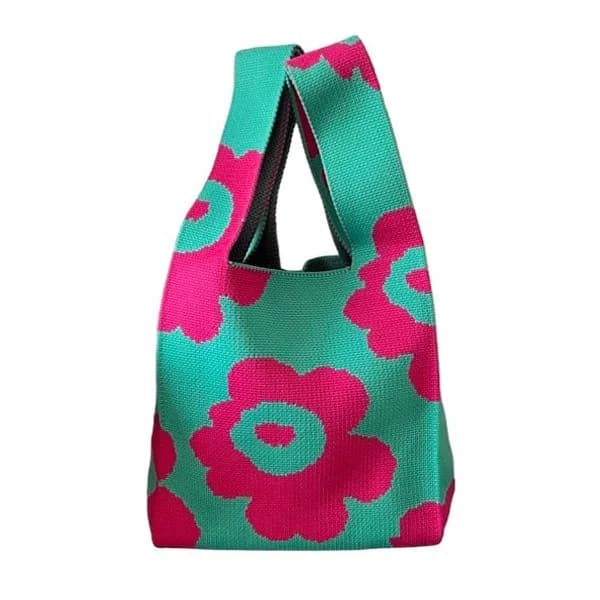
Totes are an everyday staple within indie street fashion, but not every tote hangs the same way. The critical measurement is the strap drop—the vertical distance from the top of the handle to the open rim of the bag. A shallow drop of 18 to 22 cm pins the bag tightly under your arm, which can pinch bulky sleeves. A drop of 28 to 35 cm lets the bag rest naturally against your hip.
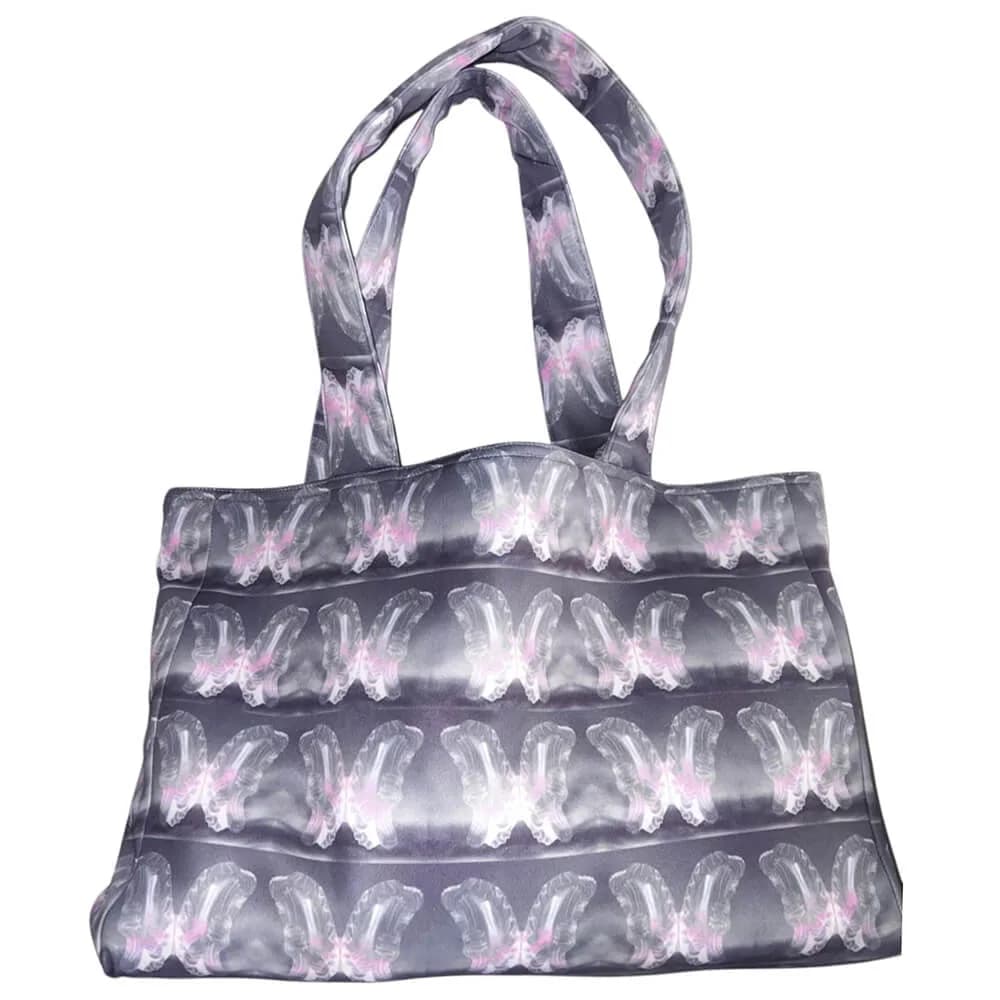
When shopping for everyday carries, exploring dedicated Indie Tote Bags shows you how wide bases distribute everyday weight. If a tote lacks a bottom gusset, heavy objects like books or reusable bottles sink into a downward point. This downward sag can bump against the upper thigh with every step.
This sag effect changes how your trousers fall. If you are wearing wide-leg bottoms like the Indie Kid Baggy Jeans (cut from denim in Blue), an overstuffed, pointy tote continually knocks against the pocket line and bunches the pant leg. Opt for totes with a flat, squared base when carrying dense cargo, preserving smooth pant drape down your leg.
- Strap drop under 22 cm: Best for fitted t-shirts, light cardigans, and holding the bag close above hip level.
- Strap drop over 28 cm: Ideal over winter outerwear, boxy jackets, and for letting the bag sit naturally below the hip.
- Gusseted flat bottom: Distributes weight evenly across the base, preventing harsh sagging against wide-leg pants.
- Flat-stitch tote: Folds compact when lightly packed; best reserved for lightweight flat items like sketchbooks and notebooks.

4. Backpack Proportion: Sizing Across Shoulders and Lower Back Clearance
Backpacks change the posture and shoulder balance of any indie outfit. A standard commuter pack built with stiff, thick foam straps can overpower soft, vintage-leaning pieces. When looking at compact and mid-sized Indie Backpacks, focus on how the back panel width compares to your personal shoulder span.
A backpack panel wider than your shoulder blades creates a wide silhouetteThe overall shape an outfit creates, from fitted to loose and layered. that conceals waist definitions from behind. To maintain a balanced casual look, select packs that stay within the boundary of your torso. The lower edge should rest comfortably in the small of your lower back rather than dragging down past your beltline.
If you carry your pack low using extended webbed straps, make sure it does not crush gathered skirts or delicate waistbands. A pack resting too low constantly beats against the seat of your pants, wearing down surface fibers and bunching up your shirt hem.
5. Crossbody Placement: Finding the Ideal Rest Zone on the Torso
The crossbody bag is unmatched for hands-free utility, but its visual impact depends entirely on where the pouch lands on your torso. Landing points generally fall into three zones: high-chest, mid-ribcage, or mid-hip. Adjusting the strap slider allows you to shift the mood and balance of your overall silhouetteThe overall shape an outfit creates, from fitted to loose and layered..
Wearing a crossbody shortened across the upper chest draws the eye upward, which balances loose, low-waisted silhouetteThe overall shape an outfit creates, from fitted to loose and layered.s. For instance, pairing a shortened crossbody with the Indie Kid Mushroom Print Jeans (constructed in denim in Blue) keeps the graphic waist and leg embroidery visible rather than obscuring it under a swinging bag.
Letting a crossbody drop to the hip works best when wearing cropped tops, as it bridges the gap between top and bottom layers. Keep in mind that a bag hanging at hip level will swing as you walk, so flatter, compact profiles prevent annoying bouncing against your hip bones.

6. What Actually Fits: Realistic Daily Carry Loads for Indie Silhouettes
Choosing a bag shape is only half the battle; it must also fit your daily gear without bursting its seams. Indie aesthetics celebrate authentic practicality, but an overstuffed bag distorts even the best-planned outfits. Bulging seams stretch pocket seams and strain zippers, changing a clean bag into a chaotic lump.
Compact shoulder bags generally hold essentials: phone, wallet, keys, lip balm, and perhaps a slim card case. If you step up to a mid-sized messenger or utility bag, you gain room for a compact digital camera, an e-reader, and hand cream. Totes and standard backpacks comfortably take notebooks, water bottles, and lightweight spare layers.
Before leaving the house, organize your belongings by rigid versus malleable items. Hard objects like water tumblers and books establish the bottom base, while soft objects like beanies, pouches, or spare socks fill side gaps. This packing routine keeps the external bag profile sleek and stable against your clothes.
7. Styling Around Boxy Tops and Long Sleeves
Boxy tops with wide cuts and dropped shoulder seams require deliberate bag strap decisions. If you throw a tight, narrow shoulder bag over an extended sleeve, the strap tugs the shoulder seam toward your neck, creating an awkward wrinkle across your chest.
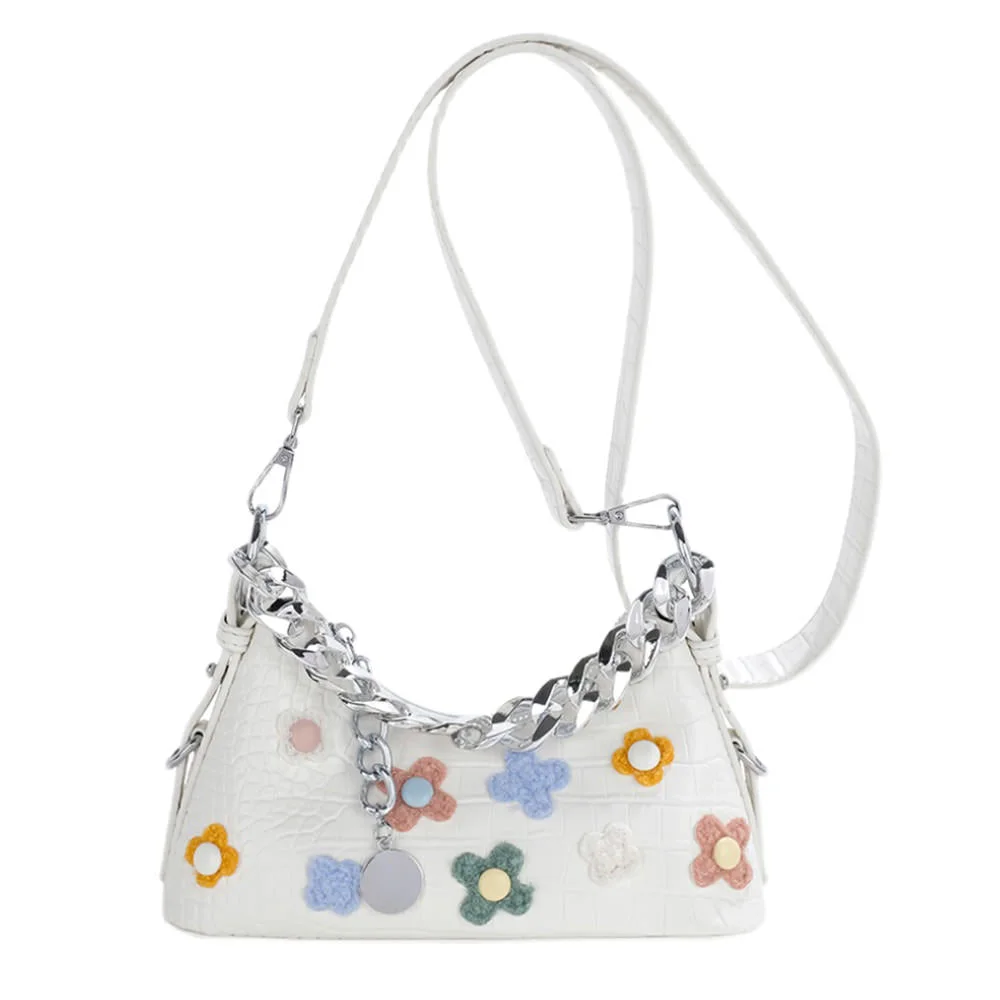
Consider tops with bold sleeve graphics, such as the Indie Liminal Cat Striped Long Sleeve Top (made of polyester in Yellow) or the Indie Butterfly Print Long Sleeve Top (cotton-polyester blend in White or Black). Carrying a wide-strap tote or backpack over these designs can wrinkle the sleeve graphics and drag down the neckline.
Instead, choose a bag with a slender strap or carry a handheld tote by its top handles. This keeps the chest graphic unobstructed and allows the boxy drape of your top to hang cleanly without pulled fabric lines or restricted movement around the armholes.
8. Mini Bags, Pouches, and Micro-Carries in Indie Layering
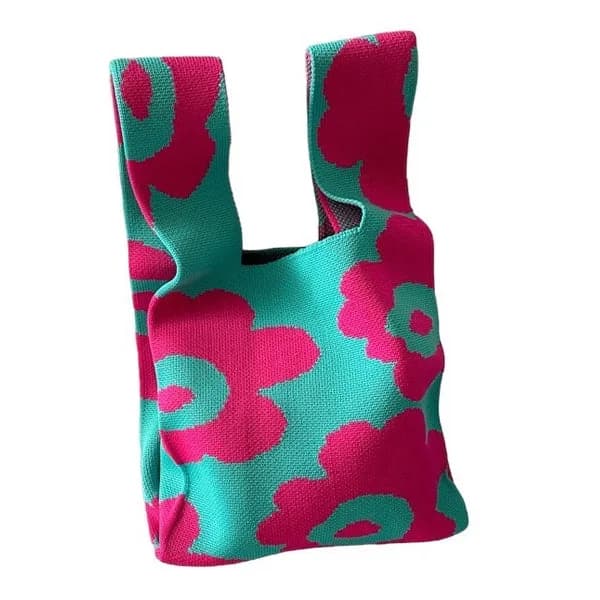
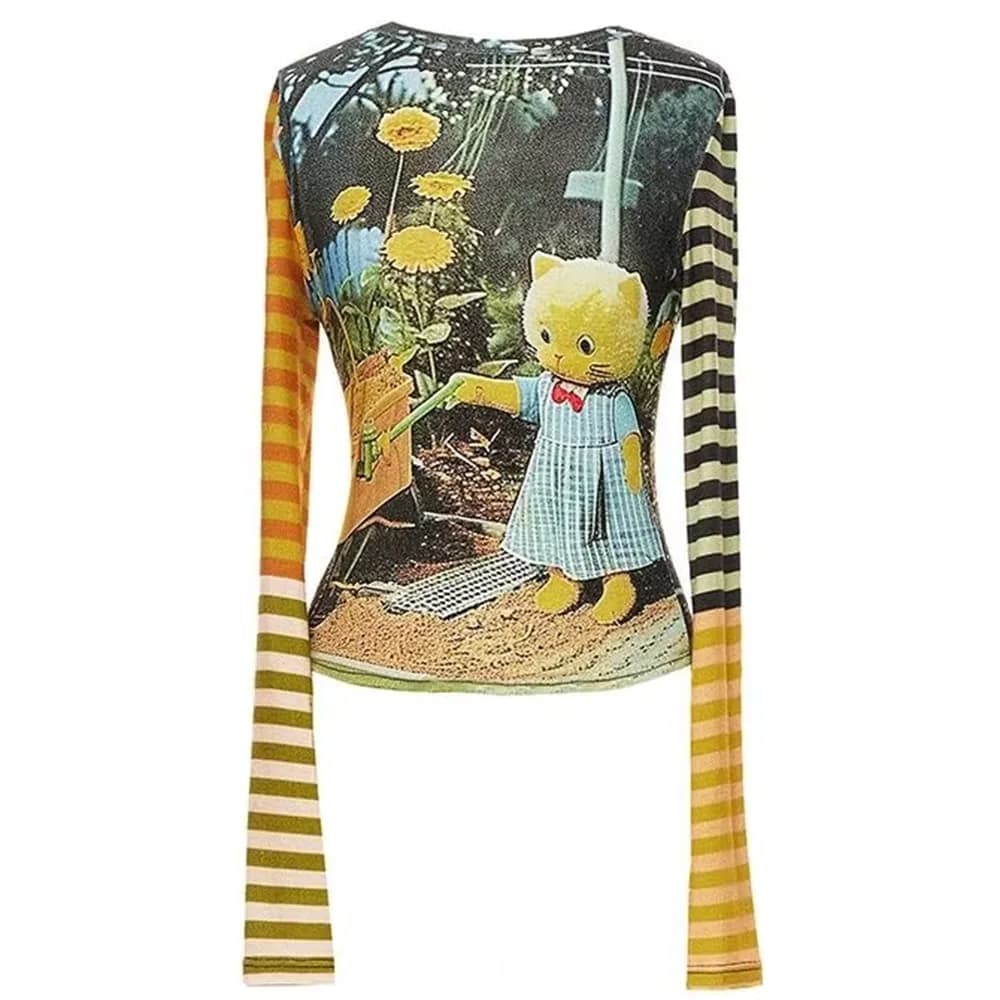
Micro-bags and utility pouches function more like visual focal points than heavy-duty storage. In an indie ensemble, a compact pouch adds a deliberate pop of contrasting color or utilitarian texture. It acts as an anchor point, particularly when working within broader Indie Clothes combinations that feature monochromatic or muted tones.
Because micro-bags offer limited interior space, you must carry only true essentials. A flat cardholder, small set of keys, and a compact lip balm are typically all that fit. Trying to wedge a bulky phone into a micro-bag produces strained corners that distort the bag's intended proportions.
Position small utility pouches high across your chest or attach them via carabiners to belt loops. This placement keeps your hands completely free while introducing layered metal hardware and strap webbing that enriches simple, low-effort day outfits.
9. Matching Bags to Bottom Silhouettes: Skirts, Shorts, and Puffer Textures
Your choice of skirt or shorts determines how much leg line is visible, which directly dictates what bag scale looks natural. Pairing a full, floor-length skirt with a tiny micro-purse can make the bag feel lost, while pairing short shorts with a massive hiking pack can make you look top-heavy.
Unique fabric textures require careful bag positioning. For example, the Indie Kid Puffer Mini Skirt (polyester construction available in Green, Brown, Beige, and Grey) has distinct loft and quilted puffiness. If you wear a heavy shoulder bag that rests right against this skirt, the bag will continuously compress the quilted padding and slide awkwardly off the slick shell.
For puffed or gathered bottoms, select a crossbody bag adjusted to rest right above the skirt waistband. When wearing casual bottoms like the Indie Kid Plaid Summer Shorts (cotton-polyester blend in Blue), a casual tote hanging midway down the bare leg creates a balanced, breezy warm-weather look.
10. Integrating Bag Hardware with Indie Jewelry and Belts
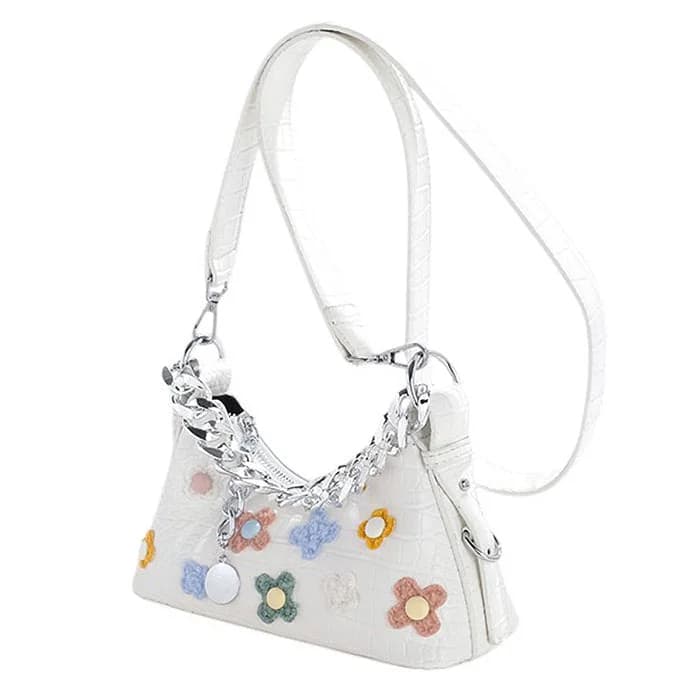
Hardware finishes link your bag to the rest of your accessories. Indie styling often embraces mixed materials, combining safety pins, silver chains, and beaded elements. If your bag features bulky antique-brass buckles while your belt and jewelry are shiny silver chrome, the combination can look mismatched rather than artfully assembled.
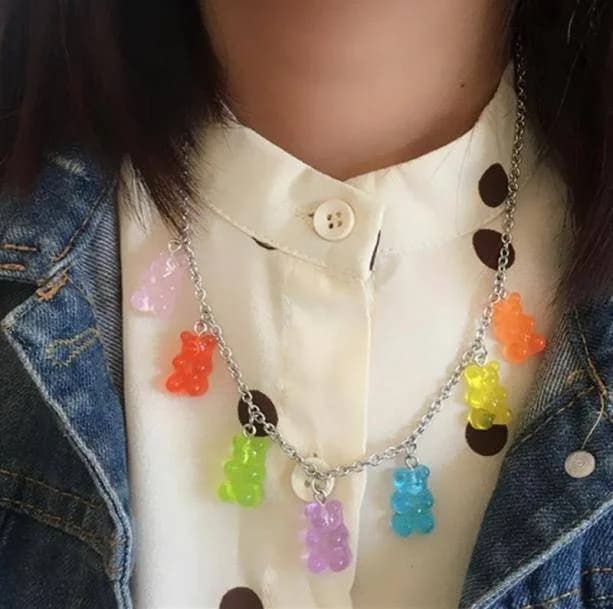
Browse complementary accents in Indie Accessories to see how silver chains, corded straps, and enameled pins layer together. If your bag features minimal, understated hardware, you can easily customize it by attaching vintage keychains, acrylic charms, or safety-pin clusters directly to the zipper pulls.
Make sure any hardware additions do not snag on loose knitwear. Exposed clasps or sharp charm corners can pull threads from open-weave sweaters or textured tops. Keep sharp decorative hardware facing outward, away from your body's contact plane.
11. Weather Scenarios: Fabric Performance in Rain, Heat, and Cold
Seasonal weather demands different functional qualities from your bags. In humid or hot weather, dense synthetic backpacks worn tightly against your back trap heat and moisture, leading to sweat patches on shirts. Lightweight cotton canvas totes offer breathable daily carry during high temperatures.
In rainy or damp conditions, untreated canvas totes quickly absorb moisture from wet umbrellas and drizzle, soaking internal sketchbooks or paper items. Water-resistant nylon, treated vinyl, or polyester carryalls provide much better protection for your electronics while keeping raindrops from transferring to delicate garments.
Cold conditions bring heavy coats, scarves, and gloves into play. Small purse handles become frustrating to hold with thick mittens, and narrow shoulder loops will not slide over padded down jackets. During chilly months, switch to roomy totes with generous handle clearance or backpacks featuring easy-release front buckles.
12. Curating and Comparing Options: Finding Your Primary Go-To
When expanding your personal collection of Indie Bags, compare candidates using three objective metrics: internal volume layout, strap adjustability range, and exterior textile firmness. Weighing these attributes prevents buying duplicate styles that only serve one specific outfit.
Consider whether you need a dedicated divider for tech, an open cavity for quick drops, or secure zipped exterior compartments for train passes and keys. A simple open tote excels at farmer's market visits and record store browsing, but falls short on daily commutes where pickpocket security or rain protection matters.
Reviewing your weekly wardrobe reveals which bag shape fills your most frequent gap. If you live in oversized sweatshirts, a structured cross-torso bag provides needed contrast. If you frequently wear trim, graphic tees, a slouchy messenger or canvas shoulder bag softens your overall silhouetteThe overall shape an outfit creates, from fitted to loose and layered..
13. Common Styling Mistakes to Avoid
One common pitfall is treating strap length as an afterthought. Letting a heavy bag swing down around your knees disrupts your natural walking stride and looks disproportionate against any trouser cut. Always take thirty seconds to adjust the strap slide so the bag rests comfortably against your core or hip.
Another mistake is neglecting weight distribution inside lightweight canvas totes. Dropping a single heavy water bottle into an unlined tote causes the fabric to twist, pulling the shoulder seam of your shirt crooked. Distribute weight evenly by laying flat items along the spine and placing heavy pieces centrally.
Finally, be cautious about pairing abrasive materials. Rigid canvas, rough cordura, or exposed metal zippers continually rubbing against delicate garments like the Indie Kid Star Striped Long Tee (cotton-polyester in Green) can cause surface pilling. Pair softer bag exteriors with lightweight jersey cotton to keep your favorite tops in pristine condition.
- Never ignore strap drop adjustments; an overly long strap pulls down your visual center of gravity.
- Avoid carrying heavy, hard-edged items in unlined canvas sacks without interior organizers.
- Prevent fabric pilling by checking for rough canvas webbing or sharp buckles that rub against soft knits.
- Don't overstuff compact bags until the seams stretch and distort the piece's clean profile.
14. The Indie Bag Selection Checklist
Before finalizing an outfit and stepping out the door, run through this quick, functional checklist. It ensures your bag, clothes, and daily gear work together harmoniously in both silhouetteThe overall shape an outfit creates, from fitted to loose and layered. and practical comfort.
Start with proportions: does the bag provide a clean counterpoint to the volume of your pants or outerwear? Next, verify physical comfort: can your arm move freely through the handle loop without catching on your sweater cuffs? Finally, inspect your carry weight: does the bag close naturally without bulging out the zipper tracks?
Keeping these practical parameters in mind allows you to build distinctive, comfortable indie outfits every single day. When your carrying piece works effortlessly with your wardrobe layers, your personal style looks considered, functional, and completely your own.
- Proportion Check: Bag scale contrasts appropriately with garment volume (structured bag for soft knits; slouchy tote for structured pants).
- Clearance Check: Strap drop provides enough room for thick jacket sleeves and boxy shoulder seams without binding.
- Contact Check: The bag rests at a flattering torso level (high-chest, mid-rib, or clean hip) without swinging awkwardly.
- Surface Check: Bag textiles and metal charms are free of abrasive edges that could snag delicate jerseys or fuzzy knits.
- Capacity Check: Daily essentials fit comfortably inside with zippers closing flat and without strain on seams.