
Created by the Kawaii Vibe editorial team. Our named style desks are editorial personas. Product details and availability can change.
Styling an indie dress comes down to breaking up predictable silhouetteThe overall shape an outfit creates, from fitted to loose and layered.s with unexpected textures, practical everyday footwear, and smart layeringWearing pieces over or under one another to add depth, warmth or contrast. pieces. While mainstream styling often treats a one-piece dress as a self-contained outfit, indie styling uses dresses as canvases. A slip dress, babydoll cut, or tiered pinafore works best when balanced against contrasting items—like chunky footwear, graphic tops slipped underneath, or relaxed outerwear pulled loosely over the top.
Whether you want to take a lightweight sundress into crisp autumn weather or give an airy prairie dress a grounded skate-inspired edge, the key is knowing where to place your focal points. By mixing contrasting weights and shapes, you keep the outfit looking effortless rather than overly styled or theatrical. This guide breaks down the core formulas for styling your favorite dresses across various seasons and aesthetics.
1. The Base Layer Formula: Tops Beneath Sleeveless Cuts
Putting a fitted long-sleeve or fitted tee underneath a sleeveless indie dress is one of the easiest ways to change its mood completely. This technique works exceptionally well with slip dresses, pinafores, and straight-neck cami silhouetteThe overall shape an outfit creates, from fitted to loose and layered.s. Instead of wearing bare shoulders, sliding an extra garment underneath adds depth, visual contrast, and warmth without adding bulky fabric around your waistline.
When picking a piece to wear underneath, keep fabric weight in mind. A thin, stretchy knit creates a smooth base so your dress can drape naturally without bunching. For instance, pairing a black or pastel slip dress over the Indie Butterfly Print Long Sleeve Top in White adds playful graphic detail across your chest and arms while keeping the overall profile lean. The cotton-polyester blend stays close to the body, ensuring the neckline of the dress sits flat.
To make this formula feel cohesive, match the collar style of your top to the neckline of your dress. Scoop-neck dresses pair neatly with crew necks, while square-neck dresses accommodate wider boatneck cuts or turtlenecks. This creates deliberate, clean framing around your neck and collarbones.

2. Layering Oversized Sweaters and Cardigans Over Skater Silhouettes
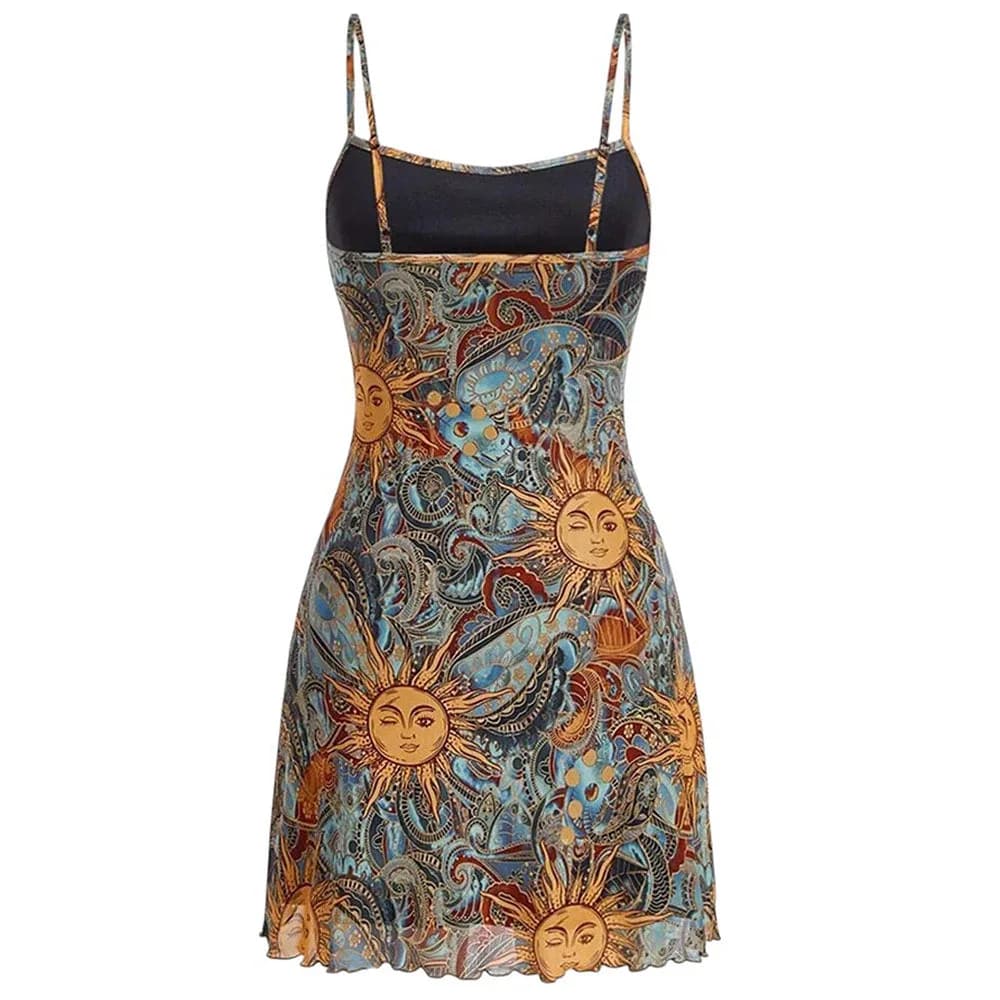
Throwing a relaxed knit piece over an indie dress instantly converts it into a skirt while giving you an extra thermal layer. Skater dresses, babydoll cuts, and tiered dresses lend themselves particularly well to this method because their gathered skirts flare out naturally from beneath the hem of an oversized sweater.
Texture is where this pairing really shines. If your dress is smooth cotton or light rayon, introducing a plush or brushed knit creates an engaging tactile contrast. The Indie Kid Fuzzy Plaid Zip Up Sweater, available in Green, Purple, or White, adds tactile fluff and geometric patterning over simple monochrome dresses. Because it features a zip front, you can leave it partially unzipped at the bottom to let the dress waistline show through, maintaining your natural silhouetteThe overall shape an outfit creates, from fitted to loose and layered..
Avoid sweaters with excessively tight, elasticized bottom bands when layeringWearing pieces over or under one another to add depth, warmth or contrast. over full skirts. A tight band tends to squeeze the fabric of your dress inwards, causing awkward ballooning. Instead, look for relaxed hems, boxy cuts, or front-zip closures that allow the skirt to fall freely without restriction.

3. Grounding Airy Dresses with Chunky Boots and Platforms
Indie styling frequently plays with intentional weight contrasts, and the shoe choice sets the tone for the entire outfit. Pairing soft, floaty dresses with substantial footwear prevents the overall look from feeling overly formal or delicate. Heavy platform boots, treaded combat boots, and lug-sole loafers offer a grounded foundation that contrasts beautifully with ruffled or floral textiles.
For mid-calf midi dresses, look for ankle-height combat boots with a distinct sole to anchor your stride. If you are wearing a mini babydoll dress, calf-high lace-up boots or platform Chelsea boots elongate your legs while balancing the wide volume at the top. The juxtaposition between sweet, flowing dress fabric and utilitarian, heavy leather or rubber soles is a signature indie design choice.
Keep socks visible as an extra styling buffer between your boots and bare skin or tights. A thick ribbed crew sock peeking one to two inches above the top rim of your boot softens the transition and guards against ankle chafing throughout long days on your feet.
4. Casual Daily Looks: Pairing Canvas Sneakers and Skater Shoes
If heavy boots feel too intense for an everyday coffee run or an afternoon spent thrashing around town, low-profile canvas sneakers and classic skate shoes provide an effortless alternative. Sneakers bring a casual, lived-in energy to both fitted and voluminous silhouetteThe overall shape an outfit creates, from fitted to loose and layered.s, bridging the gap between sporty practicality and vintage charm.
When styling flat sneakers with Indie Dresses, consider where your dress hem hits. Low-top canvas shoes create clean visual breaks around the ankle, making them ideal for mini lengths or sweeping maxi skirts. High-top sneakers work wonderfully with tea-length and midi dresses, closing the gap between hem and footwear without needing extra hosiery.
Try introducing contrasting colors through your shoes rather than strictly matching them to the dress. A monochrome gingham dress comes alive with classic red or navy canvas shoes, while a colorful floral pattern settles down nicely with beaten-up cream or off-white skate trainers.
5. Styling Dresses with Pants and Trousers Beneath
LayeringWearing pieces over or under one another to add depth, warmth or contrast. a tunic or button-up shirt dress over trousers is a classic early-2000s indie move that has found new life with modern proportions. Rather than skinny jeans, current styling leans into wide-leg, relaxed, or patterned pants peeking out from beneath mid-thigh or knee-length dresses.
To pull this off without feeling overloaded, choose a dress with a looser drape or a button-front opening that you can unfasten from the waist down. Slipping the relaxed denim of the Indie Kid Mushroom Print Jeans under an open, airy shirt dress introduces playful graphic energy around the lower leg while retaining complete mobility. The sturdy denim balances the light swing of the dress fabric.
Watch your hem proportions closely when using this formula. Dresses that end well above the knee create the most flattering drape over straight-leg or wide-cut trousers. If the dress is too long, the silhouetteThe overall shape an outfit creates, from fitted to loose and layered. can look stiff and columnar, hiding the unique shape and print of the trousers underneath.

6. Outerwear Proportions: Cropped Jackets to Oversized Hoodies
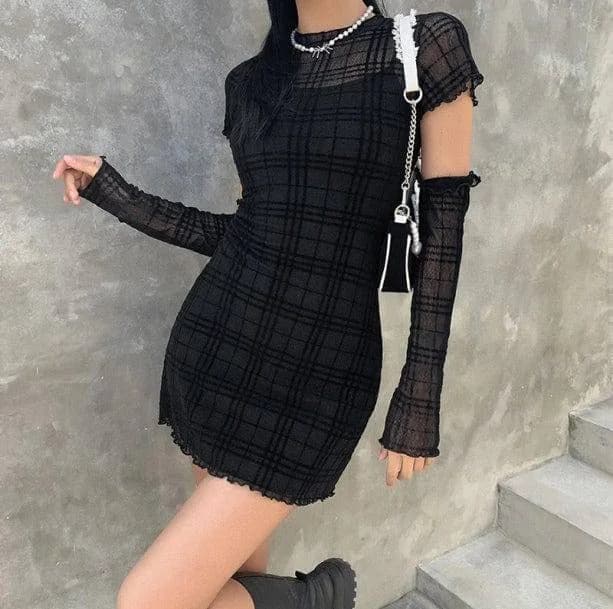
Your choice of outerwear dictates whether an indie dress outfit reads as structured, relaxed, or intentionally chaotic. The key variable is length relative to your dress waistline. Cropped jackets create a distinct waist marker, whereas long, oversized jackets and hoodies drape straight over the waist to create an unstructured, slouchy profile.
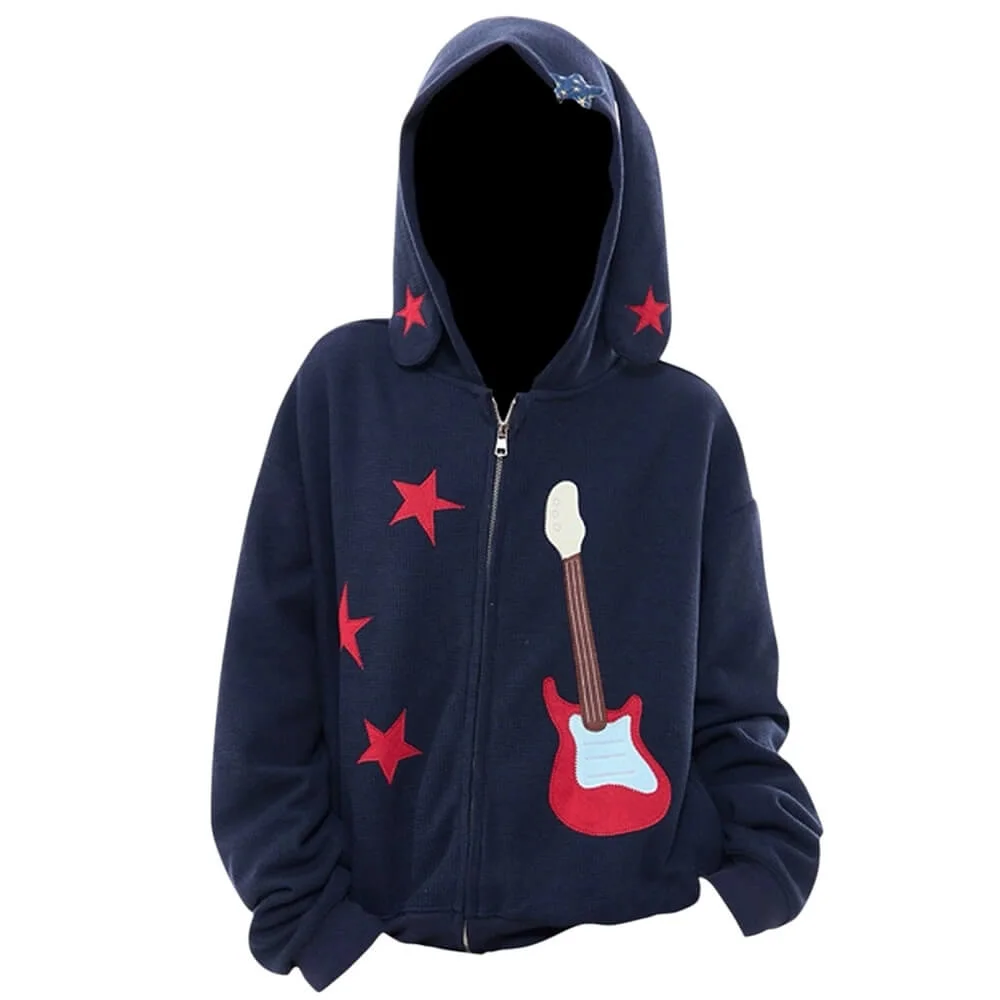
When you want a casual, street-ready look, an oversized graphic hoodie thrown over a mini dress turns a daytime outfit into something cozy and easy. The Bunny Ears Hoodie with Guitar Patch in Navy Blue or Grey adds whimsical novelty detail, long sleeves, and practical warmth over lightweight sundresses. Letting the hem of a ruffled mini skirt poke out just beneath the hoodie hem creates an approachable, layered skater feel.
If you prefer a crisper line, pick cropped denim jackets, shrunken vintage bombers, or waist-skimming cardigans from broader Indie Clothes offerings. Cropped outerwear naturally emphasizes the highest point of an A-line skirt, helping shorter figures keep their proportions intact without drowning in fabric.
7. Playing with Textures: Stripes, Sheer Fabrics, and Prints
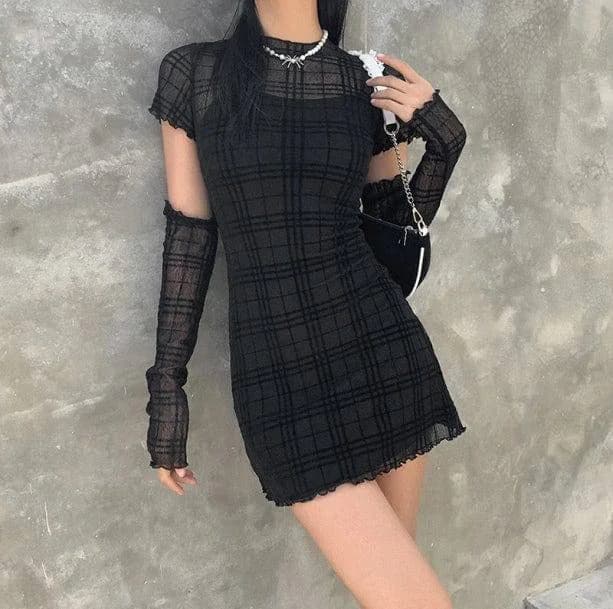
One of the defining pleasures of indie fashion is the deliberate clash of contrasting patterns and textiles. Instead of keeping every piece within the same tonal family, experimenting with pattern collisions breathes personality into an outfit that might otherwise feel standard.
Stripes are remarkably versatile as a neutral layeringWearing pieces over or under one another to add depth, warmth or contrast. base. LayeringWearing pieces over or under one another to add depth, warmth or contrast. the Indie Liminal Cat Striped Long Sleeve Top in Yellow underneath an unbuttoned corduroy pinafore or an earth-toned overall dress creates immediate focal interest across the chest and shoulders. The graphic yellow stripes add an energetic pop that cuts through solid, heavy fabrics like canvas, denim, or twill.
When clashing prints, focus on scale variation. Pair small, dense patterns—like micro-florals or fine gingham—with broader, graphic elements such as wide horizontal stripes or bold screen-printed patches. Balancing a busy micro-pattern against a larger, graphic motif keeps the pieces from visually competing for attention.
8. Footwear Choices for Warm Weather: Mary Janes and Sandals
When temperatures climb and heavy boots are out of the question, traditional indie styling turns toward T-strap shoes, lug-sole Mary Janes, and platform fisherman sandals. These styles retain the quirky, slightly offbeat charm of chunky footwear while keeping your feet comfortable and cool.
Mary Janes worn with thin frilly ankle socks or sheer patterned tights strike a whimsical, nostalgic chord when paired with smocked babydoll dresses or fit-and-flare cuts. If you prefer bare ankles, chunky fisherman sandals with buckle detailing offer the same structured visual weight as a boot, anchoring airy linen or poplin dresses effortlessly.
Opt for shoes with rubberized, cushioned footbeds if you plan on walking long distances. Look for adjustable buckles or strap closures that ensure the shoe stays secure on your foot, preventing heel-slipping when worn both with and without socks.
9. Practical Bag Selection: Canvas Totes, Crossbodies, and Mini Backpacks
A poorly matched bag can disrupt the casual, artistic balance of an indie dress outfit. Polished, rigid luxury handbags often feel stiff against the loose, creative layers of indie garments. Instead, functional everyday carriers—like washed canvas tote bags, mini nylon backpacks, and slouchy messenger bags—complete the aesthetic naturally.
A canvas tote printed with line drawings or typography brings a casual, bookish energy that harmonizes with floral midis and denim layers. If you need hands-free convenience, a small nylon crossbody bag or a mini faux-leather backpack sits comfortably over your shoulder without pulling on delicate dress straps or crushing puffed sleeves.
Pay attention to strap drop length when carrying bags over layered outfits. If you are already wearing an oversized cardigan or heavy jacket over your dress, an extra-short shoulder strap can pin your arm down awkwardly. Choose bags with long, adjustable webbing straps that can easily cross over thick knitwear.
10. Headwear and Hair Accessories: Beanies, Berets, and Ribbons
Finishing an indie dress outfit at the neckline alone leaves the top half looking slightly bare, especially if your shoes and layers carry significant weight. Incorporating headwear and expressive hair accessories ties the entire silhouetteThe overall shape an outfit creates, from fitted to loose and layered. together from head to toe.
Chunky knit beanies, slouched back on the crown of the head, instantly lend a casual, grungy feel to ruffled dresses. For a softer, artsy finish, felt berets or patterned crochet headscarves frame the face while echoing vintage influences. If hats feel like too much fuss, simple hardware—like mismatched snap clips, claw clips, or velvet hair ribbons—adds charm without requiring heat styling.
Ensure the color of your hair accessory speaks to something else in your ensemble. A ribbon that matches the accent color of your layered top or the laces of your boots helps weave your various outfit elements into a unified visual statement.

11. Transforming Dresses into Skirts: The Graphic Tee Trick
If you want to stretch the versatility of your wardrobe, you can easily style almost any dress as an A-line or tiered skirt simply by throwing an oversized or boxy top over it. This trick doubles your outfit possibilities without taking up extra closet space.
You can achieve this silhouetteThe overall shape an outfit creates, from fitted to loose and layered. by sliding a roomy tee over your dress and loosely knotting it at your waist, or by securing the tee hem under a hidden belt. Dropping an extended piece like the Indie Kid Star Striped Long Tee in Green over a solid mini or pleated dress lets the dress hem peek out like a decorative ruffle beneath the longline skate jersey. Exploring complementary silhouetteThe overall shape an outfit creates, from fitted to loose and layered.s within Indie T-Shirts gives you endless options for adjusting graphic balance and hem lengths.
This styling choice is particularly practical for traveling or transitioning through erratic weather, as it allows you to strip off the top tee if the afternoon becomes warm, reverting instantly to your base dress.
12. Styling for In-Between Seasons: Tights, Socks, and Layered Shorts
Transitional weather—where mornings are brisk and afternoons are warm—presents a styling challenge that layered legwear solves effortlessly. Rather than hiding your legs inside heavy pants, pairing your dress with imaginative tights and protective under-layers keeps you comfortable throughout temperature swings.
Patterned hosiery, fishnets, and opaque colored tights let you keep wearing your favorite lightweight summer dresses right through autumn and early spring. LayeringWearing pieces over or under one another to add depth, warmth or contrast. short skirts over shorts provides peace of mind on windy days. Wearing the Indie Kid Plaid Summer Shorts underneath a fluttering mini dress adds discreet safety while allowing a subtle flash of plaid pattern to show if the dress moves in a breeze.
To master temperature shifts, try layeringWearing pieces over or under one another to add depth, warmth or contrast. sheer tights under ribbed knee-high socks. When the day warms up, you can simply roll the socks down to your ankles without needing to find a private space to take off your tights.
13. Common Styling Pitfalls to Avoid
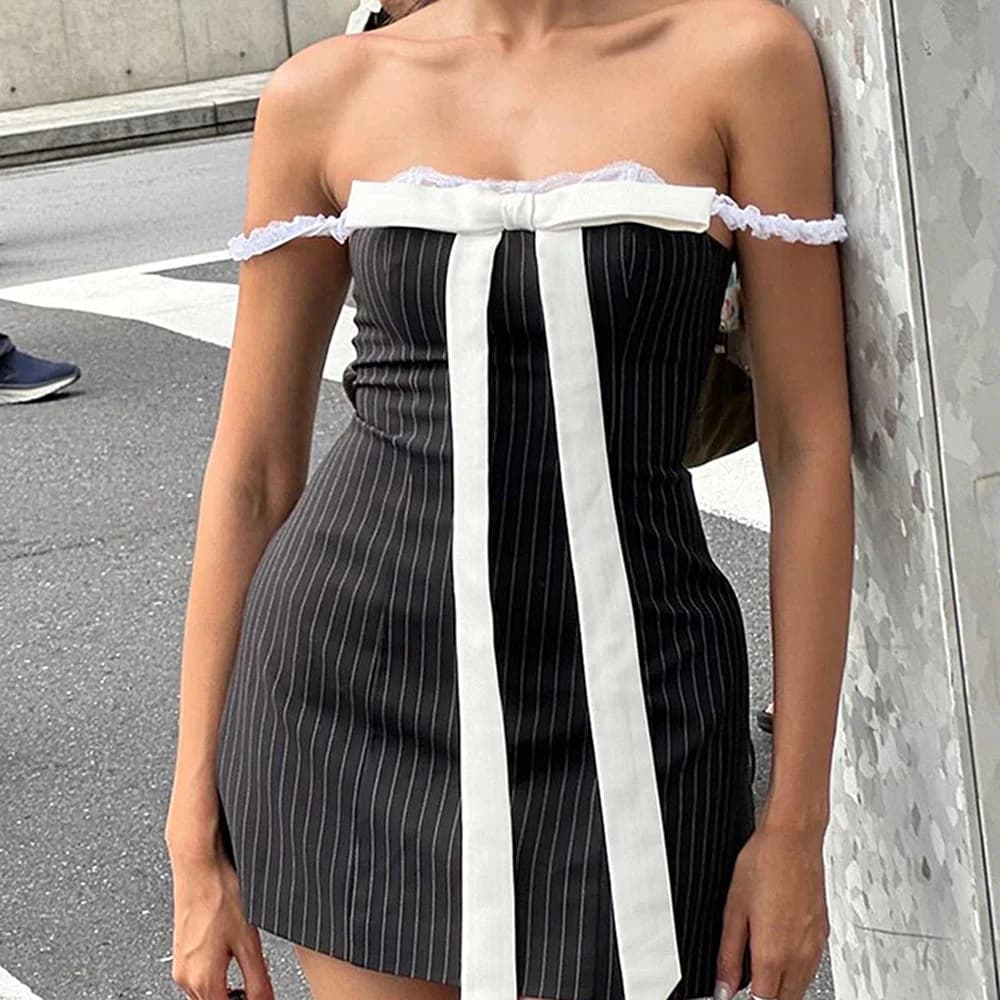
While indie dressing encourages individual expression, certain proportional mistakes can leave an outfit feeling messy or uncomfortable rather than thoughtfully styled. The most common error is ignoring fabric tension: combining two heavy, stiff fabrics on top of each other can restrict movement and create stiff, unflattering bunching around your joints.
Another common pitfall is overloading too many conflicting focal points at once. If you are combining a bold patterned top from Indie Tops underneath a dress, pair it with grounded, neutral footwear rather than adding patterned tights, multi-colored socks, and loud hair accessories all at once. Let one or two elements take center stage while the others act as supporting players.
Lastly, watch out for strap entanglement. If your dress has dainty spaghetti straps, wearing an interior top with wide, awkward seams or bra straps showing haphazardly can look careless rather than intentional. Check your shoulder lines in a mirror to verify that layered straps sit comfortably flat against one another.
14. The Practical Indie Dress Styling Checklist
Before heading out the door in your newly styled outfit, running through a quick mental checklist ensures your clothes will look great, feel comfortable, and function well all day. This checklist focuses on balance, physical comfort, and cohesive styling cues.
Start with proportions: check that your outermost layer does not abruptly cut across the widest part of your skirt in an awkward line. Next, check footwear balance: does your shoe choice possess enough visual weight to anchor whatever layers you have placed on your upper half? Finally, verify mobility: make sure your base layers do not twist or ride up when you sit, bend down, or reach upward.
Keeping these core points in mind lets you experiment fearlessly with contrasting pieces from Indie Crop Tops and outerwear, confident that your final ensemble looks intentional, artistic, and true to your personal creative instincts.
- Fabric weight check: Ensure layered inner tops are lighter than the dress to prevent bunching.
- Proportion balance: Anchor oversized top layers or voluminous skirts with substantial footwear.
- Color connection: Tie at least one accessory or inner layer tone back to a secondary color in the dress.
- Movement test: Verify that walking, sitting, and reaching do not cause base layers to ride up awkwardly.
- Weather readiness: Choose removable outer layers or adaptable hosiery for easy midday adjustments.