Created by the Kawaii Vibe editorial team. Our named style desks are editorial personas. Product details and availability can change.
Finding the sweet spot with indie jewelry usually comes down to solving two quiet frustrations: chains tangling into a ball by midday, and charm necklaces disappearing behind graphic collars. Indie styling thrives on quirky motifs, contrasting beads, and nostalgic pendants, but piling them on without a plan quickly turns messy rather than expressive.
Building balanced layers starts with the cut of your top and the scale of each piece. When you coordinate chain lengths with your neckline, mix your silver and warm tones with intention, and balance hand jewelry against your chest pieces, the whole outfit looks considered while keeping its relaxed character.
In this guide, we break down exact pendant drops, metal combinations, and ring layouts that keep your daily jewelry looking clean. Whether you are dressing up a striped skate tee or a cozy cardigan, here is how to wear your favorite pieces without the clutter.
1. The Foundation: Why Chain Lengths Tangle and How to Stop It
The main reason layered chains knot together during regular wear is a lack of weight and texture variation. When two chains of identical thickness and length rest against your chest, they swing at the exact same rhythm as you walk. Within an hour, the links wind around each other. To prevent this, every chain you add should feature a different gauge, a distinct chain link pattern, or a noticeably different drop point.
A reliable formula for indie layers relies on a three-tier drop system: 14 to 15 inches for a close choker or mini beaded strand, 16 to 18 inches for a mid-length chain with a small charm, and 20 to 24 inches for a heavier pendant. Because the lowest piece carries the most weight, it anchors the center line, while the lighter pieces move independently above it.
When picking out items from our Indie Necklaces collection, look for distinct structural differences like ball chains, figaro links, or corded textures. Pairing a structured cord with a fluid link chain instantly stops friction knots before they start.
- Tier 1 (Base): 14–15 inches, lightweight beaded cord or snug chain.
- Tier 2 (Accent): 16–18 inches, medium link carrying a petite token or bead.
- Tier 3 (Anchor): 20–24 inches, heavy pendant that rests well below the collarbone.
2. Crewnecks and High Collars: Laying Over Fabric Smoothly
High crewnecks, mock necks, and classic jersey tops present a distinct challenge because your jewelry sits directly on fabric rather than bare skin. Fine wire chokers tend to roll underneath the ribbed trim of a t-shirt, while flat pendants flip over as the garment shifts. For tops with tight collars, you need chains that carry enough physical weight to sit flat against the chest.
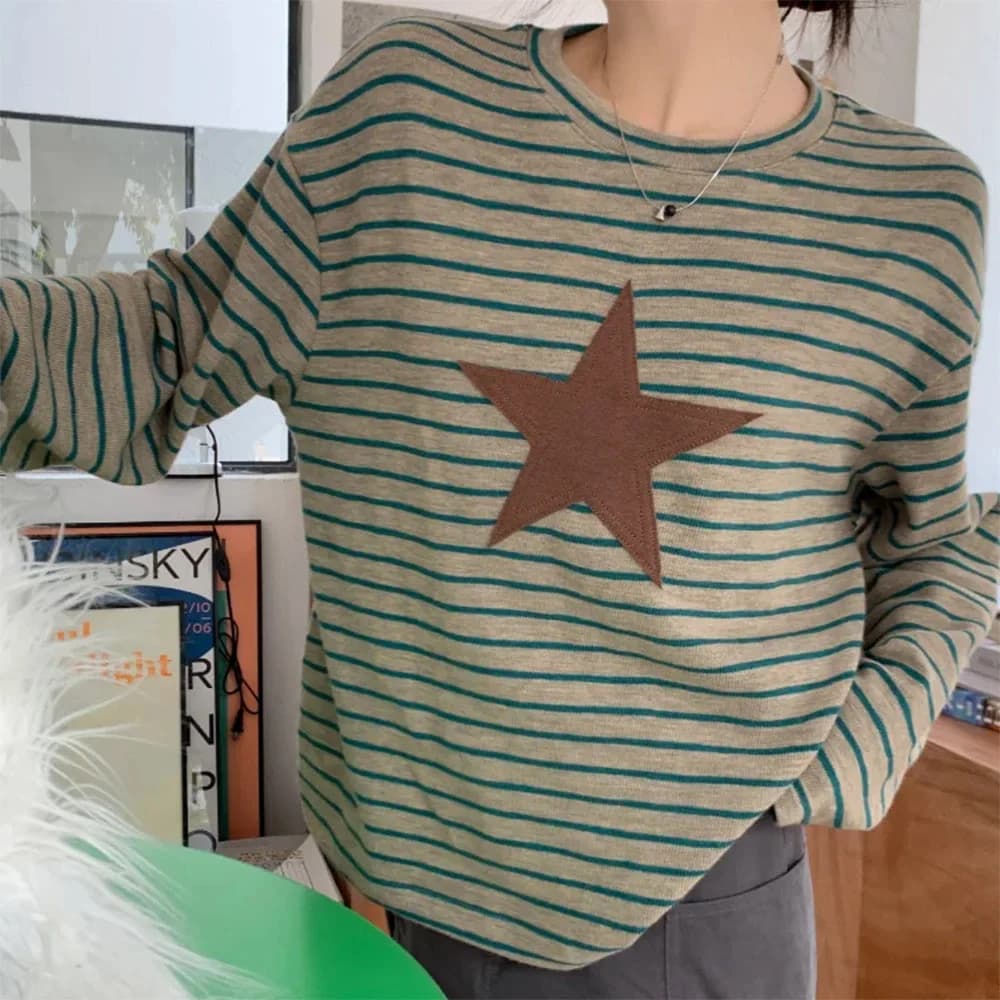
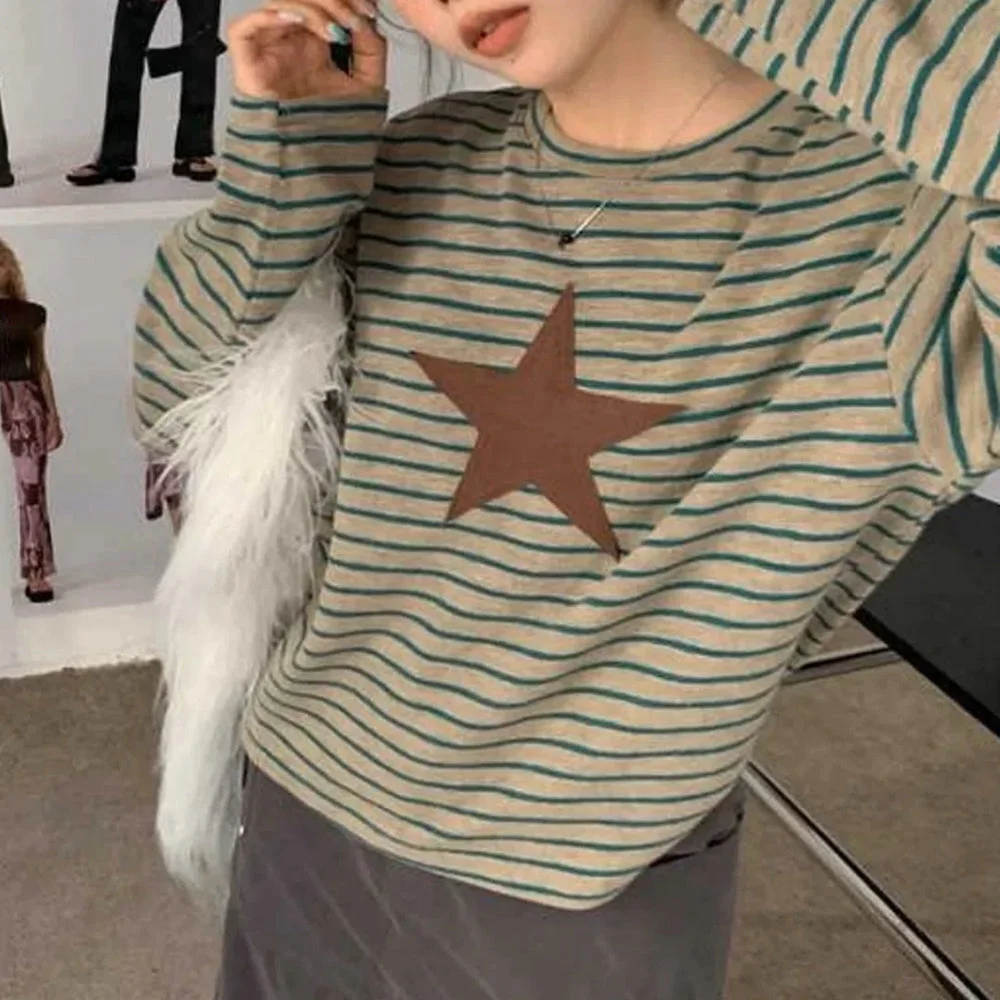
A great way to style high collars is keeping the first layer just outside the ribbed neckline, typically at 18 inches, followed by a longer 22-inch pendant that drops toward mid-chest. If your top features prominent front patterns or stripes, keep your chain choices simple to avoid a visual clash. For example, pairing the Indie Kid Star Striped Long Tee (cut from cotton and polyester in green) with a chunky silver curb chain allows the metal to stand out clearly against the bold horizontal stripes.
When fabric is textured or ribbed, avoid delicate lace-like filigree pendants that snag on loops. Solid cast charms, smooth tumbled stones, and smooth metal disks slide easily over knits and cotton without pulling threads or catching during daily movement.
- Choose link gauges of 2mm or wider to prevent chains from disappearing into fabric folds.
- Let pendants fall at least two inches below the ribbed seam of the neckline.
- Smooth, cast metal backs sit flatter against jersey than open hollow backs.

3. Wide Sweaters and Cardigans: Framing With Open Necklines
When you wear open-front layers like cardigans, zip sweaters, or slouchy knitwear, your chest area becomes a framed vertical panel. This vertical space lets you wear expressive, multi-layered indie arrangements that would feel too busy against a tight crewneck. The key is matching the lowest drop of your necklace stack to the opening depth of your knit.
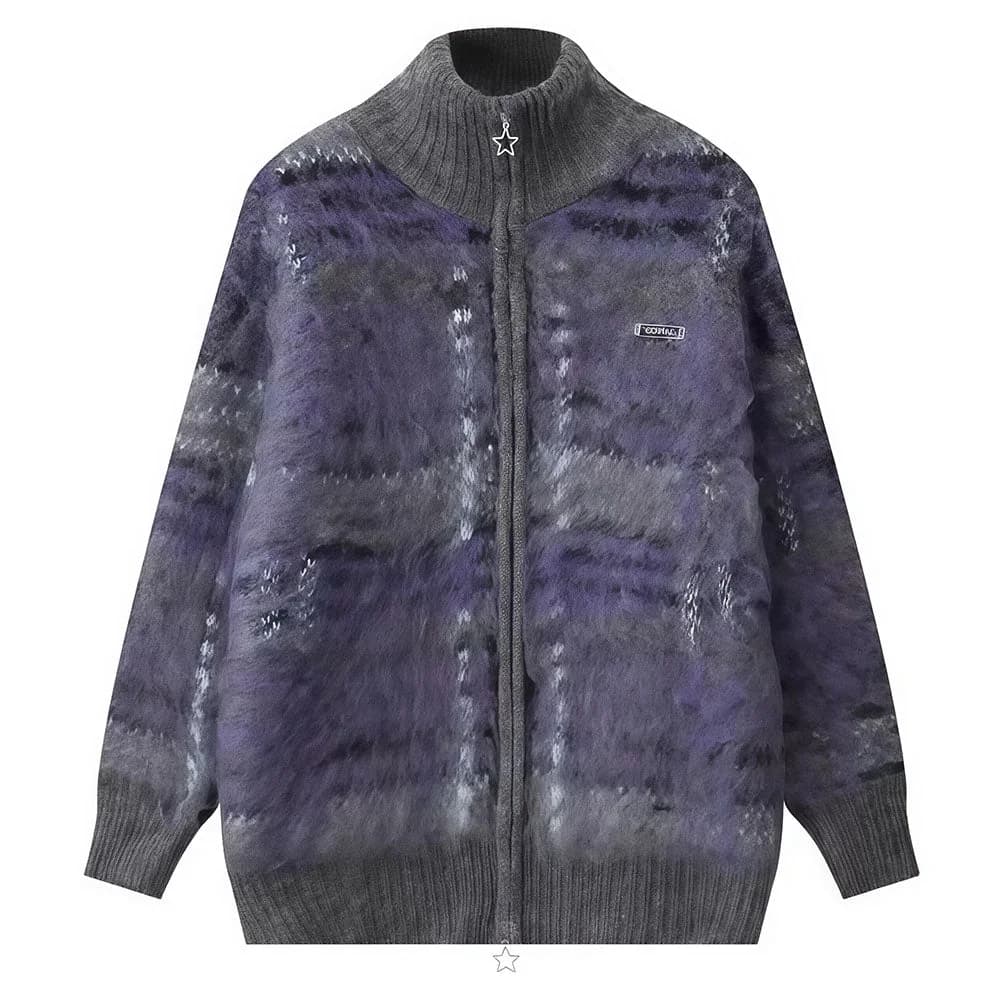
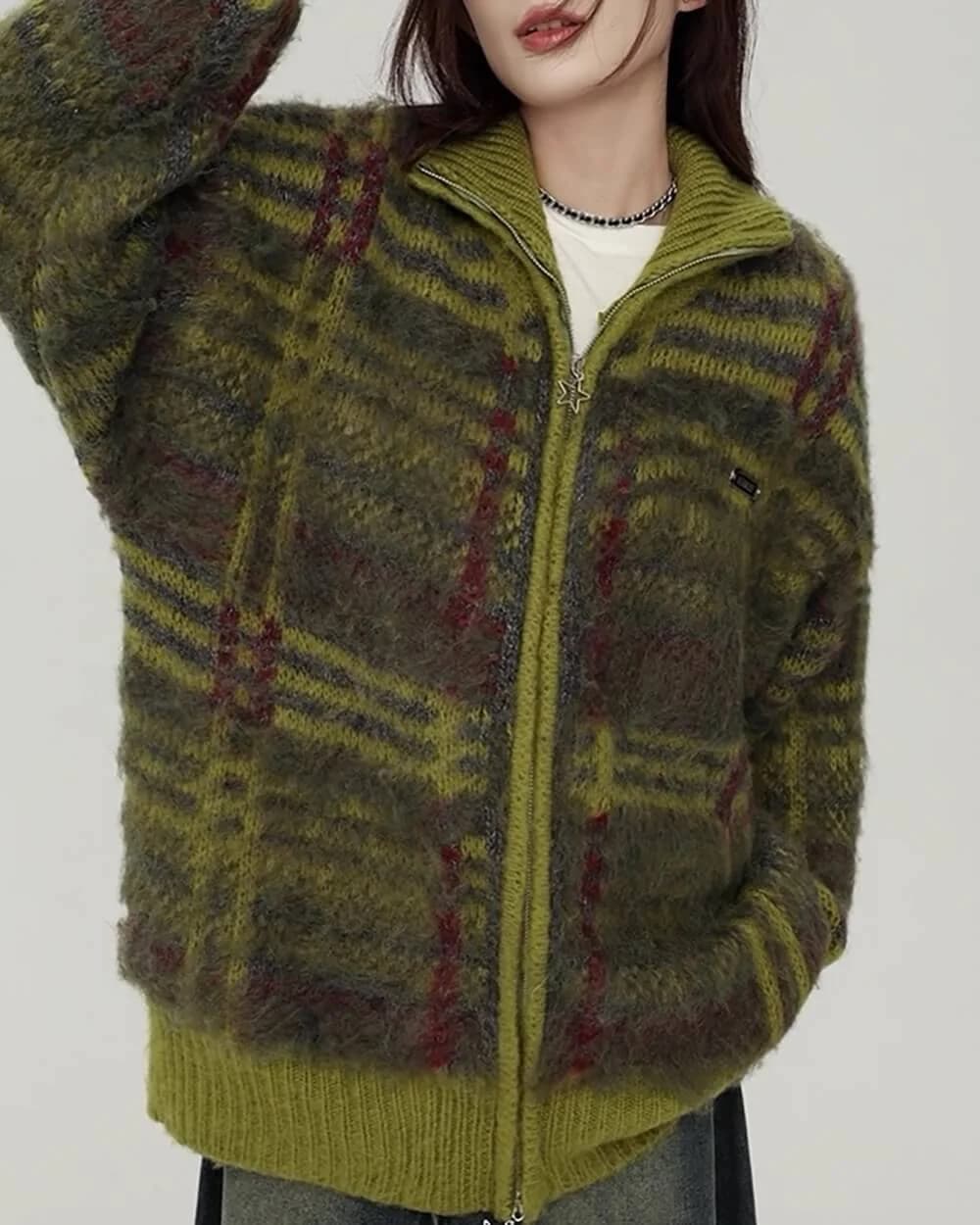
Consider an outfit built around the Indie Kid Fuzzy Plaid Zip Up Sweater, made from soft polyester and available in white, purple, and green. If you wear this sweater partially unzipped to create a deep V-shape, you can stack a high colorful bead choker near the throat and drop a 20-inch silver chain into the open center. The soft, tactile knit contrasts against polished metal, creating depth without looking chaotic.
For bottoms, keeping the lower half clean balances the busy texture up top. Combining this sweater and layered necklace setup with the denim Indie Kid Baggy Jeans in blue provides a relaxed, skate-inspired silhouetteThe overall shape an outfit creates, from fitted to loose and layered. that anchors the visual weight of your accessories.
- Align your longest pendant so it stops about one inch above the sweater zipper or button closure.
- Use tactile elements like acrylic beads or glass accents to balance thick knit textures.
- Keep the base shirt underneath solid or minimally patterned to give your jewelry breathing room.


4. Collared Shirts and Button-Downs: Under Collar vs. Open V
Button-down shirts give you two distinct styling options: buttoned completely to the top for a structured look, or unbuttoned two to three buttons down for an open casual frame. Each styling direction requires a completely different approach to chain length and weight.
When fastening a shirt completely to the throat, wear a short, heavy chain tucked underneath the collar points so only the front portion peeks out, or drape a substantial 20-inch pendant entirely outside the collar against the placket. This frames the shirt like a necktie. Avoid thin, delicate chains here, as the collar structure easily overwhelms them.
If you leave the top two buttons unfastened, let your jewelry mirror the natural V-shape of the open lapels. A 16-inch delicate charm chain resting on the skin right in the throat hollow, paired with an 18-inch pendant sitting just above the third button, creates a flattering taper that feels effortless and uncluttered.
5. Graphic Tees and Long Sleeves: Preventing Visual Clashes
Graphic tops are a cornerstone of casual indie fashion, but they often compete directly with pendant necklaces. If your tee features a central chest illustration, placing a detailed pendant right over the artwork creates a confusing focal point where neither the graphic nor the jewelry can be seen clearly.
To fix this, you have two clear paths: go shorter, or go longer. A short 14-to-15-inch choker sits above the artwork on the collarbone, entirely separate from the printed graphic. Alternatively, an extra-long chain measuring 26 to 28 inches drops your pendant past the artwork onto the stomach area, framing the print cleanly from the sides.
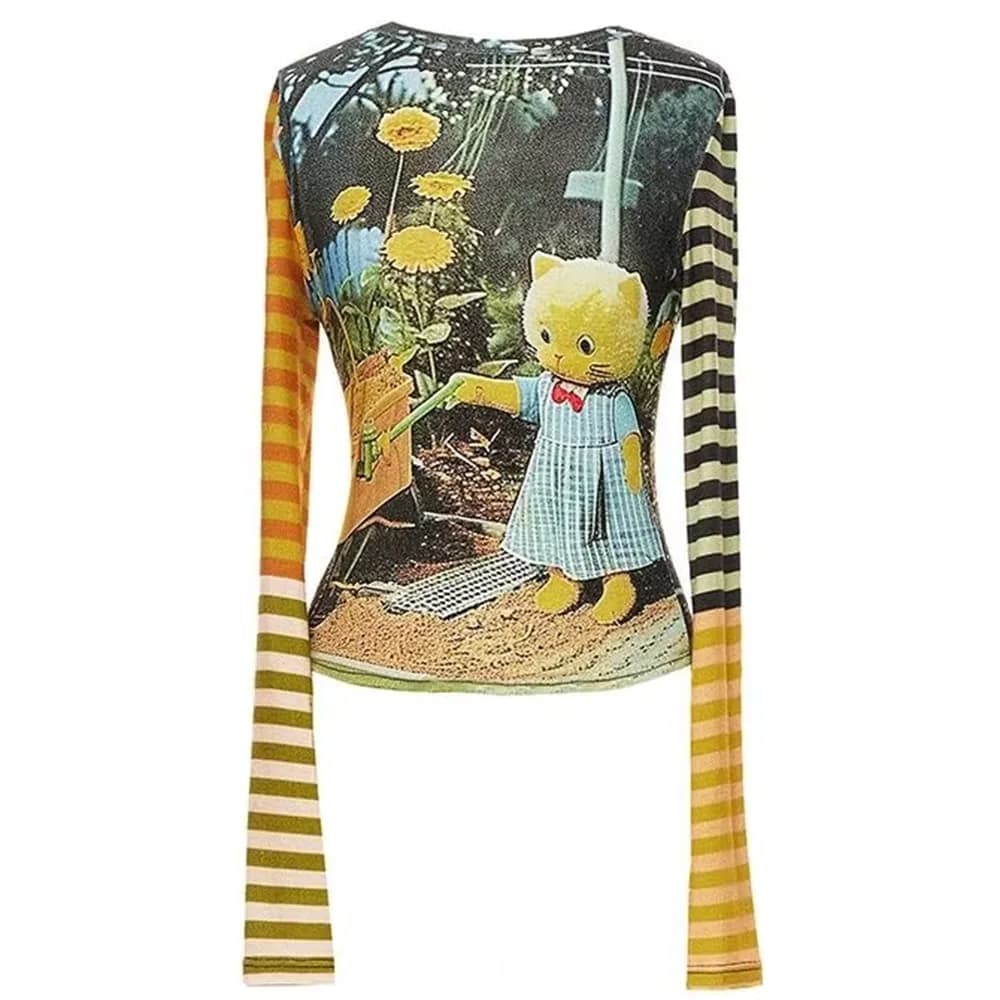
You can see this balance in action with the Indie Liminal Cat Striped Long Sleeve Top, constructed from yellow polyester. Because of its vibrant horizontal stripes and graphic tone, pairing it with a simple choker keeps your jewelry distinct from the print. Explore our broader Indie Clothes collection to find pieces that pair seamlessly with your favorite chain lengths.
- Drop chains entirely below the primary graphic, or keep them well above the print line.
- Choose thick link chains without center charms if your shirt has intricate chest artwork.
- Matte metals stand out more legibly against high-contrast prints than shiny polished surfaces.
6. Mixing Silver, Brass, and Warm Metals Naturally
The old rule that silver and gold cannot be worn together has no place in indie dressing. In fact, mixing metals is one of the easiest ways to make an outfit feel collected over time rather than purchased all at once. The secret to intentional metal mixing is balance, rather than wearing five silver pieces and a single lone gold ring.
To make mixed metals look deliberate, aim for roughly a sixty-forty balance. If your necklace stack uses two silver chains, make sure your third piece features brass, warm gold, or two-tone beads. Alternatively, incorporate a single anchor piece that naturally combines both tones, such as a silver chain with a brass bezel charm, which bridges the two metal temperatures across your whole outfit.
Carrying this mixture across your entire silhouetteThe overall shape an outfit creates, from fitted to loose and layered. makes it feel cohesive. If your neck stack leans cool-toned with bright silver links, incorporate warmth into your fingers using items from our Indie Rings range, pairing a chunky silver signet with a warm brass band on the opposite hand.
7. Adding Color: Beads, Enamel, and Natural Stones
Indie jewelry frequently incorporates playful elements like glass seed beads, clay charms, and enamel pendants. While these pieces bring personal charm to an outfit, mixing too many saturated colors across both your clothes and accessories can leave an outfit feeling unfocused. Managing color saturation is key to keeping the look grounded.
If your outfit already features multiple colors, choose jewelry accents that echo one specific hue from your clothing rather than adding new ones. For example, if you are styling the Indie Kid Plaid Summer Shorts (made from cotton and polyester in blue plaid), pick a necklace that features cobalt glass beads or a blue enamel charm. This ties your jewelry directly into your outfit palette without introducing clashing shades.
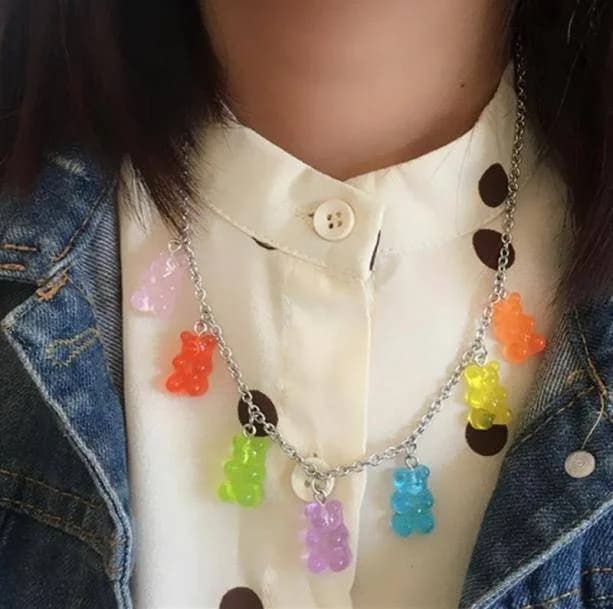
When your clothing leans toward neutral grays, washed denims, or muted tones, your jewelry can do the heavy lifting. A vibrant beaded strand worn alongside a classic metal chain adds an energetic focal point that feels fresh and youthful.
- Mirror at least one accessory accent color in your top, bottom, or footwear.
- Pair colorful seed beads directly against simple, unadorned metal chains to break up color blocks.
- Limit bright enamel pendants to one per necklace stack to avoid competing focal points.
8. Hand Styling: Ring Stacking Rules That Don't Interfere With Daily Life
Piling on rings is a hallmark of indie styling, but heavy bands on every finger quickly become uncomfortable when typing, driving, or carrying bags. A smart ring layout distributes weight comfortably across both hands while maintaining an expressive, asymmetrical look.
Instead of stacking rings evenly on every finger, choose one anchor finger per hand—usually the middle or index finger—to hold your widest band or statement stone. Balance that focal point with thinner, minimalist bands on adjacent fingers or on the opposite hand. Leaving your pinky or thumb bare gives your hands breathing room and makes the jewelry feel comfortable throughout the day.
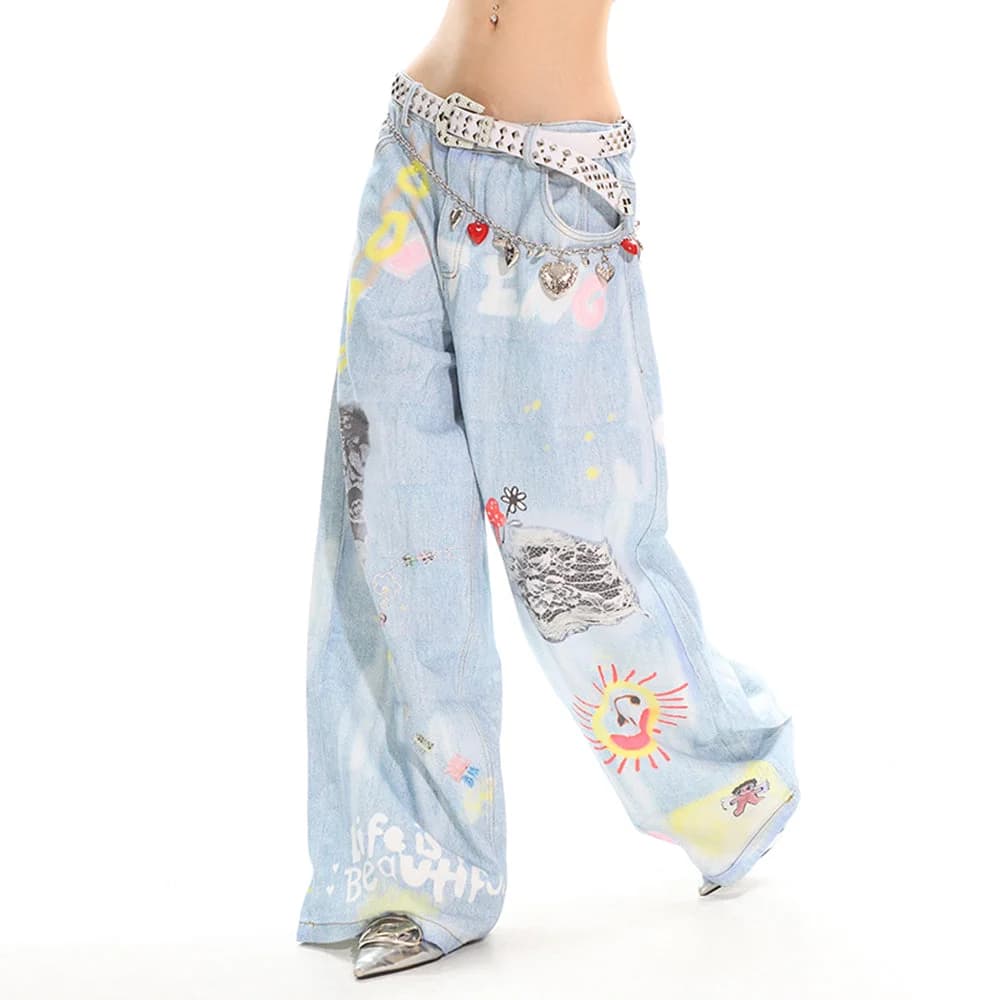
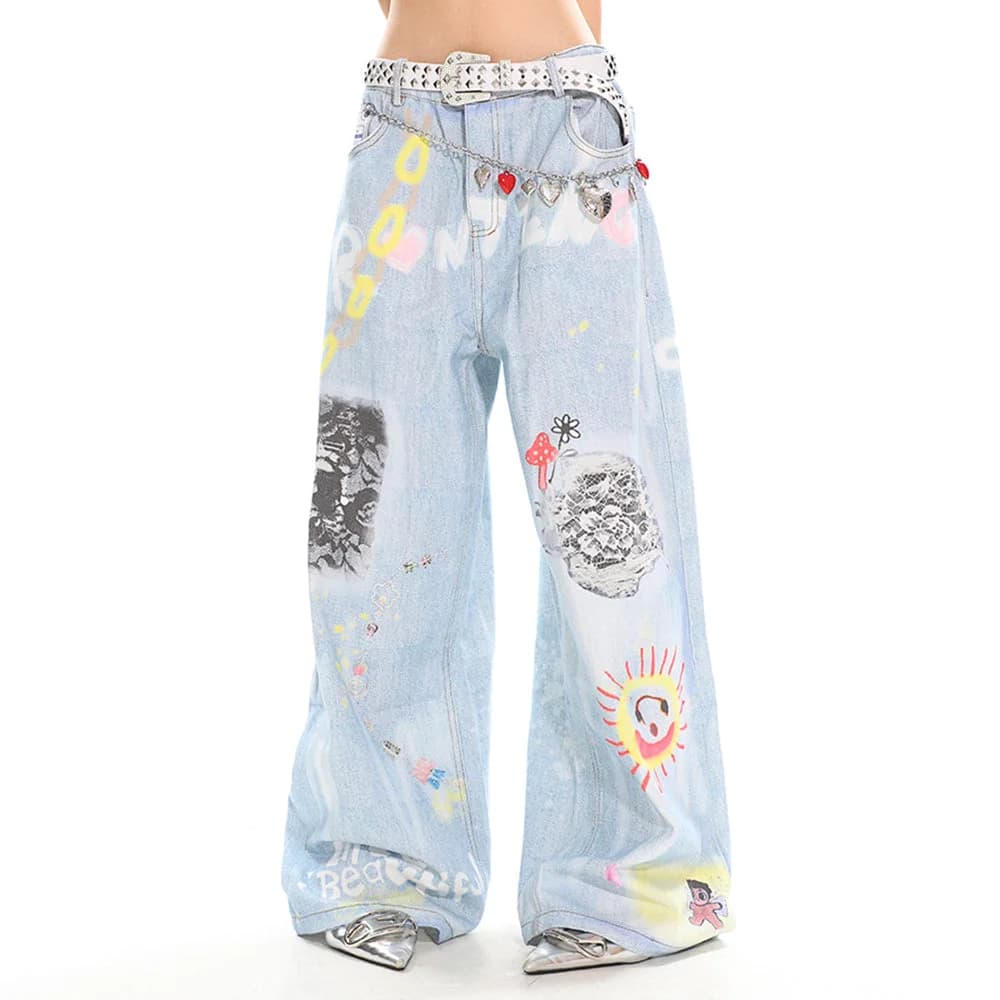
If you are wearing wide-leg statement pants like the Indie Kid Mushroom Print Jeans, cut from durable blue denim, relaxed hands loaded with mixed textured rings naturally complement the vintage skate mood of the denim. Check out our curated Indie Accessories for complementary accents like keychains and belts that round out the bottom half.
- Designate one primary statement finger per hand to keep movements comfortable.
- Leave at least one finger completely bare on each hand to maintain visual balance.
- Pair wide-gauge bands with ultra-thin spacer rings to prevent hand stiffness.
9. Open Tops and Scoops: Dressing the Collarbone
Wide scoop necks, boat necks, and off-the-shoulder cuts offer broad areas of exposed skin, creating an open canvas for your jewelry. Unlike crewnecks, where jewelry sits over fabric, bare skin allows fine chains, subtle textures, and soft color paletteA small group of colors you repeat to make an outfit feel connected.s to be seen clearly without competing against seams.
To balance an open scoop, focus your layeringWearing pieces over or under one another to add depth, warmth or contrast. right along the collarbone. A delicate 14-inch beaded choker paired with a 16-inch coin or insect charm creates an attractive frame for the neck without drifting too far down into the shirt's opening. For a fitted, feminine base, the Indie Butterfly Print Long Sleeve Top in cotton and polyester (offered in white and black) works wonderfully with delicate, stacked skin-level chains.
If the weather calls for an edgy, voluminous bottom layer, balance the delicate chest area with structured outerwear or distinct skirts. Styling this top with the Indie Kid Puffer Mini Skirt in polyester creates a compelling contrast between light, detailed jewelry up top and quilted volume below.
- Keep chain lengths between 14 and 17 inches so pendants stay on bare skin rather than dipping beneath the neckline.
- Use delicate, reflective link styles like twisted rope or figaro chains to catch light on the collarbone.
- Keep earrings modest when wearing dense collarbone stacks to avoid crowding the face.
10. Ear-to-Neck Ratios: Balancing Hoops, Dangles, and Chains
A common mistake when assembling an indie outfit is wearing oversized statement earrings alongside a complex, three-tier necklace stack. When dramatic chandelier drops or large beaded hoops sit just inches away from chunky chains, the space around your face quickly looks crowded.
Managing your jewelry layout means balancing your focal points. If you choose to wear an intricate stack of two or three necklaces, switch your earrings to simple sleepers, small silver huggies, or discreet studs. This directs attention downward to your layered chains and keeps your facial profile clean and open.
Conversely, if you want to wear bold mismatched dangle earrings or oversized safety-pin drops, simplify your chest jewelry. A single thin cord necklace or even a bare collarbone allows your earrings to be the star. Treating the ears and neck as a shared visual zone keeps your styling deliberate and uncluttered.
- Heavy necklace stacks pair best with huggies, studs, or minimal 10mm hoops.
- Statement, shoulder-dusting earrings look cleanest with a single chain or bare neckline.
- Keep metal finishes consistent between upper ear piercings and the shortest choker necklace.
11. Weather-Smart Styling: Sweat, Knits, and Outerwear Layers
Jewelry choices need to adapt to changing weather conditions. In warm, humid climates, tight chokers made from synthetic cords or heavy base metals can trap sweat and irritate the skin. Meanwhile, dry, chilly seasons introduce thick scarves and ribbed knitwear that easily pull on fine chain links.
During hotter months, swap tight neckbands for breathable 18-to-20-inch metal chains that hang away from the throat, allowing airflow. Lightweight acrylics, glass beads, and stainless steel options handle humidity well and resist moisture damage. When the temperature drops, switch from prong-set crystal charms to smooth, bezel-set stones or solid stamped tags that will not snag on wool coats or scarves.
Transitioning your accessories across seasons also means adjusting chain weights. In cooler weather, jewelry needs sufficient presence to stand out against heavy coats, while lightweight, floating pieces look best alongside airy warm-weather fabrics.
- Warm Weather: Wear looser chain lengths (18+ inches) and sweat-resistant stainless steel.
- Cold Weather: Avoid pronged settings; choose smooth bezels that slide against scarves without snagging.
- High Humidity: Limit porous clay pieces against bare skin to prevent moisture absorption.
12. The Practical Anti-Tangle Strategy
Even when you choose varying lengths, daily movement can still cause chains to twist together. Fortunately, a few practical styling habits can keep your layers separate and neat all day long without requiring constant adjustment.
One classic method is fastening your necklaces using a multi-chain spacer clasp, which anchors two or three chains at fixed intervals behind your neck. If you do not have a spacer, you can connect two necklaces together end-to-end: fasten the clasp of Chain A to the jump ring of Chain B, wrap them around your neck, and connect the remaining ends. This creates a continuous loop that resists twisting.
Another smart trick is alternating chain textures. LayeringWearing pieces over or under one another to add depth, warmth or contrast. a rigid snake chain with an open-link cable chain creates contrasting movements that naturally repel each other. The snake chain holds its smooth arc, while the cable chain drapes freely, preventing the two from tangling into knots.
- Use a multi-strand jewelry separator clasp for chains worn together frequently.
- Connect two necklaces end-to-end into one continuous double-loop to stop clasp drift.
- Pair rigid chain types (snake or box) alongside flexible types (cable or curb) to reduce friction.
13. Common Styling Mistakes to Avoid
One frequent misstep in indie jewelry styling is ignoring proportions. Wearing tiny, micro-sized pendants over heavy winter wool sweaters causes the jewelry to completely disappear into the knit. Similarly, wearing an oversized, heavy metal medallion over a sheer baby tee drags the lightweight fabric down, distorting the neckline of your shirt.
Another mistake is matching charm themes too literally. Wearing mushroom earrings, a mushroom necklace, a mushroom ring, and graphic mushroom pants turns a fun motif into a repetitive costume. It is far more interesting to mix references—pair a celestial pendant with a simple utilitarian chain, or balance quirky animal motifs with classic geometric links.
Lastly, do not forget about ring comfort. Stacking three thick bands onto a single knuckle joint restricts your finger movement and pinches the skin. Always leave knuckle joints free to bend naturally, spreading your statement pieces comfortably across multiple fingers.
- Avoid micro-pendants on thick, chunky knits where they get lost in the pile.
- Do not overload single theme motifs; balance playful shapes with neutral links.
- Ensure rings allow full finger bending without pinching the skin.
14. The Clutter-Free Indie Jewelry Checklist
Before heading out the door, take ten seconds in front of a full-length mirror to run through a quick styling checklist. Checking your jewelry against your total outfit ensures every piece has a purpose and sits comfortably.
Start at the top: does your necklace stack work naturally with your neckline, or is your pendant bouncing on a ribbed seam? Next, check your hands: can you make a loose fist comfortably without rings pressing uncomfortably into adjacent fingers? Finally, step back and look at your entire silhouetteThe overall shape an outfit creates, from fitted to loose and layered.: does your jewelry complement your clothing, or is it fighting with busy prints for attention?
When your metals feel balanced, your chain lengths have room to breathe, and your clothing works harmoniously with your accessories, your indie jewelry setup will look effortless, expressive, and tangle-free all day long.
- Chain drops are staggered at least two inches apart to prevent knots.
- The lowest pendant stops safely above or well below clothing graphics.
- Metal tones are mixed intentionally with a clear sixty-forty balance.
- Ring stacks leave at least one finger bare per hand and allow natural movement.
- Earrings and necklaces share visual weight without crowding the jawline.