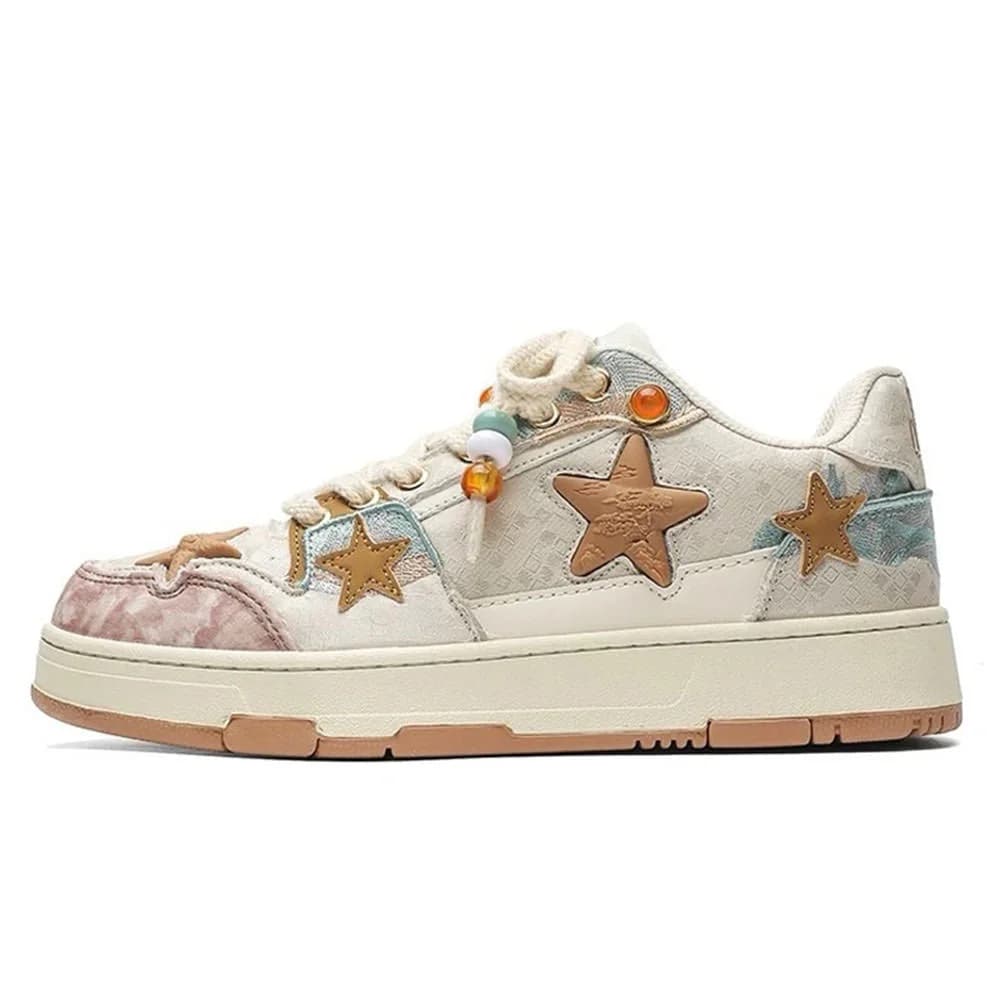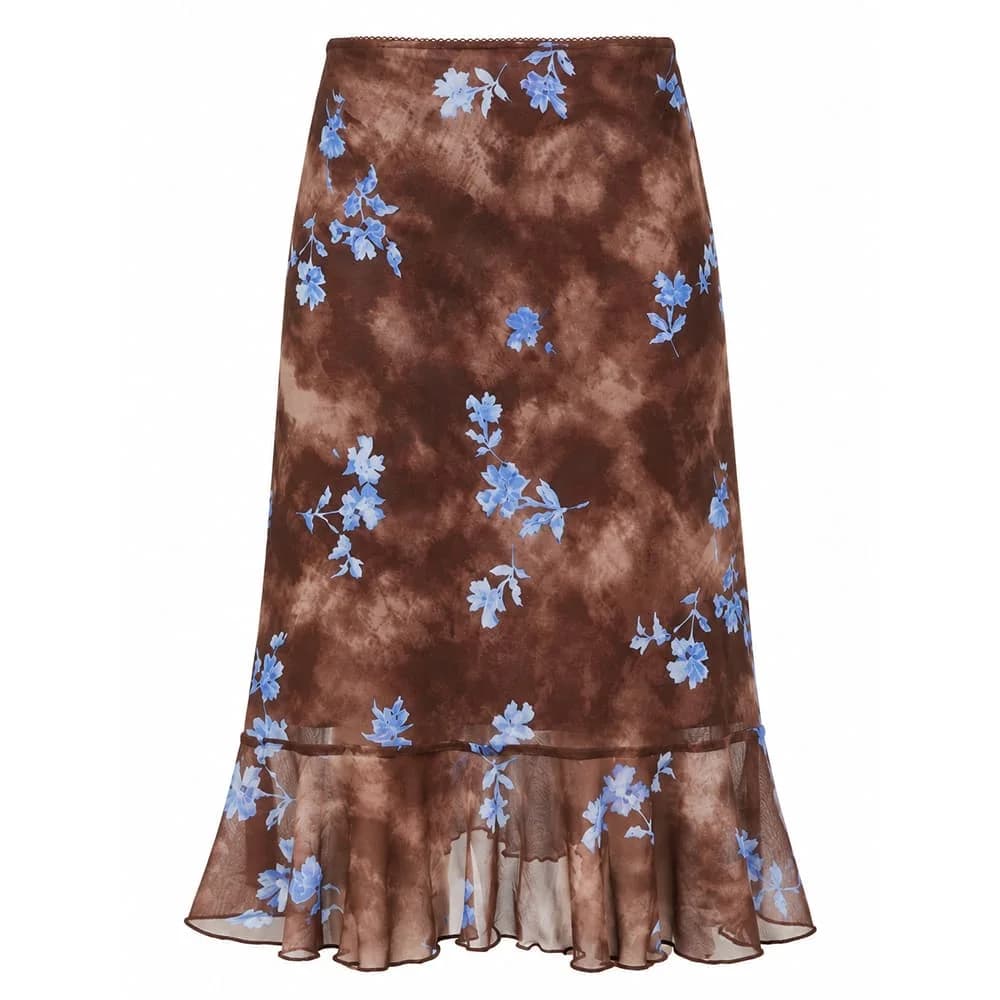
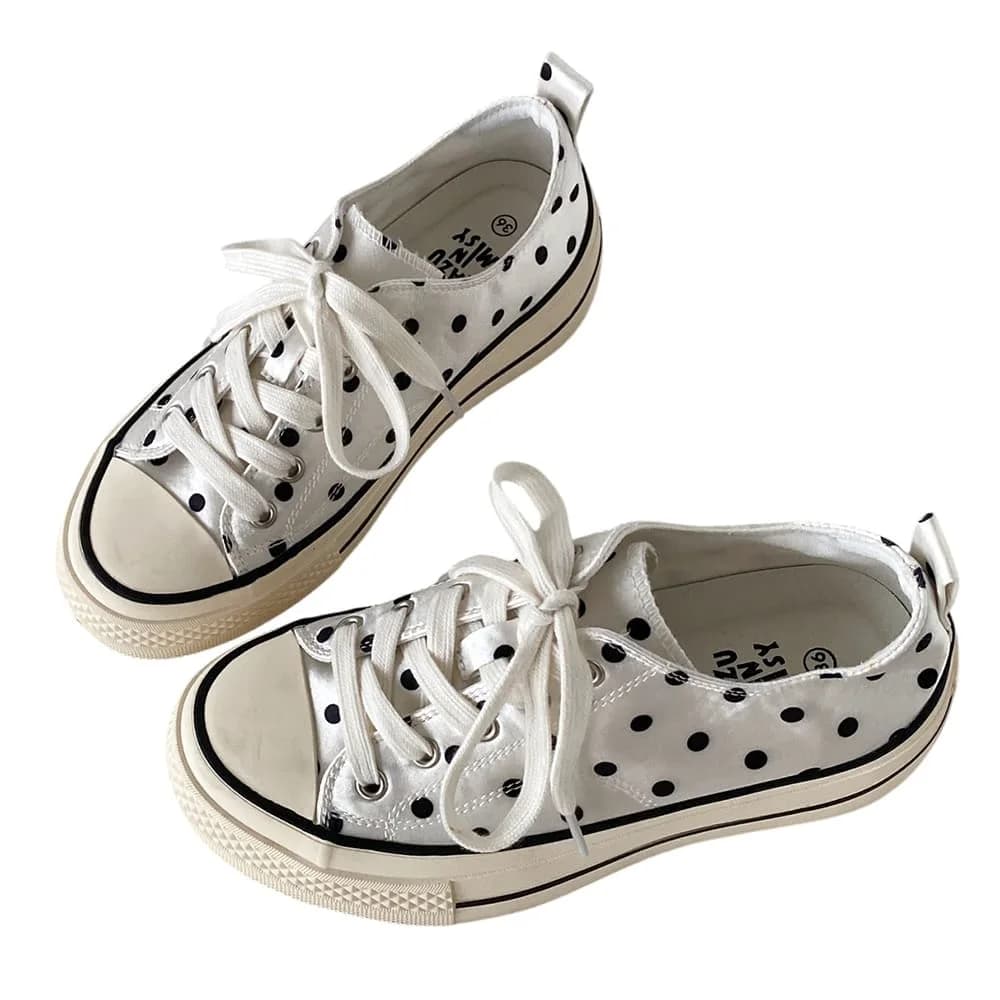
Created by the Kawaii Vibe editorial team. Our named style desks are editorial personas. Product details and availability can change.
Matching alternative footwear to your daily wardrobe often comes down to an inch or two of fabric around your ankles. When your trouser hems bunch into messy folds over a low-profile trainer, or your ankle boots disappear completely beneath stiff cuffs, the intended silhouetteThe overall shape an outfit creates, from fitted to loose and layered. quickly falls flat. Getting the balance right does not require tailoring your entire wardrobe; it simply demands an understanding of how distinct footwear profiles sit against different hem cuts.
Indie aesthetics frequently contrast structured, heavier soles with relaxed cuts, cropped vintage tops, or oversized knitwear. Because these silhouetteThe overall shape an outfit creates, from fitted to loose and layered.s play with unconventional proportions, your shoe choices anchor the whole structure. Whether you are assembling a casual everyday combination or testing platform proportions, aligning your footwear volume with your hemline prevents your outfit from feeling bottom-heavy or unintentionally disjointed.
In this guide, we break down the mechanical relationship between shoe shapes, leg openings, and hem lengths. By assessing toe profiles, sole heights, and hem breaks, you can easily pull together coordinated outfits using pieces from our broader indie clothes collection without second-guessing your footwear choices.
The Mechanics of the Trouser Break and Sole Height
A trouser break describes how fabric folds, rests, or breaks when the hem strikes your footwear. A full break occurs when the hem covers the top of the shoe and creases distinctly in the front and back, while a half break offers a single slight fold. A no-break hem finishes just at or slightly above the shoe collar, leaving the footwear fully visible. In indie fashion, deliberate use of no-break and slight-break hems keeps statement footwear unobstructed, while full puddle breaks pair well with chunky, high-volume outsoles that can carry the fabric without letting the hem drag along wet pavement.
Sole height changes your ground clearance and shifts where your trousers naturally fall. If you switch from flat canvas sneakers to elevated creeper-style soles or lugged platforms, the hemline raises relative to the sole edge. To maintain balance, broader leg openings need taller sole edges to avoid trailing on the floor. Conversely, if you wear high-rise platform footwear with narrow cuffs, the abrupt contrast between a tight ankle and an exaggerated sole can make your feet look disproportionately heavy. Balancing the width of your hem against the width of your shoe collar creates an intentional, cohesive profile.
- Full break: Best for wide-leg trousers paired with high-platform footwear to prevent fabric dragging.
- Half break: A versatile choice for straight-leg denim and low-top trainers, producing a single clean fold.
- No break: Crops cleanly above the ankle, ideal for highlighting lace details, boot shafts, or graphic socks.
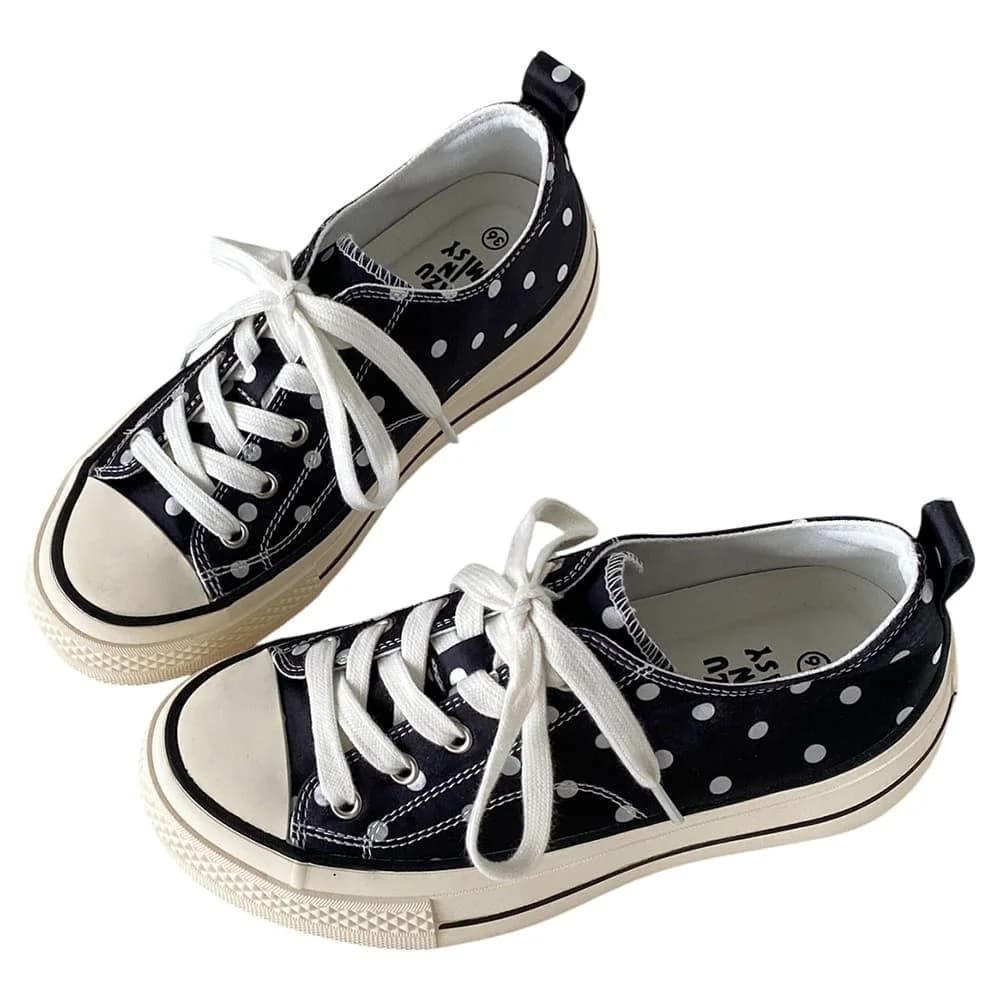
Balancing Lug Soles and Heavy Footwear With Wide-Leg Denim
Lugged treads, thick platforms, and utilitarian outsoles require pants that match their visual weight. When paired with slim cuts, chunky shoes often stick out like heavy blocks at the base of your legs. Pairing them with wide-cut jeans softens that harsh contrast, allowing the fabric to cascade gradually over the upper profile of the footwear without collapsing inward. Wide-leg cuts give bulky footwear a sturdy framework that feels visually balanced.
For example, pairing wide bottoms like the Indie Kid Baggy Jeans in blue denim with chunky footwear from our indie shoes catalog creates an easy, grounded silhouetteThe overall shape an outfit creates, from fitted to loose and layered.. The denim gathers slightly above the toe box, showcasing the front edge of the shoe while masking the ankle collar. On top, balancing that lower volume with a light base layer—such as the cotton-polyester Indie Butterfly Print Long Sleeve Top in white or black—keeps your torso streamlined so the heavy denim and sole combination remains the focal point without overwhelming your frame.


Cropped Hems and Low-Profile Canvas Shoes
Cropped cuts that stop two to three inches above the ankle bone create an immediate frame for lower-profile footwear. When you wear slim canvas flats, minimal skate shoes, or classic lace-ups, keeping the hem clear of the shoe prevents fabric from pooling awkwardly over a low collar. This exposed ankle line lets low-profile shoes retain their crisp, understated identity, rather than getting smothered beneath excessive fabric.
This setup works particularly well for casual, relaxed daytime routines. A pair of cropped, straight-leg trousers or cuffed denim pairs cleanly with slim options found in our indie sneakers selection. To lean into an informal, artistic daytime style, you can pair cropped bottoms with the relaxed Indie Kid Star Striped Long Tee, made from a comfortable cotton-polyester blend in green. The elongated fit of the top contrasts neatly against the exposed ankle, establishing an effortless streetwear look that feels both grounded and comfortable.

Styling Ankle Boots With Straight-Leg and Flared Pants
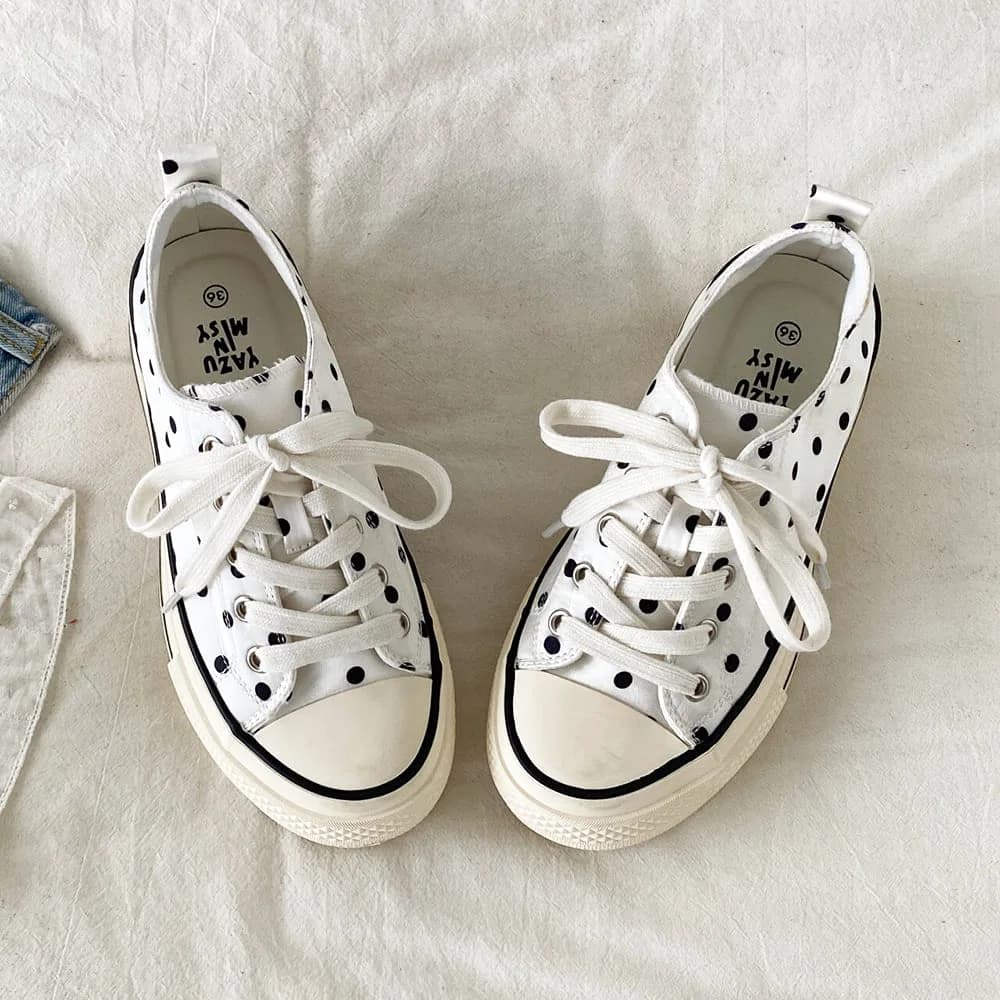
Ankle boots bring distinct height variations, ranging from short ankle booties to higher-shaft combat styles. A frequent frustration is trying to pull a narrow pant leg over a stiff boot shaft, causing the fabric to bunch up awkwardly and bunch over the leather. Flared legs and straight-cut trousers offer an immediate fix by providing ample room around the calves and ankles, letting the hem drop smoothly down the front and back of the boot.
If you are browsing through our indie boots lineup, pay close attention to the shaft diameter and height. Pairing structured combat or platform boots with straight-leg denim like the Indie Kid Mushroom Print Jeans works remarkably well because the classic straight denim cut provides enough room to drape right over the boot shaft without snagging. This lets the printed mushroom accents stand out cleanly while the boot sole anchors the hem firmly off the ground.

Mini Skirts and the Proportions of High-Top Footwear
Mini skirts shift the hemline far up the leg, turning your calves, ankles, and footwear choices into the visual center of your outfit. If you wear an ultra-flat slip-on shoe with a mini skirt, the lack of lower volume can make the bottom half of the visual profile feel sparse. High-top sneakers, structured boots, or platform creepers add necessary substance back into the lower leg, anchoring the open space left by the short hemline.
A practical skirt silhouetteThe overall shape an outfit creates, from fitted to loose and layered. for cooler or transitional temperatures is the polyester Indie Kid Puffer Mini Skirt, available in green, brown, beige, and grey. Its lightly padded texture adds substantial structure around your hips. Pairing this piece with mid-shaft boots or ankle-hugging high-top trainers grounds the quilted finish. To complete the outfit, layer the matching polyester Indie Kid Fuzzy Plaid Zip Up Sweater (available in white, purple, or green) up top, matching the textured skirt with cozy knit volume while your footwear keeps the silhouetteThe overall shape an outfit creates, from fitted to loose and layered. sturdy.
- Short skirts benefit from high-top designs or platform soles that visually anchor the lower half.
- Textured skirts like puffers or corduroy pair well with matte leather finishes and lugged rubber outsoles.
- Adding ribbed mid-calf socks bridging the gap between ankle collars and skirts prevents abrupt cutoffs.

Coordinating Footwear With Shorts and Casual Summer Cuts
Shorts create a continuous line from the thigh downward, which makes shoe volume and sock placement critical. If you choose low-profile shoes with no-show socks, your legs can look unanchored if you are wearing oversized shirts or outerwear. Conversely, pairing heavy knee-high combat boots with light cotton shorts can feel overly dense and mismatched, both visually and for warm-weather practicalities.
A balanced approach combines relaxed casual shorts with low-to-mid profile trainers and crew socks. For example, pairing the cotton-polyester Indie Kid Plaid Summer Shorts in blue with classic street options from our indie sneakers category gives you an easy, breathable base. For upper layeringWearing pieces over or under one another to add depth, warmth or contrast., throwing on the yellow polyester Indie Liminal Cat Striped Long Sleeve Top establishes a playful skate-inspired look, where the long sleeves balance the open leg, and the low-profile footwear provides functional mobility.
- Choose low-top canvas or retro athletic runners to keep summer silhouetteThe overall shape an outfit creates, from fitted to loose and layered.s light and flexible.
- Use mid-calf crew socks to soften the transition between exposed legs and the shoe collar.
- Avoid ultra-heavy, insulated boots with thin shorts to keep the look functional and weather-appropriate.
Managing Wide-Leg Hems Around Flat Versus Platform Soles
When styling very wide pant cuts, sole thickness dictates whether your outfit looks intentional or messy. Flat, low-profile soles allow wide trouser legs to pool completely, which quickly ruins your hems on wet sidewalks or uneven terrain. While floor-skimming fabric can be a deliberate fashion choice, practical daily wear demands enough elevation to preserve your clothes.
Platform soles, found throughout our indie shoes collection, lift wide-leg hems away from ground debris while preserving a dramatic drape. The broad base of a platform sneaker or creeper gives the wide hem an anchor point to fall over cleanly. If you prefer flat shoes, you will need to adjust your hem through a pinroll, a wide cuff, or by pairing them with cropped wide trousers instead of full-length puddling pants.
- Platforms lift long trousers off damp pavement, preventing hem fraying and water damage.
- Flat shoes require shorter inside seams or deliberate cuffing to keep extra fabric tidy.
- Wide hems need firm shoe uppers so the fabric drapes around the footwear rather than swallowing it entirely.
How to Choose Socks and Tights to Bridge Tricky Hem Gaps
The empty space between your hemline and the collar of your shoe can sometimes throw off an otherwise great outfit. An abrupt patch of bare skin between dark boot tops and cropped denim can visually cut your leg in half, altering your proportions. Socks and hosiery act as a visual bridge, either blending the transition smoothly or introducing intentional contrasting accents.
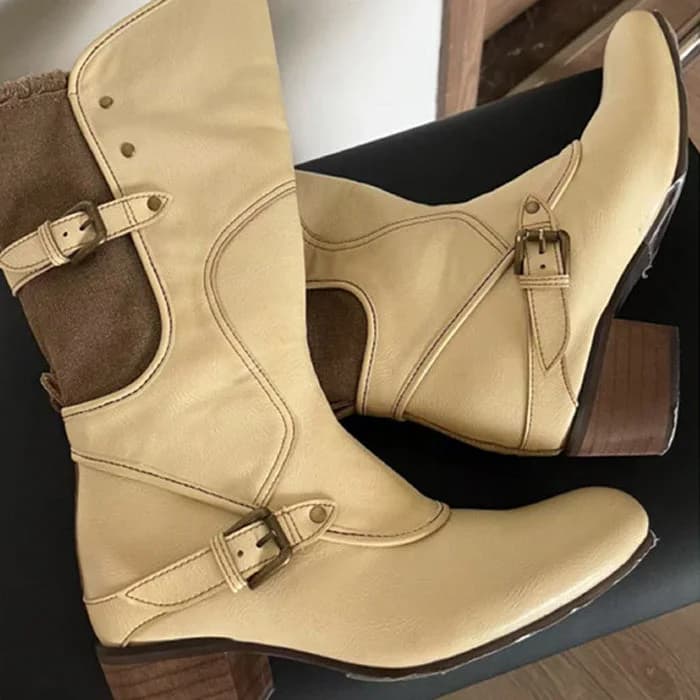
Ribbed athletic socks, fishnets, printed tights, and textured leg warmers all let you adjust how your footwear connects to your hems. If you are pairing mid-calf platform boots from our indie boots with a mini skirt, solid opaque tights create a continuous vertical line that elongates the leg. If you are sporting low-top sneakers with cropped straight-leg denim, neutral ribbed socks add subtle texture that prevents the ankle gap from feeling like a styling afterthought.
- Opaque tights smooth out the contrast between high skirts and chunky boot shafts.
- Chunky knit socks slouched over boot collars soften sharp edge lines on structured footwear.
- Patterned hosiery adds visual depth when pairing simple flat footwear with solid-colored hems.
Adapting Footwear and Hems for Wet and Cold Weather
Rain, mud, and slush quickly ruin loose, trailing hems. In wet or cold conditions, puddling your jeans over flat canvas shoes is a recipe for soaked fabric that wicks moisture halfway up your shins. Weather-ready indie styling prioritizes firm ground clearance and hems that stay safely elevated above puddles.
In colder conditions, tucking straight denim or cords securely into tall, weather-resistant boots is both functional and stylish. Alternatively, selecting platform combat boots with deeply grooved treads keeps your wide-leg denim well above street level. Outer layers, such as thick jackets or cozy knits from our indie tops collection, pair naturally with heavy-duty boot designs, ensuring that your silhouetteThe overall shape an outfit creates, from fitted to loose and layered. looks well-equipped for seasonal shifts without sacrificing its alternative aesthetic.
- Choose elevated platforms and thick outsoles to create physical clearance over standing water.
- Avoid trailing, un-cuffed wide-leg jeans on rainy days to prevent moisture wicking.
- Tuck narrower pant legs into mid-calf boots to keep cuffs clean and block out chilly wind.
Contrasting Deliberate Color Palettes Between Shoes and Hems
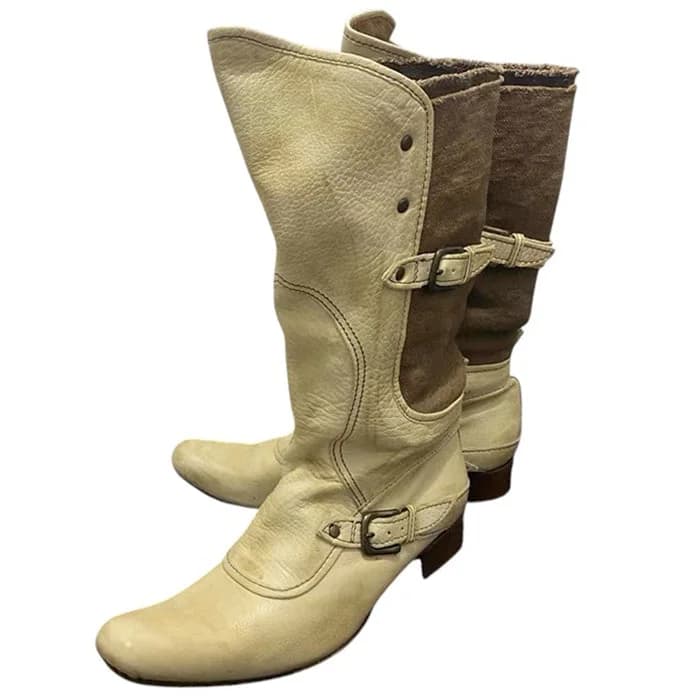
Color placement between your footwear and hem dramatically shapes how tall and balanced you appear. Matching the color of your trousers directly to your shoes creates a continuous vertical line, making your legs look longer. While this is great for streamlined outfits, indie fashion often thrives on intentional, sharp contrasts where footwear stands out as a distinct, deliberate accent.
If you are wearing pale blue denim like the Indie Kid Baggy Jeans, pairing them with dark boots or vivid sneakers immediately separates your feet from your legs. To tie the whole outfit together without feeling chaotic, mirror your footwear shade somewhere above your waist. For instance, pairing dark shoes with a dark jacket or pairing colorful canvas flats with a patterned top from our indie tops category creates a cohesive, well-considered palette across your entire frame.
Comparing Footwear Styles: Indie Sneakers vs. Indie Boots
Deciding between sneakers and boots changes both how comfortable you will be and how your clothes fall around your ankles. Sneakers generally have flexible collars, lighter outsoles, and lower profiles, making them an ideal match for casual cropped trousers, relaxed denim, and sporty summer shorts. They lend a casual, streetwear-friendly edge to everyday outfits and are easy to throw on for active days.
Boots provide rigid ankle support, heavier lug soles, and taller shafts, shifting your overall look toward something more grounded, rugged, or vintage-inspired. Boots effortlessly anchor heavy fabrics like thick corduroy, stiff raw denim, and structured mini skirts. When deciding between the two within our indie clothes offerings, consider your day's walking demands alongside the weight of your fabrics; light jerseys and flowing cottons naturally suit sneakers, while dense denim, heavy wools, and puffers feel right at home with boots.
- Indie sneakers offer everyday flexibility and match cropped pants and athletic cuts effortlessly.
- Indie boots bring structural support and easily anchor thick, winter-weight garments.
- Sneakers keep outfits casual and sporty; boots push your style in a bolder, vintage, or utilitarian direction.

Common Footwear and Hem Coordination Pitfalls to Avoid
One common coordination misstep is wearing trousers that are slightly too long for flat shoes, leading to chewed-up back cuffs and fraying heels. If you love long trousers, pair them with high platforms, or commit to a neat cuff when switching to flats. Another frequent mistake is forcing narrow skinny jeans over the outside of rigid boot collars, which creates awkward bunching around the calves; skinny cuts belong tucked inside tall boots, while straight and wide cuts should fall smoothly over the top.
Another pitfall is pairing ultra-delicate, thin footwear with excessively heavy outerwear and chunky knit layers. An oversized winter coat paired with paper-thin slip-on shoes makes your frame look top-heavy and visually unbalanced. Always check that the visual weight of your footwear—measured by its sole height, width, and material structure—balances the bulkiest item in your overall outfit.
- Avoid letting un-cuffed hems drag underneath flat sneaker soles to prevent fabric fraying.
- Never force narrow pant legs over wide boot shafts; tuck them in or opt for wider cuts.
- Do not pair flimsy canvas flats with massive puffer jackets; match heavy tops with grounded footwear.
Building an Everyday Wardrobe Around Three Core Shoe Silhouettes
Building a versatile alternative wardrobe does not require dozens of shoe options. In practice, curating three dependable silhouetteThe overall shape an outfit creates, from fitted to loose and layered.s will effortlessly cover nearly every hem length and trouser cut you own. Aim for one reliable low-top canvas or retro runner sneaker, one robust platform combat boot, and one statement chunky shoe—such as a lug-sole loafer, creeper, or platform sneaker.
Your low-top sneakers will handle warm afternoons, cropped jeans, and relaxed shorts seamlessly. The platform combat boots take over during colder months, anchoring wide-leg jeans, cargo pants, and structured skirts while lifting you clear of winter puddles. Finally, your chunky platforms will bridge everyday street aesthetics with playful, retro-inspired outfits, pairing naturally with straight-leg denim and mini skirts alike. This simple three-part foundation guarantees you always have an effortless, stylish footwear match ready to go.

Quick Pre-Outfit Hem and Shoe Checklist
Before stepping out the door, running through a quick mental checklist saves you from spending the day adjusting awkward cuffs or dragging your hems. Start by checking your hem break: does the fabric drape cleanly over the shoe, or is it bunching into messy, chaotic folds? If it looks messy, a simple cuff roll, pin, or quick footwear swap to a taller platform instantly resolves the issue.
Next, evaluate your ankle transitions. If you have an exposed ankle gap, decide whether bare skin looks right, or if a pair of textured ribbed crew socks or patterned tights would bridge the outfit more cleanly. Finally, check your overall proportions in a full-length mirror. Ensure the visual heft of your shoe sole balances your outerwear, tops, and trousers, resulting in an outfit that feels deliberate and comfortable from head to toe.
- Check ground clearance to ensure hems hover slightly above the floor without catching under the heel.
- Confirm the pant leg either drapes cleanly over the boot shaft or tucks smoothly inside without awkward bulges.
- Verify that sock height and color provide an intentional transition across any exposed ankle gaps.
- Balance your top layer: ensure heavy winter coats and cozy knitwear are grounded by sturdy footwear.