Created by the Kawaii Vibe editorial team. Our named style desks are editorial personas. Product details and availability can change.
LayeringWearing pieces over or under one another to add depth, warmth or contrast. knitwear can feel tricky when you want an authentic indie look that feels relaxed rather than sloppy or overly bundled. The secret lies in balancing fabric weights, necklines, and hem lengths so each piece shows intentionally. Whether you are dealing with crisp morning air, damp coastal afternoons, or shifting indoor temperatures, building an outfit in clean steps ensures you stay comfortable while keeping your personal style sharp.
To make knitwear work year-round, you need to think about how inner pieces sit against outer textures. An oversized pullover behaves completely differently over a slim graphic tee than it does over a structured collar. This guide breaks down direct formulas for matching proportions to your frame, pairing complementary garments, and building a versatile wardrobe without guesswork.
1. Understanding Indie Knit Silhouettes
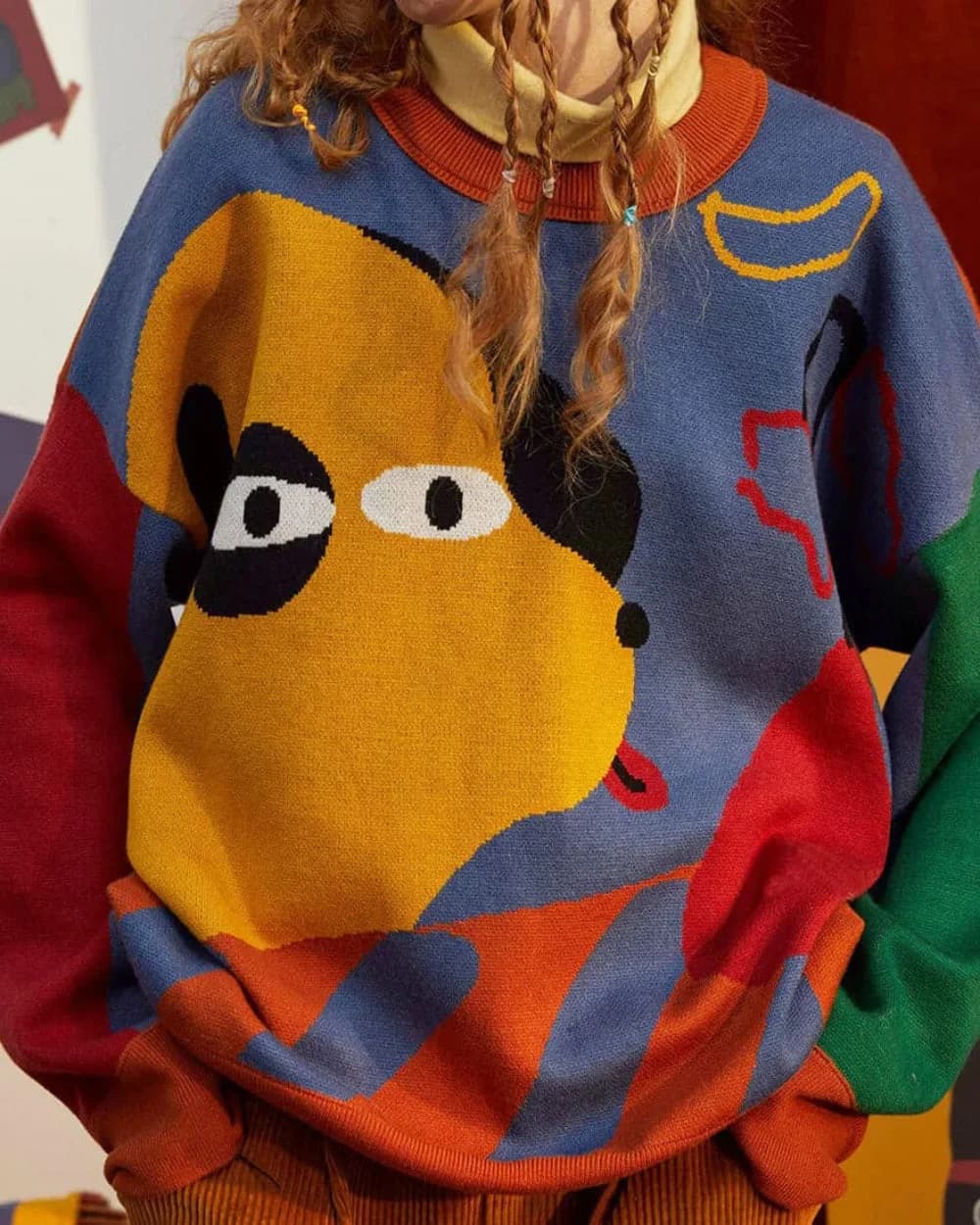
Indie knitwear leans heavily into tactile textures, dropped shoulders, relaxed hems, and vintage-inspired details. Unlike conventional business casual sweaters that taper closely at the wrists and waistline, pieces within the Indie Sweaters lineup often feature slouchy sleeves, rolled collars, or chunky ribbed cuffs designed to pool loosely over your hands. Recognizing these specific design cuts helps you plan which undergarments will glide on comfortably and which will bunch up uncomfortably.
When evaluating silhouetteThe overall shape an outfit creates, from fitted to loose and layered. types, categorize your knits into boxy crops, slouchy mid-length jumpers, and elongated cardigans. A boxy cut gives you room to showcase longer inner hems peeking out beneath, creating intentional horizontal breaks across your hips. In contrast, an elongated knit acts as a framing layer, requiring a more streamlined inner column to prevent your torso from disappearing under heavy fabric folds.
Before assembling an ensemble, inspect the yarn gauge and weave tension. Open or waffle knits allow subtle contrast colors from your base layer to shimmer through, whereas dense jacquards or boucle textures serve as standalone statements. Knowing how your knit sits on your body allows you to make deliberate choices about volume and structure right from the start.
- Boxy cuts: Best for revealing contrast base hems and high-waisted bottoms.
- Mid-length pullovers: Require structured collars or clean cuffs to define shape.
- Loose duster lengths: Work best when worn open over fitted central foundations.
2. Fabric Gauges, Weights, and Layering Order
A successful layered look always moves logically from lightest weight closest to your skin to densest texture on the outside. Putting a heavyweight cotton t-shirt beneath a delicate, fine-gauge knit often results in awkward friction, twisted seams, and noticeable bunching around your armpits. Instead, prioritize smooth base fabrics that reduce static cling and allow the heavier knit to drape naturally.
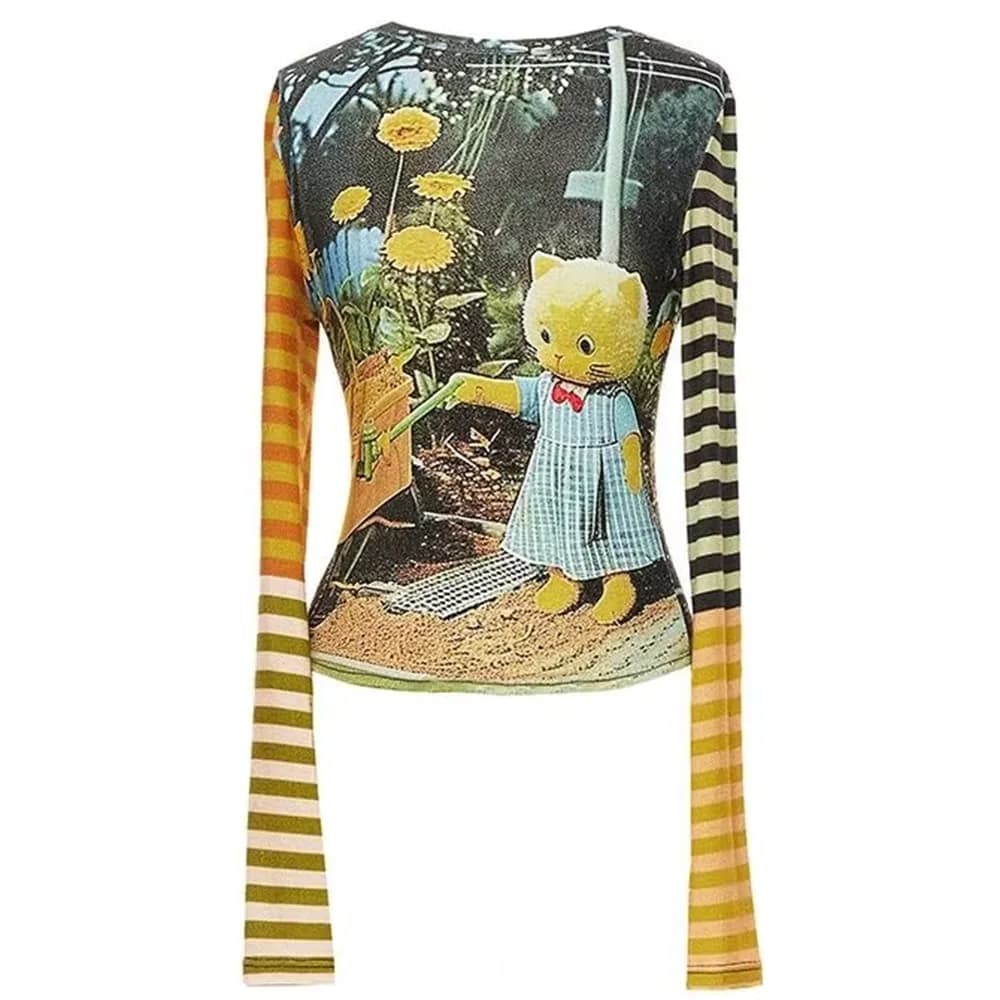
When planning your daily rotation, select base tops made of lightweight synthetic blends or finely combed textiles that sit flat against the torso. A piece like the Indie Butterfly Print Long Sleeve Top, crafted from a cotton and polyester blend, acts as an ideal smooth canvas. Its close-fitting profile glides under mid-gauge knits without tugging or riding up, giving you a smooth canvas with an artistic graphic touch.
Reserve your heavier yarns and textured garments for mid-layeringWearing pieces over or under one another to add depth, warmth or contrast. or topcoats. If an outer knit contains synthetic yarns like acrylic or polyester, it will hold heat effectively while providing structured volume. By sequencing your outfit from soft, thin base tops to heavier outer shells, you ensure physical comfort throughout unpredictable weather changes.
- First layer: Smooth, low-friction fabrics that sit close to your frame.
- Second layer: Mid-gauge knitwear or textured pullovers that add insulation.
- Third layer: Wind-resistant jackets, utility vests, or heavy open-front wraps.

3. Curating Foundation Tops and Tees
Base layers do far more than provide extra warmth; they set the visual framing at the neckline, wrists, and waist. Simple crewnecks, micro-ribbed long-sleeve tops, and printed graphics provide contrast against the solid ribs or heathered yarns of your favorite jumpers. Browsing through Indie Tops gives you an idea of how varied graphics, scoop necks, and raw hems change the character of an otherwise simple knit outfit.
If your outer layer has a wide or boat-style neckline, an inner top with a contrasting crew collar keeps the look balanced and anchored. For instance, pairing a dark pullover with a vibrant long-sleeve foundation like the Indie Liminal Cat Striped Long Sleeve Top in yellow polyester lets bold sleeve cuffs peek past sweater cuffs. This small detail adds an unexpected pop of color at the wrist without demanding extra bulk around the shoulders.
For days with fluctuating temperatures, consider how the base layer looks on its own if you need to take your knit off indoors. A well-fitted graphic or striped top ensures your outfit remains expressive and cohesive throughout the day, rather than feeling like an incomplete undershirt.
- Exposed cuffs: Pull patterned sleeves two inches past your sweater wrists.
- Visible neck trim: Let high-contrast collars frame a scoop or v-neck knit.
- Standalone readiness: Choose foundation tops you are comfortable displaying alone.
4. Styling with Casual Graphic T-Shirts
One of the easiest ways to build a casual look is dropping an oversized knit over a classic graphic tee. Exploring Indie T-Shirts reveals how faded prints, skate graphics, and nostalgic motifs can ground heavier outer knits in casual style. The goal is to allow parts of the design to show at the neckline or beneath an unzipped front.
Using an extended tee creates a relaxed tier effect. The Indie Kid Star Striped Long Tee, made from a cotton and polyester blend in green, works exceptionally well as an anchoring layer beneath shorter or cropped knits. Its elongated torso provides a graphic break that divides your upper body from your trousers, while the striped motif creates visual rhythm under solid knitwear.
When combining tees with knits, watch the collar tension. A tight ribbed t-shirt collar provides a crisp backdrop against a slouchy knit, whereas a stretched or worn collar can make the combination look untidy. Choose tees that sit flat against your collarbone to maintain an intentional, styled aesthetic.
- Graphic peaking: Center prints visible beneath unbuttoned or unzipped knit layers.
- Hem steps: Allow 2 to 4 inches of t-shirt fabric to drop below a cropped jumper.
- Pattern mixing: Pair fine horizontal stripes with solid, chunky-textured outerwear.

5. Incorporating Button-Downs and Collars
Introducing a collared shirt under an indie knit bridges the gap between structured vintage style and relaxed casual wear. Poplin, corduroy, or flannel shirts worn beneath a crewneck knit immediately frame the face. The key to keeping this look indie rather than formal is leaning into oversized shapes, playful points, or slightly rumpled textures rather than stiffly pressed business collars.
To prevent the stiffness often associated with collared layeringWearing pieces over or under one another to add depth, warmth or contrast., leave your collar unbuttoned at the top button, letting the points rest naturally over the neckline of your knit. Pull the collar points out so they rest over the knit fabric rather than hiding inside it, which helps flatten the neckline and prevents the collar from rubbing uncomfortably against your throat.
You can also play with asymmetry by leaving the shirt tail untucked on one side, or allowing the back hem of the shirt to extend below your knit while the front remains level. This breaks up predictable lines and adds an effortless, lived-in feel to your everyday look.
- Soft collars: Choose brushed cotton or flannel to prevent neck chafing.
- Collar placement: Spread collar points smoothly outside the sweater neck.
- Sleeve cuffs: Fold the woven shirt cuff back over the knit cuff once for security.

6. Transitioning with Indie Cardigans
While pullovers are great for sustained cold, open-front pieces offer unmatched adaptability. Exploring Indie Cardigans shows you how buttons, zippers, and draped cuts give you flexible styling options as indoor and outdoor temperatures shift. A cardigan acts as both an insulator and a visual frame for whatever base you wear underneath.
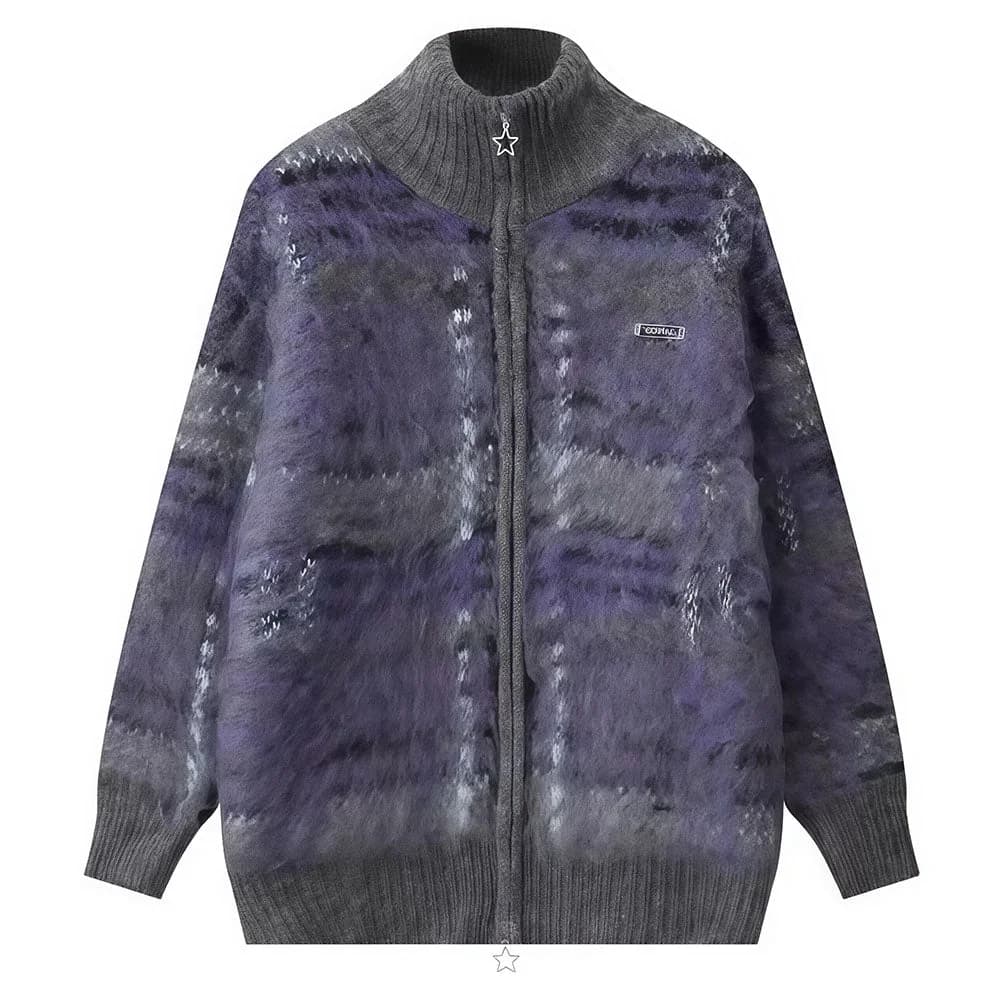
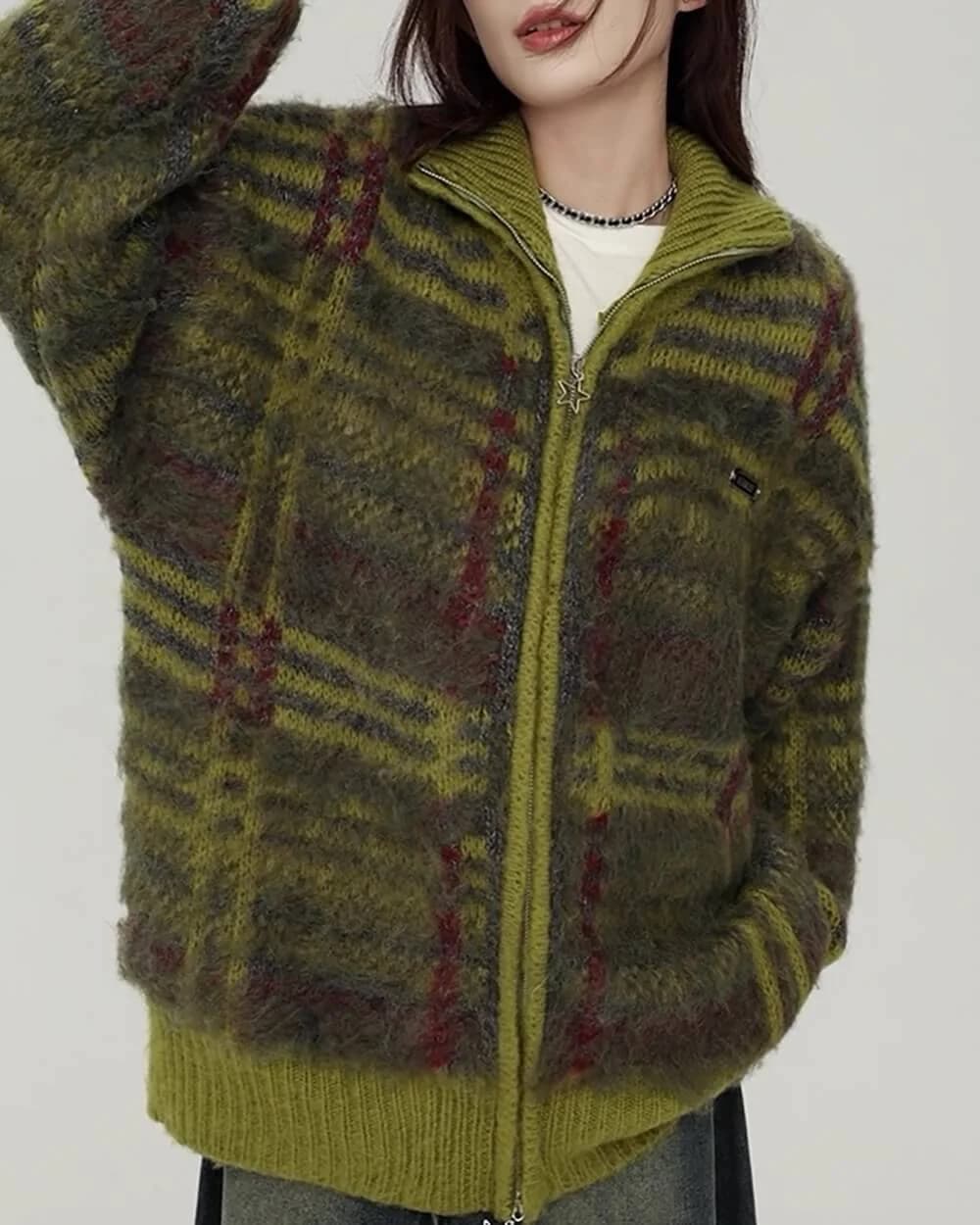
Zip-up knits bring a modern, utilitarian edge to layered outfits. The Indie Kid Fuzzy Plaid Zip Up Sweater, constructed from textured polyester and available in white, purple, and green, lets you adjust your neckline throughout the day. You can zip it midway to create an angular collar that highlights an inner graphic top, or leave it fully unzipped to let your base layer take center stage.
When working with cardigans, pay attention to button spacing and drape. Fastening just the center two buttons of a loose cardigan creates an easy hourglass or A-line silhouetteThe overall shape an outfit creates, from fitted to loose and layered., allowing the lower hem to flare naturally over wider bottoms while keeping your chest protected from chilly breezes.
- Mid-zip styling: Fasten halfway to form an open spread collar.
- Split fastening: Button only the midriff area to create a dynamic A-line flare.
- Fabric harmony: Pair fuzzy textures with smooth woven or knit basics underneath.

7. Proportions for Petite and Shorter Frames
When you have a shorter frame, heavy knits can easily overwhelm your natural proportions if they lack vertical definition or hit at an awkward point on the legs. The standard styling goal here is to keep the eye moving vertically while maintaining the relaxed charm that makes indie knitwear so appealing. Cropped knits and high-rise pairings are your best allies here.
Pairing a cropped jumper with high-waisted bottoms visually lengthens your legs, while retaining the relaxed fit through the shoulders and arms. Avoid knits that terminate directly at mid-thigh, as this cuts your vertical line in half. Instead, select pullovers that sit right at the waistband, or opt for extra-long dusters that form unbroken vertical borders down the sides of your body.
Rolling your sleeves can also make a big difference on shorter frames. Pushing an oversized sleeve up toward the elbow exposes your wrists and forearms, adding an open, airy touch that keeps substantial knits from looking like they are swallowing your frame whole.
- Cropped hemline: Choose lengths that meet the top of your waistband.
- Exposed forearms: Push or cuff voluminous sleeves up to reveal narrower wrists.
- Monochrome base: Keep your inner top and pants in similar tones to lengthen your line.
8. Balancing Volume for Taller and Broader Frames
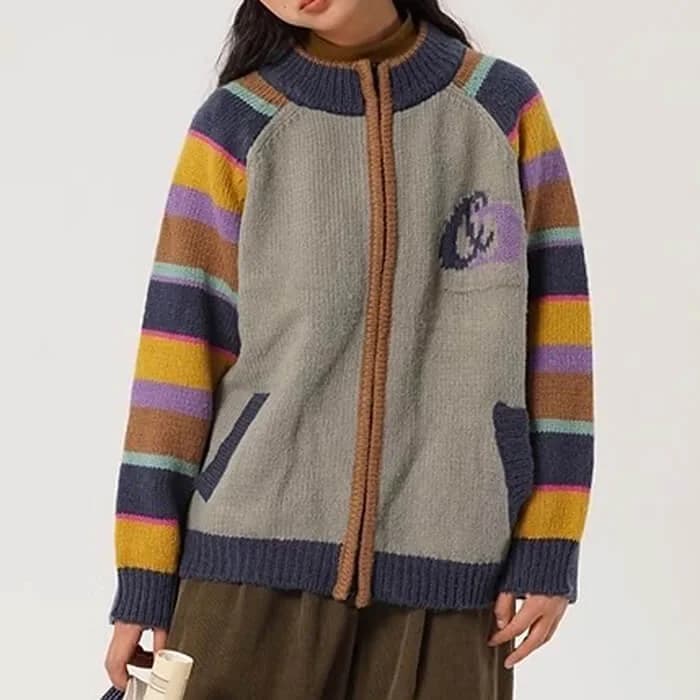
Taller or broader frames have the advantage of carrying oversized knits naturally, but balancing volume remains essential to avoid looking boxy. When wearing an expansive, heavyweight jumper, pairing it with overly tight bottoms can create an uneven top-heavy effect. Grounding your knit with relaxed, straight, or wide-leg trousers creates a cohesive, well-proportioned silhouetteThe overall shape an outfit creates, from fitted to loose and layered..
Experiment with drop-shoulder seams, which soften the line of broader shoulders and allow chunky yarns to drape downward rather than projecting outward. Deep V-necks, extended button plackets, and vertical knit ribs are especially flattering, as they guide the eye down through the center of your outfit.
LayeringWearing pieces over or under one another to add depth, warmth or contrast. with longer base pieces also works well on taller bodies. You can comfortably wear an extended graphic tee beneath a boxy pullover without risking compressed proportions. The extra vertical space allows each layer to show clearly, highlighting the distinct texture and color of every piece.
- Drop shoulders: Soften shoulder lines and promote downward fabric drape.
- Vertical motifs: Incorporate wide ribs or vertical striping to add central focus.
- Proportional bottoms: Balance wide knits with relaxed or straight-leg legwear.
9. Adapting Knits for Mid-Size and Curvy Shapes
LayeringWearing pieces over or under one another to add depth, warmth or contrast. knits on curvy and mid-size frames is all about controlling where fabric gathers and ensuring soft drape over the bust, waist, and hips. Chunky, stiff yarns that stand away from the body can add unintended bulk. Instead, look for knits with fluid drape, flexible synthetic or blended weaves, and open front options that create vertical panels.
Leaving cardigans unbuttoned creates two clean vertical lines down your torso, visually narrowing the center column while still letting you enjoy cozy textures. When wearing pullovers, try a gentle front tuck into the waistband of your jeans. Tucking just a small two-inch section of the center hem defines your natural waistline without flattening the knit's slouchy fit across the back and sides.
Scoop, square, and V-necklines help open up the chest area, creating balanced breathing room beneath cozy knitwear. Pairing an open neckline with a slightly higher-necked, contrasting inner tee offers both coverage and depth without adding unwanted volume.
- The French tuck: Secure the front center hem loosely to highlight your waist.
- Open fronts: Use long cardigans to establish vertical side borders.
- Fluid yarns: Opt for supple knits that conform to your shape instead of stiff fibers.
10. Pairing Sweaters with Denim and Trousers
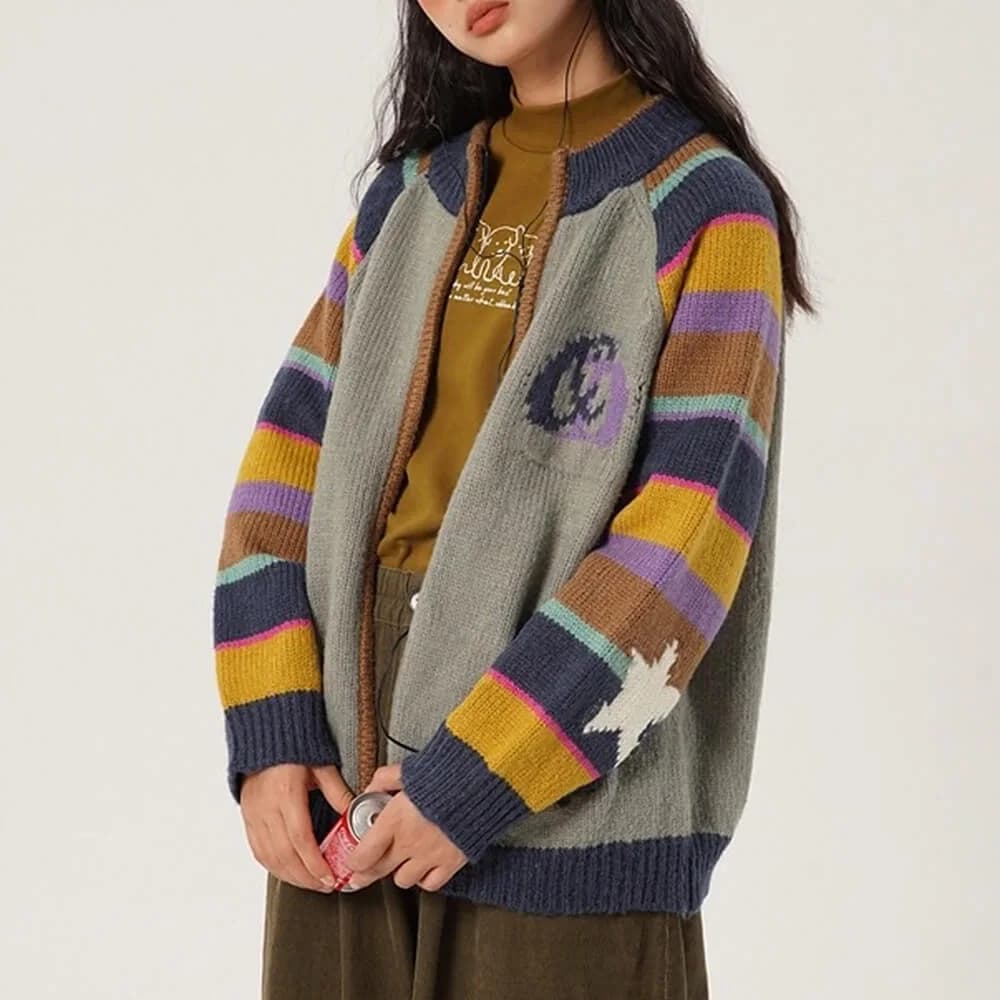
Denim provides the ultimate texture contrast to soft knitwear. The rugged, structured surface of cotton twill offsets the fluffy, looping nature of yarn. When building outfits from the wider world of Indie Clothes, coordinating the volume of your pants with the weight of your sweater is essential for a balanced profile.
Slouchy knitwear pairs effortlessly with relaxed denim cuts. The Indie Kid Baggy Jeans, crafted from classic blue denim, provide the ideal volume to match oversized cardigans and roomy pullovers. The wider leg opening prevents chunky knit tops from looking disproportionately heavy, anchoring the entire outfit with casual confidence.
If you prefer a playful twist, try pairing textured sweaters with patterned trousers. Wearing the Indie Kid Mushroom Print Jeans in blue denim under a solid or lightly heathered knit introduces whimsical personality. Grounding a bold print with a calm, neutral knit keeps your look balanced, artistic, and easy to wear.
- Volume matching: Combine wide knits with relaxed-fit or baggy denim.
- Printed bottoms: Pair graphic jeans with solid knitwear to avoid sensory overload.
- Footwear anchor: Wear chunky sneakers or platform boots to complement wide hems.
11. Layering Over Skirts and Shorts
LayeringWearing pieces over or under one another to add depth, warmth or contrast. knitwear over skirts and shorts opens up exciting styling possibilities, letting you mix textures and shapes across different temperatures. A heavy knit paired with bare legs or sheer tights captures the playful contrast at the heart of indie fashion. This approach lets you carry your favorite warm-weather pieces smoothly into cooler months.
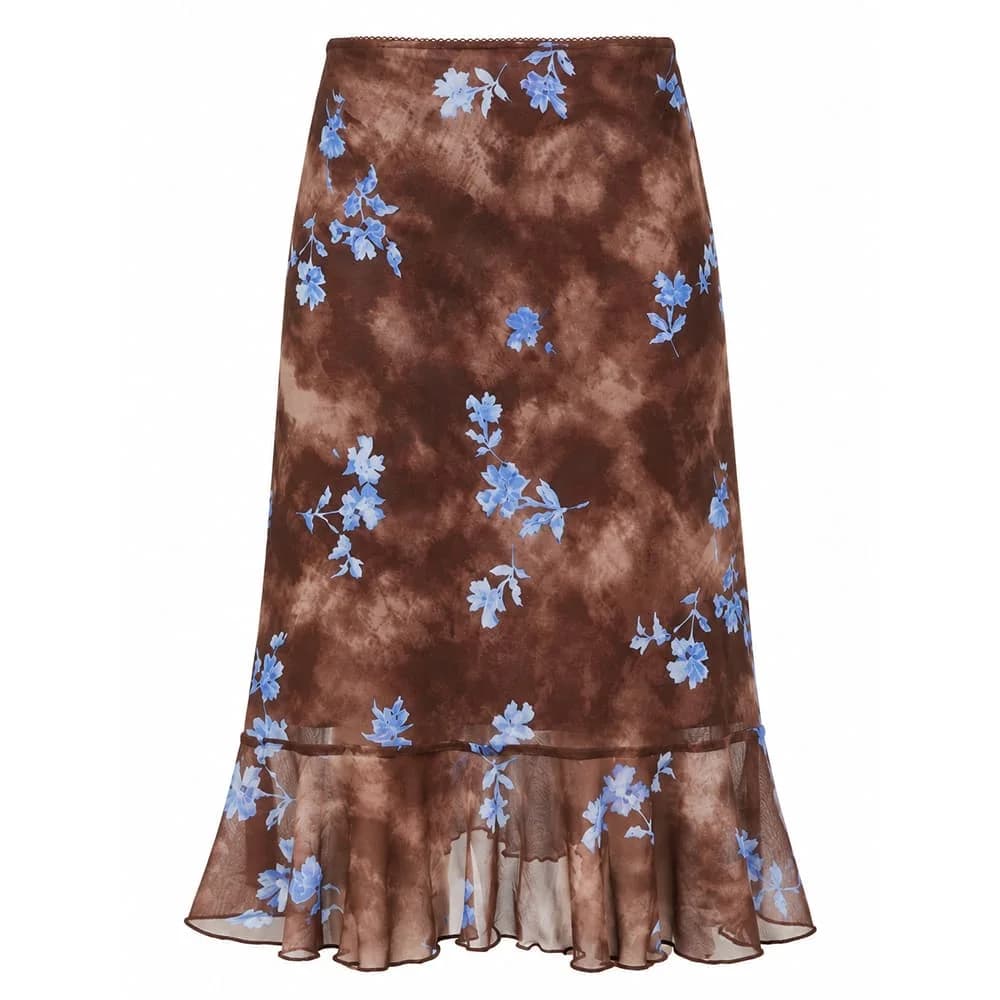
For a sporty street-ready combination, match a boxy knit with the Indie Kid Puffer Mini Skirt. Available in polyester across green, brown, beige, and grey colorways, this skirt introduces a sleek, quilted texture that contrasts nicely against fuzzy yarns. The straight, compact hem of the mini skirt balances out the soft volume of an oversized pullover on top.
In milder weather, you can easily pair loose cardigans with casual cotton bottoms. Throwing an open knit over the Indie Kid Plaid Summer Shorts in blue cotton and polyester creates an effortless, laid-back outfit. The visible plaid pattern peeking out beneath a solid cardigan adds nostalgic charm while keeping you comfortable on breezy afternoons.
- Texture contrast: Balance soft yarns against quilted, denim, or woven skirts.
- Proportion balance: Keep mini skirts structured when pairing with loose knits.
- Seasonal crossover: Add tights beneath summer shorts to extend their wear into fall.

12. Warm-Weather and Cool-Weather Variations
Adapting knitwear to changing seasons requires adjusting base layers, yarn weights, and accessories rather than abandoning knits altogether. In warmer conditions or during spring transitions, choose loosely woven knits worn over sleeveless tanks or lightweight graphic tees. This allows cross-breezes to keep you cool, while the knit protects your shoulders from direct sun or sudden indoor air conditioning chills.
When winter arrives, shift your focus to heat retention by layeringWearing pieces over or under one another to add depth, warmth or contrast. smart foundations underneath. Start with a fitted synthetic or blended long-sleeve tee, layer your favorite chunky indie knit in the middle, and top with an insulated jacket or oversized wool coat. This traps warm air pockets between each layer without demanding uncomfortably heavy single garments.
Seasonal adaptability also comes down to smart footwear and accessories. Pair lightweight spring knits with canvas sneakers and bare ankles, then switch to fleece-lined tights, chunky ribbed socks, and sturdy lug-sole boots as winter sets in. Your core knitwear pieces stay the same, while your surrounding accessories handle the changing forecast.
- Warm seasons: Open weaves, pushed-up sleeves, and light cotton underpinnings.
- Cold seasons: Thermal base tees, closed collars, and layered outerwear.
- Year-round staples: Mid-weight cardigans worn open in summer and buttoned in winter.
13. Common Layering Pitfalls to Avoid
The line between effortlessly layered and untidy can be thin. One of the most common mistakes is mixing too many competing heavy textures in a single outfit. Pairing a chunky cable knit with a thick sherpa jacket and heavy corduroy trousers can leave you feeling restricted and looking bulky. Aim for texture contrast instead: mix fuzzy knits with sleek nylon, smooth cotton, or crisp denim.
Another frequent issue is ignoring collar and cuff compatibility. Wearing a stiff, oversized collar beneath a tight knit crewneck forces the shirt points to curl and bunch, creating strange lumps around your neck. Always make sure the outer neckline has enough room to frame the inner collar comfortably without compressing it.
Finally, watch out for fabric friction that causes garments to twist or ride up as you walk. If a knit keeps clinging awkwardly to your base layer, switch to a smoother base material like polyester or silk-blend jerseys. Smooth inner fabrics let the outer knit drape freely, preserving your intended silhouetteThe overall shape an outfit creates, from fitted to loose and layered. throughout the day.
- Texture overload: Avoid piling three bulky fabrics together in one look.
- Neckline crowding: Match neck styles so collars lay flat without bunching.
- Fabric resistance: Use slick, low-friction base layers to prevent static and riding up.
14. The Practical Layering Checklist
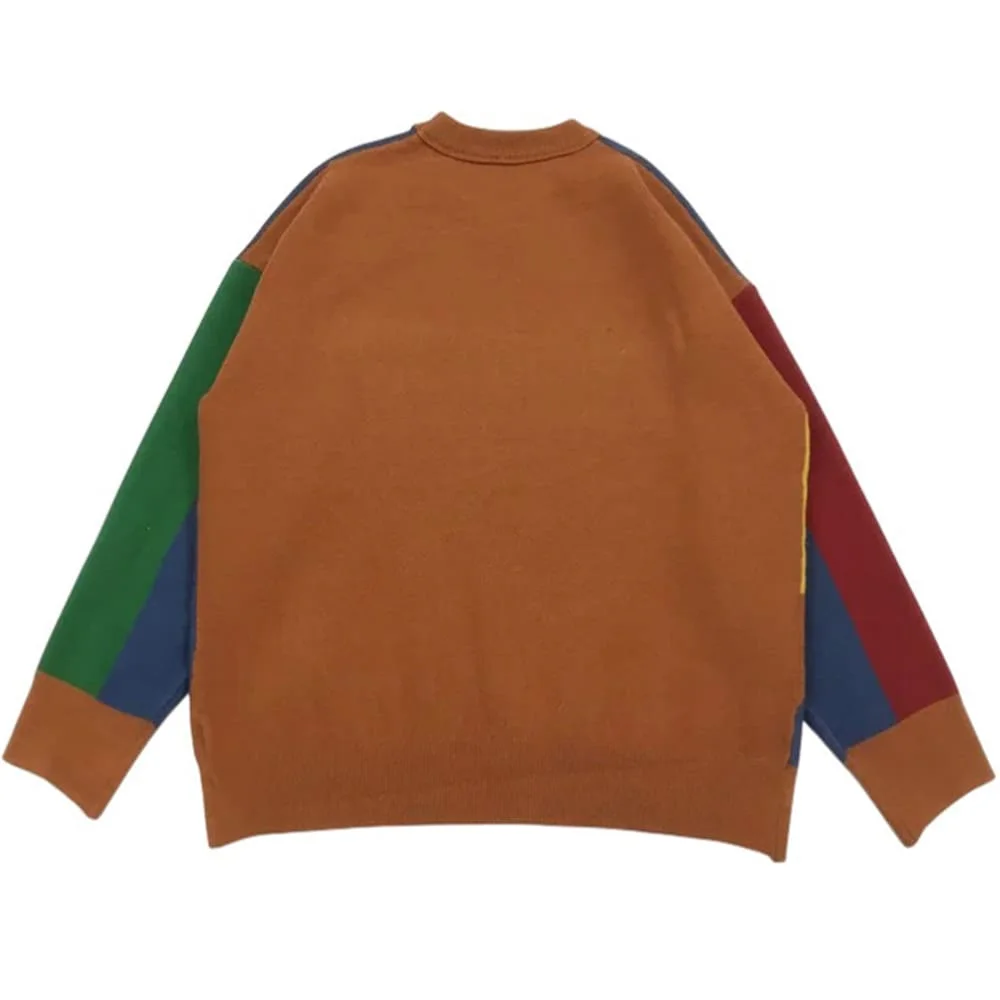
Before heading out the door, running through a quick mental checklist ensures your layered outfit looks intentional, fits comfortably, and adapts easily to whatever your day holds. Taking thirty seconds in front of a mirror to check your hems, collar alignment, and range of motion saves you from fussing with your clothes later on.
Start by testing your comfort. Can you lift your arms freely without your inner shirt twisting or bunching up into your armpits? Next, examine your silhouetteThe overall shape an outfit creates, from fitted to loose and layered. from both the front and side profiles. Make sure your layers create balanced proportions rather than gathering awkwardly in one spot, especially around the midsection and hips.
Lastly, consider your plans for the day and make sure your outfit can adapt as temperatures change. If you need to remove your outer sweater in a warm room, your base layer should look like a considered part of your outfit, not an afterthought. With these practical principles in hand, you can assemble indie knit outfits that look effortless, expressive, and ready for anything.
- Comfort check: Raise arms to verify freedom of movement at shoulders and elbows.
- Hem harmony: Confirm the base hem shows deliberately rather than slipping out unevenly.
- Indoor flexibility: Ensure the base top stands confidently on its own if outer knits come off.
- Balance review: Verify bottom weight matches top volume for an intentional profile.