Created by the Kawaii Vibe editorial team. Our named style desks are editorial personas. Product details and availability can change.
Building a cohesive everyday outfit starts by looking directly at the neckline and hem cut of your top. When you pull an indie top from your closet, its collar shape, shoulder drop, and torso length dictate where the eye travels and how much volume your bottoms need to counterbalance the frame. Rather than guessing whether a skirt or a pair of jeans matches, you can rely on basic structural harmony to anchor the entire look.
Our catalog features varied cuts across indie tops ranging from tight crewneck baby tees to boxy long sleeves and deep scoops. Each cut interacts differently with waistbands, outerwear lapels, and leg silhouetteThe overall shape an outfit creates, from fitted to loose and layered.s. By reading the angles of your collar and the horizontal break of your hem, you can pair garments intentionally without second-guessing your outfit before leaving home.
Crewnecks and Baby Tees: The High-Rise Balancing Act
A fitted crewneck cut sets a compact, neat anchor across your collarbones, drawing focus upward toward your jawline and shoulders. When an indie baby tee stops directly at or just above your hip bone, pairing it with lower-rise pants can sometimes make the torso look awkwardly stretched while truncating the legs. Instead, leaning into high-waist pants or structured shorts pulls the eye inward, establishing a crisp waistline that matches the tight contour of the shirt collar.
If you are starting your outfit with a close-fitting graphic shirt from the indie t-shirts range, pair it with structured bottoms that offer room through the hips and legs. Straight-leg corduroys, loose canvas trousers, or classic skater denim all prevent the compact crewneck from looking pinched. The visual weight shifts downward into relaxed fabric folds, letting the high, rounded collar frame simple accessories like chunky enamel chains or beaded chokers without fighting wider garment edges.
- Tuck the hem cleanly into a high waistband or let a cropped crew hem skim the belt line.
- Balance tight shoulder caps with straight-leg or wide-cut bottoms.
- Add narrow beaded chokers or compact pendant chains that sit neatly above the fabric ribbing.
Boat Necks and Wide Collars: Expanding Shoulder Lines
Boat neck cuts and wide, horizontal collars draw attention sideways across the shoulders and clavicles. Because this cut widens the upper frame horizontally, wearing tightly tapered skinny bottoms can create an inverted triangle shape that feels top-heavy. To build a balanced foundation, wider necklines generally pair best with bottoms that mirror that width through the leg or create an intentional A-line silhouetteThe overall shape an outfit creates, from fitted to loose and layered..
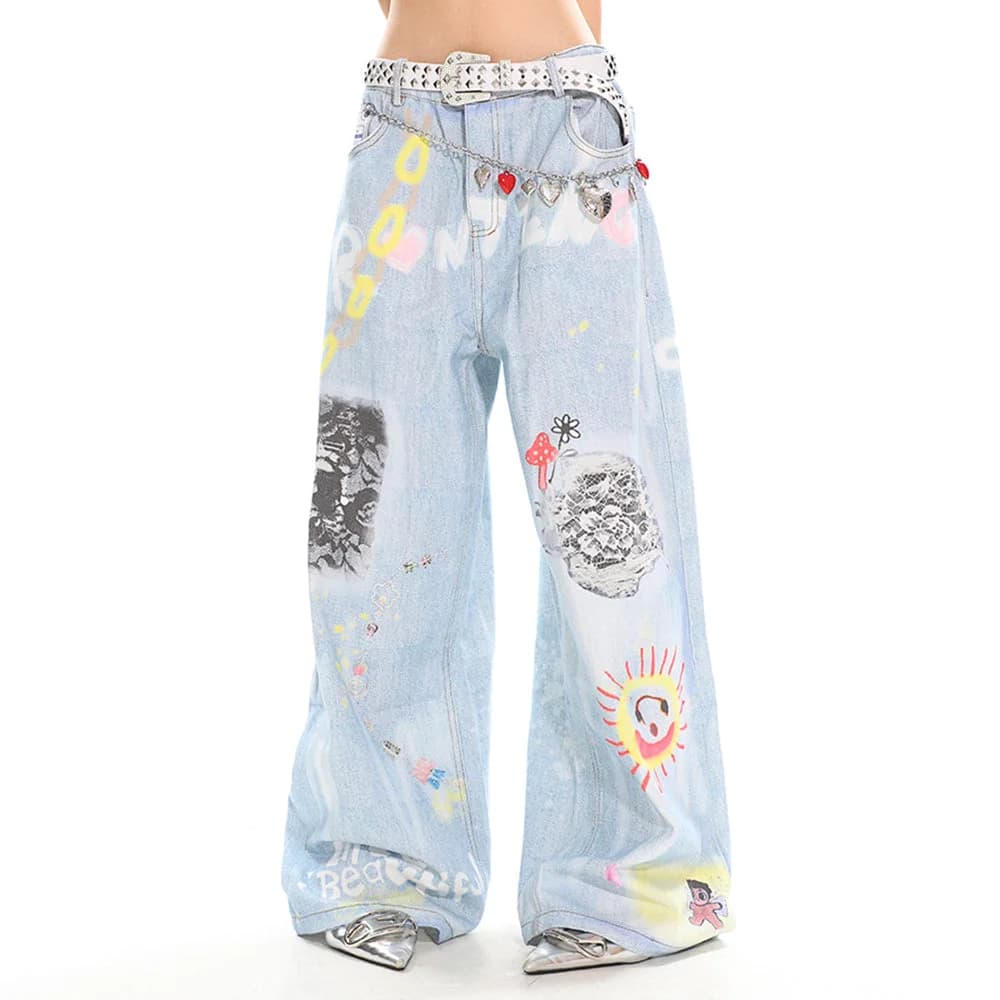
Consider pairing an open, wide-collared knit or horizontal-striped piece with roomy trousers. A dynamic option like the Indie Kid Baggy Jeans, made from sturdy blue denim in sizes M through XL, supplies the substantial calf and ankle volume required to anchor wide shoulder lines. The loose drape from the thighs downward grounds the visual spread up top, creating a relaxed streetwear profile that feels deliberate rather than accidental.
- Offset horizontal neckline spread with relaxed, pooling leg cuts.
- Avoid tapered leggings or tight pencil skirts that narrow your base.
- Leave the neckline bare or use drop earrings instead of bulky necklaces that clash with the horizontal edge.

V-Necks and Deep Scoops: Softening Angular Lines
Deep scoop necks and V-cuts expose the upper chest and lengthen the neck vertically, which introduces natural negative spaceAn uncluttered area that gives the rest of a design room to stand out. into your outfit. This vertical exposure works exceptionally well under heavier layers or alongside textured, boxy bottoms that might otherwise overwhelm your frame. The open chest softens dense fabrics like thick denim, heavy fleece, or utility canvas, keeping your silhouetteThe overall shape an outfit creates, from fitted to loose and layered. feeling light and mobile.
When working with scoops from our indie tank tops category, try tucking them into relaxed mid-rise cargo pants or pleated casual trousers. The soft curved neckline breaks up the rigid, utilitarian hardware and deep pockets of utility bottoms. If you want to layer over a scoop or V-cut during transitional weather, reach for an open-front unbuttoned overshirt or a lightweight cardigan so the vertical line of the collar stays visible from the front.
- Use open vertical necklines to lighten up dark, heavyweight cargo or denim bottoms.
- Frame the open chest with layered chain lengths that follow the V or scoop angle.
- Pair with mid-rise waistbands to maintain a continuous, elongated torso profile.
Cropped Boxy Cuts: Grounding Short Hemlines
A boxy cropped top introduces an abrupt horizontal break across the midsection, hanging loose around the ribs rather than hugging the torso. Because the cut itself creates negative spaceAn uncluttered area that gives the rest of a design room to stand out. around the waist, it needs bottoms with enough structure to hold their own silhouetteThe overall shape an outfit creates, from fitted to loose and layered. without clinging. Pairing loose crops with paper-thin leggings can feel disproportionate because the shirt holds a stiff square shape while the legs lack volume.
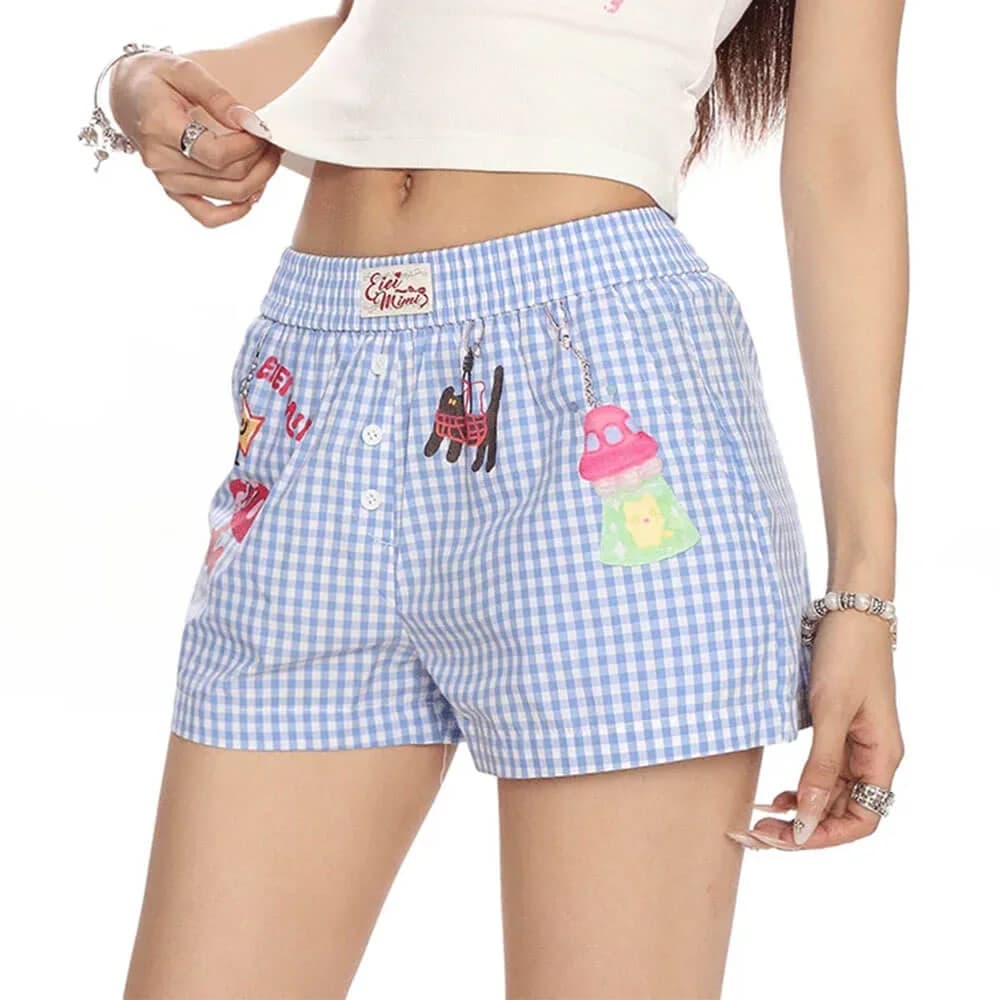
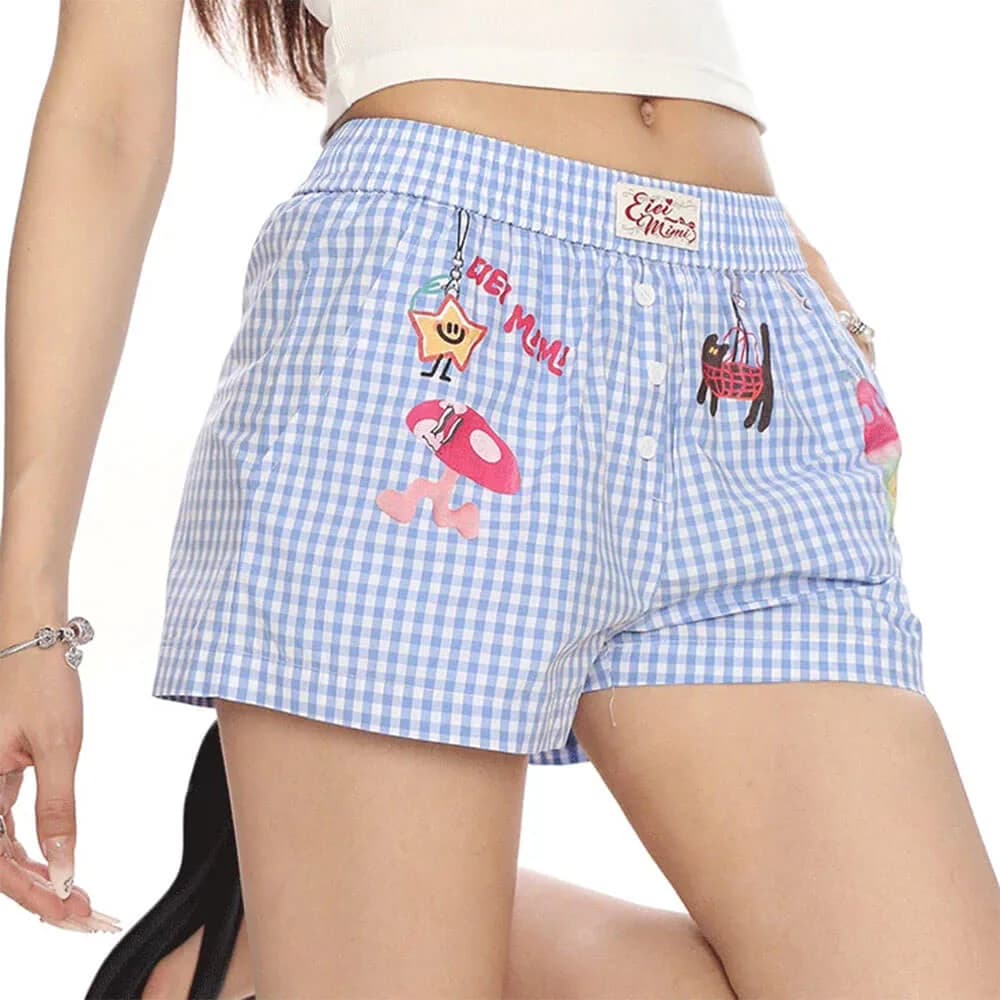
A strong approach is matching a boxy crop with textured, knee-length pieces. For example, the Indie Kid Plaid Summer Shorts, constructed from a cotton and polyester blend in a vibrant blue pattern across sizes S to L, provide an easy, relaxed lower half that matches the breezy square drape of the top. The shorts hit at a casual length that balances the higher hemline above, preventing the outfit from feeling overly top-heavy or cut in half.
- Match square, boxy crop hems with relaxed shorts, mid-rise chinos, or cargo pants.
- Avoid ultra-tight bottoms that make the boxy upper half look floaty or disjointed.
- Wear a contrasting belt to define the transition point between the open hem and waistband.

Longline and Slouchy Hemlines: Managing Volume
Longline cuts, dropped-tail hems, and oversized tunics shift the horizontal break of your outfit down past the hips. If you wear oversized bottoms with an equally long, baggy shirt without an intentional focal point, you can easily end up hiding your natural frame completely under folds of fabric. Wearing slouchy tops successfully comes down to controlling where the volume gathers and choosing bottoms that either complement or cleanly contrast that extended length.
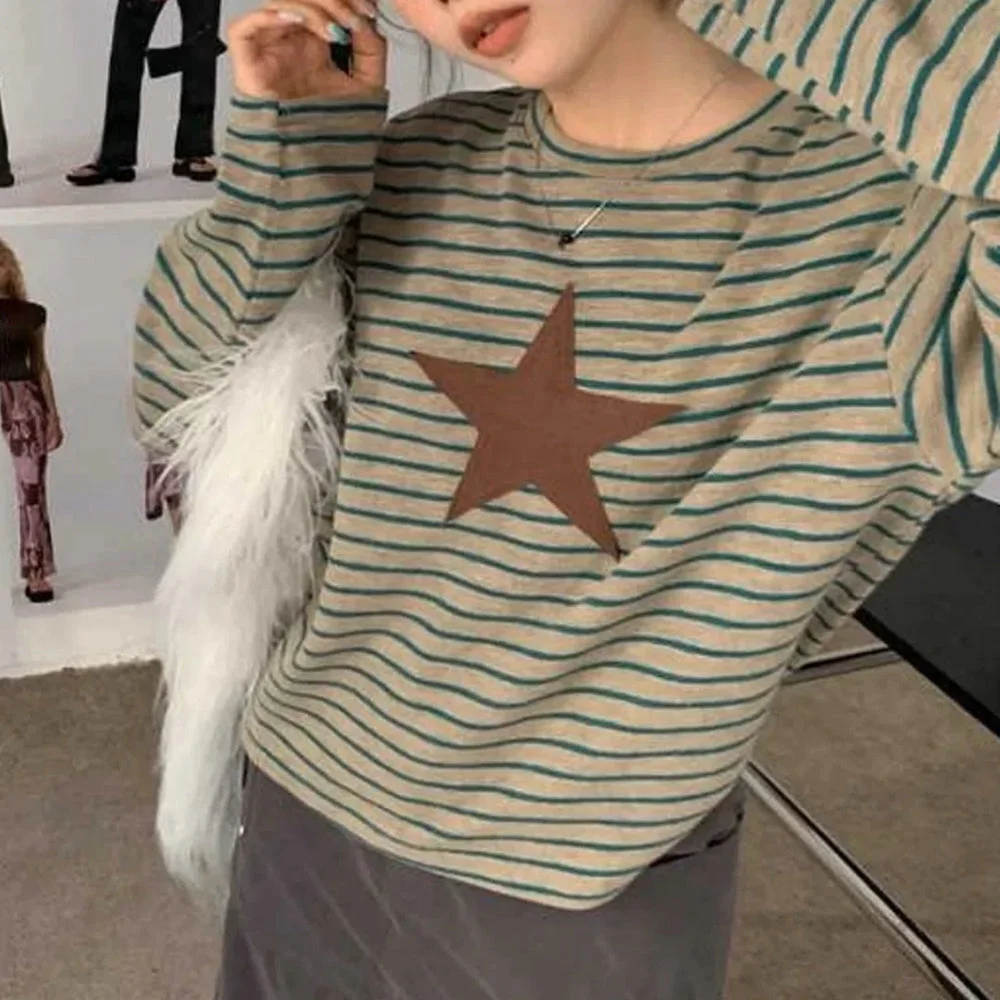
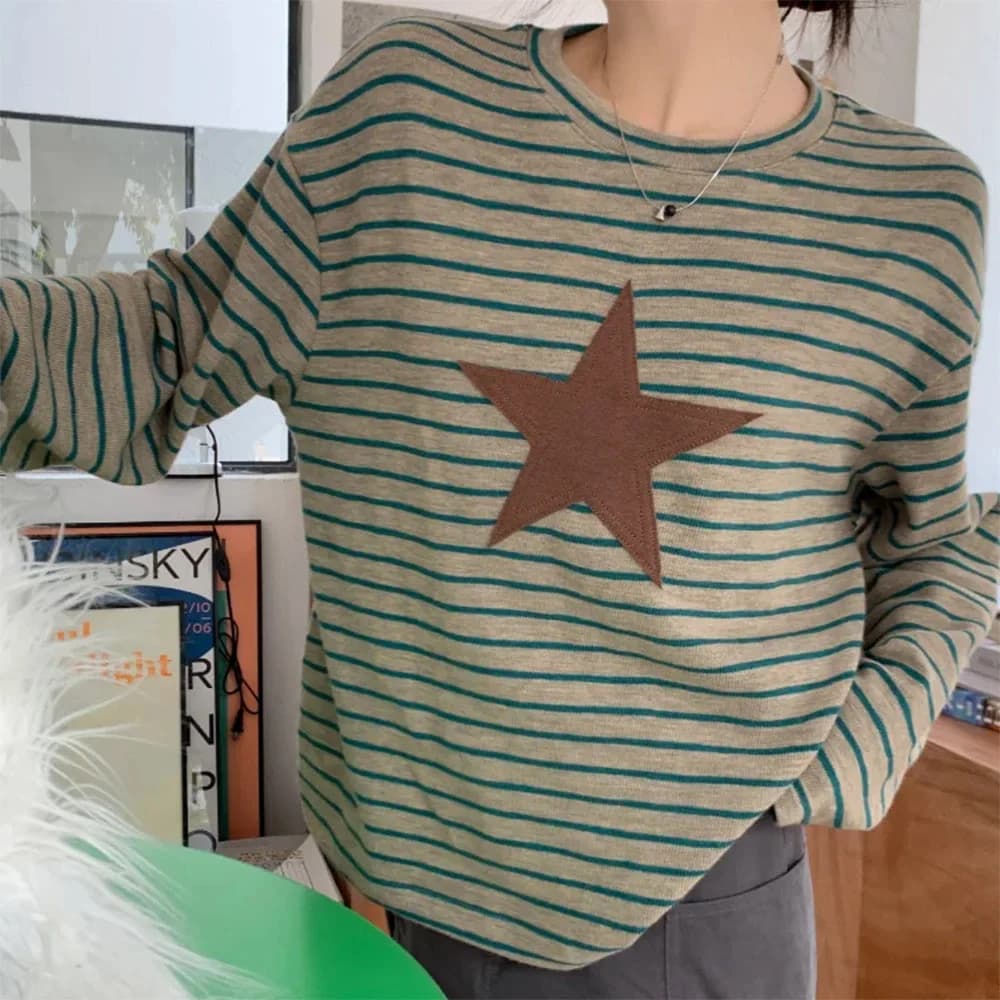
You can embrace an elongated silhouetteThe overall shape an outfit creates, from fitted to loose and layered. by picking an oversized piece like the Indie Kid Star Striped Long Tee, which features a green cotton-polyester blend in sizes S through XL. To give this extended cut structure, you can either front-tuck one side into relaxed denim to expose a belt loop, or leave it fully loose over straight-leg trousers. The extended hem creates an effortless grunge-inspired drape, especially when grounded by chunky lug-sole shoes or retro sneakers.
- Use a casual half-tuck on one hip to prevent longline hems from shortening your leg line.
- Pair extra-long hems with straight or slightly relaxed pants rather than extreme flares.
- Anchor the lower half with chunky-soled footwear to support the extended fabric drape.

Collared and Polo Cuts: Preppy Meets Grunge
Collared tops, button-up camp shirts, and polo cuts bring a crisp, structured framing to the neck that immediately tilts an outfit toward vintage prep or thrift-store skate styles. The sharp lines of a folded collar provide an organized focal point, giving you freedom to experiment with more chaotic, distressed, or printed elements across your bottoms without looking untidy overall.
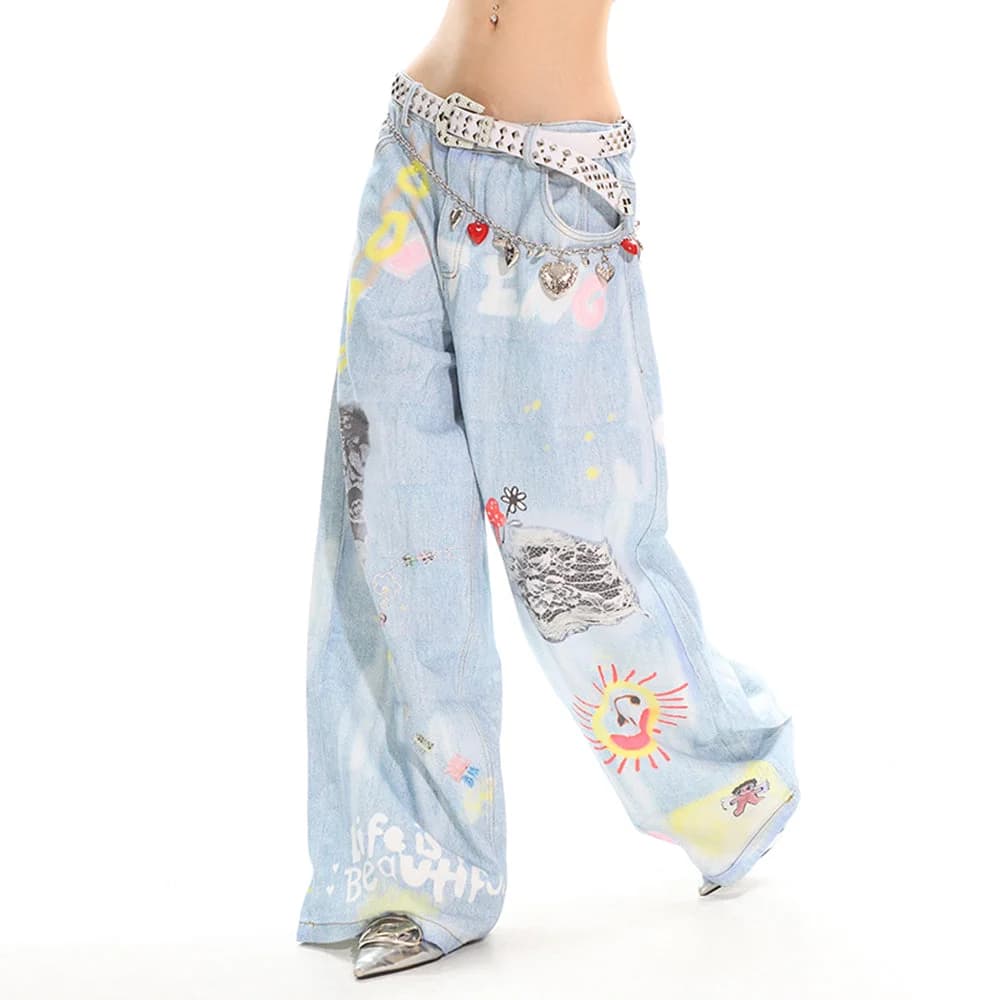
To counter the neatness of a collar, look for quirky prints or casual washes across the broader indie clothes umbrella. A collared top pairs naturally with the whimsical Indie Kid Mushroom Print Jeans, crafted from blue denim in sizes S through XL. The playful mushroom graphics across the denim cut through the buttoned-up feel of a polo collar, delivering a classic streetwear clash that feels youthful and expressive without sacrificing visual structure.
- Leave the top one or two buttons open on polo collars to keep the aesthetic casual and relaxed.
- Combine prim, folded collars with distressed, printed, or faded denim bottoms.
- Layer under crewneck vests or light knitwear, letting the collar tips fold over the outer neckline.

Mock Necks and High Collars: Sleek Layering Bases
Mock necks and funnel collars sit high on the throat without the bulky roll of a traditional winter turtleneck, offering a clean, architectural silhouetteThe overall shape an outfit creates, from fitted to loose and layered.. This cut directs all attention to the face and hair while creating an unbroken vertical plane down the chest. Because mock necks can occasionally make the torso look slightly longer, they benefit immensely from bottoms that define the waist or break up the line with interesting textures.
A high neck provides a sleek canvas for statement outer layers and experimental skirts. Try pairing a solid mock neck with a dynamic lower piece such as the Indie Kid Puffer Mini Skirt, available in polyester across Green, Brown, Beige, and Grey in sizes S to L. The quilted, dimensional texture of the puffer skirt adds tactile interest that offsets the smooth, high-coverage throat line of the top, creating a playful blend of cold-weather sporty and modern indie style.
- Tuck mock necks smoothly into high-waisted skirts or trousers for a streamlined look.
- Contrast the clean coverage of the neckline with textured fabrics like quilting, corduroy, or vinyl.
- Style hair in an updo or behind the shoulders to celebrate the neat collar shape.
Fitted Baby Tops with Graphic Sleeves: Layering and Contrast
Fitted tops with printed sleeves bring horizontal movement across the arms, making them a standout cut in any layered outfit. When sleeves carry graphics or color blocking, wearing an overly busy bottom with multiple competing prints can cause visual fatigue. The trick is letting the arm details and chest graphic lead the outfit while your bottoms provide a supportive, tone-matching base.
For a piece that uses graphic sleeves effectively, look at the Indie Butterfly Print Long Sleeve Top, made from a cotton and polyester blend in White and Black across sizes S to L. Pair this fitted silhouetteThe overall shape an outfit creates, from fitted to loose and layered. with mid-rise denim or a solid pleated skirt. If you want to layer, slip an oversized graphic tee from our indie t-shirts lineup over the top, letting the printed butterfly sleeves extend past the short sleeves for an effortless late-nineties skate aesthetic.
- Let printed sleeves do the talking by pairing them with solid or lightly washed bottoms.
- Layer short-sleeve tees over fitted long sleeves to create depth at the shoulders and cuffs.
- Select bottom colors that pick up secondary shades found in the sleeve graphic.
Asymmetrical and Off-the-Shoulder Cuts: Dynamic Angles
Asymmetrical necklines, single-shoulder drops, and slanted cuts disrupt the traditional horizontal and vertical planes of an outfit. By exposing one shoulder or angling diagonally across the collarbone, these tops introduce directional movement that instantly draws the eye upward. Because the top half already contains an unexpected line, pairing it with overly complicated bottoms can make the overall ensemble feel chaotic.
Keep the lower half clean and grounded when styling asymmetrical cuts. High-waisted wide-leg canvas pants, straight utility trousers, or an unadorned denim midi skirt work wonders here. The stable, predictable lines of simple bottoms act as a steady horizon, letting the slanted neckline stand out as the deliberate centerpiece of the outfit. Avoid heavily angled hems or tiered skirts that fight the neckline angle.
- Pair diagonal necklines with straight, symmetrical bottoms to prevent visual clutter.
- Opt for strapless undergarments to keep the collarbone and shoulder line crisp and clean.
- Ground the look with sturdy combat boots or chunky platform sneakers.
Crop Tops and Wide-Leg Bottoms: The Proportional Golden Rule
The relationship between a compact top and wide bottoms remains a staple formula within indie fashion for good reason. A short hem paired with an expansive trouser creates an instantly recognizable silhouetteThe overall shape an outfit creates, from fitted to loose and layered. that balances comfort with deliberate proportion. When you wear a piece from our indie crop tops collection, the exposed sliver of waist or belt acts as a natural separator between two distinct shapes.
To maximize this contrast, look for tops with interesting striping or color accents. The Indie Liminal Cat Striped Long Sleeve Top, constructed from lightweight polyester in a striking Yellow option across sizes S to XL, pairs effortlessly with wide-leg trousers. The slim long sleeves and cropped torso draw in the top half of your silhouetteThe overall shape an outfit creates, from fitted to loose and layered., allowing baggy cargo pants or relaxed skate jeans to drape dramatically without drowning your body under fabric.
- Ensure the cropped hem ends right at or slightly above your natural waist for the best balance.
- Choose wide-leg pants that drape smoothly over your shoes rather than bunching stiffly.
- Use a clean belt to give the transition between the crop hem and pant waistband a polished finish.
Knitwear and Zip-Ups: Strategic Neckline Adjustments
Knitwear and outerwear with adjustable necklines give you total control over how much collar and chest you expose throughout the day. A full-zip collar or a quarter-zip sweater allows you to transition an outfit from a high mock neck to a wide fold-over collar depending on the weather and what underlayer you choose to showcase underneath.
An adaptable choice for this technique is the Indie Kid Fuzzy Plaid Zip Up Sweater, made from plush polyester in White, Purple, and Green across sizes S to XL. You can zip it up to create a cozy, high-coverage neckline when paired with clean denim, or pull the zipper halfway down to reveal a simple crewneck tee or tank top layered beneath. The boxy drape and fuzzy texture provide substantial upper-body weight, pairing naturally with straight-leg denim or a twill mini skirt.
- Unzip collars halfway to expose graphic baby tees or subtle pendant necklaces beneath.
- Balance heavy, fuzzy knit textures with smooth denim or twill trousers.
- Adjust the zipper height to regulate both your temperature and your silhouetteThe overall shape an outfit creates, from fitted to loose and layered. throughout the day.
Texture Matching: Balancing Top Fabrics with Bottom Weights
Fabric weight and surface texture play just as large a role in outfit cohesion as neckline cuts and hem lengths. A thin polyester baby tee paired with ultra-heavy wool trousers can sometimes look disconnected, just as a thick fleece sweater can overwhelm flimsy summer rayon shorts. Thinking about the tactile relationship between your top and bottom helps your pieces look like they belong in the same outfit.
When shopping across indie clothes, look for tactile complements. Ribbed cotton baby tees pair naturally with mid-weight denim, while smooth polyester tops balance rough canvas or heavy corduroy. If your top features a high-sheen or slick polyester finish, pairing it with matte cotton twill bottoms grounds the outfit. Conversely, if your top is dense and fluffy, pairing it with structured denim creates a solid, comfortable foundation.
- Pair thin, stretchy tops with structured mid-weight denims to keep the look grounded.
- Combine matte bottom fabrics like twill or canvas with satin or polyester tops.
- Avoid combining two thin, clingy synthetic fabrics that lack structure.
Common Proportion Pitfalls and How to Fix Them
One of the most frequent styling mistakes when putting together indie outfits is unintentional volume matching—wearing an oversized, shapeless crewneck over ultra-baggy, low-rise sweatpants without any tucking, rolling, or contrasting structure. While baggy-on-baggy can work as an intentional grunge aesthetic, it requires deliberate styling, such as rolling sleeves or unzipping outerwear, to avoid looking sloppy or disorganized.
Another common pitfall is pairing high-coverage necklines like mock necks with floor-length, shapeless skirts without defining the waistline. When all skin and structure are covered from chin to toe, the outfit loses depth. The quick fix is simple: break up long expanses of fabric by cuffing sleeves, adding a contrasting belt, choosing an ankle-skimming bottom cut, or swapping full-length skirts for something with movement and shape.
- Break up baggy-on-baggy silhouetteThe overall shape an outfit creates, from fitted to loose and layered.s by half-tucking your top or cuffing pant hems.
- Avoid pairing high-neck tops with long shapeless skirts without a belt to mark the waist.
- Ensure footwear matches the overall visual weight of your top and bottom pairing.
Outfit Building Checklist: From Collar to Hem
Before walking out the door in your indie ensemble, take ten seconds in front of a mirror to run through a quick structural audit. Start at the top of your frame and look at how your collar interacts with your jawline and accessories. Then move down to the hemline of your shirt to confirm where it breaks against your waistband, and finally evaluate the volume of your pants or skirt relative to your shoulders.
Using this structural checklist helps eliminate outfit doubt and ensures that your chosen cuts, necklines, and fabrics work in harmony. Indie fashion is built on playful expression, but having a quick framework ensures your personal styling feels intentional, confident, and comfortable all day long.
- Collar Check: Does the neckline leave appropriate room for your jewelry or outerwear lapels?
- Hem Break: Does the top end cleanly at the waistband, crop above it, or drape intentionally over the hips?
- Proportion Balance: If the top is tight, do the bottoms provide enough shape or volume to anchor it?
- Texture Harmony: Do the fabric weights of your top and bottom complement rather than fight each other?