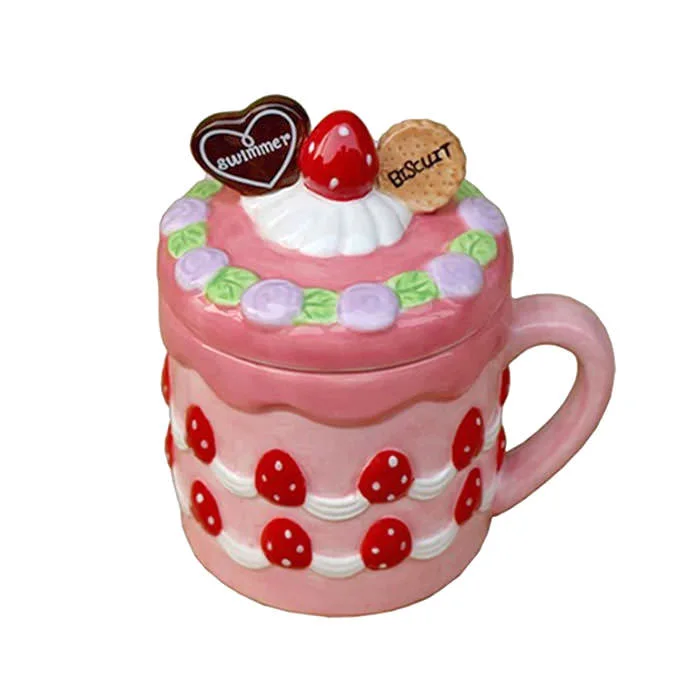
Created by the Kawaii Vibe editorial team. Our named style desks are editorial personas. Product details and availability can change.
Short answer: start with three mugs, not ten. One bigger mug for slow mornings, one medium mug for the desk, and one small mug for tea or a second cup. Keep them in two or three related colours, check the care details on each product page, and you get a collection that looks cute and still fits in your cupboard.
A kawaii mug is easy to over-buy because every one has a face, a shape or a colour you like. That is fine, but cute things pile up fast. This guide is about the boring-useful part: how big to go, what to check before you heat or wash anything, how to group colours, and where each mug actually lives.
We are a retailer, so we will only talk about what a listing tells you. If a page does not state microwave or dishwasher safety, treat that as unknown and ask before you assume. You can browse the full range in our Kawaii Mugs collection while you read.
Start with the three-mug rule
The easiest way to avoid clutter is to decide on roles before you buy. Think of three jobs: the big mug (slow drinks, long calls, hot chocolate), the desk mug (what you refill while working) and the small mug (tea, espresso-sized drinks, or a guest cup). If a new mug does not do a job, it is decoration, and decoration can live somewhere else.
This works because most of us reach for the same one or two mugs every day. A cupboard of eight cute mugs usually means six are waiting. Three roles gives each mug a reason to be used, and used mugs stay lovely because you actually enjoy them.
If you live with someone, add one mug per person rather than a random extra. Two people, two big mugs, one shared small mug is a calm, workable set. You can always grow later, but start small and see which role you miss.
- Big mug: the one you use at the weekend
- Desk mug: easy to hold, hard to knock over
- Small mug: tea, a quick coffee, or a guest
- Anything extra needs a job or a shelf

Size: how to judge capacity without guessing
Size is where people get caught out. A cute shape can look huge in a photo and tiny in your hand. Always look for the capacity or dimensions on the product page, and if they are not listed, do not guess. Compare against a mug you already own: fill it with water, pour the water into a measuring jug, and you know your own favourite size in millilitres or ounces.
Then think about the drink. Black coffee and tea are happy in a smaller cup. Milky lattes, hot chocolate and instant noodles-in-a-mug need more room. A wide, short mug cools quicker than a tall narrow one, so if you sip slowly at a desk, a taller shape tends to hold heat longer.
Also check the handle. Small loops suit one or two fingers and look dainty but can be fiddly with a heavy full mug. If you have larger hands, look for a handle photo next to something familiar, like a hand or a phone, to judge the opening.
- Measure your current favourite mug first
- Match capacity to your usual drink
- Check handle opening in photos
- No stated size? Ask before buying
Microwave and dishwasher: read before you heat or wash
Care details matter more than cuteness. Before you buy, look for clear wording on the product page about microwave and dishwasher use. If it says nothing, we cannot promise either, so the safe move is to assume hand washing and no microwave until you have confirmation. That is not a warning about any particular mug, just a sensible default.
Pay extra attention to anything with metallic paint, gold trim, glitter finishes, raised 3D parts or lids with other materials. These are the details that most often come with special care notes. If a mug has a decorative element and no care wording, hand wash gently and warm drinks in a kettle or pan instead of a microwave.
A good habit is to keep a care note on the base of your cupboard shelf or a sticky note inside the door for mugs with limits. Housemates and visitors will not know which cup is fragile, and a quick note saves a lot of sad dishwasher moments.
- Look for explicit microwave and dishwasher wording
- No wording means treat it as unknown
- Be extra careful with metallic trim and 3D parts
- Heat drinks separately if you are unsure
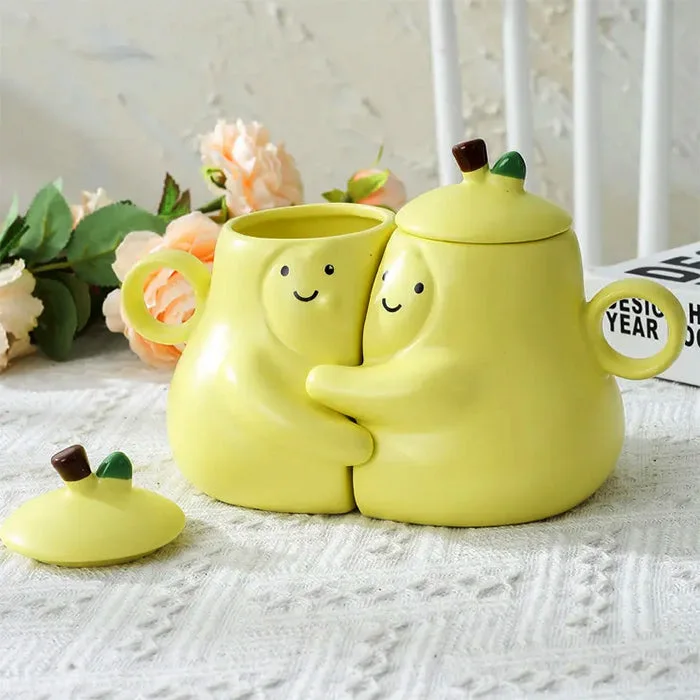
Pick a colour family, not a rainbow
Colour grouping is the single biggest thing that makes a small collection look planned. Choose a main colour family, such as soft pinks and creams, or blues and whites, then allow one accent. Three mugs in the same family will look like a set even if the shapes are completely different.
Here is a simple formula: two mugs in your main family, one in a contrasting accent. For example, a cream mug, a blush mug and one pale blue. Or two sage and white mugs with one butter yellow. The accent mug becomes the fun one, and the others keep the shelf calm.
If you love bright, mixed colours, you can still do it by keeping the background neutral. Put them on a plain white or wood shelf with nothing else competing. The mugs are the colour, so the space around them should stay quiet.
- Main family plus one accent
- Neutral shelf if your mugs are bright
- Repeat a colour somewhere else in the room
Matching sets versus mix-and-match
A true matching set is the safest route to a tidy look, but it can feel a bit flat with cute designs. Mix-and-match is more personal, and you can make it work with one shared rule: same colour family, same finish, or same character style. Pick one rule and stick to it.
Compare the finish across mugs. A glossy mug next to a matte one can look off if the colours are close, but it looks deliberate if the colours are clearly different. Likewise, a very round mug and a tall straight one stack awkwardly, so check whether you want to stack at all.
If you are buying over time, write down your rule in your notes app. When you see a new mug, check it against the rule. It sounds fussy, but it stops the impulse purchase that clashes with everything else you own.
- One shared rule: colour, finish or character style
- Check stackability before buying several
- Keep a short note of your rule
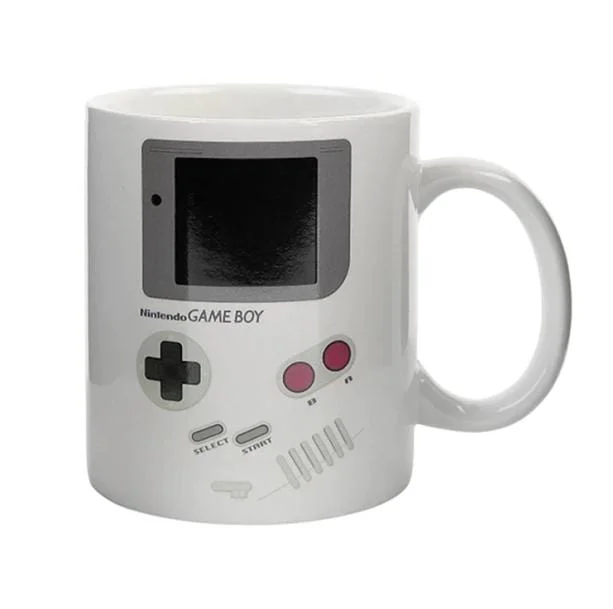
Desk setups: where the mug actually sits
On a desk, a mug needs a home, or it wanders into your keyboard. Place it on the side of your dominant hand's opposite side, so you are not reaching across your work. Keep it about a forearm's length from your laptop edge and away from cables. A flat coaster or a small tray gives it a stable spot.
Match the mug to your desk palette. If your desk is white and wood, a pastel mug is the soft pop. If you already have lots of colour, choose a cream or white mug and let your stationery do the talking. You can pull from our Stationery collection for a notebook, pen pot or sticky notes in the same colour family.
Keep one mug on the desk at a time. A second cup means a second ring of tea and double the clutter. When you finish, the mug goes back to the kitchen. This one habit does more for a tidy desk than any storage box.
- Mug on the opposite side of your writing hand
- Use a coaster or tray
- One mug on the desk at a time
- Echo mug colour in one stationery piece
Kitchen storage for a small collection
In the kitchen, a few mugs can be display, not just storage. A single open shelf or a rail with hooks makes three to five mugs look intentional. If you hang mugs, check the handle is sturdy enough and the hook is rated for the weight, and keep heavier mugs on a shelf instead.
If your cupboards are tight, stack by role. Big mugs on the bottom, small mugs on top, and a rule that only mugs of the same height stack together. Odd shapes go at the end of the row where they do not tip anything over. Take a look at our Kitchen Decor collection for shelf and counter pieces that sit alongside a mug display.
Leave some empty space. A shelf with breathing room looks tidy even with colourful mugs. A rule of thumb is to fill about two thirds of any shelf and keep the rest empty, so you can swap mugs in and out without it turning crowded.
- Display three to five mugs maximum
- Stack by role and height
- Do not overload hooks
- Leave a third of the shelf free
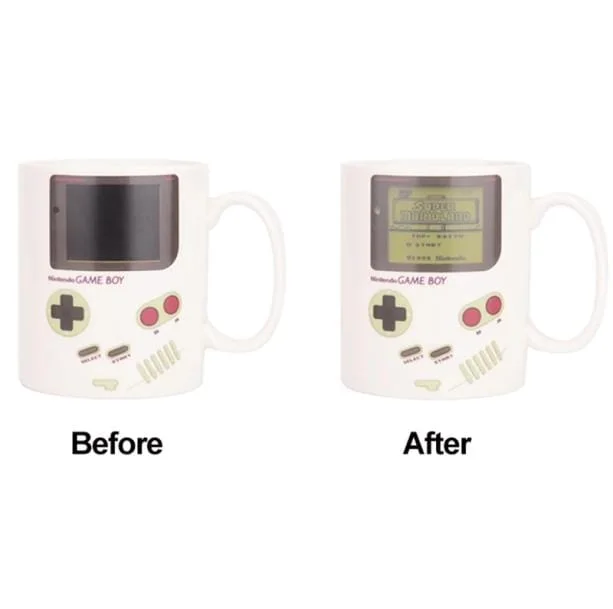
Adding cute extras without crowding the shelf
Once your mugs are sorted, small extras can finish the look, but this is where clutter sneaks back. Pick one extra per shelf: a tiny plant, a small plush, or a decoration. Anything more and the mugs lose the spotlight. Our Kawaii Decorations collection is a good place to find a single accent piece.
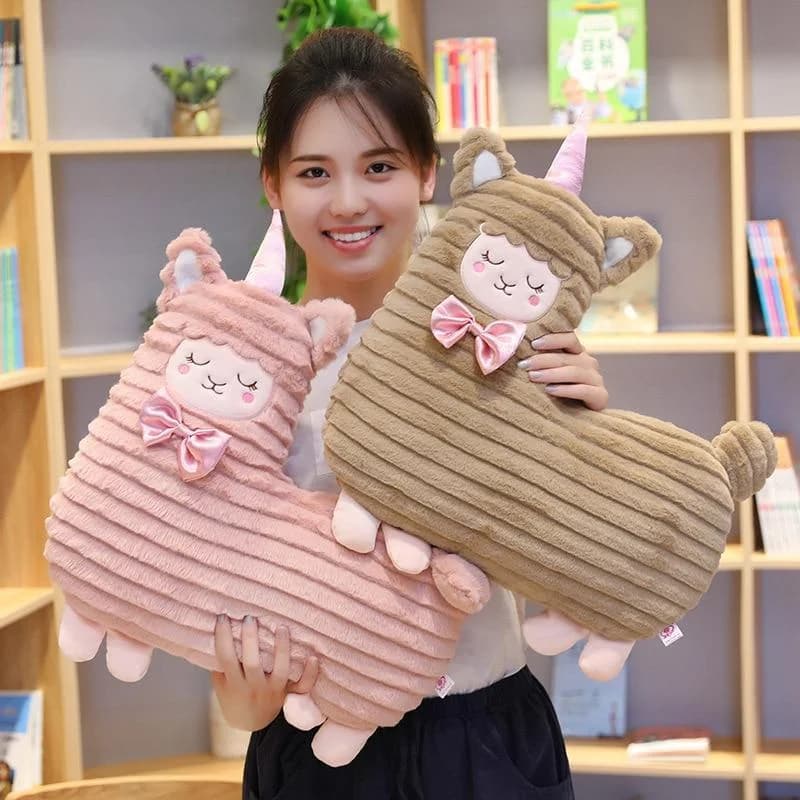
Plush can work as a soft backdrop. The Kawaii Boba Plush comes in Light coffee, Dark coffee, Squinting and White, with sizes from 24 cm to 70 cm, so the smallest one suits a desk corner beside a coffee-toned mug set. For a pastel shelf, the Kawaii Alpaca Plushie in Pink, White or Brown can sit beside a cream or blush mug.
Check size against the shelf depth and height before you buy. A plush should lean against a wall or sit beside the mugs, not in front of them, and never near the edge where a swing of the arm could knock a hot drink over.
- One extra per shelf
- Plush sits behind or beside, never in front
- Check shelf depth and height first

Matching mugs to a cosy reading or bed corner
If your mug lives next to a chair or bed, choose a stable, wide-based shape and a colour that matches your soft furnishings. A mug that tips easily is a bad idea beside a pillow, so a wide base and a short body are your friends. Always keep drinks on a tray or side table, never on the bed itself.
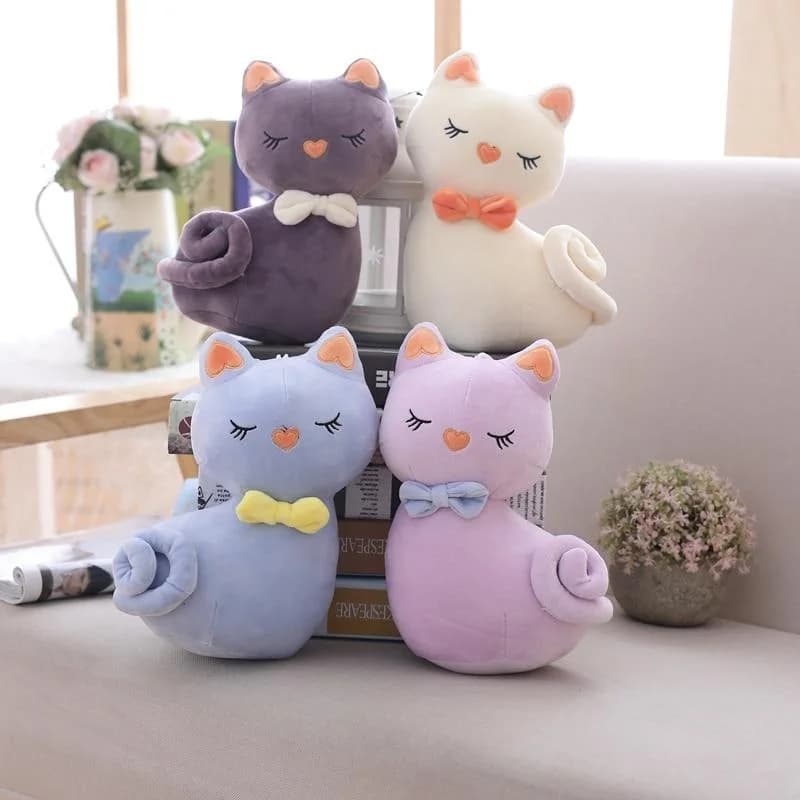
For a calm corner, a muted mug can sit alongside a sleepy-themed plush. The Kawaii Sleepy Cat Plushie is listed in Purple, Cream, Blue and Dark Purple, so a cream version suits a neutral mug and the purples pair with lilac or grey mugs. It is a decor piece for the chair or shelf, not something to put near a hot drink.
Think about the whole corner as a small palette: mug, plush, blanket, lamp. Choose two colours and let the third be neutral. If everything is pastel pink, add one cream or grey item so it reads soft, not sugary.
- Wide, low mugs for side tables
- Keep drinks on a tray, away from soft items
- Two colours plus one neutral
Gifting a mug without guessing
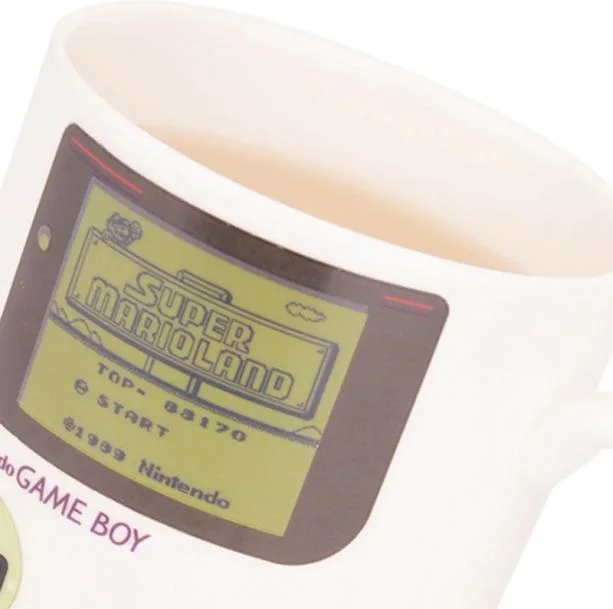
Mugs are an easy gift, but easy to get wrong. Think about the person's real routine: do they drink tea or coffee, and do they work at a desk? If you do not know, a medium mug in a gentle colour is the safest bet. Avoid very small or very large sizes unless you know their habits.
Check care details again before gifting. If you are unsure about microwave or dishwasher use, include a short note saying how to wash it. It is a thoughtful touch and avoids a broken present. Keep gift extras light: a pen or notebook from the Stationery collection pairs nicely and is easy to ship flat.
If you are buying for a shared house or a new flatmate, a pair in the same colour family looks welcoming without being too personal. For a friend who loves animals, a small plush such as the Kawaii Duck Plushie, available in Grey, Yellow, Pink or Blue, can sit beside the mug as a desk buddy.
- Choose medium size when unsure
- Include a care note
- Pair with a flat, light extra

How to compare two mugs you like
When you are torn between two mugs, compare on facts, not just looks. Put them side by side in a list: capacity, handle shape, care wording, colour family, and which role they fill. If one of them fails on care or size, the decision is made. If they are equal, choose the one that fits your colour family.
Look at the photos for clues. Is the glaze glossy or matte? Is there raised detail that could catch on a sponge? Are there images of the base and inside? A product page that shows more angles is easier to trust. If key details are missing, ask before ordering.
Finally, picture the mug in your actual space. Where will it sit, what will it stand next to, and will you use it this week? If you cannot answer that quickly, add it to a wishlist instead of the basket and see if you still want it in a few days.
- List capacity, handle, care, colour, role
- Check photos for finish and detail
- Wishlist first if you are unsure

Common pitfalls to avoid
The first pitfall is buying for the photo. A mug that looks cute on a pastel background might not suit your kitchen or your drink. The second is ignoring care wording, which leads to faded paint or cracked trim. The third is buying one of everything, which fills the cupboard without improving your mornings.
Watch out for size drift too. If every new mug is slightly bigger than the last, you will end up with a pile of oversized cups that do not fit a shelf. And avoid mixing too many characters. One animal theme, one food theme and one plain mug is plenty.
Finally, do not forget the little things: coasters, a spot to dry mugs, and a rule for the desk. A beautiful mug with nowhere to go becomes clutter, no matter how cute it is.
- Do not buy only for the photo
- Do not skip care wording
- Cap the number of characters or themes
- Give every mug a home
A simple checklist and starter combinations
Here is a quick checklist before you add to basket. Does it fill a role? Is the capacity listed and right for your drink? Are microwave and dishwasher details stated, or do you know how you will wash it? Does it match your colour family? Do you have a place for it? If you can say yes to most of those, you are good to go.
Starter combos to adapt: a blush big mug, a cream desk mug and a pale blue small mug for a soft pastel shelf. Or a sage mug, a white mug and a butter yellow mug for a fresh kitchen. Add a single plush like the Kawaii Whale Plushie, which comes in Small or Large in Blue or Pink, as the one extra on a nearby shelf.
When you are ready, head back to the Kawaii Mugs collection, pick your three, and stop there. You can always add a fourth when you notice a real gap. A small, well-chosen set is easier to love, easier to wash and much easier to keep tidy.
- Role, size, care, colour, home
- Soft pastel trio: blush, cream, pale blue
- Fresh trio: sage, white, butter yellow
- Stop at three, then add only for a real gap